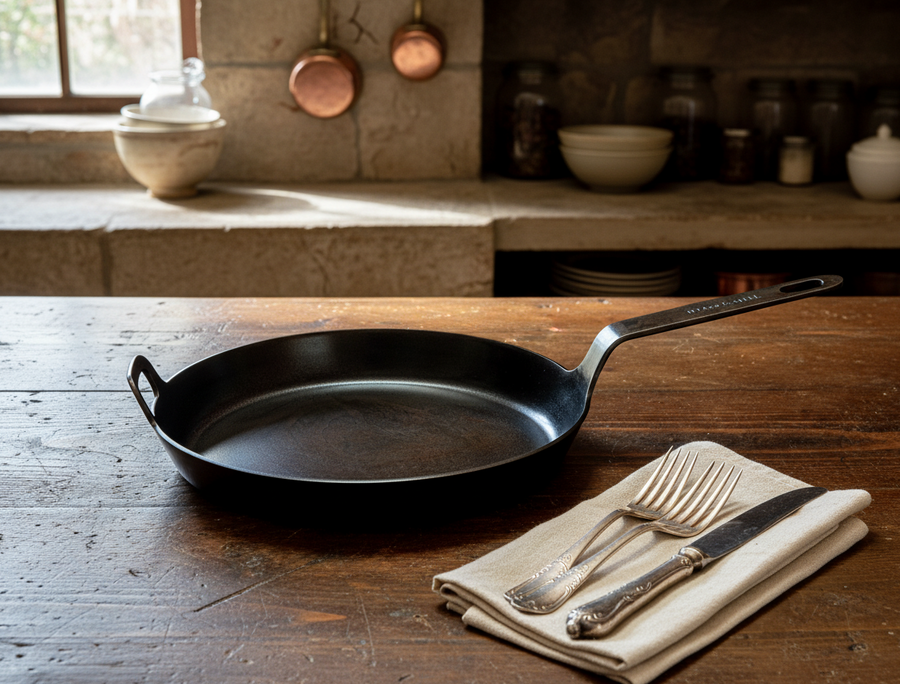
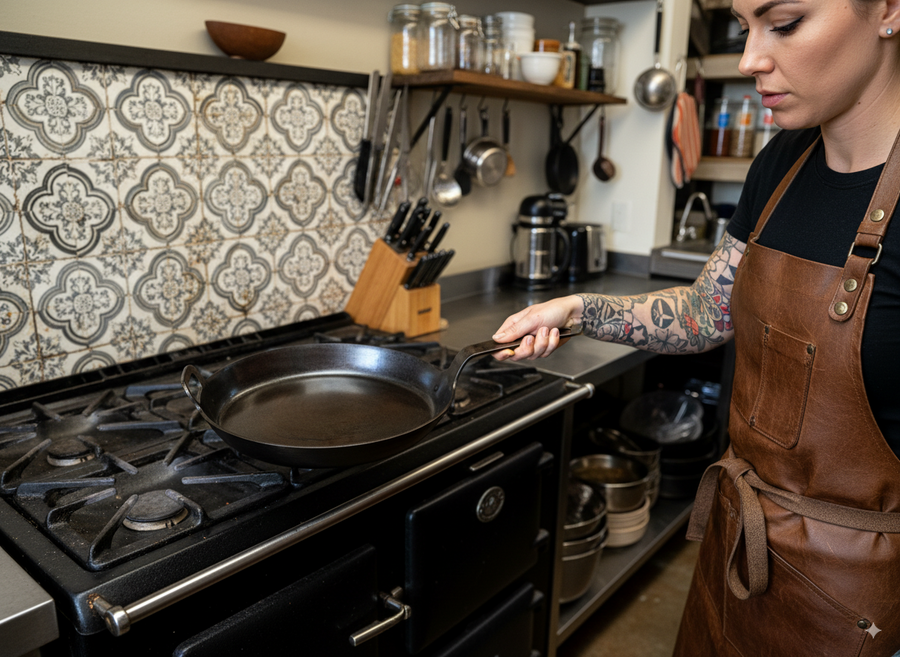
Carbon steel kitchenware: Expert care tips for lasting performance

Carbon steel pans have a reputation for being temperamental. Ask around and you will hear warnings about rust, sticky patches, and seasoning rituals that sound more like alchemy than cooking. The truth is far simpler. With a clear routine covering seasoning, cleaning, and storage, your carbon steel pan will reward you with years of reliable, near-nonstick performance. This guide walks you through every essential step, backed by expert advice, so you can stop worrying and start cooking with confidence.
Table of Contents
- What makes carbon steel unique in the kitchen?
- The step-by-step guide to seasoning carbon steel
- Daily cleaning methods for carbon steel kitchenware
- How to prevent rust: Drying, oiling, and storage strategies
- How to rescue carbon steel pans from rust and sticky residue
- Cooking and storage tips for optimal carbon steel performance
- Discover expert solutions for carbon steel care
- Frequently asked questions
Key Takeaways
| Point | Details |
|---|---|
| Seasoning is essential | Proper initial seasoning prevents rust and creates a natural nonstick layer. |
| Cleaning routine matters | Hand-washing and careful drying extend your pan’s life and improve cooking results. |
| Rust prevention made simple | Drying and oiling each time keeps carbon steel pans rust-free. |
| Restore pans easily | Scrub away rust, reseason, and your pan will perform like new—even after mishaps. |
| Expert-approved storage tips | Stack with protectors and keep pans dry for lasting performance, especially in humid climates. |
What makes carbon steel unique in the kitchen?
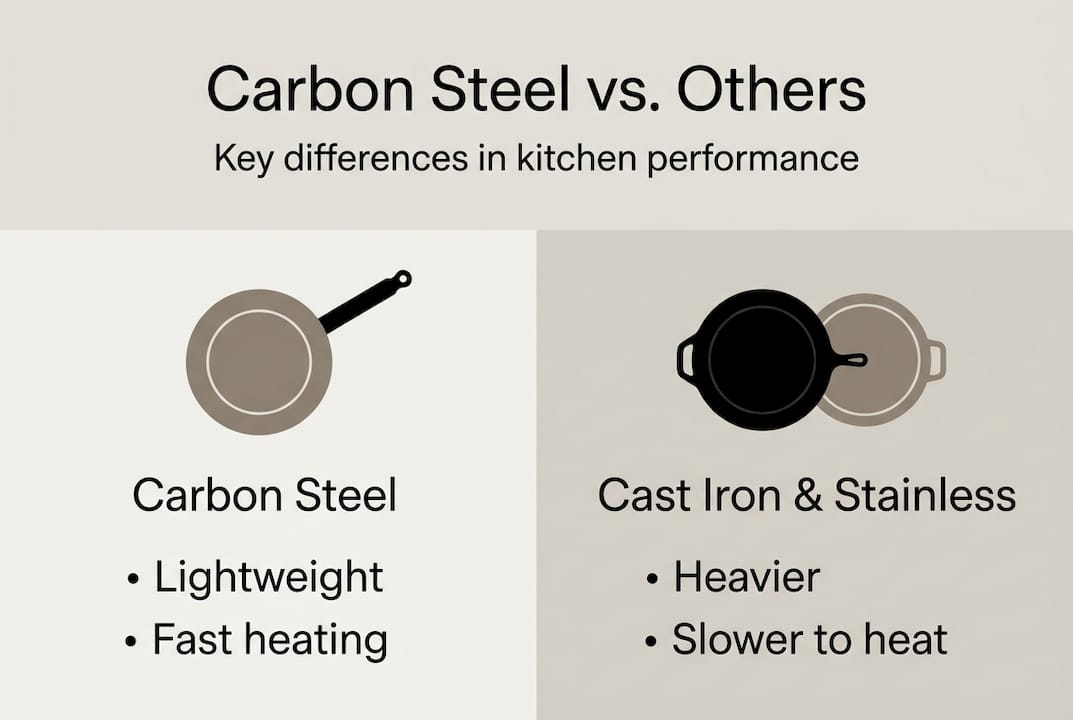
Carbon steel sits in a fascinating middle ground between cast iron and stainless steel. It heats up faster, responds to temperature changes more quickly, and weighs noticeably less than cast iron, making it far easier to handle during a busy weeknight dinner. According to best frying pans compared, it is one of the most versatile materials available for home cooks today.
The key difference when comparing carbon steel vs cast iron is responsiveness. Carbon steel heats and recovers faster than cast iron, making it the preferred choice for high-heat searing and precise temperature control. Both materials require seasoning, but carbon steel rewards attentive cooks more quickly.
A well-seasoned carbon steel pan develops a naturally nonstick surface that rivals any synthetic coating, without a single chemical in sight.
Seasoning is the process of baking thin layers of oil onto the steel until they polymerise (bond chemically to the surface) and form a hard, dark patina. This patina is what gives carbon steel its nonstick quality and protects it from rust. The table below shows how carbon steel compares to its closest rivals.
| Attribute | Carbon steel | Cast iron | Stainless steel |
|---|---|---|---|
| Weight | Light to medium | Heavy | Light to medium |
| Heat responsiveness | Excellent | Moderate | Good |
| Requires seasoning | Yes | Yes | No |
| Nonstick potential | High (with patina) | High (with patina) | Low |
| Typical issues | Rust if neglected | Rust, weight | Food sticking |
| Care routine | Season, dry, oil | Season, dry, oil | Soap and water |
The step-by-step guide to seasoning carbon steel
Seasoning is not complicated, but precision matters. The goal is to apply the thinnest possible layer of oil and heat it until it bonds to the steel. Too much oil and you get a sticky, gummy surface. Too little and the patina will not form properly.
Follow these steps for a strong, reliable base seasoning:
- Wash your new pan with warm, soapy water to remove the protective shipping oil. Dry it completely.
- Place the pan in an oven preheated to 250°C and bake for 10 minutes to drive out any remaining moisture.
- Remove the pan and apply a very thin coat of a high-smoke-point oil such as grapeseed or canola. The pan should look almost dry after wiping off the excess.
- Place the pan upside down in the oven and bake for 30 minutes.
- Allow it to cool in the oven, then repeat the process.
The initial seasoning builds a protective bronze-black layer, and repeating the process 3 to 5 times creates a genuinely durable patina. Our detailed seasoning carbon steel guide and seasoning checklist walk you through every variation. You can also find additional technique advice in the official care guide from Made In Cookware.
Pro Tip: Cook bacon, sausages, or other fatty foods in your newly seasoned pan for the first few weeks. The natural fats reinforce the patina far more effectively than oil alone.
Even if your pan arrives pre-seasoned, adding two or three extra seasoning rounds before first use will give you a noticeably more resilient surface from day one.
Daily cleaning methods for carbon steel kitchenware
Once seasoned, routine cleaning is essential to preserve your pan’s nonstick patina and prevent rust. The good news is that daily cleaning takes less than two minutes when done correctly.
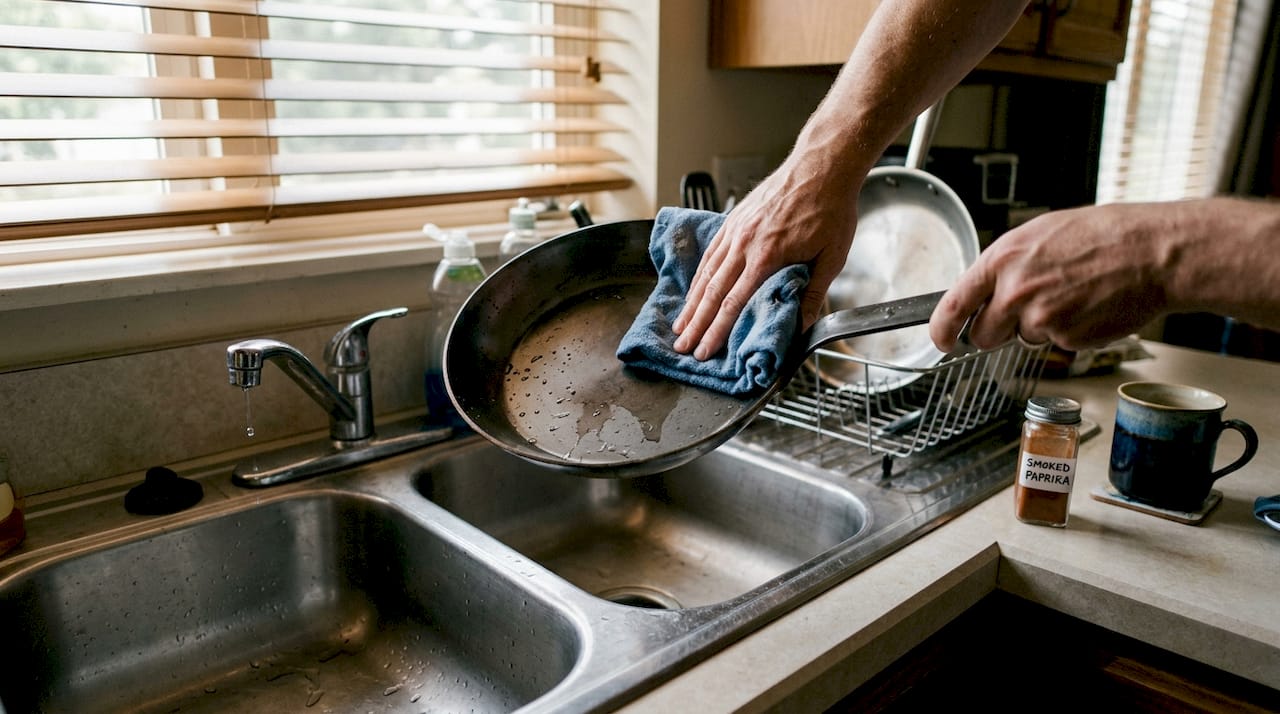
While the pan is still warm (not scorching hot), wipe it out with a folded piece of kitchen paper. For stubborn bits, use a coarse salt and oil scrub, working in small circles with a paper towel. Rinse briefly with hot water if needed, then dry immediately. The daily cleaning routine is straightforward: wipe while warm, use hot water and a brush, and never leave the pan to soak.
Here is what to keep in your cleaning toolkit:
- Kitchen paper or a clean cloth for everyday wiping
- A chainmail scrubber for stubborn, stuck-on residue
- Coarse salt as a gentle abrasive that will not damage the patina
- A neutral oil such as sunflower or canola for the finishing coat
- A stiff brush for rinsing without scratching
The dishwasher is an absolute no. It strips seasoning completely and leaves the bare steel exposed to rust within hours. Soaking is equally damaging. For more detail on protecting your patina, visit our best practices for carbon steel guide and our carbon steel upkeep tips. The team at de Buyer also share useful cleaning tips worth reading.
On the soap debate: soap used sparingly is acceptable if you need to remove a strong odour or residue, but regular soap use will gradually erode your seasoning. Most experienced cooks avoid it entirely.
Pro Tip: After every wash, rub a few drops of neutral oil into the surface with a paper towel before putting the pan away. This 30-second habit is the single most effective rust prevention measure you can take.
How to prevent rust: Drying, oiling, and storage strategies
After daily maintenance, safeguarding your pan from rust is fundamental for long-term performance. Rust forms when bare steel meets moisture and oxygen. The solution is simple: never let either linger.
Always dry your pan on the stovetop over a low flame for one to two minutes after washing. This evaporates every trace of moisture that a towel might miss. Then apply a thin layer of neutral oil while the pan is still warm, which helps it absorb evenly. Heating dry on the stove and applying a thin oil layer is the most reliable rust prevention method available. In fact, rust is 100% preventable with a consistent dry and oil routine.
| Storage condition | Rust risk | Recommended action |
|---|---|---|
| Dry cupboard, oiled pan | Very low | Standard oil coat after each use |
| Humid kitchen, oiled pan | Moderate | Extra oil coat, silica gel sachet nearby |
| Humid kitchen, unoiled pan | High | Oil immediately, consider pan protector |
| Stacked without protectors | Moderate | Use felt or paper protectors between pans |
For storage, follow these strategies:
- Place a felt or paper pan protector between stacked pans to prevent scratching and moisture transfer
- Store in a dry cupboard away from the sink or steam sources
- In humid European climates, extra vigilance is needed and a small silica gel sachet in the cupboard makes a real difference
- Hang pans on a wall rack if possible, allowing air to circulate freely
Our guides on preventing rust, rust prevention steps, and avoiding rust step by step cover every scenario in detail. Nordic Ware also offer practical advice on stopping a pan from rusting that complements these steps.
How to rescue carbon steel pans from rust and sticky residue
Even with the best care, accidents happen or humidity strikes. Here is how to restore your pan to peak performance.
For rust spots, follow these steps:
- Scrub the affected area firmly with fine steel wool or a rust eraser until the orange discolouration disappears and you see bare, grey steel.
- If the rust is deep or widespread, soak the pan in a 50/50 mixture of white vinegar and water for no longer than 30 minutes. Longer soaking can pit the steel.
- Rinse thoroughly, dry immediately on the stovetop, and proceed to a full reseasoning cycle.
The rust removal process involves scrubbing with steel wool or a rust eraser, a vinegar soak if needed, and then a full reseasoning. Our rust removal guide and deep clean step guide provide additional detail for more severe cases.
For sticky pans, the cause is almost always too much oil applied during seasoning. Scrub the sticky layer off with a chainmail scrubber and hot water, dry thoroughly, and reseason using a much thinner oil coat than before.
Pro Tip: If you cook in a particularly humid part of Europe, brands such as de Buyer and Matfer design their pans for humid climates and their care instructions are well adapted to those conditions. The same principles apply to any quality carbon steel pan.
Cooking and storage tips for optimal carbon steel performance
Once your pan is clean, seasoned, and rust-free, these tips ensure every meal delivers top performance and easy clean-up.
Always preheat your pan gradually over a medium flame before adding oil or food. Dropping cold ingredients into an insufficiently heated pan causes sticking and uneven cooking. Use oils with a high smoke point such as grapeseed, sunflower, or avocado oil. Preheating and using high-smoke oils while avoiding acidic or long-simmering dishes is the foundation of good carbon steel cooking practice.
A well-seasoned carbon steel pan can fry eggs with barely a trace sticking, provided you preheat properly and use a small amount of butter or oil.
Acidic foods such as tomato sauce, citrus-based dishes, and wine reductions will gradually strip your seasoning if cooked for extended periods. Keep these dishes for your stainless steel or enamelled pots. For ongoing guidance, our maintenance tips for carbon steel article covers warping prevention and long-term care in detail.
Quick storage tips to protect your pan between uses:
- Never stack heavy items on top of your carbon steel pan, as this can cause warping over time
- Avoid sudden temperature changes such as plunging a hot pan into cold water
- Keep a dedicated cloth or paper towel inside the pan when storing to absorb any ambient moisture
- Reheat gently from cold rather than blasting on maximum heat from the start
Discover expert solutions for carbon steel care
At Brass & Steel, we design our carbon steel sauté pans specifically for cooks who want performance without compromise. Our single-piece forged construction means no rivets to trap grease and no welds to weaken over time, just clean, responsive steel that gets better with every use.
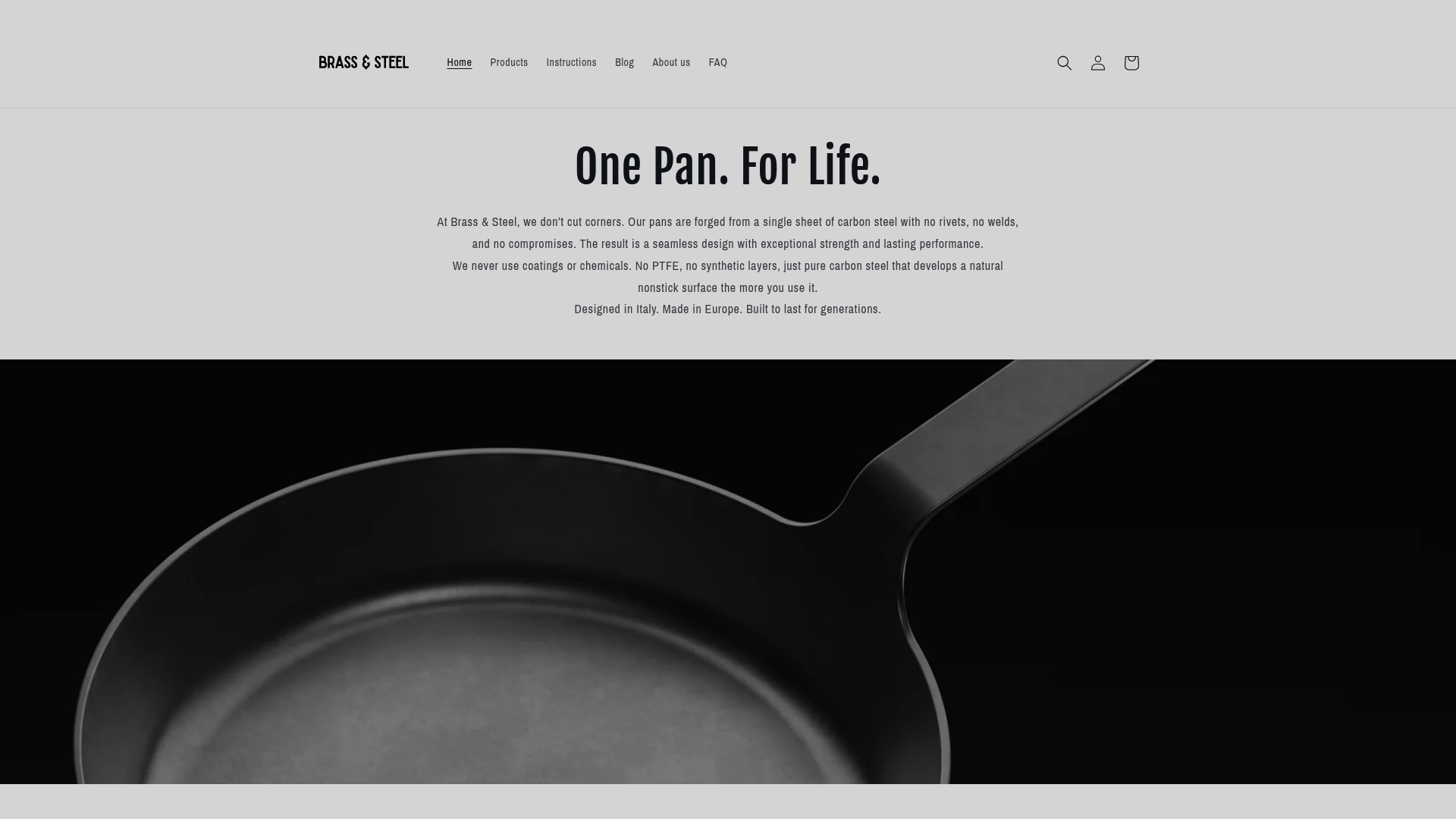
Whether you are seasoning a new pan for the first time or rescuing one that has been neglected over winter, our resources are built to help you succeed. Explore best carbon steel care practices for step-by-step troubleshooting, or visit Brass & Steel to browse our full range of premium carbon steel cookware and find the right pan for your kitchen. From the 27 cm everyday sauté pan to the 30 cm family-sized option, every piece is crafted to become a genuine heirloom.
Frequently asked questions
How often do I need to season a carbon steel pan?
Repeat the initial seasoning 3 to 5 times to build a solid bronze-black patina, then reapply as needed after deep cleans or when food begins to stick.
Is it safe to use soap when cleaning carbon steel pans?
Soap used sparingly is acceptable when necessary, but regular use will erode your seasoning over time; hot water and a stiff brush are the preferred method for most cooks.
What should I do if my pan develops rust spots?
Scrub the rust away with steel wool, soak in diluted vinegar if needed, and then fully reseason the pan to restore its protective layer.
Can I cook acidic foods in carbon steel pans?
Brief contact with acidic ingredients is fine, but avoid long-simmering acidic dishes as they erode the seasoning and can expose the steel to rust.
What is the best way to store carbon steel kitchenware?
Dry the pan thoroughly, apply a thin oil coat, and stack with protectors in a low-humidity cupboard to keep the patina intact between uses.
Recommended
- Expert Carbon Steel Care in Restaurants: Full Guide – Brass & Steel
- Essential Upkeep for Carbon Steel Pans for Lasting Performance – Brass & Steel
- Best Practices for Carbon Steel Care: Expert Guide – Brass & Steel
- Essential Carbon Steel Care Routines for Lasting Performance – Brass & Steel
- Dlaczego ekspres wymaga czyszczenia – wpływ na smak i trwałość – Autoryzowany dystrybutor i serwis Jura Wrocław