How to Prevent Rust on Cookware: Step-by-Step for Carbon Steel
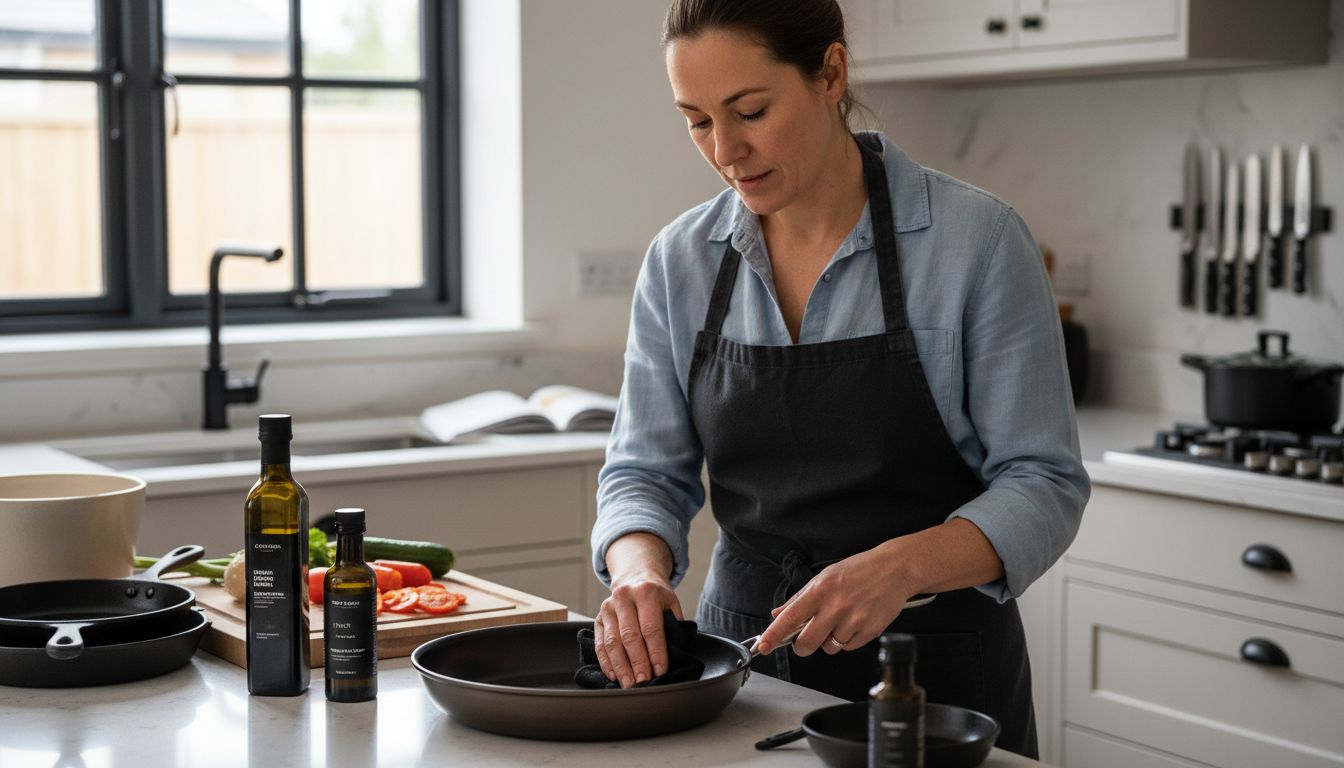
More than 60 percent of british home cooks struggle to keep their carbon steel pans rust free and truly nonstick. The right care transforms these versatile pans into trusted kitchen tools that last for generations. If you want a carbon steel pan that performs beautifully, understanding each stage of preparation, seasoning and maintenance is key. Discover clear, step by step methods to achieve a pan that rivals any professional kitchen in britain.
Table of Contents
- Step 1: Prepare Your Carbon Steel Pan Correctly
- Step 2: Apply and Seal a Strong Seasoning Layer
- Step 3: Clean Using Minimal Water and No Soaking
- Step 4: Dry and Oil Thoroughly After Each Use
- Step 5: Check and Re-Season Pan as Needed
Quick Summary
| Key Point | Explanation |
|---|---|
| 1. Remove factory coating properly | Thoroughly clean the pan to remove protective wax using warm water and a soft brush, avoiding harsh chemicals. |
| 2. Apply thin oil layers for seasoning | Use a high smoke point oil to create a protective layer by applying and heating it multiple times. |
| 3. Clean gently with minimal water | Use hot water sparingly post-cooking and dry the pan immediately to maintain the seasoning. |
| 4. Dry and oil the pan after each use | Completely dry the pan and apply a thin layer of oil to prevent rust and maintain seasoning. |
| 5. Re-season when necessary | Inspect the pan regularly for signs of wear and re-season if the surface appears patchy or food sticks. |
Step 1: Prepare Your Carbon Steel Pan Correctly
Before diving into seasoning your carbon steel pan, you need to prepare it meticulously. According to MasterClass, removing the protective coating is your first critical task. New carbon steel pans often come with a factory coating that prevents rust during shipping and storage.
Start by thoroughly washing the pan with warm water and a soft bristle brush. As Professional Secrets recommends, use hot water to help remove the protective wax layer completely. Avoid using harsh detergents or abrasive scouring pads that might damage the pan’s surface. Dry the pan immediately and comprehensively after washing to prevent any potential rust formation.
Once clean, place the pan on a stovetop or in an oven to ensure it is completely dry. Any lingering moisture can compromise your seasoning efforts. A pro tip is to heat the pan gently until all water droplets have evaporated, creating a perfectly clean and dry surface ready for the next step of seasoning. This preparation sets the foundation for a robust, long lasting seasoning that will protect your carbon steel cookware for years to come.
Step 2: Apply and Seal a Strong Seasoning Layer
Now that your carbon steel pan is clean and dry, it is time to build a robust seasoning layer that will protect against rust and create a natural nonstick surface. According to MasterClass, the key is applying a thin layer of neutral oil and heating it to create a polymerised protective coating.
Choose a high smoke point oil like grapeseed or avocado oil and pour a small amount into the pan. Using a clean paper towel, spread the oil in an ultra thin, even layer covering every surface including the exterior and handle. As Professional Secrets recommends, heat the pan in an oven at 250 degrees Celsius for approximately 30 minutes. This process allows the oil to bond with the metal creating a hard protective layer that prevents rust and provides a smooth cooking surface.
Repeat this oil application and heating process two to three times for a truly durable seasoning.
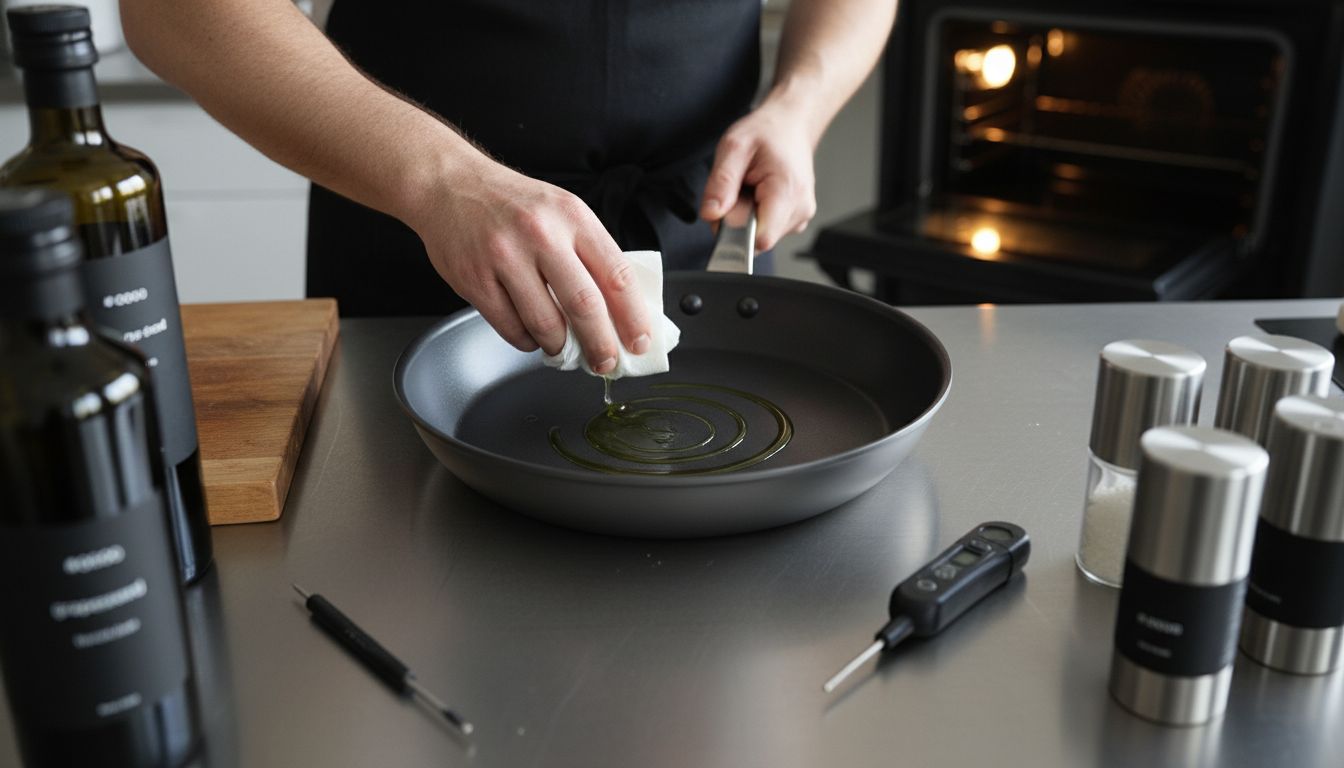 Each subsequent layer will build a stronger protective patina. Once completed, your pan will have a dark brown or black surface indicating a well established seasoning that will improve with every fatty meal you cook. See our guide on re-seasoning for maintaining this protective layer over time.
Step 3: Clean Using Minimal Water and No Soaking
Maintaining your carbon steel pan requires a delicate cleaning approach that preserves its seasoned surface and prevents rust formation. According to Professional Secrets, the key is to clean with hot water and minimal contact to protect the protective layer you have carefully built.
After cooking, while the pan is still warm, use a soft brush or paper towel to remove food residue. Community Cutlery emphasises avoiding prolonged water exposure and recommends using hot water sparingly. If needed, use a small amount of hot water and quickly wipe the surface clean. Immediately dry the pan thoroughly with a clean cloth or heat it gently on the stovetop to eliminate any remaining moisture.
Never use soap or abrasive scrubbers that can strip away the seasoning. For stubborn food bits, you can use coarse salt as a gentle abrasive. Lightly coat the pan with a thin layer of oil after cleaning to maintain its protective seasoning and prevent rust.
VIDEO:video_content] [See our guide on re-seasoning for additional maintenance tips that will keep your carbon steel pan in pristine condition.
Step 4: Dry and Oil Thoroughly After Each Use
Preserving your carbon steel pan requires meticulous drying and oiling after every cooking session. According to Professional Secrets, thoroughly drying the pan and applying a protective oil layer is crucial to preventing rust and maintaining the seasoning.
After cleaning, use a clean lint-free cloth or paper towel to dry the pan completely. As Community Cutlery recommends, ensure no moisture remains by gently heating the pan on the stovetop or placing it in a warm oven. Once dry, pour a small amount of high smoke point oil like grapeseed or avocado oil into the pan. Using a clean cloth, spread the oil in an ultra-thin layer that covers the entire surface including the exterior and handle.
A pro tip is to buff the oil until the pan looks almost dry this prevents pooling and ensures an even protective coating.
INFOGRAPHIC:infographic_content] The goal is a barely visible layer that will protect against rust and continue to build your pan’s natural seasoning. [See our guide on re-seasoning for more detailed maintenance techniques that will keep your carbon steel cookware in top condition.
Step 5: Check and Re-Season Pan as Needed
Maintaining your carbon steel pan is an ongoing process that requires periodic inspection and careful maintenance. According to Professional Secrets, signs that your pan needs re-seasoning include food starting to stick or the seasoning layer looking patchy and uneven.
Community Cutlery recommends conducting regular visual inspections of your pan’s surface. If you notice areas where the black seasoning looks thin, dull or has been scraped away, it is time to re-season. Begin by thoroughly cleaning the pan with hot water and drying it completely. Then apply a thin layer of high smoke point oil like grapeseed or avocado oil, spreading it evenly across the entire surface.
Heat the pan in an oven at 250 degrees Celsius for approximately 30 minutes to polymerise the oil and rebuild the protective layer. Learn more about pan re-seasoning techniques to ensure your cookware remains in pristine condition. Repeat this process two to three times for a robust, even seasoning that will protect against rust and provide a smooth cooking surface.
Protect Your Culinary Investment with Expertly Crafted Carbon Steel Cookware
Rust prevention is a vital skill for maintaining the natural nonstick surface of your carbon steel pan. The article highlights key challenges such as diligent seasoning, careful cleaning, and thorough drying after each use to ensure your pan lasts for generations. If you want hassle-free longevity combined with outstanding cooking performance, choosing the right pan designed for durability and easy maintenance is essential.
Explore our Carbon Steel Collection | Brass&Steel to discover pans forged from a single sheet of premium carbon steel that naturally support the seasoning process and resist rusting.
Experience the perfect combination of engineering precision and culinary artistry with our 27 and 30 cm carbon steel sauté pans that excel at heat retention and seasoning buildup. Visit Brass & Steel today to select your heirloom-quality pan and master rust prevention with cookware made to perform and endure. Don’t wait – take control of your cooking journey now by investing in cookware that thrives with your care.
Frequently Asked Questions
How can I prevent rust on my carbon steel cookware?
To prevent rust on your carbon steel cookware, always ensure it is properly cleaned, dried, and oiled after each use. After cleaning, dry the pan thoroughly and apply a thin layer of high smoke point oil to protect against moisture.
What should I use to clean my carbon steel pan without damaging its seasoning?
Use hot water and a soft brush or cloth for cleaning your carbon steel pan. Avoid harsh detergents or abrasive scrubbers that can strip away the seasoning, and for stubborn residue, consider using coarse salt as a gentle abrasive.
How often should I re-season my carbon steel pan to maintain its protective layer?
Re-season your carbon steel pan whenever you notice the seasoning looks patchy, dull, or if food starts to stick. Typically, this should be done every few months or as soon as you notice these signs, applying a thin layer of oil and heating it in the oven for about 30 minutes.
Is it necessary to dry my carbon steel pan on the stove after washing?
Yes, drying your carbon steel pan on the stove is a key step to preventing rust. Heat the pan gently for a few minutes until all moisture evaporates, ensuring a completely dry surface before applying oil.
Can I use regular cooking oil for seasoning my carbon steel cookware?
While you can use regular cooking oil, it is best to select oils with a high smoke point, like grapeseed or avocado oil, for seasoning. These oils will create a more durable protective layer that stands up better to cooking conditions.
What are the signs that indicate my carbon steel pan needs re-seasoning?
Signs that your carbon steel pan needs re-seasoning include a thin or dull seasoning layer and food sticking to the surface. If you notice any of these issues, it’s time to clean it thoroughly and apply a new layer of oil.