Top reasons to use carbon steel: everyday cooking benefits
TL;DR:
- Carbon steel cookware is highly durable and resistant to warping, lasting for decades.
- It develops a natural nonstick patina through seasoning, improving with use.
- Carbon steel is environmentally friendly, free of synthetic coatings, and safe at high temperatures.
Top reasons to use carbon steel: everyday cooking benefits
If you’ve ever scraped a ruined omelette from a flaking nonstick pan, wrestled a heavy cast iron skillet one-handed, or watched a delicate fish fillet weld itself to stainless steel, you already know the frustration of choosing the wrong pan. Carbon steel cookware is quietly winning over serious home cooks across Europe, and for very good reason. It sits at a unique crossroads of performance, longevity, and simplicity that few other materials can match. This article walks you through exactly what makes a carbon steel pan worth your kitchen space, your money, and a little patience upfront.
Table of Contents
- Durability and longevity for daily cooking
- Natural nonstick performance (with seasoning)
- Versatility: from searing steaks to baking bread
- Health-conscious and environmentally friendly choice
- Why most home cooks overlook carbon steel: our honest view
- Ready to upgrade your pan? Discover quality carbon steel
- Frequently asked questions
Key Takeaways
| Point | Details |
|---|---|
| Built to last | Carbon steel withstands daily use, high heat, and resists warping for many years. |
| Natural nonstick surface | Seasoning transforms the pan’s surface, creating a healthy and effective nonstick layer. |
| Versatile for many techniques | From fast searing to oven baking, carbon steel adapts to diverse recipes easily. |
| Health and eco-friendly | Carbon steel is a pure material, safe for family use, and minimises kitchen waste. |
| Gets better with use | Each use improves performance, making these pans an investment in better cooking. |
Durability and longevity for daily cooking
The first question most home cooks ask is simple: will it last? With carbon steel, the honest answer is yes, for decades, and it only gets better with time. The material itself is a high-carbon iron alloy that is notably tough. It resists dents far better than aluminium, and unlike nonstick pans with synthetic coatings, there is nothing to chip, peel, or wear down over years of hard use.
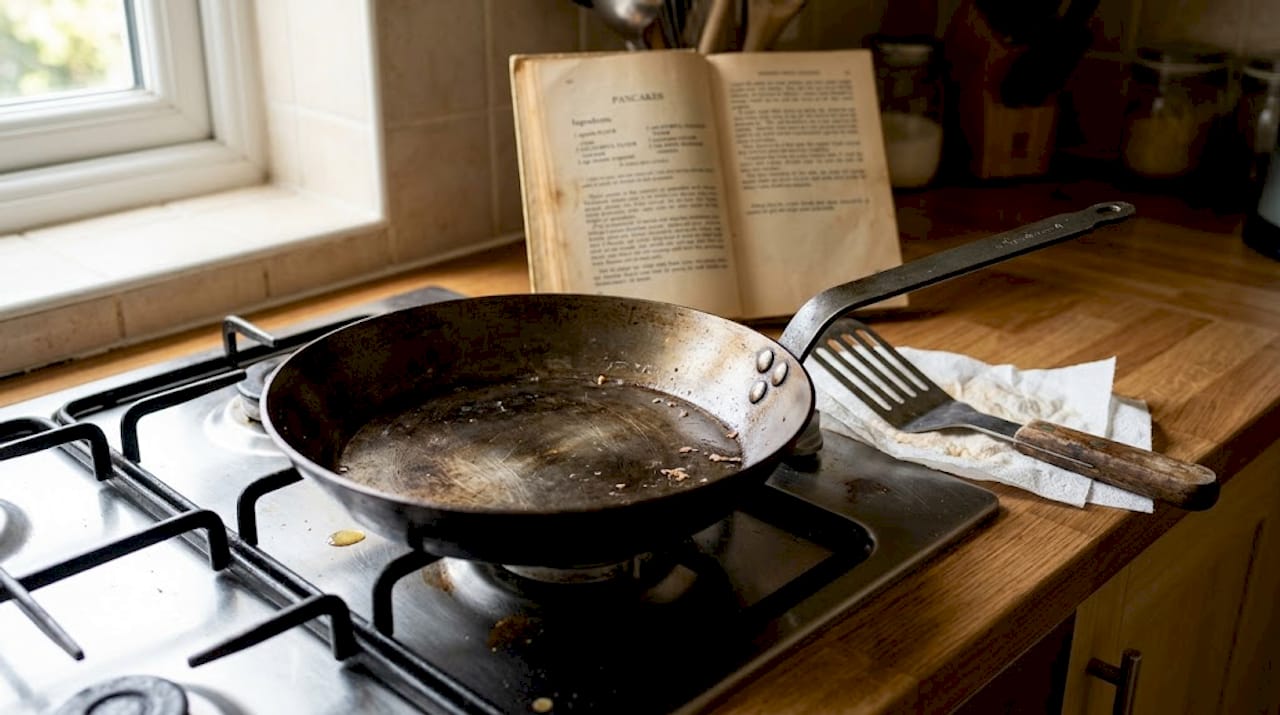
One of the most impressive qualities of carbon steel is its resistance to warping, even under the kind of punishing temperature changes that happen in an active kitchen. Going from a hot hob straight into a cold rinse is not recommended as a habit, but the material handles high, sustained heat without losing its flat cooking surface. This matters enormously if you are searing steaks or roasting vegetables where an uneven surface creates inconsistent results.
Here is where carbon steel separates itself from the competition:
- Tough, one-piece construction means no rivets or welds that could loosen over time
- Resists warping at high temperatures, keeping the cooking surface flat
- No coating to degrade, so performance doesn’t decline after a year of use
- Grows stronger with use as the seasoned patina builds layer upon layer
- Compatible with every heat source, from gas flames to induction hobs
The surface itself becomes more durable the more you cook with it. Each cooking session adds to the polymerised oil layers that make up the patina, which is a natural carbon-based barrier.
Before you buy any pan, it is worth consulting a proper cookware checklist to make sure the material fits your cooking habits. And once you have your carbon steel pan, understanding pan surface care will help you protect that patina and extend the life of your investment significantly.
“A well-used carbon steel pan doesn’t just survive daily cooking—it thrives on it. The patina that builds with each use makes the surface harder and more resistant to scratching. This is a pan that gets better the more you abuse it.” — Professional chef, culinary training institute
Pro Tip: After each use, rinse your pan with warm water while it is still slightly warm, dry it immediately on the hob over low heat for 30 seconds, then rub a small drop of oil around the interior with a paper towel. This two-minute routine keeps rust at bay and feeds the patina consistently.
Natural nonstick performance (with seasoning)
This is where carbon steel surprises people most. The word “nonstick” has become so associated with chemical coatings like PTFE that many cooks assume there is no alternative. Carbon steel offers a completely different path: a natural, safe, non-toxic nonstick surface that you build yourself through cooking.
The process is called seasoning. When oil is applied to carbon steel and heated past its smoke point, it polymerises. The oil molecules bond together and to the steel surface, forming a hard, slick layer. Repeat this enough times, and you get a patina that is genuinely nonstick, free of any synthetic compounds, and entirely safe at any cooking temperature.
The honest timeline looks like this:
- Uses 1 to 3: The pan needs oil to cook anything delicate. Stick to robust foods like bacon, sausages, or potatoes that add fat naturally and help build the base seasoning.
- Uses 4 to 7: The surface is visibly darkening. You will notice less sticking on eggs and fish if you use adequate heat and a small amount of butter.
- Uses 8 to 12: The patina is developing real depth. Scrambled eggs will begin to slide with minimal effort.
- Uses 13 to 15: You have a seasoned carbon steel pan that genuinely competes with nonstick. Most foods release cleanly with very little oil.
- Ongoing: Each use strengthens the patina further. Understanding how the carbon steel patina develops helps you cook with intention during this period.
Seasoning requires commitment over the first 10 to 15 uses for optimal nonstick performance, and acidic foods like tomatoes should be avoided until the patina is fully established. This is not a flaw, it is simply the nature of the material. Once you understand it, the rules become second nature.
Choosing the right oil matters. High-smoke-point oils such as grapeseed, avocado, sunflower, or canola work best. Olive oil and animal fats like butter are fine for cooking once the seasoning is established, but should not be used for the initial seasoning layers because they can turn rancid or produce a patchy result. For a full walkthrough, our step-by-step seasoning guide covers every detail.
Pro Tip: If your pan is still sticky after a few uses, the most common cause is applying too much oil during seasoning. The layer should be so thin the pan looks almost dry before it goes into the oven. Wipe off any excess thoroughly, and repeat the process. Less really is more here.
Versatility: from searing steaks to baking bread
A great pan needs to earn its space in your kitchen by doing more than one thing well. Carbon steel earns that space many times over. Its relatively light weight compared to cast iron means you can manoeuvre it comfortably during a stir-fry, flip pancakes without effort, and transfer it from hob to oven with one hand.
The range of tasks a carbon steel pan handles confidently includes:
- Searing steaks and chops at very high heat, producing a deep, even crust
- Stir-frying vegetables and noodles with fast, responsive heat control
- Cooking eggs and crêpes once the seasoning is well established
- Baking flatbreads and pizza bases in a very hot oven
- Roasting potatoes or vegetables that benefit from a blast of dry, even heat
- Pan sauces made from searing fond, though acidic wine-based sauces are better finished quickly in a well-seasoned pan
Here is how carbon steel sits against its main competitors across common cooking tasks:
| Task | Carbon steel | Stainless steel | Cast iron |
|---|---|---|---|
| Heat-up speed | Fast | Medium | Slow |
| Heat retention | Medium | Medium | High |
| Nonstick release | Excellent (seasoned) | Poor | Excellent (seasoned) |
| Acid suitability | Low (unseasoned) | High | Low |
| Weight | Light to medium | Medium | Heavy |
| Oven use | Yes | Yes | Yes |
| Hob versatility | All types | All types | Most types |
As Serious Eats notes, carbon steel has less heat retention than cast iron for very long sears or slow baking tasks, and stainless steel remains the better choice for acidic sauces. However, as an everyday hybrid that handles high heat with agility, carbon steel is genuinely hard to beat.
One compelling data point: home cooks report food release improving by up to 80% once their carbon steel pan reaches mature seasoning compared to early use. This mirrors the experience of professional chefs who rely on carbon steel in restaurant kitchens for exactly this reliability. For a deeper look at where carbon steel excels in professional settings, see our guide on the pros and cons for chefs, and if you own a wok as well, our carbon steel wok seasoning guide applies similar principles with useful technique differences.
Health-conscious and environmentally friendly choice
For cooks who care about what goes into their food and where their kitchen tools come from, carbon steel makes a strong case that goes well beyond cooking performance. The material is pure carbon-iron alloy with no synthetic coatings, no PTFE, no PFOA, and no plastic layers of any kind.
This matters in practice. Conventional nonstick pans, when overheated above approximately 260°C, can begin to off-gas chemicals from the PTFE coating. Carbon steel has no such risk. You can heat it as high as your hob or oven will go without any concern about what is being released into your kitchen air or your food.
The health and environmental case for carbon steel includes:
- No chemical coatings: The nonstick surface is pure polymerised oil, not plastic or fluoropolymer
- Safe at any temperature: No fumes, no degradation risk, and no need to protect the surface from metal utensils
- Fully recyclable: Carbon steel is an iron alloy, making it entirely recyclable at end of life
- Long lifespan reduces waste: A pan that lasts 30 to 50 years means far fewer pans going into landfill
- Minimal toxicity concerns: Free from the compounds associated with PFAS, often called “forever chemicals”
Look at how the two materials compare in environmental and health terms:
| Factor | Carbon steel | Conventional nonstick |
|---|---|---|
| Coating material | None (oil patina) | PTFE (polytetrafluoroethylene) |
| Typical lifespan | 30 to 50+ years | 3 to 5 years |
| Recyclable | Yes | Difficult (mixed materials) |
| Safe at high heat | Yes | Risk above ~260°C |
| Chemical migration risk | None | Possible with scratched coating |
| Metal utensil safe | Yes | No |
Carbon steel heats rapidly and delivers superior food release once seasoned, outperforming new stainless steel in practical kitchen tests. These functional advantages pair naturally with its clean material composition. When choosing your cookware seasoning oils, always select high-smoke-point, neutral oils to keep the process as clean and safe as possible, and use our seasoning checklist to track your progress through the initial setup phase.
For families with children, the absence of synthetic coatings is particularly reassuring. There is no risk of accidentally ingesting flakes of coating material, no limit on which utensils you can use, and no anxiety about whether a slightly overheated pan has done invisible damage to the cooking surface.
Why most home cooks overlook carbon steel: our honest view
The most common reason home cooks do not try carbon steel is not cost, and it is not performance. It is the word “seasoning.” That single step makes it sound complicated, precious, and fragile, when the reality is the opposite. The initial phase of learning to cook with a new material takes perhaps two weeks of daily use. After that, it becomes entirely instinctive.
What most online comparisons miss is the qualitative change that happens in your cooking once you have a well-seasoned pan. You stop reaching for sprays and liners. You cook at proper temperatures because you trust the surface. You actually enjoy the small ritual of wiping and oiling after use, because the pan is visibly responding to your care.
“The cooks I know who use carbon steel every day don’t talk about it as a maintenance burden. They talk about it the way guitarists talk about a well-played instrument. It’s broken in, it’s theirs, and nothing else quite compares.” — Culinary educator
The importance of seasoning is not about following rules for the sake of it. It is about understanding that this pan is designed to become yours specifically, shaped by what you cook and how you cook it.
Pro Tip: Commit to two weeks of daily use before you judge a carbon steel pan. Cook bacon, sauté onions, fry potatoes. By day fourteen, you will have a pan that performs better than anything with a factory nonstick coating, and it will keep improving.
Ready to upgrade your pan? Discover quality carbon steel
If what you have read resonates, the logical next step is finding a pan that is built to deliver on these promises from day one. At Brass & Steel, we forge our sauté pans from a single piece of carbon steel, with no rivets, no welds, and no compromises.
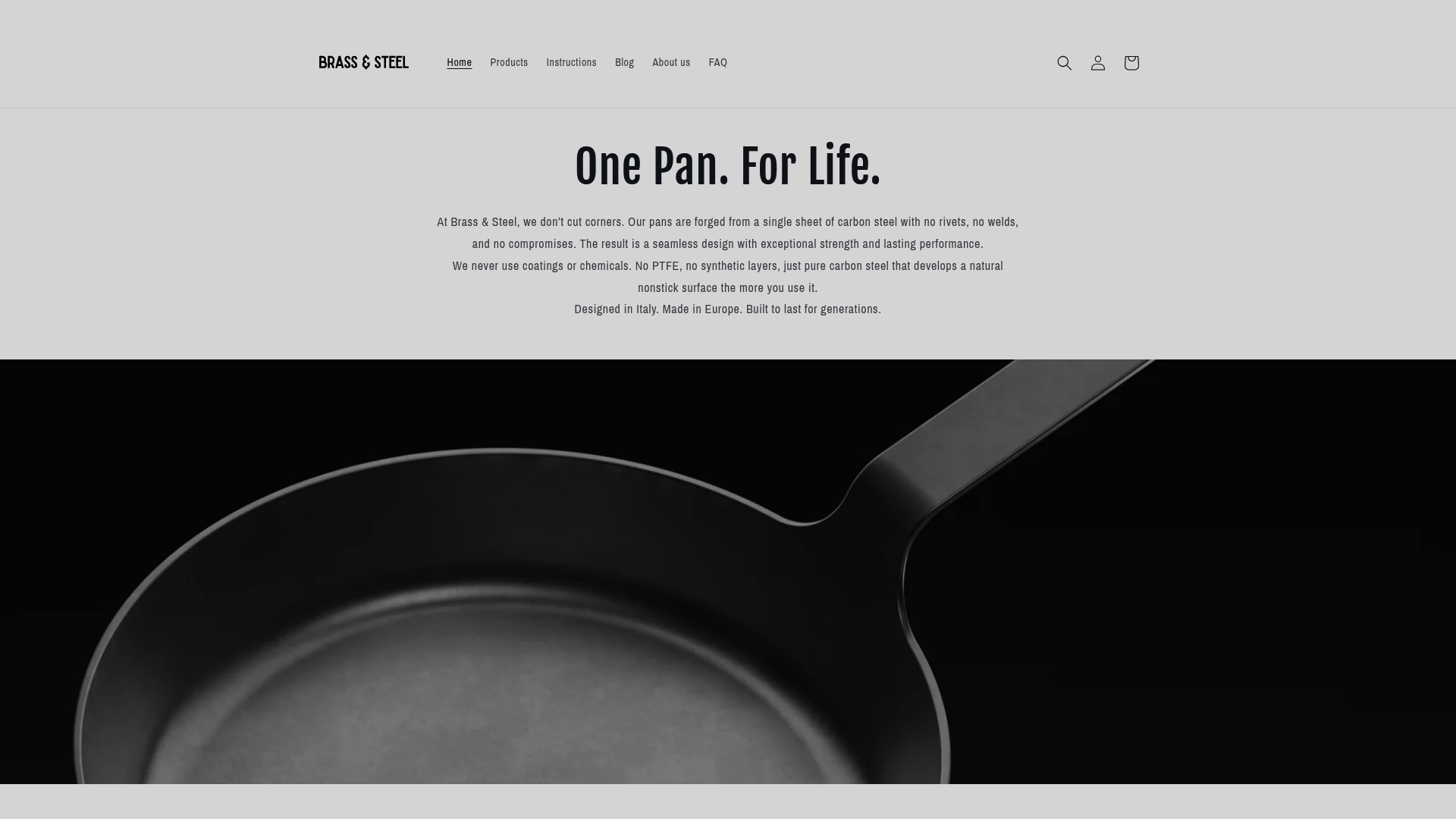
Our shop carries both the 27 cm sauté pan for everyday cooking and the 30 cm pan for larger meals and family cooking. Every pan comes with full guidance on seasoning and care so you are never left guessing. Whether you are making your first carbon steel pan purchase or replacing a tired nonstick, we are here to help you choose the right size and get started with confidence.
Frequently asked questions
How does carbon steel compare to nonstick pans for cleaning?
Once seasoned, carbon steel releases food easily and requires only a quick wipe or rinse, unlike nonstick pans which need gentler handling to protect the coating from scratching.
Is carbon steel safe for induction hobs?
Yes, carbon steel is magnetic and works perfectly with induction hobs, offering excellent and responsive heat control across all power settings.
What foods should you avoid cooking in carbon steel?
Avoid cooking highly acidic foods such as tomato sauces until your pan has a well-developed seasoning layer, as acids can damage the patina during the early stages of seasoning.
How long do carbon steel pans typically last?
With proper care, carbon steel pans can last several decades, often outliving nonstick cookware and rivalling cast iron in longevity, making them a genuinely heirloom-quality investment.
Will carbon steel warp under high heat?
No, carbon steel resists warping well, making it reliable for extreme heat on both the hob and in the oven, provided you avoid sudden cold-water quenching straight from high heat.