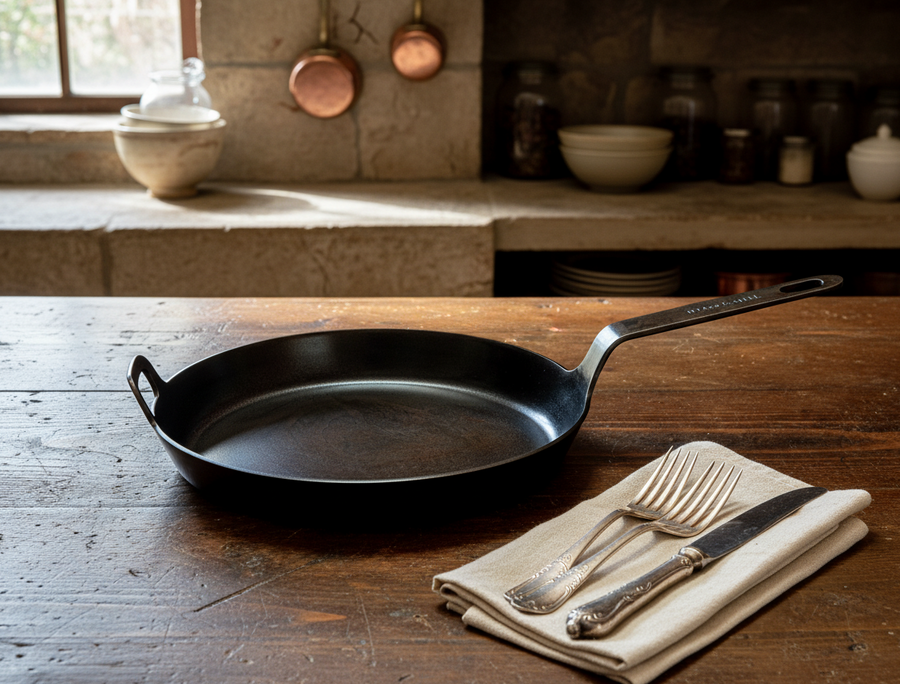
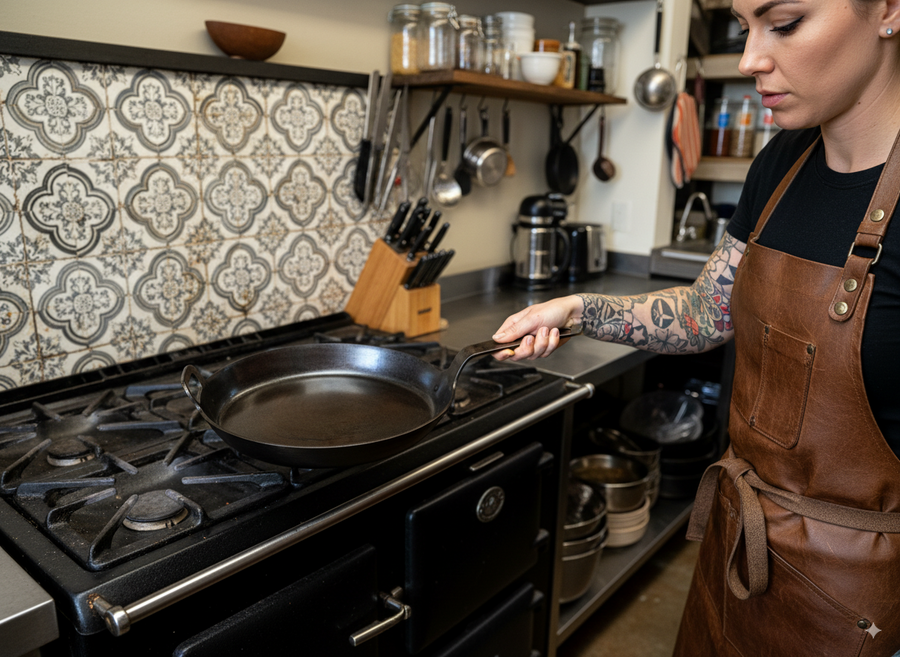
Complete Guide to Everyday Cooking With Carbon Steel
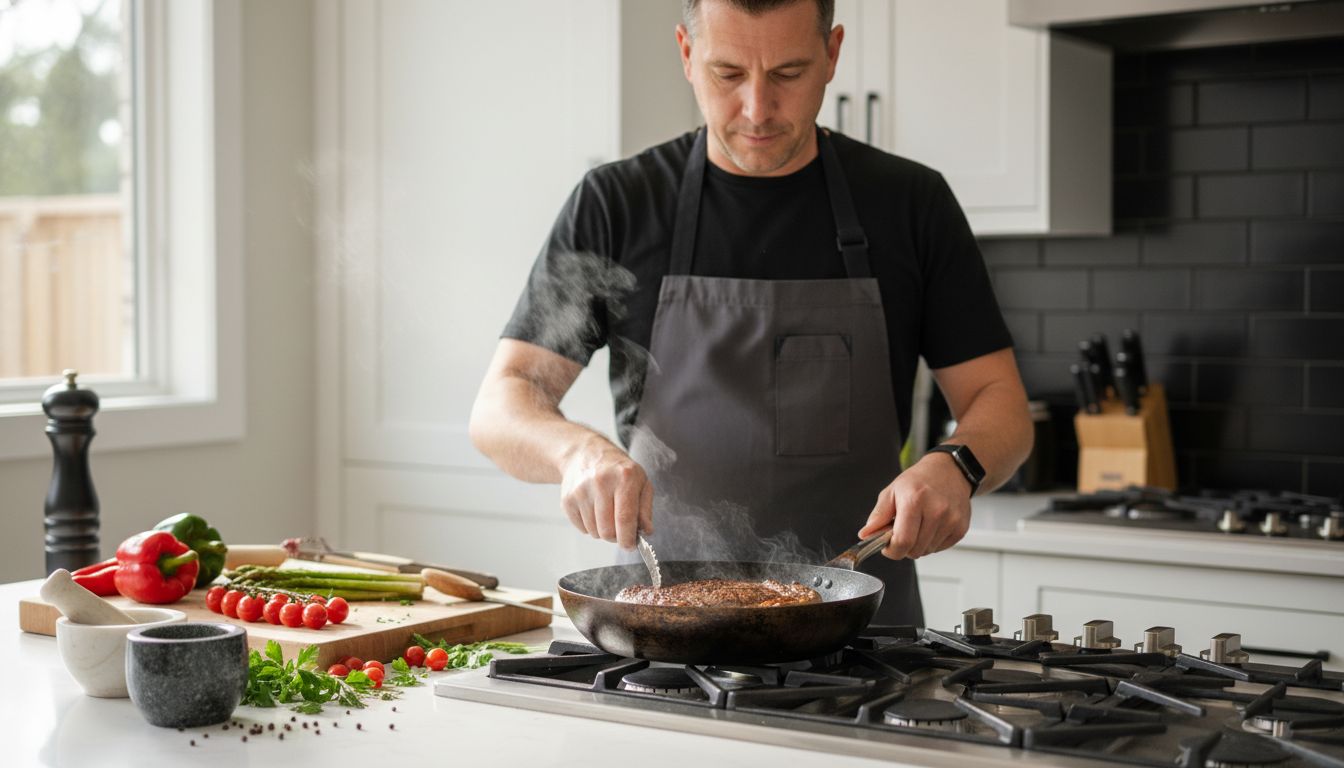
A carbon steel pan can completely change the way you cook at home. Professional chefs reach for carbon steel because it heats up fast and delivers precise control, making it easier to create delicious meals every time. Choosing the right pan matters when you want restaurant-quality results in your own kitchen. This guide breaks down what sets carbon steel apart and shows you how to get the best out of this essential piece of cookware.
Table of Contents
- What Is a Carbon Steel Pan? Core Concepts
- Popular Uses and Everyday Applications
- Key Performance Features and Benefits
- Effective Seasoning and Ongoing Care
- Comparing Carbon Steel to Other Cookware
- Common Mistakes and Troubleshooting Tips
Key Takeaways
| Point | Details |
|---|---|
| Carbon Steel Pan Definition | A carbon steel pan is highly valued for its durability, heat retention, and excellent cooking capabilities, making it suitable for both professional and home chefs. |
| Versatile Cooking Applications | Ideal for high-heat methods like searing, roasting, and stir-frying, carbon steel pans adapt to various cooking techniques while providing consistent heat distribution. |
| Natural Non-Stick Properties | Unlike chemical-coated non-stick pans, carbon steel develops its non-stick surface naturally through seasoning, improving with each use. |
| Care and Maintenance | Proper seasoning and maintenance are essential for optimal performance; avoid harsh detergents and ensure thorough drying after cleaning to prevent rust. |
What Is a Carbon Steel Pan? Core Concepts
A carbon steel pan represents a culinary workhorse prized by professional chefs and home cooking enthusiasts alike. According to Wikipedia, these pans are crafted from carbon steel sheets, offering robust strength and exceptional heat distribution capabilities. Unlike other cookware materials, carbon steel provides unique performance characteristics that make it a standout choice in professional and home kitchens.
Carbon steel cookware distinguishes itself through several key features. As Wikipedia explains, these pans accommodate high, dry heat perfectly for techniques like searing and require seasoning to develop a naturally non-stick surface. The material’s composition allows for:
- Excellent heat retention
- Rapid temperature responsiveness
- Durability that can last generations
- Versatility across stovetop and oven cooking methods
Unlike traditional non-stick pans with chemical coatings, carbon steel develops its non-stick properties through a natural seasoning process. Each time you cook with oil, a protective patina builds up, creating a smooth cooking surface that becomes more non-stick with regular use. Learn more about carbon steel pan uses in our comprehensive guide on carbon steel pan techniques.
Professional chefs appreciate carbon steel for its performance and adaptability. The pan can withstand extremely high temperatures, making it perfect for searing steaks, creating crispy vegetables, and developing deep, complex flavors through precise heat control. Whether you’re preparing a delicate fish fillet or a robust meat dish, a carbon steel pan offers the thermal responsiveness and durability needed to elevate your cooking.
Popular Uses and Everyday Applications
Carbon steel pans have become a versatile kitchen companion, transforming everyday cooking experiences with their remarkable performance. From searing restaurant-quality meats to creating delicate sautéed vegetables, these pans excel across multiple cooking techniques. Explore our comprehensive guide on carbon steel pan uses to understand their full potential.
Home cooks and professional chefs appreciate carbon steel pans for their extraordinary range of applications. These pans shine brightest in:
- High-heat searing of meats
- Creating crispy stir-fries
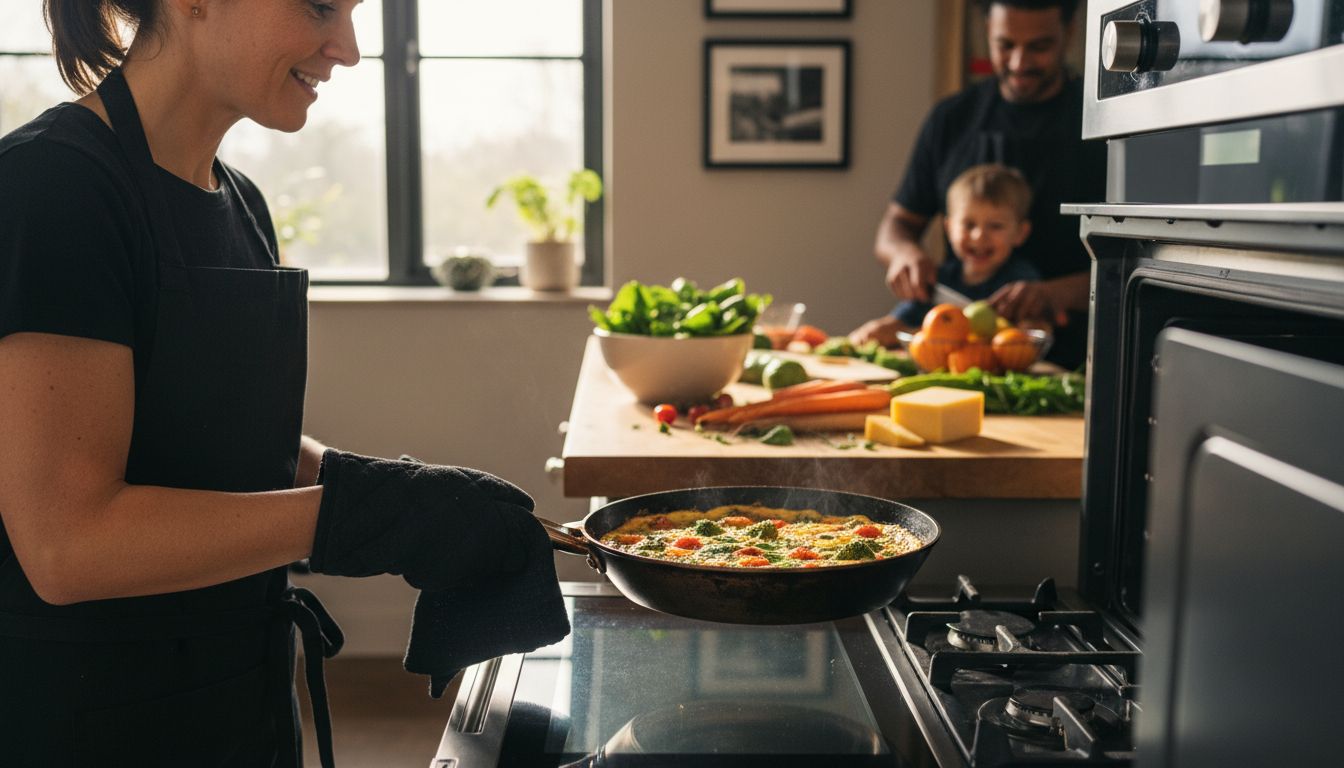
- Baking frittatas and one-pan dishes
- Developing complex flavour profiles through caramelisation
- Preparing delicate fish and seafood
- Roasting vegetables with perfect browning
The stovetop to oven versatility makes carbon steel pans particularly attractive for modern cooking styles. You can start a dish on the hob by searing a steak at high temperatures, then seamlessly transfer the pan to the oven to finish cooking without changing cookware. This flexibility reduces washing up and allows for more intuitive cooking techniques.
Unlike specialized cookware that limits your culinary creativity, carbon steel adapts to virtually any cooking style. Whether you’re preparing a quick weeknight meal or hosting a sophisticated dinner party, these pans provide consistent heat distribution and superior cooking performance that elevates every dish from ordinary to extraordinary.
Key Performance Features and Benefits
Carbon steel pans represent a pinnacle of cookware engineering, delivering exceptional performance that transforms cooking experiences. According to Slurrp, these pans offer superior heat conduction and retention, making them a game-changer in professional and home kitchens. The material’s unique characteristics set it apart from other cookware options.
The key performance features of carbon steel pans can be categorised into several critical benefits:
- Superior Heat Conductivity: Rapid and even heat distribution
- Lightweight Design: Easier handling compared to cast iron
- Natural Non-Stick Surface: Develops with proper seasoning
- Exceptional Durability: Withstands high temperatures and frequent use
- Versatile Cooking Performance: Adapts to multiple cooking techniques
Unlike traditional non-stick pans that rely on chemical coatings, carbon steel develops its non-stick properties naturally through seasoning. This means the more you cook, the better the pan performs, creating a unique cooking surface that improves with time. Discover more about carbon steel cookware properties in our comprehensive guide.
Professional chefs and passionate home cooks appreciate carbon steel for its remarkable thermal responsiveness. The pan heats up quickly, maintains consistent temperature, and allows for precise cooking control. Whether you’re searing a delicate piece of fish or creating a complex stir-fry, carbon steel provides the performance and reliability that elevates your culinary creations from good to extraordinary.
Effective Seasoning and Ongoing Care
Seasoning your carbon steel pan is a critical process that transforms a bare metal surface into a naturally non-stick cooking companion. According to IKEA, the seasoning process involves applying a small amount of oil to all surfaces and heating the pan to 150°C (300°F) for at least one hour, repeating this process three times when the pan is new. This method creates a protective layer that enhances cooking performance and prevents rust.
The seasoning process involves several key steps:
- Choose high smoke point oils like grapeseed or avocado
- Apply a thin, even layer across the entire pan surface
- Heat the pan to create a polymerized oil coating
- Build up layers gradually with each cooking session
- Avoid using soap or harsh scrubbing materials
Maintaining your carbon steel pan requires gentle, consistent care. Learn more about carbon steel care routines for lasting performance. As recommended by IKEA, cleaning should be done by hand using only hot water and a soft brush, avoiding detergents that could strip away the seasoning layer. After each use, dry the pan thoroughly and apply a light coat of oil to protect the surface and continue building its non-stick properties.
Professional chefs understand that a well-maintained carbon steel pan becomes more non-stick and performs better with each use. The key is patience and consistent care. Avoid sudden temperature changes, never soak the pan, and always dry it immediately after washing. With proper seasoning and maintenance, your carbon steel pan will develop a beautiful, dark patina that not only prevents rust but also adds incredible flavor to your cooking, creating a truly personalized cooking tool that improves with age.
Comparing Carbon Steel to Other Cookware
Cookware selection can significantly impact cooking performance, and carbon steel stands out as a remarkable alternative to traditional materials. When compared to other popular cookware options, carbon steel offers unique advantages that make it a top choice for discerning home cooks and professional chefs. Learn more about the nuanced differences in our comprehensive guide on carbon steel versus cast iron.
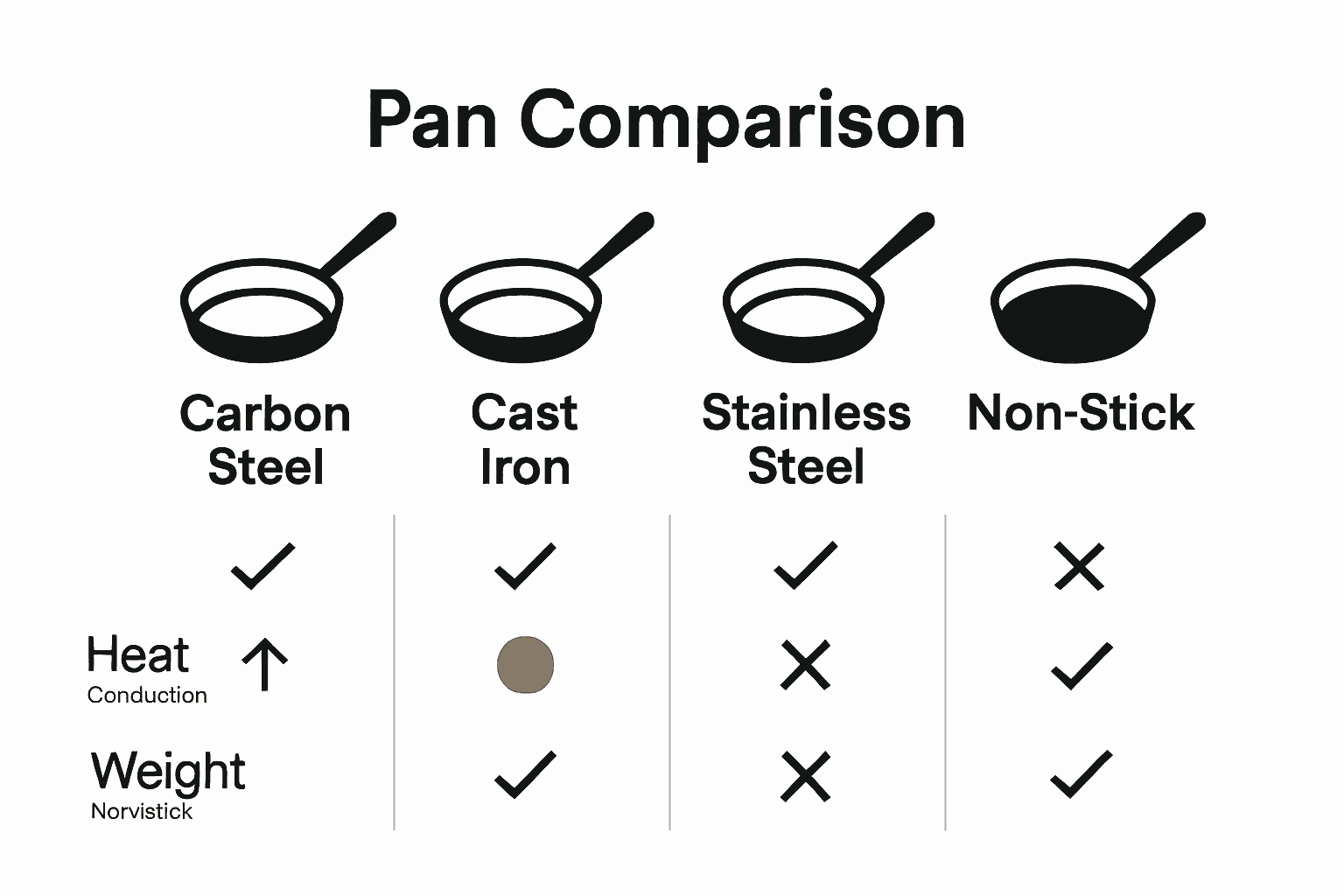
Let’s explore how carbon steel compares to other common cookware materials:
- Cast Iron: Heavier, slower to heat, but similar seasoning properties
- Stainless Steel: Less non-stick, requires more oil, slower heat distribution
- Non-Stick Pans: Chemical coatings degrade, limited high-heat performance
- Aluminium: Lighter but less durable, lacks natural non-stick qualities
Unlike non-stick pans with synthetic coatings, carbon steel develops a natural, safe non-stick surface through seasoning. Explore the detailed comparison between carbon steel and non-stick cookware to understand why professional kitchens prefer this material. The pan’s ability to withstand high temperatures, develop a beautiful patina, and improve with use sets it apart from disposable cookware that loses performance over time.
Carbon steel bridges the gap between traditional cast iron and modern cookware, offering the best of both worlds. Its lightweight design, exceptional heat conductivity, and ability to create incredible flavour make it a superior choice for those who are serious about cooking. Whether you’re searing a steak, creating a delicate sauce, or roasting vegetables, carbon steel provides the versatility and performance that other materials simply cannot match.
Common Mistakes and Troubleshooting Tips
Mastering carbon steel cookware requires understanding its unique characteristics and avoiding common pitfalls that can compromise its performance. According to IKEA, one of the most critical aspects of carbon steel maintenance is proper cleaning, which means avoiding detergents that can strip away the essential seasoning layer.
Here are the most frequent mistakes home cooks make with carbon steel pans:
- Using soap or harsh detergents during cleaning
- Soaking the pan in water for extended periods
- Cooking acidic foods before a solid seasoning is established
- Storing the pan while still wet
- Using metal utensils before seasoning is complete
- Applying cold liquids to an extremely hot pan
Troubleshooting specific issues requires a systematic approach. Learn more about maintaining your carbon steel pan’s performance with our detailed care routines. If your pan develops rust, don’t panic. Gently scrub with steel wool, re-season the pan completely, and it will return to its former glory. A sticky surface often indicates too much oil during seasoning, which can be remedied by scrubbing and re-seasoning with a very thin, even layer of high smoke point oil.
Professional chefs understand that carbon steel is a living material that improves with proper care. The key is patience, consistent maintenance, and understanding that each cooking session contributes to building a better, more non-stick surface. By avoiding these common mistakes and treating your pan with respect, you’ll transform a simple piece of cookware into a cherished kitchen tool that can last generations.
Elevate Your Everyday Cooking with Expertly Crafted Carbon Steel Pans
Are you ready to master the art of cooking with carbon steel and enjoy the unbeatable benefits of superior heat retention and natural nonstick surfaces? The common challenges like seasoning, proper care, and maximising your pan’s potential can feel overwhelming but they do not have to be. At Brass & Steel, we solve these problems with precision-engineered, one-piece forged carbon steel pans designed for durability, performance, and ease of use.
Discover our Carbon Steel Collection | Brass&Steel featuring lightweight and induction-compatible pans that build a safe, chemical-free nonstick patina the more you cook. Take control of your kitchen creations today. Visit Brass & Steel to learn more and browse our premium pans. Need accessories or want to explore our latest tools? Check out our Accessories and New arrivals. Step into a new chapter of cooking confidence with cookware that truly lasts a lifetime.
Frequently Asked Questions
What is a carbon steel pan?
A carbon steel pan is a type of cookware made from carbon steel sheets, known for its durability, excellent heat retention, and the ability to develop a natural non-stick surface through seasoning.
How do I properly season my carbon steel pan?
To season your carbon steel pan, apply a thin layer of high smoke point oil (like grapeseed or avocado) to all surfaces, heat the pan to 150°C (300°F) for at least one hour, and repeat this process three times when new. This creates a protective non-stick layer.
Can I use a carbon steel pan in the oven?
Yes, carbon steel pans are versatile and can easily transition from stovetop to oven, allowing you to start cooking at high heat and finish roasting or baking without changing cookware.
What are common mistakes to avoid with carbon steel pans?
Common mistakes include using soap for cleaning, soaking the pan in water, cooking acidic foods before proper seasoning is established, and using metal utensils too soon. Proper maintenance ensures longevity and performance.
Recommended
- Cooking with Carbon Steel Step by Step: Mastering Techniques – Brass & Steel
- Carbon Steel Pan Uses: Complete Guide for Cooks – Brass & Steel
- Complete Guide to Choosing Carbon Steel Cookware – Brass & Steel
- What Is Carbon Steel? Complete Guide for Cookware – Brass & Steel
- Elevate Your Cooking Game with This Kitchen Must-Have – Wispa Luxury