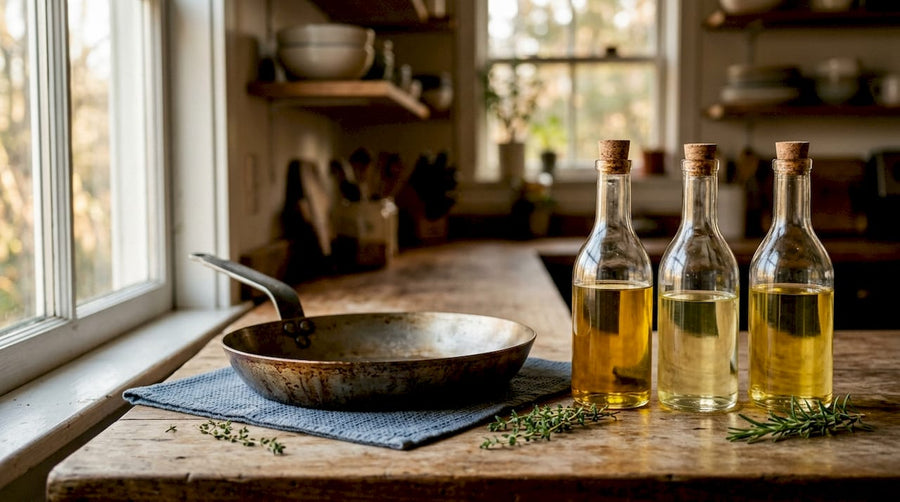
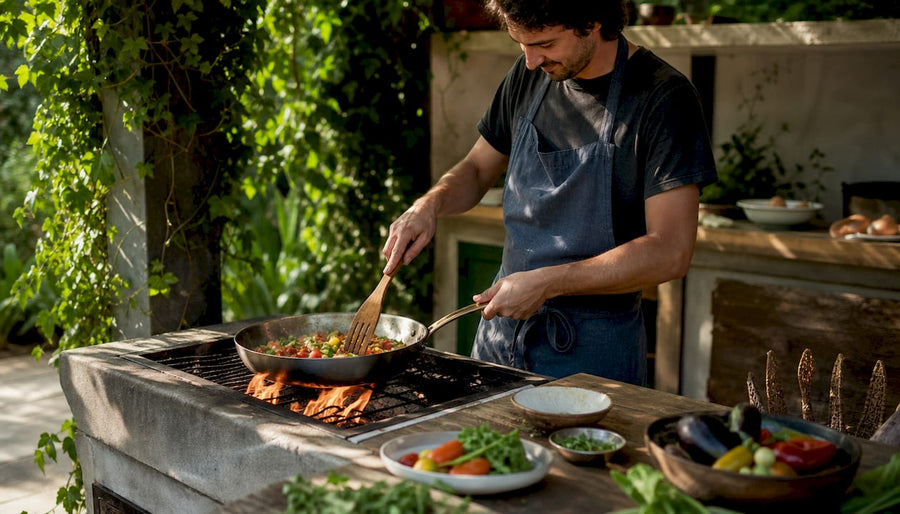
Carbon Steel Cookware Pros and Cons: Essential Insights

Over 60 percent of professional kitchens across Europe rely on carbon steel pans for their superior cooking performance. Many British home cooks and chefs are drawn to this unique material because it combines durability, rapid heat responsiveness, and a naturally developing nonstick surface. Discover what makes carbon steel cookware stand out from cast iron and traditional nonstick options, and why it is winning fans among the British culinary community for both everyday meals and advanced recipes.
Table of Contents
- What Is Carbon Steel Cookware? Core Principles
- Key Benefits: Performance, Durability, Health
- Potential Downsides and Practical Limitations
- How Seasoning and Maintenance Impact Longevity
- Carbon Steel Compared to Cast Iron and Nonstick
Key Takeaways
| Point | Details |
|---|---|
| Versatility of Carbon Steel | Carbon steel combines the benefits of cast iron and modern materials, offering excellent heat conductivity and durability that improves with use. |
| Maintenance Requirements | Carbon steel requires careful maintenance, including immediate drying and periodic seasoning to prevent rust and maintain its nonstick properties. |
| Health and Safety | Unlike synthetic nonstick cookware, carbon steel develops a natural nonstick surface without harmful chemicals, making it a safe choice for cooking. |
| Cooking Performance | Its rapid heating and cooling capabilities provide chefs with precise temperature control, making it suitable for a variety of cooking techniques. |
What Is Carbon Steel Cookware? Core Principles
Carbon steel is a unique metal alloy that bridges the gap between traditional cast iron and modern cookware materials. When it comes to cooking performance, carbon steel offers exceptional heat conductivity and durability that professional chefs and serious home cooks deeply appreciate.
At its core, carbon steel is defined by its specific composition: a steel variant containing between 0.05% and 2.1% carbon content by weight. This precise carbon percentage gives the material remarkable characteristics that make it incredibly versatile for culinary applications. As the carbon percentage increases, the metal becomes harder and stronger through heat treatment, creating a robust cooking surface that can withstand high temperatures and intense cooking techniques.
Unlike other cookware materials, carbon steel develops a natural nonstick patina over time through a process called seasoning. This unique feature means the pan actually improves with use, creating a smooth cooking surface that becomes more non-stick and resistant to food sticking with each meal prepared. Professional kitchens have long appreciated carbon steel for its ability to provide even heat distribution, rapid temperature responsiveness, and remarkable durability.
Chefs appreciate carbon steel for several distinctive qualities:
- Exceptional heat conductivity
- Rapid temperature adjustment
- Lightweight compared to cast iron
- Develops natural nonstick properties
- Compatible with multiple cooking surfaces
Pro Tip for New Users: Begin your carbon steel journey by seasoning your pan thoroughly and cooking fatty foods initially to help build a strong, protective cooking surface.
Key Benefits: Performance, Durability, Health
Carbon steel cookware represents a pinnacle of culinary engineering, offering professional chefs and home cooks a remarkable combination of performance characteristics that set it apart from other cooking materials. Remarkable durability makes carbon steel a lifetime investment, with pans capable of withstanding decades of intense cooking without deteriorating.
The performance metrics of carbon steel are truly exceptional. Its rapid heat conductivity allows for precise temperature control, enabling chefs to quickly adjust cooking temperatures for delicate techniques like searing, sautéing, and deglazing. Unlike cast iron, carbon steel heats up and cools down rapidly, providing unparalleled responsiveness during cooking. This quick thermal transfer means more consistent cooking results and reduced risk of burning or uneven heating.
From a health perspective, carbon steel offers significant advantages over traditional nonstick cookware. The natural seasoning process creates a protective layer that becomes increasingly non-stick with use, eliminating concerns about synthetic coatings or potential chemical leaching. Professional kitchens appreciate that carbon steel requires no artificial nonstick treatments, making it a pure, chemical-free cooking surface that improves with age.
Key performance advantages include:
- Exceptional heat distribution
- Rapid temperature responsiveness
- Lightweight construction
- Chemical-free cooking surface
- Develops natural nonstick properties
- Incredible long-term durability
Pro Tip for Culinary Enthusiasts: Invest time in properly seasoning your carbon steel pan, as this initial care dramatically enhances its performance and creates a robust, naturally non-stick cooking surface that will serve you for years.
Potential Downsides and Practical Limitations
While carbon steel cookware offers exceptional performance, potential users should be aware of certain practical limitations that require careful consideration. Carbon steel is particularly susceptible to rust and corrosion, demanding more attentive maintenance compared to other cookware materials.
The most significant challenge with carbon steel is its vulnerability to moisture and acidic ingredients. Unlike stainless steel, carbon steel lacks chromium content, making it more prone to oxidation. Cooking acidic foods like tomatoes, citrus, or wine can potentially damage the carefully developed seasoning layer, necessitating immediate re-seasoning to prevent surface degradation. Scratches and surface damage can compromise the pan’s long-term performance, requiring users to be particularly gentle during cooking and cleaning.
Maintenance demands for carbon steel are considerably more complex than traditional nonstick or stainless steel cookware. The pan cannot be cleaned in a dishwasher, requires thorough drying after each use, and needs periodic re-seasoning to maintain its nonstick properties. Professional chefs and serious home cooks must invest time in understanding and implementing proper care techniques to preserve their cookware’s quality.
Key practical limitations include:
- High maintenance requirements
- Susceptibility to rust
- Cannot withstand prolonged moisture exposure
- Requires careful cleaning techniques
- Sensitive to acidic ingredients
- More fragile surface compared to cast iron
Pro Tip for Careful Maintenance: Always dry your carbon steel pan immediately after washing and apply a light coat of oil to prevent rust formation and maintain its protective seasoning layer.
How Seasoning and Maintenance Impact Longevity
The seasoning process is fundamental to carbon steel cookware’s performance and durability, transforming a raw metal surface into a robust, non-reactive cooking platform. Maintaining the integrity of the seasoning requires specific cleaning protocols that protect the pan’s protective polymer layer and prevent corrosion.
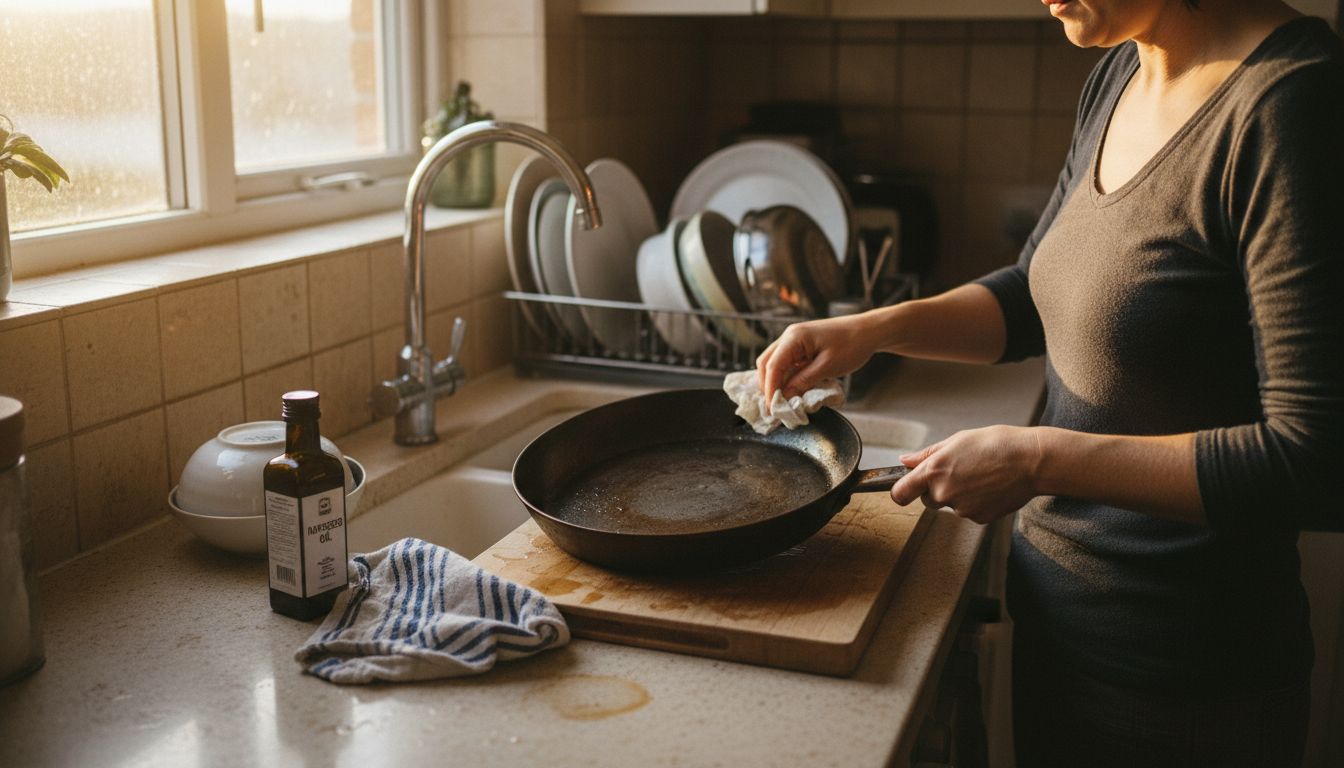
Initial seasoning creates a polymerised oil coating that acts as a natural barrier between the metal and food, developing a dark, smooth surface that becomes increasingly non-stick with use. This layer is not just aesthetic but functional, preventing rust and creating a naturally slick cooking surface. Each cooking session contributes to strengthening this protective layer, with fatty foods particularly effective at enhancing the seasoning’s quality.
Proper maintenance involves careful cleaning techniques that preserve the seasoning. Harsh chemicals, metal scrubbers, or prolonged water exposure can strip away the protective layer, leaving the pan vulnerable to oxidation. Professional chefs recommend using warm water, a soft brush, and immediately drying the pan after washing. A light application of cooking oil after cleaning helps maintain the protective barrier and prevents moisture-related degradation.
Key seasoning and maintenance practices include:
- Gentle hand washing
- Immediate thorough drying
- Light oil application after cleaning
- Avoiding prolonged moisture exposure
- Cooking fatty foods to enhance seasoning
- Regular visual inspection of the pan’s surface
Pro Tip for Seasoning Success: Think of your carbon steel pan like a fine leather jacket - the more carefully you treat it, the better it performs and the longer it lasts.
Here is a summary of essential care practices for maximising the longevity of carbon steel cookware:
| Maintenance Step | Importance | Potential Consequence if Neglected |
|---|---|---|
| Season the pan regularly | Maintains nonstick layer | Increases risk of rust and food sticking |
| Dry thoroughly after washing | Prevents rust formation | Accelerates corrosion and degradation |
| Avoid harsh scrubbing | Protects seasoning | Removes protective layer, causes sticking |
| Apply oil after each use | Preserves patina | Seasoning deteriorates, surface weakens |
Carbon Steel Compared to Cast Iron and Nonstick
Cooking enthusiasts often find themselves navigating the nuanced world of cookware materials, with carbon steel emerging as a sophisticated alternative to traditional cast iron and synthetic nonstick surfaces. Non-stick cookware’s synthetic coatings typically degrade within 1-5 years, whereas carbon steel can last a lifetime with proper maintenance, making it a superior long-term investment for serious cooks.
Compared to cast iron, carbon steel offers remarkable advantages in weight and thermal responsiveness. Carbon steel cookware is notably lighter and heats up significantly faster, providing more precise temperature control. While cast iron excels at heat retention, carbon steel’s rapid heating and cooling make it more versatile for delicate cooking techniques like sautéing, searing, and quick temperature adjustments.
Nonstick cookware relies on synthetic chemical coatings that deteriorate over time, whereas carbon steel develops a natural nonstick surface through seasoning. This organic process creates a protective layer that improves with use, unlike manufactured nonstick pans that become less effective and potentially release harmful chemicals. Professional chefs prefer carbon steel for its durability, performance, and health-conscious design that eliminates concerns about synthetic coating breakdown.
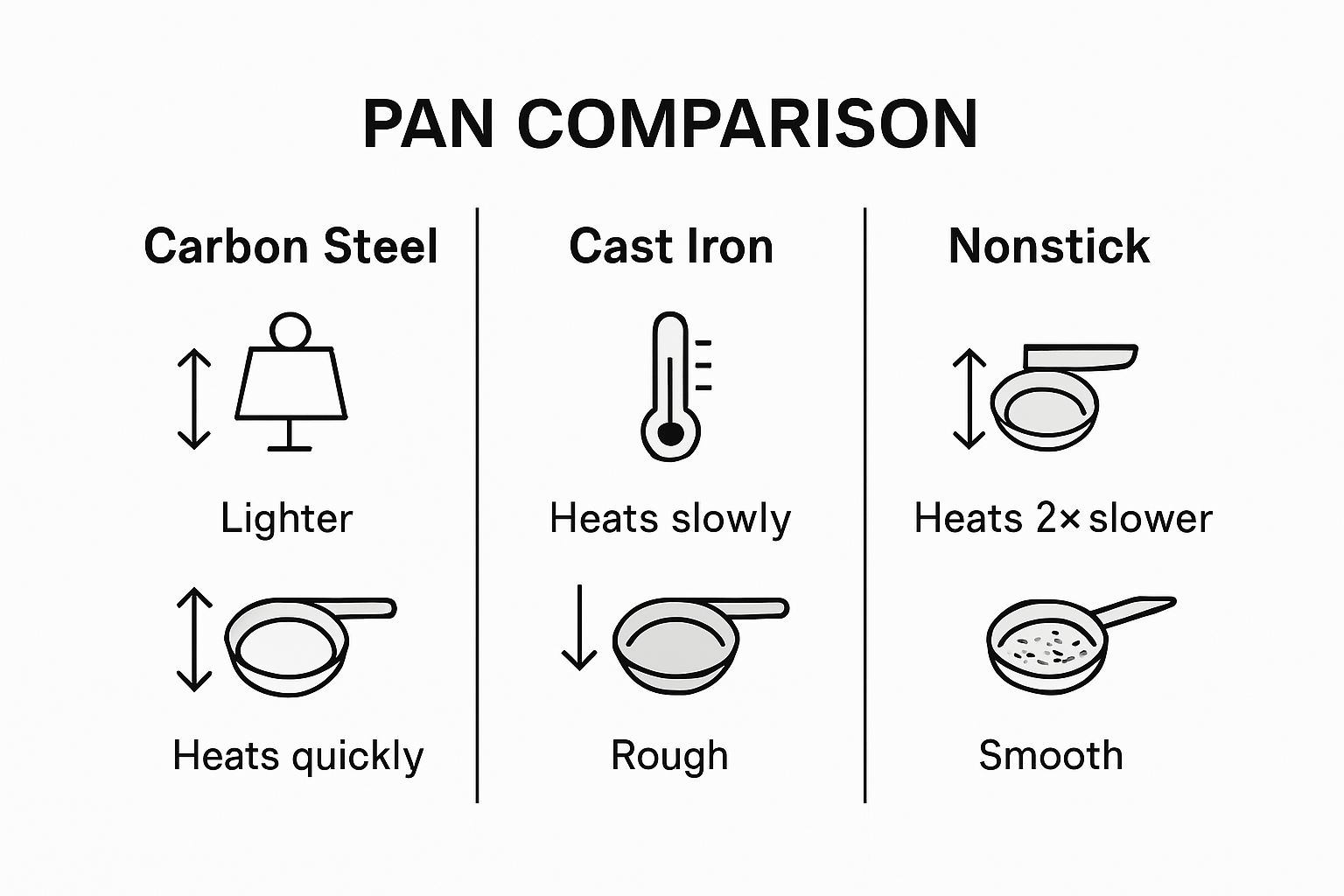
Key comparative characteristics:
To better understand how carbon steel compares with other popular cookware materials, consider the following high-level comparison table:
| Aspect | Carbon Steel | Cast Iron | Nonstick Cookware |
|---|---|---|---|
| Typical Weight | Lighter than cast iron | Very heavy | Very lightweight |
| Heating Speed | Heats up quickly | Slow to heat | Very quick |
| Reaction to Acidic Foods | Can damage seasoning | Can leach iron | Often unaffected |
| Nonstick Longevity | Improves with use | Develops with use | Wears off over 1-5 years |
| Surface Maintenance | Requires regular oiling | Needs oiling | Little maintenance needed |
| Lifespan Potential | Decades with care | Decades with care | Short (few years) |
- Weight: Carbon steel is lighter than cast iron
- Heat responsiveness: Faster heating and cooling
- Durability: Lifetime potential vs. limited nonstick pan lifespan
- Cooking performance: More versatile than both cast iron and nonstick
- Health considerations: No synthetic coatings
- Maintenance: Requires seasoning but improves with use
Pro Tip for Cookware Selection: Choose cookware that grows with your culinary skills, not one that deteriorates after a few years of use.
Elevate Your Cooking Experience with a Premium Carbon Steel Pan
Mastering carbon steel cookware means embracing its unique benefits and challenges discussed above. If you seek durable, high-performance pans that develop a natural nonstick surface without harmful chemicals, Brass & Steel presents an exceptional solution. Crafted in Jarocin, Poland with precision engineering, our pans feature a single-piece forged design that enhances heat responsiveness while being lighter than traditional cast iron. Discover how investing in the right Carbon Steel Collection | Brass&Steel can transform your kitchen routine.
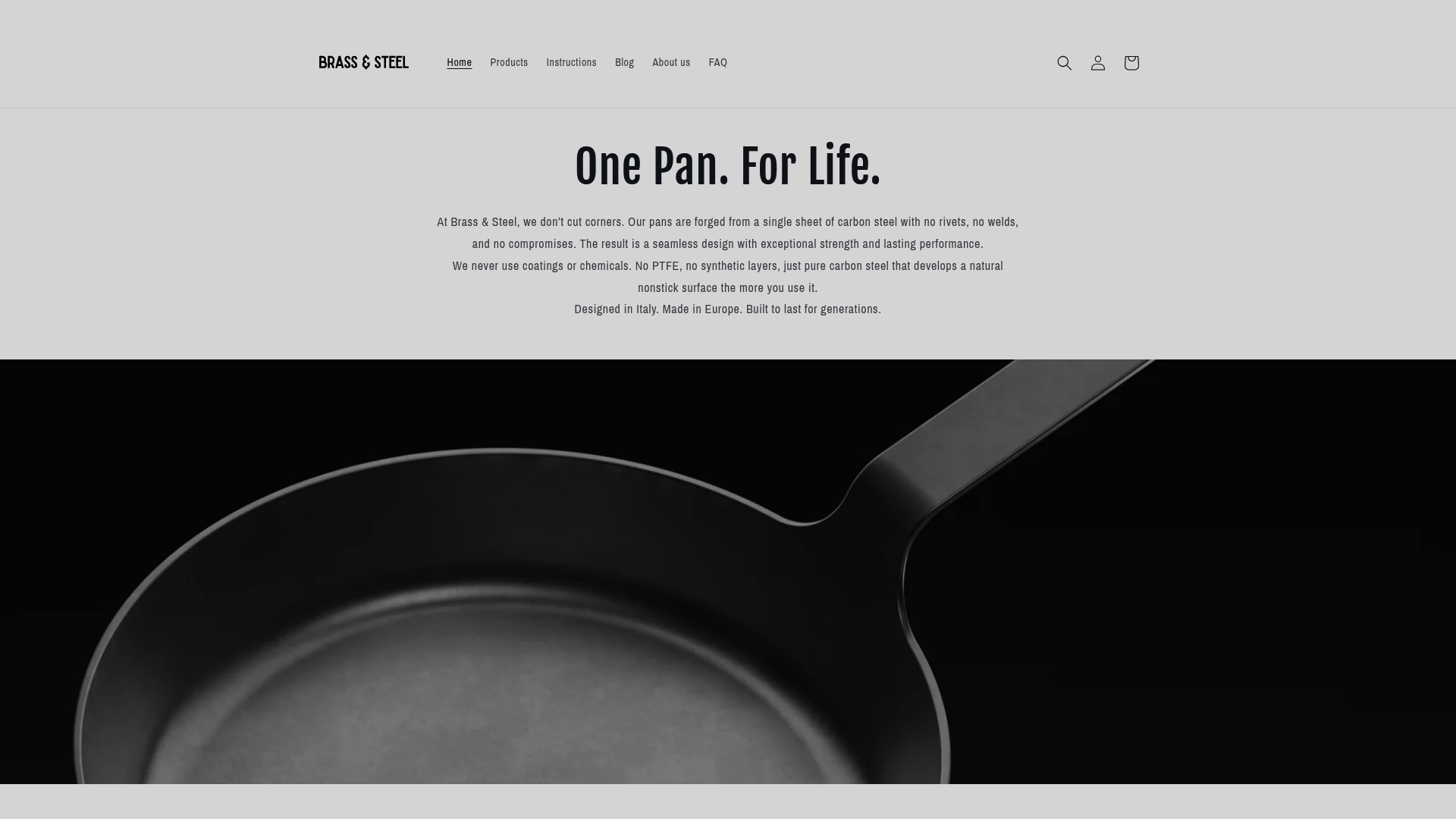
Unlock the full potential of seasoned carbon steel cookware today by exploring our expertly crafted pans built for lifelong performance. Visit Brass & Steel now to find your perfect cookware companion and learn about our care guides that simplify seasoning and maintenance. For the latest offers, check out New arrivals – Brass & Steel and take the next step toward culinary excellence.
Frequently Asked Questions
What are the main benefits of using carbon steel cookware?
Carbon steel cookware offers exceptional heat conductivity, rapid temperature adjustment, lightweight construction, and natural nonstick properties that improve with use. It’s a durable, long-lasting option that provides a chemical-free cooking surface, making it popular among both professional chefs and home cooks.
How does carbon steel cookware compare to cast iron cookware?
Carbon steel cookware is lighter and heats up significantly faster than cast iron. While cast iron excels at heat retention, carbon steel offers more precise temperature control and is better suited for delicate cooking techniques, making it a versatile alternative.
What are the maintenance requirements for carbon steel cookware?
Carbon steel cookware requires careful maintenance, including thorough drying after each use, regular seasoning to maintain its nonstick properties, and avoiding prolonged exposure to moisture or acidic foods that can damage the seasoning layer.
How do I season my carbon steel cookware for optimal performance?
To season your carbon steel cookware, first clean it thoroughly, then apply a thin layer of cooking oil and heat it until the oil reaches its smoke point. This process creates a protective, nonstick surface that improves with regular use, especially when cooking fatty foods.