What is Cookware Seasoning Oil? 4 Oils for 500°F Heat
Many culinary enthusiasts mistakenly believe olive oil is ideal for seasoning carbon steel pans. This popular choice actually leads to flaky, poor seasoning due to its low smoke point. Choosing the right oil and applying it correctly transforms your pan’s performance and longevity. This guide reveals the science behind seasoning oil, identifies the four best high smoke point options, and teaches precise techniques to build a durable, natural nonstick surface on your carbon steel cookware.
Table of Contents
- Introduction To Cookware Seasoning Oil
- How Seasoning Oil Works Chemically On Carbon Steel
- Choosing The Right Oil For Seasoning Your Carbon Steel Pan
- Common Misconceptions And Mistakes In Using Seasoning Oil
- Step By Step Guide To Seasoning Your Carbon Steel Pan With Oil
- Maintaining And Enhancing Seasoning With Oil Over Time
- Enhance Your Cooking With Expert Carbon Steel Care
- FAQ
Key Takeaways
| Point | Details |
|---|---|
| Polymerization creates protection | Seasoning oil polymerizes into a durable nonstick coating that protects carbon steel pans from rust and wear. |
| Choose high smoke point oils | Grapeseed, avocado, sunflower, and canola oils exceed 400°F smoke points for best results. |
| Apply ultra thin layers | Wipe oil until the pan looks almost dry to prevent sticky residue and ensure proper bonding. |
| Regular maintenance matters | Light oiling after each use and cooking fatty foods maintain and strengthen seasoning over time. |
| Avoid common mistakes | Using olive oil and applying excessive oil are the top errors ruining carbon steel seasoning. |
Introduction to Cookware Seasoning Oil
Seasoning oil is a cooking oil that, when heated properly, forms a polymerized protective layer bonded to your carbon steel pan. This layer creates a natural nonstick surface that improves cooking performance and prevents rust. Unlike regular cooking oils used for flavor or frying, seasoning oil serves a specific chemical purpose: bonding physically and chemically with the steel surface.
This protective coating prolongs your pan’s life significantly. Without proper seasoning a carbon steel pan, the bare steel remains vulnerable to moisture, oxidation, and food adhesion. Professional chefs and home cooks alike depend on this fundamental maintenance practice.
The difference between seasoning oil and regular cooking oil lies in application method and chemical transformation. Seasoning oil must withstand high heat to polymerize correctly. Lower quality or inappropriate oils break down poorly, leaving sticky residue instead of a hard, protective patina.
Key characteristics of proper seasoning oil include:
- High smoke point above 375°F for effective polymerization
- Neutral flavor profile to avoid taste transfer
- Appropriate fat composition for chemical bonding
- Availability and affordability for repeated applications
Understanding seasoning oil fundamentals empowers you to maintain carbon steel cookware properly. The right oil choice and technique create a cooking surface that rivals expensive nonstick pans while remaining completely chemical free and safe.
How Seasoning Oil Works Chemically on Carbon Steel
Polymerization is the chemical magic behind effective seasoning. When you heat causes oil to polymerize, bonding it physically and chemically to the steel surface to form a black patina. This process begins when oil reaches temperatures above its smoke point, typically between 375°F and 500°F (190°C to 260°C).
At these elevated temperatures, oil molecules break apart and recombine into larger polymer chains. These chains bond directly to the iron in your carbon steel, creating a hard, glass like coating. Each seasoning session adds another molecular layer, gradually building the characteristic black finish that defines well maintained carbon steel.
The smoke point range directly determines coating quality. Oils with smoke points below 375°F break down too early, producing sticky, uneven layers prone to flaking. Higher smoke point oils polymerize more completely, forming dense, durable coatings that withstand scrubbing and high heat cooking.
Poor polymerization from inappropriate oils creates frustrating problems. You might notice brown, tacky residue instead of smooth black patina. Food sticks aggressively. The coating chips or peels during normal use. These issues stem from incomplete chemical bonding between oil and steel.
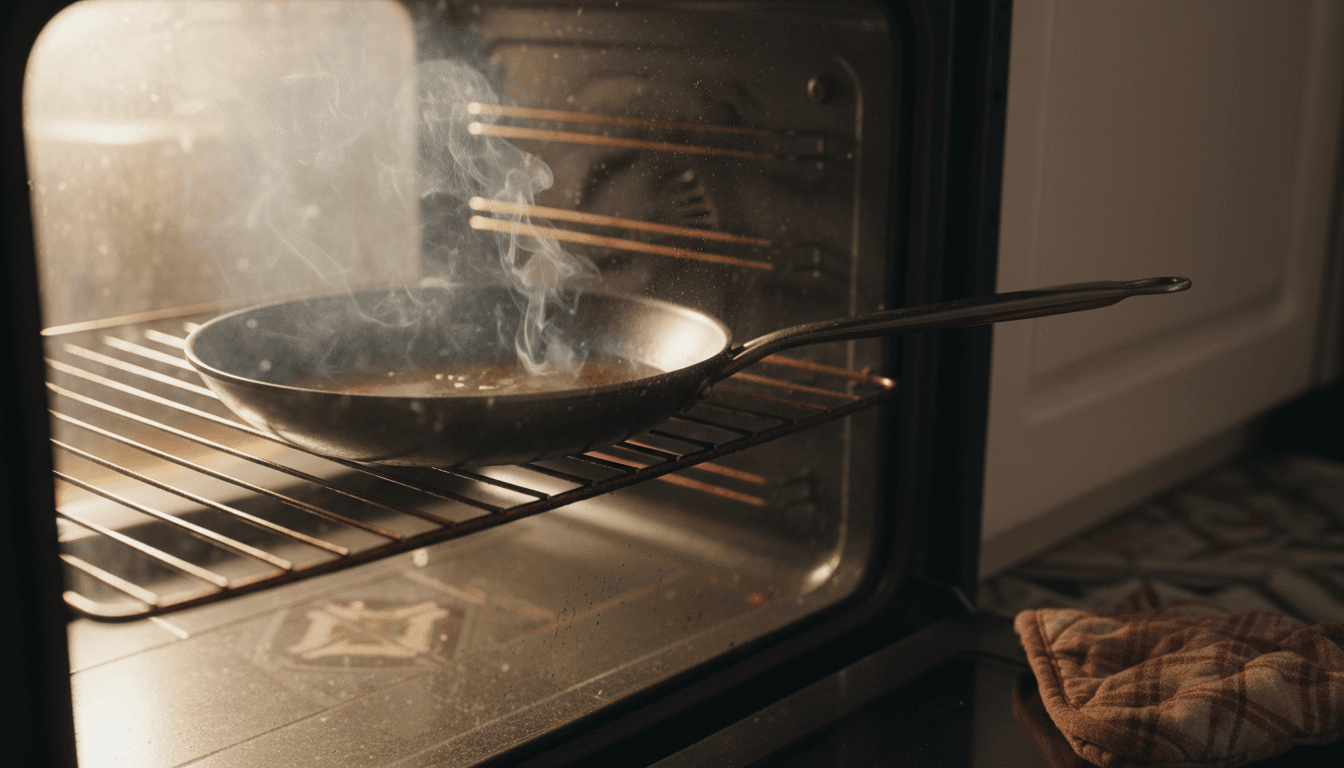
Pro Tip: Heating your pan upside down at approximately 250°C (482°F) for 30 to 60 minutes ensures even polymerization across the entire cooking surface. Gravity prevents oil from pooling in the center, promoting uniform coating thickness.
The transformation from liquid oil to solid protective layer requires precise temperature control. Too cool and polymerization remains incomplete. Too hot and the oil combusts before proper bonding occurs. The sweet spot lies within each oil’s optimal smoke point range, where chemical restructuring proceeds efficiently without burning.
When you season your carbon steel pan correctly, you create a surface that improves with every use. Subsequent cooking sessions add micro layers of seasoning, gradually perfecting the nonstick properties through continued polymerization.
Choosing the Right Oil for Seasoning Your Carbon Steel Pan
Selecting appropriate seasoning oil requires evaluating several critical criteria. Smoke point exceeding 375°F stands paramount, ensuring complete polymerization without premature breakdown. Neutral flavor and odor prevent unwanted taste transfer during cooking. Availability and cost matter for practical, repeated seasoning maintenance.
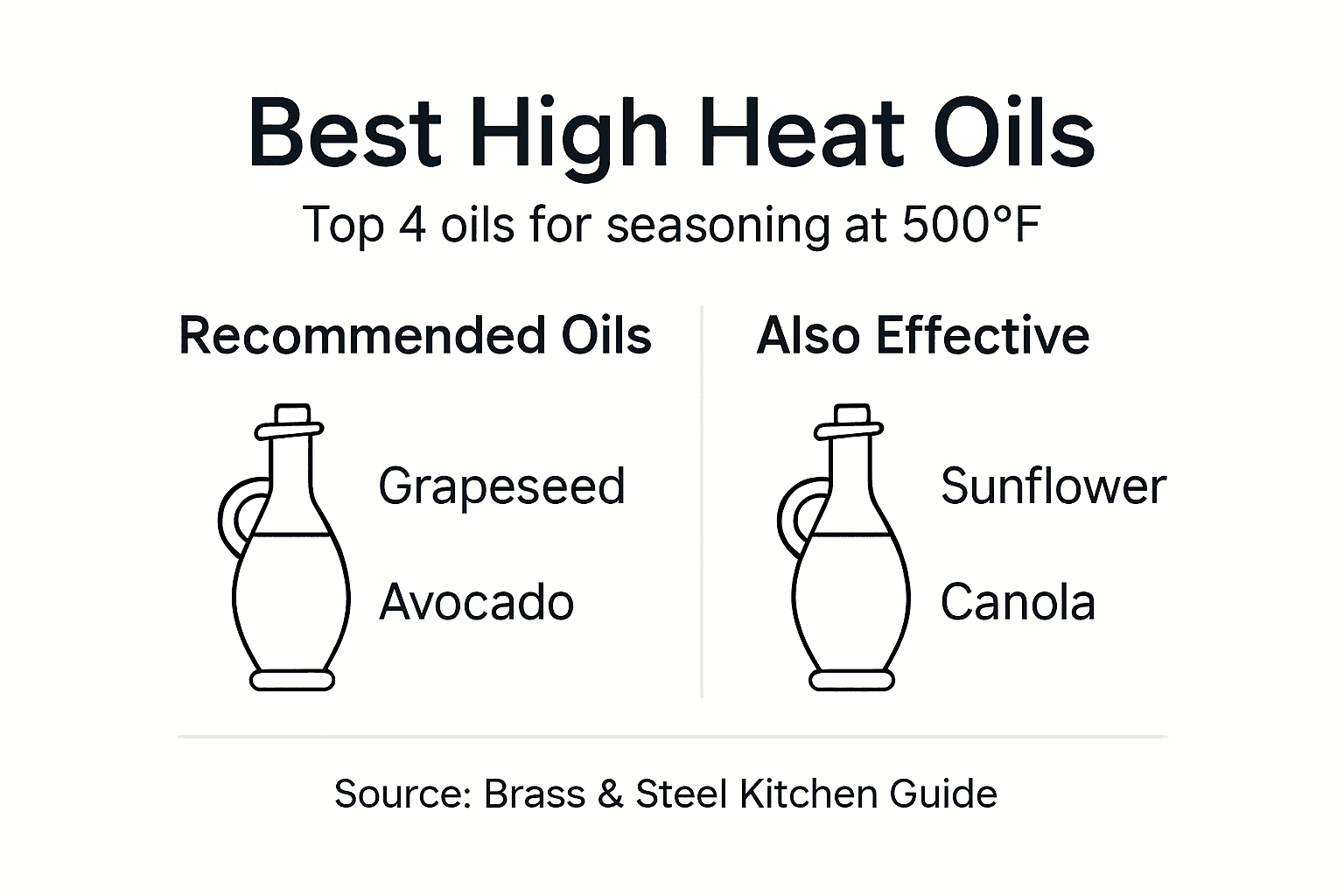
High smoke point oils like grapeseed, avocado, sunflower and canola oils produce durable, neutral flavored seasoning layers. Each brings specific advantages to carbon steel care:
| Oil Type | Smoke Point | Benefits | Considerations |
|---|---|---|---|
| Grapeseed | 420°F (216°C) | Widely available, neutral flavor, excellent polymerization | Moderate price point |
| Avocado | 520°F (271°C) | Highest smoke point, extremely durable coating | Premium cost |
| Sunflower | 450°F (232°C) | Affordable, neutral taste, good availability | Refined versions work best |
| Canola | 400°F (204°C) | Most economical, accessible everywhere | Slightly lower smoke point |
Avoid these common but inappropriate options:
- Olive oil: Low smoke point (325°F to 375°F) causes incomplete polymerization
- Butter: Milk solids burn and create uneven coating
- Animal fats: Impart flavors and have inconsistent smoke points
- Unrefined oils: Contain particles that interfere with smooth seasoning
Neutral oils prevent your scrambled eggs from tasting like yesterday’s fish. Flavor compounds in oils like sesame or walnut survive seasoning heat, permanently affecting food taste. Professional kitchens demand neutral bases for this reason.
Some enthusiasts experiment with wax blends combining oils with beeswax. These formulations may improve durability and simplify application, though traditional liquid oils remain the gold standard. The wax component can enhance water resistance between seasoning sessions.
For carbon steel pan essentials, stock at least one high smoke point neutral oil dedicated solely to pan maintenance. Keeping seasoning oil separate from cooking oils prevents cross contamination and ensures you always have proper product on hand when re seasoning becomes necessary.
Common Misconceptions and Mistakes in Using Seasoning Oil
Olive oil’s widespread culinary use creates a dangerous misconception about its suitability for seasoning. Its smoke point of 325°F to 375°F falls below the threshold needed for proper polymerization. Home cooks attracted to olive oil’s health benefits inadvertently sabotage their carbon steel pans, creating weak, flaky coatings that fail quickly.
Applying too much oil, using low smoke point oils like olive oil, and skipping drying cause sticky, uneven seasoning and rust. Excess oil represents the most common error. New users generously coat their pans, believing more oil yields better protection. The opposite proves true. Thick oil layers cannot polymerize completely, leaving tacky residue that attracts dust and debris.
Skipping thorough drying steps allows moisture to become trapped beneath seasoning layers. Water and iron create rust, which pushes seasoning away from the steel surface. You might notice brown spots or bubbling patina indicating moisture damage underneath. Always dry your pan completely before applying seasoning oil.
Flavored or unrefined oils contain particles, sediments, and aromatic compounds that interfere with smooth seasoning development. These impurities burn at different rates than pure oil, creating uneven, blotchy coatings. Toasted sesame oil might enhance stir fries, but it ruins seasoning.
Pro Tip: Always wipe oil until your pan surface looks almost dry before baking. If you can see a glossy sheen, you have applied too much. The correct amount appears nearly invisible.
Another widespread mistake involves inconsistent oven temperatures. Fluctuating heat prevents reliable polymerization. Your oven must maintain steady temperature throughout the entire seasoning duration. Investing in an oven thermometer eliminates this variable.
Many people also avoid rust on carbon steel pans by understanding that seasoning protects only when properly maintained. Neglecting post cooking care allows moisture exposure. Understanding common seasoning mistakes in other maintenance contexts highlights how small oversights compound into major problems.
Rushing the process represents another pitfall. Proper seasoning requires patience: multiple thin layers applied over several hours deliver superior results compared to one thick, quickly applied coat. Each layer must cure completely before adding the next.
Step by Step Guide to Seasoning Your Carbon Steel Pan with Oil
Follow this precise method to build professional quality seasoning on your carbon steel cookware. Applying very thin oil layers, wiping excess, and repeating baking 2 to 3 times at 250°C for 30 to 60 minutes yields the best seasoning.
-
Clean and dry your pan thoroughly. Wash new pans with warm, soapy water to remove factory coatings or shipping oils. For used pans requiring re seasoning, scrub away old, damaged seasoning with steel wool. Dry completely using a towel, then place on low heat for 2 to 3 minutes to evaporate any remaining moisture.
-
Apply ultra thin oil coating. Pour a small amount of your chosen high smoke point oil (grapeseed, avocado, sunflower, or canola) onto a lint free cloth or paper towel. Rub oil across the entire pan surface, including exterior and handle. Work the oil into every corner and curve.
-
Wipe off excess oil aggressively. Using a clean, dry cloth, wipe the pan until it looks almost dry. This step is critical. The surface should appear barely oiled, nearly matte rather than glossy. Most beginners skip adequate wiping, leading to sticky results.
-
Bake upside down at high temperature. Preheat your oven to 250°C (482°F). Place aluminum foil on the bottom rack to catch any drips. Position your pan upside down on the center rack. Bake for 30 to 60 minutes. The pan will smoke initially as the oil polymerizes; this is normal and expected.
-
Repeat for multiple layers. After the first baking cycle, let the pan cool until comfortable to handle. Apply another ultra thin oil layer following steps 2 and 3. Bake again for 30 to 60 minutes. Complete this process 2 to 3 times minimum for strong, even seasoning. Professional results require 4 to 5 layers.
Pro Tip: Preheat your oven properly and verify temperature accuracy with an oven thermometer. Inconsistent heat undermines polymerization chemistry. Place foil below the pan to catch drips and simplify cleanup.
Your pan should emerge with a smooth, dark brown to black finish. The coating appears even across all surfaces without sticky patches or bare spots. Light reflects subtly from the polymerized surface, indicating proper molecular bonding.
Thin layers and proper baking create a durable black patina that improves with each use.
For comprehensive guidance, consult this step by step seasoning guide. The oven seasoning guide provides additional temperature control tips and troubleshooting advice for perfect results every time.
Maintaining and Enhancing Seasoning with Oil Over Time
Initial seasoning represents just the beginning of your carbon steel journey. Regular light oiling after use, cooking fatty foods, and timely re seasoning maintain and strengthen the seasoning layer throughout your pan’s lifetime.
After each cooking session, clean your pan with warm water and a soft sponge or brush. Avoid harsh detergents for routine cleaning; they strip protective oils. Dry immediately and thoroughly using a towel, then place briefly on low heat to ensure complete moisture removal. Never leave your pan to air dry.
Apply a thin maintenance layer of the same neutral, high smoke point oil you used for initial seasoning. Wipe a small amount across the cooking surface using a paper towel or cloth. This micro layer protects against ambient moisture and gradually enhances existing seasoning through ambient temperature polymerization.
Cooking fatty foods naturally builds seasoning:
- Searing marbled steaks adds beef fat layers
- Pan roasting chicken with skin reinforces coating
- Sautéing vegetables in butter or oil contributes micro layers
- Bacon becomes a seasoning powerhouse
These cooking sessions cure additional oil into your patina, steadily improving nonstick properties. Professional chefs prize well used carbon steel specifically because years of cooking create superior surfaces impossible to achieve through initial seasoning alone.
Re season when your pan exhibits these warning signs: dull, lackluster appearance; food beginning to stick during normal cooking; visible rust spots; or sticky, gummy texture. Maintain your carbon steel pan proactively rather than waiting for serious problems to develop.
Avoid sudden temperature changes that stress seasoning and underlying steel. Never plunge a hot pan into cold water. Thermal shock can crack seasoning and warp thinner gauge pans. Let cookware cool gradually at room temperature.
When you need to re season your carbon steel pan, strip damaged coating completely before building fresh layers. Proper maintenance and timely intervention keep your carbon steel performing beautifully for decades, developing character and improved cooking properties with age.
Enhance Your Cooking with Expert Carbon Steel Care
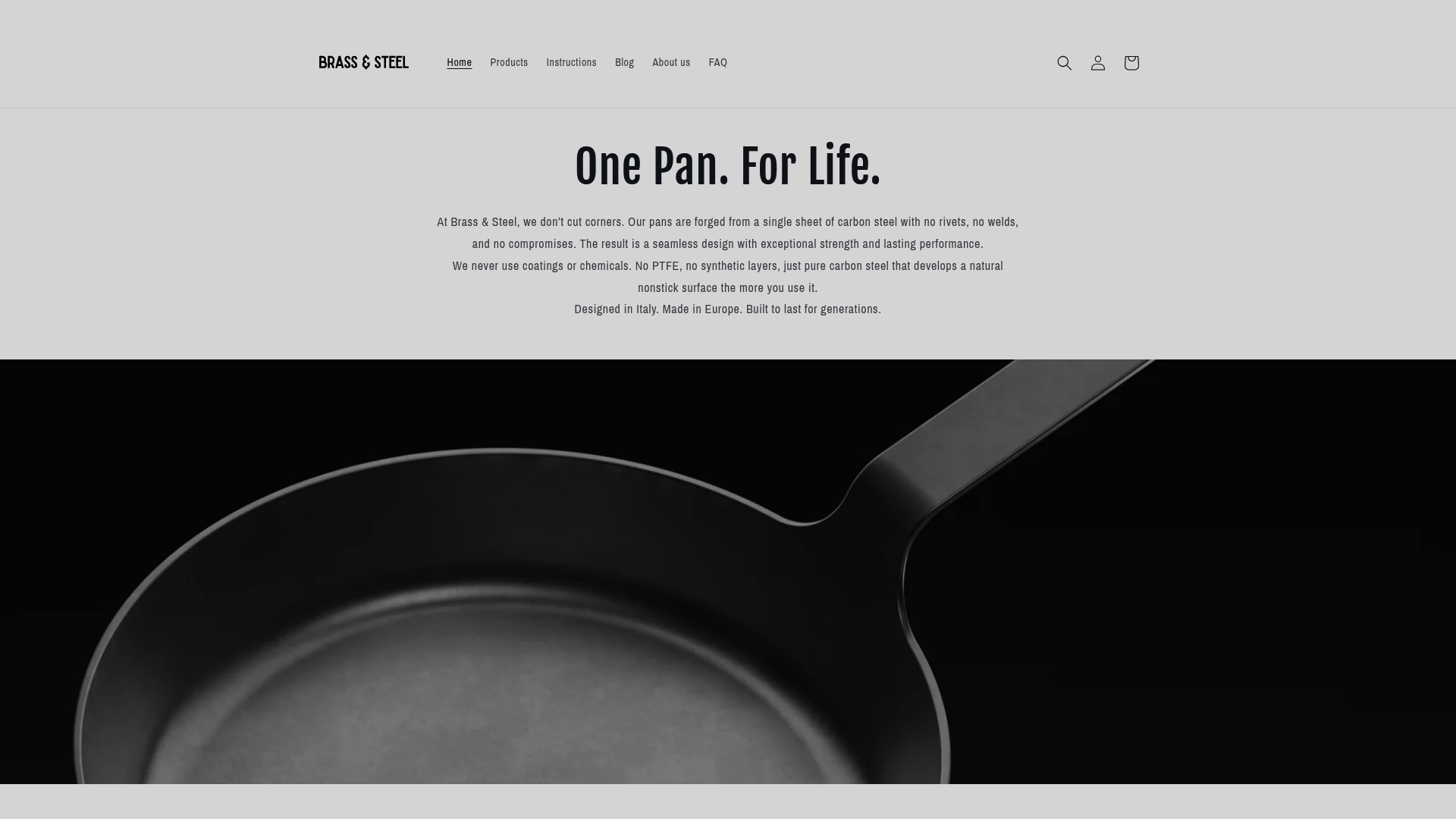
Mastering seasoning oil technique unlocks your carbon steel pan’s full potential. Brass & Steel provides comprehensive resources crafted specifically for culinary enthusiasts and professional chefs pursuing excellence. Our carbon steel pan uses guide explores advanced cooking techniques, while carbon steel pan essentials covers fundamental care practices.
Discover premium cookware engineered for durability and performance. Our single piece forged carbon steel pans eliminate rivets and welds, offering seamless strength and effortless cleaning. Each pan develops a unique patina reflecting your cooking style and care. Explore carbon steel cookware explained to understand why serious cooks choose this time tested material. Trust Brass & Steel’s engineering precision and culinary expertise to elevate your kitchen capabilities.
FAQ
What is cookware seasoning oil?
Cookware seasoning oil is a high smoke point, neutral flavored oil used to create a polymerized protective coating on carbon steel pans. When heated properly above 375°F, the oil undergoes chemical transformation, bonding to the steel surface to form a natural nonstick layer. This coating prevents rust, improves cooking performance, and eliminates the need for synthetic nonstick chemicals.
What does seasoning oil do for carbon steel cookware?
Seasoning oil creates a durable, nonstick surface through polymerization, protecting carbon steel from rust and corrosion. The bonded oil layer prevents food from sticking during cooking, making cleanup easier and extending pan lifespan. Proper seasoning also enhances heat distribution and develops the characteristic black patina that improves with use.
Which oils should be avoided for seasoning and why?
Avoid olive oil, butter, and animal fats for seasoning carbon steel. Olive oil’s low smoke point (325°F to 375°F) prevents complete polymerization, creating flaky, weak coatings. Butter contains milk solids that burn and produce uneven layers. Animal fats impart unwanted flavors and have inconsistent smoke points, leading to unreliable seasoning results.
How often should I reapply seasoning oil to maintain my pan?
Apply a thin maintenance layer of seasoning oil after each use, once your pan is clean and completely dry. This routine protects against moisture and gradually strengthens existing seasoning. Complete re seasoning becomes necessary only when you notice dull appearance, increased sticking, visible rust, or sticky texture, typically every few months with regular use.
Can I use seasoning oil on other cookware types?
Seasoning oil works on any bare iron or steel cookware, including cast iron skillets, woks, and griddles. Avoid using seasoning techniques on stainless steel, aluminum, or cookware with factory applied nonstick coatings. These materials either cannot form bonded seasoning layers or already possess nonstick surfaces that seasoning oil would damage.
Is seasoning oil the same as cooking oil?
Seasoning oil and cooking oil serve different purposes despite sometimes being the same product. Cooking oil adds flavor and prevents sticking during food preparation. Seasoning oil undergoes high heat polymerization to bond permanently with cookware surfaces. While you can cook with grapeseed or avocado oil, their use as seasoning oil requires specific application techniques and temperatures to achieve proper chemical transformation.
Recommended
- Oven Seasoning Method Guide for Carbon Steel Pans – Brass & Steel
- Season Carbon Steel Wok: 3 Cycles at 250°C for Nonstick – Brass & Steel
- Ultimate Carbon Steel Pan Seasoning Guide for Perfect Results – Brass & Steel
- How to Season Carbon Steel Pan in Oven for Lasting Nonstick – Brass & Steel
- 7 Top Tips to Enhance Your Lisbon Cooking Classes Experience