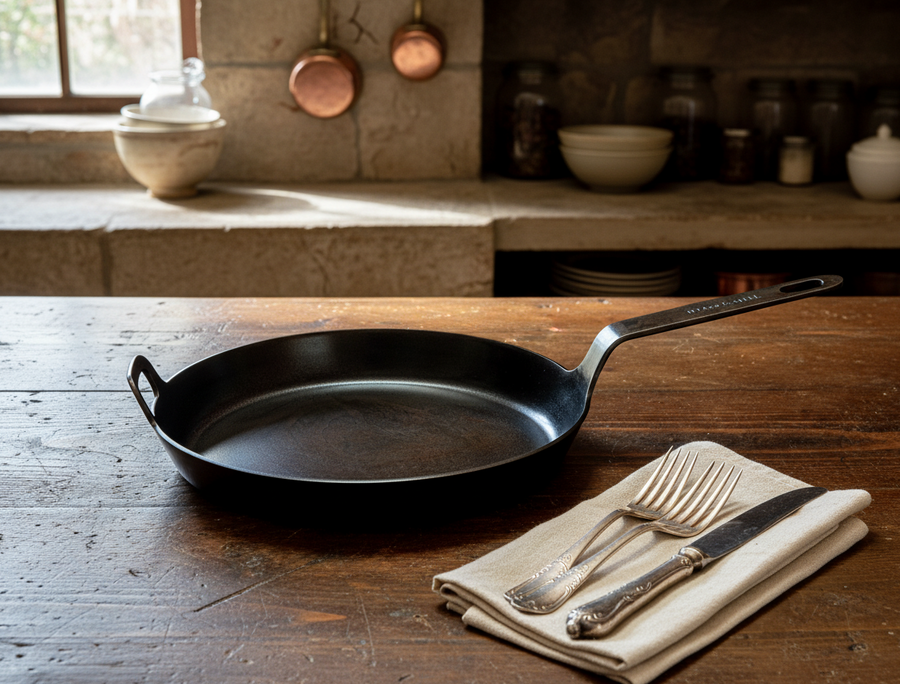
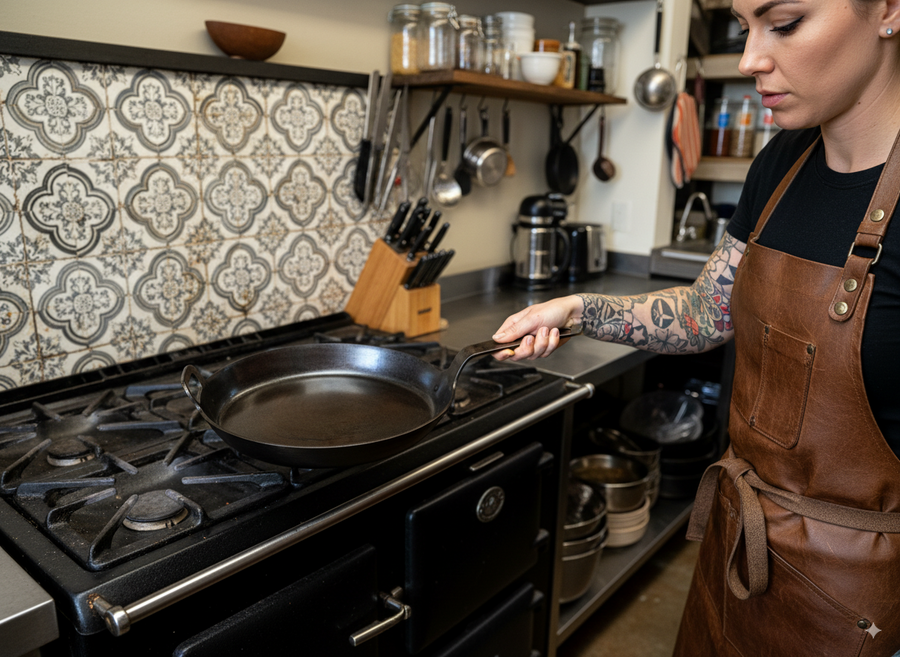
Carbon Steel Surface Care: Enhancing Pan Durability
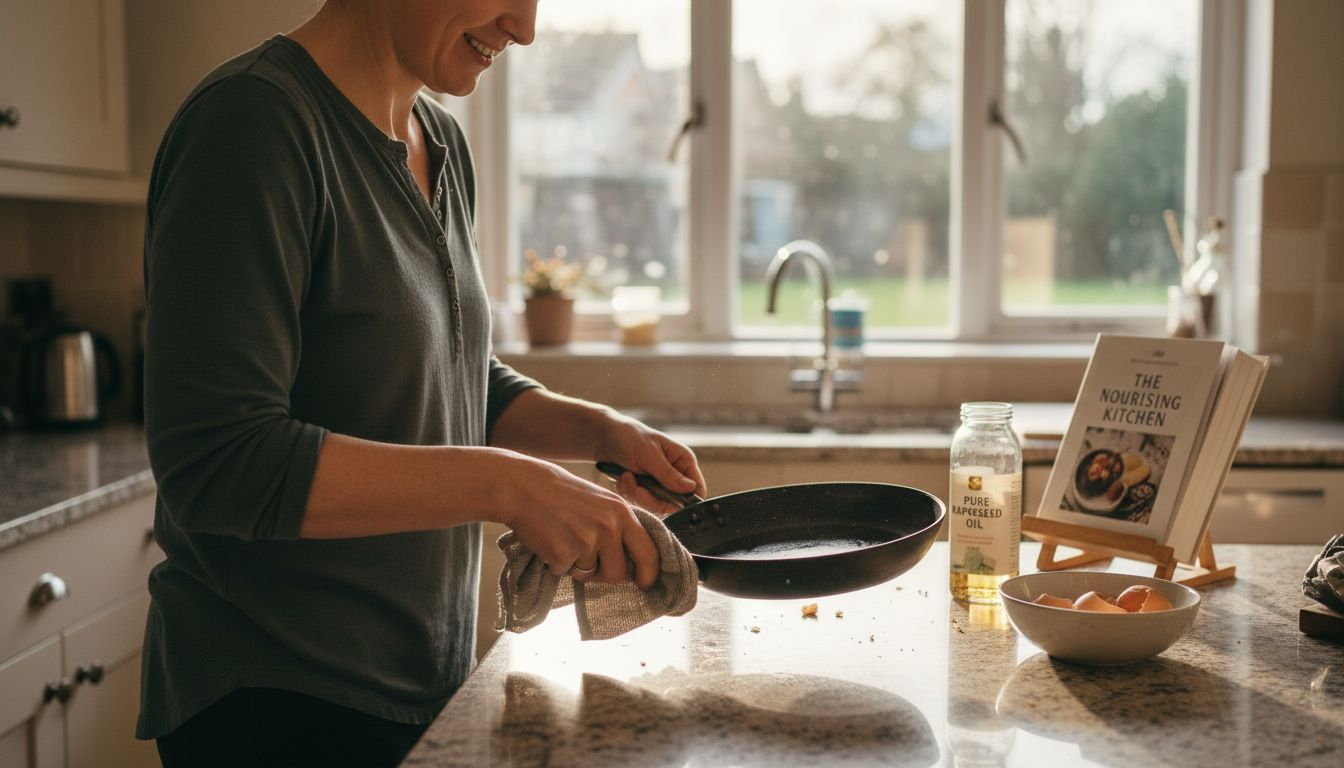
Switching from a trusty nonstick pan to gleaming carbon steel is an exciting step for many European home cooks who want more control and flair in the kitchen. Caring for carbon steel is about more than just washing—it means nurturing a natural, ever-improving patina that protects your pan and powers its performance. Learning the fundamentals of surface care makes all the difference, transforming your pan into a reliable cooking partner for years of delicious results.
Table of Contents
- Defining Carbon Steel Surface Care For Cookware
- Types Of Pan Seasoning And Natural Patina
- Characteristics Of Well-Maintained Carbon Steel Pans
- Common Surface Issues And How To Prevent Them
- Comparing Carbon Steel To Other Cookware Surfaces
Key Takeaways
| Point | Details |
|---|---|
| Proper Maintenance is Crucial | Regular cleaning, drying, and oiling are essential for the longevity and performance of carbon steel cookware. |
| Seasoning Enhances Performance | Developing a protective seasoning layer improves both nonstick properties and cooking efficiency over time. |
| Avoid Acidic Foods Initially | Acidic ingredients can strip away the developing seasoning, hindering the pan’s protective capabilities. |
| Monitor for Common Issues | Rust and uneven seasoning can compromise performance, necessitating prompt attention to maintenance practices. |
Defining Carbon Steel Surface Care for Cookware
Carbon steel cookware represents a sophisticated culinary tool that requires nuanced maintenance to preserve its exceptional performance. Surface care is not merely about cleaning but involves creating and protecting a specialised cooking surface that improves with each use. Carbon steel maintenance transforms these pans from simple metal cookware into responsive, naturally nonstick cooking companions.
Understanding carbon steel surface care involves recognising its unique characteristics. Unlike traditional nonstick pans, carbon steel develops a protective seasoning layer through repeated use. This layer forms through a process of polymerisation, where cooking oils bond with the metal’s surface, creating a smooth, dark patina that prevents rust and provides natural nonstick properties. The seasoning acts like a protective shield, improving with each fatty cooking session and becoming more resilient over time.
The core principles of carbon steel surface care include several critical practices:
- Cleaning: Gentle washing with hot water and minimal soap
- Drying: Thorough and immediate moisture removal
- Oiling: Periodic light application of high-smoke-point oils
- Temperature management: Gradual heating and avoiding sudden temperature changes
- Cooking technique: Using sufficient oil during initial cooking stages
Proper maintenance ensures your carbon steel pan transforms from a raw metal implement into a responsive cooking surface that develops character and performance with each meal prepared. Acidic foods should be avoided during initial seasoning stages, as they can strip away the developing protective layer.
Pro tip: Always store your carbon steel pan in a dry environment and apply a light coat of oil after each cleaning to maintain its protective seasoning.
Types of Pan Seasoning and Natural Patina
Carbon steel pans develop their distinctive cooking properties through a fascinating process known as seasoning, where oils transform the metal’s surface into a naturally protective layer. Seasoning techniques involve carefully applying and heating oils to create a resilient, slick cooking surface that improves with each use.
Two primary types of seasoning emerge in carbon steel cookware maintenance: initial seasoning and ongoing seasoning. Initial seasoning represents the foundational layer, where the pan is systematically coated with high-smoke-point oil and heated to create a polymer bond with the metal surface. This process creates a natural nonstick patina that becomes increasingly smooth and effective with repeated cooking.
The characteristics of carbon steel seasoning include:
- Polymerisation: Chemical transformation of oils into a hard, protective coating
- Surface development: Progressive improvement of nonstick properties
- Protection: Prevention of rust and metal corrosion
- Performance enhancement: Improved heat distribution and cooking efficiency
- Customisation: Unique patina development based on cooking techniques
The beauty of carbon steel seasoning lies in its dynamic nature – each cooking session contributes to the pan’s evolving character and performance.
Different cooking styles and oil types influence patina development. Fatty meats, regular oil applications, and consistent high-heat cooking accelerate the formation of a robust seasoning layer. Some chefs prefer flaxseed oil for its rapid polymerisation, while others rely on traditional cooking oils like sunflower or grapeseed.
Pro tip: Focus on creating thin, even oil layers during seasoning and avoid thick, uneven applications that can become sticky or prone to flaking.
Here is a concise overview of the main seasoning techniques for carbon steel pans:
| Seasoning Type | Key Purpose | Common Oils Used | Expected Results |
|---|---|---|---|
| Initial Seasoning | Establish foundation layer | Flaxseed, sunflower, grapeseed oils | Smooth, base patina forms |
| Ongoing Maintenance | Reinforce protective coating | Sunflower, grapeseed, mineral oil | Enhanced nonstick, dark patina |
| High-Heat Fat Seasoning | Rapid layer build-up | Beef tallow, lard, duck fat | Accelerated patina, deep colour |
Characteristics of Well-Maintained Carbon Steel Pans
A truly exceptional carbon steel pan tells a story through its surface, revealing the care and attention it has received over time. Pan maintenance techniques transform these culinary tools from simple metal cookware into sophisticated cooking companions with remarkable performance characteristics.
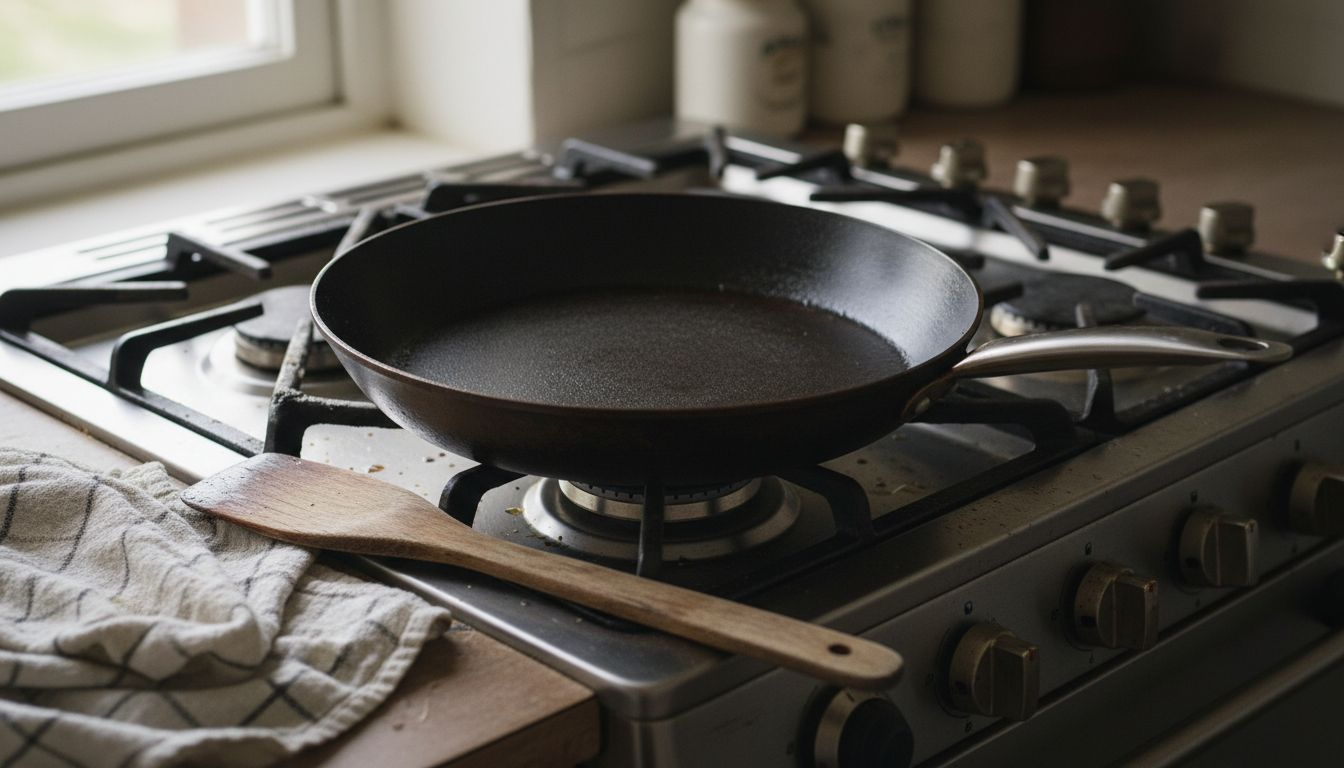
The hallmark of a well-maintained carbon steel pan is its distinctive protective patina - a deep, glossy black surface that develops through careful seasoning and consistent use. This natural coating isn’t just aesthetic; it provides crucial functional benefits, creating a near-nonstick surface that improves with each cooking session. The pan’s surface should feel uniformly smooth, with a consistent dark colour that indicates proper seasoning and protection against rust.
Key characteristics of a meticulously maintained carbon steel pan include:
- Heat Responsiveness: Rapid temperature adjustment and even heat distribution
- Surface Quality: Smooth, glossy black patina without rust or splotchy areas
- Nonstick Performance: Natural oil-developed surface reducing food adhesion
- Durability: Resistant to wear and corrosion when properly cared for
- Cooking Efficiency: Enhanced heat retention and quick thermal recovery
A carbon steel pan’s performance is a direct reflection of its maintenance - treat it well, and it will reward you with exceptional cooking results.
The pan’s ability to resist corrosion and maintain its nonstick properties depends on consistent, thoughtful care. Avoiding harsh detergents, ensuring thorough drying after washing, and periodically reinforcing the seasoning layer are critical practices. Some professional chefs even view their carbon steel pans as living tools, with each cooking session contributing to their evolving character and performance.
Pro tip: Inspect your pan’s surface regularly and address any signs of rust or uneven seasoning immediately to preserve its long-term cooking performance.
Common Surface Issues and How to Prevent Them
Carbon steel cookware presents unique maintenance challenges that can compromise its performance if not addressed proactively. Carbon steel pan troubleshooting requires understanding the most common surface issues that can develop during regular use.
Rust represents the primary adversary for carbon steel pans, emerging when moisture lingers or the protective seasoning becomes compromised. This corrosive process can quickly transform a pristine cooking surface into a damaged implement, rendering the pan less effective and potentially unsafe for food preparation. The development of rust occurs most frequently when pans are stored in humid environments, not thoroughly dried after cleaning, or exposed to acidic foods that break down the protective oil layer.
Key surface issues to monitor include:
- Rust Formation: Reddish-brown corrosion indicating metal oxidation
- Seasoning Breakdown: Patchy or uneven protective oil layer
- Sticky Residue: Accumulated carbon deposits from improper cleaning
- Surface Discolouration: Uneven darkening or blotchy appearance
- Pitting: Small indentations or surface irregularities
Consistent maintenance is the best defence against carbon steel surface degradation - prevention always trumps repair.
Preventing these issues requires a systematic approach to pan care. Immediate drying after washing, light oiling after each use, and avoiding prolonged exposure to moisture are critical strategies. Professional chefs recommend storing pans in dry environments with minimal humidity and using food-grade mineral oil as a protective barrier when the pan is not in active use.
Pro tip: Create a dedicated drying and storage routine that involves thoroughly wiping your pan after washing and applying a thin protective oil layer to prevent moisture accumulation.
Comparing Carbon Steel to Other Cookware Surfaces
Cookware materials each bring unique characteristics to the culinary experience, with carbon steel emerging as a versatile and performance-driven option. Carbon steel versus nonstick comparisons reveal distinct advantages that set this material apart from traditional cooking surfaces.
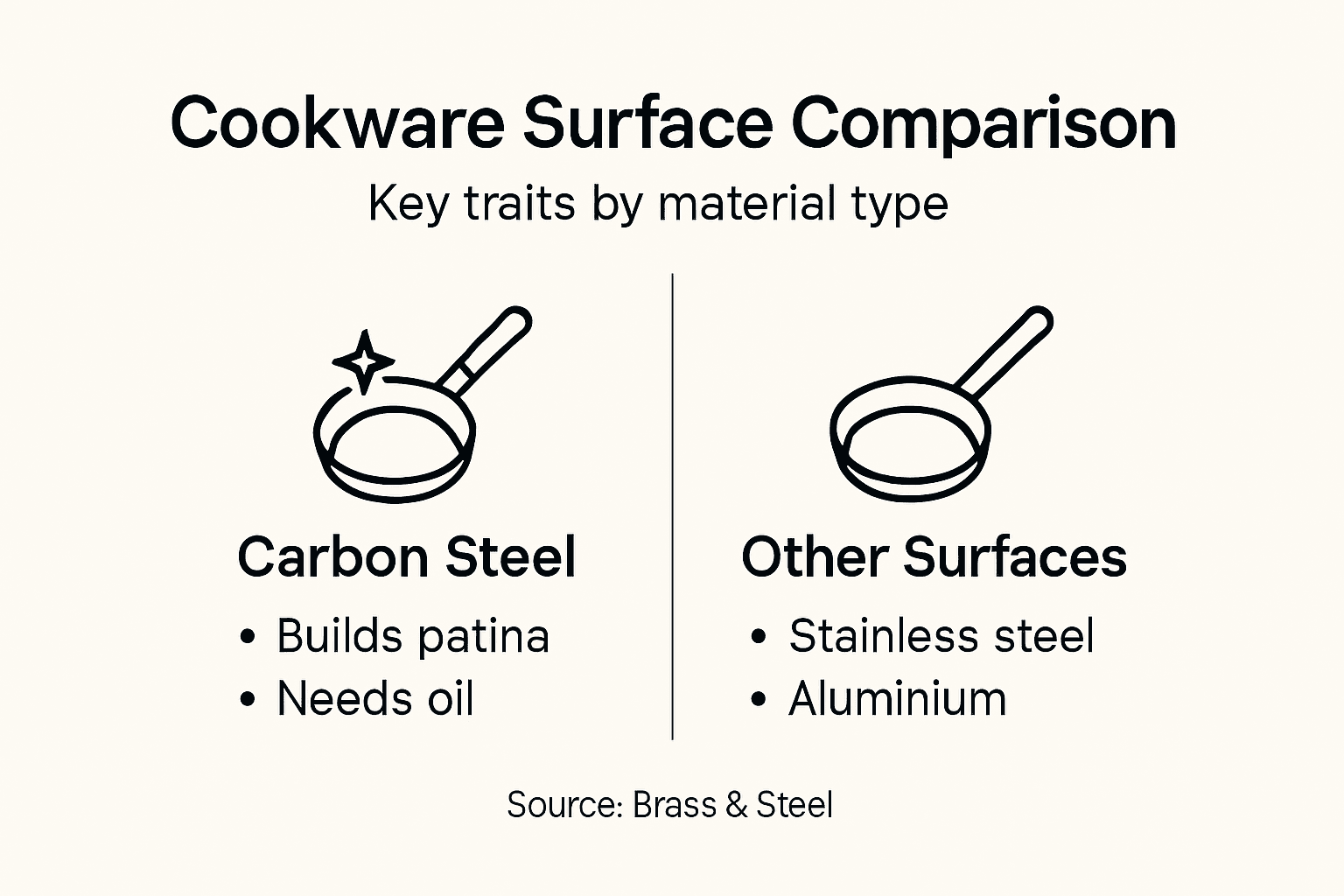
Unlike nonstick pans with synthetic coatings or stainless steel’s uniform surface, carbon steel develops a dynamic cooking surface through seasoning. This natural process creates a progressively improving nonstick layer that adapts to cooking techniques, unlike static surfaces which remain unchanged. Cast iron shares similar seasoning properties, but carbon steel offers superior heat responsiveness and lighter weight, making it more versatile for professional and home kitchens.
Key comparative characteristics include:
- Heat Conductivity: Carbon steel heats faster than cast iron
- Weight: Significantly lighter than cast iron
- Nonstick Properties: Develops natural patina over time
- Maintenance: Requires periodic seasoning
- Versatility: Works on multiple heat sources
- Durability: Potentially longer lifespan than synthetic coatings
A carbon steel pan is not just cookware, but a culinary companion that improves with every meal prepared.
Stainless steel and aluminium offer consistent surfaces but lack the natural nonstick development of carbon steel. The ability to build a personalised cooking surface through careful maintenance sets carbon steel apart, transforming it from a simple cooking implement into a responsive kitchen tool that reflects the cook’s expertise.
Pro tip: Consider your cooking style and maintenance commitment when selecting cookware, as carbon steel rewards consistent care with superior performance.
This table summarises how carbon steel compares to other popular cookware materials:
| Cookware Material | Weight | Nonstick Potential | Maintenance Needed |
|---|---|---|---|
| Carbon Steel | Light to medium | Improves with seasoning | Regular oiling and drying |
| Cast Iron | Heavy | Develops with use | Similar to carbon steel |
| Stainless Steel | Medium | Limited, food may stick | Occasional polishing only |
| Nonstick (PTFE) | Very light | Excellent, synthetic layer | Minimal, avoid abrasives |
Elevate Your Carbon Steel Surface Care with Brass & Steel
The challenge of maintaining a flawless, naturally nonstick surface on your carbon steel cookware requires steadfast care and the right cookware designed to enhance longevity and performance. If you seek to build a durable, heirloom-quality pan that develops an exceptional protective patina through expert seasoning, our Carbon Steel Collection | Brass&Steel provides precisely what you need. Crafted through single-piece forging and engineered for maximum heat responsiveness, each pan is made to transform with each meal, reflecting your care and dedication.
Experience carbon steel cookware that thrives on consistent maintenance with our high-quality sauté pans available in 27 cm and 30 cm variants. Designed to deliver excellent heat retention without compromising on ease of seasoning, Brass & Steel pans offer a natural nonstick surface free from harmful coatings like PTFE and PFOA. Ready to invest in cookware that matches your commitment to pan surface care and prevents rust and seasoning breakdown? Discover your perfect match by visiting Brass & Steel today and start your journey towards mastering carbon steel cookware maintenance.
Frequently Asked Questions
What is the best way to clean carbon steel pans?
Gentle washing with hot water and minimal soap is recommended. Avoid harsh detergents to preserve the seasoning layer.
How do I properly season my carbon steel pan?
To season a carbon steel pan, apply a thin layer of high-smoke-point oil and heat it until the oil polymerises, creating a natural nonstick patina. Repeat this process for ongoing maintenance.
What should I do if my carbon steel pan gets rust?
If rust forms, remove it with a fine scrubber, then wash, dry, and re-season the pan with a light coat of oil to restore its protective layer.
How does carbon steel compare to other cookware surfaces like nonstick or cast iron?
Carbon steel heats faster than cast iron and develops its nonstick properties through seasoning. Unlike synthetic nonstick surfaces, it offers a dynamic cooking surface that improves over time with proper care.
Recommended
- Essential Upkeep for Carbon Steel Pans for Lasting Performance – Brass & Steel
- How to Deep Clean Carbon Steel Pan for Lasting Performance – Brass & Steel
- Essential Carbon Steel Care Routines for Lasting Performance – Brass & Steel
- How to Clean Carbon Steel Pan Naturally: Step-by-Step Guide – Brass & Steel
- Surface Preparation in Waterproofing – Ensuring System Longevity