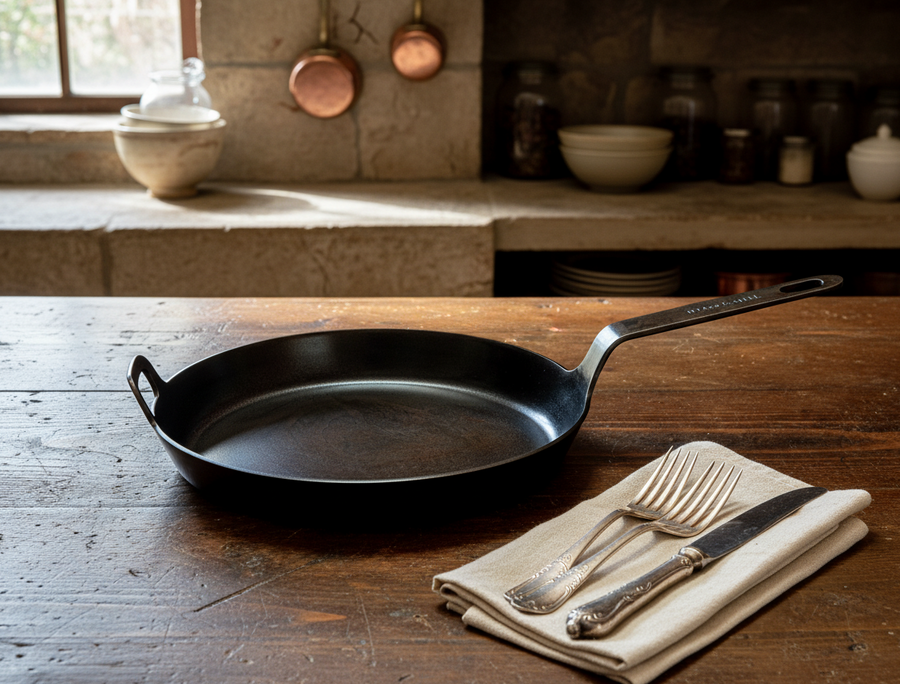
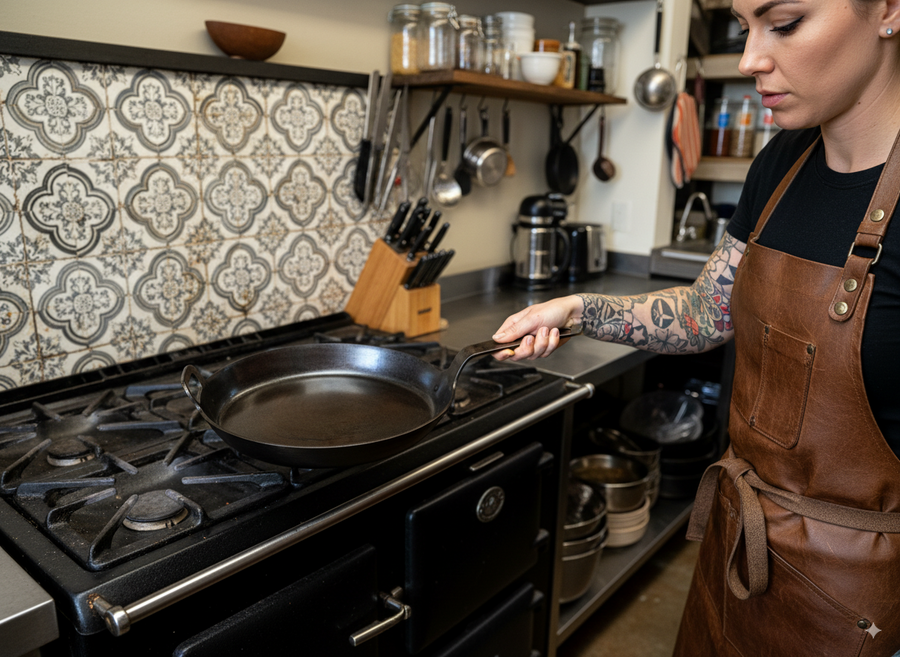
Complete Carbon Steel Cookware Checklist for Chefs
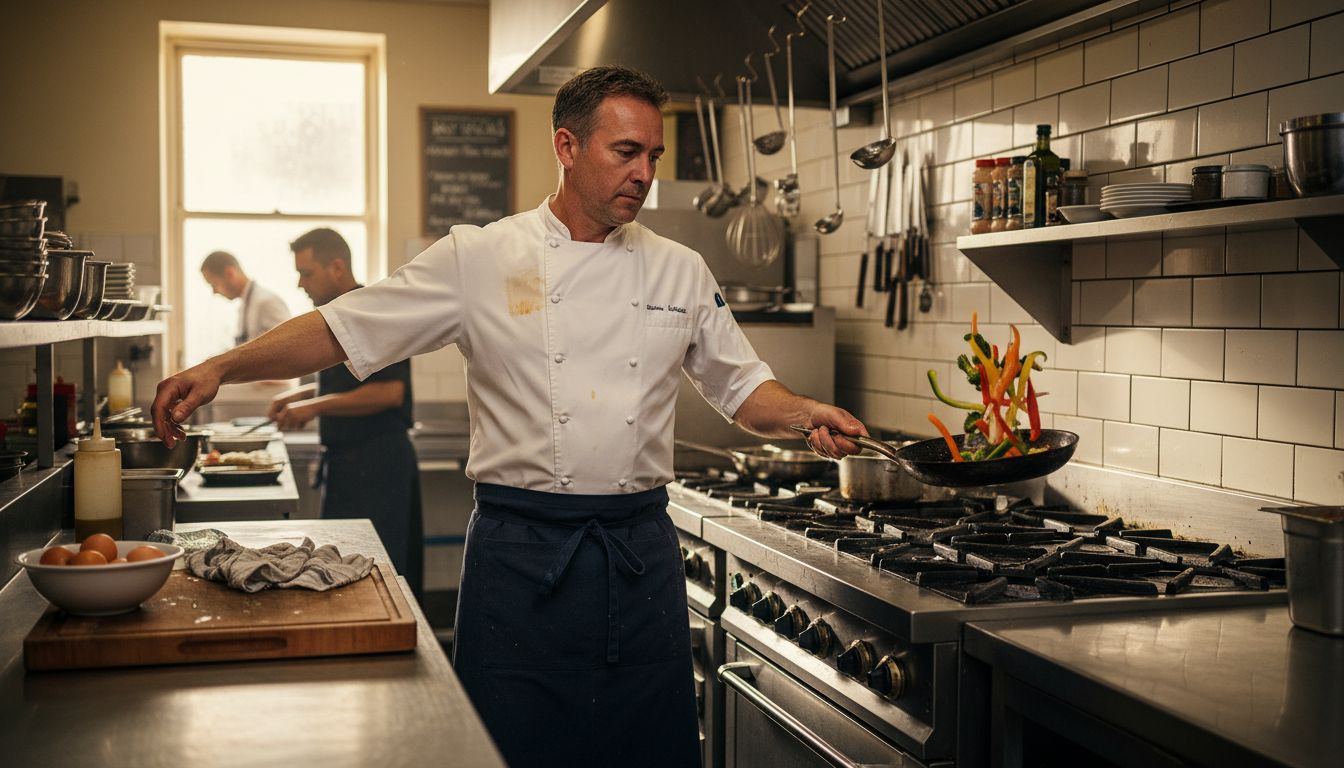
Over 60 percent of British chefs say that choosing the right carbon steel cookware impacts both the texture and flavour of their dishes. Whether you run a bustling restaurant kitchen or love testing recipes at home, nailing your cookware lineup can make all the difference. This guide helps you confidently select, season, and care for carbon steel pans to match your unique cooking style and keep them performing at their best.
Table of Contents
- Step 1: Assess Essential Carbon Steel Cookware Needs
- Step 2: Select Durable Single-Piece Carbon Steel Pans
- Step 3: Prepare Pans with Initial Cleaning and Seasoning
- Step 4: Maintain Seasoned Surface for Lasting Performance
- Step 5: Verify Patina and Cooking Performance Regularly
Quick Summary
| Key Message | Explanation |
|---|---|
| 1. Assess Your Cooking Needs | Determine your cooking style to select the most suitable carbon steel pans for your kitchen. |
| 2. Choose Single-Piece Pans | Opt for single-piece carbon steel pans for superior durability and even heat distribution during cooking. |
| 3. Follow Initial Cleaning Steps | Thoroughly clean and season your new pan to establish a nonstick surface and prevent rust. |
| 4. Maintain Seasoned Surface Regularly | Clean gently and re-oil after cooking to keep the seasoned surface in optimal condition. |
| 5. Regularly Check Pan Performance | Inspect the patina and cooking performance to ensure your pan remains effective and reliable over time. |
Step 1: Assess Essential Carbon Steel Cookware Needs
Chefs preparing to invest in carbon steel cookware must carefully evaluate their specific culinary requirements and kitchen workflow. Understanding your cooking style will determine the most suitable carbon steel pieces for your professional or home kitchen.
When assessing your carbon steel cookware needs, consider multiple key factors that impact performance. Durability and heat conductivity are critical considerations that distinguish these remarkable cooking tools. Professional chefs typically require versatile pans capable of transitioning seamlessly between stovetop and oven environments while delivering consistent heat distribution.
Your selection should prioritise specific attributes matching your cooking techniques. A sauté pan works brilliantly for searing meats, while a smaller skillet might suit delicate fish preparations. Weight, thickness, and handle design play crucial roles in determining comfort and control during high-intensity cooking scenarios. Always test the pan’s balance and ergonomics before committing to a purchase to ensure it complements your culinary approach.
Warning: Avoid purchasing carbon steel cookware without understanding its maintenance requirements. These pans demand specific seasoning and care techniques to maintain their performance and prevent rust.
Step 2: Select Durable Single-Piece Carbon Steel Pans
Selecting a high-quality single-piece carbon steel pan requires careful consideration of construction, performance, and long-term durability. Chefs and home cooks seeking exceptional cookware must understand the critical attributes that distinguish superior pans.
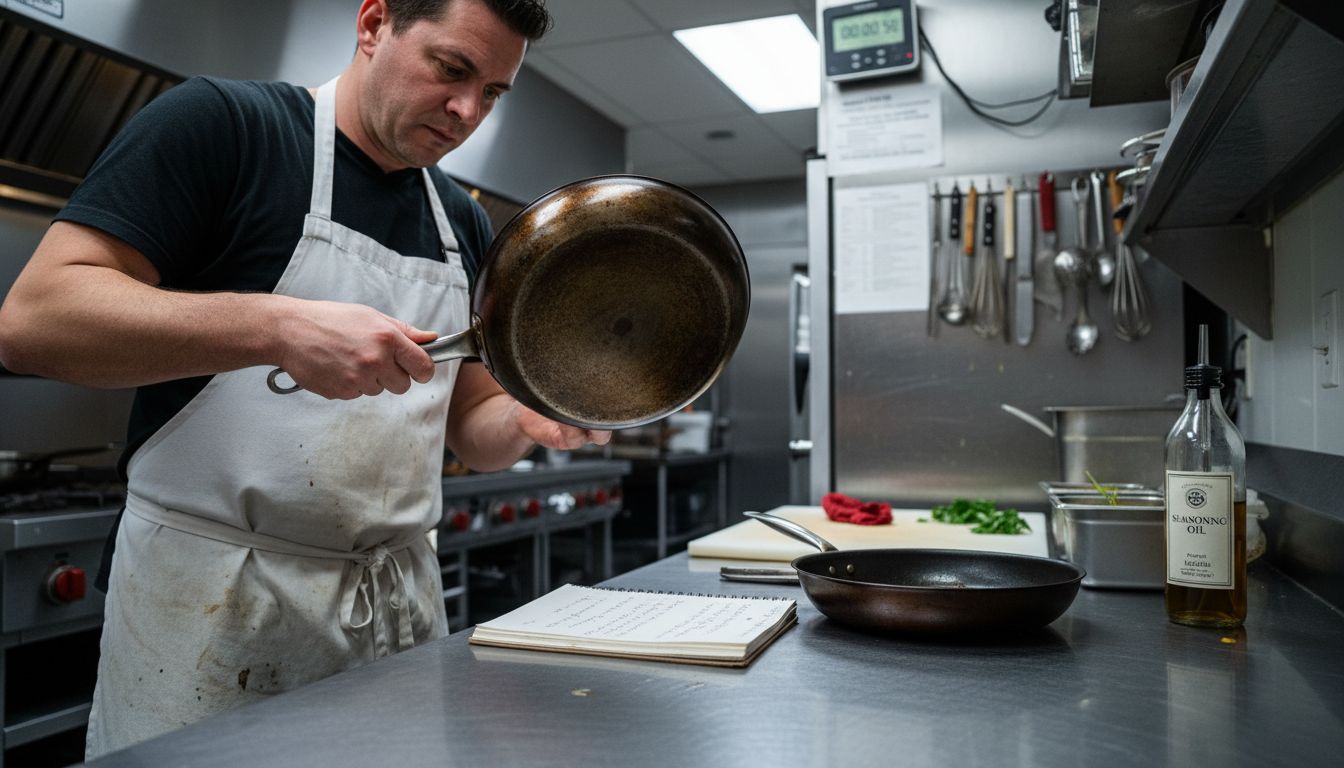
Professional kitchens prioritise single-piece carbon steel pans because they offer remarkable strength and seamless heat distribution. The absence of rivets or welded joints means less potential for food accumulation and easier cleaning. When evaluating potential purchases, examine the pan’s thickness carefully. Thicker pans between 2 to 4 millimetres provide better heat retention and more even cooking temperatures.
Consider your specific cooking requirements when selecting a pan. Smaller pans around 20 to 27 centimetres work brilliantly for individual meals or delicate preparations, while larger 30 to 36 centimetre pans suit professional environments or family cooking. Weight matters too some pans feel substantial without being unwieldy. Always test the handle ergonomics and ensure comfortable weight distribution.
Warning: Cheap carbon steel pans with multiple construction pieces will deteriorate faster and potentially compromise your cooking performance. Invest in quality single-piece construction for long lasting kitchen excellence.
Step 3: Prepare Pans with Initial Cleaning and Seasoning
Initial preparation of carbon steel cookware is crucial for establishing a robust nonstick surface and preventing rust. Chefs must understand the precise steps required to transform a raw pan into a reliable kitchen tool.
Professional cookware maintenance begins with thorough initial cleaning that removes manufacturing residues and prepares the surface for seasoning. Start by washing your new pan with hot water and mild soap, using a soft sponge to eliminate any protective coatings. Thoroughly dry the pan using a clean kitchen towel or paper towels to prevent water spotting or potential rust formation.
The seasoning process involves creating a protective layer of polymerised oil that builds natural nonstick properties. Select a high smoke point oil like grapeseed or sunflower oil. Apply a thin uniform coat across the entire pan surface using a clean cloth or paper towel. Heat the pan gradually in an oven preheated to 230 degrees Celsius, allowing the oil to bond with the metal and create a dark protective patina. Repeat this process two to three times for optimal results.
Warning: Avoid using olive oil or butter during initial seasoning as these have lower smoke points and can create an uneven or sticky surface. Patience and precision are key to developing a perfect carbon steel pan seasoning.
Step 4: Maintain Seasoned Surface for Lasting Performance
Maintaining the seasoned surface of carbon steel cookware requires consistent care and attention to preserve its nonstick properties and prevent rust. Professional chefs understand that proper maintenance extends the life and performance of their essential cooking tools.
Ongoing cookware maintenance involves gentle cleaning and strategic oiling to protect the protective patina. After each cooking session, clean your pan using warm water and a soft cloth or brush. Avoid harsh scrubbing or abrasive cleaning agents that might strip away the carefully developed seasoning. Pat the pan completely dry immediately after washing and apply a thin layer of high smoke point oil to maintain the protective surface.
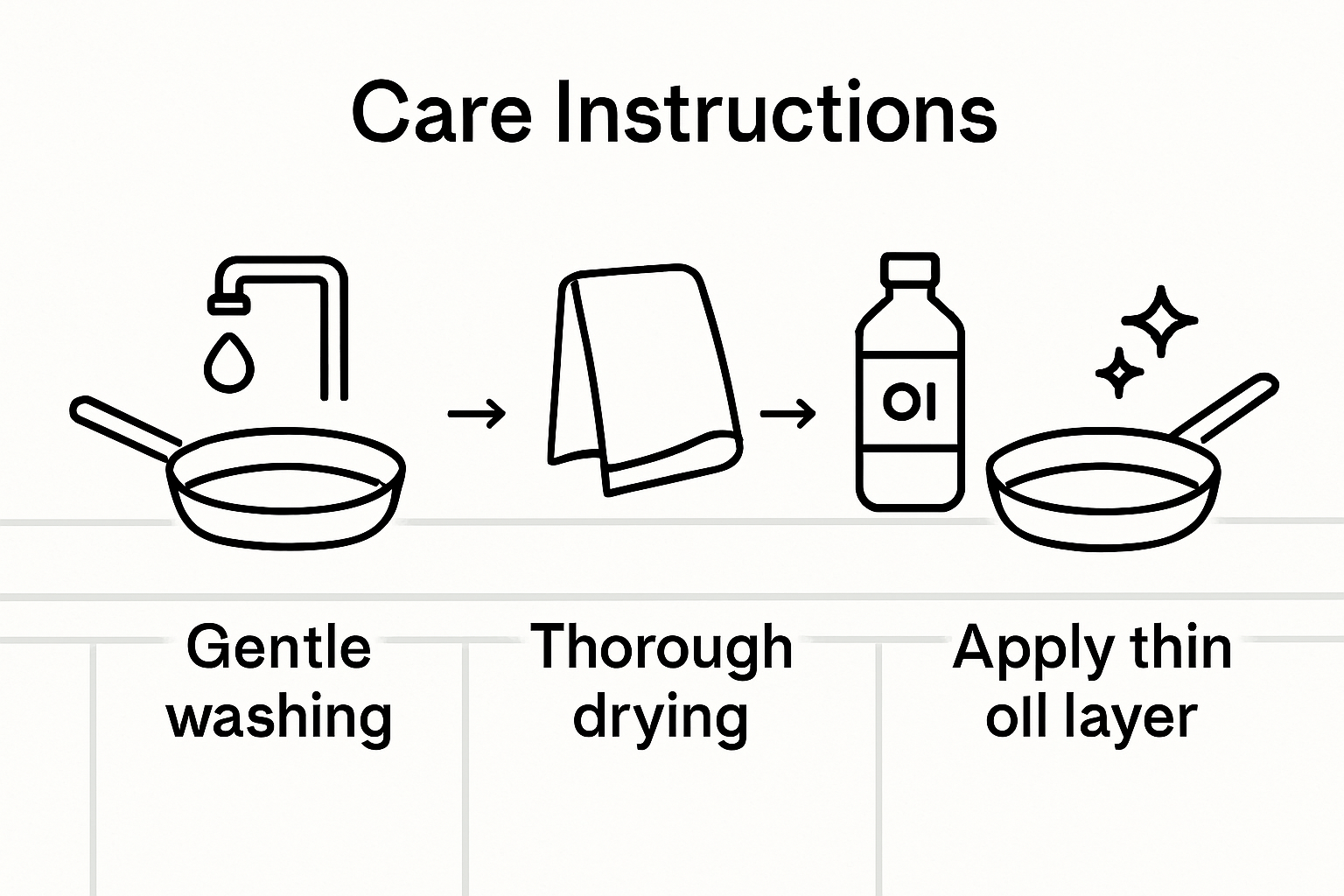
Regular cooking with fatty foods like bacon or searing meats will naturally help strengthen your pan’s seasoning over time. When you notice the surface becoming dull or developing light rust patches, conduct a quick re-seasoning by applying a thin oil coat and heating the pan in the oven at 230 degrees Celsius for approximately one hour. This process will restore the pan’s protective layer and ensure continued excellent cooking performance.
Warning: Never soak your carbon steel pan in water or use soap aggressively. These actions can rapidly destroy the carefully developed seasoning and expose the metal to potential rust formation.
Step 5: Verify Patina and Cooking Performance Regularly
Regular verification of your carbon steel pan’s patina and cooking performance ensures consistent culinary excellence and long-term cookware reliability. Understanding how to assess your pan’s condition will help you maintain its optimal cooking capabilities.
Professional chefs monitor their cookware’s surface quality through systematic visual and functional inspections that reveal the pan’s overall health. Look for a uniformly dark brown or black surface that indicates a well-developed seasoning. When cooking eggs or delicate foods, observe how smoothly ingredients release from the pan this is a key indicator of excellent seasoning. Pay attention to any unusual sticking metallic flavours or uneven heating which might suggest the need for re-seasoning.
Cooking performance testing involves deliberately preparing dishes that reveal your pan’s current condition. Try preparing a simple omelette or searing a piece of fish to check heat distribution and nonstick properties. A properly seasoned pan will demonstrate even browning consistent food release and minimal sticking. If you notice significant resistance or uneven cooking patterns this signals that your pan requires maintenance or potentially a complete re-seasoning process.
Warning: Disregarding small signs of seasoning degradation can rapidly lead to rust formation and compromised cooking performance. Regular inspection and proactive maintenance are crucial for preserving your carbon steel cookware’s integrity.
Elevate Your Kitchen with Professional Carbon Steel Cookware
If you have been following the “Complete Carbon Steel Cookware Checklist for Chefs” you understand how crucial it is to select durable and well-seasoned carbon steel pans that enhance cooking performance while requiring careful maintenance. Achieving that ideal balance between strength, heat retention, and a natural nonstick patina is not easy. This is where Brass & Steel shines with our high-quality, single-piece forged pans crafted for serious cooks who demand heirloom quality and professional results.
Explore our Carbon Steel Collection | Brass&Steel for pans meticulously engineered to match the rigorous demands of everyday and professional cooking. Built without rivets or welds, our pans deliver seamless heat distribution and easy cleaning. Visit Brass & Steel now and invest in cookware that supports your culinary ambitions with unmatched durability and a naturally nonstick surface. Don’t miss our latest New Arrivals – Brass & Steel offering the latest innovations in carbon steel cookware. Start your journey to cooking excellence today.
Frequently Asked Questions
What factors should I consider when assessing my carbon steel cookware needs?
When assessing your carbon steel cookware needs, consider factors such as durability, heat conductivity, weight, and handle design. Evaluate your cooking techniques to select pieces that will enhance your workflow, like a sauté pan for searing meats or a smaller skillet for delicate fish preparations.
How can I choose the right single-piece carbon steel pan?
To choose the right single-piece carbon steel pan, look for thickness between 2 to 4 millimetres for better heat retention. Consider the size of the pan based on your intended use; smaller pans are great for individual meals, while larger ones suit professional environments or family cooking.
What is the proper way to prepare my carbon steel pan before first use?
Begin by thoroughly cleaning the pan with hot water and mild soap to remove any protective coatings. Then, apply a thin layer of high smoke point oil, heat the pan in an oven, and repeat the seasoning process two to three times to establish a robust nonstick surface.
How should I maintain my carbon steel cookware for best performance?
Maintain your carbon steel cookware by cleaning it with warm water and a soft cloth after each use, then pat it dry and apply a thin layer of high smoke point oil. Regularly cooking with fatty foods will help strengthen the seasoning, and inspect for signs of rust or dullness to re-season as needed.
How can I verify the patina and cooking performance of my carbon steel pan?
Verify the patina by checking for a uniformly dark brown or black surface, which indicates a well-developed seasoning. Conduct simple cooking tests, such as preparing an omelette, to assess the pan’s heat distribution and nonstick properties, ensuring it meets your cooking standards.
What should I avoid when caring for my carbon steel cookware?
Avoid soaking your carbon steel pan in water or using aggressive soap, as these actions can strip the seasoning and lead to rust. Also, steer clear of using oils with low smoke points during seasoning, as they can create an uneven surface.
Recommended
- 7 Essential Kitchen Cookware Pieces Every Chef Needs – Brass & Steel
- 7 Essential Restaurant Cookware Recommendations Explained – Brass & Steel
- 7 Essential Professional Cookware Types Every Chef Needs – Brass & Steel
- 7 Essential Professional Cookware Types for Every Chef – Brass & Steel
- 7 Essential Items for a Building Inspection Checklist - FloridaLicensedEngineers.com
- 7 Key Steps for a Complete Residential Inspection Checklist - Texas Licensed Engineers | Residential & Commercial