Best Teflon-Free Frying Pans: 4mm Carbon Steel Option
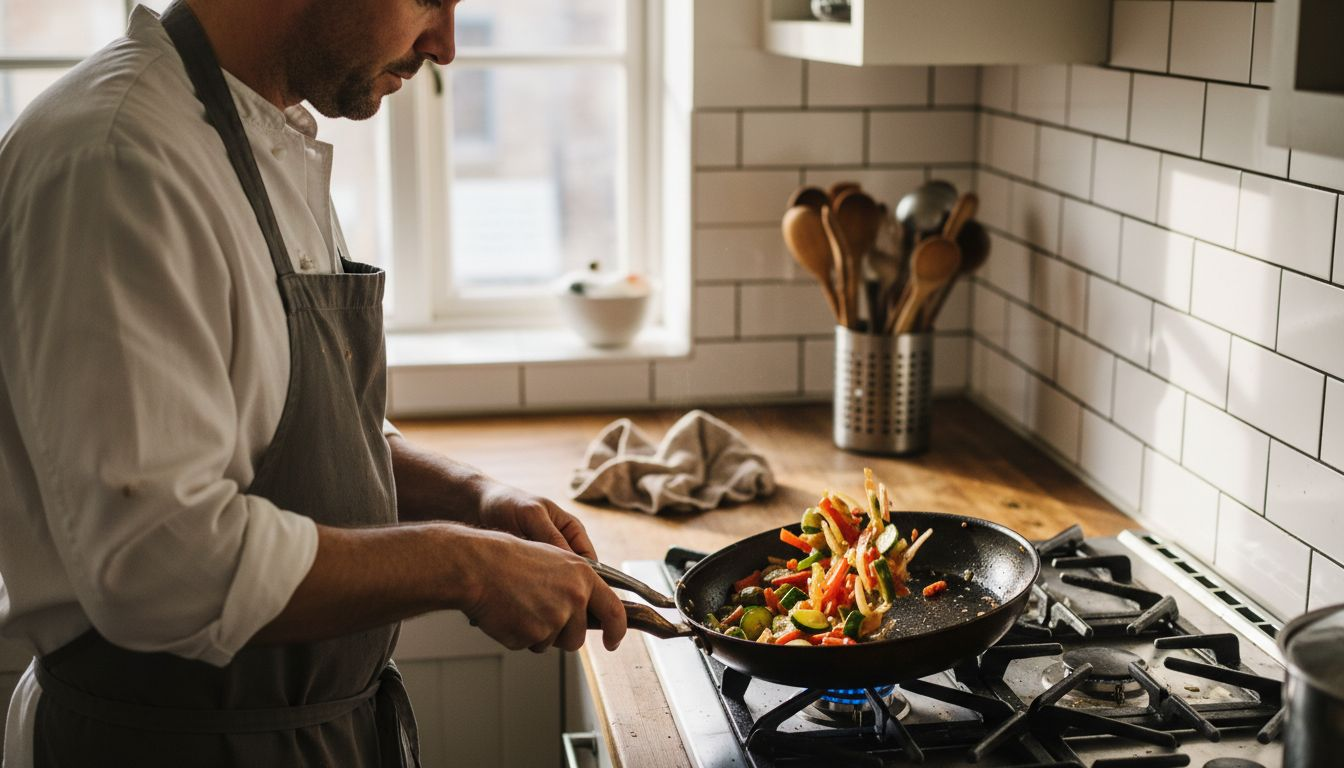
Many home cooks unknowingly expose themselves to toxic fumes from traditional nonstick pans when cooking at high temperatures. PTFE coatings release harmful chemicals above 260°C, creating serious health concerns for your family. This guide focuses on safe, durable teflon-free frying pan choices suited for European kitchens. You will learn how to select, maintain, and maximize performance of these safer pans.
Table of Contents
- How To Choose A Teflon-Free Frying Pan: Key Factors To Consider
- 1. Carbon Steel Frying Pans: Natural Nonstick And High Performance
- 2. Cast Iron Frying Pans: Traditional Durable Alternative
- 3. Ceramic And Other PTFE-Free Coated Pans: Pros And Cons
- 4. How To Season And Maintain Your Carbon Steel Pan
- 5. Side-By-Side Comparison Of Popular Teflon-Free Frying Pan Types
- 6. Which Teflon-Free Frying Pan Is Right For You? Situational Recommendations
Key Takeaways
| Point | Details |
|---|---|
| Carbon steel heats faster | Lighter weight (2-3kg) and better temperature control than cast iron options. |
| Natural nonstick surface | Seasoning builds a safe, chemical-free cooking surface without toxic coatings. |
| Ceramic alternatives available | PTFE-free coatings offer easier maintenance but shorter lifespans (2-3 years). |
| Maintenance is essential | Regular seasoning and proper care preserve nonstick performance long-term. |
| Choose by cooking style | Your heat needs, maintenance willingness, and health priorities determine the best option. |
How to Choose a Teflon-Free Frying Pan: Key Factors to Consider
Selecting the right PTFE-free frying pan requires understanding key criteria that impact your cooking experience and health. The market offers several alternatives to traditional nonstick coatings, each with distinct advantages.
Health safety and absence of PTFE/PFOA are critical for safer cookware. When evaluating options, consider these essential factors:
- Material composition determines heat performance, durability, and maintenance needs
- Weight affects handling comfort during cooking and long-term usability
- Cooktop compatibility, especially with induction stoves common across Europe
- Maintenance frequency impacts whether you’ll actually use the pan regularly
- Initial cost versus lifespan provides true value assessment
Understanding these criteria helps you make an informed choice when choosing carbon steel cookware or other teflon-free alternatives. Each material type offers different trade-offs between performance, convenience, and durability.
Your cooking habits matter most. High-heat searing requires different properties than low-heat simmering. Match the pan’s characteristics to your actual kitchen needs, not aspirational cooking you rarely do.
1. Carbon Steel Frying Pans: Natural Nonstick and High Performance
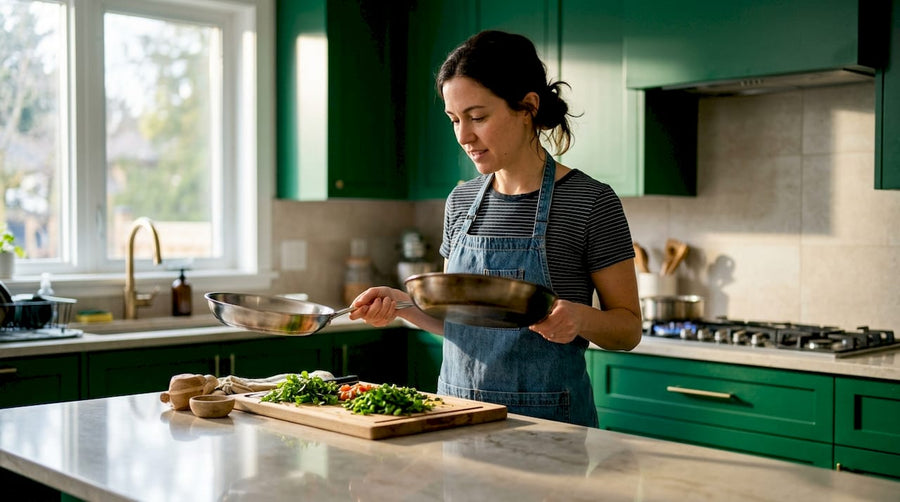
Carbon steel pans represent the premium teflon-free option for serious home cooks. These pans are forged from a single sheet of steel, eliminating rivets and welds that trap food and bacteria.
Carbon steel pans heat faster and weigh 2-3kg compared to 4-5kg for cast iron alternatives. This lighter construction makes them easier to handle during cooking while maintaining excellent durability. The typical 3-4mm thickness provides optimal heat distribution without excessive weight.
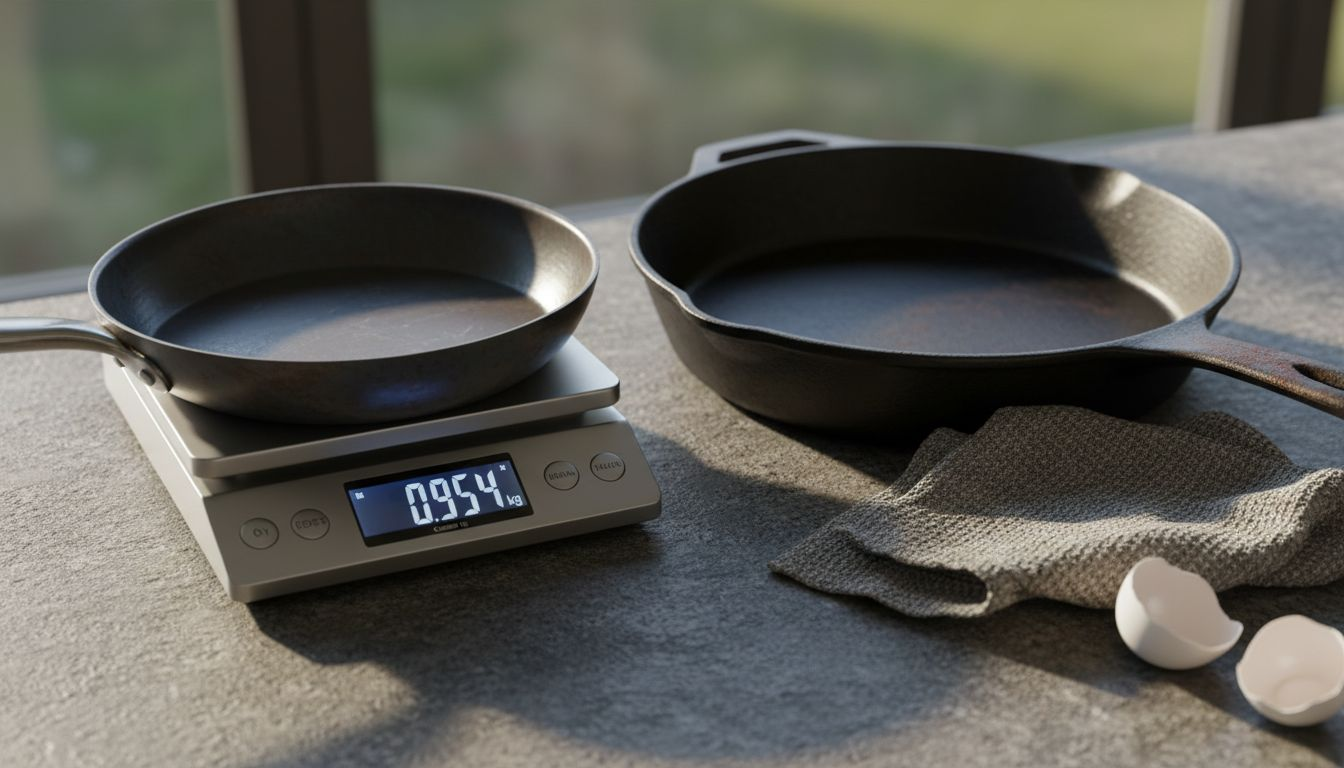
Seasoning creates a natural, chemical-free nonstick surface that improves with use. Each time you cook fatty foods, you strengthen the protective patina. This surface rivals traditional nonstick performance without any toxic chemicals.
Key advantages of carbon steel pan features include:
- Rapid, responsive temperature adjustments for precise cooking control
- High heat tolerance exceeding 260°C without releasing harmful fumes
- Full compatibility with all cooktops including induction heating
- Single-piece construction eliminates weak points and cleaning challenges
- Lifetime durability when properly maintained and seasoned
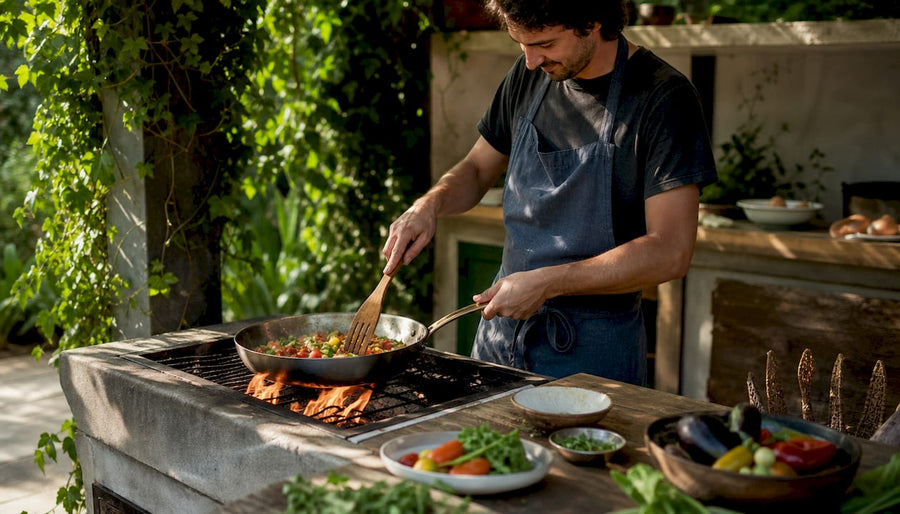
The performance benefits extend beyond basic cooking. Carbon steel excels at developing fond for pan sauces, achieving restaurant-quality sears, and transitioning from stovetop to oven seamlessly.
Pro Tip: Use high-smoke-point oils like grapeseed or avocado oil when seasoning carbon steel pan surfaces. These oils polymerize effectively at high temperatures, creating a durable nonstick layer that resists flaking.
2. Cast Iron Frying Pans: Traditional Durable Alternative
Cast iron pans offer a classic PTFE-free cooking solution with distinct characteristics. These heavy pans have served cooks for centuries, earning their reputation through reliable performance.
Cast iron pans weigh 4-5kg and heat slower but retain heat excellently once warm. This thermal mass makes them ideal for dishes requiring steady, consistent heat. However, the weight can strain wrists during cooking and cleanup.
The built-in seasoning layer provides natural nonstick properties similar to carbon steel. Yet cast iron demands more careful maintenance to prevent rust and preserve the seasoning. Moisture exposure quickly damages the protective patina.
Key considerations for cast iron vs carbon steel include:
- Superior heat retention for slow cooking and baking applications
- Heavier construction limits maneuverability and quick temperature changes
- More demanding seasoning upkeep with greater rust susceptibility
- Slower heating response makes precision cooking more challenging
- Excellent for oven use and dishes benefiting from stable temperatures
Cast iron works best for cooks prioritizing heat retention over responsiveness. Cornbread, frittatas, and slow-braised dishes shine in these pans. The trade-off comes in handling effort and maintenance commitment.
Temperature adjustments take longer with cast iron. When you reduce the heat, the pan stays hot for several minutes. This lag can overcook delicate foods if you’re not attentive.
3. Ceramic and Other PTFE-Free Coated Pans: Pros and Cons
Ceramic and alternative PTFE-free coatings appeal to cooks seeking chemical-free convenience. These pans offer immediate nonstick performance without seasoning requirements.
Chemical-free coatings provide peace of mind for health-conscious users. You avoid synthetic chemicals entirely while enjoying easy food release. The appeal lies in combining safety with simplicity.
Heat tolerance presents the primary limitation. Ceramic coatings typically fail above 230°C, risking cracks and performance loss. This lower threshold restricts high-heat cooking techniques.
Consider these factors when evaluating ceramic induction cookware:
- No seasoning required simplifies initial use and ongoing care
- Shorter lifespan (2-3 years) before coating degrades noticeably
- Lower heat tolerance limits searing and other high-temperature methods
- Higher price points may not justify abbreviated service life
- Easier cleaning appeals to time-pressed home cooks
Performance typically declines after 18-24 months of regular use. The coating loses nonstick properties gradually, eventually requiring replacement. This contrasts sharply with metal pans that improve over time.
Ceramic works well for gentle cooking at moderate temperatures. Eggs, pancakes, and delicate fish release beautifully. Just avoid extreme heat and metal utensils that accelerate coating breakdown.
4. How to Season and Maintain Your Carbon Steel Pan
Proper seasoning transforms carbon steel into a high-performance cooking tool. This process creates a durable, natural nonstick surface through oil polymerization.
Follow this proven method for carbon steel pan seasoning:
- Wash your new pan with warm, soapy water to remove the protective oil coating
- Dry completely, then preheat your oven to 250°C
- Bake the dry pan for 10 minutes to ensure all moisture evaporates
- Apply a very thin coat of high-smoke-point oil using a paper towel
- Wipe off excess oil until the pan looks almost dry
- Place the pan upside down in the oven and bake for 30 minutes
- Repeat steps 4-6 two or three times for a strong base seasoning
Ongoing maintenance preserves your investment and enhances performance. After each use, clean with warm water only. Avoid soaking, which strips seasoning and promotes rust.
Dry immediately after washing, then apply a light oil coat. This quick step prevents oxidation and builds the seasoning layer gradually. Many cooks keep a designated seasoning cloth near the stove.
Cooking fatty foods like bacon or marbled steaks naturally reinforces the patina. The rendered fat polymerizes during heating, strengthening the nonstick surface. Think of it as cooking and seasoning simultaneously.
Avoid low smoke-point oils like olive oil or animal fats during dedicated seasoning sessions. These create sticky, uneven surfaces that attract food particles. Stick with grapeseed, avocado, sunflower, or canola oils.
If your pan becomes sticky or dull, how to re-season carbon steel pan surfaces through a complete stripping and re-seasoning process. This restoration takes about two hours but returns the pan to peak condition.
Pro Tip: Apply oil after every single use, even quick tasks. This habit takes 30 seconds but prevents rust and maintains seasoning between deep treatments. Consistency matters more than occasional intensive care.
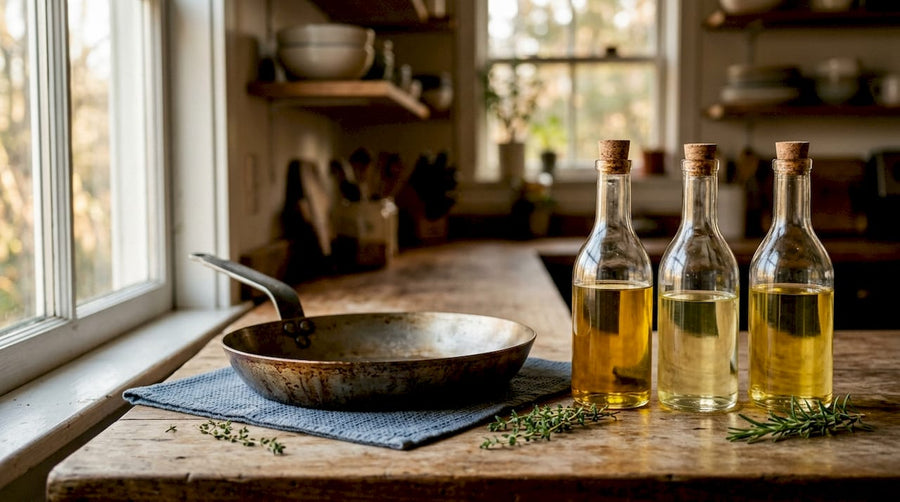
Select best oils for seasoning based on smoke point and availability. Grapeseed oil offers the ideal balance of high smoke point, neutral flavor, and wide availability across Europe.
5. Side-by-Side Comparison of Popular Teflon-Free Frying Pan Types
Comparing key attributes helps clarify which teflon-free option suits your needs. This table summarizes critical performance factors:
| Feature | Carbon Steel | Cast Iron | Ceramic Coated |
|---|---|---|---|
| Weight (27cm pan) | 2-3kg | 4-5kg | 1.5-2kg |
| Thickness | 3-4mm | 5-6mm | 2-3mm base |
| Heat Response | Fast | Slow | Fast |
| Heat Retention | Good | Excellent | Moderate |
| Maintenance | Moderate | High | Low |
| Lifespan | Lifetime | Lifetime | 2-3 years |
| Price Range | €99-€119 | €80-€150 | €70-€130 |
| Best Use | Versatile everyday cooking | Slow cooking, baking | Gentle, low-heat tasks |
Carbon steel offers lighter weight and faster heating than cast iron while ceramic provides convenience at the cost of durability. Each material excels in specific scenarios.
Maintenance complexity varies significantly. Carbon steel requires regular seasoning but rewards you with improving performance. Cast iron demands even more careful rust prevention. Ceramic needs minimal care but degrades regardless of your efforts.
Durability creates the starkest contrast. Metal pans last generations when properly maintained. Ceramic coatings inevitably fail within a few years, requiring replacement. Consider this when evaluating initial cost differences.
The right choice depends on your priorities. Value long-term performance over short-term convenience. Metal pans cost more initially but provide superior lifetime value through decades of service.
6. Which Teflon-Free Frying Pan Is Right for You? Situational Recommendations
Your cooking style determines the ideal teflon-free pan choice. Match these recommendations to your actual kitchen habits:
Carbon steel pans excel for cooks who regularly sear proteins, sauté vegetables, and want versatile everyday cookware. The quick heat response and lighter weight make these pans ideal for active cooking. If you enjoy high-heat techniques and don’t mind brief maintenance routines, carbon steel delivers unmatched performance.
Cast iron suits patient cooks focused on slow braises, cornbread, and dishes benefiting from stable heat retention. The heavier weight and slower response work well for oven-based cooking. Choose cast iron if you prioritize heat retention over agility and can manage the extra weight.
Ceramic pans appeal to minimalists wanting chemical-free coatings without seasoning commitments. These work well for gentle cooking at moderate temperatures. Select ceramic if you cook primarily eggs, pancakes, and delicate foods while accepting a shorter replacement cycle.
Consider your maintenance willingness honestly. Many cooks buy carbon steel or cast iron with good intentions, then revert to convenient options. If you won’t maintain seasoning regularly, ceramic might suit you better despite the shorter lifespan.
Price sensitivity matters but think long-term. A €119 carbon steel pan used for 20 years costs €6 annually. A €90 ceramic pan replaced every 2.5 years costs €36 annually. The initial premium pays off through extended service.
Explore detailed guidance on carbon steel pan uses to understand versatility and applications. Compare performance through carbon steel vs nonstick analysis for practical insights.
Explore Premium Carbon Steel Pans for Safer Cooking
Now that you understand teflon-free options, consider upgrading to expertly crafted carbon steel cookware. Brass & Steel offers single-piece forged pans that deliver the health benefits and performance discussed throughout this guide.
Our 27cm (€99) and 30cm (€119) carbon steel pans provide the natural nonstick surface, rapid heating, and lifetime durability you need for everyday cooking. Each pan includes comprehensive care instructions to help you develop and maintain optimal seasoning.
Discover detailed applications through our carbon steel pan uses guide and explore our full collection of premium carbon steel pans. Complete your knowledge with our comprehensive seasoning guide for carbon steel pans to achieve perfect results from day one.
Frequently Asked Questions
How often should I re-season my carbon steel frying pan?
Re-season every few months or when the pan shows signs of food sticking or surface dullness. Light oiling after each use maintains the seasoning between full seasoning cycles. Regular cooking with fatty foods strengthens the patina naturally. Deep re-seasoning carbon steel becomes necessary only when performance noticeably declines.
Can I use a carbon steel pan on my induction cooktop?
Yes, carbon steel pans work perfectly on induction cooktops due to their ferromagnetic properties. The flat bottom ensures optimal contact and efficient heat transfer. Start with moderate power settings when the pan is empty or cold to prevent warping. Learn proper techniques for using carbon steel on induction to maximize performance and pan longevity.
Is a carbon steel pan lighter than a cast iron pan?
Yes, carbon steel pans weigh 2-3kg compared to 4-5kg for similarly sized cast iron options. This significant weight difference makes carbon steel easier to handle during cooking and cleaning. The lighter construction doesn’t compromise durability or heat performance. Carbon steel provides the responsiveness active cooks need without excessive strain.
What oils are best for seasoning a carbon steel pan?
High smoke-point oils like grapeseed, avocado, sunflower, or canola oil create the most durable seasoning. These oils polymerize effectively at high temperatures without breaking down. Avoid olive oil or animal fats, which leave sticky residues that attract food particles. Discover detailed comparisons of best seasoning oils to optimize your pan’s nonstick performance.