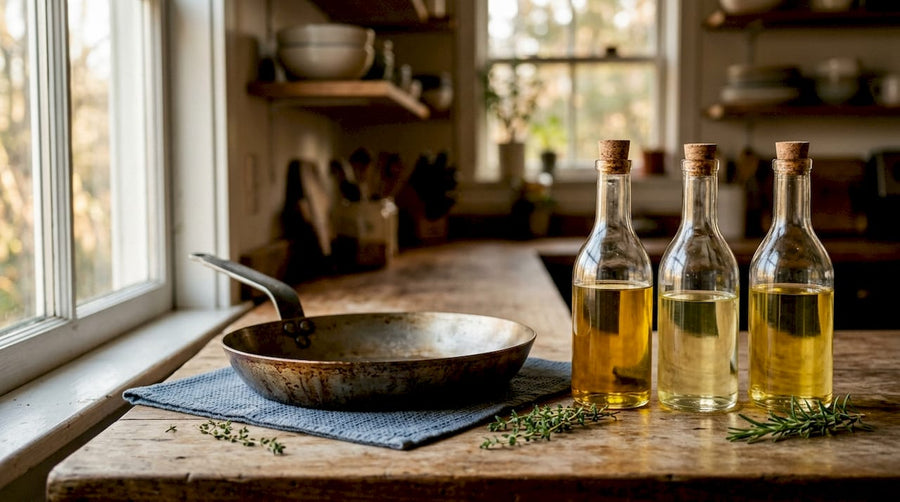
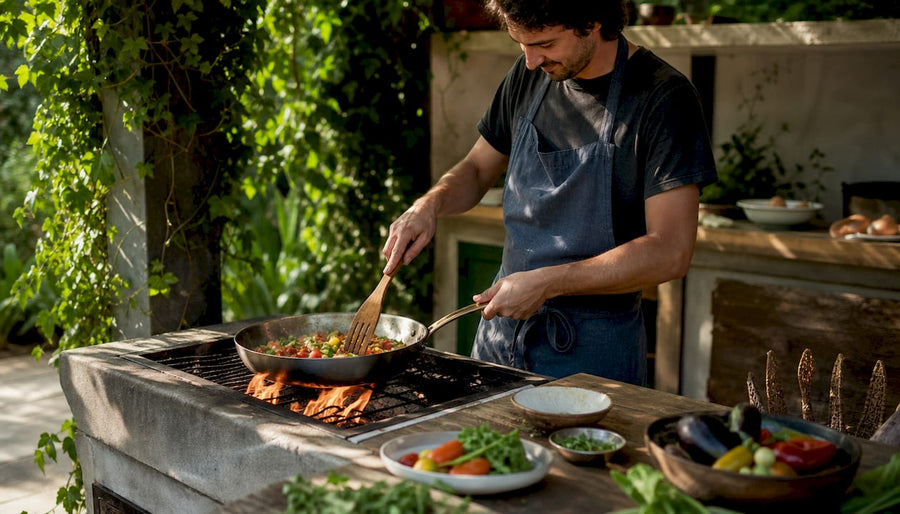
Carbon Steel Pans: Achieving Precision in Cooking

Most advice about carbon steel pans leaves British home cooks with more questions than answers. While these lightweight pans are praised by chefs worldwide, many still believe they are too demanding or fragile for daily use. In reality, over 85 percent of professional kitchens rely on carbon steel for its durability and superior heat control. Unpacking common misconceptions can help British cooks discover cookware that gets better with every meal and rewards care with long-term performance.
Table of Contents
- Defining Carbon Steel Pans And Misconceptions
- Single-Piece Construction And Natural Nonstick
- Key Types: Sauté Pans And Their Uses
- Care, Seasoning, And Maintenance Essentials
- Comparing Carbon Steel To Cast Iron And Nonstick
- Health, Safety, And Induction Compatibility
Key Takeaways
| Point | Details |
|---|---|
| Unique Cookware Characteristics | Carbon steel pans offer a lightweight, high-heat responsive cooking surface that improves with seasoning, making them versatile for chefs. |
| Single-Piece Construction Benefits | The seamless design enhances durability and heat distribution, eliminating weak points and providing a consistent cooking experience. |
| Essential Maintenance Practices | Proper care, including immediate cleaning and regular seasoning, is crucial for maintaining nonstick properties and preventing rust. |
| Health and Compatibility Advantages | Carbon steel pans are free from synthetic coatings and can be used safely with various cooking surfaces, including induction cooktops. |
Defining Carbon Steel Pans and Misconceptions
Carbon steel pans are precision cooking tools crafted from an alloy comprised of iron and approximately 1% carbon. Unlike traditional cookware, they offer a unique combination of performance and versatility. Carbon steel cookware provides a lighter and more responsive alternative to cast iron, making them an exceptional choice for professional and home chefs seeking superior cooking experiences.
The composition of carbon steel creates remarkable heat conductivity and responsiveness. These pans rapidly adjust to temperature changes, allowing precise control during cooking. Chefs appreciate their ability to develop a natural nonstick surface through seasoning a process where oils polymerise and create a protective layer. This characteristic distinguishes carbon steel from other cookware materials, offering a health-conscious cooking solution that improves with repeated use.
However, misconceptions about carbon steel persist. Some cooks believe these pans are fragile or challenging to maintain. The seasoning can indeed be sensitive to acidic foods and improper care, requiring careful maintenance. Yet, with proper technique, carbon steel becomes an incredibly durable and versatile cooking companion. Understanding its unique properties helps chefs unlock its full potential, transforming initial challenges into culinary advantages.
Key characteristics of carbon steel pans include:
- Lightweight design compared to cast iron
- Rapid and even heat distribution
- Natural nonstick properties when properly seasoned
- Compatible with multiple cooking surfaces
- Exceptional heat retention
- Improves with consistent use and proper maintenance
Single-Piece Construction and Natural Nonstick
Single-piece construction represents a pinnacle of cookware engineering, offering exceptional durability and performance in carbon steel pans. Unlike traditional pans assembled with multiple components, these pans are forged from one continuous sheet of carbon steel, eliminating weak points like rivets or welded joints. Manufacturing techniques can significantly impact the pan’s durability and nonstick performance, making this construction method crucial for professional chefs and cooking enthusiasts.
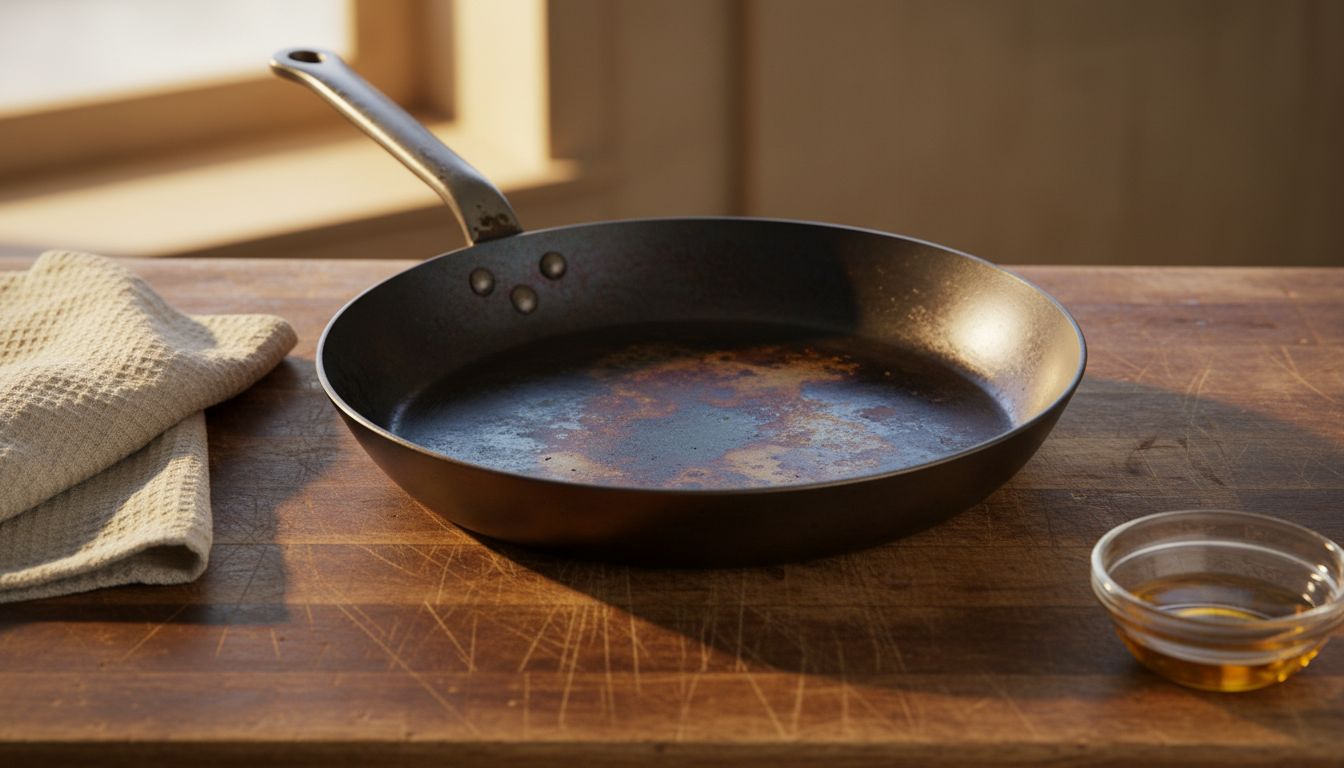
The natural nonstick properties of carbon steel emerge through a process called seasoning, where repeated cooking with oils creates a protective polymerised layer. This layer develops gradually, transforming the pan’s surface into a remarkably effective nonstick cooking platform. Research into surface texturing and hydrophobic film application suggests advanced techniques can further enhance nonstick characteristics, though the traditional seasoning method remains highly effective.
Carbon steel’s unique construction offers several advantages over conventional cookware:
- Seamless design prevents food trapping
- Enhanced heat distribution
- No weak points or potential corrosion sites
- Naturally develops nonstick properties
- Improves with consistent use
- Eliminates potential bacterial accumulation in seams
The single-piece approach ensures remarkable structural integrity. By removing joints and welding points, manufacturers create a pan that distributes heat evenly, resists warping, and provides a smoother cooking surface. This method transforms carbon steel from a simple cooking tool into a precision instrument for culinary professionals and home cooks alike.
Key Types: Sauté Pans and Their Uses
Sauté pans represent a critical tool in professional and home kitchens, offering versatility and precision for multiple cooking techniques. Understanding the different types of sauté pans can transform your culinary approach, with carbon steel emerging as a superior material for these versatile cooking vessels.
Carbon steel sauté pans typically come in two primary sizes that cater to different cooking needs. The compact 27 cm pan serves individual or couple-sized meals, while the larger 30 cm version accommodates family cooking or more complex culinary preparations. These pans excel at tasks requiring high heat and precise temperature control, such as searing meats, creating pan sauces, and quickly cooking vegetables with perfect caramelisation.
Key characteristics that distinguish carbon steel sauté pans include:
- Exceptional heat conductivity
- Rapid temperature response
- Seamless single-piece construction
- Versatile cooking applications
- Durable and long-lasting design
- Naturally developing nonstick surface
The design of these pans makes them ideal for various cooking methods. Professional chefs appreciate their ability to move seamlessly from stovetop to oven, allowing complex cooking techniques that require both surface searing and finishing. Whether preparing a delicate fish fillet or a robust beef ragù, carbon steel sauté pans provide the control and performance serious cooks demand.
Care, Seasoning, and Maintenance Essentials
Carbon steel pan maintenance is a nuanced art that requires patience and understanding. Proper seasoning and maintenance are crucial for developing a natural nonstick surface and preventing rust, transforming these pans from simple cookware into cherished culinary companions.
The seasoning process involves creating a protective polymerised layer through repeated cooking with oils. This layer not only prevents rust but also enhances the pan’s nonstick properties. However, maintaining this seasoning can be challenging, as exposure to acidic foods or improper cleaning techniques can strip away the protective coating, requiring careful attention and consistent care.
Key maintenance principles for carbon steel pans include:
- Clean immediately after use with warm water
- Dry thoroughly to prevent rust
- Apply a light coat of high-smoke-point oil after cleaning
- Avoid prolonged exposure to acidic foods
- Re-season periodically to maintain nonstick surface
- Store in a dry, cool environment
Successful carbon steel pan maintenance is about building a relationship with your cookware. Each cooking session adds to the pan’s character, creating a natural nonstick surface that improves with time. By following these essential care techniques, home cooks and professional chefs can ensure their carbon steel pans remain a reliable and cherished tool in the kitchen for years to come.
Comparing Carbon Steel to Cast Iron and Nonstick
Material performance varies significantly across different cookware types, with carbon steel emerging as a nuanced alternative to traditional cast iron and nonstick pans. Carbon steel offers a lighter and more responsive cooking surface compared to cast iron, with quicker heating and cooling times, making it an exceptional choice for chefs seeking precision and control.
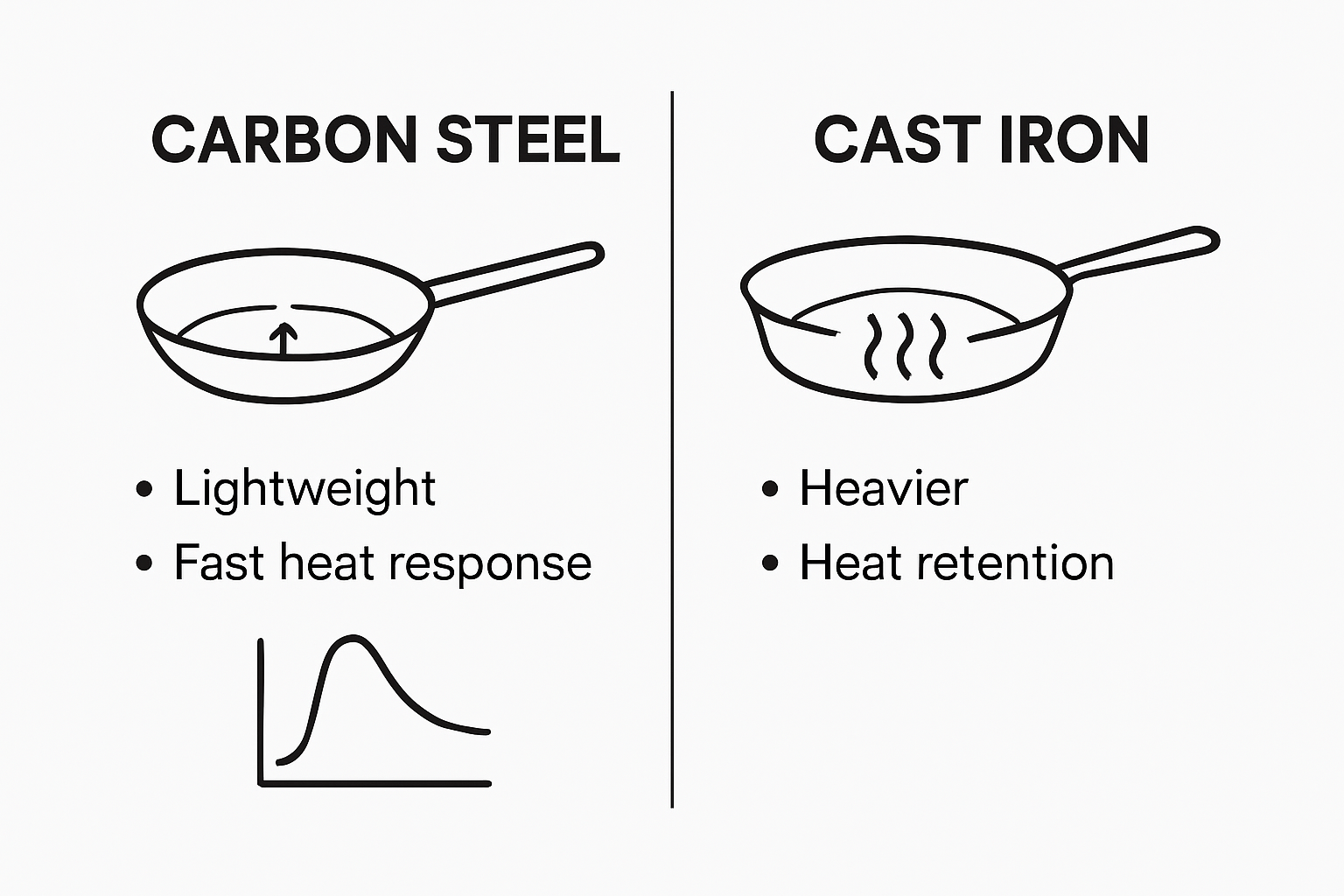
When compared to nonstick pans, carbon steel provides superior heat tolerance and durability, though it requires more dedicated maintenance to maintain its cooking performance. Unlike nonstick surfaces that degrade over time, carbon steel develops a naturally seasoned patina that enhances its cooking properties with each use, creating a progressively more nonstick surface through proper care.
Key comparative characteristics include:
-
Cast Iron Comparison:
- Carbon steel is lighter
- Faster heat responsiveness
- Less brittle
- Similar seasoning requirements
-
Nonstick Pan Comparison:
- Higher heat tolerance
- More durable construction
- Chemical-free cooking surface
- Improves with use
- Longer functional lifespan
Ultimately, carbon steel represents a sophisticated compromise between traditional cookware materials. Its ability to deliver precise heat control, develop a natural nonstick surface, and withstand high-temperature cooking makes it an intelligent choice for discerning cooks who value performance and longevity in their kitchen tools.
Health, Safety, and Induction Compatibility
Health-conscious cookware requires careful consideration of material composition and potential interactions. Carbon steel pans offer a compelling solution by eliminating synthetic coatings and reducing chemical exposure risks, providing home cooks and professional chefs with a safer cooking alternative.
While carbon steel pans are generally safe, they can potentially interact with acidic foods if the seasoning becomes compromised, which might influence flavour profiles and nutritional absorption. This interaction can lead to subtle increases in dietary iron intake, which might be beneficial for individuals with iron deficiencies but requires mindful monitoring.
Key health and safety considerations include:
- Free from synthetic chemical coatings
- Natural nonstick surface developed through seasoning
- Potential minimal iron supplementation
- No harmful off-gassing at cooking temperatures
- Compatible with multiple cooking surfaces
Induction compatibility represents another significant advantage of carbon steel pans. Their inherent magnetic properties allow seamless use across modern cooktops, making them a versatile choice for contemporary kitchens. By combining health-conscious design, precise cooking performance, and broad technological adaptability, carbon steel pans emerge as an intelligent cookware solution for discerning culinary enthusiasts.
Elevate Your Culinary Precision with Brass & Steel Carbon Steel Pans
Cooking with carbon steel requires precision, care, and the right tools to unlock its true potential. If you have ever struggled with maintaining seasoning or finding a pan that balances heat responsiveness with durability you understand the challenges this article highlights. Brass & Steel offers a unique solution with our Carbon Steel Collection | Brass&Steel featuring high-quality one-piece forged pans designed for performance and longevity.
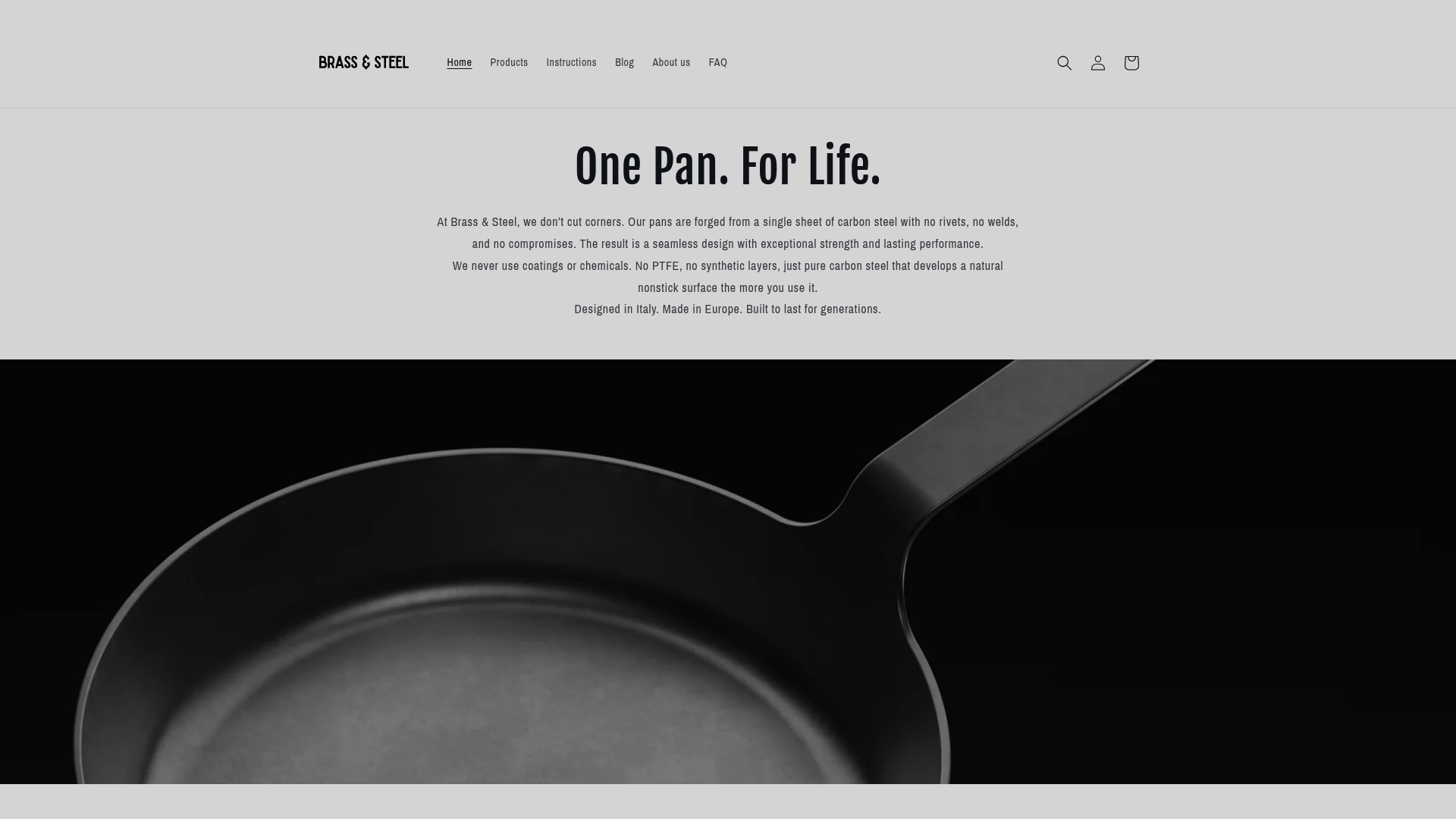
Discover the advantages of our naturally nonstick and induction compatible carbon steel sauté pans available in 27 cm and 30 cm sizes. Crafted in Poland with design roots in Italy, our pans combine minimalist design with heirloom-quality engineering. Start mastering your perfect sear today by choosing cookware built for serious cooks who demand exceptional heat responsiveness and health-conscious materials. Visit Brass & Steel and explore our New arrivals to find your ideal pan now.
Frequently Asked Questions
What are carbon steel pans made of?
Carbon steel pans are made from an alloy of iron and approximately 1% carbon, providing excellent heat conductivity and responsiveness for precise cooking.
How do I season a carbon steel pan?
Seasoning a carbon steel pan involves applying oils and heating it to create a polymerised layer that develops a natural nonstick surface over time with repeated use.
How do carbon steel pans compare to cast iron and nonstick pans?
Carbon steel pans are lighter and respond more quickly to temperature changes compared to cast iron. They also offer greater heat tolerance and durability than nonstick pans while developing a natural nonstick patina through seasoning.
What are the key maintenance tips for carbon steel pans?
To maintain carbon steel pans, clean them immediately after use with warm water, dry thoroughly, apply a high-smoke-point oil after cleaning, avoid prolonged exposure to acidic foods, and re-season periodically to preserve their nonstick properties.
Recommended
- Cooking with Carbon Steel Step by Step: Mastering Techniques – Brass & Steel
- 6 Types of Carbon Steel Pans Every Chef Should Know – Brass & Steel
- Complete Guide to Choosing Carbon Steel Cookware – Brass & Steel
- Complete Guide to Everyday Cooking With Carbon Steel – Brass & Steel
- Discover Market Insights for Precision Metal Parts Manufacturing
- How to Meal Prep for Weight Loss: Healthy Eating Made Easy - LeanAndFit