Carbon Steel vs Teflon: Health, Performance, and Value
Most british kitchens rely on non-stick pans, yet few realize just how different carbon steel and Teflon options truly are. With over 80 percent of British households owning at least one Teflon-coated pan, the impact of cookware choice stretches far beyond convenience. Understanding these differences helps you protect your health, enhance your cooking, and choose pans that stand the test of time—key for any home chef looking to make the most of every meal.
Table of Contents
- What Are Carbon Steel and Teflon Pans?
- Health and Safety Implications Compared
- Cooking Performance and Heat Response
- Durability, Maintenance and Longevity
- Choosing Between Carbon Steel and Teflon Alternatives
Key Takeaways
| Point | Details |
|---|---|
| Carbon Steel Pans | These pans offer exceptional durability, heat responsiveness, and develop a natural non-stick surface through seasoning, making them a preferred choice for professional chefs. |
| Teflon Pans | While they provide immediate convenience with a non-stick surface, Teflon pans pose health risks due to potential chemical leaching and have a shorter lifespan compared to carbon steel. |
| Health and Safety | Carbon steel pans lack synthetic coatings, thereby avoiding chemical risks, whereas Teflon can degrade at high temperatures, releasing harmful substances. |
| Long-term Investment | Carbon steel represents a lasting culinary investment, improving performance over time, while Teflon pans require frequent replacement due to wear and tear. |
What Are Carbon Steel and Teflon Pans?
Carbon steel and Teflon pans represent two dramatically different approaches to cookware design, each with unique characteristics that influence cooking performance, health considerations, and culinary versatility. Professional chefs often favour carbon steel pans for their exceptional durability and remarkable heat conductivity.
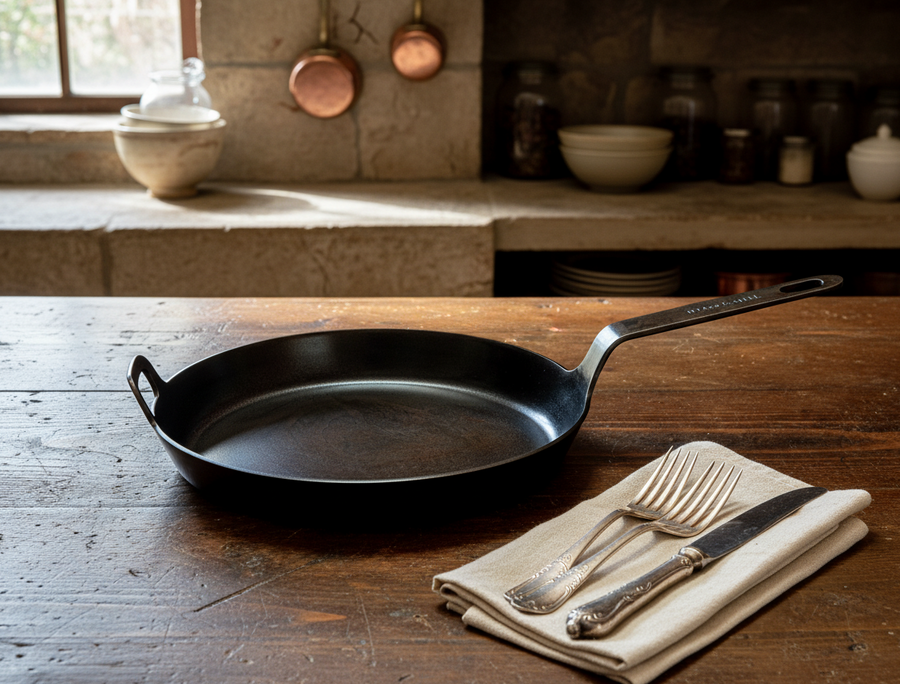
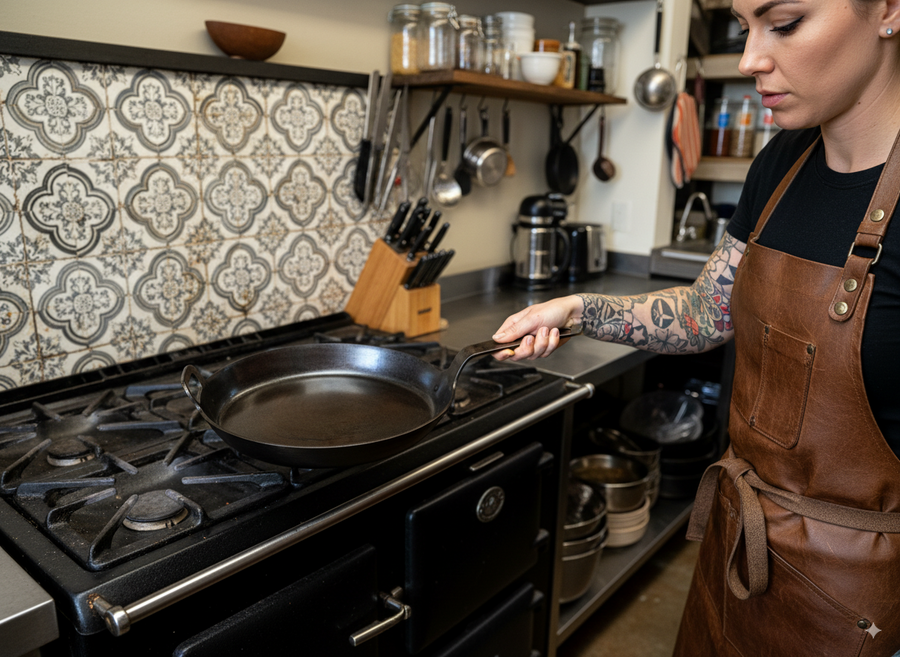
Carbon Steel Pans are crafted from an alloy of iron and carbon, typically containing between 0.5% to 2% carbon content. These pans are renowned for their remarkable heat responsiveness and ability to develop a natural non-stick surface through a process called seasoning. Unlike other cookware materials, carbon steel becomes more non-stick with repeated use, creating a patina that enhances cooking performance over time. Professional kitchens appreciate carbon steel for its ability to withstand high temperatures and provide excellent searing capabilities.
Teflon Pans, in contrast, are manufactured with a synthetic non-stick coating applied to aluminium or stainless steel base materials. This coating, polytetrafluoroethylene (PTFE), creates an artificially smooth surface that prevents food from sticking. While convenient for quick cooking and easy cleaning, Teflon pans have raised health concerns due to potential chemical leaching at high temperatures, particularly when the coating becomes scratched or damaged.
The key differences between these pan types extend beyond mere material composition. Carbon steel develops its non-stick properties naturally through cooking oils and proper maintenance, whereas Teflon relies on a manufactured coating that can degrade over time. Professional chefs and cooking enthusiasts often prefer carbon steel for its longevity, performance, and the ability to improve with consistent use.
Health and Safety Implications Compared
Chemical Safety is a critical consideration when comparing carbon steel and Teflon cookware. Traditional non-stick pans with PTFE coatings can release toxic fumes if overheated beyond 260°C, presenting significant health risks for home cooks and professional chefs alike. Carbon steel, by contrast, offers a fundamentally different approach to non-stick cooking surfaces.
Carbon steel cookware stands out for its inherent safety profile. Unlike ceramic or chemical-coated pans, carbon steel is free from synthetic coatings that might off-gas or release harmful substances. The pan’s surface develops a natural patina through seasoning, which creates a non-stick layer without introducing artificial chemicals. This process involves polymerising cooking oils into a smooth, protective surface that actually improves with consistent use.
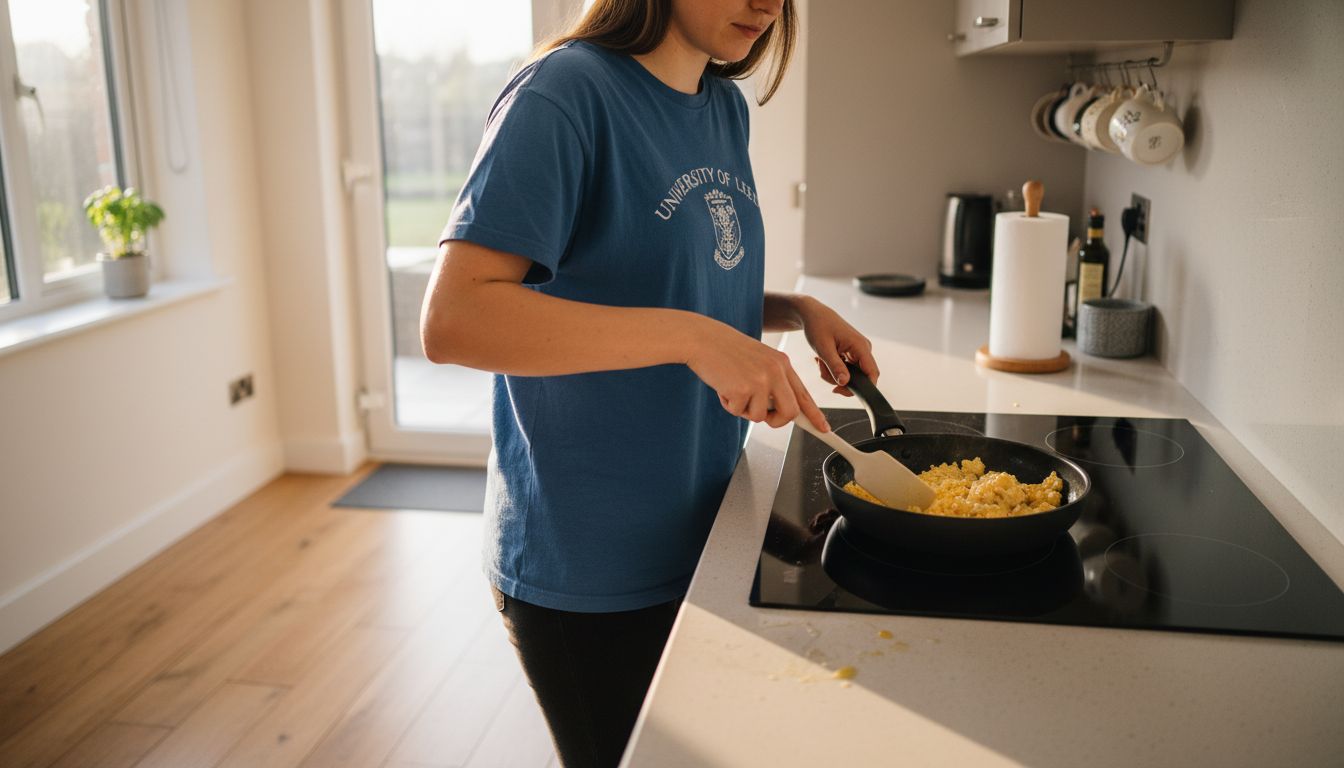
Teflon pans, while convenient, carry more complex health considerations. Modern non-stick coatings have evolved to be PFOA-free, but concerns remain about potential chemical leaching, particularly when the pan’s surface becomes scratched or damaged. Overheating can cause the PTFE coating to break down, potentially releasing microscopic particles and fumes that may pose respiratory risks. Professional kitchens and health-conscious home cooks increasingly favour carbon steel as a more stable, predictable cooking surface.
The safety comparison extends beyond chemical risks. Carbon steel pans offer superior heat distribution and durability, with no risk of coating degradation. They can be used at significantly higher temperatures without compromising their structural integrity or introducing potential toxins into food. Additionally, carbon steel pans are typically constructed from simple metal alloys, making them a more transparent and straightforward cooking tool compared to the complex synthetic surfaces of traditional non-stick cookware.
Cooking Performance and Heat Response
Carbon steel pans are renowned for their exceptional heat conductivity and responsiveness, providing professional chefs and home cooks with unprecedented temperature control. Unlike other cookware materials, carbon steel demonstrates remarkable thermal efficiency, allowing rapid heat distribution and precise cooking techniques that demand split-second temperature adjustments.
The heat performance of carbon steel stands in stark contrast to Teflon-coated pans. While Teflon pans offer a smooth non-stick surface for easy food release, they suffer significant limitations in high-temperature cooking scenarios. Carbon steel pans can withstand intense heat without degradation, making them ideal for techniques like searing, browning, and creating restaurant-quality caramelisation.
Professional kitchens prefer carbon steel for its versatility across cooking methods. The pan’s ability to transition seamlessly from stovetop to oven without performance compromise gives chefs unprecedented flexibility. Teflon pans, by comparison, have strict temperature limitations and cannot endure the same intense cooking environments without risking coating damage or potential chemical release.
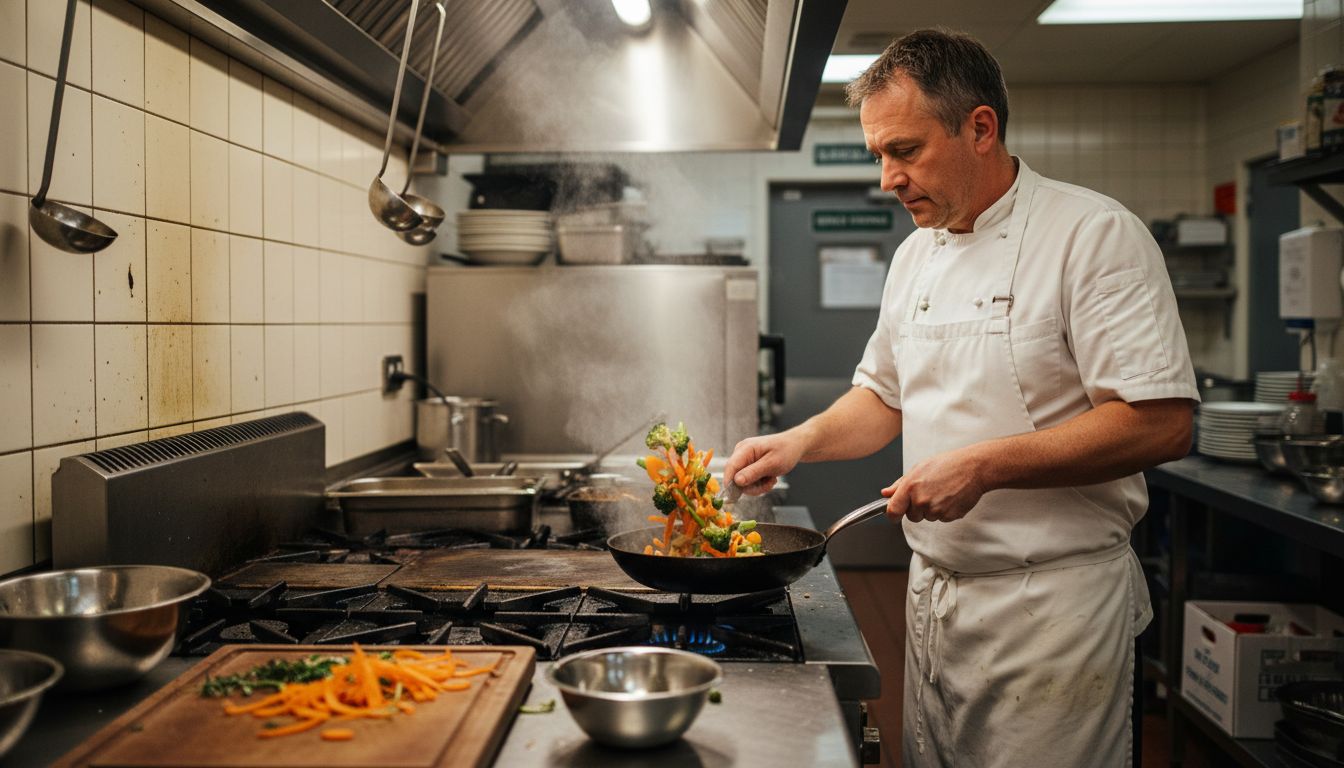
Thermal management is where carbon steel truly excels. Its metal composition allows for near-instantaneous heat response, meaning temperature changes occur within seconds. This characteristic is crucial for delicate cooking techniques that require immediate heat modulation, such as creating perfect pan sauces, quickly sautéing vegetables, or achieving the ideal sear on a premium cut of meat. The consistent, even heat distribution ensures that food cooks uniformly, eliminating hot spots and preventing uneven cooking that can compromise culinary results.
Durability, Maintenance and Longevity
Carbon steel pans can last a lifetime with proper maintenance, representing an extraordinary investment in culinary equipment. Unlike disposable cookware, these pans actually improve with age, developing a natural non-stick patina that enhances cooking performance and becomes more resilient through consistent use.
In contrast, Teflon-coated cookware presents a significantly shorter lifespan. High-quality Teflon pans typically last between 3–5 years, with their non-stick properties gradually deteriorating. Factors such as metal utensil usage, high-heat cooking, and dishwasher cleaning can accelerate coating degradation, necessitating more frequent replacements.

Carbon steel’s maintenance requirements are straightforward yet critical. Regular seasoning creates a protective layer that prevents rust and enhances non-stick capabilities. Professional chefs appreciate that each cooking session effectively maintains the pan’s surface, unlike Teflon surfaces that become progressively less effective. The pan’s durability means it can withstand metal utensils, high temperatures, and aggressive cooking techniques without structural compromise.
The longevity equation favours carbon steel decisively. Where Teflon pans become disposable items requiring periodic replacement, carbon steel pans represent true heirloom cookware. They can be passed down through generations, with each use potentially improving their cooking characteristics. This durability transforms carbon steel from a mere cooking tool into a culinary investment, offering superior performance and value that far exceeds conventional non-stick alternatives.
Choosing Between Carbon Steel and Teflon Alternatives
Carbon steel pans offer remarkable durability and versatility for professional chefs and home cooks, representing a sophisticated alternative to traditional non-stick cookware. Unlike disposable kitchen tools, these pans are an investment in culinary performance, requiring a modest commitment to maintenance but delivering exceptional long-term value.
Teflon-coated pans present a different value proposition. They provide immediate non-stick convenience and are easy to clean, making them suitable for low to medium-heat cooking. However, their limitations become apparent when considering heat tolerance, longevity, and potential health concerns associated with synthetic coatings.
Cooking style and personal priorities play crucial roles in selecting the right cookware. Professional chefs and serious home cooks typically gravitate towards carbon steel for its superior heat control, natural non-stick properties developed through seasoning, and ability to withstand high-temperature cooking techniques. Home cooks seeking convenience might initially prefer Teflon, but those committed to long-term kitchen performance often transition to carbon steel.
Ultimately, the choice between carbon steel and Teflon alternatives depends on individual cooking habits, maintenance willingness, and health considerations. Carbon steel offers a more sustainable, versatile, and enduring solution that improves with use, transforming from a simple cooking tool into a cherished kitchen companion that can potentially last generations.
Discover the Lasting Benefits of Carbon Steel Cookware for Health and Performance
If you are weighing the health risks and performance limits of Teflon pans, it is time to consider a safer, more durable solution. Our Carbon Steel Collection | Brass&Steel offers heirloom-quality pans forged from a single sheet of carbon steel. These pans develop a natural nonstick patina without artificial coatings, delivering unmatched heat responsiveness and durability for your daily cooking needs.
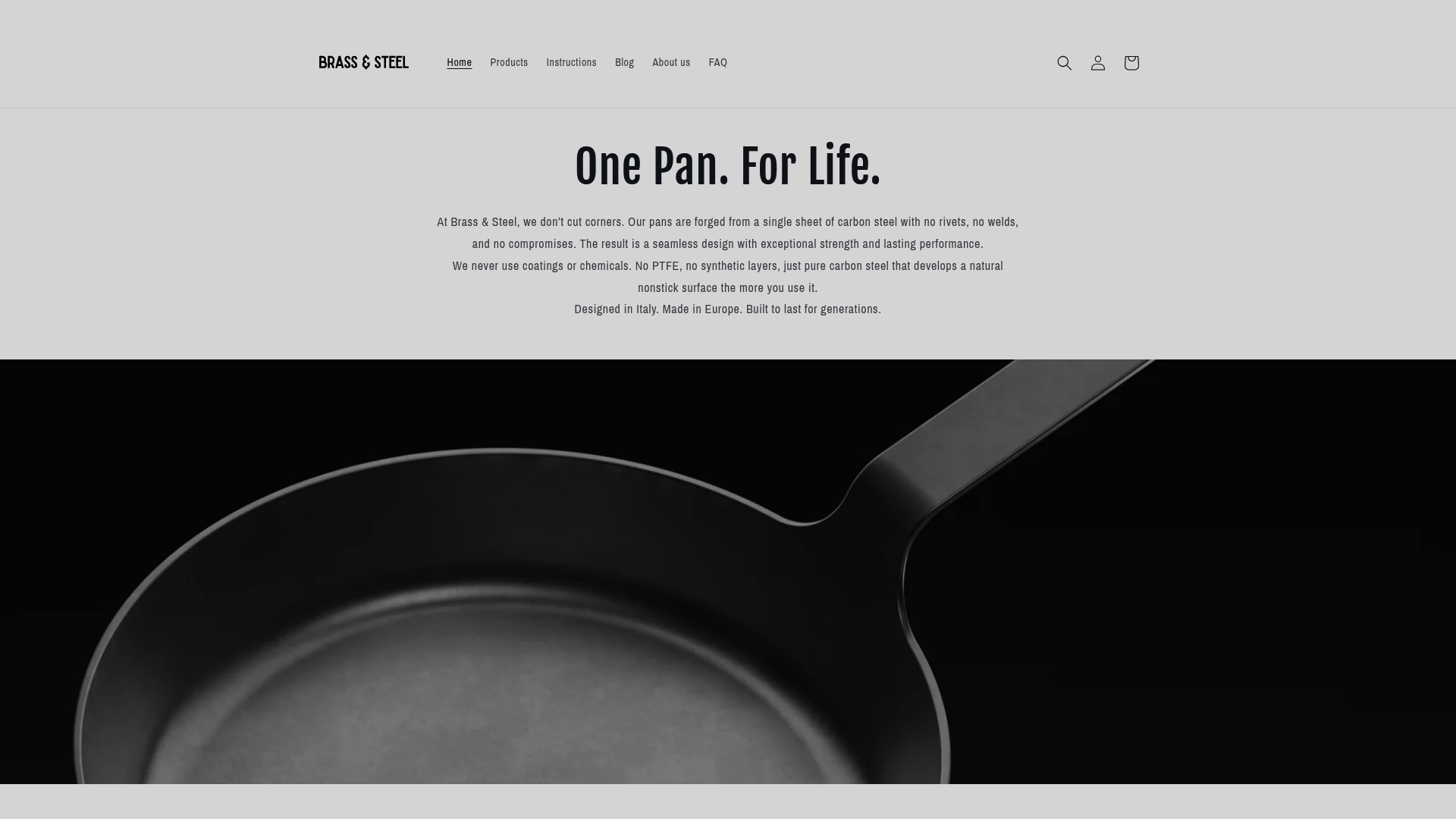
Make the switch to carbon steel cookware that supports high-heat cooking without chemical concerns like PTFE or PFOA. Experience professional-grade performance combined with an easy-to-maintain design that only improves with time. Visit Brass & Steel now to explore premium carbon steel pans that transform your kitchen into a space of culinary excellence and lasting value.
Frequently Asked Questions
What are the key differences between carbon steel and Teflon pans?
Carbon steel pans are made from an alloy of iron and carbon, developing a natural non-stick surface through seasoning. Teflon pans, on the other hand, have a synthetic coating (PTFE) that can degrade over time. Carbon steel excels in heat responsiveness and durability, while Teflon pans provide easy food release but have potential health concerns associated with their coating.
Are carbon steel pans safe to use compared to Teflon pans?
Yes, carbon steel pans are generally considered safer as they do not contain synthetic coatings that can leach chemicals when overheated. They develop a non-stick surface naturally through seasoning, whereas Teflon pans can release toxic fumes at high temperatures if damaged.
How can I maintain carbon steel cookware to ensure longevity?
To maintain carbon steel pans, regular seasoning is essential. This involves applying a layer of cooking oil and heating it to create a protective surface, preventing rust and enhancing non-stick qualities. Proper care will allow the pan to improve with age and ensure it lasts a lifetime.
What cooking techniques are best suited for carbon steel pans compared to Teflon pans?
Carbon steel pans are ideal for high-heat cooking techniques such as searing, browning, and caramelisation due to their ability to withstand intense temperatures. Teflon pans are better suited for low to medium-heat cooking, where their non-stick properties are most effective without risking damage to the coating.
Recommended
- Carbon Steel Pan vs Nonstick: Choosing the Best Fit – Brass & Steel
- Complete Guide to the Culinary Benefits of Carbon Steel – Brass & Steel
- What is Carbon Steel Pan? Understanding Its Benefits and Uses – Brass & Steel
- Understanding Carbon Steel vs Nonstick Comparison for Chefs – Brass & Steel
- Eco Friendly Cleaning Tips For Busy European Mums – The Zoofamily