Carbon Steel Pan vs Nonstick: Choosing the Best Fit

More than 60 percent of British kitchens rely on nonstick pans, yet many cooks remain unaware of how carbon steel compares. Whether you are a seasoned chef or just learning the basics, choosing the right cookware dramatically impacts your results in the kitchen. Discover which material truly delivers on performance, longevity, and value so you can make an informed decision for your next British culinary adventure.
Table of Contents
- Defining Carbon Steel And Nonstick Cookware
- Core Differences In Performance And Use
- Longevity, Maintenance, And Environmental Impact
- Health, Safety, And Cooking Versatility
- Cost Comparison And Professional Preferences
Key Takeaways
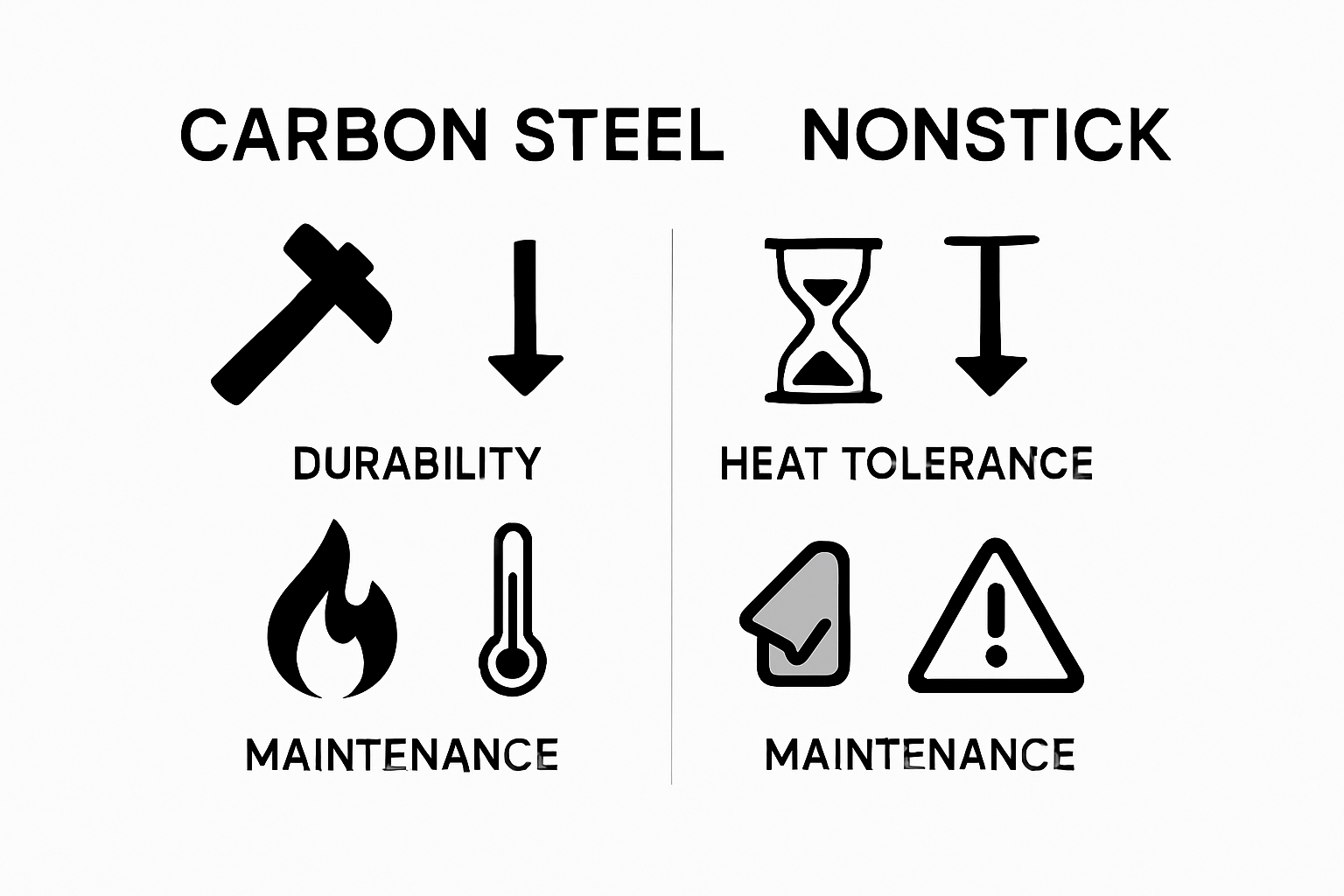
| Point | Details |
|---|---|
| Durability | Carbon steel cookware lasts decades, while nonstick pans typically need replacement every 3-5 years. |
| Heat Tolerance | Carbon steel can handle significantly higher temperatures, making it ideal for high-heat cooking techniques. |
| Maintenance | Carbon steel improves with seasoning, contrasting with nonstick coatings that degrade over time. |
| Health Considerations | Carbon steel cookware is free from synthetic coatings that can leach toxins, ensuring safer cooking. |
Defining Carbon Steel and Nonstick Cookware
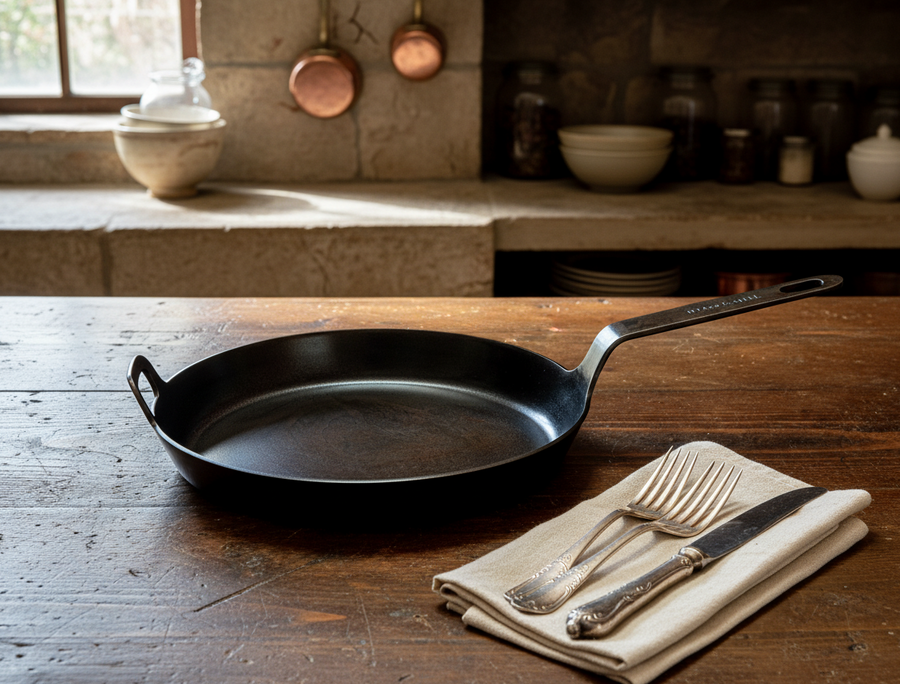
Cookware materials dramatically influence cooking performance, with carbon steel and nonstick representing two distinct approaches to kitchen equipment. Carbon steel cookware offers a traditional cooking surface that develops natural nonstick properties through a process called seasoning. Unlike manufactured nonstick pans, carbon steel builds a protective layer over time through repeated cooking and proper maintenance.
Nonstick cookware typically features a manufactured coating designed to prevent food from sticking, usually made from synthetic materials like polytetrafluoroethylene (PTFE). These pans provide immediate easy-release surfaces but can degrade with high temperatures or metal utensil use. In contrast, carbon steel achieves nonstick properties through a natural process where repeated oil seasoning creates a slick, protective patina that improves with each use.
The key differences between these cookware types extend beyond their surface characteristics. Carbon steel pans offer superior heat conductivity, allowing for precise temperature control and excellent searing capabilities. They are incredibly durable, often lasting decades with proper care, whereas nonstick surfaces might require replacement every few years. Professional chefs and serious home cooks frequently prefer carbon steel for its versatility, ability to withstand high temperatures, and potential for developing enhanced flavour through seasoning.
Key distinctions between carbon steel and nonstick cookware include:
- Heat tolerance: Carbon steel can withstand much higher temperatures
- Durability: Carbon steel pans last significantly longer
- Maintenance: Carbon steel requires seasoning, nonstick requires gentle care
- Cooking performance: Carbon steel provides better searing and browning
- Health considerations: Carbon steel avoids synthetic chemical coatings
Core Differences in Performance and Use
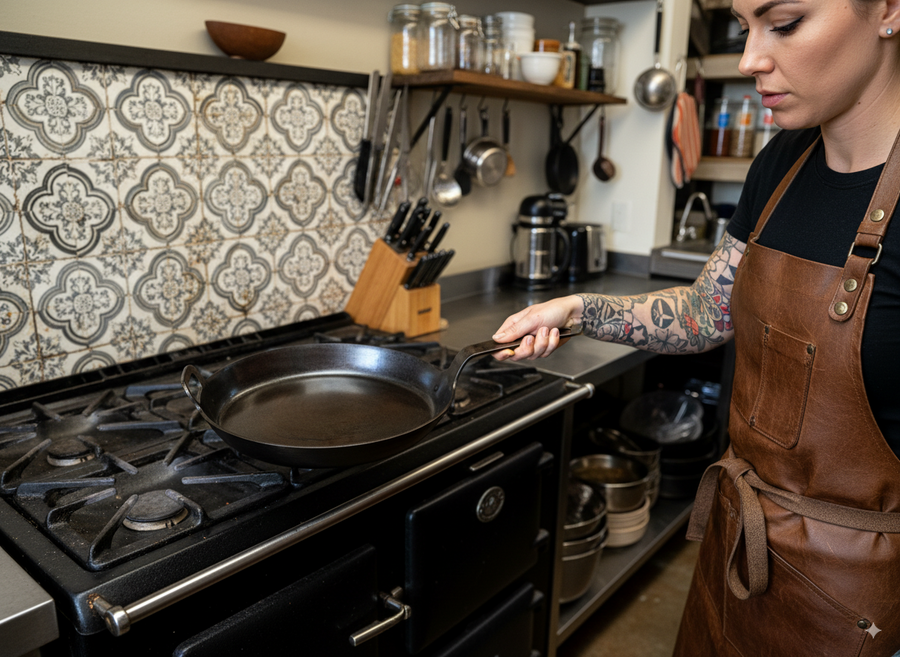
Cooking performance varies significantly between carbon steel and nonstick cookware, with each material offering distinct advantages for different culinary techniques. Cooktop compatibility represents one critical differentiator, as carbon steel performs seamlessly across all cooking surfaces including induction, gas, electric, and even outdoor grills. Nonstick pans, by contrast, often require specific base materials and face more limitations in heat application and surface versatility.
Heat management and cooking capabilities further distinguish these cookware types. Carbon steel pans excel in high-temperature cooking scenarios, allowing professional chefs to achieve perfect sears, develop complex flavours, and create crisp exterior crusts on meats and vegetables. Nonstick cookware typically requires gentler heat management, with most manufacturers recommending moderate temperatures to preserve the protective coating. This fundamental difference means carbon steel offers superior performance for techniques like browning, caramelisation, and rapid high-heat cooking.
Maintenance and longevity present another crucial distinction between these cookware materials. Carbon steel develops a natural seasoning layer that improves with repeated use, creating a progressively more nonstick surface without synthetic coatings. This means a well-maintained carbon steel pan can last decades, potentially becoming a cherished kitchen heirloom. Nonstick pans, however, have a more limited lifecycle, with their manufactured coating gradually degrading and requiring replacement every few years.
Key performance differences include:
- Heat Tolerance: Carbon steel withstands extremely high temperatures
- Cooking Versatility: Carbon steel works on all cooking surfaces
- Durability: Carbon steel improves with use, nonstick degrades over time
- Maintenance: Carbon steel requires seasoning, nonstick needs careful handling
- Flavour Development: Carbon steel enhances cooking through natural seasoning
While nonstick pans offer convenience for specific cooking tasks like preparing delicate eggs or low-fat dishes, carbon steel provides a more robust, professional-grade cooking experience that rewards skill and proper technique.
Longevity, Maintenance, and Environmental Impact
Carbon steel cookware offers exceptional long-term value, with remarkable affordability and durability that sets it apart from disposable nonstick alternatives. Unlike manufactured nonstick pans that require frequent replacement, carbon steel pans can potentially last generations when maintained properly, transforming from a kitchen tool into a cherished culinary inheritance passed through family lines.
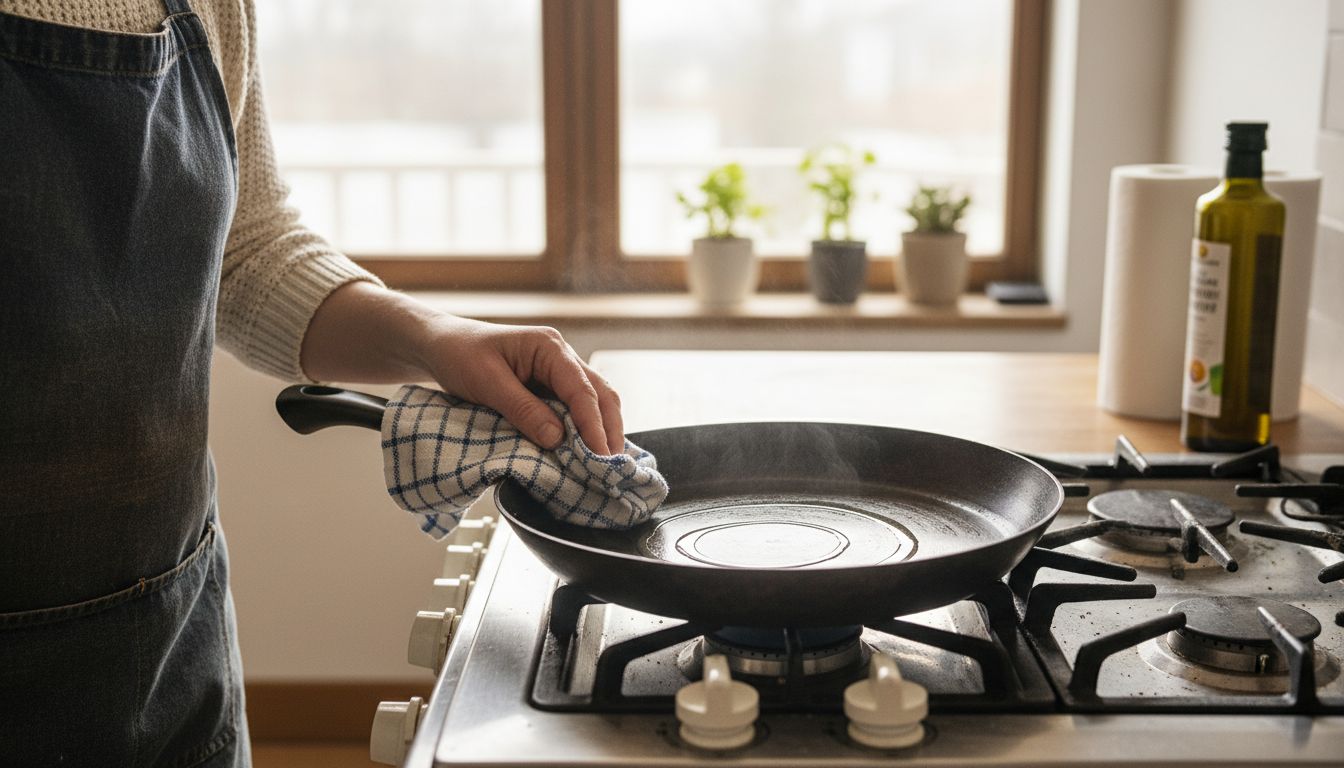
Carbon steel maintenance involves a straightforward seasoning process that actually improves the pan’s performance over time. Each cooking session incrementally builds a natural protective layer, enhancing nonstick properties without synthetic coatings. This organic maintenance approach contrasts sharply with nonstick cookware, which gradually deteriorates and loses its original protective qualities, necessitating complete replacement.
Environmentally conscious cooks increasingly recognise carbon steel as a sustainable cookware choice. The production process requires fewer synthetic materials, and the pan’s extended lifecycle significantly reduces waste compared to disposable nonstick alternatives. By investing in a single, high-quality carbon steel pan that can last decades, consumers dramatically reduce their kitchen equipment carbon footprint and contribute to more sustainable consumption patterns.
Key sustainability and longevity considerations include:
- Lifecycle: Carbon steel pans last decades, nonstick pans typically last 3-5 years
- Maintenance: Carbon steel improves with use, nonstick degrades
- Environmental Impact: Carbon steel requires less manufacturing waste
- Cost-Effectiveness: Single carbon steel pan replaces multiple nonstick pans
- Repairability: Carbon steel can be restored, nonstick cannot
Ultimately, carbon steel represents a more environmentally responsible and economically sensible cookware investment for discerning home chefs and professional kitchens alike.
Health, Safety, and Cooking Versatility
Cooking versatility is a critical consideration when selecting cookware, with carbon steel offering exceptional performance across multiple cooking techniques. Carbon steel demonstrates remarkable adaptability for high-heat cooking methods like searing, stir-frying, and rapid temperature transitions that nonstick pans simply cannot manage. Professional chefs appreciate carbon steel’s ability to withstand intense temperatures while delivering consistent, even heat distribution.
Healthy cookware choices become increasingly important for health-conscious home cooks. Carbon steel stands out as a superior option, free from synthetic chemical coatings that can potentially leach toxins at high temperatures. The natural seasoning process creates a protective patina that enhances food safety, unlike nonstick surfaces which can degrade and release harmful compounds when overheated.
The safety profile of carbon steel extends beyond chemical concerns. Its robust construction allows for versatile cooking techniques impossible with traditional nonstick pans. Chefs can seamlessly transition from stovetop to oven, use metal utensils without surface damage, and achieve professional-level cooking results across diverse culinary applications. This adaptability makes carbon steel an ideal choice for home cooks and professional kitchens seeking a single, multipurpose cookware solution.
Key health and versatility considerations include:
- Cooking Range: Carbon steel handles high-heat techniques
- Chemical Safety: No synthetic coatings or potential toxin release
- Temperature Flexibility: Works on stovetop and in oven
- Durability: Withstands metal utensils and intense cooking methods
- Nutritional Preservation: Even heat distribution maintains food quality
Ultimately, carbon steel represents a comprehensive cookware solution that prioritises both culinary performance and health-conscious design.
Cost Comparison and Professional Preferences
Cookware investment represents a crucial decision for both home cooks and professional chefs, with carbon steel offering exceptional long-term value. Unlike nonstick pans that require frequent replacement, carbon steel cookware provides a financially sensible solution that can literally last generations. The initial purchase price might be slightly higher, but the pan’s ability to endure decades of intense cooking makes it a remarkably cost-effective choice.
Carbon steel maintenance further enhances its economic appeal. Professional kitchens value cookware that improves with use, and carbon steel epitomises this principle. Each cooking session incrementally builds a more sophisticated cooking surface, effectively making the pan more valuable over time. Nonstick alternatives, by contrast, gradually lose performance and require complete replacement, representing a recurring expense for commercial and home kitchens.
Chefs and culinary professionals consistently prefer carbon steel for its unparalleled versatility and reliability. The pan’s ability to handle high-heat cooking, develop complex flavour profiles, and withstand rigorous kitchen environments makes it a staple in professional cooking. Unlike delicate nonstick surfaces that limit cooking techniques, carbon steel empowers chefs to explore advanced culinary methods without equipment constraints.
Key cost and professional preference considerations include:
- Lifecycle Cost: Carbon steel lasts decades, nonstick pans need regular replacement
- Performance Consistency: Improves with use, unlike degrading nonstick surfaces
- Professional Endorsement: Preferred by high-end restaurants and professional chefs
- Cooking Versatility: Supports multiple cooking techniques
- Long-Term Investment: More economical despite higher initial purchase price
For discerning cooks who view cookware as an investment rather than a disposable commodity, carbon steel represents the pinnacle of culinary equipment design.
Discover the Perfect Carbon Steel Pan for Your Kitchen
Choosing between carbon steel and nonstick cookware highlights key challenges such as durability, heat performance, and health safety. This article explores how carbon steel’s natural nonstick seasoning, superior heat tolerance, and long-lasting quality make it the ideal solution for cooks seeking a versatile, professional-grade pan. If you are looking to upgrade your cookware with a pan that improves with use and supports high-heat techniques without synthetic coatings, Brass & Steel offers an exceptional range crafted for this very purpose.
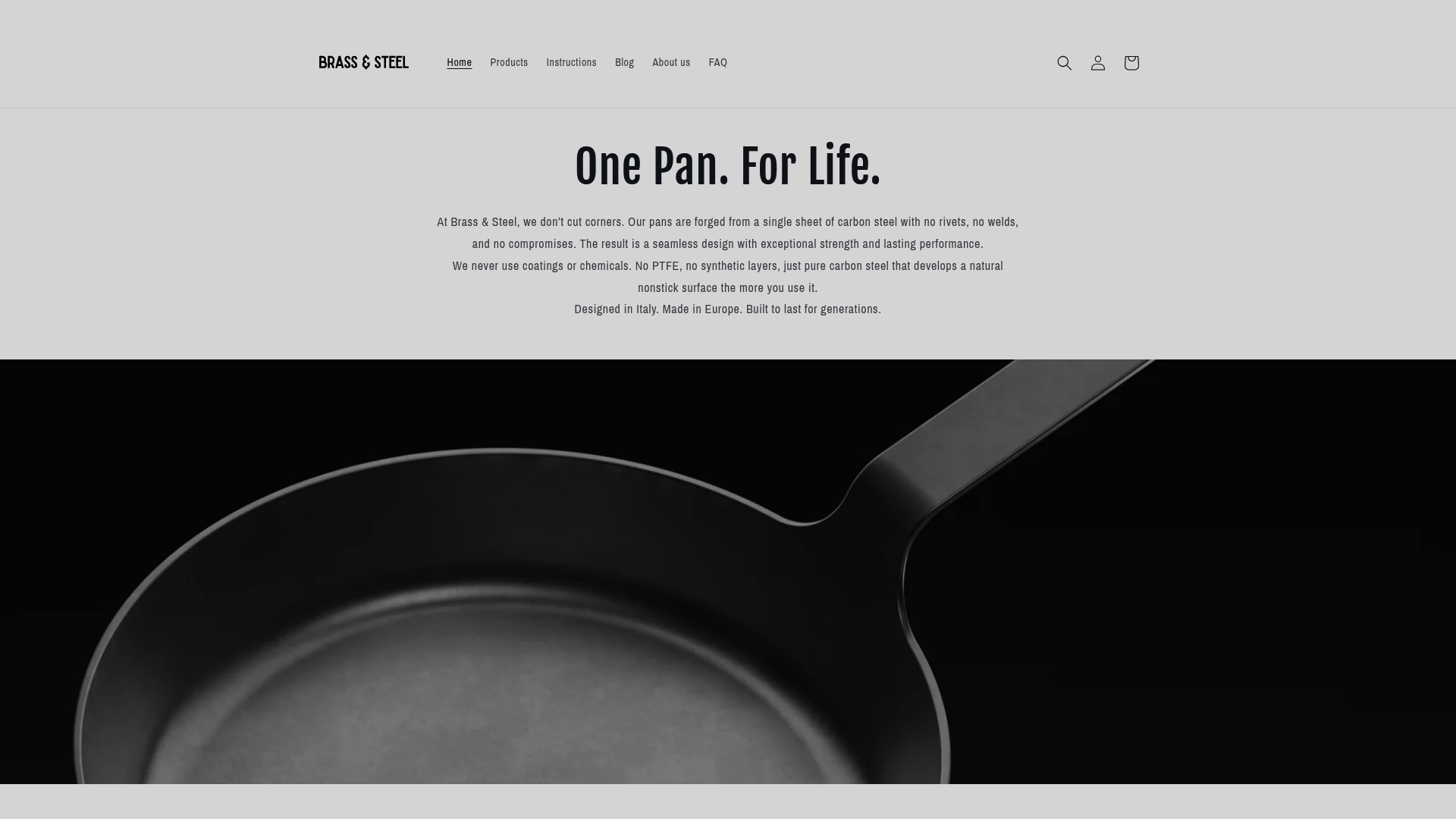
Explore the Carbon Steel Collection | Brass&Steel where every pan is forged in one piece for unrivalled strength and performance. Designed for those who value heirloom quality and health-conscious cooking, our pans deliver excellent heat retention and induction compatibility. Visit Brass & Steel today to discover your next tool for mastering the perfect sear and elevating your culinary skills. Take the first step toward cookware designed to last a lifetime and perform beyond expectations.
Frequently Asked Questions
What are the main differences between carbon steel and nonstick cookware?
Carbon steel pans offer superior heat tolerance, durability, and improved cooking performance over time due to natural seasoning. Nonstick cookware features a synthetic coating that provides an easy-release surface but has a shorter lifespan and requires gentler care.
How do I maintain carbon steel cookware compared to nonstick pans?
Carbon steel requires regular seasoning, building a natural nonstick layer that enhances the pan’s performance. Nonstick pans need careful handling to avoid damaging the synthetic coating, which can degrade over time and necessitate replacement.
Can carbon steel cookware handle high-heat cooking methods?
Yes, carbon steel is ideal for high-heat cooking methods such as searing and stir-frying. Its ability to withstand high temperatures allows for precise heat management and better flavour development compared to nonstick pans.
Is carbon steel cookware safe to use in terms of health?
Yes, carbon steel is free from synthetic coatings that may leach toxins when overheated. Its natural seasoning process also enhances food safety, making it a healthier option compared to nonstick cookware.
Recommended
- How to Decide Between Carbon Steel and Nonstick Pans for Everyday Cook – Brass & Steel
- Carbon Steel vs Stainless Steel Pans, which one is best? – Brass & Steel
- 7 Different Types of Frying Pans Every Chef Should Know – Brass & Steel
- Understanding Carbon Steel vs Nonstick Comparison for Chefs – Brass & Steel