How to Choose Best Carbon Steel Pan 2025 Guide

Every british home cook knows that the right pan can make the difference between a quick weeknight dinner and a showstopping meal. With over 60 percent of british households investing in specialty cookware each year, choosing the perfect carbon steel pan is more important than ever. This guide breaks down the essential factors that can help you select a pan that fits your lifestyle, from size and material to health benefits and daily use.
Table of Contents
- Step 1: Assess Cooking Needs And Pan Size
- Step 2: Review Material Quality And Construction
- Step 3: Evaluate Natural Nonstick And Health Properties
- Step 4: Test Compatibility With Heat Sources
- Step 5: Verify Durability And Maintenance Requirements
- Step 6: Select The Ideal Carbon Steel Pan
Quick Overview
| Essential Insight | Detailed Explanation |
|---|---|
| 1. Assess Your Cooking Needs | Choose pan size based on your meal preparation style and household size for optimal cooking performance. |
| 2. Prioritise Material Quality | Look for thicker carbon steel pans for better heat retention and seamless construction for durability and ease of cleaning. |
| 3. Understand Nonstick Properties | Carbon steel develops a natural nonstick layer through seasoning, avoiding harmful chemicals found in traditional nonstick coatings. |
| 4. Check Compatibility with Heat Sources | Ensure your carbon steel pan works on various cooking platforms, including gas, electric, and induction, for maximum versatility. |
| 5. Follow Maintenance Steps Carefully | Regular seasoning and proper cleaning can enhance your pan’s durability and performance, making it last for generations. |
Step 1: Assess Cooking Needs and Pan Size
Choosing the right carbon steel pan begins with understanding your unique cooking requirements and kitchen workflow. The size and characteristics of your pan will dramatically impact your cooking performance and versatility.
Consider your typical meal preparation style and household size as primary factors in pan selection. For solo cooks or small households, a 27 cm carbon steel pan might provide perfect proportions and flexibility. Larger families or those who frequently entertain will benefit from a more expansive 30 cm pan, offering additional cooking surface and capacity for multiple ingredients.
The thickness of your carbon steel pan matters significantly. Prudent Reviews highlights how pan dimensions and material directly influence heat distribution and cooking efficiency. Thicker pans like the 4 mm models retain heat more consistently, making them ideal for searing meats and creating restaurant quality dishes. Thinner 3 mm pans heat up faster and work brilliantly for quick sautéing and more delicate cooking techniques.
Pro tip: Think beyond just size. Assess your cooking frequency, typical recipes, and the number of people you regularly cook for. This holistic approach ensures you select a carbon steel pan that becomes a true kitchen companion.
Step 2: Review Material Quality and Construction
Navigating the world of carbon steel pan construction requires a keen understanding of material quality and engineering precision. Your cookware is an investment that should deliver consistent performance and durability for years of culinary adventures.
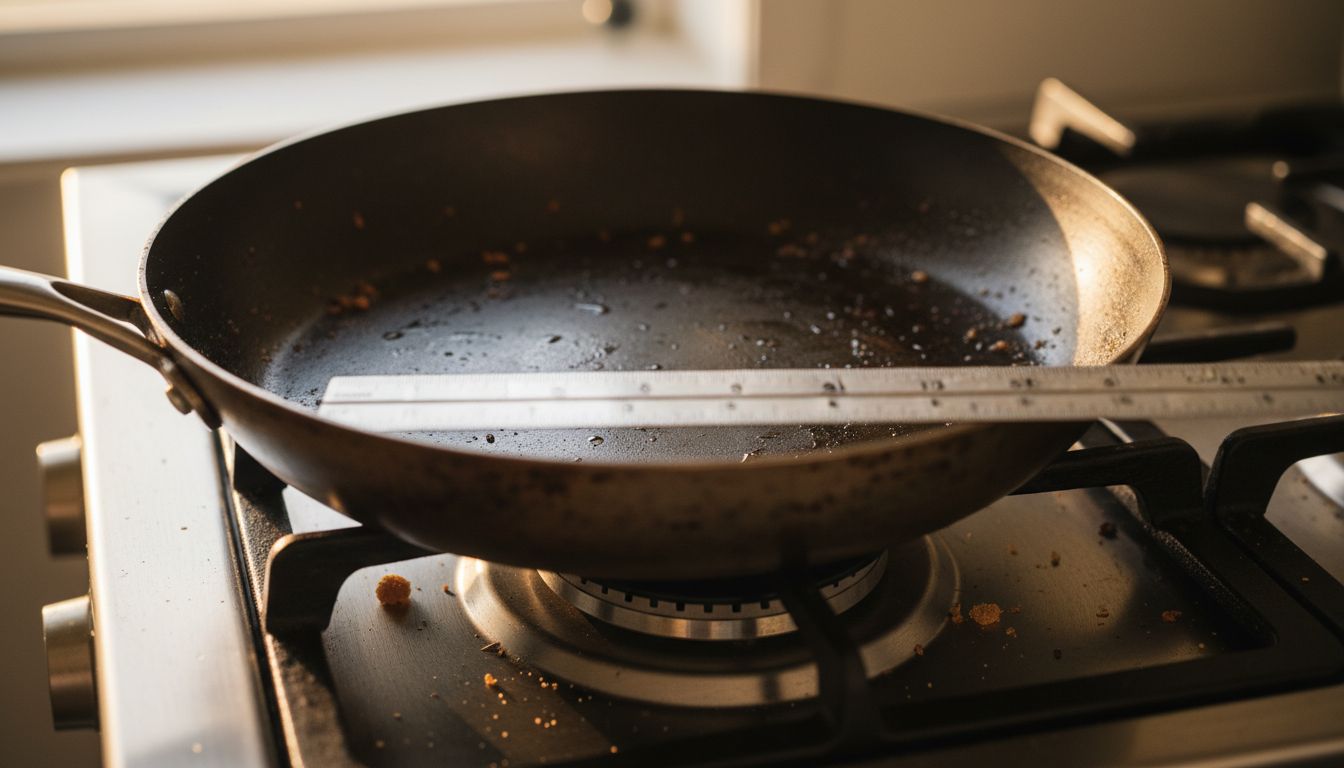
Test Hut research reveals that material thickness plays a crucial role in heat distribution and overall pan performance. Carbon steel pans typically range from 2 mm to 4 mm in thickness, with each gauge offering unique cooking characteristics. Thinner pans heat up rapidly and respond quickly to temperature changes, making them excellent for delicate cooking techniques that require precise heat control. Thicker pans like the 4 mm models excel at heat retention, providing more stable temperatures ideal for searing meats and creating restaurant quality dishes.
When evaluating construction, focus on seamless manufacturing techniques. Single piece forged pans eliminate weak points like rivets or welded seams, which can trap food particles and compromise long term durability. Look for pans with smooth interior surfaces and robust handle attachments that can withstand high temperature cooking and transfer between stovetop and oven.
Pro tip: Inspect the pan carefully. A high quality carbon steel pan should feel substantial yet not overly heavy, with a smooth surface that promises excellent heat distribution and easy maintenance.
Step 3: Evaluate Natural Nonstick and Health Properties
Understanding the health and performance characteristics of carbon steel cookware is crucial for making an informed kitchen investment. Your cookware should not only perform brilliantly but also support your wellbeing.
Requisite metal research analysis demonstrates that carbon steel offers a remarkable combination of natural nonstick properties and health safety. Unlike traditional nonstick pans coated with synthetic materials, carbon steel develops a protective seasoning layer through repeated cooking that creates a naturally slick surface without introducing potentially harmful chemicals. This seasoning builds up over time, improving both the pan’s nonstick capabilities and its overall cooking performance.
Health benefits of carbon steel cookware extend beyond its cooking properties. The material is free from toxic coatings like PTFE and PFOA, making it a superior choice for health conscious home cooks. Moreover, the seasoning process actually adds a minimal amount of dietary iron to your food, potentially supporting nutritional intake while delivering exceptional cooking results.
Pro tip: A well seasoned carbon steel pan will have a smooth dark surface that looks almost like a deep bronze or black finish. This indicates a mature seasoning layer that provides optimal nonstick performance and protection.
Step 4: Test Compatibility with Heat Sources
Evaluating your carbon steel pan’s versatility across different cooking surfaces is crucial for ensuring maximum kitchen flexibility. Your ideal cookware should seamlessly transition between various heat sources without compromising performance.
Prudent Reviews highlights the exceptional adaptability of carbon steel pans across multiple cooking platforms. These robust cookware pieces perform brilliantly on gas stovetops, electric ranges, and induction cooktops. Their superior heat conductivity means rapid temperature adjustments and consistent cooking results. Unlike other materials that struggle with heat responsiveness, carbon steel pans distribute temperature evenly, allowing precise culinary control whether you are searing a steak or gently simmering a delicate sauce.
Induction compatibility represents a key consideration for modern kitchen setups. Carbon steel’s magnetic properties make it an ideal choice for induction cooking, providing efficient energy transfer and exceptional temperature management. When selecting your pan, verify its magnetic responsiveness by checking whether a strong magnet adheres firmly to the base. This simple test ensures seamless performance across contemporary cooking technologies.
Pro tip: Start with moderate heat settings when first using your carbon steel pan on a new cooking surface. This approach allows you to understand its unique heat distribution characteristics and prevent potential overheating.
Step 5: Verify Durability and Maintenance Requirements
Understanding the long term care and maintenance of your carbon steel pan is essential for transforming a simple kitchen tool into a lifelong culinary companion. Durability goes beyond initial construction and requires a thoughtful approach to preservation.
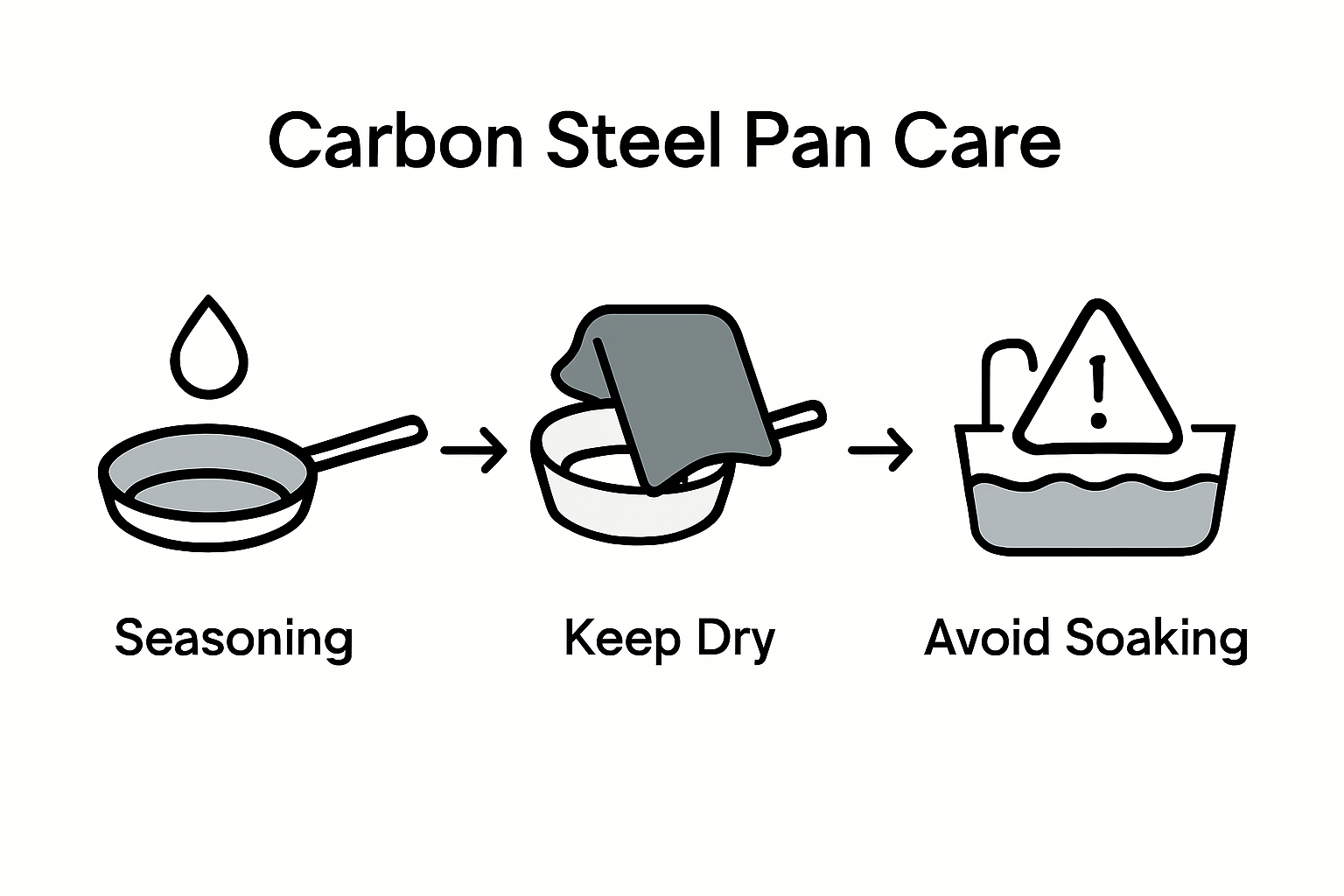
Prudent Reviews provides comprehensive insights into the maintenance landscape of carbon steel cookware. These pans demand a specific care regime that might initially seem intimidating but quickly becomes second nature. Regular seasoning creates a protective layer that not only prevents rust but also enhances the pan’s nonstick properties. Unlike other cookware materials that deteriorate with intense use, carbon steel actually improves with proper maintenance. The seasoning layer builds up over time, creating a robust surface that becomes more effective with each cooking session.
The key to longevity lies in understanding rust prevention and proper cleaning techniques. Avoid prolonged moisture exposure, always dry the pan immediately after washing, and apply a light coat of oil after each use. This simple ritual creates a barrier against oxidation and maintains the pan’s pristine condition. Carbon steel’s remarkable durability means that with conscientious care, your pan can potentially last generations. Invest time in learning its unique maintenance requirements, and you will be rewarded with a cooking implement that becomes more valuable with each meal prepared.
Pro tip: Store your carbon steel pan in a dry environment and consider using a light layer of protective oil during extended periods of non use to prevent moisture accumulation.
Step 6: Select the Ideal Carbon Steel Pan
With all your research and assessment complete, the final step involves making a strategic selection that aligns perfectly with your culinary needs and cooking style. This decision is about finding more than just a pan it is about discovering a kitchen companion that will elevate your cooking experience.
Prudent Reviews offers comprehensive guidance on navigating the nuanced world of carbon steel pan selection. Consider critical factors like pan weight, thickness, handle design, and intended cooking applications. A 3 mm pan might suit home cooks seeking versatility, while professional chefs might prefer a robust 4 mm model that delivers exceptional heat retention and durability. Carbon steel pan selection ultimately depends on understanding your specific cooking techniques and frequency.
Pay close attention to construction quality. A single piece forged pan eliminates weak points like rivets or seams, ensuring superior strength and easier cleaning. Look for smooth interior surfaces, robust handle attachments, and a seamless design that promises years of reliable performance. Weight matters too a pan that feels balanced and comfortable will inspire confidence in your cooking.
Pro tip: Always handle the pan before purchasing. Its weight, balance, and feel will tell you more about its potential in your kitchen than any specification sheet ever could.
Discover the Perfect Carbon Steel Pan for Your Kitchen Today
Choosing the best carbon steel pan requires balancing size, material quality, heat source compatibility, and maintenance needs — challenges every home cook faces. At Brass & Steel, we understand that you want cookware that lasts generations, offers superior heat retention and responsiveness, and boasts a natural nonstick surface free of harmful coatings. Our single-piece forged pans eliminate rivets and seams to ensure durability and easy cleaning, just as highlighted in your selection journey.
Explore our Carbon Steel Collection | Brass&Steel featuring the versatile 27 cm carbon steel pan and the robust 30 cm model to match your cooking style. With induction compatibility and a health-conscious design, our pans help you achieve professional cooking results at home. Visit Brass & Steel now to elevate your culinary experience with heirloom-quality cookware crafted in Poland with Italian design roots. Don’t wait — find your ideal kitchen companion today and start mastering the art of carbon steel cooking.
Frequently Asked Questions
How do I assess my cooking needs when choosing a carbon steel pan?
Start by considering your cooking style, household size, and meal preparation frequency. For instance, if you usually cook for one or two people, a 27 cm pan may be ideal, while a larger household might benefit from a 30 cm model for added capacity.
What thickness should I look for in a carbon steel pan?
Opt for a thickness between 2 mm and 4 mm based on your cooking preferences. A 4 mm pan retains heat better, making it perfect for searing, while a 3 mm model heats up quickly, ideal for delicate dishes or sautéing.
How can I determine if a carbon steel pan is compatible with my heat sources?
Check the pan’s magnetic properties to ensure it works on induction cooktops—if a strong magnet adheres to the base, it’s suitable. Additionally, carbon steel pans work well on gas and electric stovetops, providing versatility in your cooking methods.
What maintenance does a carbon steel pan require?
Maintain your carbon steel pan by seasoning it regularly to build a protective layer that enhances nonstick properties. After each use, ensure to dry it completely and apply a light coat of oil to prevent rust, aiming to develop a well-seasoned surface over time.
How do I select the right carbon steel pan for my cooking style?
Consider factors such as weight, handle design, and intended cooking applications. For instance, a balanced pan that feels comfortable when lifting will increase your confidence in cooking, while a thicker pan may be better for professional cooking needs.
What are the health benefits of using a carbon steel pan?
Carbon steel pans are free from potentially harmful coatings found in traditional nonstick cookware, promoting healthier cooking. The seasoning process also adds dietary iron to your food, which can support overall nutritional intake.
Recommended
- How to Choose Carbon Steel Pan for Serious Cooks – Brass & Steel
- 6 Types of Carbon Steel Pans Every Chef Should Know – Brass & Steel
- 7 Essential Tips for Cooking with Carbon Steel Pans – Brass & Steel
- Carbon Steel Pan Uses: Complete Guide for Cooks – Brass & Steel
- Outdoor-Möbel - Pulverbeschichteter Edelstahl | Robust & Wartungsfrei - AFUERA – outdoor steel design
- Cozee Bay - Bamboo Kitchenware: Complete Guide to Its Advantages
- Top PPF Brands in 2025: A Professional’s Buying Guide – AEONCUT PPF Pre-cut Cutting software