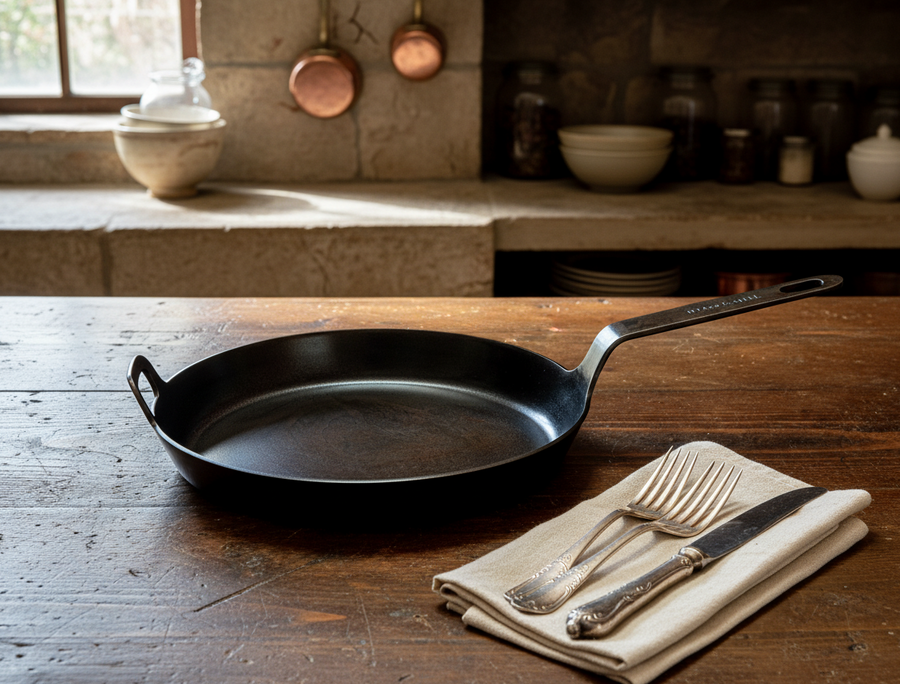
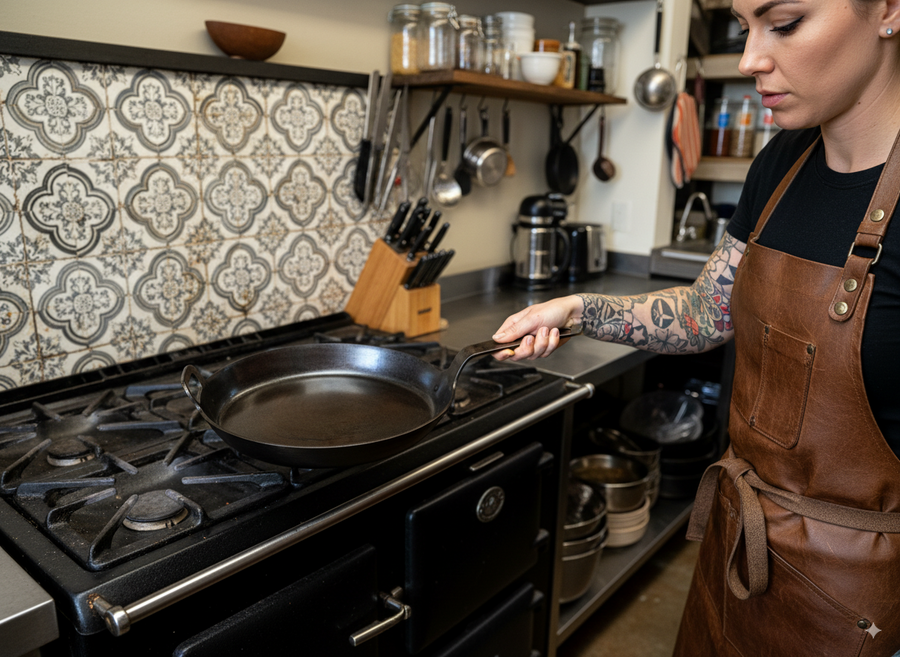
Ceramic Induction Cookware: Key Benefits for Chefs

Modern professional kitchens across Europe demand cookware that delivers precision as well as wellness. Achieving consistent, healthy results on induction cooktops requires more than tradition—it calls for ceramic induction cookware with natural nonstick properties and carefully engineered magnetic bases. Busy chefs need reliable tools that withstand high-volume service, simplify cleaning, and support low-oil methods while meeting strict culinary standards. This guide answers what you need to know when choosing versatile, health-conscious ceramic induction options built for the demands of world-class European restaurants.
Table of Contents
- Ceramic Induction Cookware Explained Clearly
- Types and How Induction Compatibility Works
- Core Benefits for Professional Kitchens
- Limitations and Common Compatibility Issues
- Ceramic Vs. Steel or Cast Iron Options
Key Takeaways
| Point | Details |
|---|---|
| Ceramic Induction Cookware Configuration | Ceramic-coated cookware features a magnetic base for effective heat transfer, essential for induction cooking. Select cookware with adequate magnetic base thickness for optimal performance. |
| Core Benefits for Professional Kitchens | Ceramic induction cookware provides non-toxic surfaces, even heat distribution, and energy-efficient cooking, enhancing culinary workflows. |
| Compatibility Considerations | Not all ceramic cookware is compatible with induction; verify the magnetic properties of the base before purchase. Conduct a simple magnet test for assurance. |
| Material Comparison | Ceramic offers health-conscious features and non-stick surfaces, while stainless steel and cast iron excel in durability and heat retention, making them better for various cooking methods. |
Ceramic Induction Cookware Explained Clearly
Ceramic cookware represents a sophisticated cooking solution designed specifically for professional chefs seeking performance and health-conscious cooking options. Ceramic cookware technologies encompass two primary categories: ceramic-coated cookware with metal cores and pure ceramic constructions, each offering unique benefits for induction cooking.
In the world of professional cooking, induction compatibility requires specific magnetic properties. Ceramic-coated cookware typically features a magnetic base made from stainless steel or cast iron, enabling efficient heat transfer through electromagnetic energy. The ferrite content and size of the ferromagnetic layer determine the cookware’s induction performance, ensuring precise temperature control for chefs.
Key characteristics of ceramic induction cookware include:
- Non-toxic cooking surface
- Excellent heat distribution
- Easy cleaning capabilities
- Lightweight design
- Compatible with multiple cooktop types
Modern ceramic cookware represents a significant advancement in culinary technology. Induction-ready ceramic surfaces provide professional chefs with a versatile cooking solution that combines health-conscious design with exceptional thermal performance. The magnetic base ensures efficient energy transfer, while the ceramic coating offers a non-stick surface that reduces oil consumption and simplifies meal preparation.
Pro tip: When selecting ceramic induction cookware, always verify the magnetic base thickness to ensure optimal heat conductivity and performance.
Types and How Induction Compatibility Works
Induction cookware compatibility hinges on critical magnetic properties that enable efficient heat transfer. Ceramic cookware’s induction performance depends entirely on its base construction, with two primary configurations determining electrical conductivity and thermal responsiveness.
Two distinct ceramic cookware types exist for professional kitchens:
- Solid ceramic cookware: Generally non-compatible with induction
- Ceramic-coated cookware: Featuring magnetic metal cores (stainless steel or cast iron)
- Hybrid ceramic cookware: Combining ceramic surfaces with magnetic base layers
The fundamental requirement for induction compatibility is a ferromagnetic base layer that can interact with the cooktop’s electromagnetic field. Magnetic base characteristics critically influence heating efficiency, with factors like base thickness, coverage area, and metallic composition determining optimal performance. Professional chefs must ensure their ceramic cookware’s base completely covers the induction coil to activate proper heating mechanisms.
Modern ceramic induction cookware represents a sophisticated intersection of material science and culinary engineering. The magnetic underlayer must be sufficiently thick and precisely engineered to transfer electromagnetic energy efficiently, transforming electrical currents into precise, controllable heat for professional cooking environments.
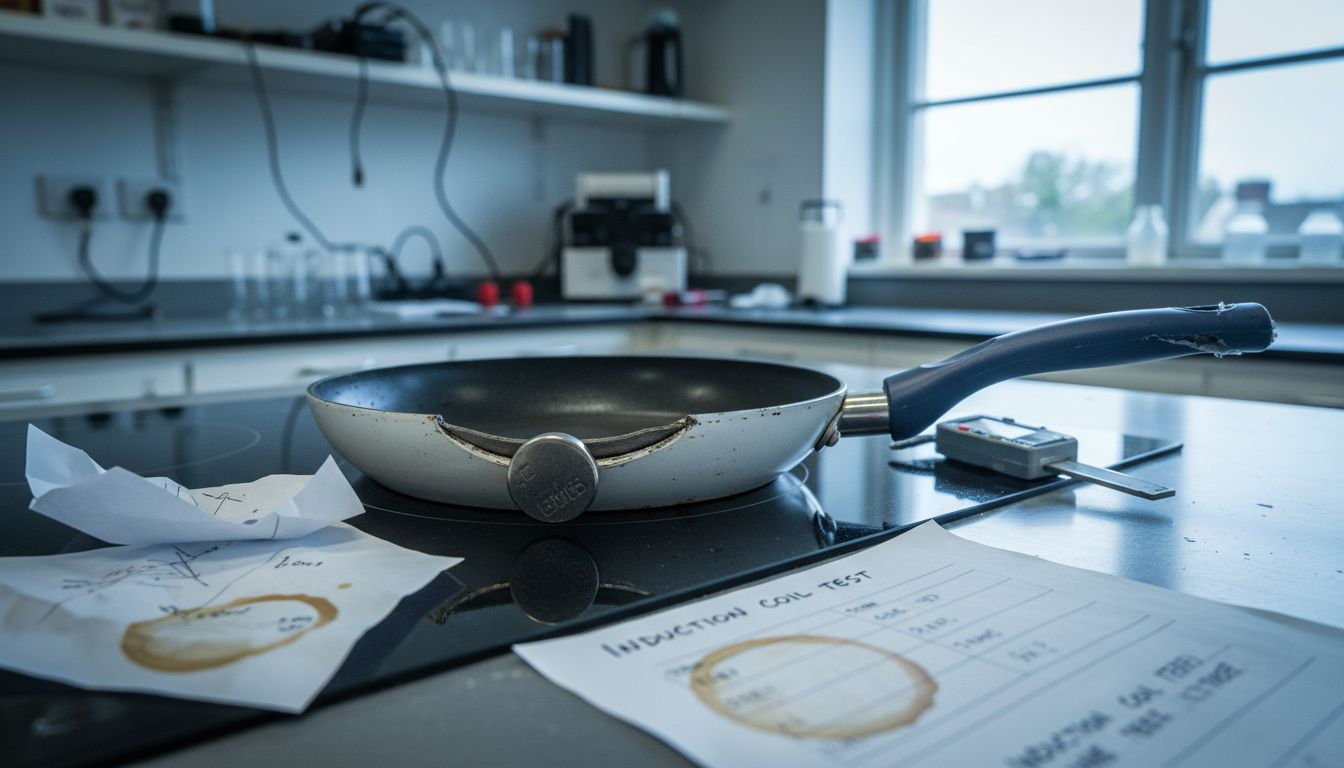
Pro tip: Always conduct a simple magnet test on potential induction cookware to verify its compatibility before purchasing.
To clarify the core differences, here’s a succinct comparison of induction-compatible ceramic cookware types and their typical performance attributes:
| Cookware Type | Induction Compatibility | Heat Distribution | Typical Weight |
|---|---|---|---|
| Solid Ceramic | Rarely compatible | Moderate, less precise | Light to moderate |
| Ceramic-Coated (Metal Core) | Highly compatible | Even and controllable | Light |
| Hybrid Ceramic | Frequently compatible | Uniform and rapid | Moderate |
Core Benefits for Professional Kitchens
Ceramic induction cookware benefits professional kitchens through revolutionary design that transforms cooking performance. These advanced cooking tools deliver exceptional heat management, ensuring precise temperature control and eliminating problematic hot spots that traditionally compromise food quality.
Key advantages for professional kitchen environments include:
- Rapid heating with consistent thermal distribution
- Non-toxic cooking surfaces free from harmful chemical coatings
- Energy-efficient cooking mechanisms
- Easy cleaning with smooth ceramic surfaces
- Reduced oil consumption through superior non-stick properties
Professional chefs appreciate ceramic induction cookware’s remarkable versatility. Ceramic cookware performance transforms kitchen workflows by providing robust, oven-safe constructions that withstand intense culinary demands. The reinforced bases and precise thermal engineering enable chefs to execute complex cooking techniques with unprecedented consistency and control.
The advanced material science behind ceramic induction cookware represents a significant leap in professional cooking technology. Its ability to deliver uniform heat, maintain food safety standards, and provide exceptional durability makes it an indispensable tool for modern commercial kitchens seeking high-performance cooking solutions.
Pro tip: Invest in high-quality ceramic induction cookware with reinforced bases to maximise long-term kitchen performance and cooking precision.
Limitations and Common Compatibility Issues
Ceramic cookware compatibility challenges stem from complex magnetic engineering requirements that professional chefs must carefully navigate. The primary limitation lies in the fundamental construction of the cookware’s base, which directly determines its induction performance.
Key compatibility limitations include:
- Insufficient ferromagnetic base layer preventing proper heating
- Inconsistent magnetic material coverage
- Irregular base shape or flatness
- Thin or poorly constructed magnetic disk
- Pure ceramic constructions lacking magnetic properties
Induction cookware detection issues frequently arise from subtle technical constraints. Induction cooktops rely on precise sensor technologies that demand exact magnetic material specifications. Professional kitchens must carefully verify cookware base construction, ensuring complete surface area coverage and appropriate ferrous content to guarantee reliable performance.
The complexity of induction compatibility extends beyond simple magnetic requirements. Cookware manufacturers must engineer precise base layers that communicate effectively with induction sensor technologies, balancing thermal conductivity, magnetic responsiveness, and structural integrity. Chefs investing in ceramic induction cookware must scrutinise technical specifications to avoid potential operational failures.
Pro tip: Always test ceramic cookware compatibility by placing a small magnet on the base before purchasing for professional kitchen use.
Ceramic vs. Steel or Cast Iron Options
Cookware material performance represents a critical consideration for professional chefs seeking optimal cooking equipment. Each material offers distinct advantages that dramatically impact culinary workflow and food preparation techniques.
Key comparative characteristics include:
-
Ceramic Cookware:
- Lightweight design
- Non-toxic cooking surface
- Even heat distribution
- Minimal oil requirement
-
Steel Cookware:
- High durability
- Versatile cooking applications
- Rapid heat responsiveness
-
Cast Iron:
- Superior heat retention
- Exceptional thermal stability
- Natural seasoning capabilities
Induction cookware compatibility demonstrates that steel and cast iron naturally excel due to their ferrous metal composition. Ceramic cookware requires specific magnetic base engineering to achieve similar performance, making it a more complex technological solution for professional kitchens.
Professional chefs must carefully evaluate material properties beyond basic induction compatibility. Ceramic coatings offer remarkable non-stick properties and health-conscious cooking surfaces, while traditional metal cookware provides unmatched thermal performance and long-term durability. The selection ultimately depends on specific culinary requirements, cooking techniques, and individual kitchen workflow preferences.
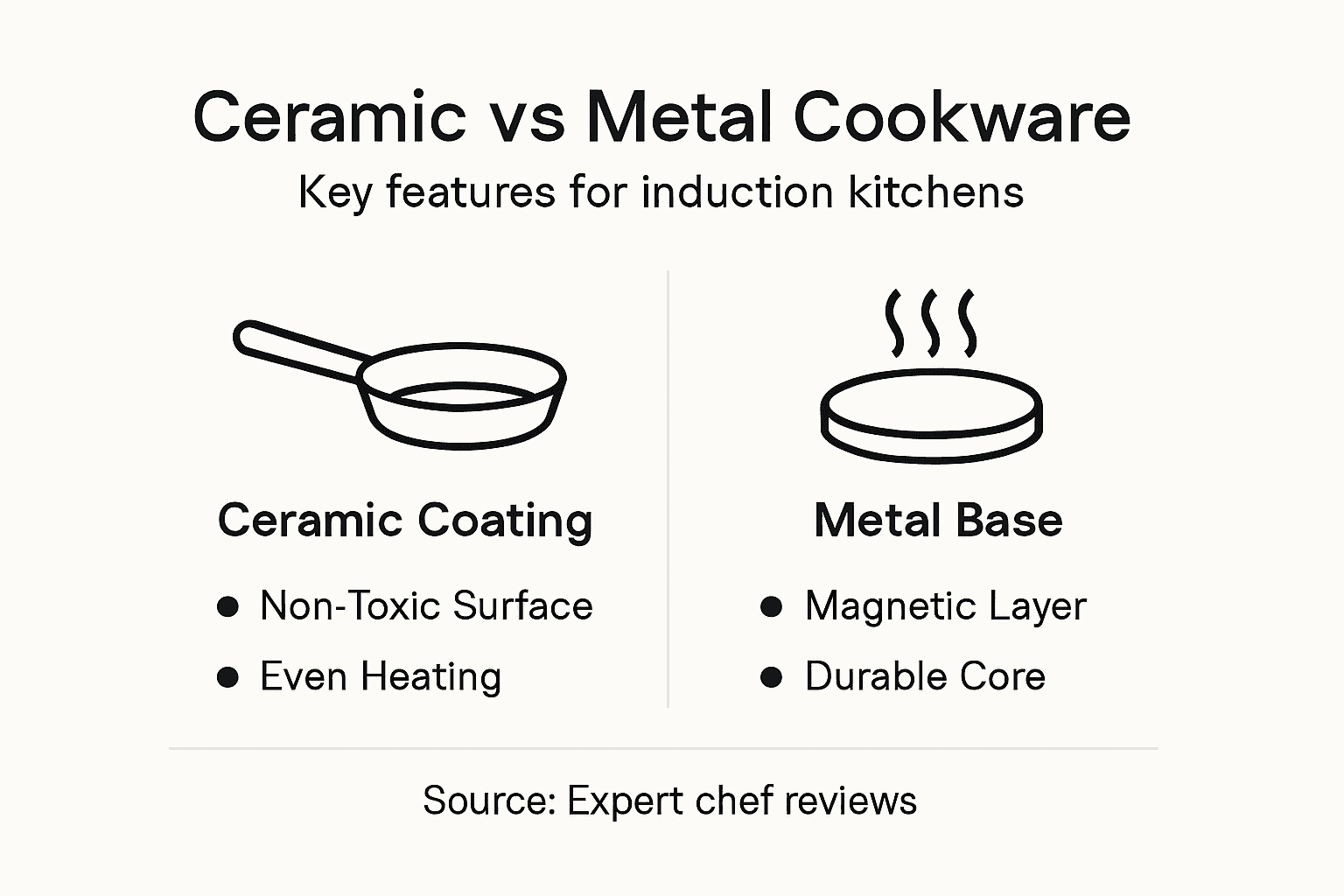
Pro tip: Consider purchasing multi-material cookware sets that combine ceramic coatings with robust metal foundations for optimal cooking performance.
Here’s a consolidated look at material strengths and ideal kitchen applications for each cookware option:
| Material | Unique Strength | Best Application | Durability Level |
|---|---|---|---|
| Ceramic | Health-conscious surface | Low-oil sauté and delicate dishes | Moderate |
| Stainless Steel | Fast heat response | Rapid cooking, general use | High |
| Cast Iron | Superior heat retention | Slow cooking, roasting | Very High |
Discover Superior Cooking Performance Beyond Ceramic Induction Cookware
While ceramic induction cookware offers health-conscious and precise heat solutions, many chefs encounter challenges like inconsistent magnetic bases and limited durability. If you seek durable cookware with natural nonstick surfaces that combine exceptional heat retention and induction compatibility, exploring carbon steel pans may be the ideal next step. Our expertly forged, single-piece construction pans provide a seamless, PTFE-free solution that grows better with every use thanks to their naturally seasoned patina.
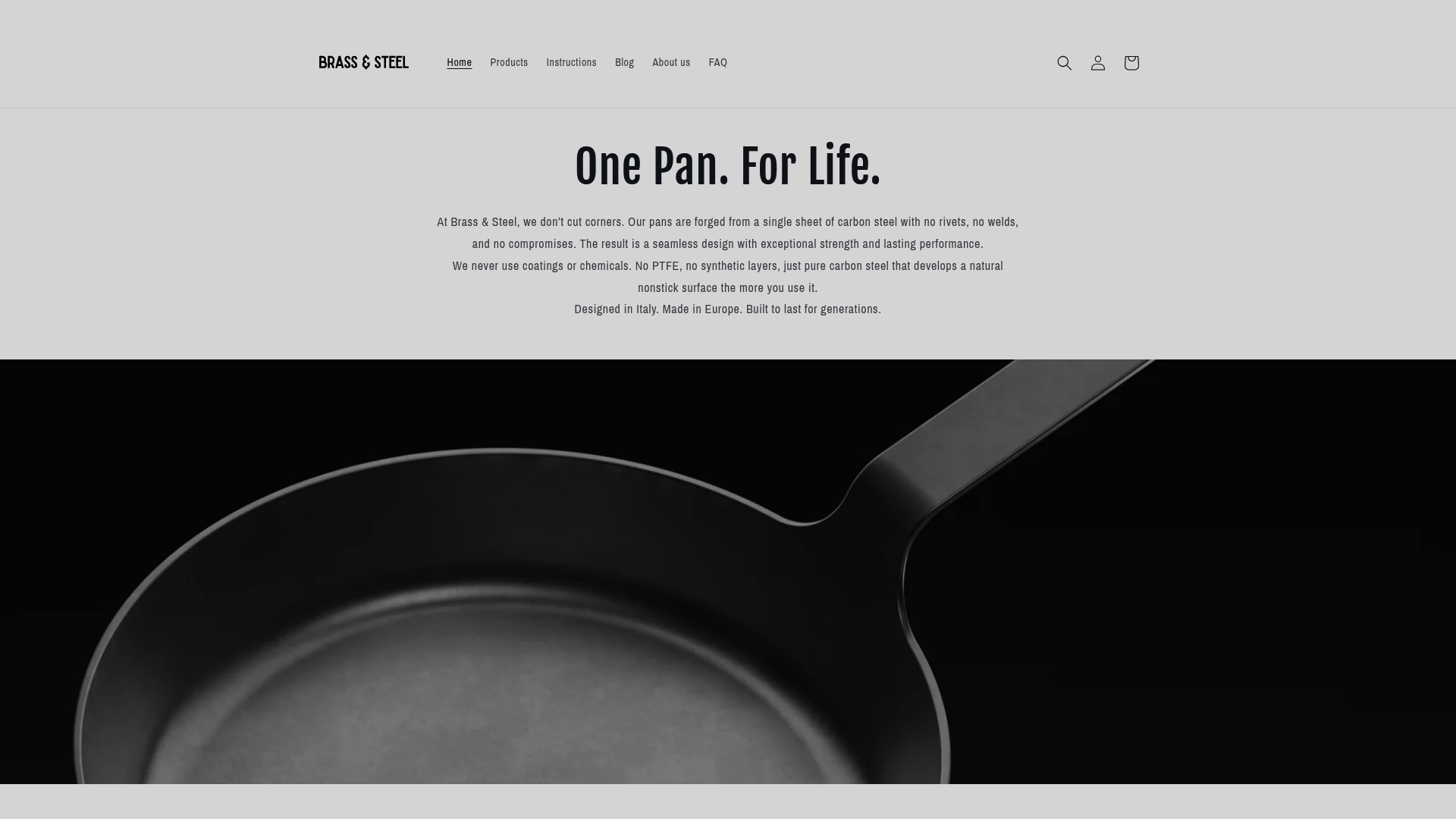
Explore our Carbon Steel Collection to experience cookware designed to elevate professional kitchens with unmatched responsiveness and minimal maintenance. Ready to switch to heirloom-quality, induction-compatible pans crafted with precision engineering in Poland and Italian design? Visit Brass & Steel today to find your perfect pan and enjoy cooking that truly performs. Don’t wait — transform your culinary arsenal now and enjoy long-term benefits that ceramic induction cookware alone may not deliver.
Also check out our New Arrivals to stay updated on the latest innovations in professional carbon steel cookware.
Frequently Asked Questions
What are the benefits of using ceramic induction cookware?
Ceramic induction cookware offers several benefits, including a non-toxic cooking surface, excellent heat distribution, energy efficiency, easy cleaning, and reduced oil consumption due to its superior non-stick properties.
How does ceramic cookware achieve induction compatibility?
Ceramic cookware achieves induction compatibility through its magnetic base, which is typically made from stainless steel or cast iron. This allows it to interact effectively with induction cooktops, ensuring proper heat transfer.
What should I look for when selecting ceramic induction cookware?
When selecting ceramic induction cookware, check for a sufficiently thick magnetic base to ensure optimal heat conductivity. It’s also important that the base entirely covers the induction coil for efficient heating.
What are the key differences between ceramic and metal cookware options?
Ceramic cookware is lightweight, provides a non-toxic cooking surface with even heat distribution, and requires minimal oil. In contrast, stainless steel and cast iron cookware offer higher durability, rapid heat responsiveness, and superior heat retention, making them better for certain cooking techniques.
Recommended
- Stainless Steel vs Ceramic Cookware – Which Suits Serious Cooks? – Brass & Steel
- Ceramic vs Aluminium Cookware – Performance and Safety Explained – Brass & Steel
- Understanding Copper vs Ceramic Cookware: Key Insights – Brass & Steel
- Induction Cooktop Function – Science and Culinary Impact – Brass & Steel
- Menu Optimization: Boosting Restaurant Profits and Engagement | Sorbey Blog | Sorbey
- High-End Catering: Elevating Cape Town Weddings - Winelands Function – For Every Occasion, Your Celebration
- Why Sicilian Cuisine Stands Out for Travelers