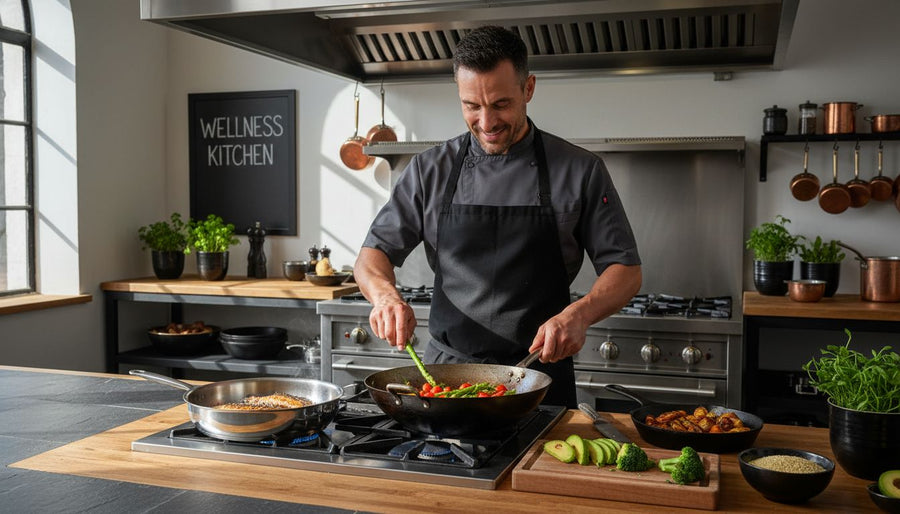
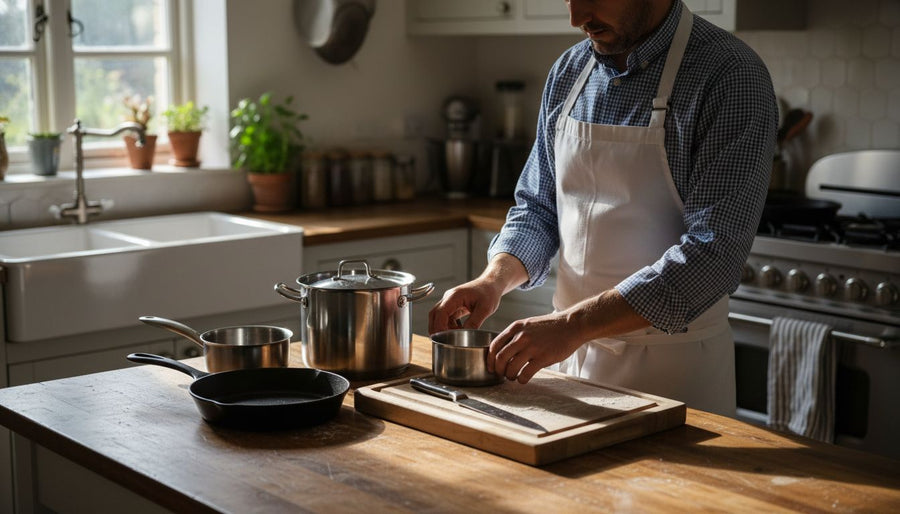
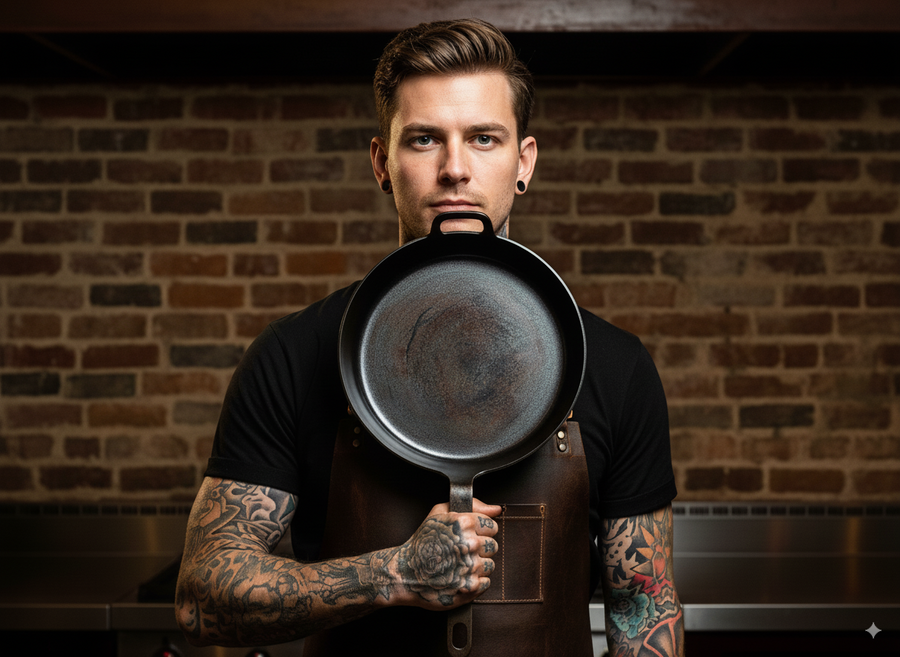
Carbon Steel Pans Heat 2x Faster: Best Frying Pan Guide

Many home cooks struggle with cast iron pans that are heavy to handle and take forever to heat up. When you’re trying to sear a steak or stir-fry vegetables quickly, waiting for your pan to reach temperature wastes precious time. Carbon steel frying pans offer a faster heating solution, weighing half as much as cast iron while building a natural nonstick surface without chemicals. This guide helps you compare frying pan types and choose the best carbon steel pan tailored to your cooking style, so you can cook better meals with less frustration.
Table of Contents
- How To Choose The Right Frying Pan: Essential Selection Criteria
- Carbon Steel Frying Pans: Features, Strengths, And Cooking Uses
- Cast Iron Frying Pans: Comparison And When To Choose
- Nonstick And Stainless Steel Pans: Overview And Limitations
- Comparison Summary: Frying Pans Side-By-Side
- Which Pan To Choose: Situational Recommendations For Home Cooks
- Explore Premium Carbon Steel Pans For Exceptional Cooking
- Frequently Asked Questions
Key Takeaways
| Point | Details |
|---|---|
| Speed and weight | Carbon steel pans heat twice as fast as cast iron and weigh half as much for easier handling. |
| Natural nonstick | Seasoning creates a chemical-free nonstick coating on carbon steel that improves with use. |
| Heat retention | Cast iron holds heat longer but responds slower to temperature changes than carbon steel. |
| Nonstick tradeoffs | Coated pans offer convenience but can’t handle high heat or match carbon steel’s durability. |
| Selection factors | Your choice depends on cooking techniques, maintenance commitment, and health priorities. |
How to Choose the Right Frying Pan: Essential Selection Criteria
Selecting the right frying pan transforms your cooking experience. The material you choose affects how quickly your pan heats up, how it responds to temperature changes, and whether you need to worry about chemical coatings.
Material composition and construction quality directly affect pan performance and durability. Carbon steel and cast iron both require seasoning but behave differently on the stove. Stainless steel needs more oil to prevent sticking, while nonstick pans use chemical coatings that limit their lifespan and heat tolerance.
Pan construction matters more than most cooks realize. Single-piece forged pans eliminate rivets and welds, creating a smooth cooking surface that’s easier to clean and more durable. Riveted handles can trap food particles and create weak points where the pan might fail over time.
Thickness and weight influence both heat retention and your comfort while cooking. A 3mm carbon steel pan balances responsiveness with enough mass to maintain steady heat. Thicker pans retain heat better but take longer to warm up and adjust temperature. Heavier pans tire your wrist during long cooking sessions or when tossing ingredients.
Consider these essential factors when choosing carbon steel cookware:
- Cooktop compatibility, especially induction readiness if you have or plan to get an induction stove
- Handle design and heat resistance for stovetop versus oven use
- Pan diameter matching your typical portion sizes and burner dimensions
- Maintenance requirements fitting your willingness to season and care for the pan
- Budget alignment with quality expectations and intended frequency of use
Pro tip: Match your pan’s diameter to your burner size for even heating. A 27cm pan works perfectly on standard home burners, while a 30cm pan suits larger burners or cooking for groups.
Carbon Steel Frying Pans: Features, Strengths, and Cooking Uses
Carbon steel pans combine the best qualities of cast iron and stainless steel without the drawbacks. They’re the choice of professional chefs who need pans that respond instantly to heat changes.
Most quality carbon steel pans are forged from a single piece of steel. This construction creates a seamless surface from rim to handle, eliminating the rivets that trap food and the welds that can fail. You can scrub the entire pan without worrying about damaging joints or loosening attachments.
Carbon steel pans heat faster than cast iron due to thinner walls and lower weight, allowing superior temperature control. When you turn down the heat, a carbon steel pan responds within seconds. This precision matters when you’re cooking delicate proteins or reducing a sauce to exactly the right consistency.
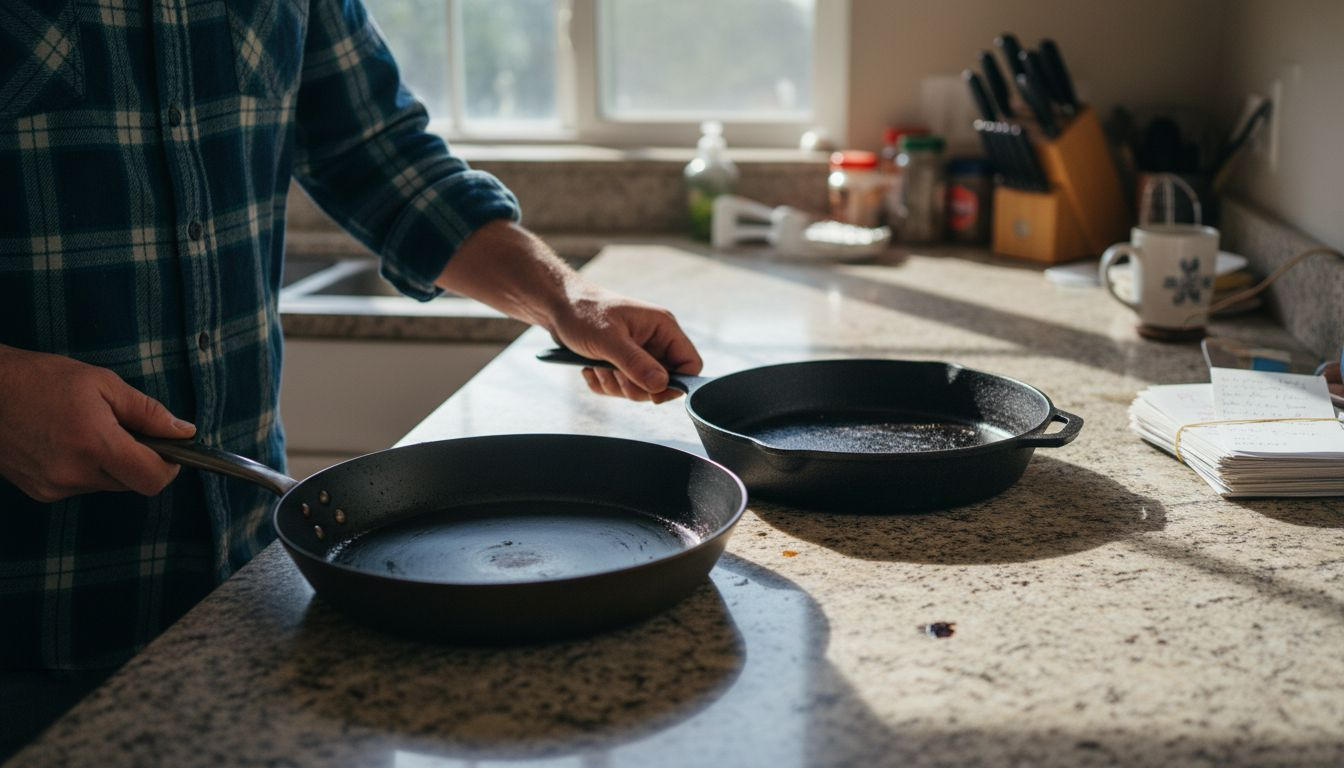
The seasoning process builds natural nonstick properties without chemicals. Each time you cook with oil or fat, polymerized layers bond to the steel surface. After a few weeks of regular use, your pan develops a slick, dark patina that rivals any coated nonstick pan. The difference is your seasoning gets better over time instead of wearing out.
Carbon steel excels at these cooking techniques:
- High-heat searing for steaks, chops, and fish with perfect crust formation
- Quick stir-frying where ingredients need to move freely without sticking
- Sautéing vegetables with precise temperature control for ideal browning
- Oven finishing for thick cuts that need gentle heat after stovetop searing
- Pan roasting whole fish or chicken pieces with crispy skin
Proper care keeps your carbon steel pan performing for decades. Dry it immediately after washing to prevent rust spots. Apply a thin layer of oil after each use to maintain the seasoning. Avoid soaking or using harsh detergents that strip away your carefully built patina. Follow a complete carbon steel pan seasoning guide when you first get your pan or need to restore the surface.
Pro tip: Cook fatty foods like bacon or chicken thighs during your pan’s first month to accelerate seasoning development. The rendered fat builds layers faster than cooking with just oil.
Cast Iron Frying Pans: Comparison and When to Choose
Cast iron pans have earned their reputation through centuries of use. They offer specific advantages that make them ideal for certain cooking situations, though they’re not as versatile as carbon steel.
Cast iron pans retain heat longer but are heavier and slower to adjust heat than carbon steel pans. A typical cast iron skillet weighs double what a carbon steel pan of the same size weighs. This mass keeps food at a steady temperature even when you add cold ingredients, but it also means your arm gets tired faster.
The thick walls and heavy construction make cast iron ideal for long, slow cooking. When you’re braising short ribs or baking cornbread, cast iron’s heat retention creates even cooking throughout. The pan holds temperature so well that you can move it from stovetop to oven without worrying about hot spots.
Both materials require seasoning to develop nonstick properties and prevent rust. The process is nearly identical: heat the pan, apply a thin oil layer, and bake it to create polymerized coatings. Cast iron’s rougher surface texture means it takes longer to build a truly slick patina compared to the smoother carbon steel.
Cast iron works best for:
- Deep browning and crust development on thick steaks or roasts
- Slow braising where steady heat matters more than quick response
- Baking cornbread, frittatas, or upside-down cakes directly in the pan
- Camping or outdoor cooking over open flames or coals
- Situations where maximum heat retention outweighs handling convenience
For ongoing care, review carbon steel maintenance tips that apply equally to cast iron: dry immediately, oil lightly, and avoid temperature shocks that cause warping.
| Feature | Carbon Steel | Cast Iron |
|---|---|---|
| Weight (27cm pan) | ~2kg | ~4kg |
| Heat-up time | 2-3 minutes | 5-8 minutes |
| Temperature response | Quick adjustment | Slow to change |
| Best uses | Searing, stir-frying, sautéing | Braising, baking, steady heat cooking |
| Handling comfort | Easy to maneuver | Requires two hands when full |
Nonstick and Stainless Steel Pans: Overview and Limitations
Nonstick coated pans and stainless steel offer different cooking experiences than carbon steel or cast iron. Understanding their tradeoffs helps you decide when they’re appropriate.
Nonstick pans use PTFE or ceramic coatings to prevent food from sticking. They’re lightweight, require minimal oil, and clean up easily with just a soft sponge. For cooking eggs, delicate fish, or pancakes, nothing matches their convenience. You can cook with almost no fat, making them popular for health-conscious cooking.
Nonstick pans have chemical coatings limiting heat tolerance and durability compared to carbon steel. Most manufacturers recommend keeping temperatures below 260°C to prevent coating breakdown. This restriction means you can’t sear properly or get the high-heat browning that creates complex flavors. The coatings also wear out, typically lasting 2-5 years with careful use.
Stainless steel pans are durable and maintain their appearance for decades. They handle high heat without damage and work well for deglazing and making pan sauces. You can scrub them aggressively without worrying about damaging the surface. However, food sticks easily unless you use plenty of oil and preheat properly.
Key limitations of these alternatives:
- Chemical coatings on nonstick pans can release fumes at high temperatures
- Nonstick surfaces degrade over time and can’t be restored like seasoning
- Stainless steel requires more oil and technique to prevent sticking
- Neither develops a natural nonstick patina that improves with age
- Heat distribution can be uneven without a thick aluminum or copper core
Carbon steel provides a middle path: the natural nonstick properties of coated pans without chemicals, plus the durability and high-heat capability of stainless steel. See the full carbon steel vs nonstick comparison to understand when each type makes sense.
Comparison Summary: Frying Pans Side-by-Side
Comparing frying pan types side by side clarifies which material suits your cooking style. This table summarizes the key differences that affect your daily cooking experience.
| Feature | Carbon Steel | Cast Iron | Nonstick | Stainless Steel |
|---|---|---|---|---|
| Weight | Light to medium | Heavy | Very light | Medium |
| Heat-up speed | Fast (2-3 min) | Slow (5-8 min) | Very fast | Fast |
| Heat retention | Good | Excellent | Poor | Moderate |
| Temperature response | Quick | Slow | Very quick | Quick |
| Nonstick properties | Natural (develops) | Natural (develops) | Chemical coating | Requires oil |
| Maximum safe temp | 500°C+ | 500°C+ | 260°C | 500°C+ |
| Maintenance needs | Moderate (season, oil) | Moderate (season, oil) | Low (gentle wash) | Low (any cleaning) |
| Durability | Decades | Lifetime | 2-5 years | Decades |
| Health concerns | None | None | Coating degradation | None |
| Best for | Searing, sautéing, stir-frying | Braising, baking, steady heat | Eggs, delicate fish, low-fat | Deglazing, sauces, acidic foods |
| Price range | €99-€119 | €50-€150 | €20-€80 | €50-€200 |
| Induction compatible | Yes | Yes | Varies | Yes |
Carbon steel stands out for its balance of light weight, fast heating, natural nonstick development, and no chemical concerns. It gives you professional cooking capabilities without the heaviness of cast iron or the limitations of nonstick coatings.
Cast iron excels when you need maximum heat retention for specific techniques like braising or baking. The weight becomes an advantage when you want steady temperature rather than quick response.
Nonstick pans remain useful for specific foods like eggs or fish where you want minimal oil and easy cleanup. Just recognize their limitations and plan to replace them every few years.
Stainless steel works well for acidic foods and situations where you need to deglaze and make pan sauces. It’s more forgiving about cleaning and storage than carbon steel or cast iron.
Which Pan to Choose: Situational Recommendations for Home Cooks
Carbon steel pans suit high-heat searing, stir-frying, and versatile everyday use better than cast iron or nonstick. Here’s how to match pan types to your specific cooking situations.
-
For perfect steaks and chops: Choose carbon steel. The fast heating and quick temperature response let you develop a crusty exterior while keeping the interior perfectly medium rare.
-
For stir-frying and quick sautés: Carbon steel wins again. The light weight makes tossing ingredients easy, and the slick seasoned surface prevents sticking without adding excess oil.
-
For batch cooking and meal prep: A 30cm carbon steel pan handles larger portions without the arm fatigue of an equivalent cast iron skillet. You can cook multiple chicken breasts or a full vegetable medley.
-
For oven-to-table dishes: Both carbon steel and cast iron work well, but carbon steel’s lighter weight makes it easier to move safely from a hot oven to your table.
-
For delicate fish or eggs: Start with nonstick until you build confidence. Once your carbon steel develops a good seasoning, it handles these foods beautifully with just a small amount of fat.
-
For beginners learning to cook: Carbon steel teaches proper technique while being more forgiving than stainless steel. The visual feedback of developing seasoning helps you understand how your cooking affects the pan.
-
For health-conscious cooks: Carbon steel eliminates concerns about coating chemicals while allowing low-fat cooking once properly seasoned. You control exactly what touches your food.
-
For camping or outdoor cooking: Cast iron’s durability over open flames makes it ideal for campfire cooking. Carbon steel works too but requires more care to prevent rust in humid conditions.
Your budget matters when choosing quality cookware. A well-made carbon steel pan costs €99-€119 but lasts decades with proper care. Cheap nonstick pans seem economical but need replacement every few years, ultimately costing more.
Consider your willingness to maintain seasoning when deciding. If you want to throw your pan in the dishwasher and forget about it, stainless steel or nonstick makes more sense. If you enjoy the ritual of caring for your tools and watching them improve over time, carbon steel rewards that investment.
Explore detailed carbon steel pan use recommendations to understand which techniques work best with this versatile material.
Pro tip: Start with one quality carbon steel pan in your most-used size. Learn its characteristics thoroughly before expanding your collection. Most home cooks find a 27cm pan handles 80% of their daily cooking needs.
Explore Premium Carbon Steel Pans for Exceptional Cooking
Upgrade your kitchen with carbon steel pans that heat faster, weigh less, and develop natural nonstick properties without chemicals. Brass & Steel offers premium single-piece forged pans designed for serious home cooks who value performance and durability.
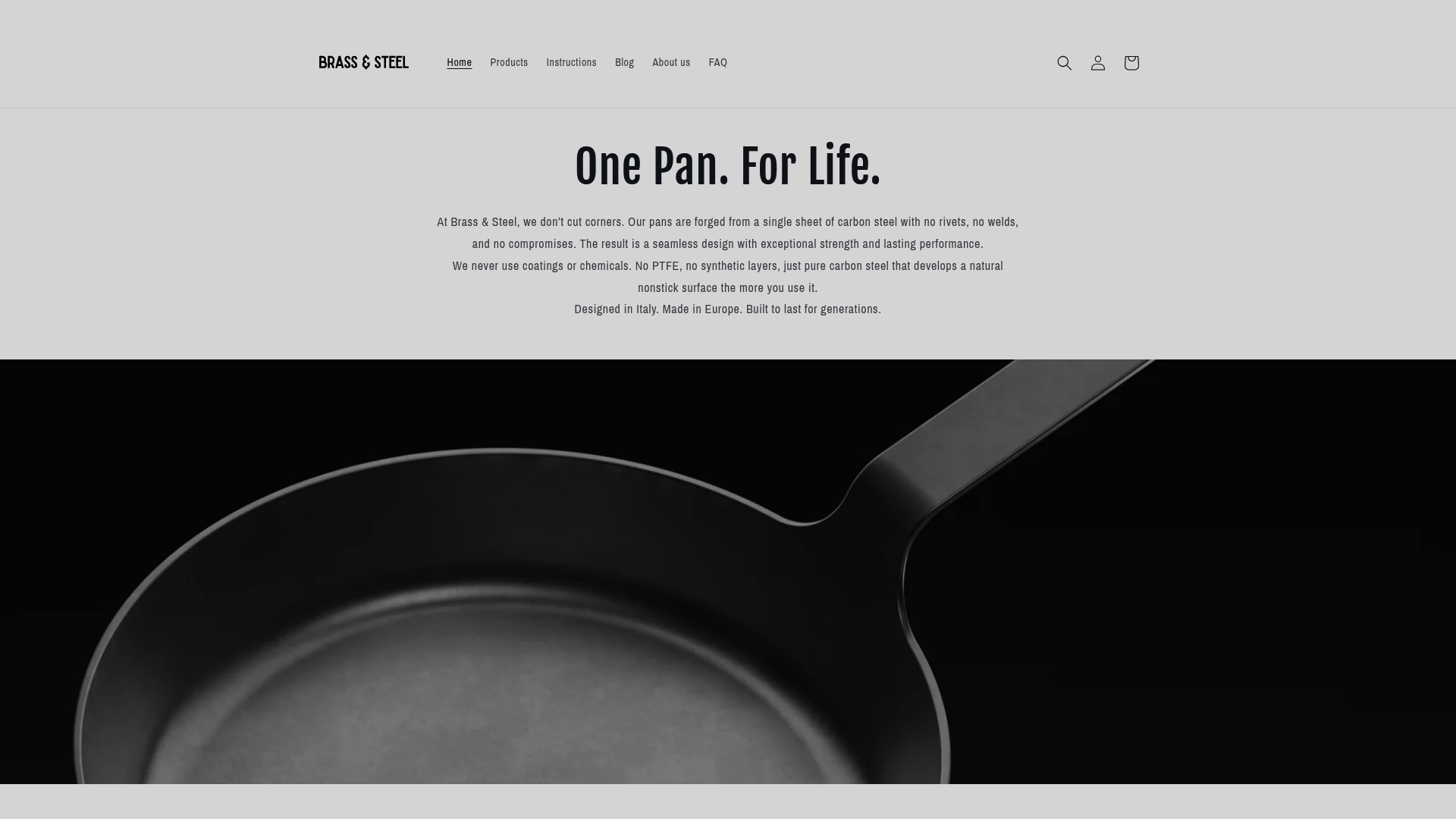
Our 27cm and 30cm sauté pans combine Italian design with Polish engineering precision. Each pan is forged from a single carbon steel sheet, eliminating rivets for seamless strength and easy cleaning. Whether you’re searing steaks, stir-frying vegetables, or finishing dishes in the oven, these pans deliver professional results.
Discover comprehensive guides covering carbon steel pan uses, essential selection tips, and proper seasoning techniques. These resources help you maximize your pan’s performance and build lasting cooking skills.
Frequently Asked Questions
How long does seasoning a carbon steel pan take?
Initial seasoning takes about 2 hours including prep and multiple oven cycles. Preheat your oven to 250°C, apply thin oil layers, and bake upside down for 30 minutes per cycle. Repeat 2-3 times for a solid base layer that improves with each use.
Can I use carbon steel pans on induction cooktops?
Yes, carbon steel works excellently on induction cooktops due to its magnetic properties. Use moderate power settings when the pan is empty or cold to prevent warping from rapid temperature changes. Once heated, carbon steel responds quickly to power adjustments for precise cooking control.
How to prevent rust on carbon steel pans?
Dry your pan immediately after washing and apply a thin oil layer before storing. Never leave water sitting in the pan or store it while damp. If rust spots appear, scrub them with steel wool, re-season the affected area, and resume your oiling routine.
Are carbon steel pans safe compared to nonstick coatings?
Carbon steel pans are completely safe with no chemical coatings to degrade or release fumes. The natural seasoning consists of polymerized oil bonded to the steel surface. Unlike PTFE coatings that break down at high temperatures, seasoned carbon steel becomes more nonstick and durable over time.
What is the ideal thickness for a carbon steel frying pan?
Thickness between 2.5mm and 3mm balances heat responsiveness with durability for home cooking. Thinner pans heat faster but may develop hot spots, while thicker pans retain heat better but take longer to adjust temperature. A 3mm pan offers the best compromise for everyday versatility.
Recommended
- How to Choose Best Carbon Steel Pan 2025 Guide – Brass & Steel
- Carbon Steel vs Stainless Steel Pan: Which Cooks Best? – Brass & Steel
- Carbon Steel Fry Pan vs Stainless Steel: Essential Differences for Ser – Brass & Steel
- 7 Different Types of Frying Pans Every Chef Should Know – Brass & Steel
- Unlock the Power of Effortless, High-Protein Cooking with Two Chicks and Eazy Egg Free Range Liquid Egg Whites – MyGymSupplements