Master the difference between sauté and frying techniques
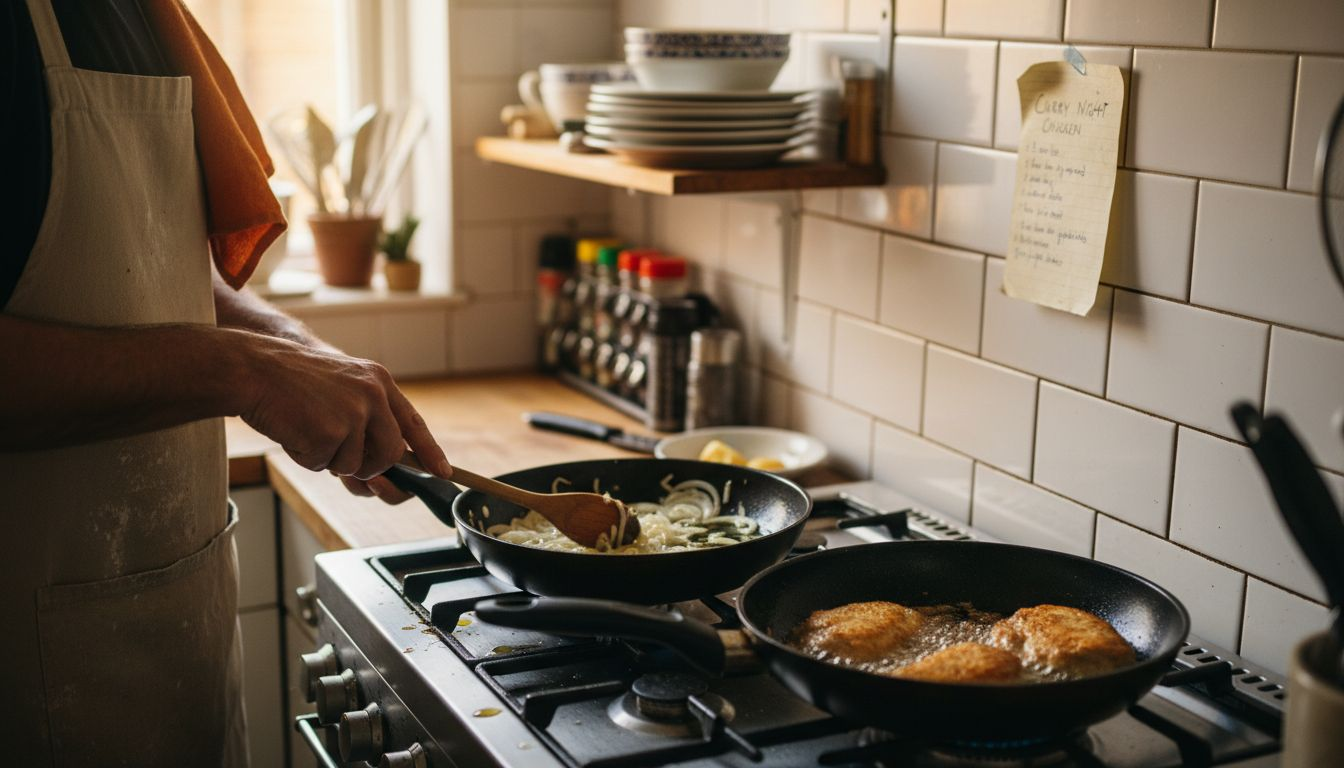
Many home cooks use sautéing and frying interchangeably, leading to disappointing results and damaged carbon steel pans. Understanding the distinct heat, oil, and technique requirements of each method transforms your cooking and protects your pan’s natural nonstick seasoning. This guide clarifies the critical differences, explains how each method affects food texture and flavour, and shows you how to master both techniques with carbon steel cookware.
Table of Contents
- Introduction To Sautéing And Frying
- Technical Definitions And Heat Management
- Food Texture And Flavour Outcomes
- Interaction With Carbon Steel Cookware
- Common Misconceptions And Seasoning Impact
- Best Practices For Mastery With Carbon Steel Pans
- Summary And Practical Applications
- Explore Top-Quality Carbon Steel Pans At Brass & Steel
- Frequently Asked Questions
Key takeaways
| Point | Details |
|---|---|
| Sautéing uses minimal oil | Less than 1 tablespoon at medium-high heat (160-200°C) creates browned, moist food without overwhelming your pan’s seasoning. |
| Frying demands more oil and heat | Partial to full oil immersion at 175-190°C produces crispy, golden crusts but requires careful seasoning maintenance afterward. |
| Carbon steel excels at both | 3-4 mm thickness delivers even heat distribution essential for precise temperature control in sautéing and frying. |
| Oil volume affects seasoning | Using too much oil in sautéing or neglecting post-frying care degrades your pan’s natural nonstick surface and causes sticking. |
| Technique mastery extends pan life | Proper heat management and seasoning maintenance maximise flavour, texture, and cookware longevity for years of reliable cooking. |
Introduction to sautéing and frying
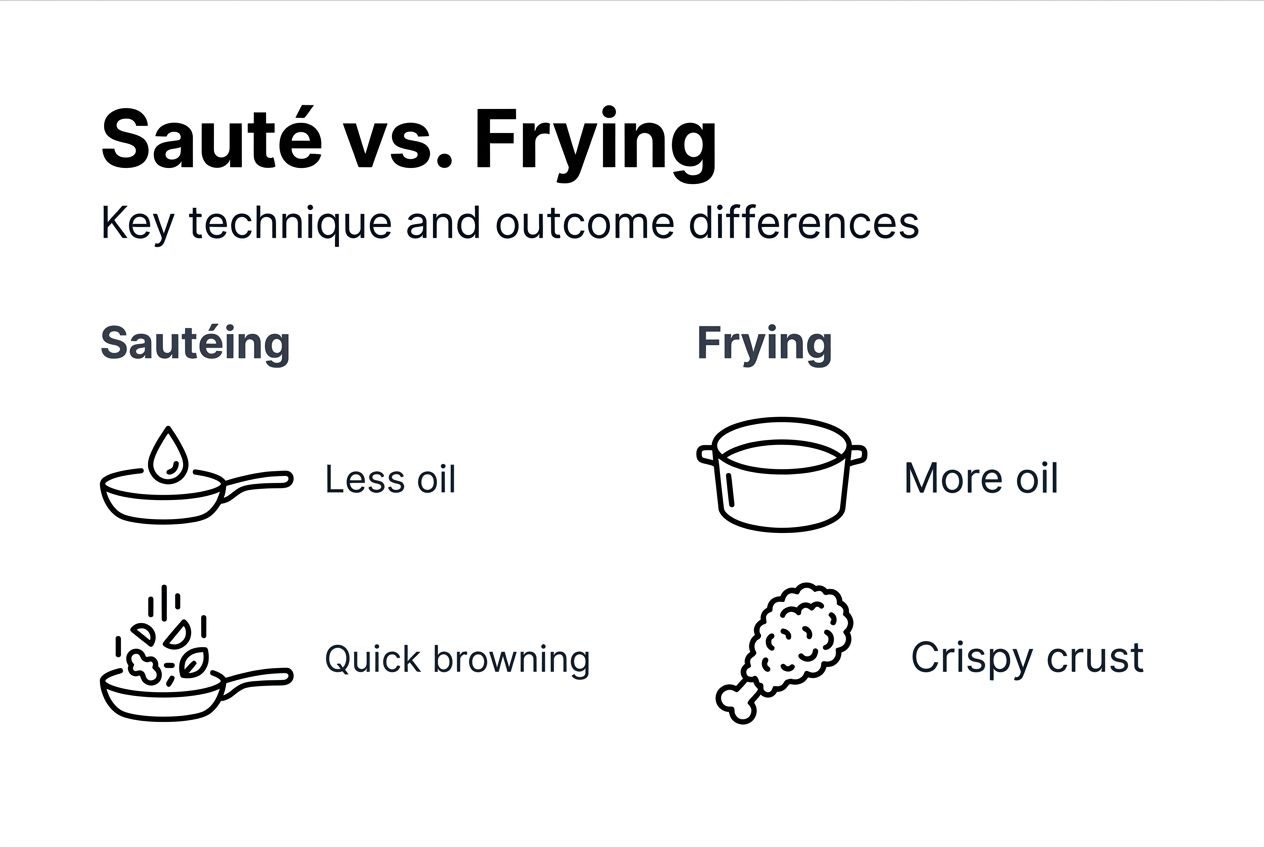
Sautéing involves cooking food quickly over medium to high heat with minimal oil, typically less than 1 tablespoon for a 30 cm pan. The technique browns food quickly whilst preserving moisture, creating tender vegetables, perfectly seared proteins, and flavourful aromatics. By contrast, frying cooks food partially or fully submerged in hot oil at higher temperatures, producing crispy exteriors and even cooking throughout.
These methods serve distinct culinary purposes in both home and professional kitchens. Sautéing excels at quick browning and softening, making it ideal for weeknight meals and delicate ingredients. Frying creates the crispy textures and golden crusts that define comfort foods and celebratory dishes. Each technique demands different oil quantities, heat levels, and timing to achieve optimal results.
Carbon steel pans perform exceptionally well for both methods when you understand their unique requirements. The pan’s superior heat retention and responsiveness support precise temperature control, essential for successful sautéing and frying. However, these techniques interact differently with your pan’s seasoning, requiring distinct approaches to maintain optimal nonstick performance and prevent sticking.
Mastering the technical distinctions between sautéing and frying empowers you to choose the right method for each dish whilst protecting your pan’s natural nonstick surface. Proper heat and oil management prevent common mistakes that damage seasoning, ensuring your carbon steel cookware delivers reliable performance for years.
Technical definitions and heat management
The fundamental difference between sautéing and frying lies in oil quantity and heat application. Sautéing typically uses less than 1 tablespoon of oil per 30 cm pan at temperatures between 160-200°C, just enough to coat the cooking surface thinly. This minimal oil creates direct contact between food and pan, promoting rapid browning through the Maillard reaction whilst preserving internal moisture.
Frying requires significantly more oil, from half a cup to a full cup depending on pan size and food volume, maintaining temperatures of 175-190°C. The larger oil volume partially or fully surrounds food, cooking it evenly from all sides and creating characteristic crispy textures. This immersion prevents direct pan contact, distributing heat uniformly through the oil medium.
Carbon steel pans with 3-4 mm thickness excel at both techniques by retaining and distributing heat evenly across the cooking surface. The substantial metal mass prevents temperature drops when you add food, crucial for maintaining the consistent heat needed for proper browning or crisping. Thinner pans create hot spots and temperature fluctuations that lead to uneven cooking and burnt spots.
Proper heat control separates successful cooking from disappointing results with both methods:
- Preheat your pan gradually over medium heat for 3-5 minutes before adding oil
- Test temperature by flicking water droplets onto the surface (they should dance and evaporate within 2 seconds)
- Add oil only when the pan reaches target temperature to prevent smoking and degradation
- Adjust heat throughout cooking to maintain steady temperatures without burning
- Monitor food closely, as carbon steel’s responsiveness means quick temperature changes
Understanding these technical parameters helps you use carbon steel pans safely and effectively. Temperature precision matters more than strict adherence to ranges, as different foods and desired outcomes require slight adjustments. Practice with a thermometer until you develop an intuitive feel for proper heat levels.
Food texture and flavour outcomes
Sautéing encourages rapid browning and caramelisation that creates moist, flavourful food with appealing colour and aroma. The minimal oil and direct pan contact trigger the Maillard reaction, producing hundreds of flavour compounds that add depth and complexity. Vegetables retain a pleasant bite whilst developing sweet, nutty notes. Proteins form attractive crusts whilst staying tender inside.
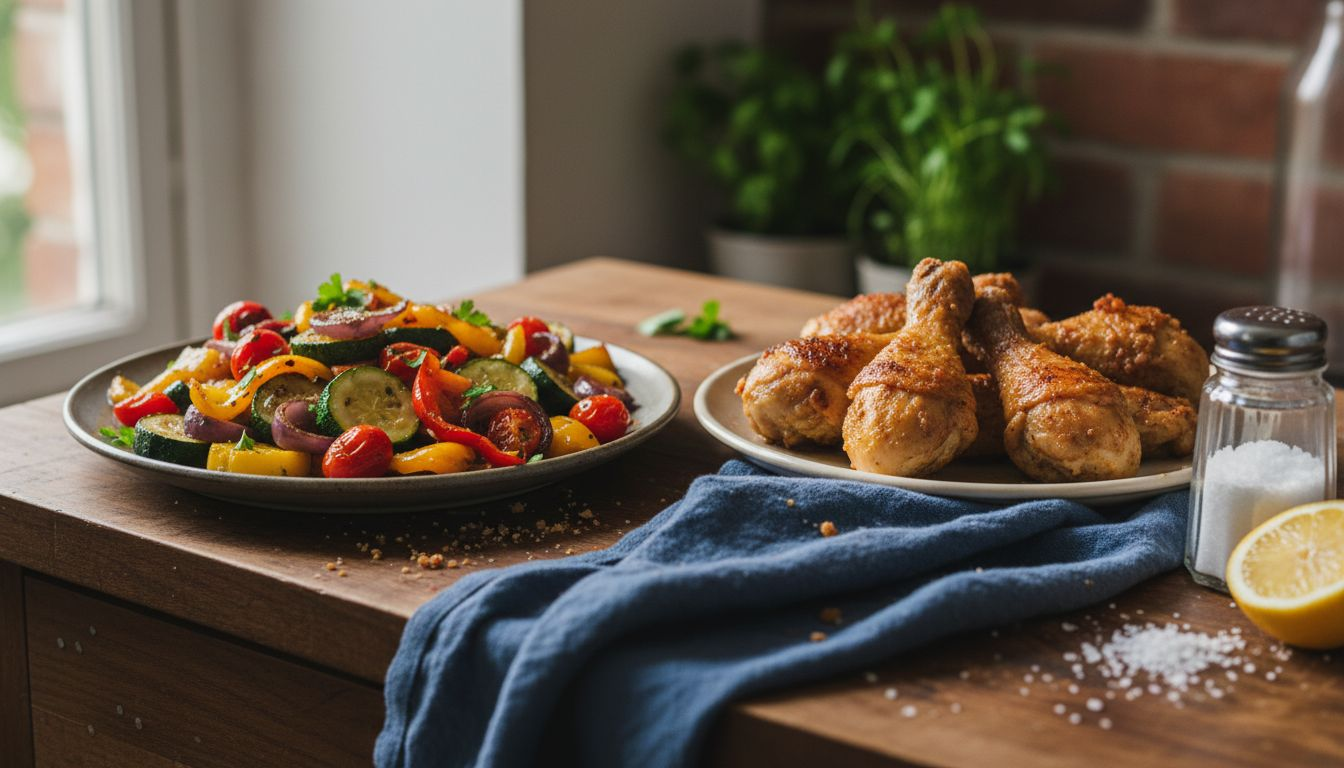
Frying develops a crispy, crunchy crust through sustained contact with hot oil and higher temperatures. The oil’s heat drives moisture from the food’s surface, creating the dry conditions necessary for crispness. Interior moisture converts to steam, cooking the food from inside whilst the exterior crisps. This produces the satisfying textural contrast that defines well-fried foods.
Texture differences between methods are dramatic and intentional:
- Sautéed foods retain moisture with light browning, offering tender bites with caramelised surfaces
- Fried foods develop pronounced crunch and golden colour with drier, crispier exteriors
- Sautéing preserves subtle flavours and natural textures better for delicate ingredients
- Frying creates bold, rich flavours through deeper browning and fat absorption
- Pan surface interaction varies, affecting both food quality and seasoning development
Flavour depth evolves differently with each technique based on oil quantity and cooking duration. Sautéing’s brief cooking time and minimal fat highlight ingredient flavours with subtle enhancement. Frying’s longer exposure and fat immersion create richer, more indulgent profiles that can overwhelm delicate tastes.
Pro Tip: Monitor oil temperature with a thermometer to optimise texture and protect seasoning. Temperatures below 160°C cause greasy absorption and poor browning, whilst exceeding 200°C burns oil and damages your pan’s nonstick surface.
These outcome differences guide your technique selection for perfect cooking results. Choose sautéing when you want quick browning with moisture retention, and frying when crispy textures and even cooking matter most. Both methods reward precision and attention to temperature control.
Interaction with carbon steel cookware
Carbon steel pans with 3-4 mm thickness deliver excellent heat retention and conduction essential for precise sautéing and frying. The substantial metal mass maintains steady temperatures when you add room-temperature ingredients, preventing the heat drops that cause sticking and uneven cooking. This thickness prevents hot spots that burn food whilst other areas remain undercooked.
Minimal oil use during sautéing actually strengthens your pan’s natural seasoning over time. The thin oil layer polymerises onto the cooking surface with each use, building the nonstick patina that makes carbon steel increasingly effective. This gradual seasoning development creates a durable, chemical-free nonstick surface superior to synthetic coatings.
Heavy oil use in frying can degrade seasoning and requires more frequent maintenance to preserve performance. Excess oil can soften existing seasoning layers, particularly if temperatures exceed 200°C for extended periods. The larger oil volumes also leave more residue that can turn sticky if not cleaned properly after cooking.
Improper heat or oil management damages seasoning, causing the sticking and uneven cooking that frustrate home cooks. Overheating breaks down polymerised oils into sticky residues. Using too much oil in sautéing prevents proper browning and leaves greasy films. Both issues compromise your pan’s nonstick properties and cooking performance.
Preserve your seasoning when alternating between sautéing and frying:
- Clean your pan with warm water immediately after cooking whilst still slightly warm
- Dry thoroughly over low heat for 30 seconds to evaporate all moisture completely
- Apply a thin layer of high-smoke-point oil whilst the pan is warm
- Wipe away excess oil until the surface appears almost dry
- Store in a dry location to prevent rust and maintain seasoning integrity
Proper pan care after cooking extends seasoning life and ensures consistent nonstick performance across all techniques. Gentle cleaning preserves seasoning layers whilst removing food residues that can turn rancid. Regular light oiling between uses maintains the protective barrier that prevents rust and sticking.
Follow these upkeep practices to maximise your carbon steel pan’s lifespan and cooking effectiveness. Consistent maintenance takes mere minutes but delivers decades of reliable service, making carbon steel an economical choice for serious cooks.
Common misconceptions and seasoning impact
Many cooks believe sautéing requires as much oil as frying, leading to greasy food and compromised seasoning. In reality, sautéing needs only enough oil to create a thin film across the pan surface. Using more oil breaks down seasoning rather than protecting it, creating sticky residues that interfere with the nonstick surface.
Another widespread misconception treats sauté and fry as interchangeable terms for the same cooking method. This confusion causes technique errors that produce disappointing results. The methods use different oil quantities, temperatures, and timing to achieve distinct textures and flavours. Applying frying techniques to dishes requiring sautéing yields greasy, overcooked food lacking proper browning.
Some cooks assume more oil improves nonstick performance during sautéing, when excessive fat actually damages the seasoning layer. The polymerised patina that creates nonstick properties forms through thin oil applications at high heat. Thick oil pools prevent proper polymerisation, leaving sticky films that attract food particles and reduce pan effectiveness.
Common misconceptions and corrections:
- Myth: Carbon steel needs oil coating between uses. Reality: A very thin wipe prevents rust without creating stickiness.
- Myth: Higher heat always means better browning. Reality: Excessive heat burns seasoning and food, destroying flavours.
- Myth: Frying damages carbon steel pans permanently. Reality: Proper cleaning and re-seasoning restore full performance.
- Myth: Seasoning happens instantly with enough oil. Reality: Gradual build-up through repeated cooking creates durable nonstick surfaces.
Proper oil and heat management protect your pan’s seasoning whilst improving cooking results across all techniques. Understanding true requirements versus assumed practices prevents the damage that leads to frustration and pan replacement.
Pro Tip: Avoid excessive oil in sautéing to maintain your pan’s natural nonstick surface. Use only enough to coat the surface thinly, adding more if food sticks rather than starting with excess.
Address seasoning concerns promptly by following proper re-seasoning procedures when performance declines. Regular attention to your seasoning checklist prevents major issues and maintains consistent nonstick performance.
Best practices for mastery with carbon steel pans
Master sautéing and frying with these proven practices:
- Preheat your carbon steel pan gradually over medium heat for 3-5 minutes before adding any oil
- Test readiness by flicking water droplets onto the surface (proper heat makes them dance and evaporate quickly)
- Add minimal oil for sautéing (less than 1 tablespoon) or moderate amounts for frying based on food volume
- Monitor temperature throughout cooking, adjusting heat to maintain steady levels without burning
- Clean promptly after cooking whilst the pan is still warm but not hot
- Dry thoroughly over low heat, then apply a very thin oil layer before storing
Control oil quantity with precision to optimise results and protect seasoning:
- Pour measured amounts rather than estimating, using tablespoons for sautéing and measuring cups for frying
- Swirl oil to coat the entire cooking surface evenly before adding food
- Add ingredients when oil shimmers but before it smokes (smoking indicates excessive heat)
- Avoid adding more oil mid-cooking unless food sticks persistently
Monitor pan temperature using an infrared thermometer or traditional heat tests to maintain optimal cooking conditions. Visual cues like oil shimmer and food sizzle provide reliable feedback once you develop experience. Adjust heat promptly when temperatures drift outside target ranges to prevent burning or inadequate browning.
Maintain seasoning through gentle cleaning and occasional oil reapplication between cooking sessions. Avoid harsh abrasives and extended soaking that strip seasoning layers. Building strong seasoning takes time but rewards you with effortless food release and superior cooking performance.
Pro Tip: Cook fatty foods frequently to strengthen seasoning naturally. Bacon, sausages, and well-marbled steaks release fats that polymerise onto the pan surface, building durable nonstick layers without dedicated seasoning sessions.
Follow safe usage practices to prevent warping and maintain even heating across your pan’s surface. Avoid thermal shock from cold water on hot pans, and never leave an empty pan over high heat for extended periods.
Consistent application of proper care techniques ensures your carbon steel pan delivers reliable performance for decades. Small daily habits compound into major benefits over time, making maintenance an investment in long-term cooking success.
Summary and practical applications
The distinction between sautéing and frying centres on oil quantity, heat application, and intended outcomes:
| Aspect | Sautéing | Frying |
|---|---|---|
| Oil volume | Less than 1 tablespoon | Half to full cup |
| Temperature | 160-200°C | 175-190°C |
| Food texture | Browned, moist, tender | Crispy, crunchy, golden |
| Cooking time | 3-8 minutes | 5-15 minutes |
| Seasoning impact | Strengthens gradually | Requires maintenance |
| Best applications | Quick vegetables, thin proteins | Breaded foods, thick cuts |
Choose your technique based on desired texture, cooking time, and ingredient characteristics. Delicate vegetables and thin proteins respond beautifully to sautéing’s quick browning and moisture retention. Breaded items and thick cuts benefit from frying’s even heat distribution and crispy crust development.
Maintain your carbon steel pan’s seasoning after each cooking session:
- Rinse with warm water whilst the pan is still slightly warm
- Scrub gently with a soft brush or cloth to remove food particles
- Dry completely over low heat for 30 seconds
- Apply a very thin oil layer whilst warm
- Wipe away excess until surface appears almost dry
- Store in a dry location away from moisture
Use sautéing for these common preparations:
- Sliced vegetables requiring quick browning with retained crunch
- Thin chicken breasts, fish fillets, or beef medallions needing rapid cooking
- Aromatics like garlic, onions, and shallots building flavour bases
- Stir-fries combining multiple ingredients with varied textures
Apply frying techniques when preparing:
- Breaded cutlets, croquettes, or fritters needing crispy exteriors
- Thick pork chops, chicken thighs, or steak cuts requiring even cooking
- Potato preparations like chips or hash browns demanding golden crusts
- Delicate items like eggs or crepes benefiting from gentle, even heat
Consistent application of proper techniques maximises both food quality and pan longevity. Your carbon steel cookware rewards careful attention with decades of reliable performance, building seasoning strength and nonstick effectiveness over years of use. Follow the complete seasoning checklist to maintain optimal condition through all cooking methods.
Explore top-quality carbon steel pans at Brass & Steel
Brass & Steel crafts professional-grade carbon steel pans engineered for serious cooks who demand precision heat control and lasting performance. Our single-piece forged construction eliminates rivets and welds, creating seamless surfaces that simplify cleaning whilst delivering superior strength. Each pan’s 3-4 mm thickness provides the even heat distribution essential for mastering both sautéing and frying techniques.
Our carbon steel cookware develops natural nonstick properties through proper seasoning, offering a safe alternative to synthetic coatings whilst supporting the high-heat cooking that builds exceptional flavours. Discover detailed guides on pan care and maintenance that help you maximise your cookware’s potential and longevity. Browse our range to find the perfect pan for your culinary ambitions.
Frequently asked questions
How does sautéing oil quantity affect seasoning compared to frying?
Sautéing’s minimal oil (less than 1 tablespoon) gradually strengthens seasoning through repeated thin applications that polymerise into durable nonstick layers. Frying’s larger oil volumes can soften existing seasoning if temperatures exceed 200°C, requiring prompt cleaning and re-oiling after cooking. Both techniques support seasoning when you manage heat properly and maintain consistent care routines.
What heat range prevents sticking whilst maintaining pan health?
Maintain temperatures between 160-200°C for sautéing and 175-190°C for frying to achieve proper browning without damaging seasoning. Lower temperatures cause food to stick and absorb excess oil, whilst higher heat burns polymerised layers and creates sticky residues. Use visual cues like oil shimmer and gentle food sizzle to gauge proper heat levels.
How do I maintain seasoning quickly after frying?
Clean your pan with warm water whilst still slightly warm, dry thoroughly over low heat for 30 seconds, then apply a very thin oil layer before storing. This simple routine prevents rust, removes residues that can turn rancid, and maintains the protective seasoning barrier. Complete the process within 5 minutes of finishing cooking for best results. For damaged seasoning, follow proper re-seasoning steps to restore nonstick performance.
When should I choose sautéing over frying for common ingredients?
Choose sautéing for thin proteins, delicate vegetables, and quick-cooking aromatics requiring browning with moisture retention. Select frying for breaded items, thick cuts, and preparations demanding crispy textures and even cooking throughout. Consider cooking time, desired texture, and ingredient thickness when deciding between methods.
What signs indicate seasoning breakdown and how do I restore it?
Dull appearance, sticky surfaces after cleaning, persistent food sticking, and rust spots signal degraded seasoning requiring attention. Scrub affected areas with coarse salt and oil, rinse thoroughly, dry completely, then re-season following the oven method at 250°C with thin oil applications. Repeat 2-3 times to rebuild strong nonstick properties and protect against future damage.