Saute Pan vs Skillet: Choosing for Precision Cooking
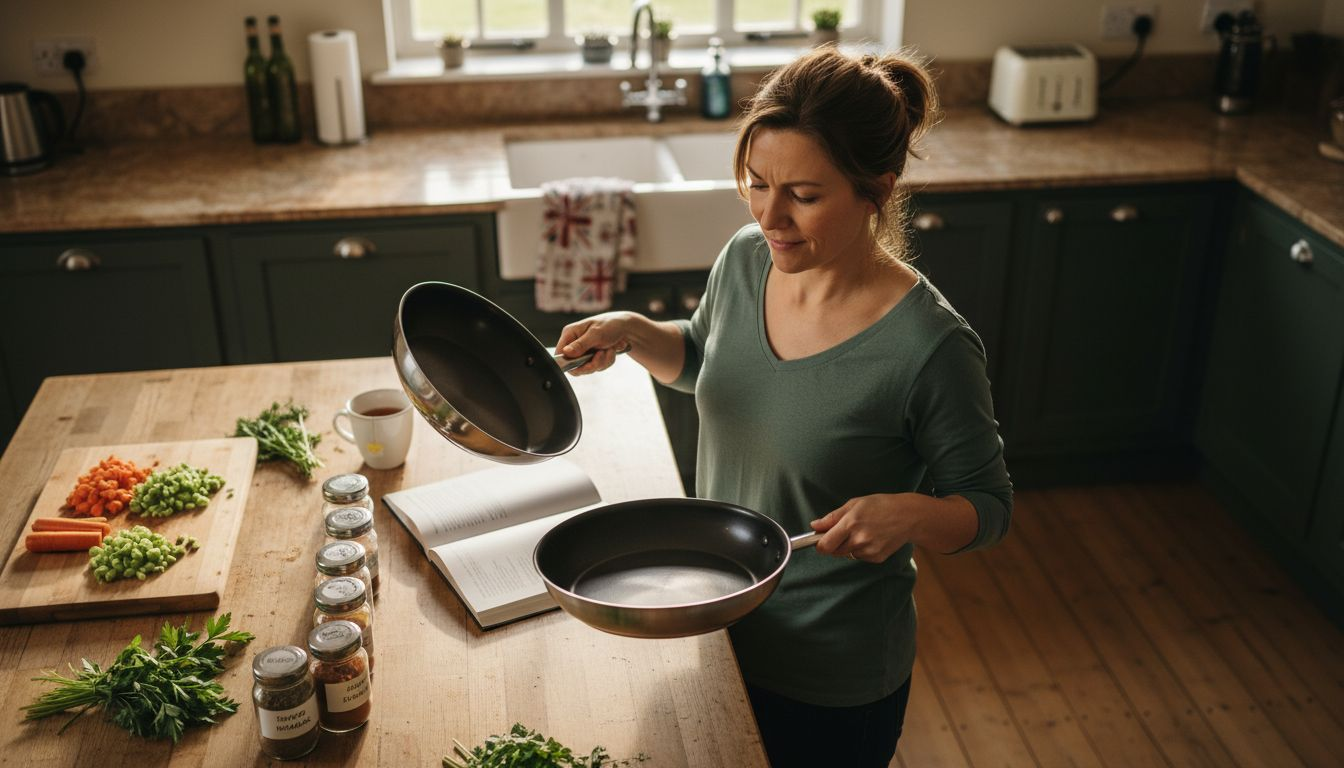
Finding the perfect pan can make the difference between a flawless sauce and a messy kitchen mishap. For home cooks and professional chefs across Europe, the debate between sauté pans and skillets is more than a matter of shape. Each design uniquely affects heat control, moisture retention, and food texture, making your choice crucial for consistent results. This guide cuts through confusion and highlights the most important differences so you can select the right carbon steel cookware for every technique.
Table of Contents
- Saute Pan and Skillet Defined Clearly
- Core Design Differences Explained
- Heat Distribution and Cooking Results
- Which to Choose for Each Technique
- Common Pitfalls and Selection Advice
Key Takeaways
| Point | Details |
|---|---|
| Difference in Design | Skillets have sloped sides for quick, high-heat cooking, while sauté pans feature straight sides for better control and liquid handling. |
| Cooking Techniques | Choose skillets for searing, stir-frying, and rapid cooking, and sauté pans for braising, poaching, and sauce reduction. |
| Heat Management | Skillets provide immediate heat for crisp textures, whereas sauté pans maintain steady temperatures for delicate cooking processes. |
| Cookware Selection | Invest in both skillets and sauté pans to enhance cooking versatility and match your culinary techniques effectively. |
Saute Pan and Skillet Defined Clearly
Kitchen cookware can be surprisingly nuanced, with subtle design differences dramatically affecting cooking performance. Sauté pans and skillets might look similar at first glance, but they have distinct characteristics that make them suited for different culinary techniques.
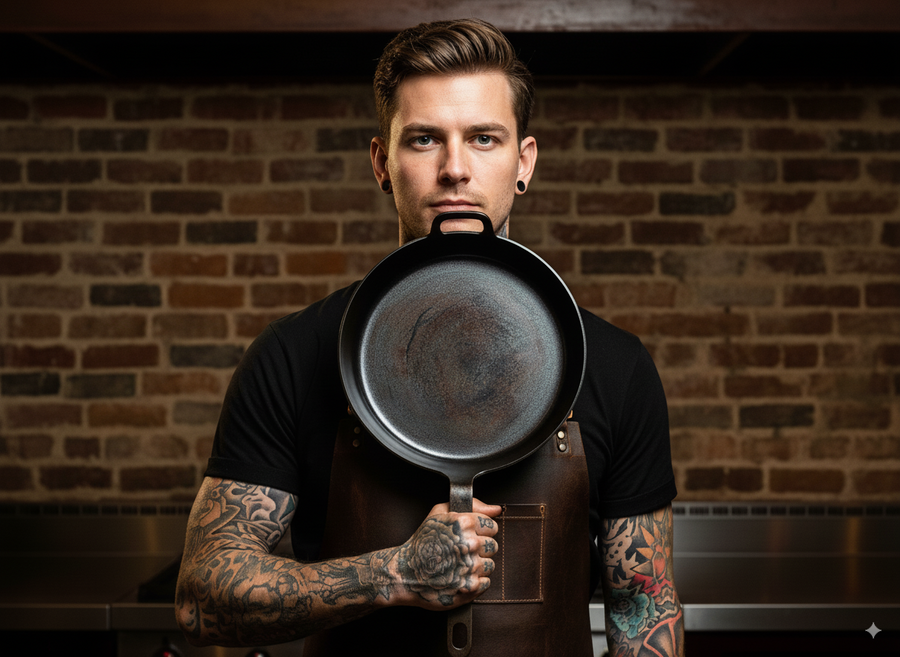
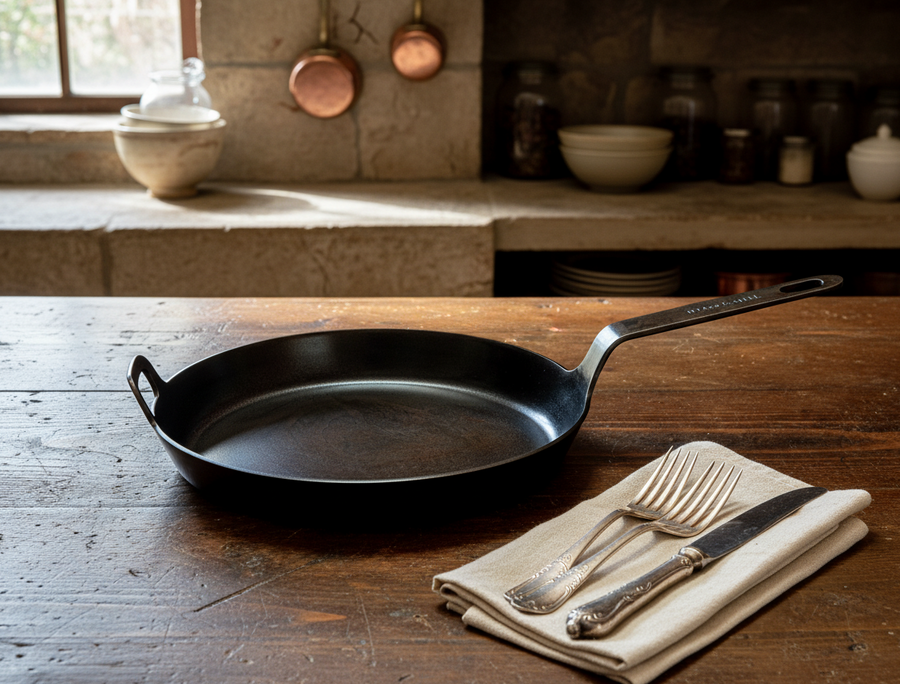
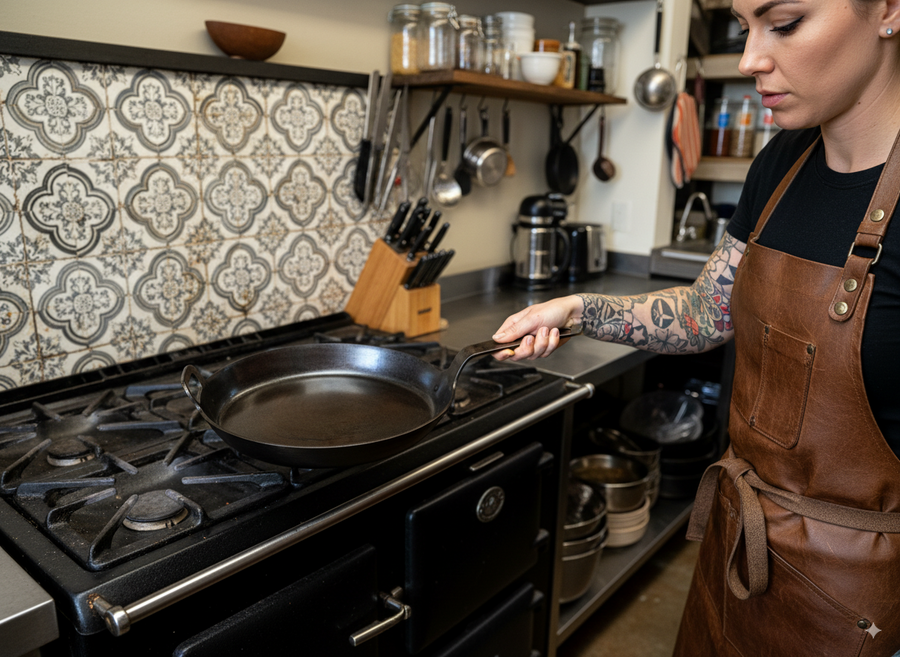
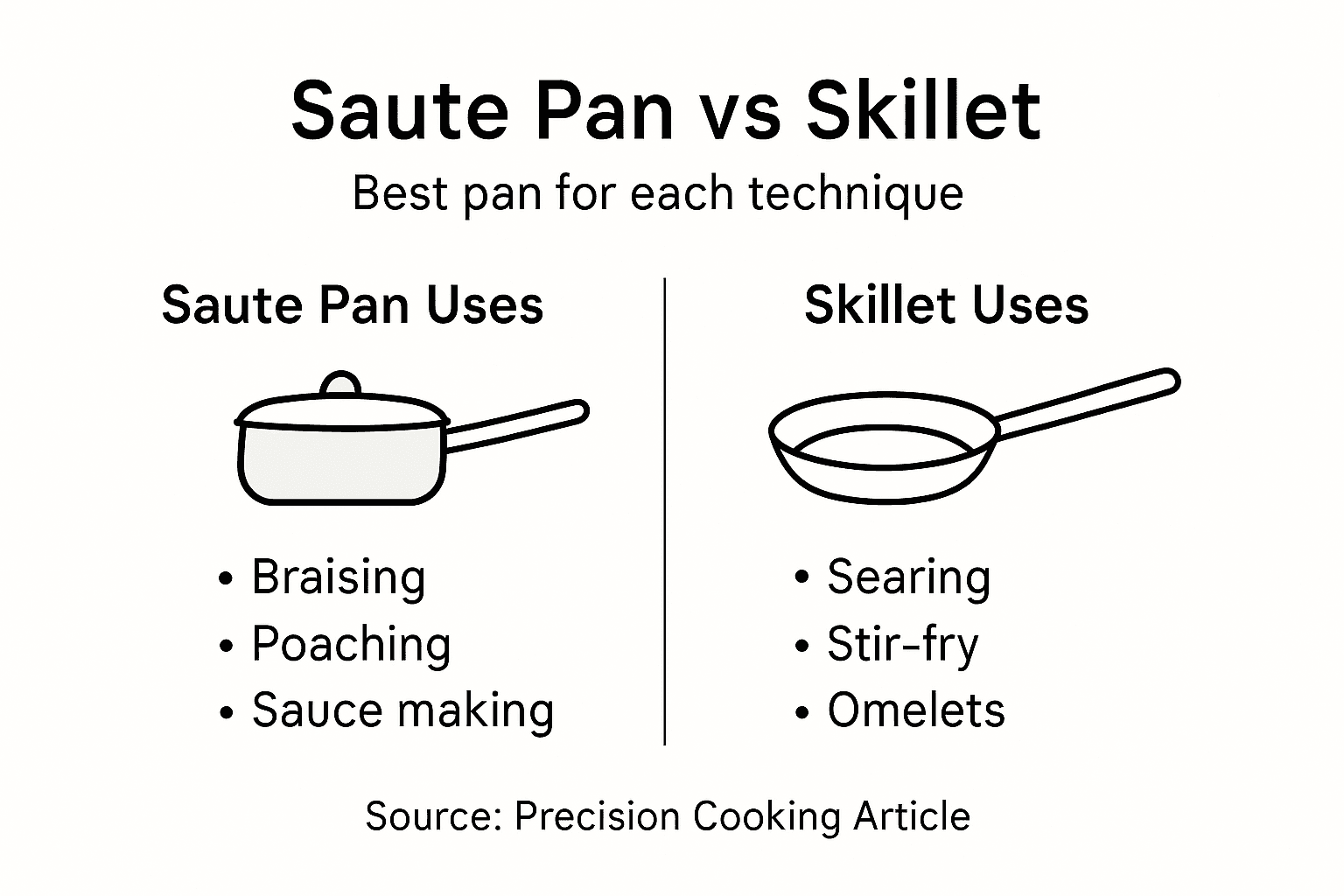
A comprehensive breakdown reveals key differences between these two essential cooking tools. Skillets, often called frying pans, feature distinctive curved or sloped sides that facilitate easy movement of food and promote rapid evaporation during high-heat cooking. Their design allows excellent heat distribution and makes them perfect for techniques like pan-frying, stir-frying, and searing meats.
By contrast, sauté pans have straight, tall sides and typically come with a lid, creating a more versatile cooking vessel. These pans are engineered to handle both dry heat and liquid-based cooking methods. Their design enables:
- Braising meats and vegetables
- Poaching delicate ingredients
- Reducing sauces effectively
- Conducting multi-stage cooking techniques
Professional chefs appreciate the nuanced differences between these pans, selecting their cookware based on specific cooking requirements. While skillets excel at quick, high-heat cooking, sauté pans offer more control and liquid-handling capabilities.
Here’s a concise comparison of skillet and sauté pan features and best applications:
| Aspect | Skillet | Sauté Pan |
|---|---|---|
| Wall Design | Sloped sides | Straight, vertical sides |
| Heat Response | Rapid and direct | Steady and controlled |
| Common Use | Searing, stir-frying | Braising, sauce reduction |
| Moisture Handling | Promotes evaporation | Retains liquids |
| Typical Lid Included | Not usually | Frequently included |
Pro tip: Consider your most frequent cooking techniques when selecting between a skillet and a sauté pan to ensure you have the most suitable tool for your culinary needs.
Core Design Differences Explained
The architectural distinctions between sauté pans and skillets are more than mere aesthetic variations—they fundamentally transform cooking performance. Precise wall geometry dramatically influences how ingredients interact with heat and cooking surfaces.
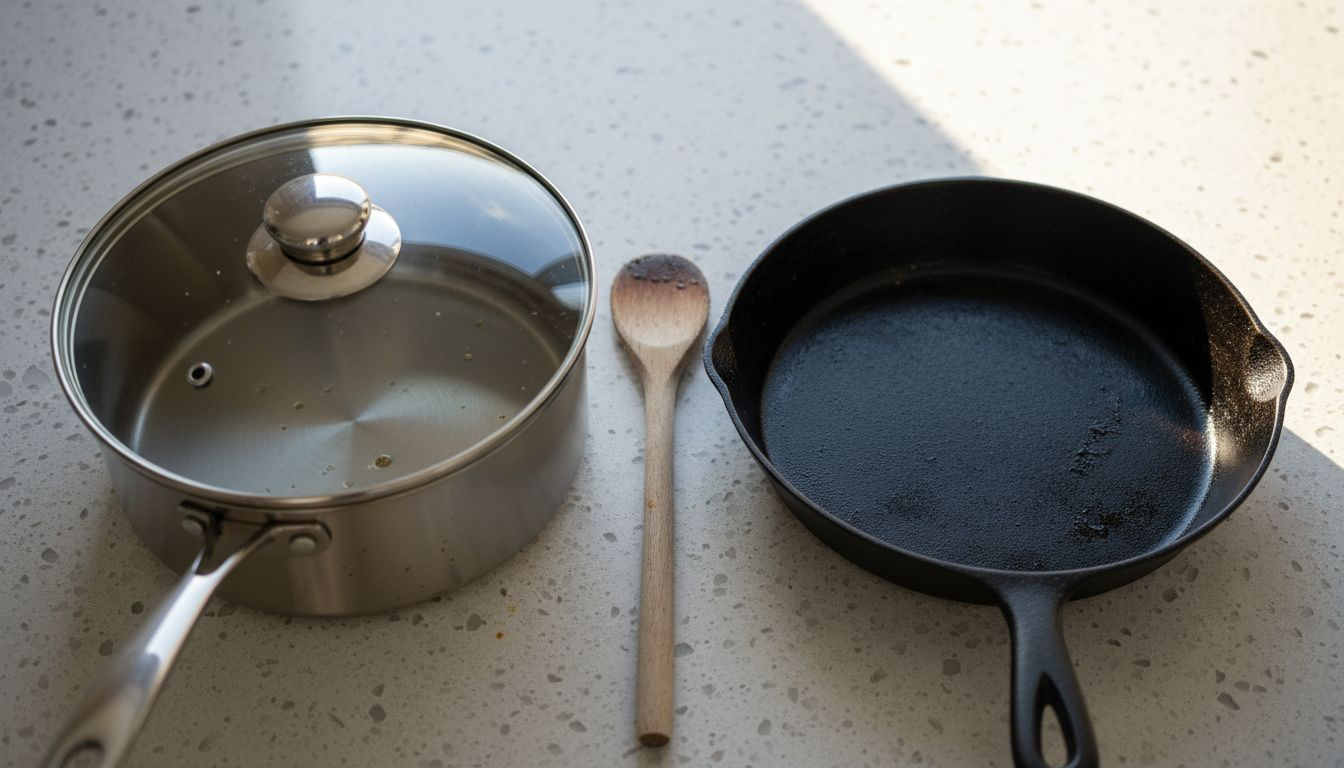
Skillet design prioritises dynamic cooking techniques. Their sloped, angled walls create natural momentum for tossing and flipping ingredients, making them exceptional for high-heat methods like searing and stir-frying. The curved sides allow moisture to evaporate quickly and facilitate rapid food movement, which is crucial for techniques requiring constant ingredient agitation.
Sauté pans, by contrast, offer a distinctly different architectural approach. Their defining characteristics include:
- Vertical, straight-sided walls
- Deeper vessel profile
- Typically included lid
- Larger liquid-holding capacity
- Greater surface area for browning
The straight sides of sauté pans provide several strategic advantages. Vertical wall design enables more controlled cooking environments, particularly for techniques involving liquids or multi-stage preparations. These pans excel at:
- Braising meats with minimal liquid loss
- Creating reduction sauces
- Maintaining consistent heat distribution
- Preventing ingredient spillage during cooking
Pro tip: Examine your most frequent cooking methods and select cookware that complements your primary culinary techniques for optimal kitchen performance.
Heat Distribution and Cooking Results
Heat transfer in cookware is a complex science that dramatically influences cooking outcomes. Precise pan design impacts how ingredients transform under thermal energy, making the choice between a skillet and sauté pan more than just aesthetic preference.
Skillets excel in high-heat, rapid cooking scenarios. Their thin, sloped walls promote immediate heat conductivity, creating perfect conditions for searing meats and achieving rapid caramelisation. The angled sides allow moisture to evaporate quickly, ensuring crisp textures and beautiful browning—ideal for techniques demanding intense, direct heat application.
In contrast, sauté pans offer a more nuanced approach to heat management. Their characteristics include:
- Thicker wall construction
- Greater thermal mass
- Slower, more even heat distribution
- Superior moisture retention
- Ability to maintain consistent temperatures
Heat distribution dynamics vary significantly between these cookware types. Sauté pans are engineered for controlled, steady cooking environments that support:
- Gentle protein poaching
- Gradual sauce reduction
- Complex multi-stage recipes
- Consistent temperature maintenance
Pro tip: Match your cooking technique to the pan’s inherent heat management characteristics for consistently superior culinary results.
Which to Choose for Each Technique
Navigating the culinary landscape requires understanding how different cookware serves specific cooking techniques. Precise pan selection transforms cooking performance, turning potentially mediocre meals into extraordinary culinary experiences.
Skillets reign supreme in high-heat, quick-cooking scenarios that demand rapid thermal response and ingredient manipulation. Ideal for techniques that require:
- Pan frying with minimal oil
- Stir frying with constant movement
- Searing meats at high temperatures
- Quick browning of ingredients
- Creating crisp exterior textures
Cooking style determines pan choice dramatically. Sauté pans excel in more complex, liquid-based cooking methods that require controlled heat and consistent temperature maintenance:
- Braising tough meat cuts
- Poaching delicate proteins
- Creating reduction sauces
- Slow cooking one-pot dishes
- Managing multi-stage recipes
Professional chefs understand that cookware is an extension of culinary technique. Each pan represents a specialised tool designed to enhance specific cooking approaches, transforming raw ingredients into perfectly prepared dishes.
Pro tip: Invest in both a skillet and a sauté pan to ensure comprehensive cooking versatility in your kitchen.
This summary helps match pan choices to specific cooking goals:
| Cooking Goal | Best Pan Type | Reason |
|---|---|---|
| Quick browning | Skillet | Fast heat transfer, airy movement |
| Maintaining tenderness | Sauté Pan | Controls heat, prevents ingredient drying out |
| Reducing sauces | Sauté Pan | Larger surface, optimal moisture retention |
| Crisp texture | Skillet | Moisture evaporates quickly, browning achieved |
| Multi-stage recipes | Sauté Pan | Consistent temperature, versatile with liquids |
Common Pitfalls and Selection Advice
Cooking equipment selection requires more nuance than simply grabbing the first pan you see. Avoiding common cookware mistakes can transform your culinary results from mediocre to magnificent.
Home cooks frequently make critical errors by treating skillets and sauté pans as interchangeable. These pans, while similar, have distinctly different capabilities that dramatically influence cooking outcomes. The most prevalent mistakes include:
- Attempting to braise in a skillet
- Searing delicate proteins in a sauté pan
- Ignoring pan wall geometry
- Using incorrect heat techniques
- Misunderstanding thermal conductivity
The selection process demands careful consideration of your primary cooking techniques. Professional chefs recommend evaluating your typical recipes and matching them with appropriate cookware. Key selection criteria involve:
- Frequency of high-heat cooking
- Predominant cooking techniques
- Types of ingredients typically prepared
- Desired texture and flavour development
- Kitchen storage constraints
Understanding each pan’s strengths allows for more precise cooking. A skillet’s sloped sides create ideal conditions for quick searing and moisture evaporation, while a sauté pan’s straight walls support controlled, liquid-based cooking methods.
Pro tip: Invest time in understanding your cooking style before purchasing cookware to ensure you select the most versatile and appropriate pan for your culinary needs.
Elevate Your Cooking with Precision Carbon Steel Cookware
Choosing between a sauté pan and a skillet is about matching your cookware to your cooking style for the best results. The article highlights the importance of pan design, heat management, and cooking technique compatibility. If you want lasting performance, excellent heat retention, and a natural nonstick surface, Brass & Steel’s crafted carbon steel pans deliver exactly that. Their pans combine minimalist design with single-piece forged construction for superior durability and control.
Explore our Carbon Steel Collection | Brass&Steel to find expertly designed 27 cm and 30 cm sauté pans perfect for braising, searing, and sauce reduction. Don’t settle for cookware that limits your culinary precision. Visit Brass & Steel now and invest in heirloom quality cookware engineered for serious cooks seeking the ultimate kitchen experience.
Frequently Asked Questions
What is the main difference between a sauté pan and a skillet?
Sauté pans have straight, tall sides and often include a lid, which makes them ideal for liquid-based cooking methods. Skillets have sloped sides that promote rapid evaporation and are better suited for high-heat techniques like frying and searing.
When should I use a sauté pan instead of a skillet?
Use a sauté pan for cooking methods that involve liquids, such as braising, poaching, or creating sauces, as its design helps retain moisture and provides more control over the cooking environment.
Can I use a skillet for braising or poaching?
While it is possible, it’s not recommended. Skillets lack the straight sides and deeper profile of sauté pans, which are better suited for braising and poaching, as they help manage liquids and prevent spills.
How does heat distribution differ between a sauté pan and a skillet?
Skillets promote rapid and direct heat, making them ideal for quick cooking methods. Sauté pans have thicker walls that provide steady, even heat distribution, which is essential for more delicate cooking methods that require temperature control.