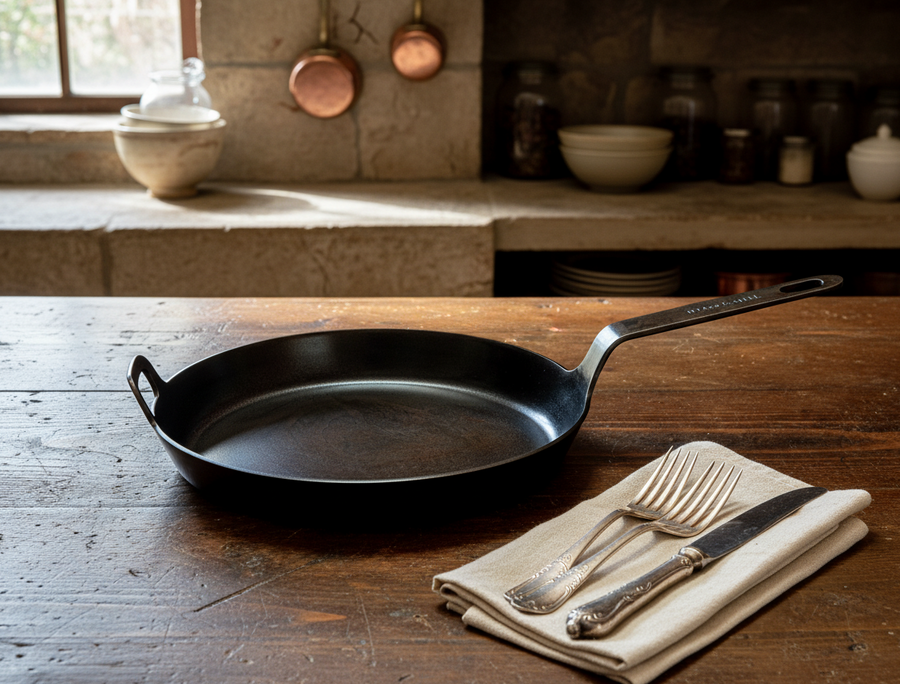
Saute Pan Usage Workflow for Perfect Cooking Results

Every british home cook knows a well-seasoned carbon steel sauté pan can transform an ordinary meal. Yet nearly 60 percent of people find proper pan care confusing or intimidating, risking flavor and longevity. Whether you are reviving a family heirloom or breaking in a new kitchen tool, learning the right steps ensures your pan delivers consistent results and develops rich character with every use. Mastering these techniques can make all the difference at every stage of cooking.
Table of Contents
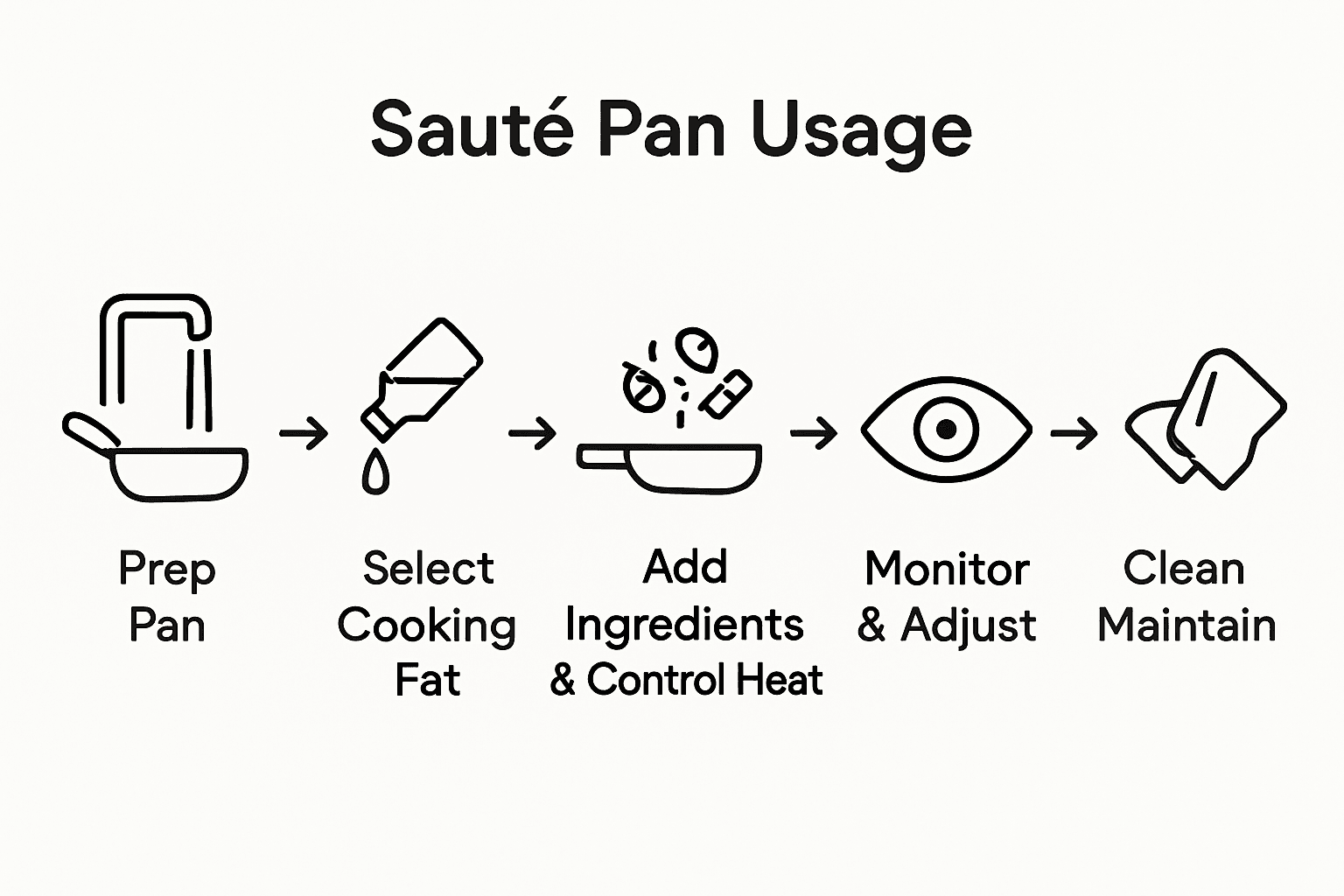
- Step 1: Prepare Your Carbon Steel Saute Pan
- Step 2: Select and Preheat Your Cooking Fat
- Step 3: Add Ingredients and Control Heat
- Step 4: Monitor Cooking and Adjust Technique
- Step 5: Clean and Maintain Your Saute Pan
Quick Summary
| Key Message | Explanation |
|---|---|
| 1. Properly season your pan. | Clean the pan, apply a thin oil layer, and gradually heat it to create a nonstick surface. |
| 2. Choose the right cooking fat. | Use oils with high smoke points for optimal cooking performance without overpowering flavours. |
| 3. Control heat and space ingredients. | Maintain consistent medium heat and avoid overcrowding to ensure even searing and cooking. |
| 4. Monitor cooking closely. | Adjust heat and technique based on visual cues and ingredient texture for perfect doneness. |
| 5. Care for your pan regularly. | Clean gently, dry thoroughly, and apply oil to maintain seasoning and extend the pan’s lifespan. |
Step 1: Prepare Your Carbon Steel Saute Pan
Preparing your carbon steel sauté pan is a crucial first step in ensuring outstanding cooking performance. You will transform a raw piece of cookware into a seasoned kitchen workhorse with remarkable nonstick properties.
Begin by thoroughly washing your new pan with warm water and mild soap to remove any protective shipping coating. Pat the pan completely dry using a clean kitchen towel. Next, select a neutral oil with a medium smoke point for seasoning. Professional seasoning techniques recommend using oils like canola or grapeseed, which create a durable protective layer without imparting unwanted flavours.
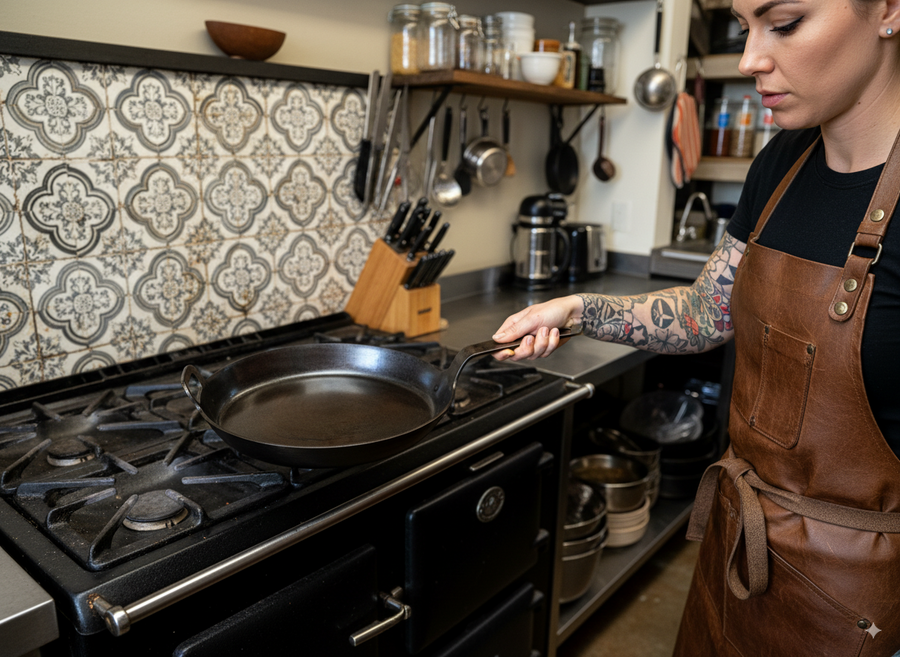
To create an effective seasoning, heat your pan gradually. Place it on a stovetop at medium heat and allow it to warm evenly. Once heated, apply a thin layer of your chosen oil using a paper towel, ensuring complete but minimal coverage. The goal is a gossamer thin coating that will polymerise and create a natural nonstick surface.
Chef’s recommendation: Work in a well-ventilated area during seasoning, as the process can produce light smoke. Rotate the pan periodically to distribute heat and oil evenly across the surface.
Pro tip: Always handle your newly seasoned pan with care. The initial seasoning is delicate and will continue to improve with each subsequent cooking session.
Step 2: Select and Preheat Your Cooking Fat
Choosing the right cooking fat is critical for achieving perfect results with your carbon steel sauté pan. Your selection will impact flavour, cooking performance and overall dish quality.
When selecting a cooking fat, prioritise oils with high smoke points that complement your cooking technique. Neutral cooking oils with medium smoke points such as grapeseed, sunflower, and canola work exceptionally well. These oils create a smooth cooking surface without imparting strong flavours that might interfere with your dish.
To preheat your chosen fat, place your carbon steel sauté pan over medium heat. Allow the pan to warm gradually and evenly, which helps distribute heat and prevents hot spots. Pour a small amount of oil into the pan, tilting it to ensure complete coverage across the cooking surface. Watch for the oil to shimmer slightly this indicates it is ready for cooking.
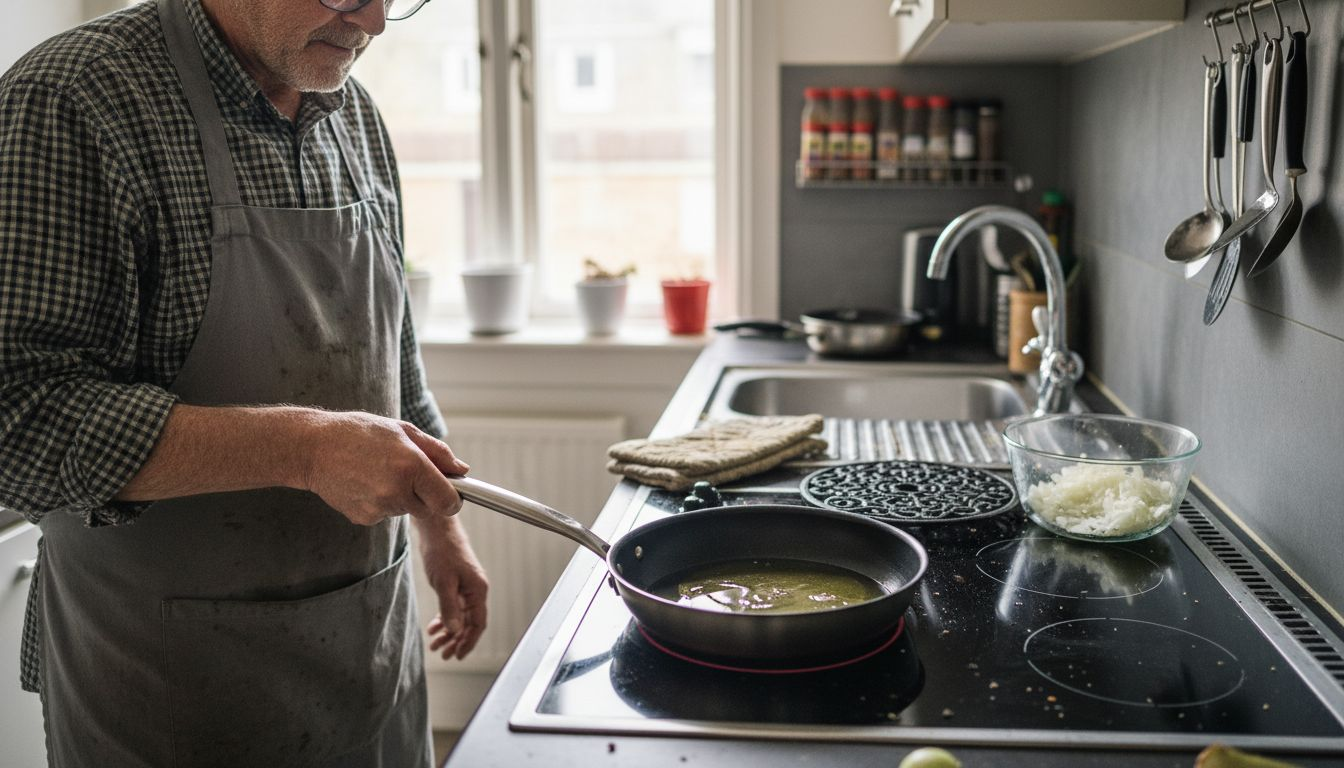
As the oil heats, you will notice it becoming more fluid and developing a slight sheen. This preparatory stage is crucial for creating an optimal cooking environment that prevents ingredient sticking and promotes beautiful caramelisation.
Pro tip: Always match your cooking fat to your recipe. Different cuisines and cooking techniques benefit from specific oils that enhance rather than mask the natural flavours of your ingredients.
Here is a comparison of common oils used for seasoning and cooking in carbon steel pans:
| Oil Type | Smoke Point | Flavour Impact | Best Use |
|---|---|---|---|
| Canola | Medium (204°C) | Very neutral | Seasoning, sautéing |
| Grapeseed | Medium-high (216°C) | Neutral, light | Seasoning, frying, searing |
| Sunflower | Medium-high (225°C) | Mild, clean | General cooking |
| Olive (light) | Medium (200°C) | Slightly fruity | Quick sautéing, finishing |
| Avocado | High (271°C) | Mild, buttery | High-heat searing |
Step 3: Add Ingredients and Control Heat
Adding ingredients to your carbon steel sauté pan requires precision and understanding of heat management. Your goal is to create perfectly cooked dishes with ideal texture and flavour.
Gradual heat control is paramount when cooking with carbon steel. Start by placing ingredients in the pan systematically rather than overcrowding. This approach allows each piece to develop a beautiful golden crust and prevents steaming instead of searing. Position proteins or vegetables with enough space between them to ensure maximum surface contact with the hot pan.
Maintain a consistent medium heat throughout cooking. Carbon steel conducts heat exceptionally well which means slight adjustments can dramatically impact your dish. Watch for visual cues like slight sizzling and browning edges that indicate optimal cooking temperature. If the pan becomes too hot, reduce the flame to prevent burning and maintain an even cooking environment.
Remember that different ingredients require unique heat approaches. Delicate items like fish need gentler temperatures while robust meats can withstand more aggressive heat. Pay attention to how ingredients interact with your pan surface and adjust accordingly.
Pro tip: Always preheat your carbon steel pan before adding ingredients to ensure an even cooking surface and prevent sticking.
Step 4: Monitor Cooking and Adjust Technique
Monitoring your cooking process is an art form that transforms good meals into extraordinary culinary experiences. Your carbon steel sauté pan demands attentive technique and responsive heat management.
Carefully observe your ingredients as they cook and be prepared to make instant adjustments. Understand the limitations of cooking acidic ingredients in your carbon steel pan. Tomatoes, vinegar, and citrus can potentially react with the steel surface and compromise your seasoning if left cooking for extended periods.
Watch for subtle visual cues that indicate cooking progression. A perfect golden brown colour suggests ideal caramelisation while uneven patches might mean you need to adjust your pan positioning or heat level. Listen to the sizzling sounds which provide auditory feedback about moisture evaporation and cooking intensity. Move ingredients around gently using a spatula to ensure uniform cooking and prevent sticking.
Practise the skill of reading your ingredients temperature and texture. Proteins like chicken or fish require different monitoring techniques compared to robust vegetables. Learn to recognise when each ingredient reaches its optimal doneness through colour, firmness, and cooking sounds.
Pro tip: Always keep a wooden spatula or tongs nearby to manage ingredients swiftly and prevent overcooking or burning.
Step 5: Clean and Maintain Your Saute Pan
Cleaning and maintaining your carbon steel sauté pan is essential for preserving its performance and extending its lifetime. Proper care ensures your cookware remains a reliable kitchen companion for years to come.
Efficient cleaning techniques involve more than just standard washing. Begin by wiping away excess food residue immediately after cooking using a paper towel or soft cloth. For stubborn food particles, boil a small amount of water in the pan to help loosen stuck remnants. When necessary, use coarse salt as a gentle abrasive to scour the surface without damaging the seasoning.
After cleaning, thoroughly dry your pan to prevent rust formation. Use a clean kitchen towel or heat the pan briefly on the stovetop to ensure complete moisture removal. Once dry, apply a thin layer of cooking oil to maintain the pan’s protective seasoning. This process helps prevent oxidation and keeps the surface smooth and ready for your next culinary adventure.
Avoid using harsh detergents or metal scrubbers which can strip away the carefully developed seasoning. Instead, opt for soft cloths, wooden scrapers, or silicone utensils that protect your pan’s delicate surface. Regular maintenance will develop a beautiful patina that enhances both the pan’s performance and its aesthetic appeal.
Pro tip: Store your carbon steel sauté pan in a dry place with good air circulation to prevent moisture buildup and potential rust formation.
This table summarises key tips for maintaining your carbon steel sauté pan:
| Maintenance Aspect | Recommendation | Benefit |
|---|---|---|
| Cleaning tools | Use soft cloths or wooden scrapers | Protects seasoning layer |
| Post-cleaning care | Dry thoroughly and oil lightly | Prevents rust and oxidation |
| Storage advice | Store in a dry, airy location | Avoids moisture and rust |
| Stubborn food removal | Use coarse salt or boil water | Removes residue gently |
Elevate Your Cooking with Expertly Crafted Carbon Steel Sauté Pans
Perfectly managing heat, seasoning, and ingredient timing can be a challenge as outlined in the “Saute Pan Usage Workflow for Perfect Cooking Results”. This article highlights how careful preparation and maintenance are essential to creating that natural nonstick surface and achieving superior searing and sautéing. If you are looking for a truly durable and high-performance pan designed for this very purpose, explore the exceptional range at Carbon Steel Collection | Brass&Steel.
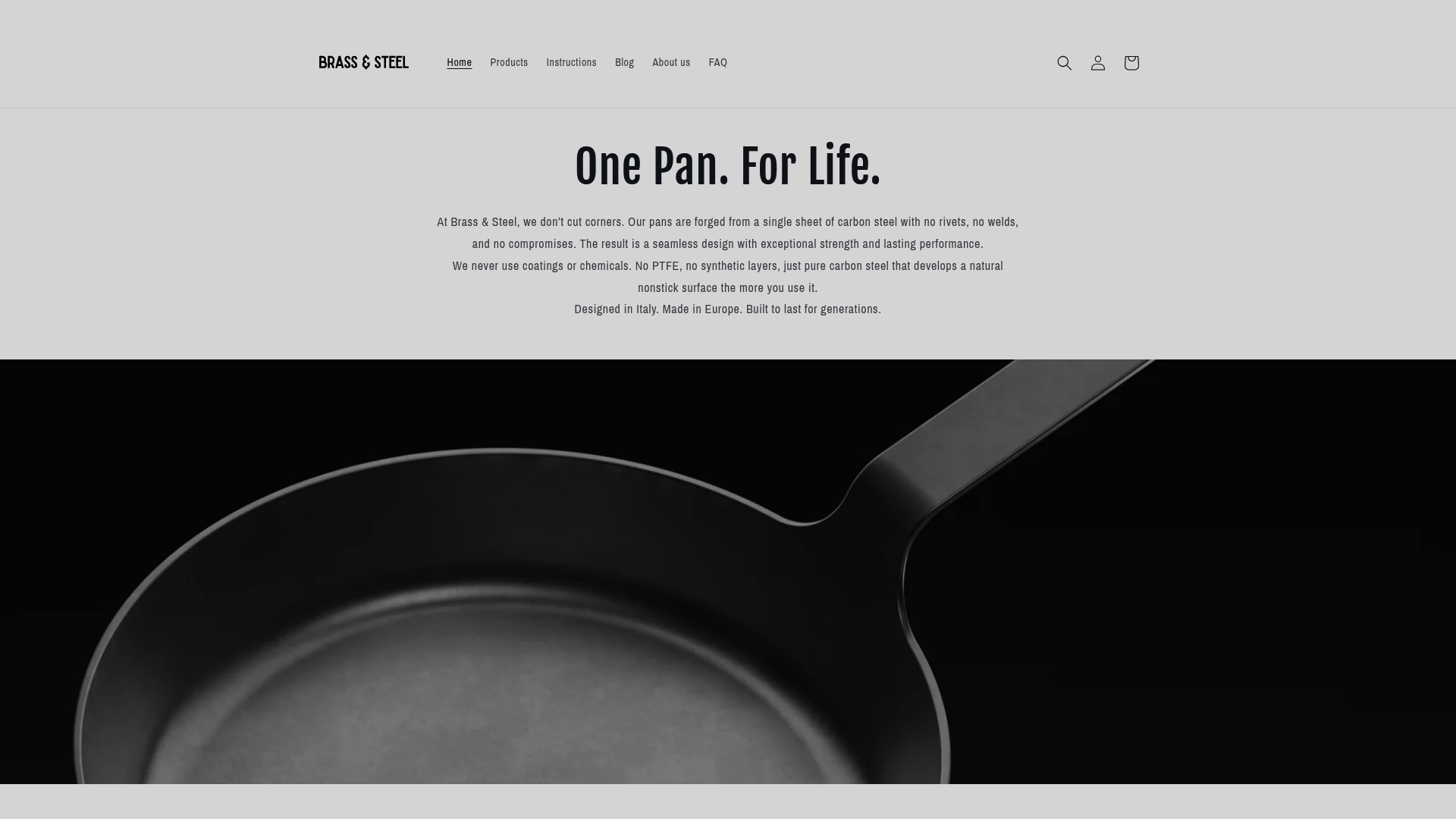
Experience the benefits of cookware forged in one piece with naturally built seasoning that improves with use, delivering professional results every time. Discover durable, induction-compatible pans free from harmful coatings. Start your journey to perfect cooking at Brass & Steel today and choose the ideal carbon steel sauté pan to elevate your kitchen game. Visit our landing page and shop now to transform your cooking workflow with heirloom-quality cookware you will cherish for years.
Frequently Asked Questions
How do I prepare my carbon steel sauté pan for the first use?
Start by washing the new pan with warm water and mild soap to remove any protective coating. After drying it thoroughly, apply a thin layer of neutral oil and heat the pan to create a natural nonstick surface.
What type of cooking fat should I use in my sauté pan?
Choose oils with high smoke points, such as canola or grapeseed, to enhance cooking performance and avoid overpowering flavours. Pour a small amount of oil into the preheated pan, ensuring complete coverage before adding your ingredients.
How can I ensure even cooking in my sauté pan?
Place ingredients in the pan without overcrowding, allowing each piece to develop a proper sear. Maintain medium heat while adjusting based on visual cues like sizzling and browning edges for optimal results.
What are the best techniques for monitoring cooking in a sauté pan?
Watch for visual cues like a golden brown colour for caramelisation and adjust the heat as necessary. Use a wooden spatula to gently move ingredients around, ensuring they cook evenly without burning.
How do I clean and maintain my carbon steel sauté pan?
Wipe away excess residue immediately after cooking and use coarse salt or boiling water for stubborn bits. Always dry the pan thoroughly and apply a thin layer of oil to prevent rust and maintain seasoning.
What should I avoid when using a carbon steel sauté pan?
Avoid using harsh detergents or metal scrubbers that can strip the seasoning. Steer clear of cooking acidic ingredients for extended periods, as they can react with the steel and compromise seasoning.
Recommended
- What Is a Sauté Pan? Complete Breakdown for Cooks – Brass & Steel
- 7 Different Pan Names Every Cook Should Know – Brass & Steel
- 7 Types of Sauté Pans Every Cook Should Know – Brass & Steel
- Understanding the Difference Between Sauté and Fry Pan – Brass & Steel
- Thai Cooking Techniques Explained: Flavor, Heat, and Balance