Master everyday cooking with a carbon steel sauté pan
TL;DR:
- A sauté pan has straight sides perfect for liquids and sauces, unlike flared skillets.
- Proper preheating, batching, and deglazing techniques maximize cooking results with a carbon steel pan.
- Regular seasoning and maintenance enhance the pan’s nonstick surface and durability over time.
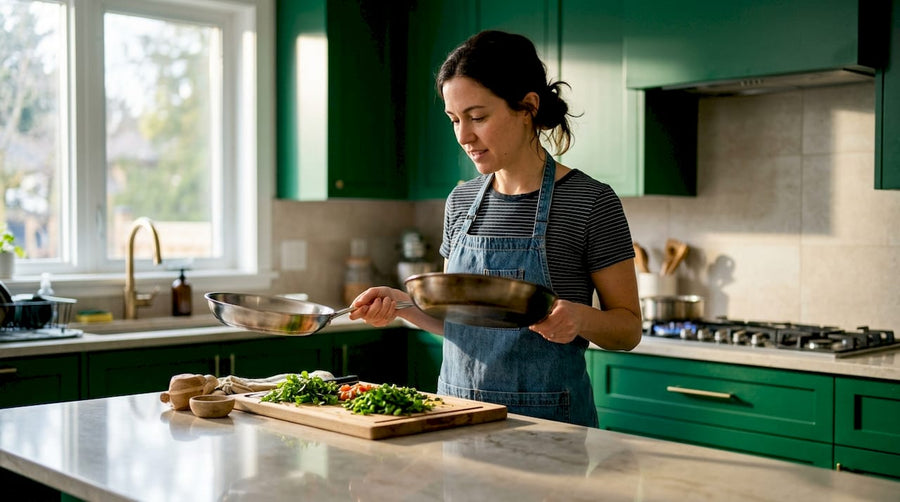
Pick up any carbon steel sauté pan and you might wonder why it looks so similar to a frying pan, yet chefs reach for it when cooking everything from shakshuka to seared duck breast. The confusion is real, and it costs home cooks dearly. You end up grabbing the wrong pan, losing heat at the wrong moment, and wondering why your sauce evaporated before it had a chance to develop. This article clears that up. We will walk through what makes a sauté pan distinct, which techniques get the best results, which everyday dishes it handles brilliantly, and how to keep it performing for decades.
Table of Contents
- What makes a sauté pan unique
- Core techniques for sauté pan cooking
- Everyday dishes perfect for your sauté pan
- Maintaining your carbon steel sauté pan
- Why the humble sauté pan is your kitchen’s secret weapon
- Discover more on mastering carbon steel pans
- Frequently asked questions
Key Takeaways
| Point | Details |
|---|---|
| Versatility for every meal | A carbon steel sauté pan covers everything from searing meats to simmering sauces and making one-pan pastas at home. |
| Master the technique | Preheating, using the right oil, and batch cooking unlock top flavours and prevent sticking. |
| Easy care boosts performance | Regular seasoning and simple cleaning keep your pan non-stick, rust-free, and ready for any hob. |
| Choose quality for longevity | Investing in a good carbon steel sauté pan delivers better non-stick, flavour, and durability over decades. |
What makes a sauté pan unique
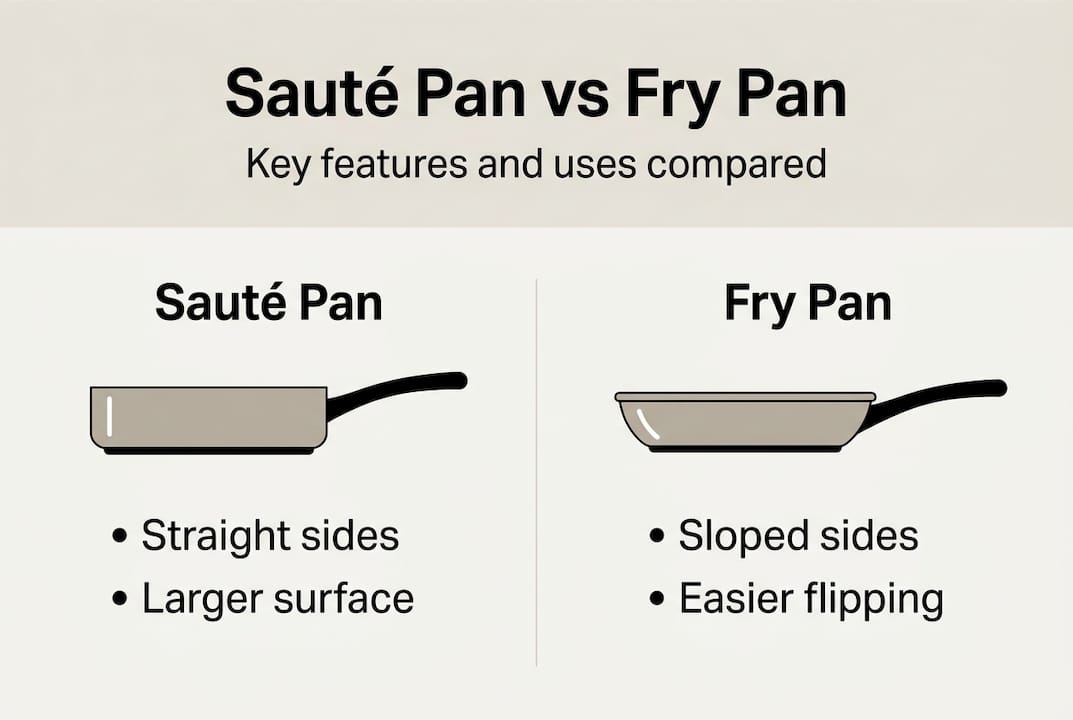
The most important difference between a sauté pan and a frying pan is the sides. A sauté pan has straight, vertical sides that are typically 6 to 8 centimetres tall. A frying pan, or skillet, has sloped sides that flare outward. That single design choice changes everything about how you cook.
Straight sides contain liquid. They stop splatter, hold a braising sauce close to the food, and let you reduce a stock without it escaping over the rim. Sauté pans with straight sides are better for liquids, braises, and sauces, while skillets with sloped sides are better for easy flipping and tossing. Both have their place, but the sauté pan is the more versatile workhorse for everyday European cooking.
Now consider why carbon steel is the ideal material for this shape. Carbon steel heats faster than cast iron and responds to temperature changes almost immediately. Turn the flame down and the pan cools. Turn it up and the surface gets searingly hot within seconds. That responsiveness is what separates carbon steel sauté pans from heavier alternatives. You stay in control.
Size matters too. A 27 cm pan handles meals for two with ease. A 30 cm pan suits families or anyone who cooks larger portions. The extra surface area on a 30 cm model means proteins have room to sear without crowding, which is a point we will return to shortly.
| Feature | Carbon steel sauté pan | Skillet | Cast iron |
|---|---|---|---|
| Side shape | Straight | Sloped | Straight or sloped |
| Heat-up speed | Fast | Fast | Slow |
| Weight | Light to medium | Light | Heavy |
| Best for | Sauces, braises, searing | Tossing, frying | Long braises, oven work |
| Induction ready | Yes | Varies | Yes |
For everyday care that keeps your pan performing at its best, our carbon steel care tips cover everything you need to know from the first wash onwards.
“Carbon steel is lighter and faster-heating than cast iron, making it ideal for responsive high-heat cooking where control matters most.”
Core techniques for sauté pan cooking
With a clear sense of sauté pan qualities, let us move to the essential cooking techniques that make your dishes stand out.
Getting the best from your carbon steel sauté pan comes down to a handful of repeatable steps. Follow these and your results will improve immediately.
- Preheat properly. Place the pan over medium-high heat for two to three minutes before adding anything. The surface should shimmer when you add a small drop of oil.
- Add a thin oil layer. You need just enough to coat the base. Too much oil leads to a sticky, uneven cook.
- Avoid overcrowding. This is the single biggest mistake home cooks make. Overcrowding causes steaming rather than searing, and you lose the browning that creates flavour. Cook in batches if needed.
- Keep things moving. Constant tossing or stirring encourages even browning through the Maillard reaction, the chemical process that turns proteins and sugars golden and deeply savoury.
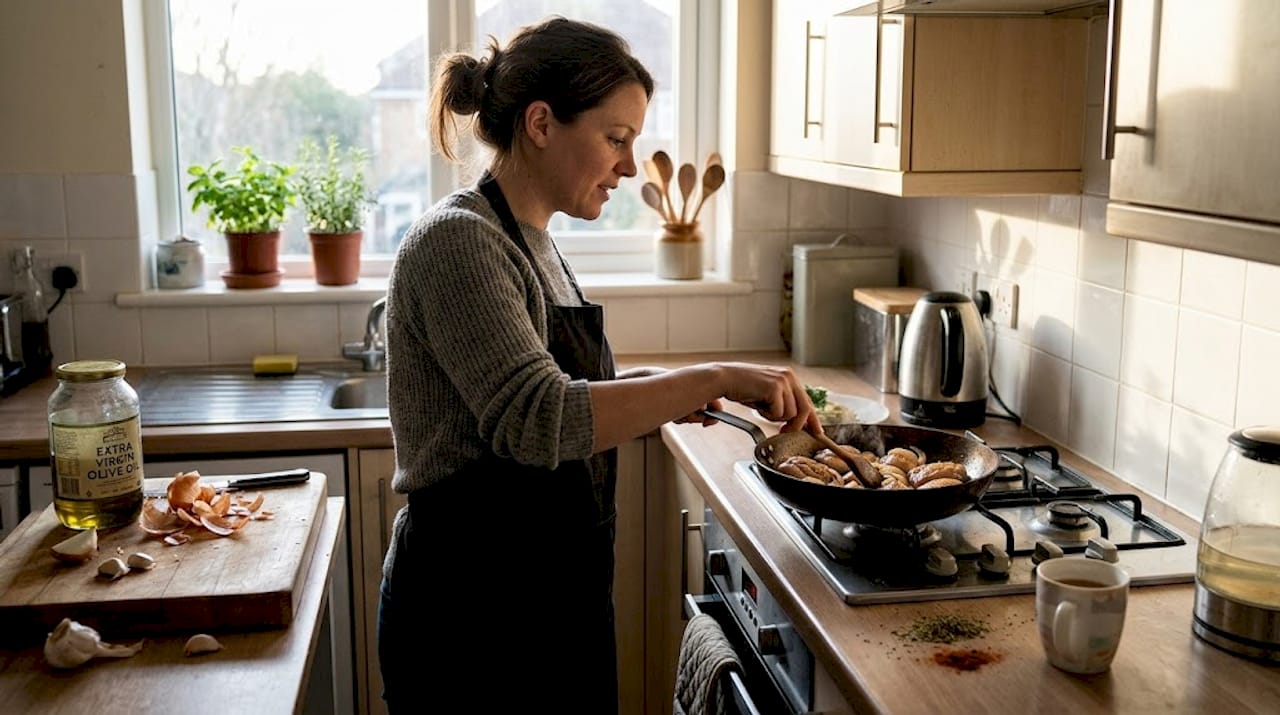
- Deglaze for a sauce. Once your protein is cooked and resting, pour a splash of wine, stock, or even water into the hot pan. Scrape up the browned bits from the base. That fond is concentrated flavour, and it becomes the backbone of a quick pan sauce in under two minutes.
The Maillard reaction only happens above 140°C. A crowded pan drops surface temperature sharply, which is why your chicken turns grey instead of golden. Give each piece space and the heat stays high.
Pro Tip: If you are cooking for four people, sear your chicken thighs in two batches rather than squeezing them all in at once. The second batch takes only a few extra minutes and the flavour difference is significant.
Knowing how to season your sauté pan properly before you start cooking makes all these techniques easier, as a well-seasoned surface releases food naturally. And if moisture ever becomes an issue after washing, our guide on avoiding pan rust will keep your pan in perfect condition.
For further sauté pan tips covering beginners through to experienced cooks, there are excellent external resources worth bookmarking.
Everyday dishes perfect for your sauté pan
Armed with technique, you are ready to tackle a wide repertoire. Let us explore some of the best dishes for a carbon steel sauté pan.
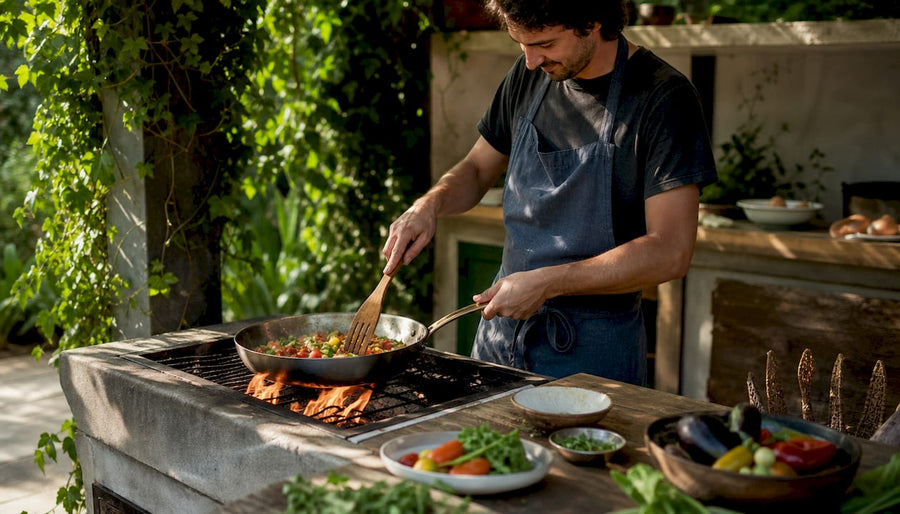
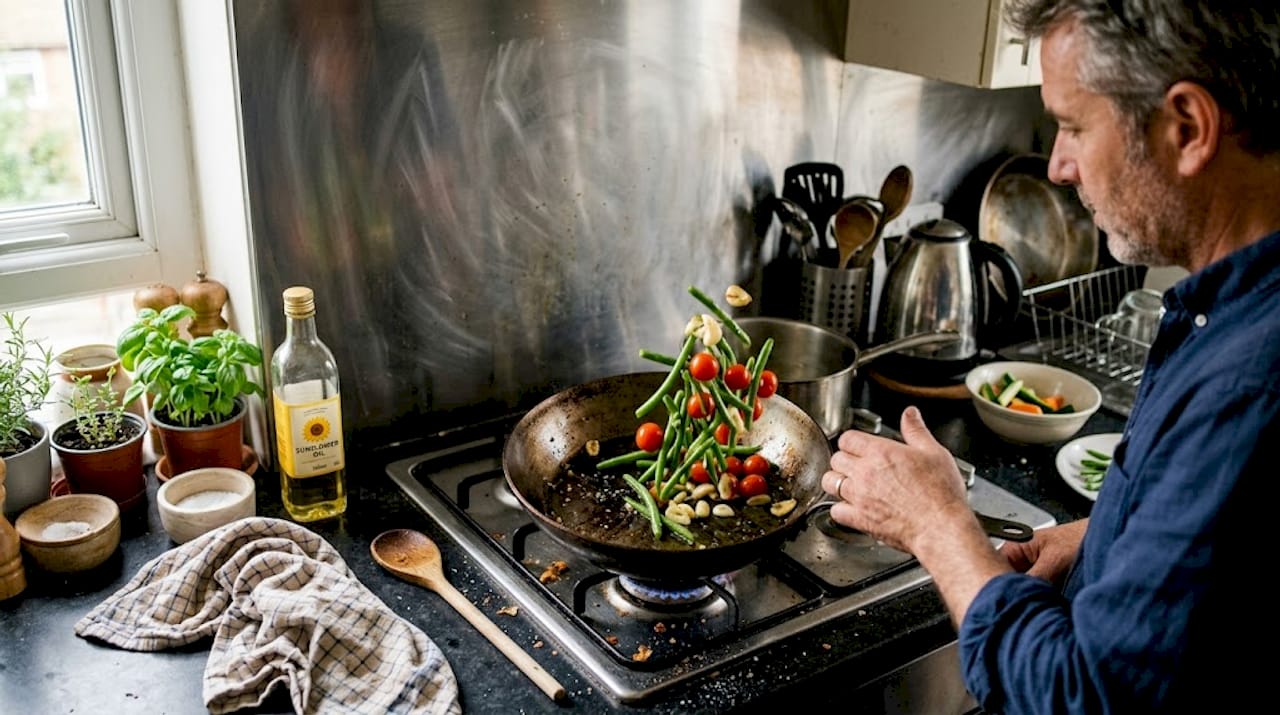
The sauté pan handles an impressive range of tasks. Shallow frying, braises, and wilting greens all suit its straight-sided shape perfectly, and the list goes well beyond that. Searing steak, browning chicken thighs, cooking risotto, simmering meatballs, and making shakshuka are all natural fits.
| Category | Dish examples |
|---|---|
| Protein | Chicken paillard, seared salmon, pork medallions, meatballs |
| Vegetables | Wilted spinach, roasted courgette, caramelised onions |
| Grains and pasta | Risotto, orzo, pasta finished in sauce |
| Eggs and brunch | Shakshuka, frittata, fried eggs |
| Sauces | Pan sauces, reductions, braising liquids |
For quick weeknight meals, the sauté pan truly earns its place. Here are some European-style dishes that come together in 30 minutes or less:
- Chicken paillard with lemon and capers
- Beef strips with mustard and cream sauce
- Pasta finished in a tomato and anchovy sauce
- Sautéed gnocchi with brown butter and sage
- Spanish-style prawns with garlic and white wine
- Shakshuka with peppers, tomatoes, and poached eggs
One-pan meals like chicken paillard or a quick beef wet fry are ideal for carbon steel because the pan transitions from stovetop to oven without any fuss. That flexibility is something a standard nonstick pan simply cannot match.
Pro Tip: Once your pan has a developed patina from regular use, eggs and fish release effortlessly. The natural nonstick surface that builds up over time is far more forgiving than a fresh, unseasoned pan. Patience with the seasoning process pays off every single day.
Carbon steel also works on every hob type, including gas, ceramic, and induction. For a full breakdown of carbon steel cookware uses across different cooking styles, it is worth reading more about the material’s versatility. Our carbon steel seasoning guide also walks you through building that patina from day one.
Maintaining your carbon steel sauté pan
To keep your sauté pan delivering flawless results, a few maintenance rituals are crucial.
Carbon steel rewards consistency. A little care after each use means your pan gets better with time rather than worse. Here is how to season a new pan before its first use:
- Wash the pan with warm, soapy water to remove the protective oil applied during shipping.
- Dry it completely, either with a cloth or briefly on a low flame.
- Preheat your oven to 250°C.
- Place the empty pan inside for 10 minutes to ensure it is bone dry.
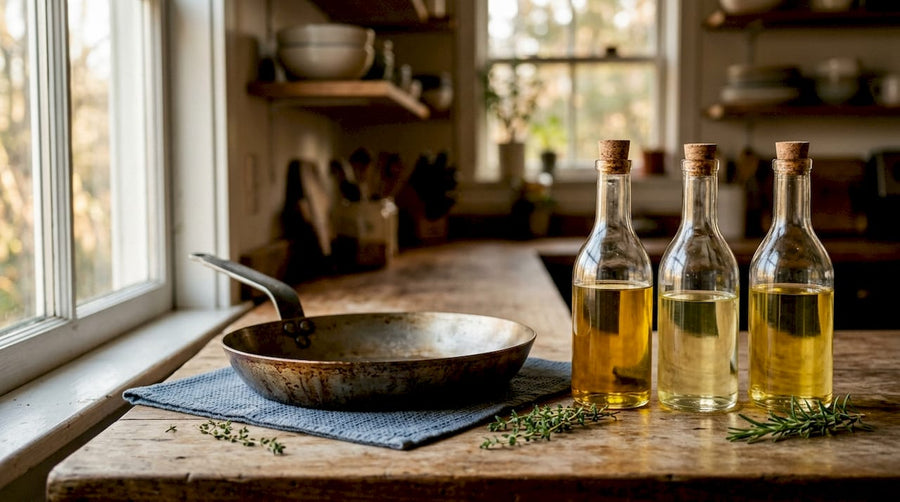
- Apply a very thin coat of high-smoke-point oil such as grapeseed, sunflower, or rapeseed.
- Wipe away the excess until the pan looks almost dry. Less is genuinely more here.
- Bake the pan upside down for 30 minutes.
- Repeat this process two to three times to build a strong base seasoning.
For daily care, keep these habits in mind:
- Rinse with warm water while the pan is still warm, using a soft brush if needed
- Dry immediately and never leave it to air dry or soak overnight
- Apply a very light film of oil after each use to protect the surface
- Cook fatty foods such as bacon or sausages regularly to strengthen the patina
- Avoid prolonged cooking of acidic ingredients like tomatoes or citrus until the seasoning is well established
Heating a thin neutral oil layer until it polymerises forms the dark patina that makes carbon steel naturally nonstick. This layer improves with every use, which is the opposite of a PTFE-coated pan that degrades over time.
“Dry your carbon steel pan immediately after washing. Even a few minutes of standing water can cause surface rust, though light rust is easily removed with a scrub and a fresh round of seasoning.”
For a complete routine, our guide on carbon steel pan upkeep covers every scenario, and if your seasoning ever needs a reset, our how to re-season guide walks you through it step by step. For more context on materials and care, the sauté pan maintenance resource from de Buyer is also worth a read.
Why the humble sauté pan is your kitchen’s secret weapon
Most home cooks own too many pans and use most of them poorly. A wok for stir-fries, a saucepan for pasta, a nonstick for eggs, a cast iron for steaks. Each one sits in a drawer waiting for its single moment. The carbon steel sauté pan breaks that pattern.
We have seen, time and again, that a well-seasoned carbon steel sauté pan handles the full arc of a meal. Sear the protein, remove it, build the sauce in the same pan, add the vegetables, finish everything together. No second pan. No lost flavour from transferring between vessels.
What surprises people most is how the seasoned pan benefits compound over time. The more you cook in it, the better it performs. A PTFE nonstick pan starts degrading from its first high-heat use. A carbon steel pan starts improving. That is a fundamentally different relationship with your cookware, and it changes how you think about cooking altogether.
Invest your energy in one quality pan, learn it properly, and it will outlast every coated alternative in your kitchen by decades.
Discover more on mastering carbon steel pans
If this article has sparked your interest in getting more from your cookware, there is plenty more to explore. At Brass & Steel, we have built our approach around one belief: a single, well-made carbon steel sauté pan, properly cared for, is all most cooks genuinely need.
Our carbon steel surface care guide goes deeper into patina development and long-term maintenance. And if you are ready to find the right pan for your kitchen, explore Brass & Steel to see our 27 cm and 30 cm sauté pans, forged from a single piece of carbon steel with no rivets, no coatings, and no compromises.
Frequently asked questions
Can you cook acidic foods like tomato sauce in a carbon steel sauté pan?
It is best to avoid prolonged acidic dishes until your pan is well-seasoned. Acidic foods early on can strip the patina before it has had time to develop properly.
What is the best oil for seasoning a carbon steel sauté pan?
Use a thin layer of high-smoke-point oil such as sunflower, rapeseed, or grapeseed for optimal results. Heating a thin neutral oil to polymerisation creates the durable, nonstick patina you are after.
Why does my sauté pan food stick sometimes?
Sticking usually means the pan was not hot enough before you added food, was overcrowded, or simply needs more seasoning. A well-developed patina means carbon steel releases eggs well and sears proteins evenly without gripping.
Can I use my carbon steel sauté pan on an induction or ceramic hob?
Yes, carbon steel is fully induction-compatible and works on all hob types. Seasoning builds over time for a nonstick surface without any chemicals, suiting both gas and induction hobs equally well.
How often should I re-season my sauté pan?
Re-season whenever you notice food sticking, the surface looking dull, or after a deep clean. Dry immediately after washing and apply a light oil coat to keep the patina strong between full re-seasoning sessions.