How to evaluate cookware quality: a practical guide
TL;DR:
- Evaluating cookware quality begins with heat behavior, which indicates even heating and reliability.
- Construction, materials, and proper handling influence the pan’s durability and performance over time.
Most home cooks buy cookware based on price tags, packaging claims, or whatever brand happens to be trending. That approach leads to pans that warp after six months, coatings that scratch without warning, and uneven heat that ruins a good piece of fish. Knowing how to evaluate cookware quality before you buy changes all of that. It shifts your focus from marketing to the things that actually matter: how the metal behaves, how the pan is built, and how it holds up after a year of real cooking.
Table of Contents
- Key takeaways
- How to evaluate cookware quality: materials and construction
- Evaluating nonstick pans: coatings, durability, and care
- Heat performance as a real-world quality test
- Durability factors: cleaning, handling, and storage
- Cookware quality comparison across types and budgets
- My honest take on evaluating cookware
- Why Brass-steel pans are built to last
- FAQ
Key takeaways
| Point | Details |
|---|---|
| Heat behaviour comes first | Heat behaviour is the single most reliable indicator of cookware quality, more so than brand or price. |
| Construction matters as much as material | Fully clad stainless steel outperforms base-disc-only pans for even browning and fewer hot spots. |
| Nonstick coatings have a limited lifespan | Ceramic and PTFE coatings degrade with heat and abrasion, so durability testing reveals far more than a quick inspection. |
| Cleaning habits affect longevity | Aggressive cleaning and dishwasher use accelerate wear on coatings and finishes, shortening the usable life of your pan. |
| Storage causes overlooked damage | Stacking pans without protection creates pressure wear that shortens cookware life beyond what cooking use alone would cause. |
How to evaluate cookware quality: materials and construction
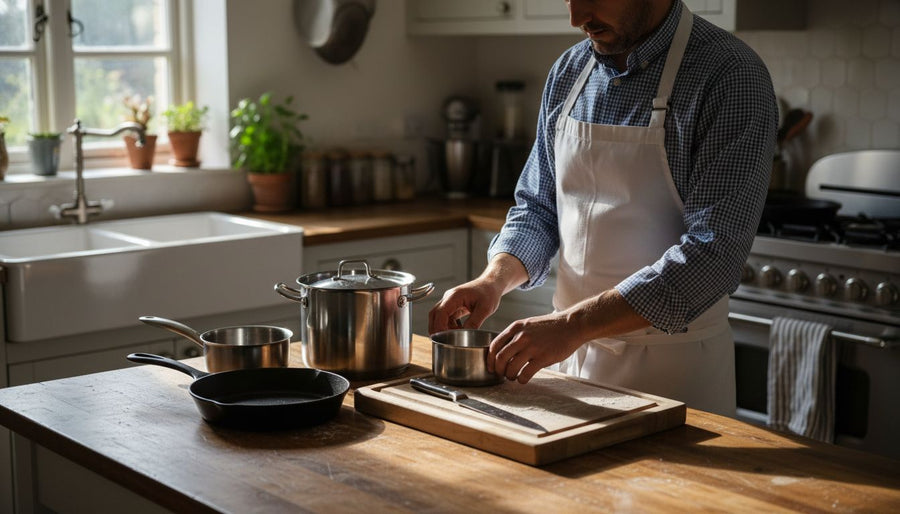
The material is where quality starts, but it is not the whole story. Each metal brings a different set of trade-offs, and understanding those trade-offs is the first step toward a useful cookware quality comparison.
Stainless steel is popular because it is tough, non-reactive, and dishwasher safe. The real question with stainless steel is not the grade of steel but how the pan is built. Fully clad pans have aluminium or copper running through the entire body, including the sidewalls. Base-disc-only pans have that layer only at the bottom. For tasks like reducing a sauce or browning onions up the sides of a pan, full cladding makes a measurable difference to heat stability. Think of it like the difference between heating one room in your house versus the whole floor.
Cast iron and carbon steel both retain heat exceptionally well, which makes them ideal for searing. Carbon steel heats and cools faster than cast iron, giving you more control. Neither reacts to acidic foods once properly seasoned. Copper heats up and responds to temperature changes faster than almost anything else, but it is expensive and needs more maintenance.
Here are the signs of quality cookware at the material level:
- Weight proportionate to size. A pan that feels too light for its dimensions often signals thin metal that will warp.
- Even gauge throughout. Pick up the pan and feel the walls and base. Thin walls on a thick-based pan is a red flag.
- Smooth, consistent finish. Surface irregularities in cast iron or carbon steel affect how seasoning builds up and how food releases.
- Rivets versus welded handles. Riveted handles are generally stronger, but single-piece construction with no joints at all is stronger still.
Pro Tip: Run your finger around the inside base of any pan you are considering. Ridges, bumps, or visible seams between layers suggest poor construction that will cause uneven cooking over time.
Evaluating nonstick pans: coatings, durability, and care
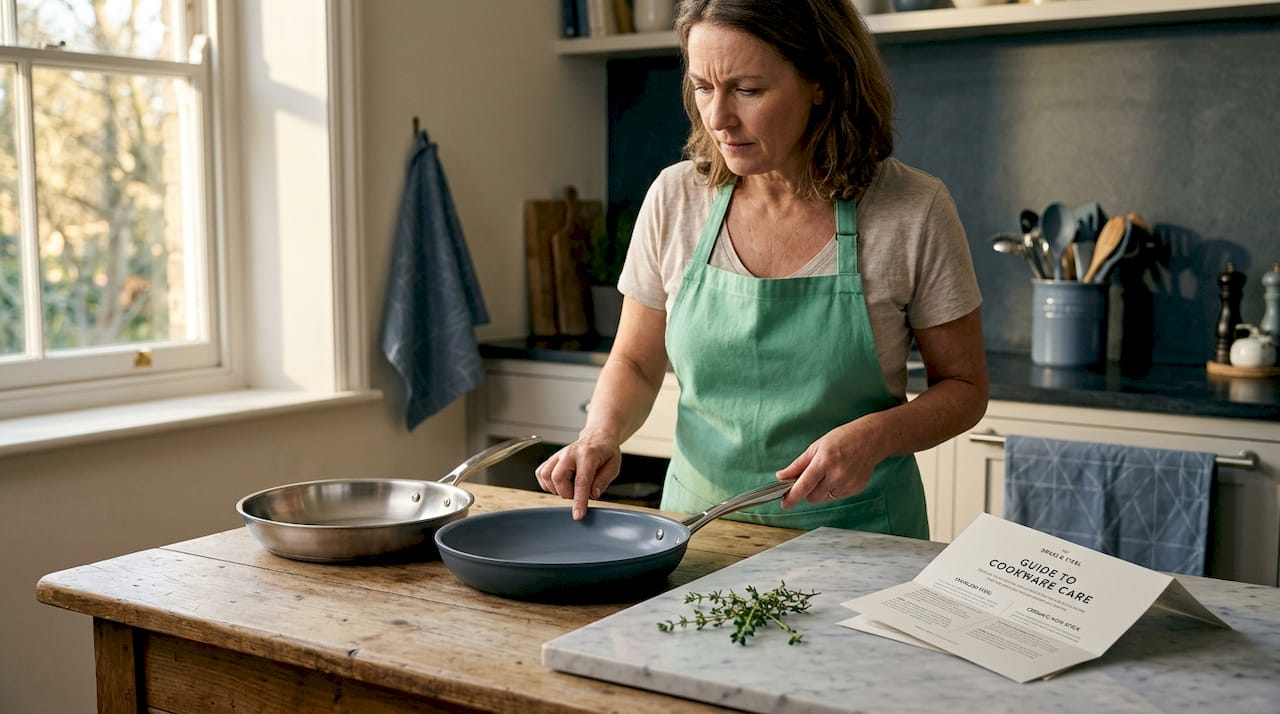
Nonstick cookware is where quality is most often misunderstood. A pan can look perfect in a shop and still fail within a year of regular cooking. The reason is that nonstick durability is a system of coating quality, resistance to physical abrasion, and tolerance for heat misuse. None of those things are visible to the naked eye.
Consumer Reports tests nonstick pans by simulating thousands of abrasive strokes at high heat before checking food release. The best pans survive 2,000 steel wool strokes without degradation. Most budget pans fail well before that point. That is the gap between a pan that looks fine and a pan that actually lasts.
The other distinction worth understanding is between PTFE-based coatings and ceramic coatings. Ceramic is often marketed as the safer, greener option, but ceramic coatings degrade faster under heat and lose their nonstick properties sooner. Ceramic is also more sensitive to thermal shock, meaning repeated high-heat cooking shortens its life considerably. A pan that looks fine on the outside may already have a compromised coating if it has been overheated even once.
Pro Tip: Before buying a nonstick pan, check whether the manufacturer publishes a maximum use temperature. Any nonstick pan without that information is one you should avoid.
Practical things to look for when assessing a nonstick pan:
- Multi-layer coating. Two or three layers of coating resist wear far better than a single layer.
- Induction compatibility. A quality nonstick pan should work on all hob types, not just gas and electric.
- Oven safety temperature. Higher limits mean the coating is more heat-tolerant and generally more durable.
- Clear care instructions. A quality manufacturer tells you exactly how to clean and store the pan. Vague instructions are a warning sign.
For a side-by-side look at how ceramic and nonstick compare in real-world use, that breakdown goes into far more detail than most buyers ever see before purchasing.
Heat performance as a real-world quality test
Cooking evenness is the clearest sign of quality cookware in everyday use, and it is something you can test yourself without any specialist equipment.
The butter test is one of the most useful. Put a small knob of butter in a cold pan and bring it to a medium heat. Watch how the butter melts. If it browns evenly across the whole base, the heat distribution is good. If you see the butter colour faster in one spot, that is a hot spot, and hot spots mean inconsistent results on everything you cook.
A fried egg is another honest test. Crack an egg into a lightly oiled pan and cook it on a low to medium heat. The white should set evenly from the edges inward without any section cooking faster or burning before the rest has set. Unevenness here is not a technique problem. It is the pan.
What to look for in heat performance:
- No visible warping on a flat hob. A warped base rocks when you set the pan down. That is a reliability problem, not just an aesthetic one.
- Consistent response to heat changes. A quality pan should respond when you turn the heat up or down, not continue cooking aggressively long after you have reduced the temperature.
- No burning at the edges. If the edge of a pancake or omelette always burns while the centre is still soft, the sidewall heat distribution is poor.
Pro Tip: If you can test a pan before buying, try heating it empty on medium heat for two minutes. Hold your hand 10 centimetres above the surface and move it slowly across. A quality pan feels uniformly warm across the whole base.
Durability factors: cleaning, handling, and storage
Cookware does not only wear out from cooking. How you clean it, how you handle it, and how you store it all affect how long it lasts. These are the cookware durability tips that rarely appear on packaging but matter enormously in practice.
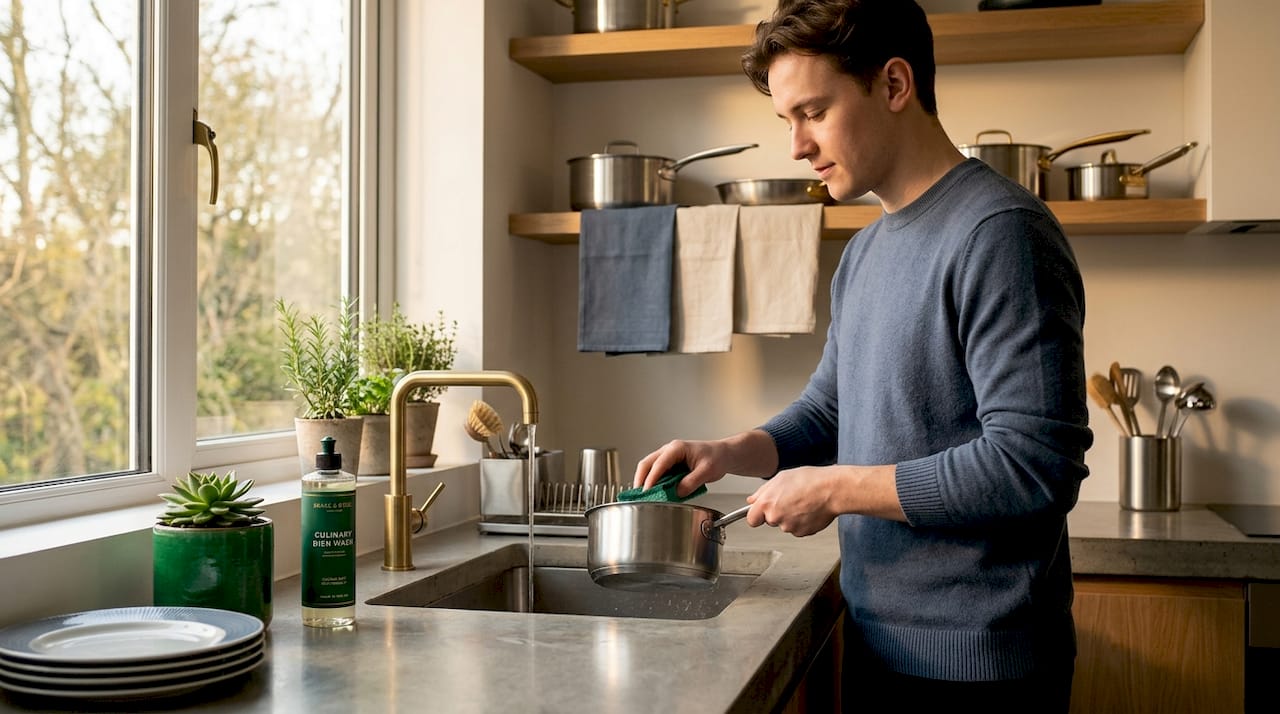
Cleaning is where many home cooks unknowingly shorten the life of their pans. Aggressive cleaning with abrasive pads or dishwasher detergents strips coatings and finishes far faster than regular cooking use does. For coated pans, hand washing with warm water and a soft cloth extends life significantly. For carbon steel and cast iron, avoid soaking entirely. Prolonged exposure to water causes rust and strips seasoning.
Handle ergonomics matter more than most buyers realise. A handle that is too thin, too short, or poorly balanced makes the pan uncomfortable to use and increases the risk of accidents when the pan is full. Handle balance and security are practical quality markers you can assess before you buy by simply picking the pan up and moving it as if you were pouring.
Storage is an overlooked factor in cookware longevity. Stacking pans without protection between them scratches coatings and creates pressure damage on rims. This kind of wear happens invisibly over months and often contributes more to a pan’s decline than cooking does.
| Factor | What poor quality looks like | What good quality looks like |
|---|---|---|
| Cleaning resilience | Coating peels or dulls after dishwasher use | Holds up to hand washing for years |
| Handle stability | Wobbles or loosens over time | Solid, no movement after extended use |
| Storage durability | Rims bend or coating chips from stacking | Resists contact damage without special care |
| Warping resistance | Base warps after high heat or cold water rinse | Stays flat under repeated temperature changes |
The difference between functional wear and cosmetic wear is worth understanding too. A carbon steel or cast iron pan that looks dark and patchy is almost certainly fine. A nonstick pan with visible scratches or peeling, or a ceramic pan with chips in the coating, has reached the end of its usable life and should be replaced.
Cookware quality comparison across types and budgets
Not all cookware is worth the same investment. A useful cookware quality comparison starts with understanding what each material actually delivers over time, not just at first use.
Stainless steel with full cladding is a long-term investment. Built properly, it lasts decades, handles almost any cooking task, and requires little maintenance beyond normal washing. Budget stainless steel with a base disc only performs acceptably at first but shows uneven heat and handle issues within a few years of regular use.
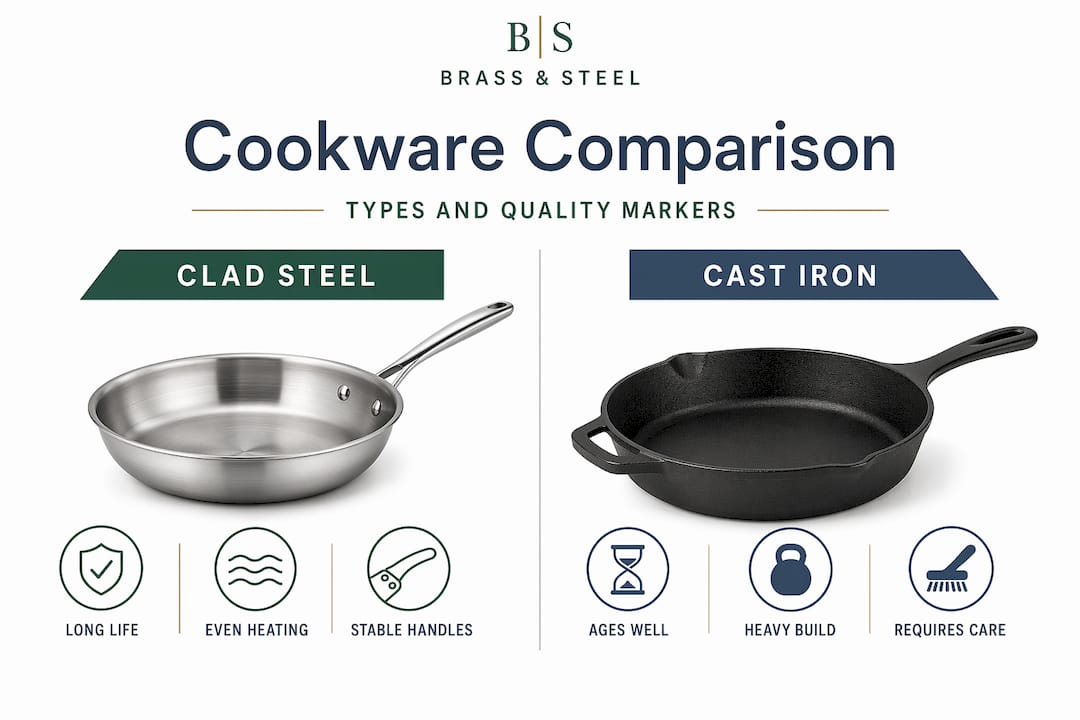
Cast iron and carbon steel are the strongest case for durability. Both improve with use rather than degrading, and neither carries coatings that can fail. The trade-off is weight and the need for ongoing seasoning. Carbon steel is lighter and more responsive than cast iron, which makes it a practical choice for most home cooks. For more detail on how forged carbon steel achieves its durability, the manufacturing process itself is what separates long-lasting pans from short-term ones.
Ceramic and nonstick pans have the shortest lifespan of any cookware type under normal conditions. Ceramic coatings require replacement once scratched or heavily worn, and even well-maintained nonstick pans typically need replacing every three to five years. They are convenient, especially for low-fat cooking and eggs, but they are not durable cookware in the way that uncoated metal is.
Common pitfalls worth avoiding:
- Buying based on appearance or packaging claims rather than construction details.
- Choosing a complete set when you only need one or two good pans to start.
- Assuming a higher price always means higher quality. Marketing-heavy brands charge for branding, not engineering.
- Overlooking weight. A pan that feels uncomfortably heavy in the shop will feel worse after a year of daily use.
My honest take on evaluating cookware
I have handled a lot of pans, and the most consistent mistake I see is people trusting the brand before testing the object. I have cooked with expensive pans that warped in under six months and modest-looking carbon steel pans that performed beautifully for years without any issue.
Brand reputation tells you about marketing budgets, not manufacturing standards. What I have learned to trust instead is the weight and balance of a pan in my hand, the smoothness of the base, and how evenly it heats from the first use. Those three things tell you more in two minutes than any review.
The other thing worth saying plainly: coated pans are a compromise. They are convenient, but that convenience has a lifespan. If you want a pan you do not have to replace, uncoated metal with proper seasoning is the answer. The maintenance feels like an obstacle at first, but once the habit is there, it takes less time than most people expect.
My advice to any home cook is to start with one very good uncoated pan rather than a full set of mediocre coated ones. Cook with it, season it, learn how it behaves. You will get more from that than from a cupboard full of pans that feel convenient but wear out quietly and cost you more in the long run.
— Davide
Why Brass-steel pans are built to last
If you have read this far, you already know what separates cookware worth buying from cookware that disappoints. Brass-steel was built around exactly those principles. Every pan is forged from a single sheet of carbon steel with no rivets, no welds, and no coatings that can degrade. The result is a pan that gets better with every season, not one that starts a slow decline the moment you open the box.
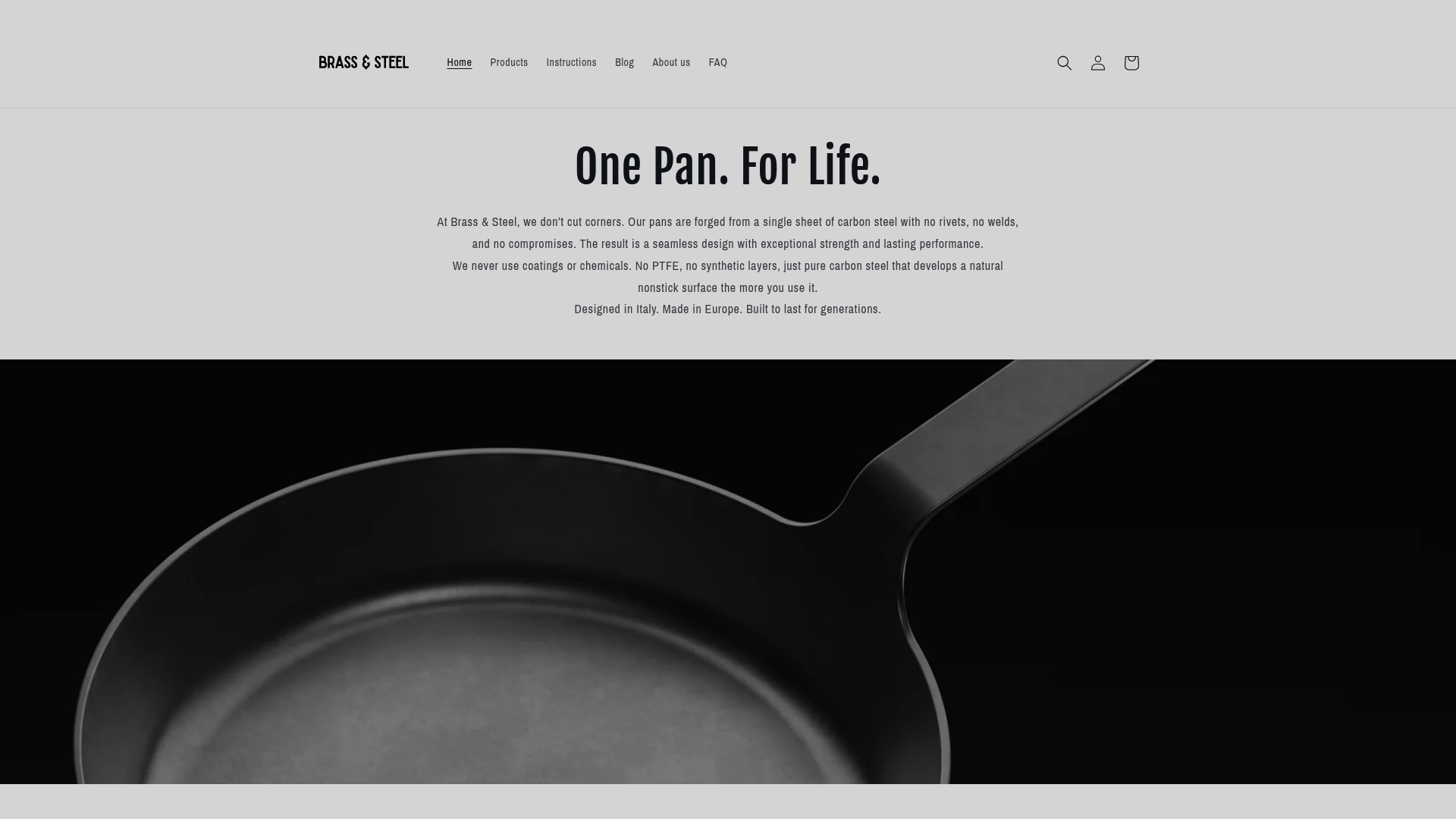
The 27 cm and 30 cm carbon steel sauté pans from Brass-steel are designed for home cooks who want cookware that genuinely lasts. Whether you are searing, browning, or finishing dishes in the oven, the even heat and single-piece construction deliver consistent results. If you want to go deeper on what makes a pan truly built to outlast the trends, the cookware longevity guide on the Brass-steel site covers everything from seasoning to storage in practical detail.
FAQ
What is the most important factor in cookware quality?
Heat behaviour is the single most reliable quality indicator. A pan that heats evenly without hot spots will produce consistent cooking results regardless of what it looks like or what it costs.
How do I know if a nonstick pan is still safe to use?
Once a nonstick coating is visibly scratched, peeling, or flaking, it should be replaced. Ceramic coatings that have been overheated or heavily scratched degrade and lose their nonstick properties and are no longer reliable.
Does price indicate cookware quality?
Not reliably. Construction details like full cladding in stainless steel, pan thickness, and handle attachment method are far better indicators than price alone. Some heavily marketed brands charge a premium for packaging rather than engineering.
What are the signs of quality cookware that will last?
Key signs include even gauge throughout the body, no warping on a flat surface, stable handles, and a base that heats evenly. For uncoated pans like carbon steel, the ability to build a non-stick patina through seasoning is a strong sign of lasting value.
How does cleaning affect cookware durability?
Dishwasher use and abrasive scrubbing accelerate coating wear and strip seasoning from uncoated metals. Hand washing with warm water and avoiding prolonged soaking is the single most effective cookware durability tip for extending the life of any pan.