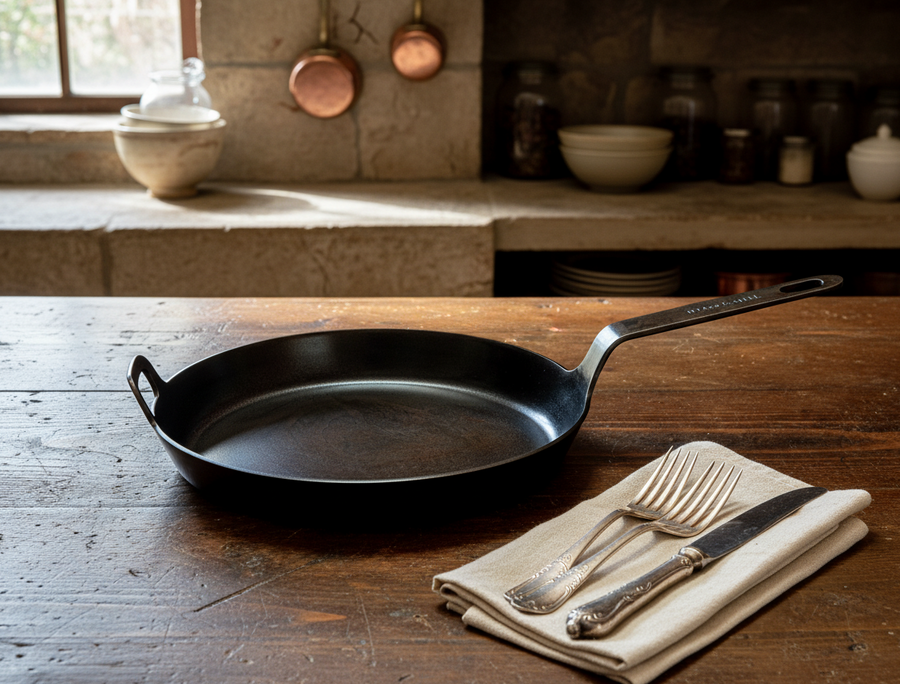
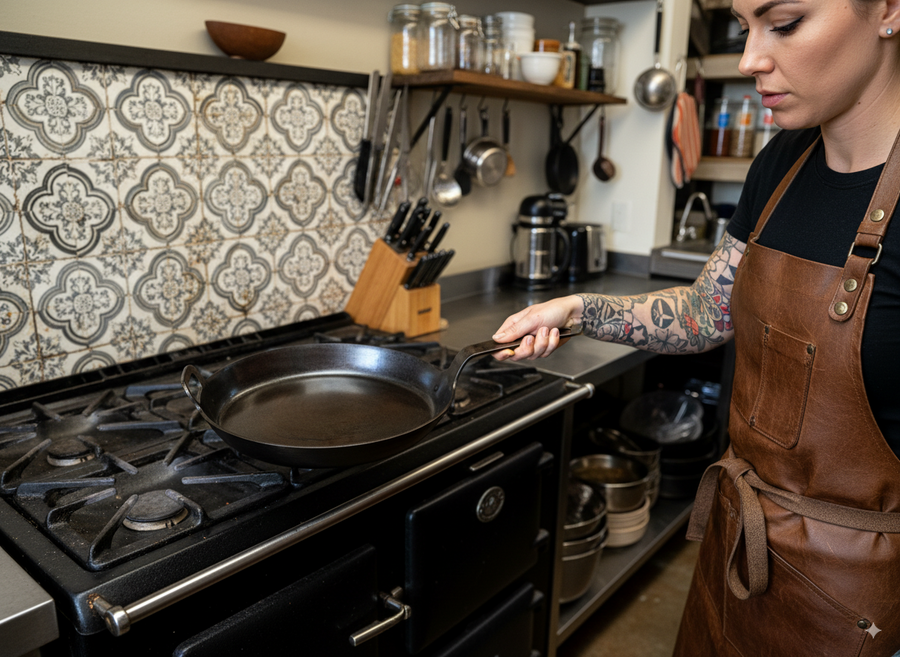
Stainless steel vs non-stick cookware: A practical guide

Most home cooks assume non-stick is the safest, simplest choice. It slides food off effortlessly, cleans up in seconds, and feels forgiving. But that convenience comes with real trade-offs: limited heat tolerance, a coating that wears out, and growing questions about chemical safety. Meanwhile, stainless steel and carbon steel sit quietly in professional kitchens, delivering results that non-stick simply cannot match. This guide breaks down all three materials clearly, so you can stop guessing and start cooking with the right pan for every situation.
Table of Contents
- Understanding the materials: Stainless steel, non-stick and carbon steel
- Comparing performance: Heat retention, surface response and food results
- Durability, maintenance and lifespan: What every cook should know
- Health and safety: Chemical coatings, seasoning and best practices
- Making the right choice: Practical advice for European kitchens
- Upgrade your cookware for professional results
- Frequently asked questions
Key Takeaways
| Point | Details |
|---|---|
| Material matters | Stainless steel, non-stick, and carbon steel each offer distinct cooking benefits and challenges. |
| Longevity difference | Carbon steel and stainless steel can last decades, while non-stick pans generally need replacement within a few years. |
| Health-conscious choices | Opting for carbon steel avoids synthetic coatings and supports safer kitchen practices. |
| Induction suitability | Both stainless steel and carbon steel pans work well with induction hobs common in European kitchens. |
| Pan selection strategy | Choosing the right pan depends on your cooking style, preferred dishes, and maintenance commitment. |
Understanding the materials: Stainless steel, non-stick and carbon steel
Every pan in your kitchen is built around a core material, and that material shapes everything: how heat moves, how food behaves, and how long the pan lasts. Understanding the differences is not complicated, but it does change how you cook.
Stainless steel is an alloy, typically iron with chromium and nickel added for corrosion resistance. It has no coating, which means it can handle very high temperatures and metal utensils without damage. Stainless steel excels in high-heat searing, but it requires proper technique to prevent food from sticking. Preheating the pan fully before adding oil is the key step most home cooks skip.
Non-stick pans are typically aluminium or stainless steel with a synthetic coating, most commonly PTFE (polytetrafluoroethylene, known by the brand name Teflon). Non-stick makes cleanup easy but has real heat limitations and coating durability issues that matter over time. Delicate foods like eggs and fish slide off beautifully, but the surface cannot handle the temperatures needed for a proper sear.
Carbon steel sits between the two. It is made from iron and a small percentage of carbon, giving it strength and excellent heat responsiveness. Unlike non-stick, it has no synthetic coating. Unlike stainless steel, it builds a natural non-stick surface through seasoning. You can read more about the full range of carbon steel cookware pros and cons to see how it compares in detail.
Here is a quick summary of what each material does best:
- Stainless steel: Searing, deglazing, making sauces, oven use, long-term durability
- Non-stick: Eggs, pancakes, delicate fish, low-fat cooking, easy cleanup
- Carbon steel: Searing, sautéing, high-heat cooking, natural non-stick surface, induction compatibility
Carbon steel is the material of choice in most professional European kitchens precisely because it combines the heat performance of stainless steel with a surface that, once seasoned, rivals non-stick for everyday use.
Comparing performance: Heat retention, surface response and food results
Knowing what a pan is made of only tells half the story. What matters in practice is how it behaves when you are actually cooking.
Carbon steel preheats quickly and is highly responsive to temperature changes, which makes it ideal for techniques that require precise heat control, such as searing a steak and then reducing the flame immediately. On induction hobs, which are increasingly common in European kitchens, this responsiveness is a genuine advantage. The pan reacts almost instantly when you adjust the power.
Stainless steel retains heat well once it is up to temperature, making it excellent for browning and building fond (the caramelised bits stuck to the pan that form the base of great sauces). It does require patience during preheating and a confident hand with oil to prevent sticking.
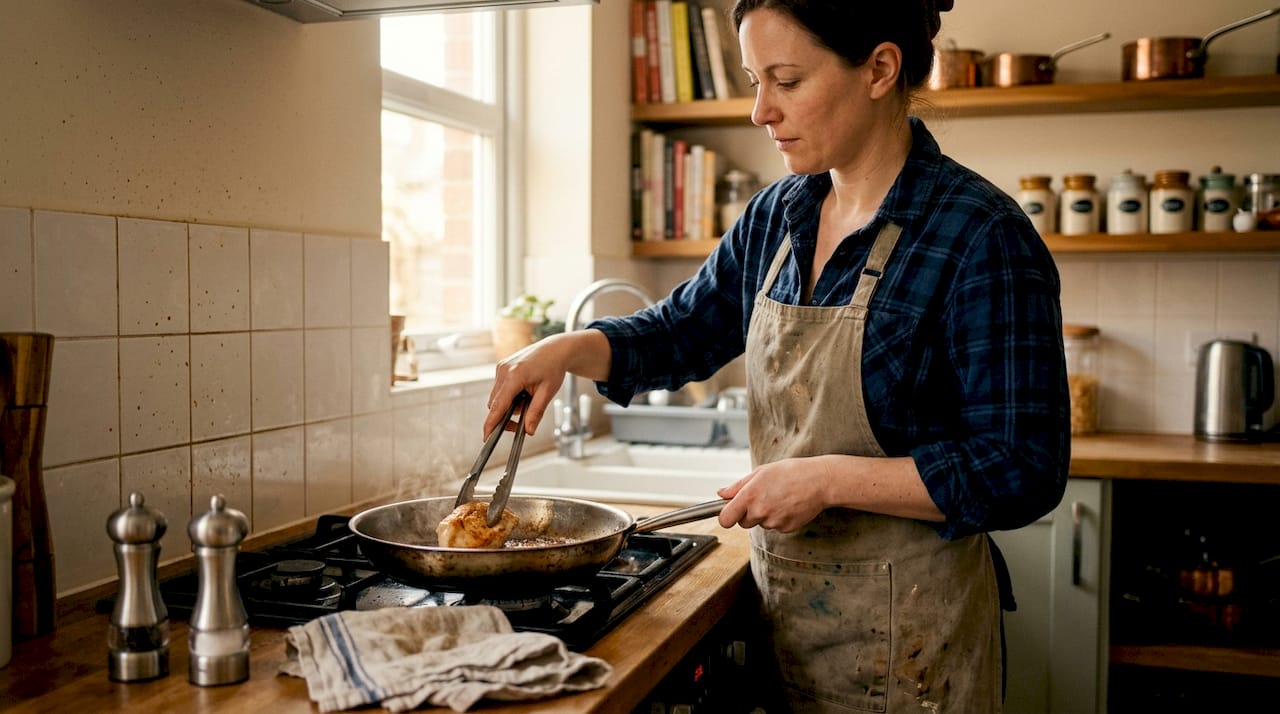
Non-stick, by contrast, is limited for browning and fond development. The coating prevents the kind of direct contact between food and metal that creates colour and flavour. For a chicken breast with a golden crust or a pan sauce built from roasting juices, non-stick simply does not deliver.
Pro Tip: To avoid sticking on stainless steel, heat the pan over medium-high until a drop of water skitters across the surface and evaporates immediately. Then add your oil and let it shimmer before adding food. This is called the Leidenfrost effect, and it creates a temporary barrier between food and metal.
| Feature | Stainless steel | Non-stick | Carbon steel |
|---|---|---|---|
| Heat responsiveness | Moderate | Moderate | High |
| Browning and searing | Excellent | Poor | Excellent |
| Natural non-stick surface | No | Yes (synthetic) | Yes (seasoned) |
| Induction compatible | Yes | Depends on base | Yes |
| Metal utensil safe | Yes | No | Yes |
| Oven safe | Yes | Limited | Yes |
For everyday European cooking, from sautéed courgettes to pan-roasted salmon, the carbon steel pan essentials make it a genuinely versatile choice. If you are weighing up your options directly, the carbon steel pan vs nonstick comparison goes deeper into specific cooking scenarios.
Durability, maintenance and lifespan: What every cook should know
A pan is an investment. How long it lasts, and what you need to do to keep it performing well, should factor into every buying decision.
The lifespan differences between cookware types are striking. Stainless steel lasts 10 to 20 or more years, non-stick typically lasts just 1 to 5 years before the coating degrades, and carbon steel can last 20 to 30 or more years with proper care. That gap in longevity has a direct impact on cost over time.
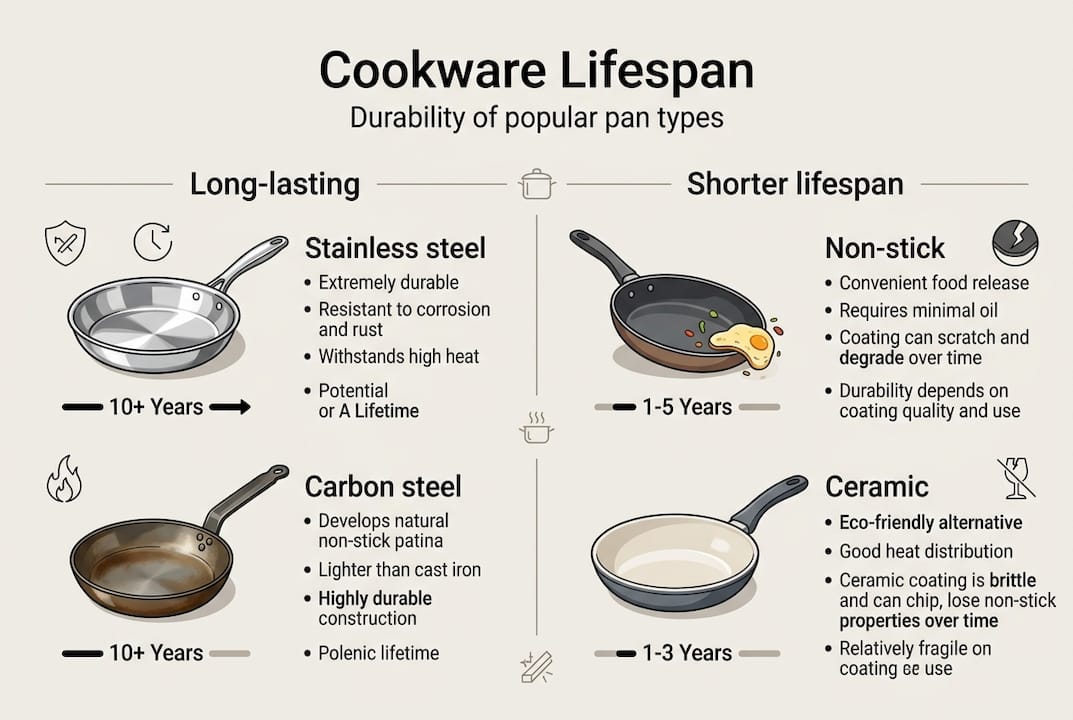
| Cookware type | Average lifespan | Key maintenance need |
|---|---|---|
| Stainless steel | 10 to 20+ years | Occasional deep clean, avoid harsh abrasives |
| Non-stick | 1 to 5 years | Gentle cleaning, no metal utensils, low heat |
| Carbon steel | 20 to 30+ years | Seasoning, drying, light oiling after use |
Carbon steel does require more active care than the other two, but the routine is straightforward once it becomes habit. Here is how to maintain a carbon steel pan in peak condition:
- Rinse with warm water after cooking. Avoid soaking.
- Dry the pan immediately and thoroughly, either with a cloth or briefly on the hob over low heat.
- Apply a very thin layer of high-smoke-point oil (grapeseed or sunflower work well) using a paper towel.
- Store in a dry place. Avoid stacking other pans directly inside without protection.
- If the surface looks dull or food starts to stick, re-season by applying a thin oil coat and baking upside down at 250°C for 30 minutes.
For more on the long-term health benefits of choosing the right surface, carbon steel cookware healthy cooking covers the topic thoroughly. If you are actively looking for alternatives to synthetic coatings, healthy nonstick alternatives is worth reading alongside this guide.
Health and safety: Chemical coatings, seasoning and best practices
The surface that touches your food matters. This is where the differences between cookware types become most significant for health-conscious cooks.
Non-stick coatings, particularly older formulations, have been associated with PFAS (per- and polyfluoroalkyl substances), a group of synthetic chemicals that do not break down easily in the environment or the body. While modern non-stick pans have moved away from PFOA (one of the most concerning PFAS compounds), PTFE coatings still raise questions when overheated. Carbon steel offers non-stick benefits without synthetic chemicals, and non-stick fumes can develop when pans are overheated beyond their safe temperature range.
The key health advantages of carbon steel are straightforward:
- No PTFE or PFOA: The surface is raw steel, nothing added.
- Natural seasoning: A polymerised oil layer builds up over time, creating a safe, non-toxic non-stick surface.
- No coating to chip or flake: With non-stick, small particles of coating can end up in food as the surface wears.
- Iron contribution: Cooking in carbon steel can add trace amounts of dietary iron to food, which is beneficial for many people.
Pro Tip: After washing your carbon steel pan, always dry it on the hob over low heat for one to two minutes rather than leaving it to air dry. This eliminates all moisture and prevents rust from forming, especially in humid kitchens.
If you are considering making the switch, understanding carbon steel vs nonstick lays out the comparison clearly. The pros and cons of carbon steel for chefs is also useful if you want a professional perspective. For a practical walkthrough of the transition, switch from nonstick to carbon steel cookware gives you a step-by-step approach.
Making the right choice: Practical advice for European kitchens
With all the evidence laid out, the decision becomes much simpler. The right cookware depends on what you cook, how you cook it, and what you value most.
Carbon steel provides superior mechanics and complements stainless steel beautifully for a versatile kitchen setup. Many experienced home cooks in Europe use both: stainless steel for sauces, stocks, and boiling, and carbon steel for everything that needs direct heat and a good sear.
Here is a practical guide to choosing the right pan for your situation:
- If you cook on induction: Both stainless steel and carbon steel are fully compatible. Non-stick compatibility depends on the base material, so always check before buying.
- If you prioritise health: Carbon steel is the clear choice. No synthetic coatings, no chemical concerns, and a surface that improves with use.
- If you want longevity: Carbon steel and stainless steel both outlast non-stick by decades. A well-maintained carbon steel pan can genuinely become a family heirloom.
- If you cook delicate foods regularly: A well-seasoned carbon steel pan handles eggs and fish just as well as non-stick, without the limitations on heat or utensils.
- If you are building a kitchen from scratch: Start with a 27 cm carbon steel sauté pan for everyday tasks and a stainless steel saucepan for liquids and sauces. That combination covers the vast majority of European home cooking.
For a deeper look at how to match pan type to cooking style, understanding carbon steel vs nonstick comparison offers further practical guidance.
Upgrade your cookware for professional results
If this guide has convinced you that carbon steel deserves a place in your kitchen, the next step is finding a pan built to last. At Brass & Steel, we forge our carbon steel pans for professional cooking from a single piece of steel, with no rivets, no welds, and no synthetic coatings. Every pan is designed to season beautifully, perform on all hob types including induction, and improve with every use.
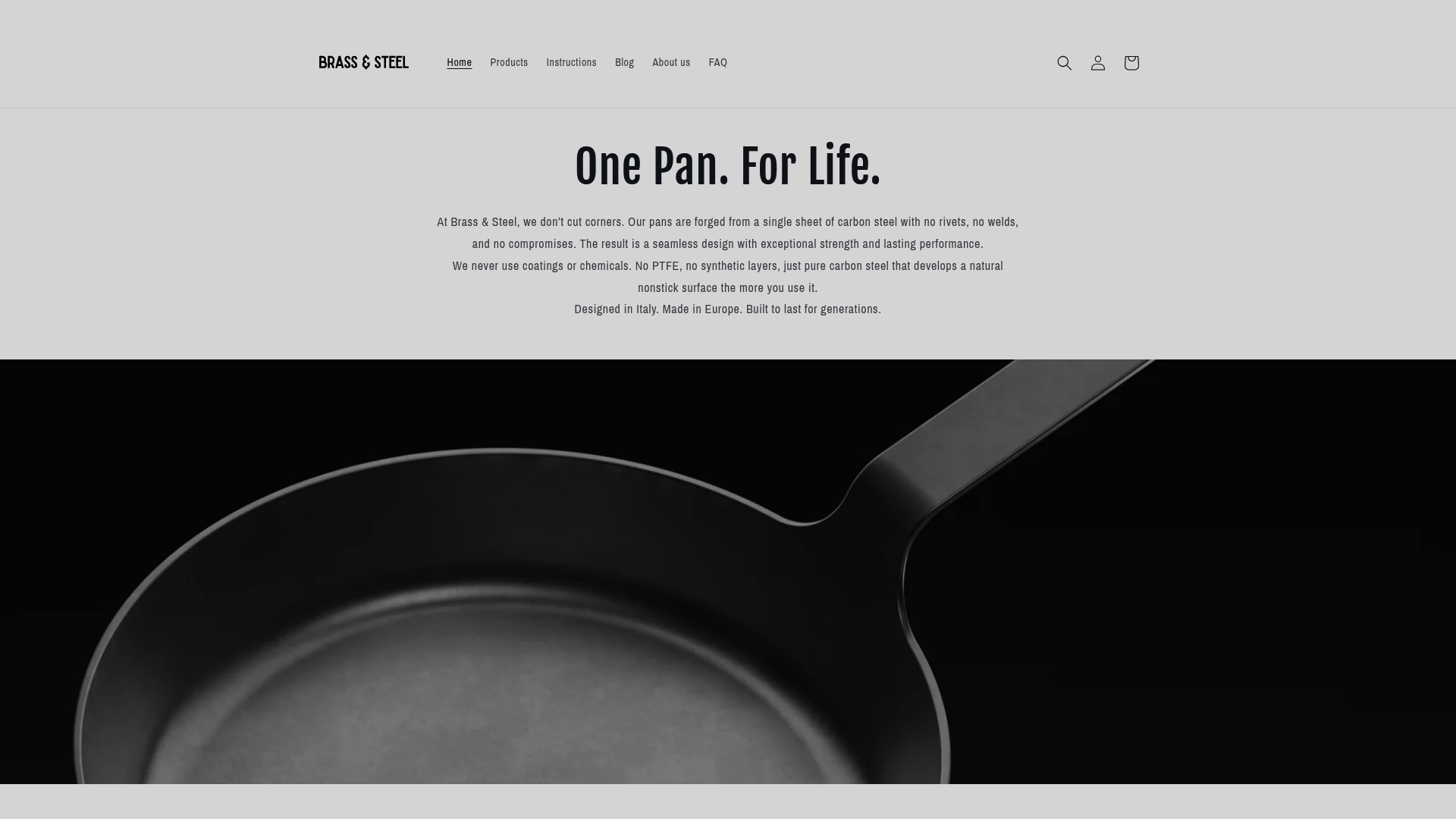
Our 27 cm carbon steel sauté pan at €99 is the ideal starting point for everyday cooking, while the 30 cm version at €119 suits larger meals and family cooking. Both are made in Jarocin, Poland, with design precision that reflects our Italian roots. If you are ready to invest in cookware that genuinely lasts a lifetime, explore our full range and find the pan that fits your kitchen.
Frequently asked questions
Which pan is best for high-heat cooking?
Stainless steel and carbon steel are both excellent for high-heat cooking. Non-stick pans have strict heat limits and should not be used at very high temperatures, as the coating can degrade and release fumes.
How long will my non-stick pan last?
Non-stick coatings degrade after one to five years of regular use, depending on how carefully the pan is treated. Scratches, high heat, and harsh cleaning all accelerate the process.
Is carbon steel really non-stick without chemicals?
Yes. Carbon steel develops a naturally non-stick seasoning through repeated use with oil, with no PTFE or PFOA involved. The surface improves the more you cook with it.
Can I use metal utensils on all cookware?
Metal utensils are safe on stainless steel and carbon steel. Non-stick is not suitable for metal utensils, as they scratch and damage the coating, shortening the pan’s lifespan significantly.
How do I prevent rust on carbon steel pans?
Dry your pan thoroughly after every wash, ideally on the hob over low heat, then apply a thin coat of oil. Carbon steel can rust quickly if left damp, but consistent drying and oiling keeps it in perfect condition indefinitely.
Recommended
- Aluminium vs Stainless Steel vs Ceramic – Choosing Cookware Wisely – Brass & Steel
- Cookware Stainless Steel: Making the Right Choice – Brass & Steel
- Understanding Carbon Steel vs Nonstick Comparison for Chefs – Brass & Steel
- Understanding Carbon Steel vs Nonstick Cookware Choices – Brass & Steel
- Zastosowanie szkła w kuchni 2026: 40% łatwiejsze czyszczenie - Emmi Kuchnie - meble kuchenne na wymiar, szafy komandor, kuchnie bydgoszcz, meble na wymiar bydgoszcz, stolarz bydgoszcz