Cookware Longevity: Everything You Need to Know
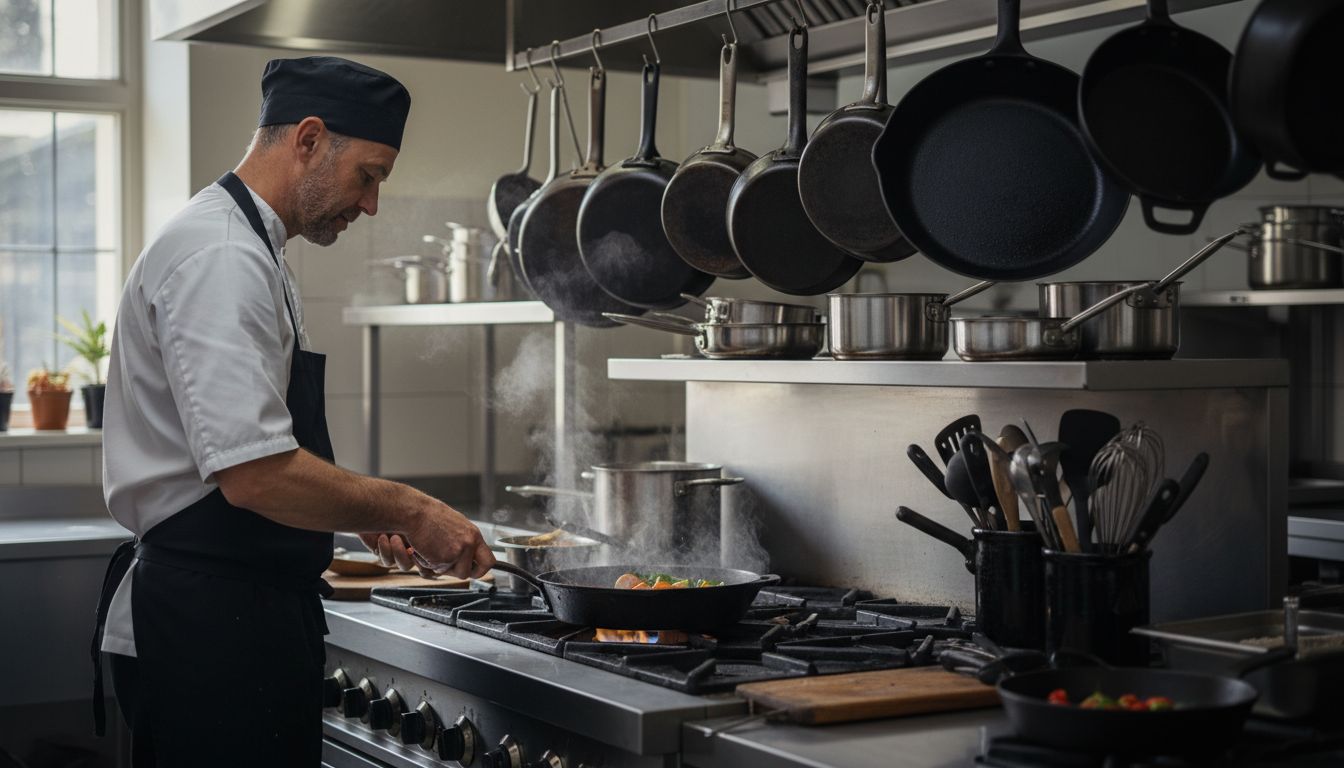
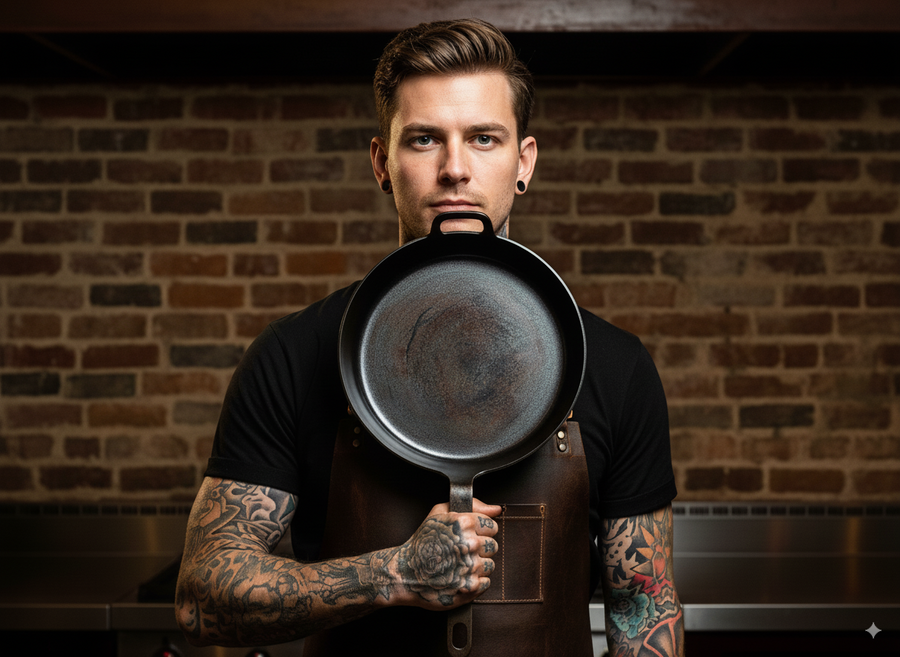
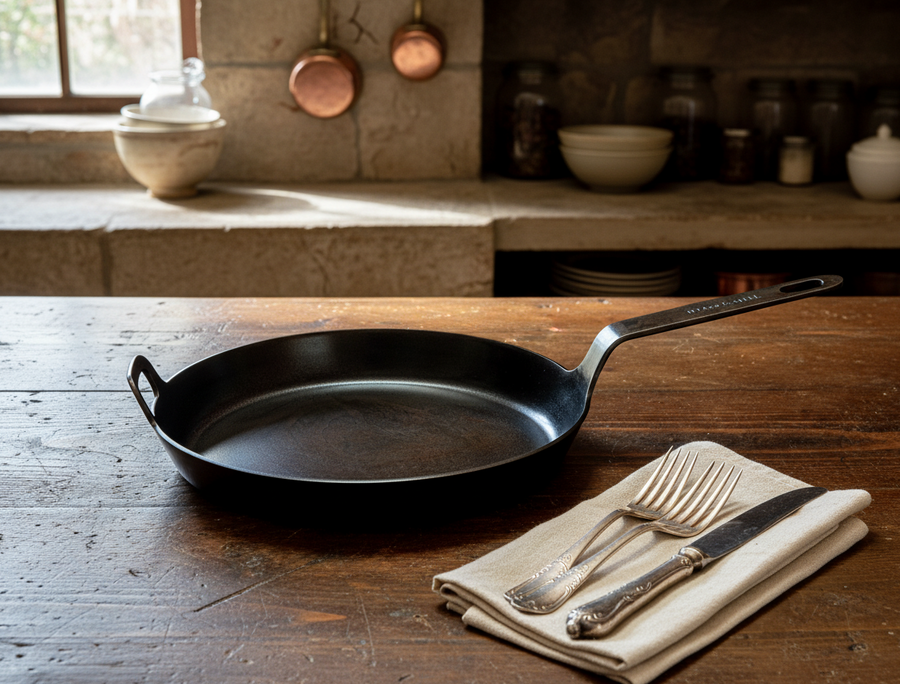
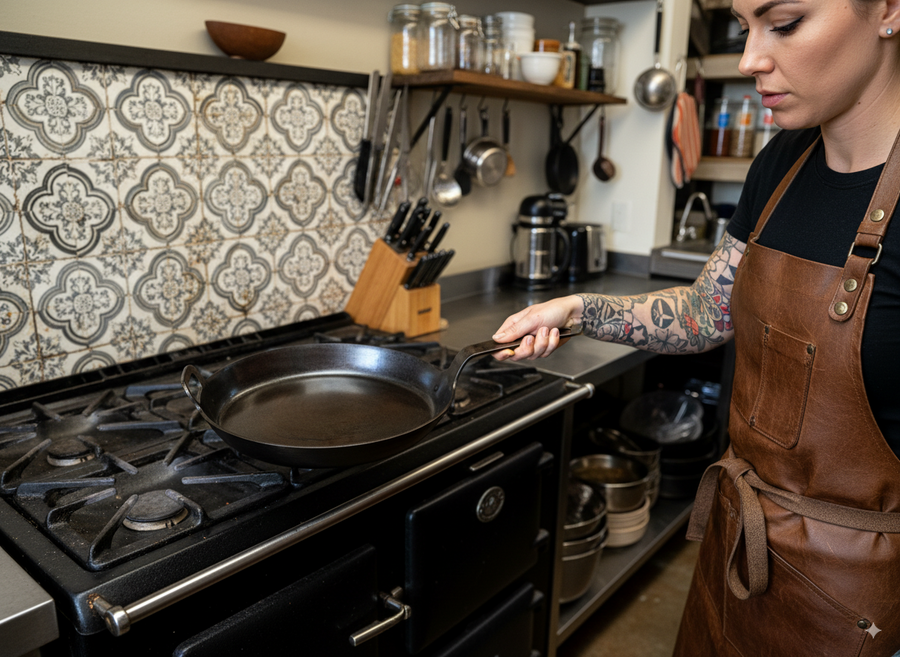
Cookware is more than just a kitchen staple—it is a long-term investment with the potential to last a lifetime if handled wisely. Many home cooks are surprised to learn that a well-maintained cast iron pan can endure for up to 100 years. Understanding the properties of each material, adopting smart cleaning routines, and using the right techniques can dramatically increase your cookware’s lifespan. This guide sheds light on ways to keep your pots and pans performing at their best for years to come.
Table of Contents
- Understanding Cookware Longevity Fundamentals
- Types of Cookware Materials and Their Lifespans
- Essentials of Carbon Steel Pan Durability
- Seasoning, Cleaning, and Maintenance Best Practices
- Common Causes of Pan Damage and How to Avoid Them
- Comparing Carbon Steel With Other Cookware Options
Key Takeaways
| Point | Details |
|---|---|
| Material Matters | Selecting the right cookware material impacts its longevity, with options like cast iron lasting significantly longer than aluminum. |
| Maintenance is Key | Regular cleaning, proper seasoning, and correct storage practices can greatly extend the life and performance of cookware. |
| Avoid Damage | Preventative measures against thermal shock, incorrect cleaning, and improper storage are essential to maintaining cookware integrity. |
| Carbon Steel’s Benefits | Carbon steel pans offer exceptional heat responsiveness and non-stick features when properly maintained, making them a preferred choice for many chefs. |
Understanding Cookware Longevity Fundamentals
Cookware longevity isn’t just about purchasing expensive equipment. It’s about understanding material properties, maintenance techniques, and smart usage strategies. According to research from imoa.info, the durability of cookware depends critically on its material composition and how carefully it is maintained.
Different cookware materials offer varying lifespans and performance characteristics. Wikipedia’s overview of cookware highlights that key factors influencing longevity include:
- Material Composition: Stainless steel, carbon steel, cast iron, and ceramic each have unique durability profiles
- Cooking Techniques: How you use and heat the pan impacts its structural integrity
- Maintenance Practices: Regular cleaning, proper seasoning, and careful storage extend cookware life
Professional chefs understand that high-quality cookware is an investment. While initial costs might be higher, well-maintained pieces can last decades. For instance, a comprehensive guide on professional cookware emphasizes selecting versatile, durable materials that withstand frequent use and high-temperature cooking.
To maximize your cookware’s lifespan, focus on three critical areas: material selection, proper cleaning techniques, and appropriate storage. Avoid sudden temperature changes, use appropriate utensils, and learn material-specific care methods. These strategies transform cookware from a simple kitchen tool into a long-lasting culinary companion.
Types of Cookware Materials and Their Lifespans
Cookware materials are not created equal. According to Home Science Journal, each material offers distinct durability characteristics that significantly impact its lifespan and performance in kitchen environments. Understanding these differences can help you make informed purchasing decisions and extend the life of your cookware.
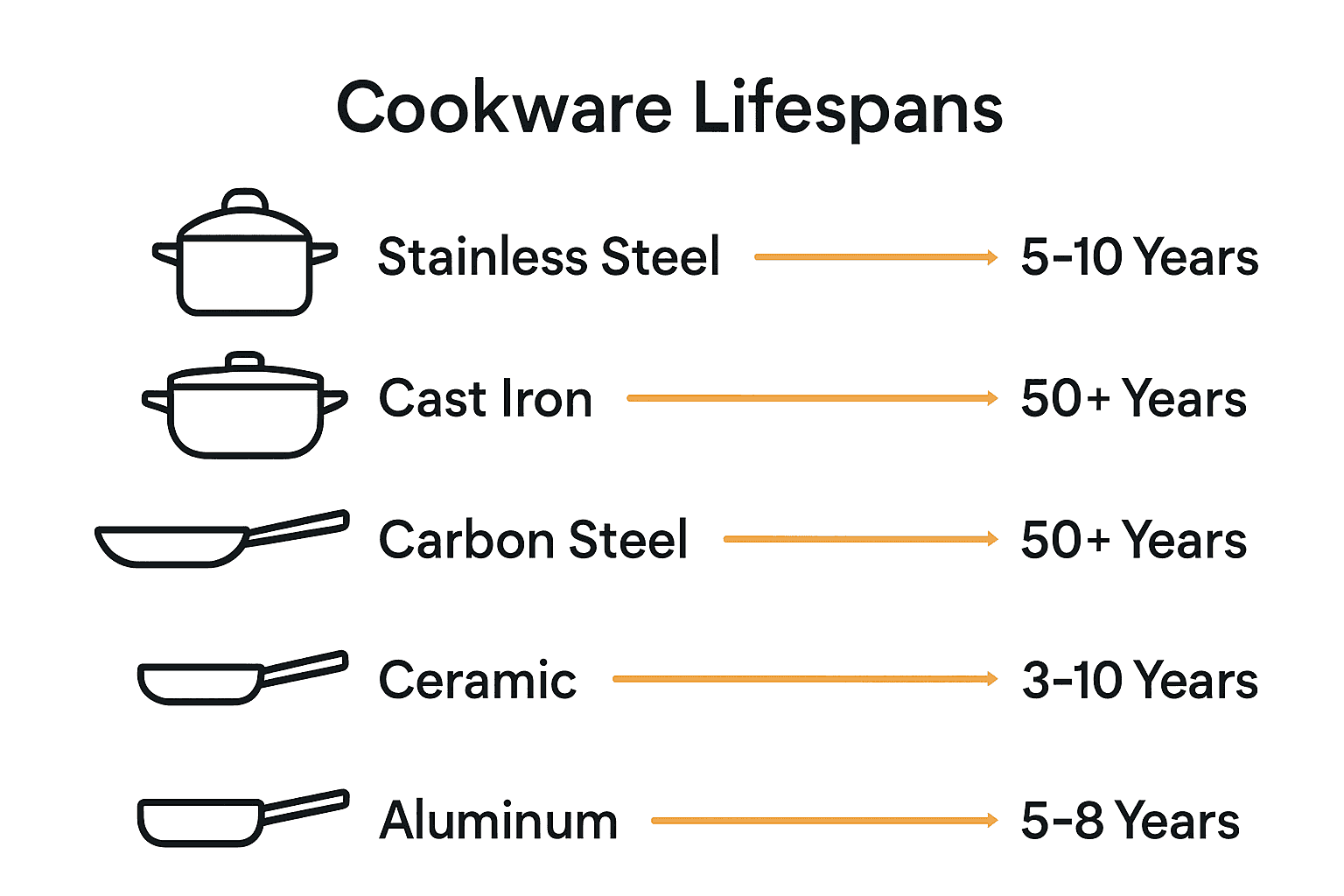
The primary cookware materials and their typical lifespans include:
- Stainless Steel: 10-15 years with proper maintenance
- Cast Iron: 75-100 years if well-seasoned and cared for
- Carbon Steel: 20-30 years with regular seasoning
- Ceramic: 5-10 years depending on usage intensity
- Aluminum: 5-7 years, typically shortest lifespan
As Wikipedia’s kitchen utensil overview highlights, material thermal properties play a crucial role in cookware longevity. Understanding different cookware materials becomes essential for selecting pieces that will serve your culinary needs for years.
Professional chefs and home cooking enthusiasts alike recognize that cookware is an investment.
 The key to maximizing longevity lies not just in material selection, but in consistent, careful maintenance. Proper cleaning, appropriate storage, and understanding each material’s specific care requirements can dramatically extend your cookware’s useful life, transforming a simple kitchen tool into a cherished cooking companion.
Essentials of Carbon Steel Pan Durability
Carbon steel pans represent a pinnacle of culinary engineering, combining remarkable durability with exceptional cooking performance. According to Wikipedia’s non-stick surface overview, these pans develop a unique seasoned surface that not only enhances durability but also creates a natural non-stick cooking environment.
The key factors contributing to carbon steel pan longevity include:
- Material Composition: High-carbon steel provides exceptional strength and heat responsiveness
- Seasoning Process: Builds a protective layer that prevents rust and improves non-stick properties
- Thermal Resilience: Capable of withstanding high temperatures without structural degradation
- Maintenance Practices: Regular care dramatically extends the pan’s useful life
The Aminext cookware materials guide emphasizes that carbon steel’s durability is directly linked to proper maintenance techniques. Best practices for carbon steel care become crucial in preserving the pan’s structural integrity and cooking performance.
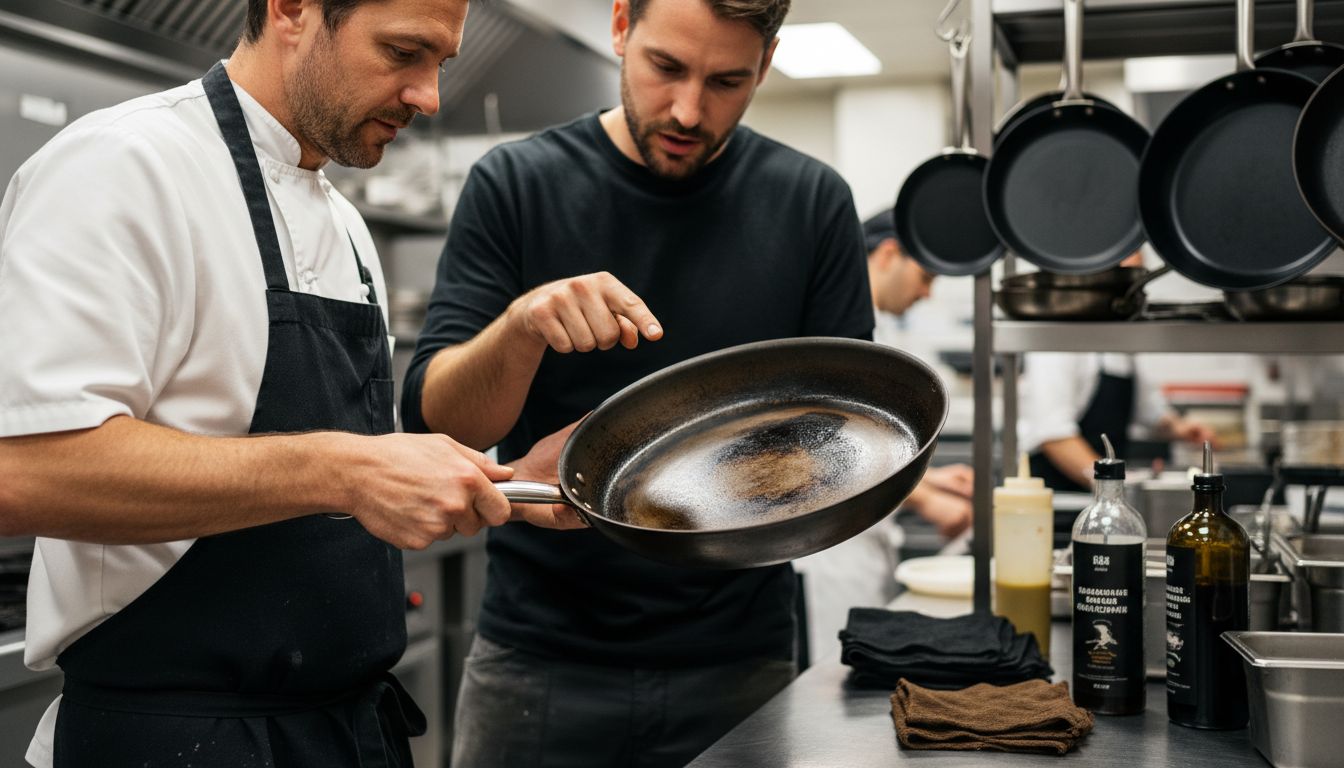
Professional chefs prize carbon steel pans for their remarkable longevity. With proper seasoning, careful cleaning, and avoiding extreme temperature shocks, these pans can last decades. Unlike other cookware materials that degrade quickly, a well-maintained carbon steel pan becomes more non-stick and resilient with each use, transforming from a simple kitchen tool into a cherished culinary companion that improves with age.
Seasoning, Cleaning, and Maintenance Best Practices
Maintaining cookware is an art form that directly impacts its performance and longevity. According to Wikipedia’s non-stick surface overview, seasoning plays a critical role in creating a protective layer that enhances both durability and cooking performance.
Key maintenance practices for optimal cookware care include:
- Initial Seasoning: Create a protective base layer using high-smoke-point oils
- Regular Cleaning: Use gentle techniques that preserve the seasoned surface
- Proper Drying: Immediately dry after washing to prevent rust formation
- Controlled Storage: Keep in dry environments with minimal humidity
- Periodic Re-seasoning: Refresh the protective layer periodically
The Aminext cookware materials guide emphasizes that consistent maintenance is more important than occasional intensive cleaning. Essential carbon steel care routines become crucial in preventing degradation and maintaining cooking quality.
Professional chefs understand that cookware maintenance is about creating a relationship with your tools. Each cleaning, each seasoning is an investment in performance. With mindful care, your cookware transforms from a simple kitchen implement into a trusted culinary partner that improves with every use, developing a unique character and enhanced cooking capabilities over time.
Common Causes of Pan Damage and How to Avoid Them
Cookware damage can transform a premium kitchen tool into a frustrating liability. According to Wikipedia’s cookware and bakeware overview, several preventable factors significantly contribute to premature pan deterioration.
The most common causes of pan damage include:
- Thermal Shock: Sudden temperature changes that cause structural stress
- Improper Cleaning: Aggressive scrubbing or harsh chemical detergents
- Incorrect Storage: Moisture exposure and stacking without protective layers
- High Heat Misuse: Overheating beyond material recommendations
- Metal Utensil Damage: Scratching seasoned surfaces with sharp metal tools
What is warping in pans becomes a critical consideration for home cooks seeking to extend their cookware’s lifespan. Understanding these potential damage mechanisms allows proactive prevention, transforming pan maintenance from a reactive to a strategic process.
Professional chefs treat their cookware like precision instruments. Each scratch, each unintended temperature swing represents potential performance degradation. By implementing mindful handling techniques and investing time in proper care, you can significantly extend your pan’s functional life. Think of maintenance not as a chore, but as a dialogue between cook and tool where respect and understanding prevent unnecessary wear.
Comparing Carbon Steel With Other Cookware Options
Cookware selection is an art of balancing performance, durability, and cooking style. According to Aminext’s cookware materials guide, carbon steel stands out as a versatile material with unique characteristics that set it apart from traditional options.
Key comparative insights between cookware materials reveal:
- Carbon Steel: Superior heat responsiveness, natural non-stick properties when seasoned
- Cast Iron: Excellent heat retention, heavier, requires more maintenance
- Stainless Steel: Durable, easier to clean, less non-stick performance
- Ceramic: Non-reactive, attractive, but more fragile and limited heat tolerance
- Aluminum: Lightweight, rapid heat transfer, prone to warping
Carbon steel vs cast iron guide highlights the nuanced differences that make carbon steel a professional chef’s preferred choice. According to Wikipedia’s cookware overview, each material offers distinct advantages that cater to specific cooking needs.
Ultimately, cookware selection is a personal journey. Professional chefs understand that no single material is perfect for every situation. Carbon steel emerges as a comprehensive solution, offering a blend of performance, durability, and versatility that adapts to various cooking techniques. It’s not just a pan it’s a culinary partner that improves with each use.
Enhance Cookware Longevity with Premium Carbon Steel Pans
Achieving cookware longevity requires more than just good intentions. The article reveals that material choice, proper seasoning, and careful maintenance are essential to turning cookware into a life-long kitchen companion. If you are seeking cookware that naturally improves with time, offers health-conscious design without toxic coatings, and delivers top performance across all cooktops, explore our Carbon Steel Collection | Brass&Steel. Here you will find single-piece forged pans engineered for durability and a natural nonstick surface that responds beautifully to regular seasoning and care.
Don’t settle for cookware that loses value with use. Make the investment in heirloom-quality carbon steel pans designed to last decades. Visit Brass & Steel today and discover how effortless maintenance combined with superior craftsmanship can transform your cooking experience. For the latest innovations and additions, check out our New arrivals – Brass & Steel to start your journey toward truly enduring cookware.
Frequently Asked Questions
What factors influence the longevity of cookware?
The longevity of cookware is influenced by material composition, cooking techniques, and maintenance practices. Different materials like stainless steel, cast iron, and carbon steel have varying lifespans based on how they are used and cared for.
How long do different types of cookware typically last?
Cookware lifespans vary by material: stainless steel lasts 10-15 years, cast iron can last 75-100 years, carbon steel lasts 20-30 years, ceramic lasts 5-10 years, and aluminum typically only lasts 5-7 years.
What are the best practices for maintaining carbon steel pans?
To maintain carbon steel pans, ensure proper seasoning, use gentle cleaning techniques to preserve the surface, dry immediately after washing, avoid extreme temperature changes, and re-season periodically to keep the protective layer intact.
What are common causes of cookware damage and how can they be avoided?
Common causes of cookware damage include thermal shock, improper cleaning, incorrect storage, high heat misuse, and using metal utensils that can scratch the surface. To avoid damage, handle cookware carefully, use appropriate cleaning methods, and store them in dry environments.