Ceramic vs Nonstick Cookware: Safety, Longevity, and Performance
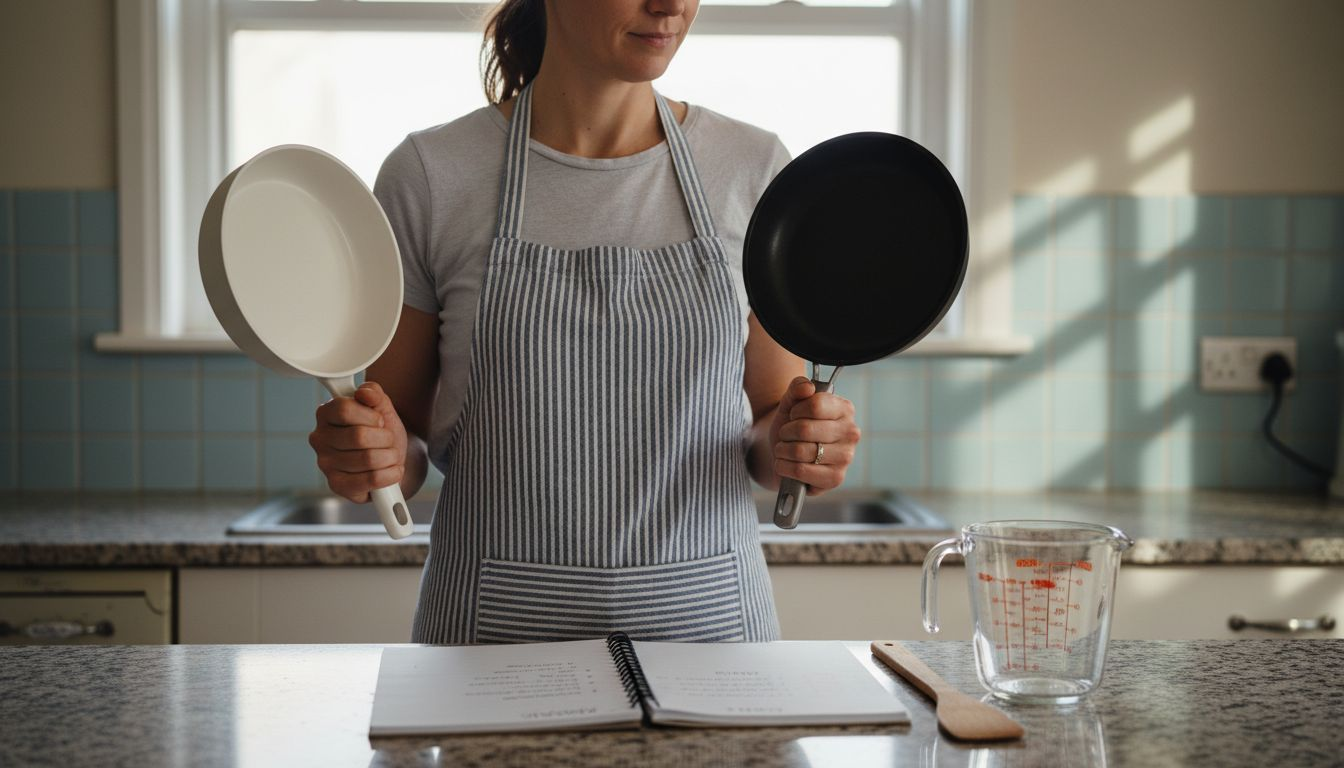
Most British kitchens still rely on traditional nonstick pans, yet research shows over 65 percent of European home cooks now seek healthier, long-lasting alternatives. This shift reflects a strong desire for cookware that delivers both performance and safety. Comparing ceramic, nonstick, and carbon steel options helps home cooks and professionals understand the practical benefits and risks, paving the way for smart choices that support longevity without compromising results.
Table of Contents
- Defining Ceramic and Nonstick Cookware Types
- How Ceramic and Nonstick Coatings Differ
- Safety and Health Considerations in Everyday Use
- Performance, Durability, and Ease of Maintenance
- Comparing Ceramic, Nonstick, and Carbon Steel Pans
- Choosing the Right Pan for Your Cooking Needs
Key Takeaways
| Point | Details |
|---|---|
| Material Composition | Ceramic cookware uses silica-based coatings, while nonstick relies on polymer-based coatings like PTFE. |
| Health and Safety | Ceramic coatings avoid toxic PFAS, offering a safer alternative compared to traditional nonstick surfaces. |
| Durability and Maintenance | Nonstick cookware tends to be more durable and requires less maintenance than ceramic options, which can chip and wear over time. |
| Best Use Cases | Nonstick pans are ideal for delicate foods, while carbon steel is preferred for high-heat applications and long-term durability. |
Defining Ceramic and Nonstick Cookware Types
Cookware technology has evolved significantly, offering home cooks and professional chefs diverse options for preparing meals. Ceramic cookware and nonstick cookware represent two distinct categories with unique characteristics, materials, and performance attributes. Ceramic cookware encompasses a variety of types with complex material compositions, traditionally originating from clay but now incorporating advanced coating technologies.
Ceramic cookware typically features a ceramic-based coating applied over a metal substrate, usually aluminium or steel. These coatings are created through sophisticated manufacturing processes that provide a smooth, non-reactive cooking surface. In contrast, nonstick cookware traditionally uses polymer-based coatings like PTFE to prevent food adhesion, applied over metal bases such as aluminium or stainless steel.
The key distinctions between ceramic and nonstick cookware lie in their material composition and surface properties. Ceramic cookware offers a more natural, potentially less chemically complex surface compared to traditional PTFE nonstick pans. These surfaces differ in heat conductivity, durability, and potential interactions with cooking ingredients. Modern ceramic coatings often emphasise non-toxicity and environmental considerations, appealing to health-conscious consumers seeking alternatives to conventional nonstick technologies.
Pro tip: When selecting cookware, consider your specific cooking needs, heat requirements, and maintenance preferences to choose the most suitable option for your kitchen.
How Ceramic and Nonstick Coatings Differ
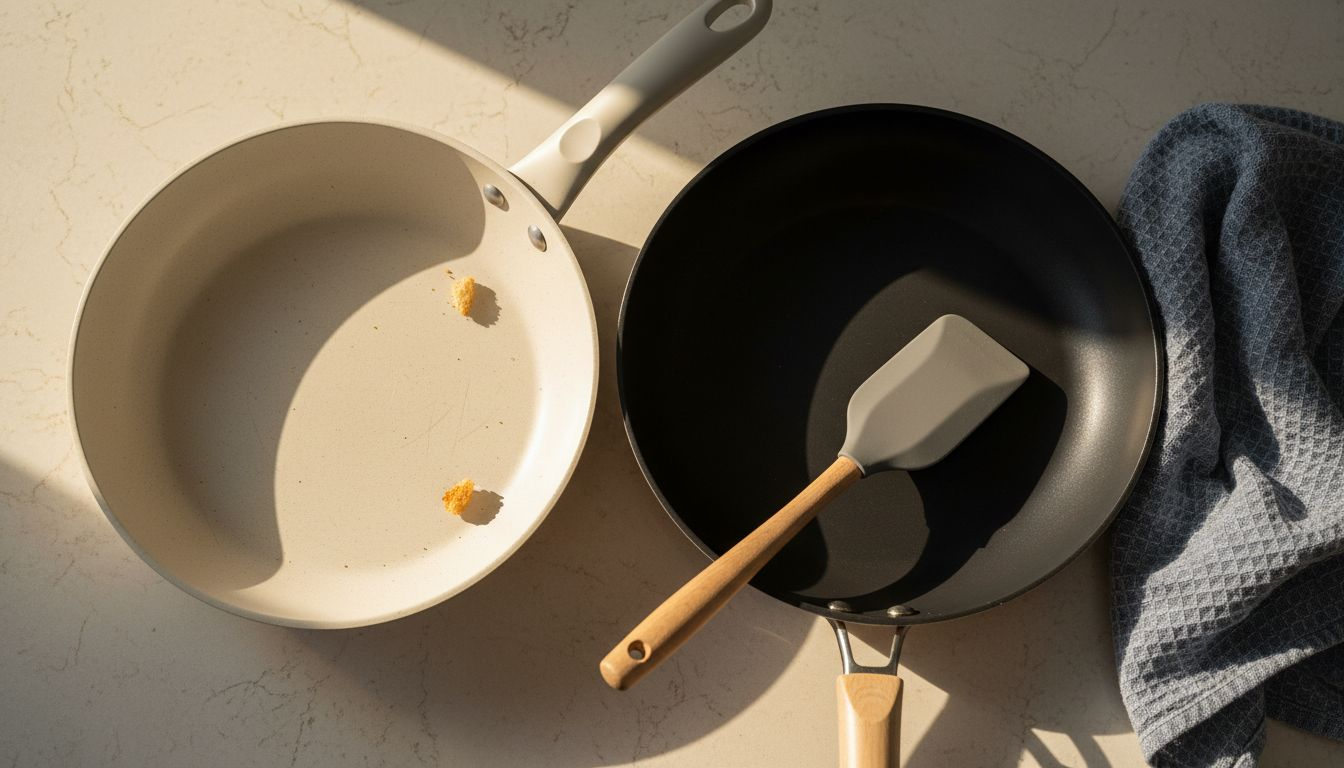
The fundamental differences between ceramic and nonstick coatings reveal distinct material properties and performance characteristics. Ceramic coatings are composed of silica-based, inorganic materials derived from sand, creating a hard, glassy surface with inherent nonstick qualities and superior heat resistance. These mineral-based coatings offer a more natural alternative to traditional synthetic polymer coatings, appealing to health-conscious home cooks.
In contrast, traditional nonstick coatings rely on polymer technologies like PTFE (polytetrafluoroethylene), which provide an extremely smooth surface excellent for food release. These synthetic coatings are susceptible to chemical breakdown at elevated temperatures, potentially releasing harmful fumes when overheated beyond 500°F. Ceramic coatings distinguish themselves by maintaining structural integrity at higher temperatures and avoiding the chemical concerns associated with PFAS and related compounds found in conventional nonstick surfaces.
The performance variations extend beyond chemical composition. Ceramic coatings typically demonstrate improved heat tolerance and a more environmentally friendly profile, though they may exhibit a shorter lifespan compared to traditional nonstick surfaces. The nanoparticle composition of ceramic coatings introduces unique thermal and mechanical properties, providing a cooking surface that balances performance with potential health considerations.
Pro tip: When selecting cookware, always assess the maximum recommended cooking temperature and choose a coating that matches your typical cooking techniques and heat requirements.
Safety and Health Considerations in Everyday Use
Ceramic cookware presents several compelling health advantages over traditional nonstick surfaces, primarily due to its absence of perfluoroalkyl substances (PFAS). These mineral-based coatings eliminate the risks associated with synthetic polymer technologies, offering home cooks a potentially safer cooking experience. Unlike conventional nonstick pans, ceramic surfaces do not release toxic fumes when exposed to moderate to high temperatures, addressing significant health concerns surrounding traditional cookware materials.
The primary safety distinctions emerge from chemical composition and thermal stability. Modern ceramic coatings avoid toxic fluoropolymers found in traditional nonstick cookware, presenting a more environmentally conscious and health-friendly alternative. However, consumers should remain discerning, as low-quality ceramic coatings may still contain trace amounts of heavy metals or nanoparticles such as titanium dioxide, whose long-term health impacts remain partially uncertain.
Nonstick surfaces, while significantly improved in recent years, continue to pose potential health risks when subjected to extreme temperatures. Conventional PTFE-based coatings can release harmful chemical compounds if heated beyond 500°F, creating potential respiratory and environmental concerns. Ceramic coatings demonstrate superior thermal resilience, maintaining structural integrity and minimising chemical degradation during typical cooking processes.
Pro tip: Always inspect your cookware for signs of coating deterioration and replace surfaces showing scratches or significant wear to maintain optimal cooking safety.
Performance, Durability, and Ease of Maintenance
Nonstick cookware demonstrates superior durability compared to ceramic coatings, offering consistent performance and low-maintenance characteristics that appeal to home cooks. Traditional nonstick surfaces typically maintain their food-release properties for several years when properly cared for, making them a pragmatic choice for everyday cooking. The synthetic polymer coatings are engineered to withstand repeated use, providing a smooth cooking experience with minimal effort.
Ceramic cookware, while presenting attractive heat resistance and initial nonstick qualities, encounters more significant durability challenges. These mineral-based coatings tend to deteriorate more rapidly, requiring gentler handling and more meticulous maintenance. Ceramic surfaces are more susceptible to chipping, scratching, and gradual loss of nonstick effectiveness, which means home cooks must invest more time and care to preserve their cookware’s performance.
The maintenance requirements further differentiate these cookware types. Nonstick surfaces generally demand less intensive cleaning and seasoning, with simple washing and minimal maintenance ensuring prolonged usability. Ceramic cookware, conversely, requires more nuanced care. Cooks must avoid abrasive cleaning tools, limit high-heat cooking, and handle the surfaces with greater delicacy to prevent premature coating degradation. These additional maintenance considerations can make ceramic cookware less appealing for individuals seeking straightforward, low-effort cooking solutions.
Pro tip: Rotate between multiple cooking surfaces and avoid using metal utensils to extend the lifespan of your ceramic and nonstick cookware.
Comparing Ceramic, Nonstick, and Carbon Steel Pans
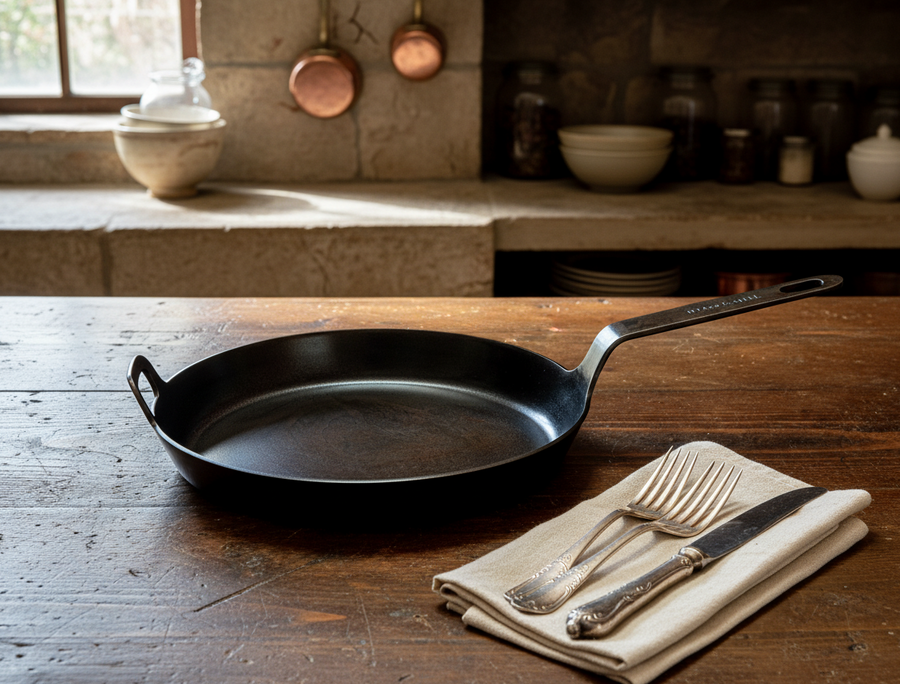
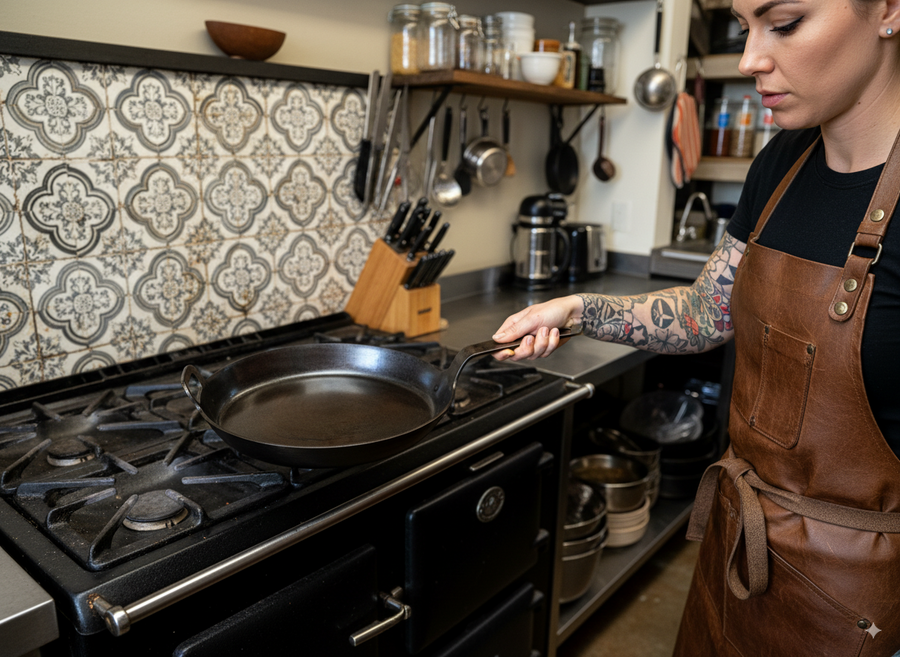
Carbon steel cookware stands out as a superior option with remarkable durability and performance characteristics, offering home cooks a versatile and long-lasting cooking surface. Unlike ceramic and traditional nonstick pans, carbon steel develops a natural seasoning that improves its nonstick properties over time, creating a unique cooking experience that combines functionality with culinary tradition. The material’s exceptional heat responsiveness allows for precise temperature control, making it a favourite among professional chefs and serious home cooks.
Ceramic pans present an attractive alternative with their chemical-free, easy-release surfaces, but they face significant limitations in durability and long-term performance. These pans are more prone to chipping and wear, requiring delicate handling and potentially shorter lifespans compared to carbon steel. The mineral-based coating, while initially smooth and non-reactive, tends to deteriorate more quickly, necessitating more frequent replacements.
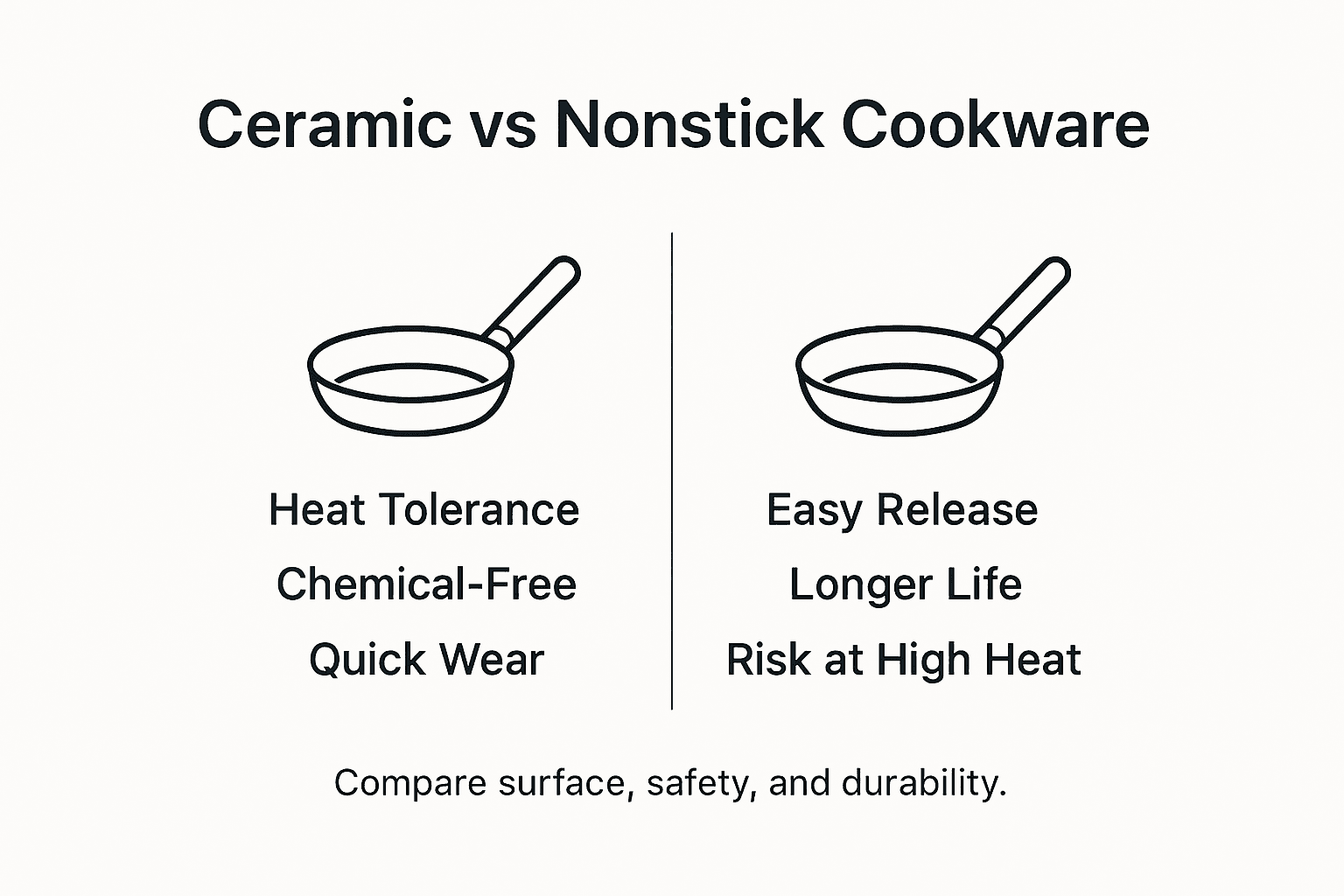
Traditional nonstick cookware, typically featuring PTFE-based coatings, offers convenient food release but encounters substantial drawbacks in heat tolerance and potential chemical leaching. Carbon steel emerges as a compelling compromise, combining the best attributes of both ceramic and nonstick surfaces. Its ability to develop a natural, non-toxic nonstick layer through seasoning provides a sustainable and health-conscious cooking solution that improves with proper care and consistent use.
Here is a comparison of ceramic, nonstick, and carbon steel cookware to help clarify their unique benefits:
| Attribute | Ceramic Cookware | Nonstick Cookware | Carbon Steel Cookware |
|---|---|---|---|
| Heat Tolerance | Moderate to high | Low to moderate | Extremely high |
| Durability | Prone to chipping and wear | Withstands everyday use | Increases with seasoning |
| Surface Composition | Mineral-based, chemical-free | Polymer-based (PTFE, PFA) | Pure iron alloy |
| Nonstick Mechanism | Inorganic smooth coating | Synthetic PTFE or similar | Develops natural seasoning |
| Maintenance Effort | Requires gentle handling | Simple cleaning, less effort | Needs seasoning, attentive |
| Health & Safety | No PFAS, low toxicity | May emit fumes if overheated | No chemical coating risks |
Pro tip: Invest time in properly seasoning your carbon steel pan to create a superior, naturally non-toxic cooking surface that improves with each use.
Choosing the Right Pan for Your Cooking Needs
Selecting the ideal cookware requires carefully evaluating your specific cooking style and culinary preferences, with each pan type offering unique advantages for different cooking techniques. Nonstick pans excel at preparing delicate foods like eggs and fish, providing effortless food release and simplified cleaning. Their smooth surface minimises ingredient sticking, making them perfect for low-oil cooking and recipes requiring gentle heat management.
Ceramic pans emerge as an attractive option for health-conscious cooks seeking chemical-free cooking surfaces with moderate heat tolerance. These pans offer a natural, non-toxic alternative to traditional nonstick cookware, appealing to individuals prioritising environmental and health considerations. However, they require gentler handling and more attentive maintenance, with a shorter practical lifespan compared to more robust cooking surfaces.
Carbon steel represents the pinnacle of versatile cookware, combining exceptional heat conductivity with remarkable durability. Professional chefs favour this material for its ability to develop a natural nonstick seasoning through repeated use, enabling high-temperature searing and precise temperature control. While demanding more initial maintenance, carbon steel pans reward dedicated cooks with unparalleled performance and a cooking surface that improves with every meal prepared.
This table highlights ideal use cases based on cooking habits and preferences:
| Cooking Preference | Best Pan Type | Justification |
|---|---|---|
| Low-fat, delicate foods | Nonstick | Ensures easy release and minimal sticking |
| Chemical-free, eco focus | Ceramic | Made from natural, toxin-free coatings |
| High-heat, searing, versatility | Carbon Steel | Handles intense heat, improves with use |
| Minimal maintenance | Nonstick | Simplified cleaning, durable for daily tasks |
| Long-term investment | Carbon Steel | Durable, nonstick improves over time |
| Frequent pan rotation | Ceramic or Nonstick | Lower wear with shared use |
Pro tip: Assess your most frequent cooking techniques and choose a pan that matches your primary culinary needs, balancing performance, maintenance, and long-term durability.
Discover a Safer, More Durable Alternative with Carbon Steel Cookware
If you find yourself concerned by the limitations of ceramic and traditional nonstick cookware highlighted in this article — such as coating wear, potential health risks from synthetic materials, or the need for gentle maintenance — it is time to explore a truly long-lasting solution. Our high-quality carbon steel pans offer a natural nonstick surface developed through seasoning with no chemical coatings involved, providing excellent heat tolerance and superior durability that only improves over time.
Experience cookware engineered for serious cooks who demand performance without compromise. Visit our Carbon Steel Collection | Brass&Steel to find pans forged from a single carbon steel sheet, delivering flawless cooking with a seamless design. Take control of your kitchen now and embrace a PTFE free cookware option that is induction compatible and built to last a lifetime. Upgrade your cooking performance and health today by choosing cookware crafted with precision and care at Brass & Steel.
Frequently Asked Questions
What are the main differences between ceramic and nonstick cookware?
Ceramic cookware features a ceramic-based coating that is generally more natural and less chemically complex than traditional nonstick cookware, which uses polymer coatings like PTFE. Ceramic offers better heat resistance and is free of PFAS, while traditional nonstick surfaces excel in food release but may degrade at high temperatures.
Is ceramic cookware safer than nonstick cookware?
Yes, ceramic cookware is often considered safer than traditional nonstick cookware as it does not contain harmful perfluoroalkyl substances (PFAS) or release toxic fumes when heated. However, low-quality ceramic coatings may still pose some health risks if they contain heavy metals.
How long does ceramic cookware last compared to nonstick cookware?
Nonstick cookware tends to have a longer lifespan and maintains its food-release properties for several years with proper care. Ceramic cookware, while offering great initial performance, may chip or lose its nonstick qualities more quickly, requiring delicate handling and more frequent replacements.
What are the best practices for maintaining ceramic and nonstick cookware?
To maintain ceramic cookware, avoid using abrasive cleaning tools, limit exposure to high heat, and handle it with care to prevent chipping. For nonstick cookware, use gentle cleaning methods and avoid metal utensils to preserve the coating and ensure longevity.
Recommended
- Stainless Steel vs Ceramic Cookware – Which Suits Serious Cooks? – Brass & Steel
- Ceramic vs Aluminium Cookware – Performance and Safety Explained – Brass & Steel
- Non-Toxic Cookware Choices: Carbon Steel vs Ceramic Pans – Brass & Steel
- Nonstick Alternatives Explained: Understanding Safe Options – Brass & Steel