What is seasoning oil? Essential guide for carbon steel pans
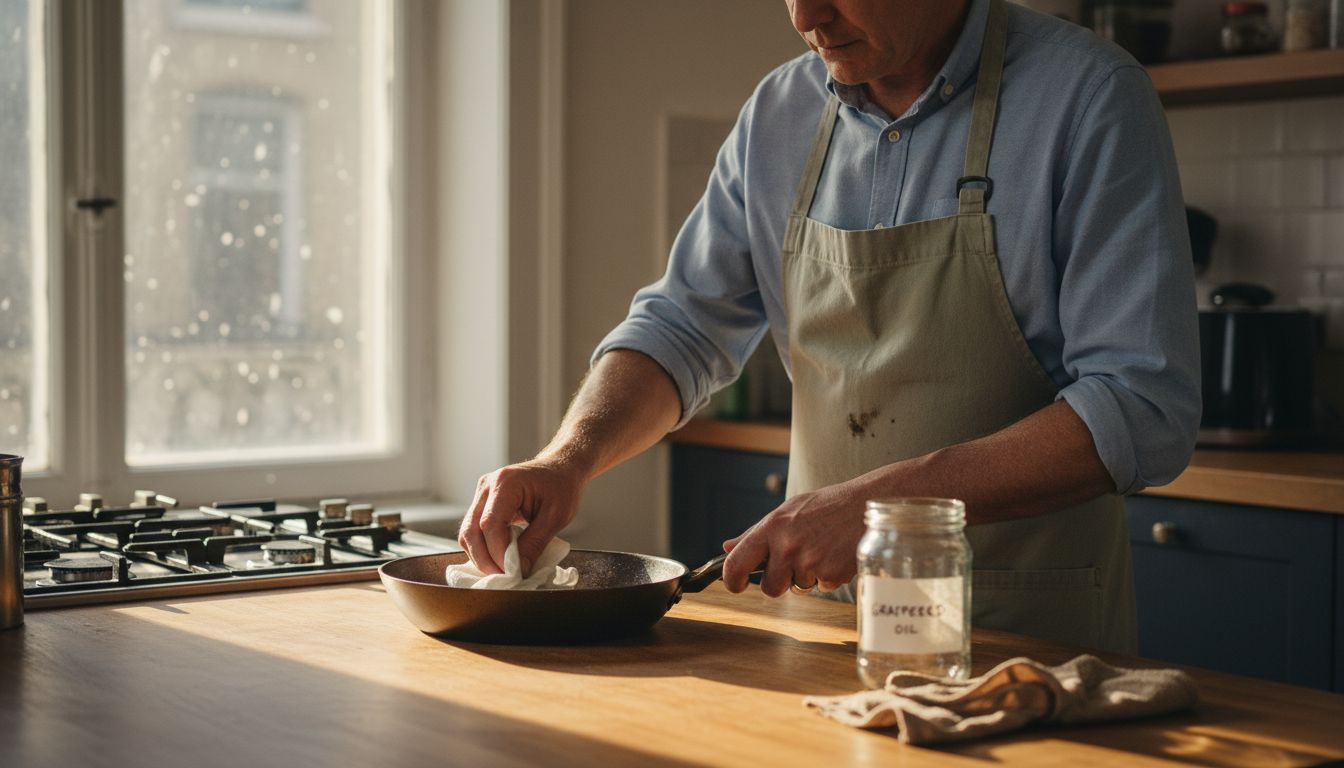
Many home cooks struggle with sticky pans or rust spots on their carbon steel cookware, often because they misunderstand seasoning oil. Seasoning oil isn’t simply cooking oil you drizzle onto a pan. It’s a carefully applied layer that transforms through heat into a durable, protective coating. This process, called polymerisation, creates the natural non-stick surface and rust protection that make carbon steel pans legendary. Understanding how to choose, apply, and maintain seasoning oil unlocks your pan’s full potential, turning it into a reliable kitchen workhorse that improves with every use.
Table of Contents
- What Is Seasoning Oil And How Does It Work?
- How To Apply Seasoning Oil Correctly For Best Results
- Choosing The Best Oils For Seasoning Carbon Steel Pans
- Maintaining And Repairing Seasoning Oil Layers For Lasting Performance
- Discover The Best Carbon Steel Pans And Seasoning Products
- Frequently Asked Questions About Seasoning Oil
Key takeaways
| Point | Details |
|---|---|
| Seasoning oil transforms through heat | High-temperature heating polymerises oil into a durable, protective coating on carbon steel pans. |
| Thin layers build the best seasoning | Multiple ultra-thin coats create even, non-stick surfaces, whilst thick applications cause stickiness. |
| High smoke point oils work best | Grapeseed, sunflower, and canola oils polymerise effectively for long-lasting protection. |
| Regular maintenance preserves performance | Proper cleaning, light oiling after use, and occasional re-seasoning keep pans performing optimally. |
What is seasoning oil and how does it work?
Seasoning oil is any edible oil that undergoes polymerisation when exposed to high heat, bonding to carbon steel surfaces as a hard, protective layer. Unlike cooking oil that remains liquid and washes away, seasoning carbon steel pans creates a polymerised layer that provides non-stick properties and prevents rust. This transformation occurs at temperatures between 204°C and 260°C, where oil molecules break down and recombine into long chains that form a solid coating.
The polymerisation process is controlled oxidation. When you heat oil past its smoke point on bare carbon steel, oxygen molecules interact with the oil’s fatty acids, creating cross-linked polymers that adhere tightly to the metal’s porous surface. Each heating cycle adds another thin layer, gradually building up a dark, glossy patina that becomes increasingly non-stick and protective.
This coating differs fundamentally from the oil you cook with. Cooking oil sits on the surface temporarily, whilst seasoning oil becomes part of the pan’s structure. Think of it like varnish on wood: the oil penetrates microscopic pores in the steel, then hardens into a smooth, durable finish. The more layers you build through repeated seasoning a carbon steel pan, the better your pan performs.
Several factors influence polymerisation quality:
- Oil type and smoke point determine how well molecules bond
- Temperature consistency ensures even coating formation
- Layer thickness affects durability and smoothness
- Time at peak temperature completes the chemical transformation
Pro Tip: Heat your pan until it just begins to smoke, then immediately remove it from heat. This signals that polymerisation has started without risking damage to earlier seasoning layers.
The science behind seasoning explains why some oils outperform others. Oils rich in polyunsaturated fats contain more double bonds in their molecular structure, making them more reactive during heating. These bonds break and reform into the tight polymer networks that create superior seasoning. Saturated fats, by contrast, lack these reactive sites and produce weaker, less durable coatings.

How to apply seasoning oil correctly for best results
Proper application separates excellent seasoning from frustrating, sticky messes. The golden rule is simple: less oil creates better results.
Follow this proven method for seasoning a carbon steel pan step by step:
- Wash your pan thoroughly with warm, soapy water to remove factory oils or residue.
- Dry completely over low heat for two minutes to eliminate all moisture.
- Apply a few drops of high smoke point oil to the entire cooking surface.
- Wipe aggressively with a clean cloth until the pan looks almost dry and shows no visible oil pooling.
- Heat the pan over medium-high heat until it smokes lightly, then maintain that temperature for two minutes.
- Remove from heat and allow to cool completely before handling.
- Repeat steps three through six at least three times for initial seasoning.
The wiping step is critical. Your cloth should come away with most of the oil, leaving only a microscopic film on the steel. If you can see shiny oil patches, you’ve applied too much. This excess oil doesn’t polymerise properly; instead, it forms sticky, gummy deposits that flake off during cooking.
Pro Tip: Use a lint-free cloth or paper towel for wiping. Cotton fibres can stick to the hot oil and become embedded in your seasoning layer.
Common mistakes sabotage seasoning efforts. Insufficient heating prevents complete polymerisation, leaving tacky residue. Thick oil layers create uneven, brittle coatings that chip away. Rushing between coats doesn’t allow proper bonding. Temperature fluctuations produce patchy results. Each error compounds, turning what should be a smooth, black finish into a mottled, sticky disappointment.
The stovetop method works well for quick touch-ups, but oven seasoning provides more consistent results for initial builds. Preheat your oven to 250°C, apply your ultra-thin oil layer, then bake the pan upside down for 30 minutes. This inverted position prevents oil from pooling in the centre. The surrounding heat ensures even polymerisation across the entire surface, including the sides and handle area.
Consider your carbon steel pan seasoning guide a living document. Your first seasoning creates the foundation, but the real magic happens through regular cooking. Frying eggs, searing steaks, and sautéing vegetables all add micro-layers of seasoning, gradually perfecting your pan’s performance.
Choosing the best oils for seasoning carbon steel pans
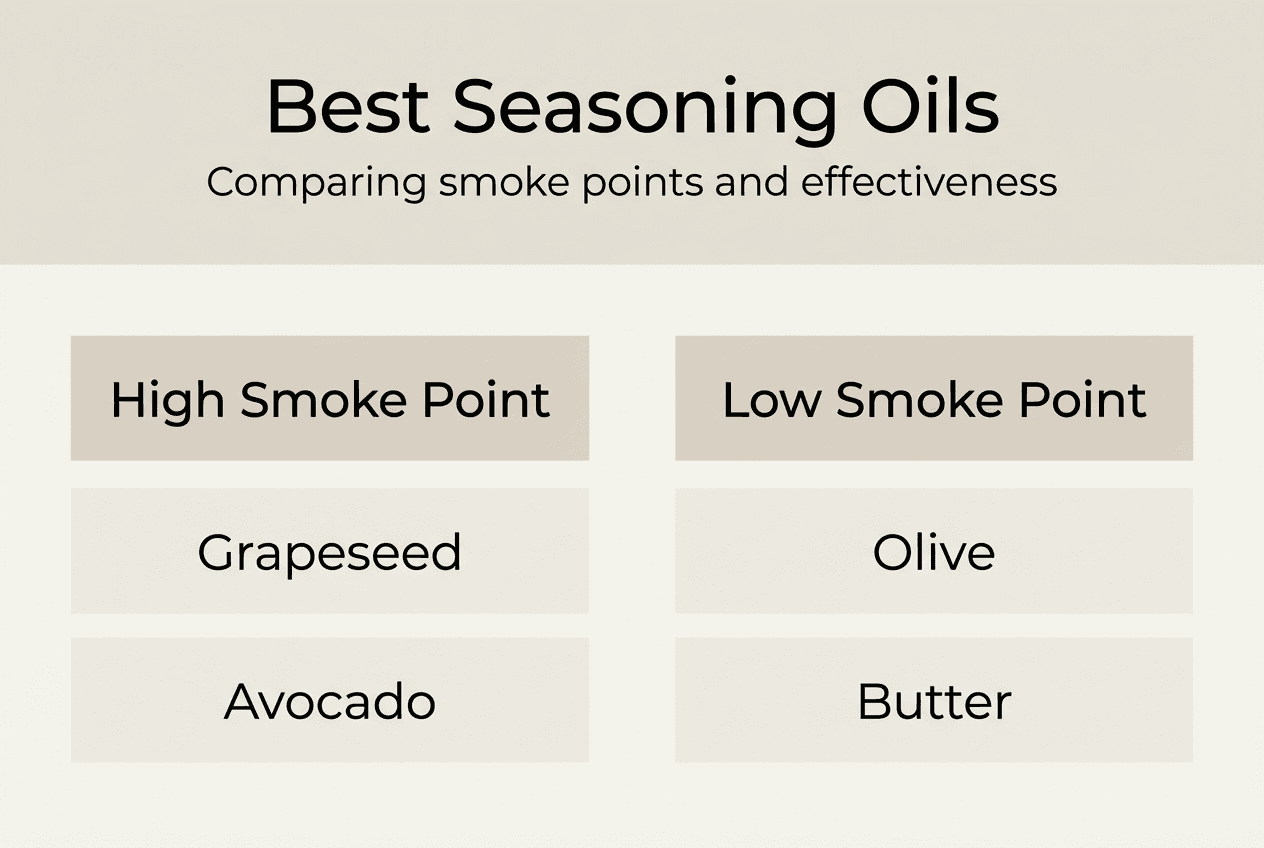
Oil selection dramatically impacts seasoning quality and longevity. High smoke point oils polymerise more effectively because they withstand the intense heat required for proper bonding without breaking down prematurely. AP seasoning uses refined, high-smoke-point oils like grapeseed, sunflower, or canola for optimal polymerisation.
Here’s how popular oils compare for seasoning carbon steel:
| Oil Type | Smoke Point | Polymerisation Quality | Best Use |
|---|---|---|---|
| Grapeseed | 216°C | Excellent | Initial seasoning and maintenance |
| Sunflower | 232°C | Excellent | High-heat seasoning builds |
| Canola | 204°C | Very good | Budget-friendly everyday seasoning |
| Flaxseed | 107°C | Poor | Not recommended despite popularity |
| Olive oil | 191°C | Fair | Cooking only, not primary seasoning |
| Lard | 188°C | Fair | Flavour cooking, weak seasoning |
Grapeseed oil stands out as the top choice for most home cooks. Its neutral flavour won’t affect your food’s taste, and its high polyunsaturated fat content creates exceptionally hard, durable seasoning layers. Sunflower oil performs similarly and costs less in many regions, making it ideal for building thick initial coats.
Canola oil offers the best value. Whilst its smoke point sits slightly lower than grapeseed, it still polymerises effectively and widely available at reasonable prices. For your carbon steel seasoning checklist, canola represents a practical, reliable option that delivers professional results without premium costs.
Avoid these common seasoning oil mistakes:
- Flaxseed oil creates beautiful initial coatings that flake off easily with use
- Butter and bacon grease contain proteins and water that prevent proper polymerisation
- Extra virgin olive oil’s low smoke point produces weak, sticky layers
- Coconut oil’s high saturated fat content forms brittle, unreliable coatings
Refined oils always outperform unrefined versions for seasoning. Refining removes impurities, proteins, and free fatty acids that interfere with polymerisation. These contaminants can create uneven coatings or leave residue that affects flavour. When shopping, look for labels marked “refined” or “pure” rather than “virgin” or “cold-pressed.”
Pro Tip: Buy oil in small bottles for seasoning purposes. Exposure to light and air degrades oil quality over time, and you’ll use very little per application. Fresh oil polymerises better than oil that’s been sitting in your cupboard for months.
Temperature tolerance matters more than you might expect. An oil with a 230°C smoke point won’t suddenly fail at 231°C, but pushing significantly beyond its limit breaks down the molecular structure you’re trying to build. Stay within range for best results, and remember that your pan’s surface temperature often exceeds your burner or oven setting during the smoking phase.
Maintaining and repairing seasoning oil layers for lasting performance
Even perfectly seasoned pans need ongoing care to maintain their protective coating. Regular maintenance prevents problems, whilst knowing how to repair damage keeps your pan performing for decades. AP seasoning is compatible with ongoing cleaning discipline; repairing seasoning requires reapplying multiple thin layers of oil and heating.
Daily care preserves your seasoning:
- Wash with warm water and a soft sponge immediately after cooking
- Avoid soaking, which can soften and damage seasoning layers
- Dry thoroughly over low heat to prevent rust formation
- Apply a tiny amount of oil whilst still warm, wiping off excess
- Store in a dry location with good air circulation
These simple habits protect your investment and actually improve seasoning over time. Each cooking session and light oiling adds microscopic layers, gradually darkening and smoothing your pan’s surface. Within months of regular use, you’ll notice eggs sliding effortlessly and cleanup becoming faster.
When seasoning fails, act quickly. Rust spots, sticky patches, or flaking indicate damage that will worsen without intervention. The good news: carbon steel forgives mistakes. You can always strip and re-season, restoring your pan to like-new condition. Learn how to re-season a carbon steel pan to rescue damaged cookware.
Rust removal requires immediate attention:
- Scrub affected areas with fine steel wool and warm water until rust disappears completely.
- Dry the pan thoroughly over medium heat for three minutes.
- Apply your chosen seasoning oil in an ultra-thin layer.
- Heat until smoking, then cool and repeat three to five times.
- Resume normal cooking and maintenance routines.
Pro Tip: Catch rust early by inspecting your pan after washing. Small spots remove easily with a quick scrub, whilst deep rust requires aggressive treatment and complete re-seasoning.
For comprehensive guidance on rust issues, consult our rust removal guide. Prevention beats cure: never leave your pan wet, avoid acidic foods during the first month of seasoning, and maintain that thin oil layer after each use.
Sticky seasoning frustrates many cooks, but the fix is straightforward. Scrub the sticky areas with coarse salt and oil to remove gummy buildup, rinse thoroughly, then re-season properly with thinner oil applications. The stickiness typically results from excess oil that didn’t fully polymerise. Your repair seasoning carbon steel pan guide walks through detailed troubleshooting for various seasoning problems.
Seasoning naturally darkens from bronze to deep black over months of use. This colour change signals improvement, not damage. Lighter patches simply mean those areas need more cooking time or an extra seasoning layer. Uneven colouring is purely cosmetic and doesn’t affect performance. Focus on how food releases and how easily the pan cleans rather than achieving uniform appearance.
Temperature shock can crack seasoning layers. Avoid running cold water over a hot pan or placing a cold pan directly onto high heat. Gradual temperature changes allow the seasoning to expand and contract naturally, maintaining its bond to the steel. This care extends your seasoning’s lifespan and prevents the frustrating flaking that requires complete restoration.
Discover the best carbon steel pans and seasoning products
Mastering seasoning oil transforms good cookware into exceptional kitchen tools. At Brass & Steel, we forge single-piece carbon steel pans designed specifically for building and maintaining superior seasoning layers. Our 27 cm and 30 cm sauté pans feature the optimal thickness and surface finish for rapid seasoning development, giving you professional non-stick performance from your first cook.
Explore our complete range of Brass & Steel carbon steel pans and discover detailed guides covering every aspect of seasoning, maintenance, and cooking technique. Each pan arrives ready for your initial seasoning, with comprehensive instructions to help you build a protective coating that lasts for generations.
Frequently asked questions about seasoning oil
Is seasoning oil the same as cooking oil?
No, though they start as the same product. Seasoning oil undergoes polymerisation through high heat, transforming into a solid, protective coating bonded to your pan’s surface. Cooking oil remains liquid and washes away after use. The chemical change during seasoning creates entirely different properties and purposes.
How often should I reapply seasoning oil?
Apply a thin maintenance layer after each use whilst your pan is still warm. This takes seconds and prevents rust whilst gradually building your seasoning. Complete re-seasoning is only necessary if you notice rust, stickiness, or significant flaking. With proper daily care, full re-seasoning might only happen once or twice per year.
Can I use olive oil for seasoning carbon steel pans?
Olive oil works for light maintenance but isn’t ideal for building initial seasoning layers. Its relatively low smoke point and high monounsaturated fat content create weaker polymerisation compared to grapeseed or sunflower oil. Use olive oil for cooking in your seasoned pan, but choose higher smoke point oils for actual seasoning applications.
Is seasoning oil toxic or food safe?
Properly polymerised seasoning oil is completely food safe and non-toxic. The heating process transforms the oil into stable polymers that don’t leach into food or release harmful compounds. This natural coating is actually safer than many synthetic non-stick surfaces, containing no PTFE, PFOA, or chemical additives. Seasoning is how cooks have protected cookware for centuries.
What should I do if my seasoning becomes sticky or uneven?
Sticky seasoning results from excess oil that didn’t fully polymerise. Scrub the affected areas with coarse salt and a small amount of oil to remove the gummy layer, rinse well, then re-season with much thinner oil applications. For uneven seasoning, simply continue cooking; high-use areas will naturally develop thicker, darker coatings over time. Alternatively, apply targeted seasoning layers to lighter spots until the surface evens out.
Can I season carbon steel pans in the oven or only on the stovetop?
Both methods work effectively. Oven seasoning at 250°C provides more even heat distribution and better results for initial seasoning builds, especially for new pans. Stovetop seasoning works perfectly for quick touch-ups and maintenance layers. Many cooks use oven seasoning for the first three to five coats, then switch to stovetop maintenance. Choose based on convenience and the extent of seasoning needed.