Oven Seasoning Method Guide for Carbon Steel Pans
Updated guide: for the complete, current version of this topic read How to Season a Carbon Steel Pan: Step-by-Step.
A well seasoned carbon steel pan can last decades and even outperform nonstick cookware, yet many home cooks struggle to achieve a smooth, durable finish. Proper seasoning begins long before the first drop of oil touches the pan. Each detail, from washing to repeated baking cycles, plays an important role in building a perfect nonstick surface. This guide breaks down the process into simple steps so you can confidently season your carbon steel pan without confusion or frustration.
Table of Contents
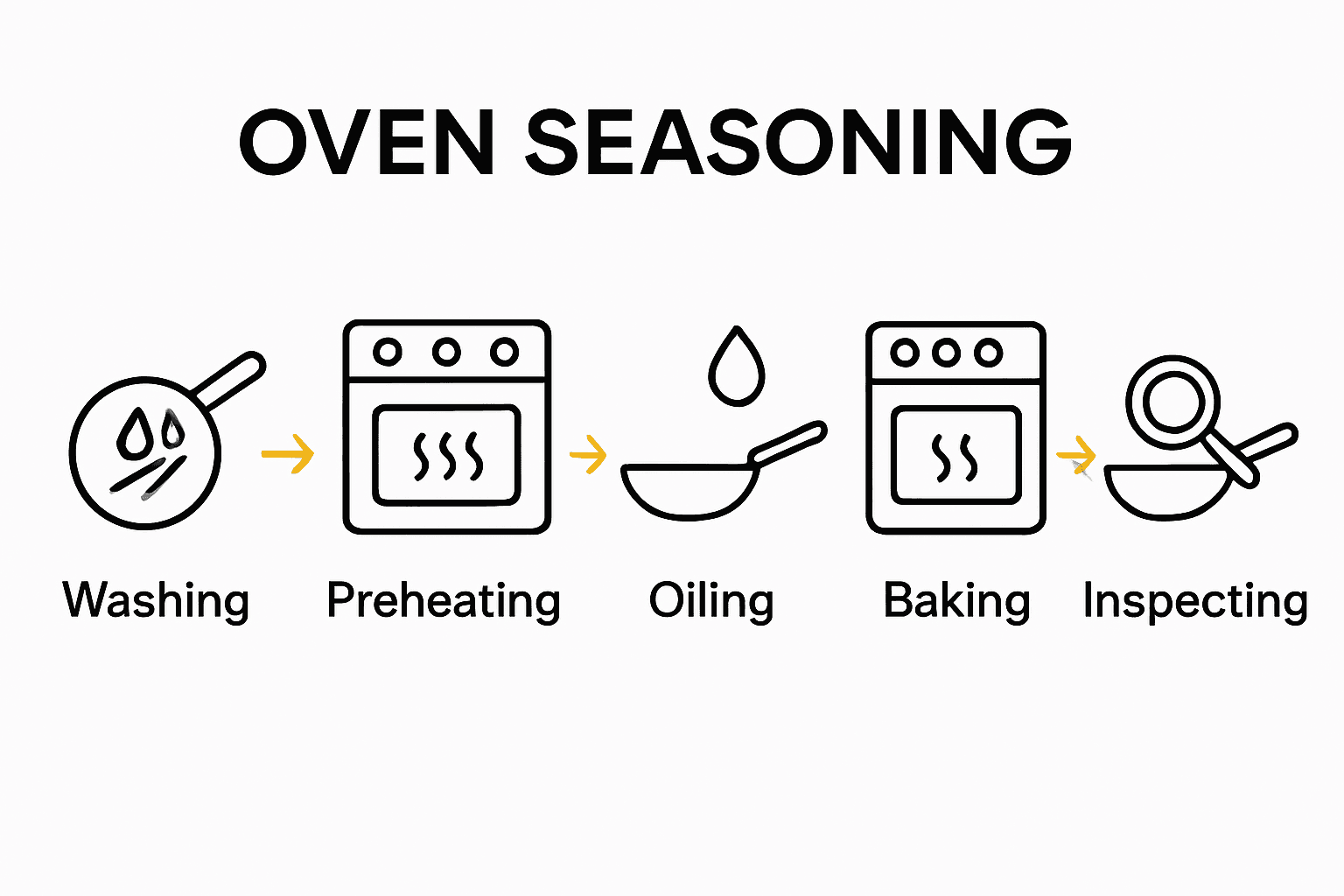
- Step 1: Wash and Dry Your Carbon Steel Pan
- Step 2: Preheat Oven and Warm the Pan
- Step 3: Apply and Remove Excess Oil
- Step 4: Bake to Build a Strong Seasoning Layer
- Step 5: Inspect and Repeat for Perfect Results
Quick Summary
| Essential Insight | Explanation |
|---|---|
| 1. Thoroughly clean and dry your pan | Use hot water and a non-abrasive scrubber without soap, then dry immediately to prevent rust. |
| 2. Preheat oven to 450°F | This temperature ensures effective seasoning; place the pan upside down for even heat. |
| 3. Apply a thin coat of oil | Use high smoke point oils and wipe off excess to avoid sticky residue during seasoning. |
| 4. Bake and repeat for stronger seasoning | Bake at 450°F for 30 minutes, repeating the process two to three times for best results. |
| 5. Inspect and adjust seasoning | Check for a uniform dark color; reapply oil and bake again if necessary to improve the nonstick surface. |
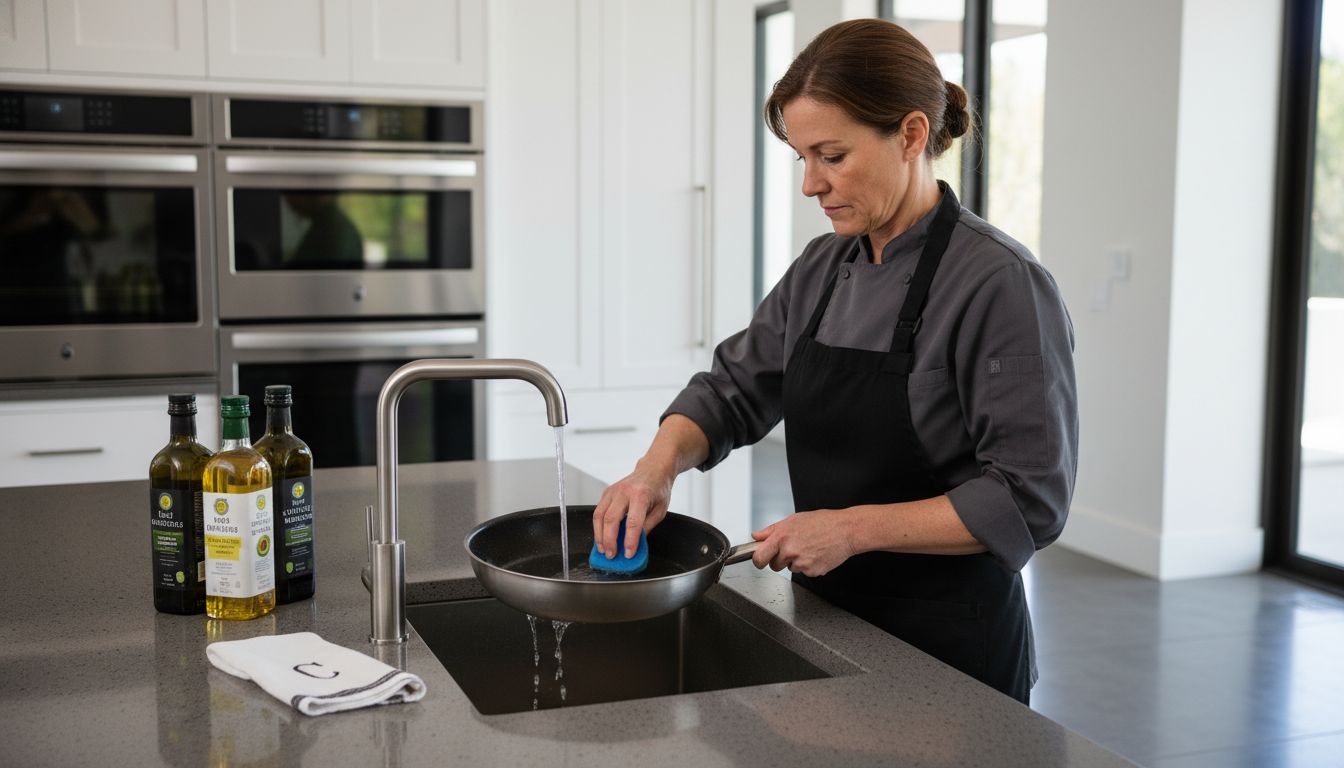
Step 1: Wash and Dry Your Carbon Steel Pan
Preparing your carbon steel pan before seasoning involves careful cleaning and thorough drying. This initial step ensures your pan is free from manufacturing residues and ready to develop a beautiful protective layer.
According to the University of Maine Cooperative Extension, washing your carbon steel pan requires specific techniques. Use hot water and a non abrasive scrubber to gently remove any surface debris. Avoid using soap during this stage as it can strip away the protective layers you will soon develop.
Thoroughly dry your pan immediately after washing. As recommended by Consumer Reports, complete drying prevents rust formation and prepares the surface for seasoning. Use a clean kitchen towel or paper towel to remove all moisture. Make sure no water droplets remain on the pan surface.
Pro tip: After drying, your pan should look completely matte and feel slightly warm to the touch. This indicates it is ready for the next seasoning steps. Any lingering moisture can compromise the seasoning process and potentially lead to rust development.
Step 2: Preheat Oven and Warm the Pan
Heating your carbon steel pan correctly is crucial for developing a strong and even seasoning layer. This step prepares your pan for the transformative seasoning process that will create a naturally nonstick surface.
According to Consumer Reports, you should preheat your oven to 450°F. This precise temperature ensures an optimal environment for seasoning. Place your clean and dried carbon steel pan inside the oven upside down to allow heat to distribute evenly across its surface.
The University of Maine Cooperative Extension recommends maintaining this temperature for about 10 minutes. This heating process helps open up the pan’s metal pores and prepares it to bond with the seasoning oil. During this time, ensure your kitchen is well ventilated as the heating process might produce some smoke.
Pro tip: If you have a kitchen thermometer, confirm the oven has reached exactly 450°F before placing your pan inside. Consistent temperature is key to achieving a uniform seasoning layer that will protect and enhance your carbon steel pan’s performance.
Step 3: Apply and Remove Excess Oil
Applying oil correctly is a critical step in creating a durable seasoning layer for your carbon steel pan. This process will transform your pan’s surface into a naturally nonstick cooking companion.
Consumer Reports emphasises the importance of using a very thin layer of cooking oil. Choose high smoke point oils like grapeseed, sunflower, or canola. Pour a small amount of oil onto a clean paper towel and gently rub it across the entire surface of your heated pan. The key is to create an incredibly thin coat that looks almost dry.
The University of Maine Cooperative Extension recommends thoroughly wiping away any excess oil to prevent a sticky residue. After applying the oil, use a clean dry paper towel to buff the surface until it appears almost translucent and matte. This technique ensures the oil bonds directly with the pan’s metal surface without creating pooling or uneven seasoning.
Pro tip: If you see any shiny or wet looking areas, you have applied too much oil. Keep wiping until the pan looks completely dry and uniform. The goal is a whisper thin layer that will polymerise and create a protective seasoning during baking.
Step 4: Bake to Build a Strong Seasoning Layer
Building a robust seasoning layer transforms your carbon steel pan into a durable cooking companion with natural nonstick properties. This critical step creates a protective barrier that enhances your pan’s performance and longevity.
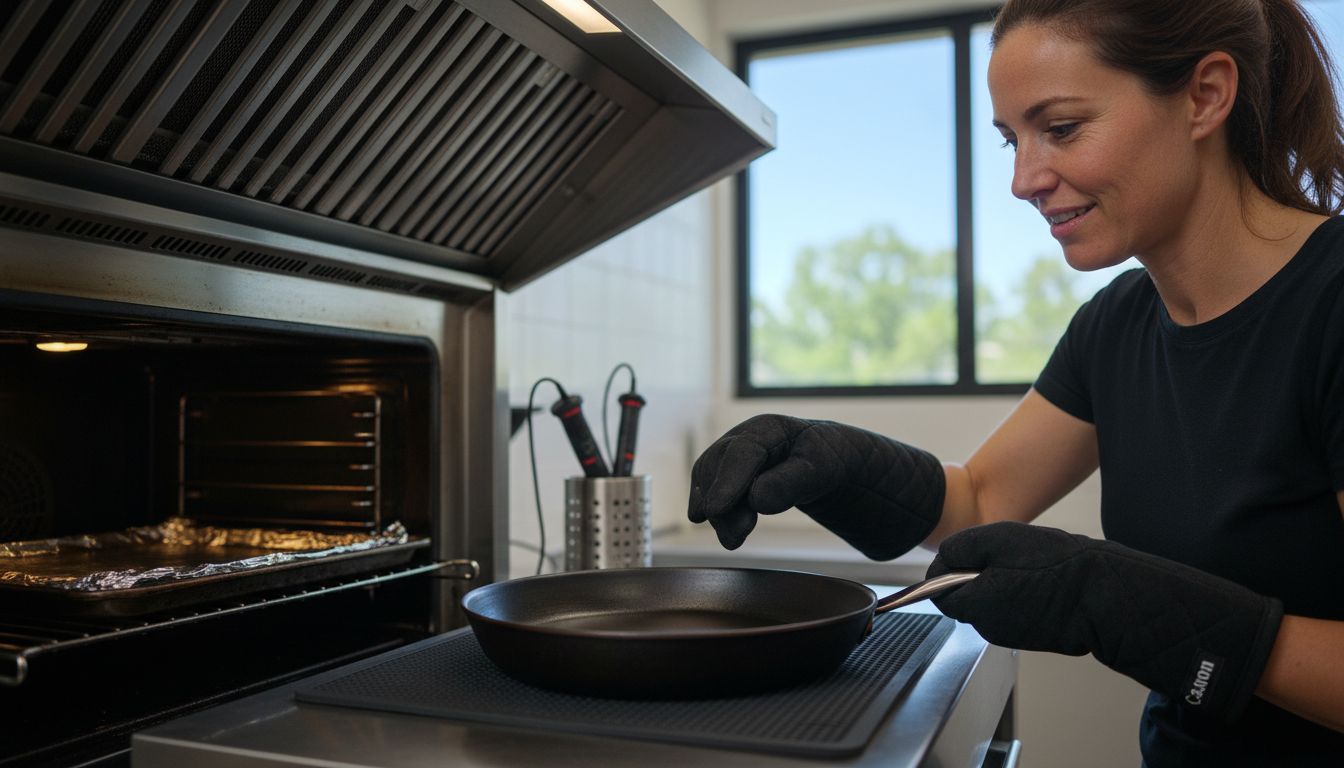
Consumer Reports recommends placing the oiled pan upside down in a 450°F oven for 30 minutes. Position a baking sheet or aluminium foil on the lower oven rack to catch any potential oil drips. The upside down placement ensures even heat distribution and prevents oil pooling.
The University of Maine Cooperative Extension suggests repeating this baking process two to three times to develop a truly strong seasoning layer. After the first 30minute bake, remove the pan carefully using heat resistant gloves. Let it cool for a few minutes, then apply another thin layer of oil and return it to the oven. This repetition helps create multiple polymer bonds that strengthen the pan’s protective surface.
Pro tip: Ensure your kitchen is well ventilated during seasoning. The process can create some smoke as the oil polymerises, which is completely normal. Open windows and run your kitchen exhaust fan to manage any smoke production.
Step 5: Inspect and Repeat for Perfect Results
Final inspection determines the success of your carbon steel pan seasoning and ensures a durable nonstick surface. This crucial step transforms your raw pan into a professional cooking tool ready for exceptional culinary performance.
Consumer Reports recommends carefully examining the pan’s surface after seasoning. Look for a uniform dark colour with a smooth and slightly shiny appearance. If the surface appears patchy or uneven with dull spots or areas where food might potentially stick, you will need to repeat the seasoning process.
The University of Maine Cooperative Extension suggests conducting a simple test by lightly touching the pan surface. A perfectly seasoned pan should feel smooth and slightly slick without any sticky or rough areas. If the surface feels inconsistent or shows signs of imperfection, apply another thin layer of oil and return the pan to the oven for another 30minute baking cycle.
Pro tip: Remember that building an excellent seasoning layer takes patience. Some pans might require three to four seasoning cycles to develop a truly robust nonstick surface. Do not get discouraged if perfection is not achieved in the first attempt.
Elevate Your Cooking Journey with Expertly Seasoned Carbon Steel Pans
Seasoning a carbon steel pan can be challenging. You need the perfect balance of heat, oil, and patience to unlock a natural nonstick surface that enhances your cooking. This article highlights key steps like thorough drying, applying ultra-thin oil layers, and carefully baking to build a strong seasoning layer. If you seek durable cookware that responds impressively to heat and develops a safe, toxin-free patina, Brass & Steel offers premium solutions designed for serious cooks.
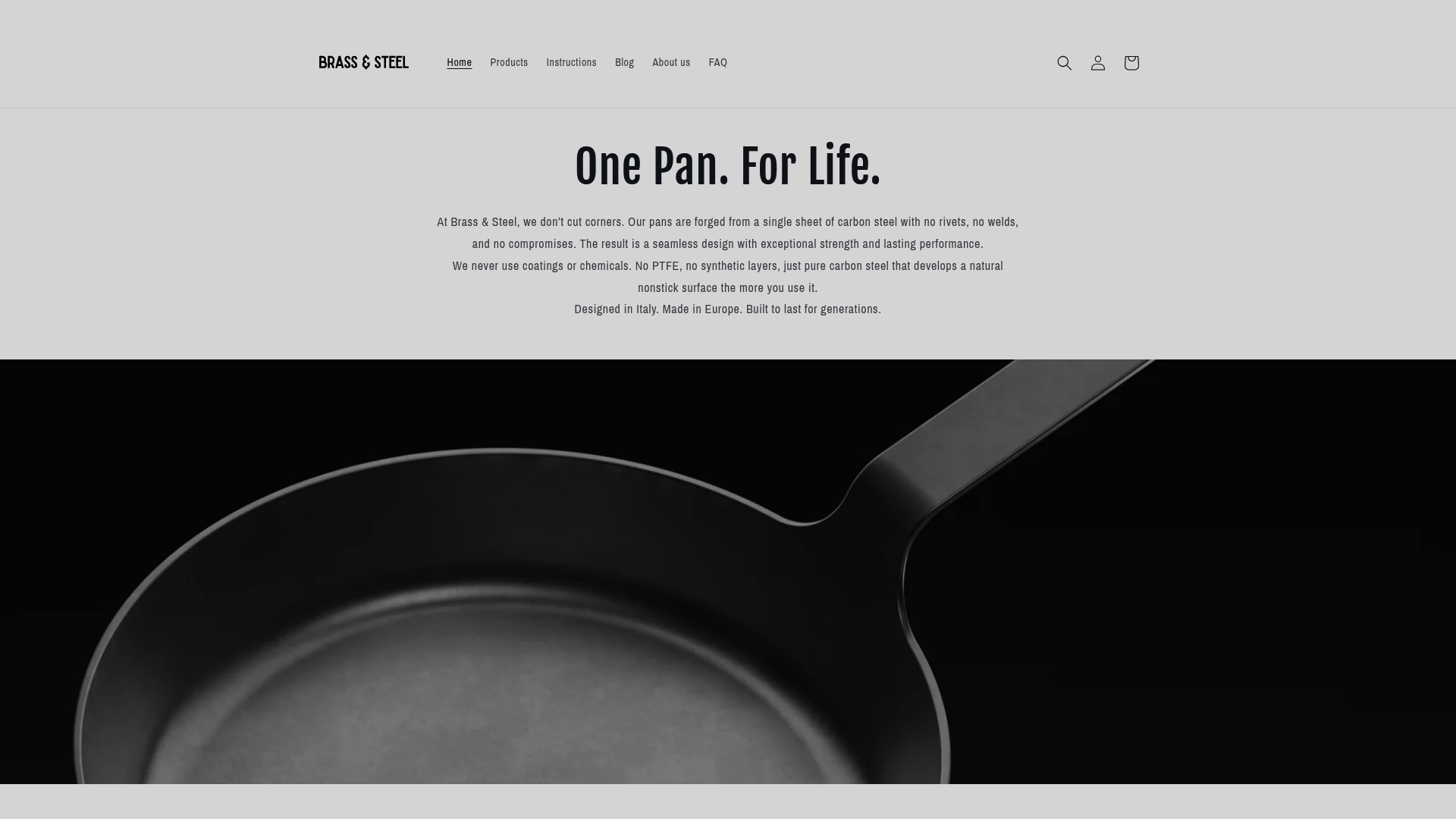
Discover our collection of single-piece forged carbon steel pans, crafted for longevity and top performance. Whether you choose the versatile 27 cm Carbon Steel Pan or the robust 30 cm Carbon Steel Pan, each pan is induction compatible and free from PTFE and PFOA.
VIDEO:video_content] Start building your heirloom-quality cookware today by following our comprehensive seasoning guidance in the article and enhance your kitchen with cookware that ages beautifully with use. Visit [Brass & Steel now and take the first step towards cooking with confidence.
Frequently Asked Questions
How do I wash and dry my carbon steel pan before seasoning?
Washing your carbon steel pan is essential to remove any manufacturing residues. Use hot water and a non-abrasive scrubber to gently clean the surface, then thoroughly dry it with a clean kitchen towel to prevent rust.
What temperature should I preheat the oven for seasoning my carbon steel pan?
Preheat your oven to 450°F for optimal seasoning. This temperature helps open the pan’s metal pores for better oil bonding, ensuring an even and protective layer forms during the seasoning process.
How much oil should I apply when seasoning my carbon steel pan?
You should apply a very thin layer of oil, almost dry in appearance, to your heated pan. Use high smoke-point oils and buff the surface until it looks matte and uniform, avoiding any pooling or excess oil.
How long should I bake the oiled carbon steel pan for seasoning?
Place the oiled pan upside down in the preheated oven for 30 minutes to create a strong seasoning layer. Consider repeating this process two to three times for better results, with additional thin oil applications in between each baking cycle.
How can I tell if my carbon steel pan is properly seasoned?
Inspect the pan’s surface for a uniform dark color and a smooth, slightly shiny appearance. If it feels sticky or rough in some areas, apply another thin layer of oil and bake for an additional 30 minutes to improve the seasoning.
What should I do if my carbon steel pan has an uneven seasoning layer?
If your pan shows patchy areas or dull spots, repeat the seasoning process. Apply another very thin layer of oil and bake it again to enhance the nonstick surface and ensure a consistent, protective layer.
Recommended
- Carbon Steel Seasoning Checklist for Lasting Nonstick Performance – Brass & Steel
- Ultimate Carbon Steel Pan Seasoning Guide for Perfect Results – Brass & Steel
- How to Re-Season a Carbon Steel Pan for Perfect Cooking – Brass & Steel
- How to Repair Seasoning on a Carbon Steel Pan Easily – Brass & Steel