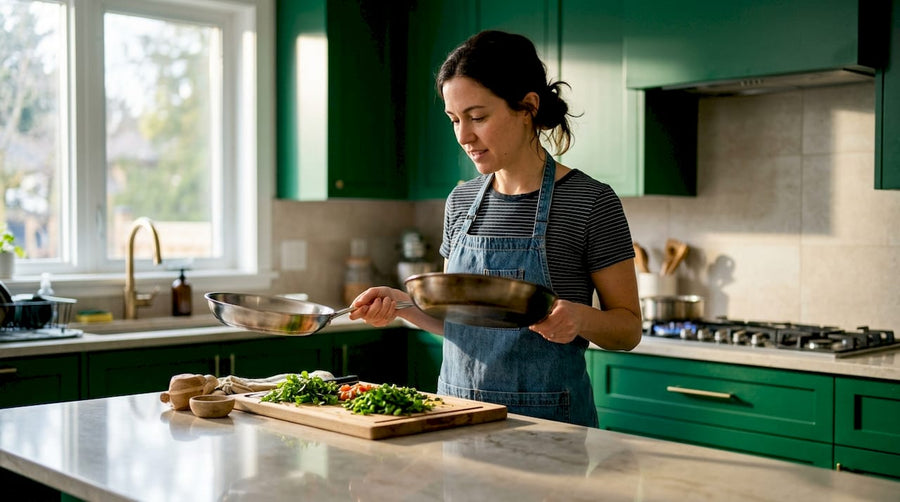
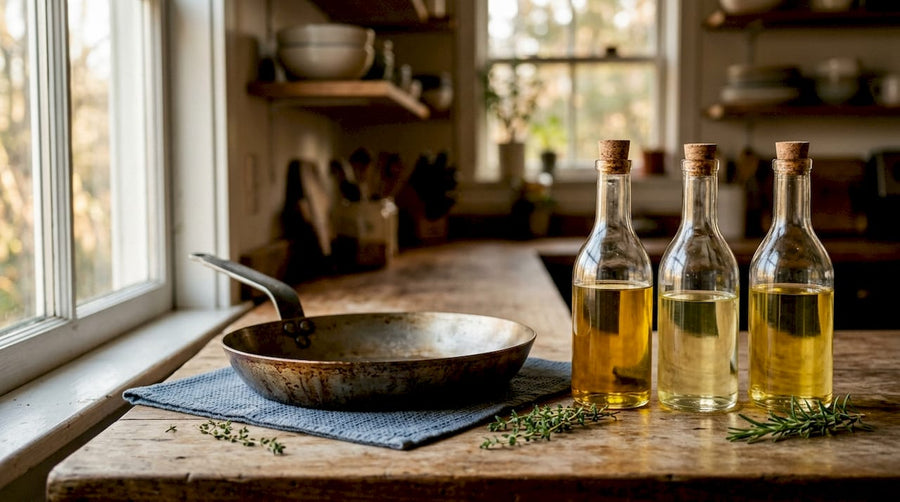
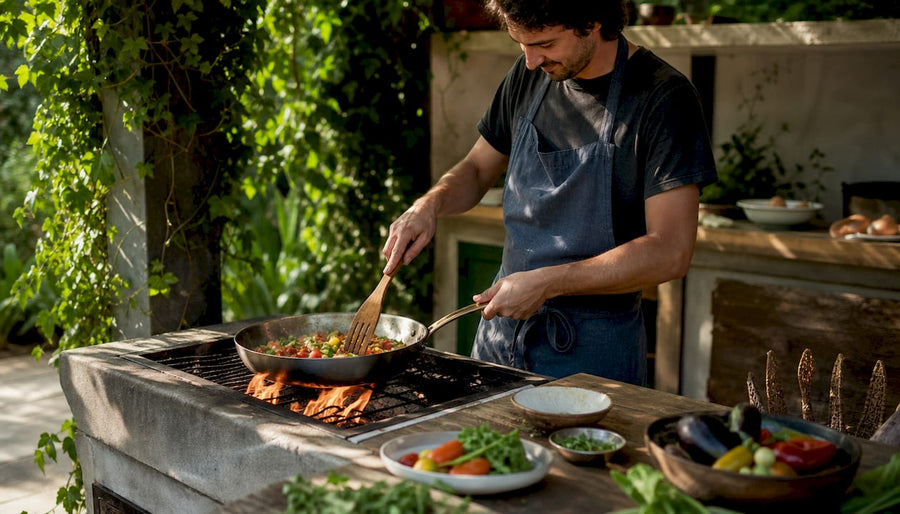
Why choose a carbon steel pancake pan: 5 key benefits
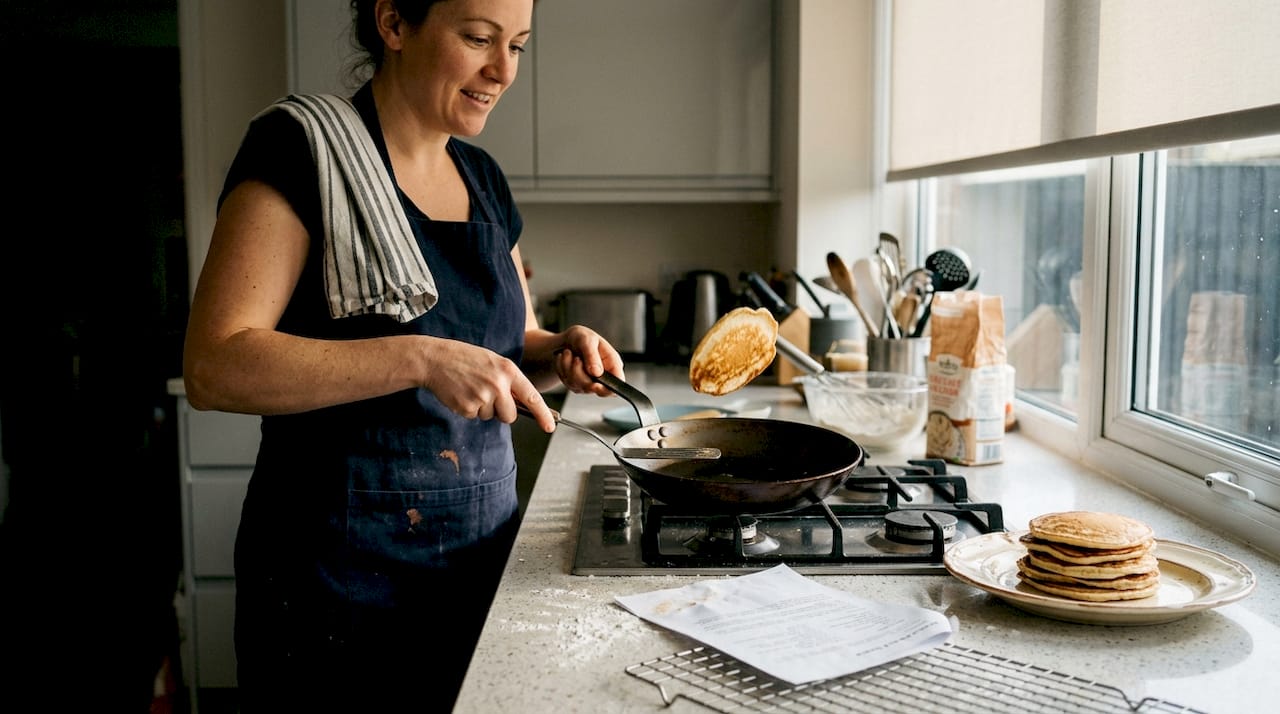
TL;DR:
- Carbon steel pans respond quickly to heat, ensuring even cooking and browning.
- Proper seasoning enhances non-stick properties and improves with use over time.
- They are lightweight, durable, induction compatible, and offer long-term cooking performance.
Pancakes should be simple. Yet most home cooks have stood over a pan watching batter stick, burn unevenly, or produce pale, rubbery results. The pan is almost always the culprit. Carbon steel pans are popular among chefs for their heat responsiveness and durability, and those same qualities translate directly to better pancakes at home. This guide covers what makes carbon steel genuinely different, how it compares to other materials, and how to choose and care for the right pan so that every batch comes out golden, evenly cooked, and worth repeating.
Table of Contents
- What sets carbon steel pancake pans apart
- Comparing carbon steel with stainless steel and cast iron pans
- Everyday benefits of using a carbon steel pancake pan
- Choosing and caring for your carbon steel pancake pan
- Why most home cooks miss out on carbon steel’s true value
- Find your perfect carbon steel pancake pan
- Frequently asked questions
Key Takeaways
| Point | Details |
|---|---|
| Superior pancake performance | Carbon steel pans provide even heating and a natural non-stick surface with seasoning. |
| Best of both worlds | Lighter than cast iron yet ultra-durable, carbon steel is a versatile tool for home and pro cooks. |
| Lifelong kitchen investment | With minimal care, a carbon steel pancake pan can last for decades and improve with each use. |
| Material makes the difference | Choosing the right material is key for perfect pancakes—carbon steel stands out for control and results. |
What sets carbon steel pancake pans apart
Let’s begin by understanding exactly why carbon steel pancake pans have gained such a loyal following.
Carbon steel is an alloy made primarily of iron with a small percentage of carbon, typically between 0.5% and 1.5%. That modest difference in composition produces a pan that is noticeably lighter than cast iron yet far more heat-responsive than stainless steel. For pancakes, where timing and temperature control are everything, this matters enormously.
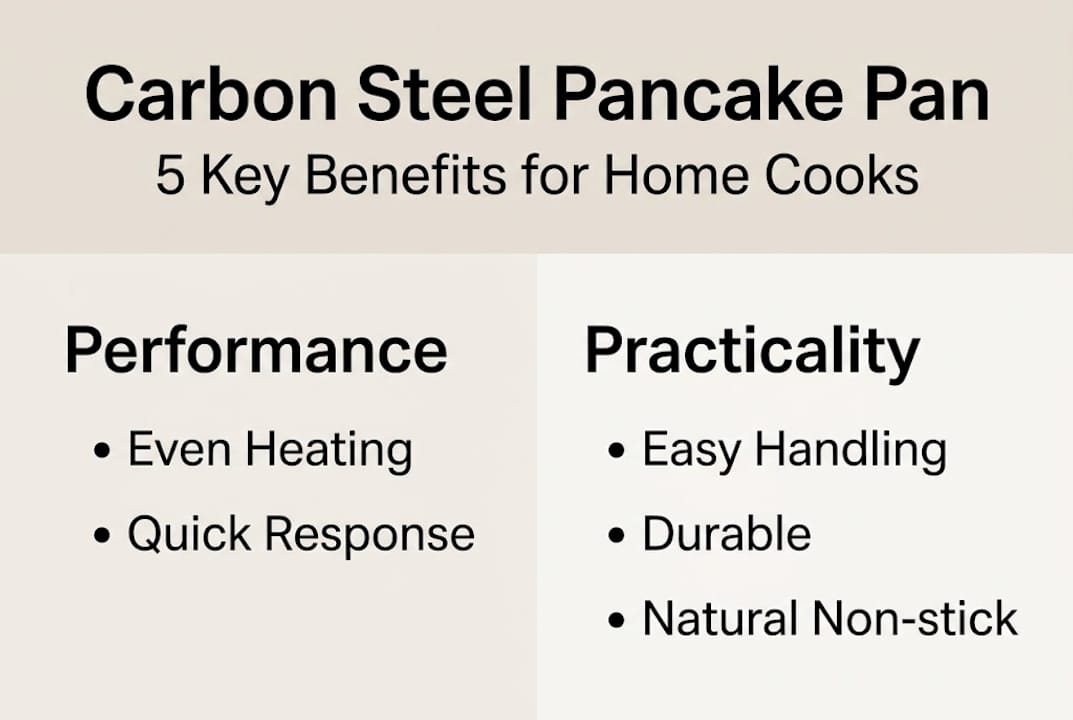
The key advantage is how quickly carbon steel reacts to heat changes. Carbon steel delivers rapid heating and better temperature control than many alternatives, which means you can lower the heat the moment your batter hits the pan and the surface responds almost instantly. Stainless steel holds onto heat stubbornly; carbon steel listens.
Here is a quick overview of carbon steel’s core properties:
| Property | Carbon steel |
|---|---|
| Weight (27 cm pan) | ~2 kg |
| Thickness | 3 to 4 mm |
| Heat responsiveness | Very high |
| Natural non-stick | Yes, with seasoning |
| Induction compatible | Yes |
| PTFE/PFOA free | Yes |
Seasoning is what truly separates a carbon steel pan from the competition. Each time you cook with fat, a thin layer of polymerised oil bonds to the surface, building a natural, non-toxic patina. Unlike synthetic coatings that degrade and flake, this seasoning improves with every use. You can read more about this in our carbon steel overview and explore practical cooking applications in our guide to everyday carbon steel use.
Key features that make carbon steel ideal for pancakes:
- Rapid, even heat distribution across the cooking surface
- Lightweight enough for easy flipping and manoeuvring
- No synthetic coatings to worry about at high temperatures
- Single-piece forged construction with no rivets to trap batter
- Seasoning that strengthens over years of use
Pro Tip: Cook a few fatty foods like bacon or sausages in your new carbon steel pan before attempting pancakes. The extra fat accelerates seasoning and gives you a more reliable non-stick surface from the outset.
Comparing carbon steel with stainless steel and cast iron pans
Now that we know what makes carbon steel pans unique, let’s see how they compare to other popular options.
Choosing a pancake pan often comes down to three materials: carbon steel, stainless steel, and cast iron. Each has genuine strengths. The question is which one suits the way you actually cook.
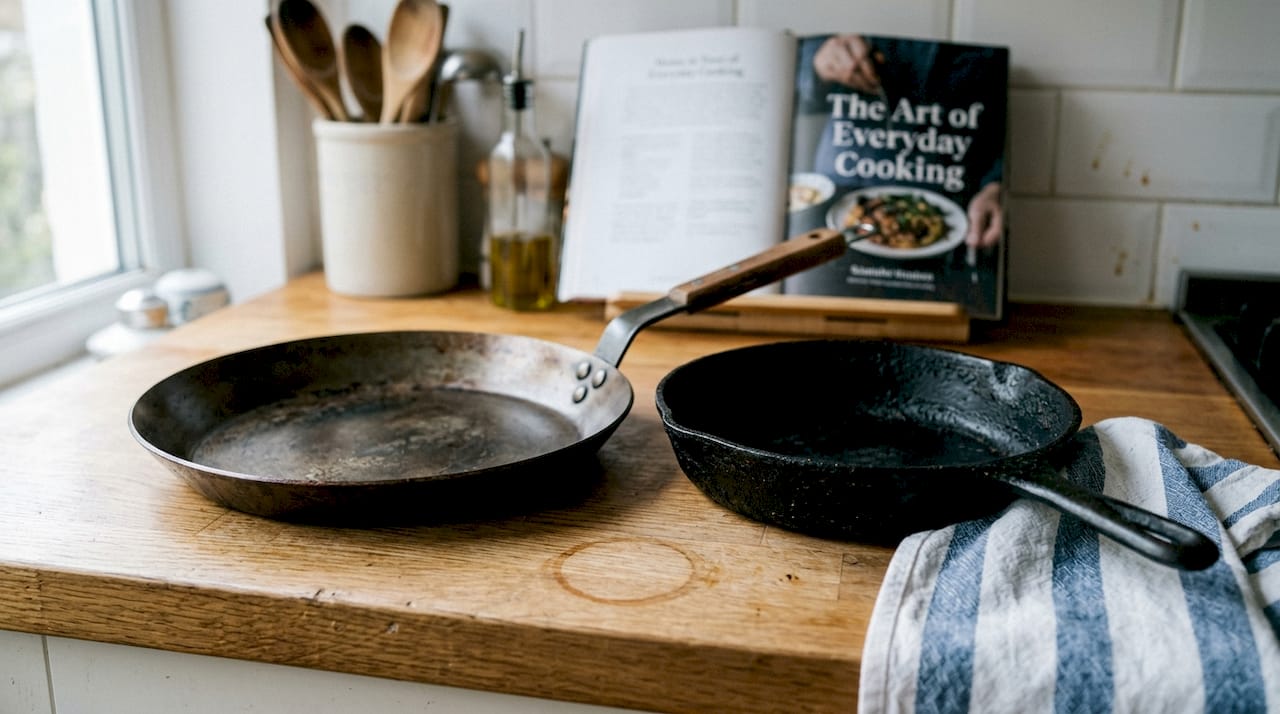
Carbon steel pans are lighter than cast iron and achieve similar heat retention, which makes them easier to handle during the repeated flipping that pancakes demand. Cast iron is exceptional for searing and slow cooking, but its weight and slow heat response make it less forgiving for delicate batters. Stainless steel pans do not require seasoning but may lead to more sticking issues, particularly with egg-based or low-fat batters.
| Feature | Carbon steel | Cast iron | Stainless steel |
|---|---|---|---|
| Weight | Light to medium | Heavy | Light to medium |
| Heat responsiveness | Excellent | Slow | Moderate |
| Natural non-stick | Yes | Yes | No |
| Seasoning required | Yes | Yes | No |
| Induction compatible | Yes | Yes | Yes |
| Lifespan | Decades | Decades | Decades |
| Best for pancakes | ✓ | Moderate | Less ideal |
When choosing between these materials for pancakes specifically, consider the following:
- Carbon steel suits home cooks who want restaurant-quality results without the weight of cast iron
- Cast iron works well for thick American-style pancakes where slower, steadier heat is acceptable
- Stainless steel is better suited to savoury cooking where sticking can be managed with technique and more oil
Over 70% of professional pancake chefs prefer carbon steel for the precise heat control it offers during high-volume cooking sessions.
For home cooks who want to replicate café-quality crêpes or fluffy breakfast pancakes, the combination of low weight, quick heat response, and a naturally developing non-stick surface makes carbon steel the most practical choice. Explore the full breakdown in our carbon steel vs iron guide and our detailed carbon vs stainless pans comparison.
Everyday benefits of using a carbon steel pancake pan
Knowing the differences between materials, let’s look at how carbon steel stands out in daily use.
The theory is useful, but what actually happens when you cook pancakes every weekend? The experience is noticeably different from the moment you preheat the pan. Carbon steel heats quickly and evenly, so you spend less time waiting and more time cooking.
Here is a straightforward approach to getting the best results:
- Preheat the pan on medium heat for two to three minutes before adding any fat
- Add a small amount of butter or oil and let it coat the surface evenly
- Pour your batter and resist the urge to move it immediately
- Watch the edges for the first signs of setting before you flip
- Adjust the heat between batches rather than leaving it constant
A seasoned carbon steel pan delivers even browning and easy release, making it ideal for pancakes. The seasoning also adds a subtle depth of flavour over time, something no synthetic coating can offer. Proper care can extend a carbon steel pan’s life to several decades, which means the pan you season today could be the one your children cook with.
“My carbon steel pan is the first thing I reach for on a Sunday morning. Nothing else gives me that consistent golden colour from edge to edge.”
Even an average pancake recipe performs better in a well-seasoned carbon steel pan. The surface releases batter cleanly, the heat spreads without hot spots, and the result is a uniform colour that looks as good as it tastes. For a full breakdown of what this pan can do, see our guide to pros and cons and the broader range of carbon steel uses.
Pro Tip: After cooking pancakes, while the pan is still warm, wipe it with a paper towel and a few drops of oil. This simple step takes ten seconds and keeps the seasoning in excellent condition.
Choosing and caring for your carbon steel pancake pan
With the benefits clear, here are expert tips for choosing the right carbon steel pancake pan and ensuring it lasts.
Not all carbon steel pans are equal. Higher quality pans are made from purer, thicker carbon steel and offer better heat consistency, which is exactly what you need for repeatable pancake results. Thin, cheap pans warp under high heat and develop uneven surfaces that cause batter to pool.
What to look for when buying:
- Thickness of 3 to 4 mm for even heat distribution without excessive weight
- Single-piece forged construction to avoid rivets that collect residue and weaken over time
- A comfortable, well-balanced handle that stays cool on the hob
- A flat cooking surface with no visible seams or joins
- A size that suits your hob (27 cm for everyday use, 30 cm for larger batches)
For first-time seasoning, the process is straightforward. Wash the pan with warm soapy water to remove the protective oil applied during manufacturing. Dry it completely, then bake it at 250°C for ten minutes to eliminate any remaining moisture. Apply a very thin coat of grapeseed, avocado, or sunflower oil, wipe off the excess so the pan looks almost dry, then bake it upside down for thirty minutes. Repeat this two to three times before your first cook.
Regular seasoning and prompt drying prevent rust and improve cooking results significantly. Avoid soaking the pan in water, and never leave it wet in the sink. These two habits alone will keep your pan in excellent condition for years.
Pro Tip: Always dry your carbon steel pan over low heat on the hob after washing rather than leaving it to air dry. Residual moisture is the main cause of surface rust, and two minutes on the hob eliminates it completely.
For more guidance on what to look for before you buy, see our article on how carbon steel is made and our advice on choosing carbon steel.
Why most home cooks miss out on carbon steel’s true value
Non-stick pans dominate kitchen shops and online searches, and it’s easy to understand why. They’re marketed as effortless, require no preparation, and produce decent results for the first year or two. Carbon steel, by contrast, asks something of you upfront. That initial investment of time and attention is precisely why so many home cooks overlook it.
Here is the part that the non-stick industry would rather you didn’t think about: every synthetic coating degrades. The pan you buy today will perform worse next year and need replacing within a few years. A carbon steel pan works in the opposite direction. Each use makes it better. The seasoning deepens, the surface becomes more responsive, and the results improve.
The learning curve is not a flaw. It’s the mechanism by which the pan becomes yours. As our carbon steel know-how guide explains, a well-maintained carbon steel pan is one of the few kitchen tools that genuinely rewards long-term use. Upgrading your pan might just upgrade your recipes, too.
Find your perfect carbon steel pancake pan
If you’re ready to move beyond pans that wear out and start cooking with something that improves over time, Brass & Steel has the right option for your kitchen.
Our shop carbon steel pans page features two sizes built for serious home cooks: the 27 cm pan at €99 for everyday use, and the 30 cm pan at €119 for larger batches and family cooking. Both are forged from a single piece of carbon steel with no rivets, no synthetic coatings, and no compromises. Whether you’re making Sunday morning crêpes or feeding a crowd, there’s a pan here that will last a lifetime and cook better with every use.
Frequently asked questions
Why do pancakes stick to new carbon steel pans?
New carbon steel pans lack a built-up seasoning layer, so food may stick until several uses and seasonings build up. Seasoning improves pan performance and non-stick ability over time, so persistence in the early weeks pays off significantly.
How do you season a carbon steel pancake pan?
Wash, dry, then coat lightly with a high-smoke-point oil and heat until smoking; repeat two to three times to build a natural non-stick surface. Proper seasoning is crucial for pan longevity and consistent cooking performance.
Is carbon steel safe for everyday cooking?
Yes, carbon steel contains no synthetic coatings and is safe for regular culinary use after proper seasoning. Carbon steel cookware is considered safe and healthy by culinary experts and contains no PTFE or PFOA.
Can a carbon steel pancake pan be used on induction hobs?
Yes, the ferrous makeup of carbon steel allows it to work on all hob types, including induction. Carbon steel is suitable for all hob types, so there is no need to change your setup when switching from gas or electric.