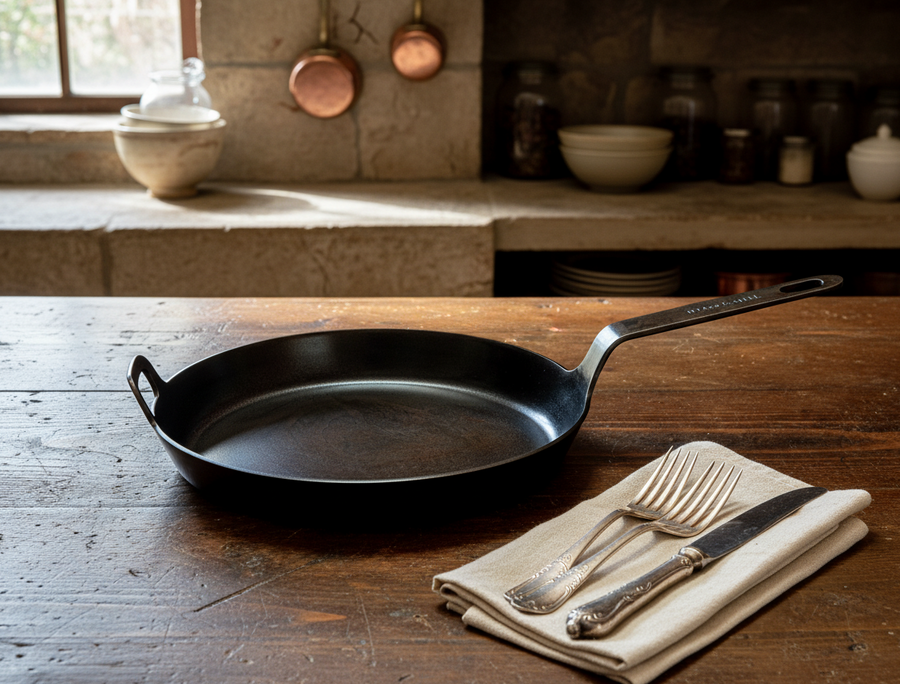
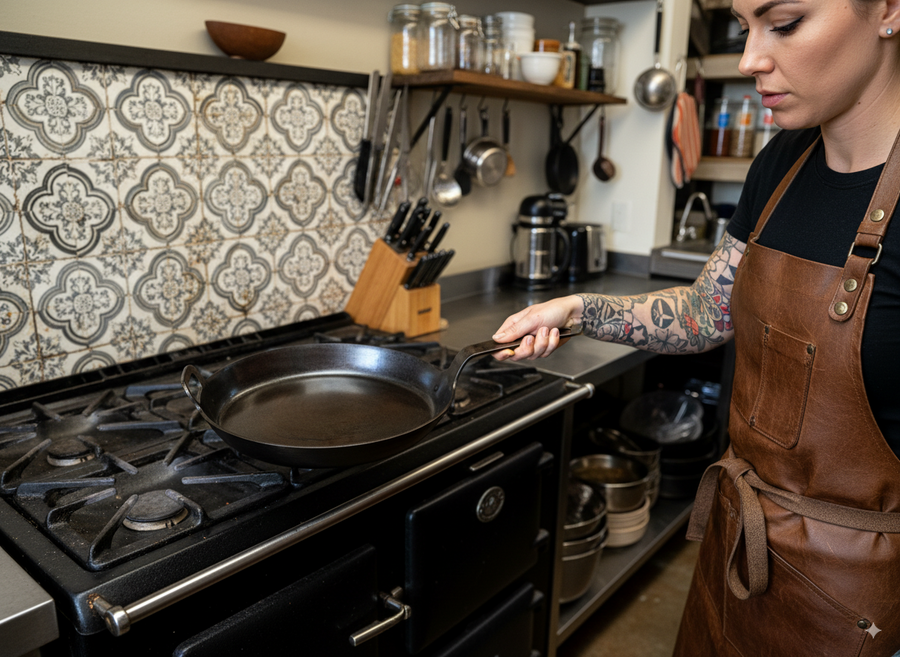
Carbon Steel Pans: Performance, Care, and Benefits
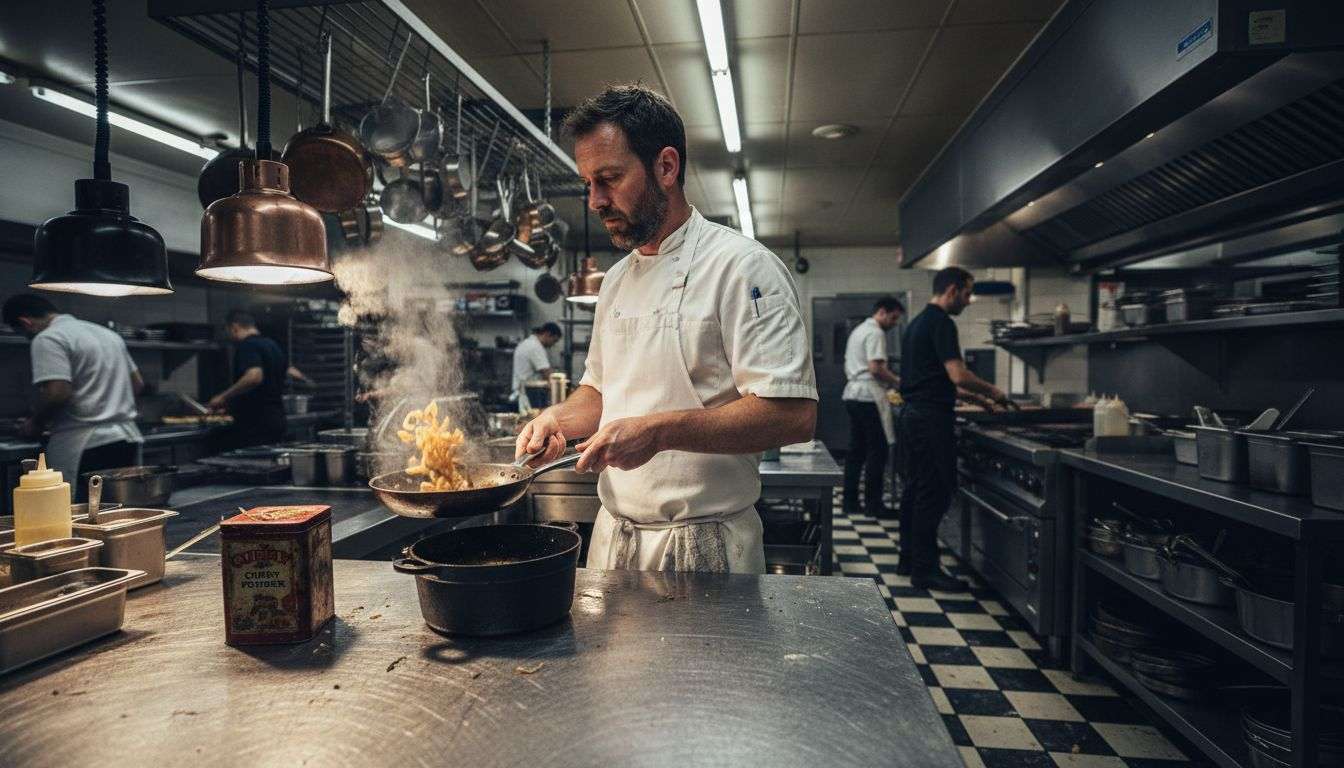
Choosing the right pan can change the way professional chefs and passionate home cooks experience their kitchen. In European kitchens, where precision and durability are paramount, over 80 percent of british culinary professionals rely on carbon steel pans for consistent heat control and lasting performance. If you are searching for cookware that stands up to daily use and works perfectly with induction stovetops, you will find clear answers here about what sets carbon steel apart and why it remains the trusted choice for demanding cooks.
Table of Contents
- What Defines A Carbon Steel Pan
- Types And Key Variations Explained
- Natural Nonstick Surface And Seasoning Process
- Performance Benefits For Serious Cooks
- Comparing Carbon Steel And Alternative Cookware
Key Takeaways
| Point | Details |
|---|---|
| Carbon Steel Composition | Carbon steel pans are primarily made of iron and carbon, offering excellent heat conductivity and a developing nonstick surface over time. |
| Types of Carbon Steel Pans | There are various types including sauté, skillet, wok-style, and griddle pans, each designed for specific cooking techniques. |
| Seasoning Process | The nonstick surface arises from a natural seasoning process, which involves polymerising oil, enhancing the pan’s performance with use. |
| Performance Advantages | Carbon steel pans provide rapid heat distribution and durability, significantly improving cooking precision and versatility in the kitchen. |
What Defines a Carbon Steel Pan
Carbon steel is a remarkable culinary material defined by its precise composition and unique metallurgical properties. Understanding carbon steel cookware begins with recognising its fundamental chemical makeup: an alloy primarily composed of iron and carbon, typically containing between 0.05% to 2.1% carbon by weight.
The distinctive characteristics of carbon steel emerge from its structural composition. Unlike stainless steel or aluminium, carbon steel offers superior heat conductivity and responsiveness. Its molecular structure allows for rapid and even heat distribution, making it ideal for professional kitchens and passionate home cooks who demand precision cooking performance. The material’s natural ability to develop a nonstick seasoning over time sets it apart from other cookware materials.
Key Defining Features of Carbon Steel Pans include:
- Single piece construction without rivets
- High heat tolerance
- Natural nonstick surface development
- Exceptional heat retention
- Lightweight compared to cast iron
- Induction compatibility
Pro tip: When selecting a carbon steel pan, prioritise thickness and single piece forging for optimal durability and performance.
Types and Key Variations Explained
Carbon steel pans exist in various configurations, each designed to meet specific culinary needs. Manufacturing processes for carbon steel reveal multiple distinctive variations that professional chefs and home cooks should understand.
Primary Carbon Steel Pan Types include:
- Saute Pans: Versatile with straight sides, ideal for searing and cooking multiple ingredients
- Skillet Pans: Shallow with sloped sides, perfect for quick high-heat cooking
- Wok-Style Pans: Deep with high curved walls, excellent for stir-frying and Asian cuisine techniques
- Griddle Pans: Flat surface with minimal sides, best for pancakes and even heat distribution
The thickness of carbon steel pans significantly influences their performance. Thinner pans (around 2mm) heat rapidly and respond quickly to temperature changes, making them superb for delicate cooking techniques. Thicker pans (3-4mm) offer superior heat retention and are more durable, ideal for professional kitchen environments where consistent heat management is crucial.
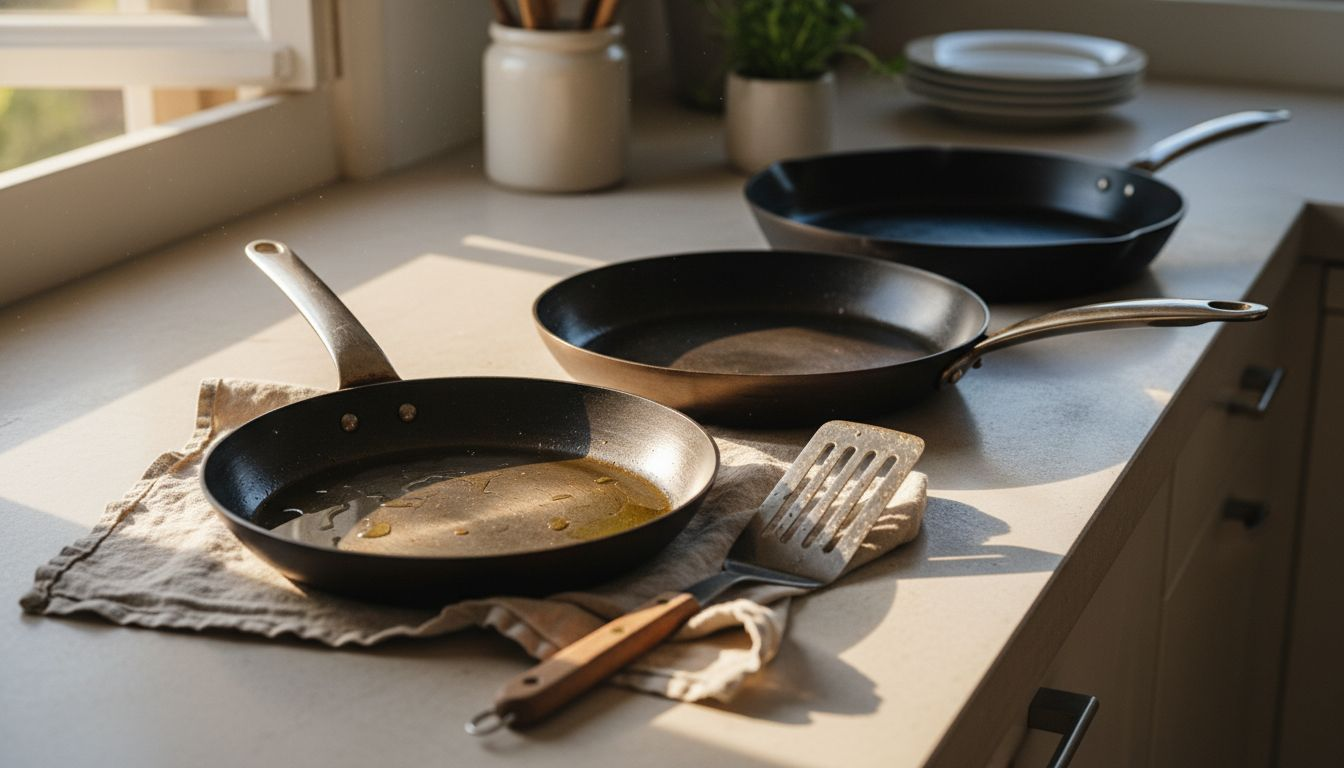
Material composition variations also play a critical role. Some carbon steel pans incorporate additional elements like chromium or nickel to enhance corrosion resistance and durability. These subtle metallurgical modifications can dramatically impact the pan’s overall cooking characteristics and longevity.
Here’s how key pan types differ in design and use:
| Pan Type | Typical Shape | Best For | Common Thickness |
|---|---|---|---|
| Sauté pan | Straight sides | Searing, multi-ingredient | 2–4 mm |
| Skillet | Sloped sides | High-heat quick cooking | 2–3 mm |
| Wok-style | Curved deep walls | Stir-fry, Asian methods | 1.5–2.5 mm |
| Griddle | Flat, low sides | Pancakes, even heating | 2–3 mm |
Pro tip: Select carbon steel pan thickness based on your primary cooking style and frequency of use, prioritising heat responsiveness for delicate dishes and heat retention for robust cooking techniques.
Natural Nonstick Surface and Seasoning Process
The carbon steel pan’s remarkable nonstick surface is not a factory-applied coating, but a carefully developed seasoning that transforms the pan’s cooking characteristics. Seasoned steel surface techniques involve creating a polymerised oil layer that bonds permanently with the pan’s molecular structure, developing a naturally slick cooking surface over time.
The seasoning process begins with a thorough initial treatment involving high-temperature oil polymerisation. When heated, cooking oils break down and form a hard, plastic-like polymer that fills microscopic pores in the steel’s surface. This creates a smooth, black patina that prevents food from sticking and protects the pan from rust. Professional chefs understand that each cooking session gradually improves the pan’s nonstick properties, with fatty foods and high-heat cooking accelerating the seasoning development.
Key Steps in Developing Nonstick Surface:
- Clean pan thoroughly before first use
- Apply thin, even layer of high smoke-point oil
- Heat pan to create molecular bonding
- Repeat seasoning process multiple times
- Maintain seasoning through regular cooking
- Avoid soap-based cleaning methods
Unlike synthetic nonstick coatings, carbon steel’s natural seasoning improves with use. The more you cook, the more robust and effective the nonstick surface becomes. Meats, oils, and high-temperature cooking contribute to building a durable, slick cooking surface that enhances flavour and cooking performance.
Pro tip: Choose oils with high smoke points like grapeseed or avocado for optimal seasoning, and avoid washing your pan with harsh detergents that can strip away the protective layer.
Performance Benefits for Serious Cooks
Carbon steel pans represent the pinnacle of culinary engineering for professional and passionate home cooks. Professional cookware performance reveals extraordinary capabilities that distinguish these pans from conventional cookware. Their unique metallurgical composition enables exceptional heat management, rapid temperature responsiveness, and unparalleled cooking precision.
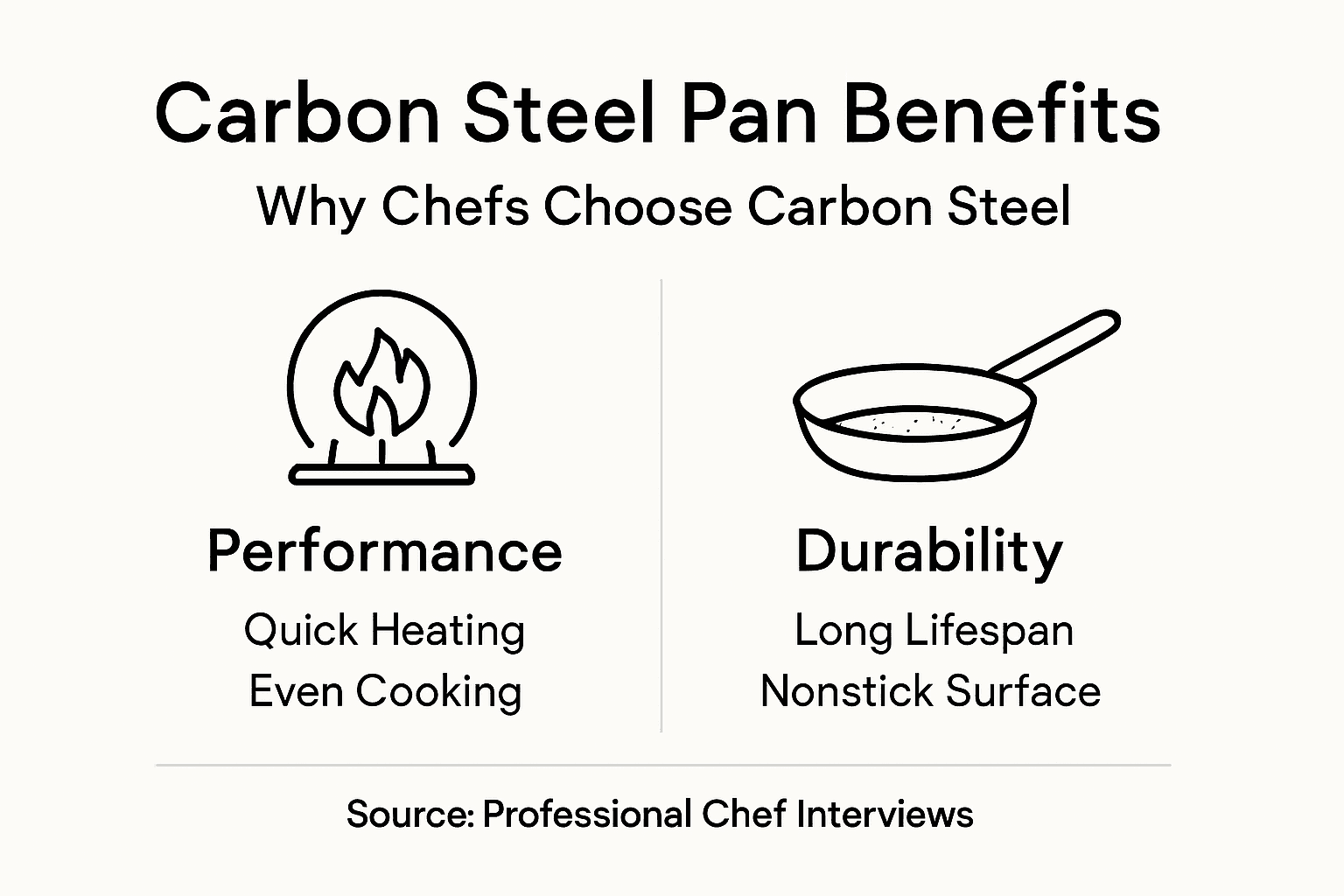
The performance advantages are multifaceted. Unlike aluminium or stainless steel, carbon steel delivers superior heat distribution that eliminates cooking hotspots, ensuring consistent results across every section of the pan. Professional chefs appreciate the pan’s ability to reach extremely high temperatures quickly, making it ideal for techniques like searing, browning, and creating complex caramelisation reactions. The pan’s thermal conductivity means temperature adjustments happen almost instantaneously, giving cooks unprecedented control over their cooking environment.
Key Performance Characteristics:
- Rapid and uniform heat distribution
- Exceptional temperature responsiveness
- Incredible searing capabilities
- Versatility across cooking methods
- Lightweight compared to cast iron
- Develops improved performance with use
The pan’s performance extends beyond heat management. Its durability means it can transition seamlessly between stovetop, oven, and even open flame without compromising structural integrity. Serious cooks value its resilience, knowing that proper maintenance will transform the pan into a lifelong culinary companion that actually improves with consistent use.
Pro tip: Preheat your carbon steel pan gradually and evenly to maximise its natural heat distribution properties and prevent potential warping.
Comparing Carbon Steel and Alternative Cookware
Every cookware material brings unique characteristics to the kitchen, but carbon steel stands out for its exceptional performance. Carbon steel versus stainless steel reveals fundamental differences that serious cooks must understand. While stainless steel offers corrosion resistance, carbon steel delivers superior heat conductivity and develops a naturally nonstick surface through seasoning.
Compared to traditional materials, carbon steel demonstrates remarkable versatility. Cast iron pans are heavy and slow to heat, whereas carbon steel heats rapidly and responds quickly to temperature changes. Nonstick pans rely on synthetic coatings that degrade over time, but carbon steel’s seasoning actually improves with use. The pan’s molecular structure allows it to create a permanent, safe cooking surface that enhances flavour and cooking performance.
Key Comparative Advantages:
- Heat Conductivity: Faster and more responsive than cast iron
- Weight: Significantly lighter than traditional cast iron
- Durability: Outlasts synthetic nonstick coatings
- Cooking Performance: Develops better seasoning over time
- Temperature Range: Handles high heat better than most alternatives
- Maintenance: Requires less complicated care than multiple cookware types
The fundamental difference lies in long-term performance. While aluminium and stainless steel pans remain static in their cooking characteristics, carbon steel evolves. Each cooking session builds a more sophisticated nonstick layer, transforming the pan from a simple cooking tool into a personalised culinary instrument that reflects the cook’s expertise.
See how major cookware materials compare across essential factors:
| Material | Weight | Nonstick Possibility | Heat Conductivity |
|---|---|---|---|
| Carbon steel | Light-medium | Seasoning improves use | Very fast and responsive |
| Cast iron | Heavy | Seasoned, needs care | Slow, excellent retention |
| Stainless steel | Medium | Rare, with oil only | Moderate, not uniform |
| Nonstick coated | Light | Factory coating only | Fast, but less durable |
Pro tip: When transitioning between cookware types, start with a smaller carbon steel pan to understand its unique cooking dynamics and seasoning process.
Discover the Ultimate Carbon Steel Pan for Exceptional Cooking
If you have been inspired by everything involved in the performance, care, and benefits of carbon steel pans, now is the time to upgrade your kitchen tools. At Brass & Steel, we understand the challenges that serious cooks face — from maintaining a perfectly seasoned surface to achieving precise heat control and durability without compromise. Our forged, single-piece carbon steel pans solve these issues with superior heat responsiveness, natural nonstick seasoning, and a design built to last a lifetime.
Explore our Carbon Steel Collection | Brass&Steel and see why cooks who demand the best choose our pans forged in Jarocin, Poland. Whether you want a versatile 27 cm sauté pan for daily cooking or a robust 30 cm pan for large family meals, you will find premium, PTFE-free cookware that performs beautifully on all cooktops including induction. Don’t wait to elevate your culinary skills with an heirloom-quality pan made for chefs who value health-conscious design and excellent heat distribution. Visit Brass & Steel today and start building your personalised cooking experience.
Frequently Asked Questions
What is carbon steel cookware?
Carbon steel cookware is an alloy primarily made of iron and carbon, known for its superior heat conductivity, lightweight nature, and ability to develop a natural nonstick surface through seasoning.
How does the seasoning process work for carbon steel pans?
The seasoning process involves applying a thin layer of high smoke-point oil to the pan and heating it. This creates a polymerised layer that bonds with the metal, developing a smooth, nonstick surface that improves with use.
What are the advantages of using carbon steel pans?
Carbon steel pans offer rapid and uniform heat distribution, exceptional temperature responsiveness, and enhanced cooking precision, making them ideal for techniques like searing and browning.
How do carbon steel pans compare to other cookware materials?
Unlike stainless steel or cast iron, carbon steel pans are lightweight, heat quickly, and develop a durable nonstick surface over time, improving with each use compared to traditional nonstick coatings that degrade.