Carbon Steel Pans: Pros, Cons, and Key Insights

Finding cookware that combines professional results with sustainable practices can be challenging for British kitchens. Nearly 60 percent of European chefs now prefer carbon steel for its eco-friendly longevity and superior heat performance. This pan’s natural non-stick patina grows stronger over time, providing a reliable and chemical-free alternative to synthetic options. Discover how switching to carbon steel transforms everyday cooking with unmatched versatility and lasting durability.
Table of Contents
- What Makes A Carbon Steel Pan Unique
- Essential Benefits And Everyday Advantages
- Limitations And Common Drawbacks Explained
- Comparing Carbon Steel With Other Cookware
- Practical Care For Long-Lasting Performance
Key Takeaways
| Point | Details |
|---|---|
| Unique Composition | Carbon steel pans are made from an iron and carbon alloy, providing exceptional thermal properties and structural strength. |
| Natural Non-Stick Surface | Through seasoning, these pans develop a non-toxic, self-maintaining non-stick layer that improves with use. |
| Versatility and Heat Control | Compatible with various cooking methods, carbon steel pans offer rapid heating and even temperature distribution for precise cooking. |
| Maintenance Requirements | Regular seasoning and careful cleaning procedures are essential to prevent rust and preserve the pan’s non-stick properties. |
What Makes a Carbon Steel Pan Unique
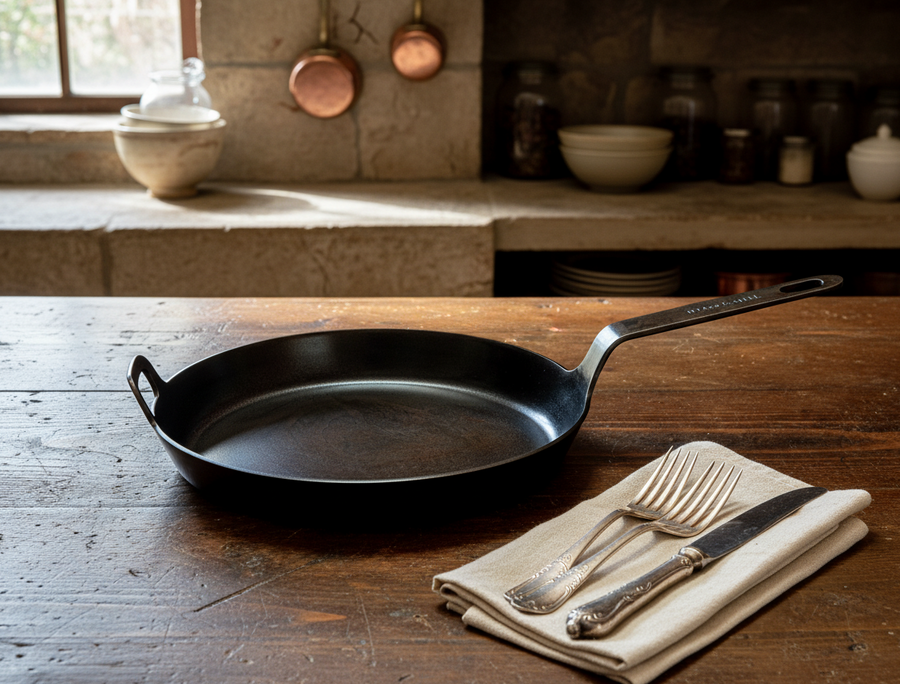
Carbon steel pans represent a remarkable culinary tool that bridges performance and versatility. Unlike traditional cookware, these pans are crafted from an iron and carbon alloy containing approximately 1% carbon, which gives them extraordinary thermal properties and structural strength. Carbon steel pans are engineered to deliver exceptional cooking experiences through their unique metallurgical composition.
The distinguishing feature of carbon steel pans lies in their remarkable ability to develop a natural non-stick surface through a process called seasoning. As you cook with oils and fats, a protective patina gradually builds up on the pan’s surface, creating a non-toxic, self-maintaining cooking interface. This organic non-stick layer improves with each use, unlike synthetic coatings that degrade over time. The pan becomes more effective and smoother as you continue cooking, transforming your culinary tool into a personalised cooking companion.
Another significant characteristic of carbon steel pans is their exceptional heat conductivity and retention. These pans heat rapidly and distribute temperature evenly, allowing precise temperature control for techniques like searing, sautéing, and frying. Their lightweight design compared to cast iron makes them more manoeuvrable, while maintaining robust durability. Professional chefs and home cooks appreciate their versatility across stovetop, oven, and even open flame cooking methods.
Pro tip: Season your carbon steel pan thoroughly before first use to establish a robust, long-lasting non-stick surface that will enhance your cooking performance for years to come.
Essential Benefits and Everyday Advantages
Carbon steel pans deliver extraordinary performance across diverse cooking scenarios, offering home cooks and professional chefs a versatile culinary tool. These pans provide exceptional heat conduction and precise temperature management, enabling techniques from delicate sautéing to robust high-heat searing with remarkable consistency. Their ability to heat rapidly and respond quickly to temperature adjustments makes them an indispensable kitchen companion for those seeking culinary precision.
Unlike synthetic non-stick cookware, carbon steel develops a natural, chemical-free seasoning that enhances food flavour and prevents sticking. This organic non-stick surface improves with repeated use, creating a cooking interface that becomes more effective over time. Professional chefs appreciate how the pan’s seasoning builds up, creating a unique cooking surface that not only prevents food from adhering but also imparts subtle depth to dishes through its accumulated culinary history.
The versatility of carbon steel pans extends far beyond traditional cookware limitations. They are compatible with multiple heat sources including gas, electric, and induction stovetops, and can seamlessly transition from stovetop to oven. Their lightweight construction compared to cast iron provides enhanced manoeuvrability, while maintaining exceptional durability. Home cooks will find these pans equally adept at preparing delicate fish, creating perfect seared steaks, or crafting intricate omelettes, making them a truly multifunctional kitchen investment.
Pro tip: Rotate and tilt your carbon steel pan while cooking to distribute heat evenly and build a more consistent seasoning layer, enhancing its non-stick properties and overall performance.
Limitations and Common Drawbacks Explained
Carbon steel pans, while exceptional in many aspects, do come with specific maintenance challenges that potential users should understand. These pans require meticulous care and regular seasoning to prevent rusting and maintain their non-stick properties, which can be intimidating for home cooks accustomed to low-maintenance cookware. The requirement for consistent upkeep means these pans demand more attention and technical knowledge compared to traditional non-stick alternatives.
One significant drawback is the pan’s reactivity with acidic ingredients. Tomato-based sauces, wine reductions, and citrus-heavy dishes can strip away the carefully developed seasoning, potentially causing metallic flavours and compromising the pan’s non-stick surface. Professional chefs and home cooks must be strategic about cooking techniques, often avoiding prolonged contact between acidic ingredients and the pan’s surface or using alternative cookware for such preparations.
The learning curve associated with carbon steel pans can be steep for novice cooks. Unlike synthetic non-stick cookware that arrives ready for immediate use, carbon steel requires deliberate seasoning and understanding of proper cleaning techniques. Users must learn to avoid soap, dry the pan thoroughly after each use, and apply a light oil coating to prevent rust. Neglecting these maintenance steps can lead to rapid deterioration, including flaky rust spots that compromise the pan’s cooking performance, making them less appealing for those seeking convenience.
Pro tip: Create a dedicated maintenance station in your kitchen with a clean cloth, high-smoke-point oil, and paper towels to make carbon steel pan care quick and effortless.
Comparing Carbon Steel With Other Cookware
Carbon steel cookware distinguishes itself through remarkable performance characteristics that set it apart from traditional cooking surfaces. Unlike cast iron, carbon steel pans are significantly lighter and more responsive to temperature changes, offering chefs enhanced control and manoeuvrability. While cast iron provides excellent heat retention, carbon steel heats up faster and allows for more precise cooking techniques, making it a preferred choice for professional and home kitchens seeking dynamic cooking performance.
When compared to stainless steel, carbon steel demonstrates superior heat conductivity and natural non-stick properties. Stainless steel remains relatively inert and requires more oil or fat to prevent sticking, whereas carbon steel develops a progressively improved seasoning layer that enhances its non-stick capabilities with each use. This organic seasoning not only prevents food from adhering but also imparts subtle flavour nuances that stainless steel cannot replicate, giving carbon steel a significant culinary advantage.
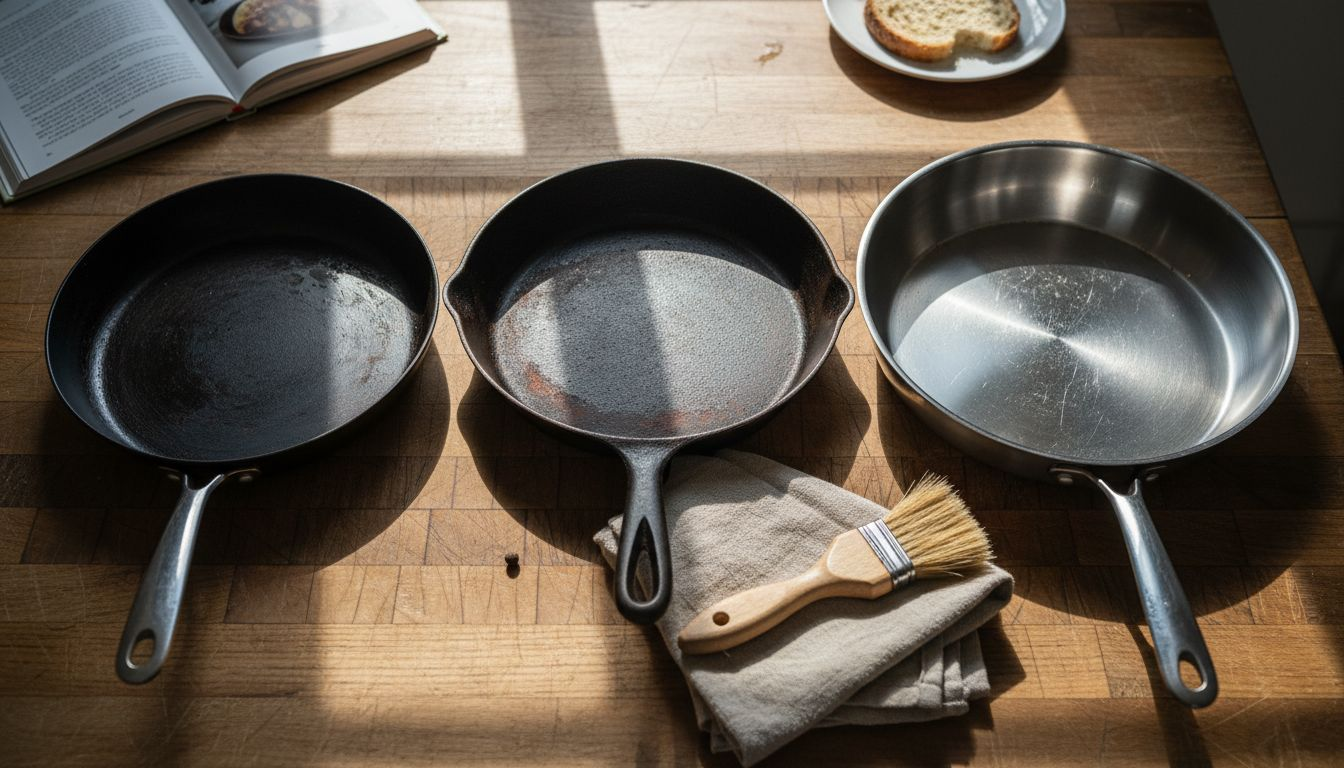
Non-stick synthetic cookware presents an interesting contrast to carbon steel. While non-stick pans offer immediate convenience, they typically have shorter lifespans and potential health concerns due to chemical coatings that can degrade over time. Carbon steel, by comparison, provides a naturally occurring non-stick surface without synthetic chemicals, making it a healthier and more sustainable long-term cooking solution. The pan’s durability means it can potentially last decades with proper maintenance, unlike non-stick alternatives that require frequent replacement.
Below is a comparison of key properties across popular cookware materials:
| Property | Carbon Steel | Cast Iron | Stainless Steel | Non-Stick Synthetic |
|---|---|---|---|---|
| Weight | Lightweight | Heavy | Moderate | Very light |
| Heat Conductivity | Rapid, even | Slow, steady | Moderate | Quick but uneven |
| Non-Stick Surface | Develops naturally | Develops with use | Typically requires oil | Immediate, chemical-based |
| Durability | Decades with care | Extremely durable | Highly resistant | Prone to surface damage |
| Health Impact | Chemical-free seasoning | Chemical-free seasoning | Inert metal | Potential chemical leaching |
| Maintenance Difficulty | Requires seasoning | Requires seasoning | Minimal | Very easy |
Pro tip: Invest in multiple sizes of carbon steel pans to create a versatile cookware collection that can handle different cooking techniques and recipe requirements.
Practical Care for Long-Lasting Performance
Maintaining carbon steel pans requires a systematic approach to preserve their exceptional cooking properties. The key to extending your pan’s lifespan involves understanding its unique care requirements, which differ significantly from other cookware materials. Immediately after cooking, clean the pan with warm water and a soft cloth, avoiding harsh detergents that could compromise the carefully developed seasoning layer. Thorough drying is crucial to prevent rust formation, making a clean kitchen towel or paper towel your primary tool in pan maintenance.
The seasoning process represents the cornerstone of carbon steel pan longevity. Each cooking session builds a protective patina that enhances non-stick properties and prevents corrosion. After cleaning, apply a thin layer of high-smoke-point oil while the pan is still warm, which helps create a protective barrier against moisture and maintains the pan’s natural non-stick surface. Pay special attention to avoiding prolonged exposure to moisture, as carbon steel is more susceptible to rusting than other cookware materials.
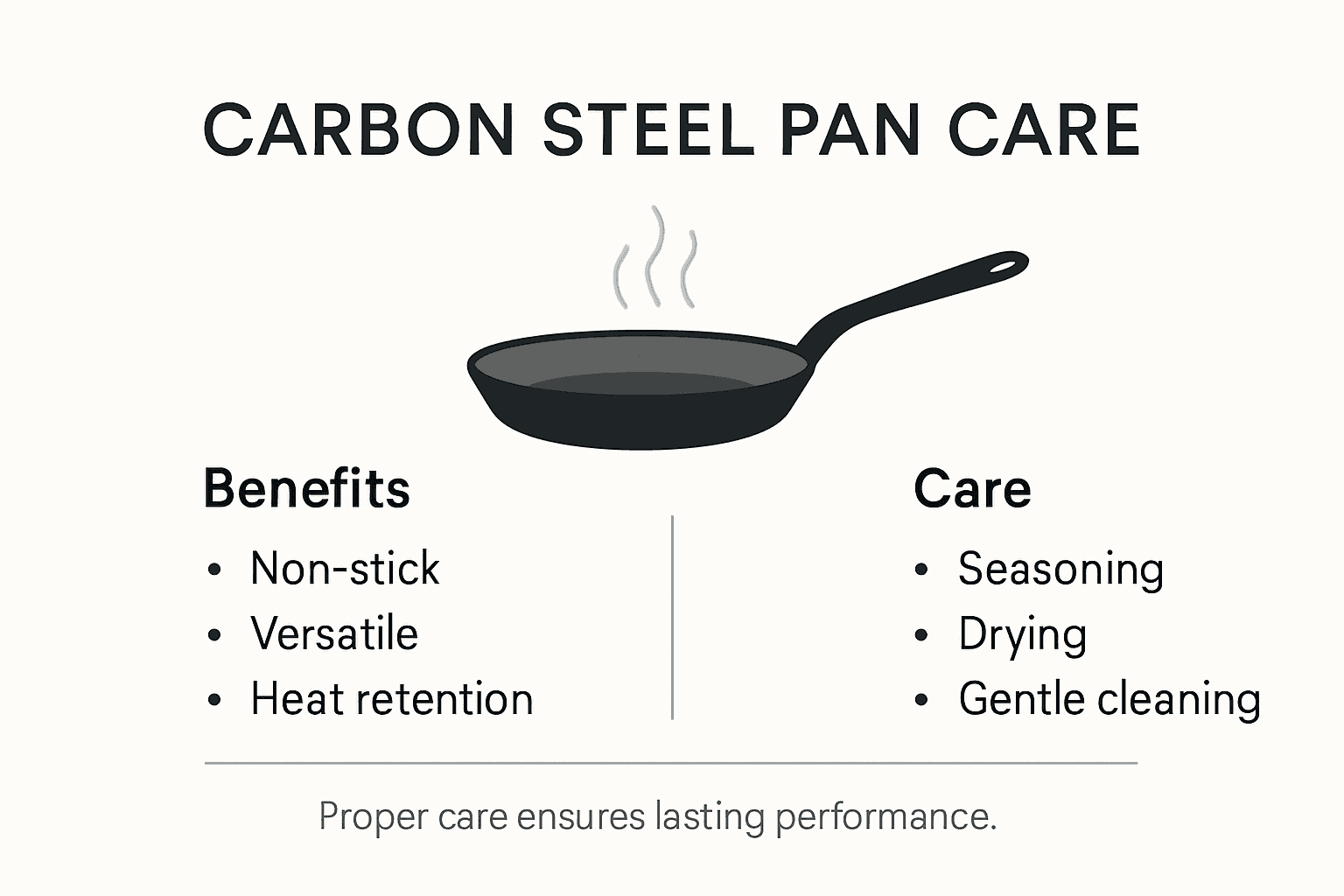
For stubborn food residue, gentle techniques are essential. Using a paste of baking soda and water can effectively remove grime without damaging the pan’s seasoned surface. Avoid metal scrubbers or abrasive cleaning materials that could strip away the protective seasoning. Instead, opt for soft sponges or dedicated carbon steel cleaning tools. After cleaning, always re-season the pan by applying a light coat of oil and briefly heating it, which helps maintain its protective layer and ensures continued excellent cooking performance.
Here’s a practical summary of essential carbon steel pan care tasks and their purpose:
| Care Task | Purpose | When to Perform |
|---|---|---|
| Clean with warm water | Preserves seasoning layer | After every use |
| Dry immediately | Prevents rust formation | After cleaning |
| Apply oil coating | Maintains non-stick patina | After drying |
| Avoid detergents | Protects seasoning durability | During cleaning |
| Gentle scrub only | Prevents damage to surface | For stuck-on residue |
Pro tip: Store your carbon steel pan in a dry location with a light coating of oil and consider using a breathable cloth cover to prevent dust accumulation while protecting its seasoned surface.
Discover the Perfect Carbon Steel Pan for Your Kitchen
If you are navigating the challenges of maintaining a seasoned carbon steel pan while seeking durability and stellar cooking performance, Brass & Steel offers the ideal solution. Our Carbon Steel Collection | Brass&Steel features single-piece forged pans crafted from high-quality carbon steel. These pans naturally build a chemical-free nonstick surface and deliver exceptional heat responsiveness without the typical concerns of warping or rusting when properly cared for.
Elevate your cooking experience now with heirloom-quality pans designed for serious cooks who value precision and health-conscious design. Visit Brass & Steel today to explore our range and learn how our carbon steel sauté pans can transform your kitchen. Don’t miss our New arrivals for the latest innovations in durable, induction-compatible cookware made to last a lifetime.
Frequently Asked Questions
What are the benefits of using carbon steel pans?
Carbon steel pans offer exceptional heat conductivity, natural non-stick properties through a seasoning process, and versatility across various cooking surfaces, making them suitable for a wide range of cooking techniques.
How do I properly maintain my carbon steel pan?
To maintain a carbon steel pan, clean it with warm water and a soft cloth after each use, dry it thoroughly to prevent rust, and apply a thin layer of high-smoke-point oil to the surface to maintain the seasoning.
Can I use acidic ingredients in a carbon steel pan?
It is advisable to avoid prolonged contact with acidic ingredients, such as tomato sauce or citrus, as they can strip away the seasoning and may impart a metallic taste to your dishes.
How does carbon steel compare to other cookware materials?
Compared to cast iron, carbon steel pans are lighter and heat up faster, allowing for better control. While stainless steel requires more oil to prevent sticking, carbon steel develops a natural non-stick surface over time, making it a healthier alternative to synthetic non-stick cookware.
Recommended
- Carbon Steel Pans: Achieving Precision in Cooking – Brass & Steel
- Carbon Steel Pan Pros and Cons for Serious Cooks – Brass & Steel
- What is Carbon Steel Pan? Understanding Its Benefits and Uses – Brass & Steel
- How Carbon Steel Pans Are Made: Complete Guide – Brass & Steel
- Eco Friendly Cleaning Tips For Busy European Mums
- 7 Creative Kitchen Window Treatment Ideas for Every Style
- Job Hazards for Cooks: Complete Safety Guide Canada - Probe IT