How Carbon Steel Pans Are Made: Complete Guide
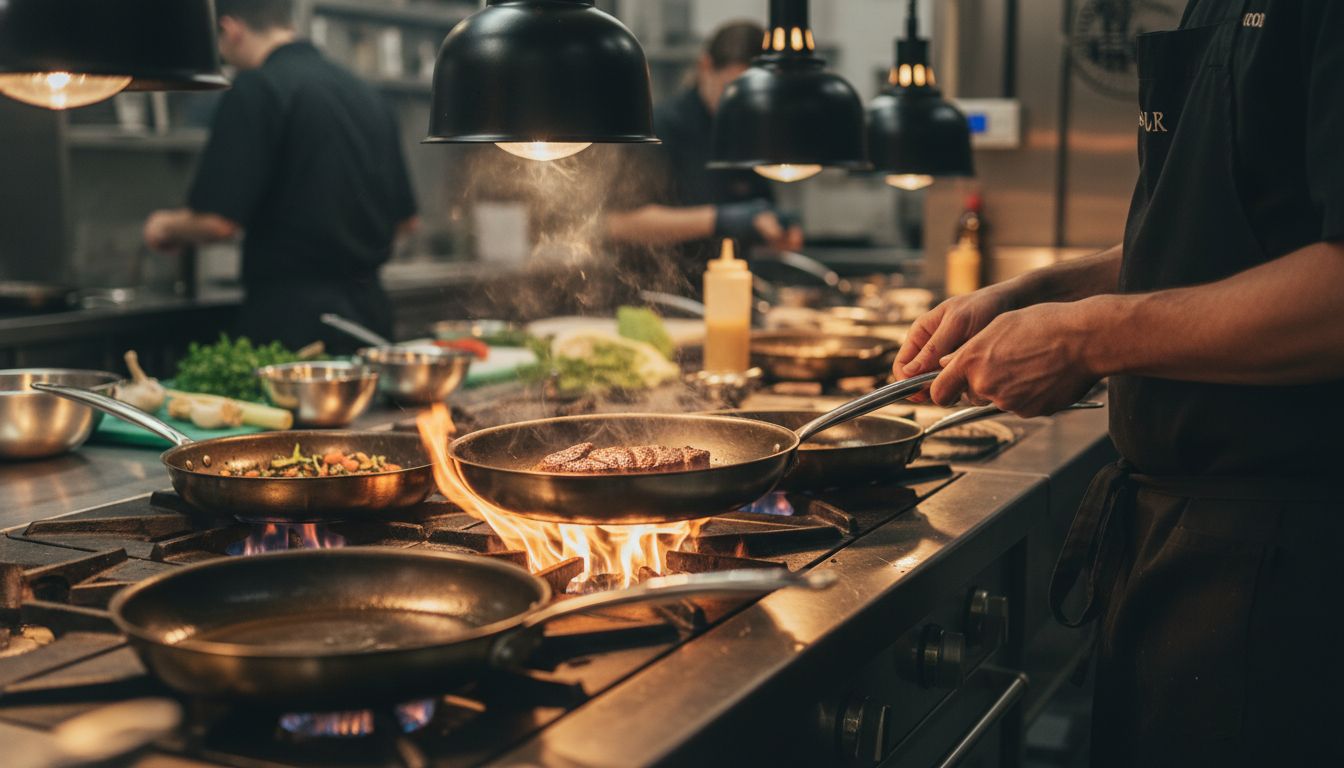
Over two thousand years ago, ancient innovators discovered that adding carbon to iron created a material far tougher and more versatile than anything seen before. That breakthrough gave rise to carbon steel, the foundation for pans prized by chefs worldwide. Today, carbon steel pans deliver exceptional heat control, a naturally nonstick surface, and durability that outlasts most cookware. Understanding what makes these pans unique reveals why they remain a favorite in both home and professional kitchens.
Table of Contents
- Defining Carbon Steel Pans And Their Origins
- Materials Used In Carbon Steel Pan Production
- Single-Piece Forging And Forming Process
- Developing The Natural Nonstick Patina
- Performance, Safety, And Maintenance Advantages
Key Takeaways
| Point | Details |
|---|---|
| Composition and Properties | Carbon steel pans are made of an iron-carbon alloy with 0.06% to 1.5% carbon, enhancing hardness and strength ideal for cookware. |
| Forging Advantages | Single-piece forging provides superior structural integrity and eliminates weak points, resulting in enhanced durability and heat conductivity. |
| Natural Nonstick Patina | Over time, carbon steel pans develop a natural, nonstick patina through consistent use and seasoning, making them safer than chemical-coated alternatives. |
| Maintenance Practices | Proper care includes gentle cleaning, regular seasoning, and dry storage to improve the pan’s performance and longevity. |
Defining Carbon Steel Pans and Their Origins
Carbon steel pans represent a remarkable fusion of metallurgical engineering and culinary tradition, tracing their roots back to ancient metalworking techniques. As research from ijsrp reveals, steel was first discovered during the Han dynasty in China between 202 BC and 220 AD, emerging as a superior alternative to traditional iron materials.
Carbon steel is fundamentally an iron alloy with a precise carbon content, typically ranging between 0.06% and 1.5%. According to ijser research, this unique composition creates a material that is significantly harder and stronger than pure iron, with carbon occurring in the form of iron carbide. The strategic addition of minor quantities of elements like phosphorus, sulfur, silicon, and manganese further enhances the steel’s mechanical properties.
The evolution of carbon steel pans reflects a fascinating journey from metallurgical innovation to culinary excellence. Early metallurgists discovered that by carefully controlling carbon content, they could create materials with remarkable strength and adaptability. In cookware, this translates to pans that offer exceptional heat distribution, durability, and a natural nonstick surface that develops over time. Learn more about carbon steel cookware in our comprehensive guide on choosing carbon steel.
Key characteristics that define carbon steel pans include:
- Composition of 0.06% to 1.5% carbon
- Superior hardness compared to traditional iron
- Excellent heat conductivity
- Natural seasoning capabilities
- Versatility across cooking techniques
From ancient Chinese weapon forging to modern professional kitchens, carbon steel has consistently demonstrated its remarkable adaptability and performance, making it an extraordinary material for culinary tools.
Materials Used in Carbon Steel Pan Production
Carbon steel is a precision-engineered material that demands meticulous selection and composition of raw ingredients. According to ijser research, this specialized alloy contains between 0.06% and 1.5% carbon, with careful additions of trace elements that dramatically influence its performance characteristics.
The primary materials in carbon steel pan production include:
- Iron: The fundamental base metal
- Carbon: Typically 0.06% to 1.5% content
- Trace Elements: Small quantities of phosphorus, sulfur, silicon, and manganese
Each ingredient plays a critical role in determining the pan’s ultimate qualities. As carbon content increases, the steel becomes progressively harder and more robust, though this also reduces its welding capabilities. Discover more about carbon steel pan varieties in our comprehensive guide.
Manufacturers carefully balance these materials to create pans with exceptional heat conductivity, durability, and natural seasoning potential. The precise metallurgical composition ensures that carbon steel pans can withstand high temperatures, develop a natural nonstick surface, and provide consistent cooking performance across various culinary techniques.
Key material constraints for carbon steel include:
- Maximum silicon content: 0.5%
- Maximum manganese content: 1.5%
- Carbon occurring specifically as iron carbide
This intricate material science transforms simple raw ingredients into cookware that professional chefs and home cooking enthusiasts alike have come to cherish for its remarkable versatility and performance.
Single-Piece Forging and Forming Process
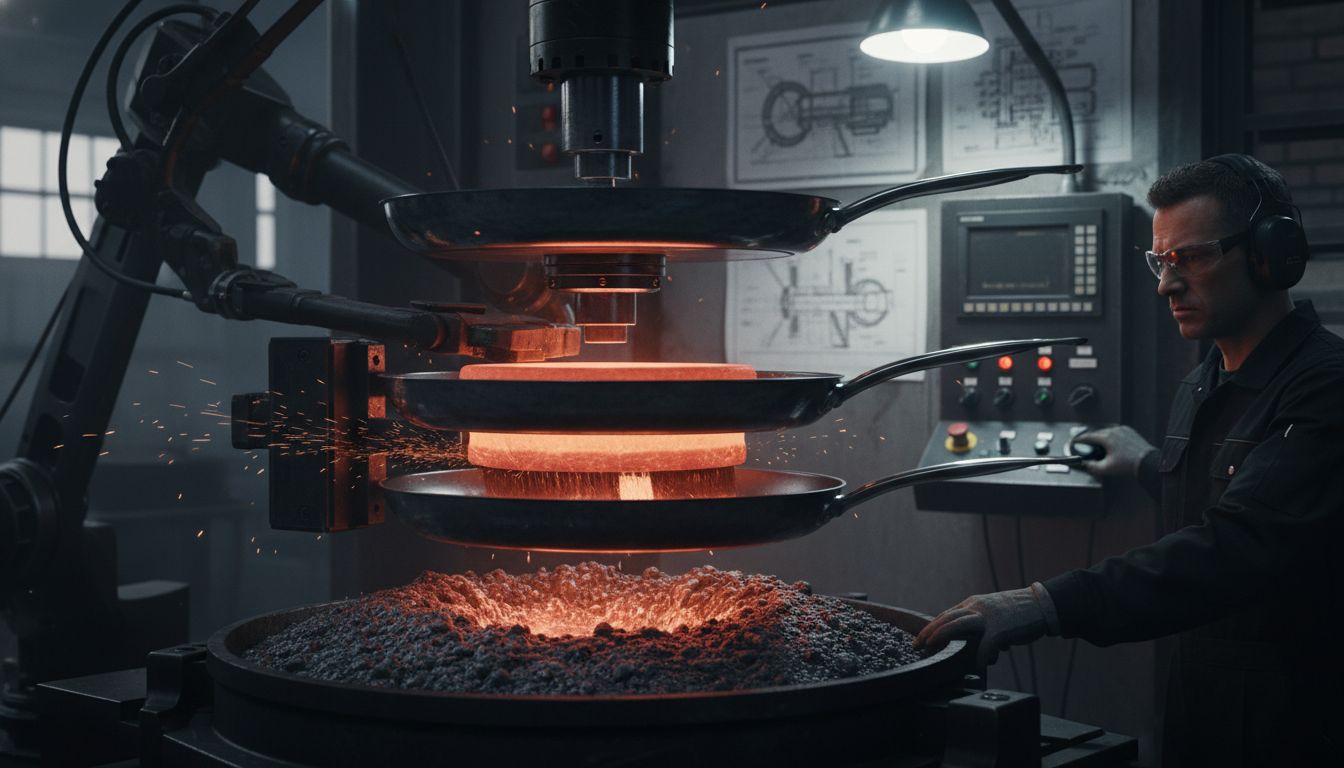
Single-piece forging represents the pinnacle of carbon steel pan manufacturing, a technique that transforms raw metal into a seamless, extraordinarily durable cooking instrument. According to steelband research, the production process involves precise stages of metal manipulation, including sinking, dishing, and carefully controlled heat treatments to achieve optimal structural integrity.
The forging process follows a meticulous sequence of steps:
- Initial Metal Selection: Choosing high-quality carbon steel with precise carbon content
- Heating: Bringing the metal to optimal malleability
- Forming: Using specialized pneumatic hammers or hydraulic presses
- Shaping: Creating the pan’s distinctive contours
- Stress Relief: Annealing to remove internal metal tensions
Unlike traditional pan manufacturing methods that rely on multiple pieces welded together, single-piece forging eliminates potential weak points. Learn more about the benefits of forged cookware in our comprehensive guide, which explores how this technique creates superior cooking tools.
The final stages of pan formation involve precise temperature control and mechanical shaping. By carefully manipulating the metal’s internal structure, manufacturers can create pans with exceptional heat distribution, remarkable durability, and a smooth, seamless surface that develops a natural nonstick patina over time.
Key advantages of single-piece forging include:
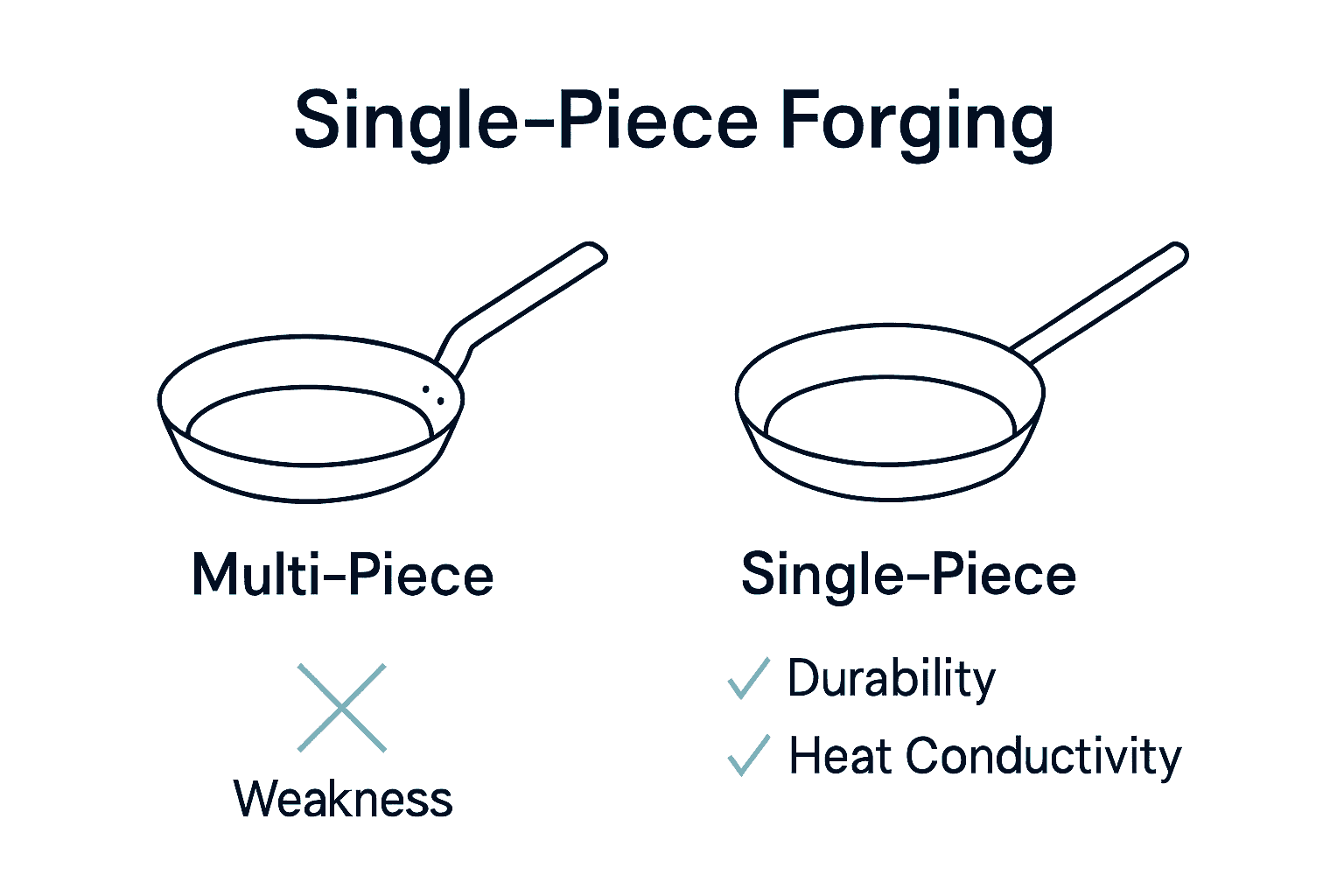
- Elimination of weak welding points
- Superior structural integrity
- Enhanced heat conductivity
- Increased longevity compared to multi-piece constructed pans
- Smoother cooking surface
This sophisticated manufacturing approach transforms raw carbon steel into a culinary instrument that professional chefs and passionate home cooks will treasure for years, representing the perfect fusion of metallurgical science and cooking craftsmanship.
Developing the Natural Nonstick Patina
Nonstick patina is the magical transformation that turns a raw carbon steel pan into a culinary masterpiece. As noted by Wikipedia, carbon steel cookware develops a highly nonstick surface over time, creating a polymerized oil layer that makes cooking delicate proteins like fish and eggs remarkably easier.
The patina development process involves several critical stages:
- Initial Seasoning: Creating the foundational protective layer
- Continuous Cooking: Building depth through repeated use
- Oil Polymerization: Transforming cooking oils into a hard, protective surface
- Surface Smoothing: Gradually creating a slicker cooking surface
Check out our comprehensive guide to carbon steel pan seasoning to understand the nuanced art of developing the perfect nonstick surface. The key is consistent, intentional cooking with high-smoke-point oils that bond molecularly with the pan’s surface.
Unlike chemical nonstick coatings, this natural patina actually improves with use. Each cooking session adds another micro-layer to the pan, creating a surface that becomes increasingly nonstick and more resistant to food adhesion. Professional chefs prize this characteristic, knowing that a well-seasoned carbon steel pan can rival or even outperform traditional nonstick surfaces.
Key factors in developing an exceptional patina include:
- Using oils with high smoke points
- Avoiding soap during cleaning
- Cooking fatty foods periodically
- Maintaining consistent cooking temperatures
- Proper initial and maintenance seasoning
This organic process transforms a simple metal pan into a living, evolving cooking tool that gets better with every meal, representing the beautiful intersection of metallurgy, cooking technique, and culinary tradition.
Performance, Safety, and Maintenance Advantages
Carbon steel represents a pinnacle of cookware engineering, offering a remarkable combination of performance characteristics that set it apart from other materials. According to ijser research, the alloy’s unique composition of iron and carbon (between 0.06% and 1.5%) creates a material with enhanced hardness and strength, providing exceptional durability for professional and home kitchens.
The performance advantages of carbon steel pans are multifaceted:
- Superior Heat Conductivity: Rapid and even temperature distribution
- Incredible Durability: Withstands high cooking temperatures
- Natural Nonstick Surface: Develops a protective patina over time
- Chemical-Free Cooking: No synthetic coatings or harmful treatments
- Versatile Cooking Performance: Works on all heat sources
Safety remains a paramount consideration in carbon steel cookware design. Unlike traditional nonstick pans that rely on chemical coatings, these pans develop a natural seasoning layer that provides a safe, nonreactive cooking surface. For a comprehensive understanding of carbon steel cookware benefits, explore our detailed guide.
Maintenance of carbon steel pans represents a unique approach to cookware care. Regular seasoning and proper cleaning techniques transform these pans from simple cooking tools into cherished kitchen heirlooms. The more you cook, the better the pan becomes, with its nonstick properties and cooking performance improving dramatically over time.
Key maintenance principles include:
- Gentle cleaning without harsh detergents
- Regular light oiling after use
- Avoiding prolonged exposure to moisture
- Periodic re-seasoning
- Storing in dry environments
This sophisticated approach to cookware transcends traditional kitchen tools, offering a cooking experience that combines scientific precision with culinary artistry, making carbon steel pans an investment in both performance and cooking pleasure.
Experience the Craftsmanship of True Carbon Steel Pans
Understanding how carbon steel pans are expertly forged and naturally seasoned reveals the unique challenges serious cooks face when selecting durable and high-performance cookware. If you value cookware that improves with use, offering superior heat responsiveness and a natural nonstick patina free from synthetic coatings, then investing in a pan born from precise single-piece forging is essential.
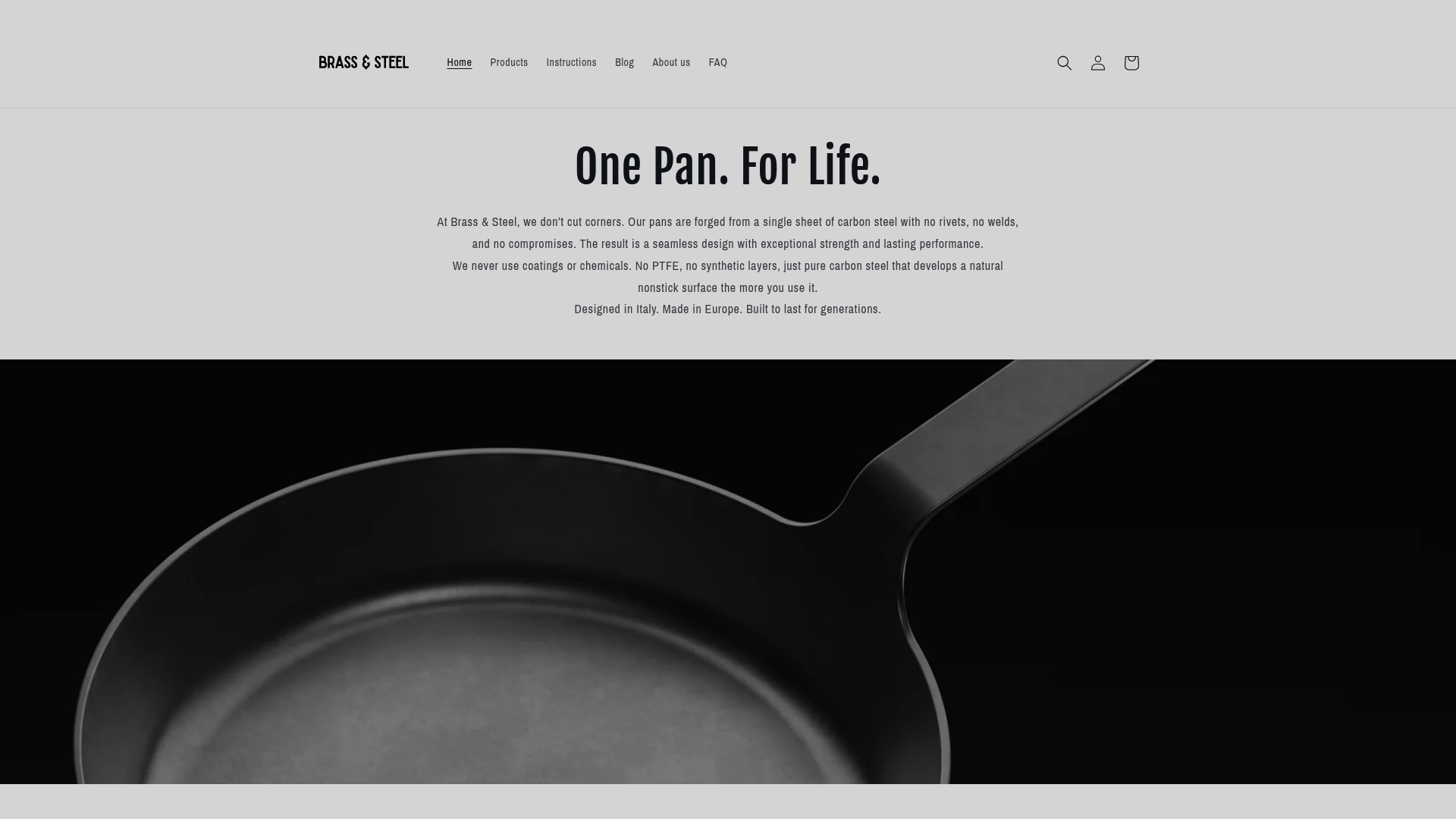
At Brass & Steel, we specialise in creating carbon steel pans that embody these qualities. Each pan is forged from a single piece of carbon steel, ensuring exceptional strength without weak welds or rivets. Our designs maintain high heat performance and are perfect for all cooktops including induction, giving you the versatility and reliability professional chefs demand.
Explore our Carbon Steel Collection now and enjoy cookware that harnesses both heritage metallurgy and modern craftsmanship. For those seeking heirloom-quality kitchen tools built to last and improve with every meal, visit us at https://brass-steel.com to find your perfect carbon steel partner today.
Frequently Asked Questions
What materials are used to make carbon steel pans?
Carbon steel pans are made primarily from iron and carbon, with carbon content typically ranging between 0.06% and 1.5%. Trace elements such as phosphorus, sulfur, silicon, and manganese are also added to enhance performance characteristics.
How does the single-piece forging process benefit carbon steel pans?
The single-piece forging process eliminates weak welding points and enhances the structural integrity of the pan. This technique allows for superior heat conductivity, increased longevity, and a smoother cooking surface compared to multi-piece constructed pans.
How does one develop the natural nonstick patina on a carbon steel pan?
To develop a natural nonstick patina, you should season the pan initially, cook with it regularly using high-smoke-point oils, and avoid harsh cleaning methods. The more you use the pan, the better the patina becomes, leading to improved nonstick qualities.
What are the maintenance requirements for carbon steel pans?
Maintenance includes gentle cleaning without harsh detergents, regular light oiling after use, avoiding prolonged exposure to moisture, periodic re-seasoning, and storing in dry environments to keep the pan in optimal condition.