What type of pans do professional chefs use?
TL;DR:
- Professional chefs prioritize durability, heat performance, and versatility over brand or appearance in their cookware choices. Stainless steel, carbon steel, cast iron, and nonstick pans are selected based on material properties, heat control, and how well they handle daily abuse. A small, carefully chosen set of five pans, including a skillet, sauté pan, saucepan, Dutch oven, and stockpot, is ideal for home cooks seeking professional-like performance.
Walk into any professional kitchen and you will notice something immediately: the cookware looks nothing like the shiny matching sets sold in department stores. If you have ever wondered what type of pans do professional chefs use and why, the answer comes down to three things. Durability, heat performance, and versatility. Pros do not have time for fussy maintenance or fragile coatings. They need pans that work hard, last long, and handle anything from a screaming hot sear to a gentle sauce.
Table of Contents
- Key takeaways
- 1. What criteria do chefs use to choose a pan?
- 2. Stainless steel pans
- 3. Carbon steel pans
- 4. Cast iron skillets
- 5. Nonstick skillets
- 6. Saucepans
- 7. Dutch ovens and braisers
- 8. Woks
- 9. Sheet pans and hotel pans
- 10. Pan comparison: what suits which cook
- 11. How to build a professional-style pan collection at home
- My honest take on pan choices
- Ready to cook like a professional?
- FAQ
Key takeaways
| Point | Details |
|---|---|
| Stainless steel is the workhorse | Professional kitchens rely on stainless steel for roughly 90% of everyday cooking tasks. |
| Carbon steel is rising fast | Lightweight, naturally nonstick when seasoned, and loved by chefs for searing and sautéing. |
| Nonstick is a short-term tool | Professionals treat nonstick pans as disposable, replacing them every 6 to 12 months. |
| A small core set is enough | Five well-chosen pans cover almost every cooking situation, at home or in a restaurant. |
| Ergonomics matter more than looks | Handle length and pan balance directly affect comfort and cooking precision. |
1. What criteria do chefs use to choose a pan?
Understanding what pans do professional chefs use starts with knowing how they think about cookware. It is never about brand names or aesthetics. It is always about function.
Here is what chefs actually evaluate:
- Material. Stainless steel, carbon steel, cast iron, and nonstick all behave differently. Each material suits different jobs.
- Heat conduction and retention. A pan that heats unevenly creates hot spots and ruined food. Chefs need consistent, controllable heat.
- Durability. Professional pans take serious abuse: high heat, metal utensils, commercial dishwashers, and daily repetition.
- Handle design. Handle length and balance affect how comfortable a pan is to manoeuvre, especially under pressure.
- Versatility. A pan that goes from stovetop to oven without complaint is worth twice as much as one that cannot.
Chef Fredrik Berselius is a good example. He has spoken openly about how pan design and balance matter as much as material when cooking at a high level. A heavy pan with a short handle wears out your wrist fast. A well-balanced pan with a long handle feels like an extension of your arm.
Pro Tip: Before buying any pan, hold it by the handle and feel where the weight sits. If it tips forward or feels awkward, you will notice it after the first ten minutes of cooking.
2. Stainless steel pans
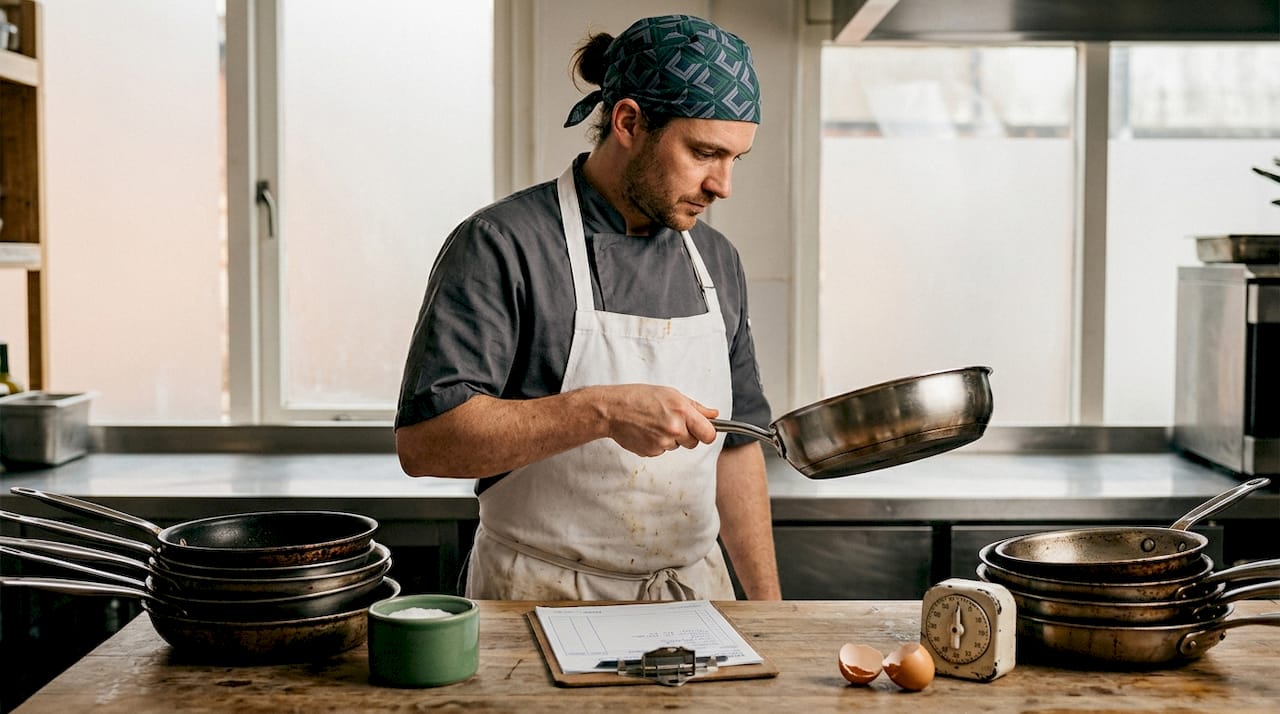
Stainless steel is the undisputed king of the professional kitchen. Stainless steel handles 90% of tasks in professional kitchens, including searing, sautéing, deglazing, and making pan sauces.
Why? Because it is nearly indestructible. You can use metal utensils without worrying, blast it in a commercial dishwasher, and leave it at high heat for extended periods. A good quality multi-ply stainless steel pan, where aluminium or copper layers are bonded between steel, conducts heat far more evenly than single-ply versions.
Premium multi-ply stainless steel pans are built to last decades, not years. That long-term reliability is exactly why professionals trust them over anything flashier. The cooking surface also develops a natural fond (those browned bits stuck to the bottom) which is the foundation of most great sauces.
3. Carbon steel pans
Carbon steel is the pan type that is converting serious home cooks and restaurant chefs alike. Carbon steel pans are increasingly popular among chefs precisely because they combine the best of cast iron and stainless steel. They are lighter than cast iron, heat up faster, and develop a natural nonstick surface with seasoning over time.
The trade-off is that they require care. You season them with oil, much like cast iron, and that layer builds into a slick, non-toxic patina. No PTFE, no PFOA, no coatings to chip off into your food. For a deeper look at why this material is gaining ground, the benefits of carbon steel are worth understanding before you commit.
Carbon steel also handles extreme heat without complaint and works on every cooktop, including induction. That flexibility is a big reason you will find carbon steel sauté pans in professional kitchens across Europe.
4. Cast iron skillets
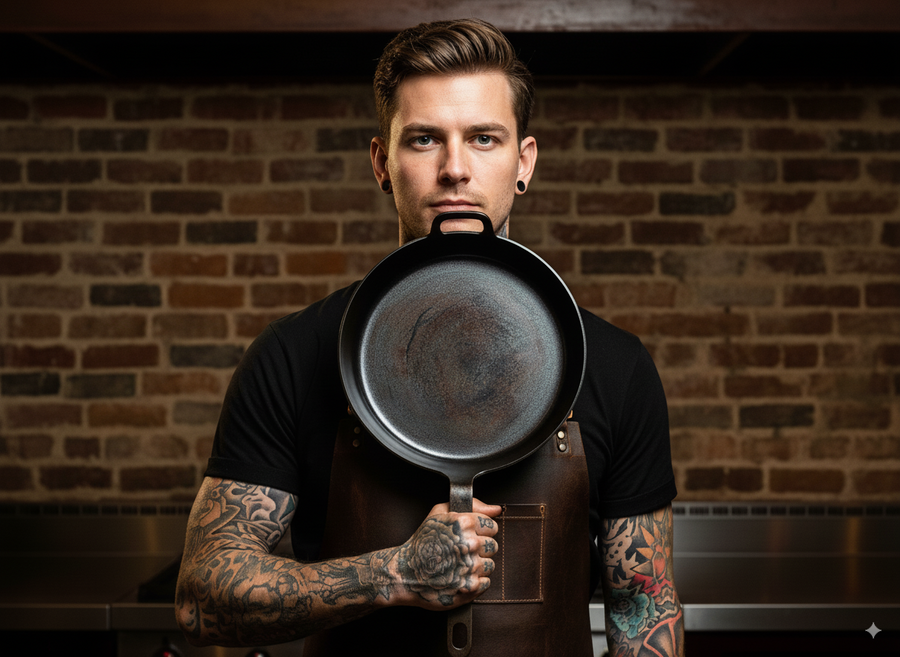
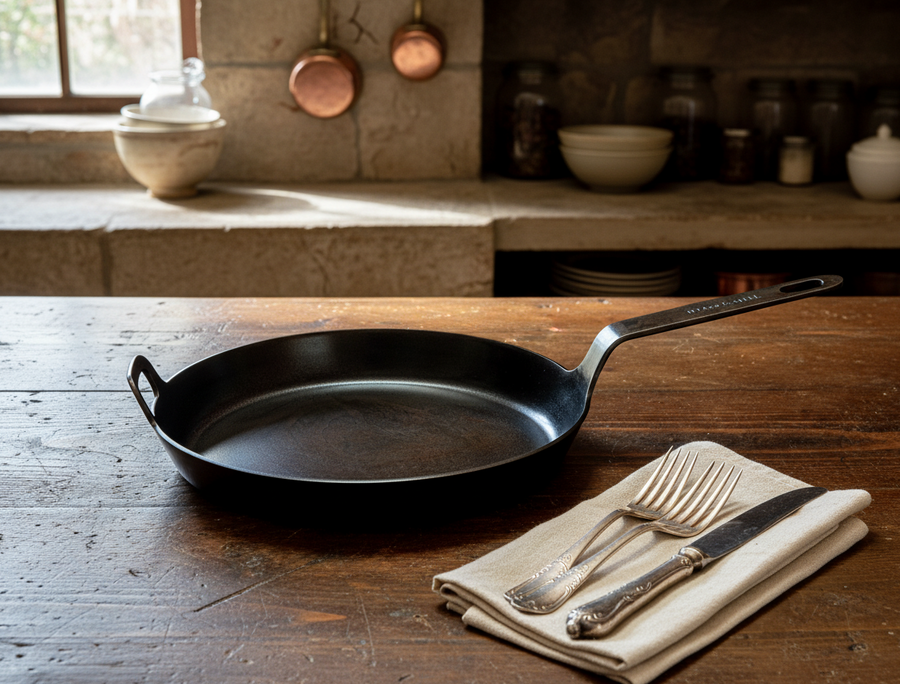
Cast iron has been around for centuries because it genuinely works. It holds heat better than almost any other material, which makes it ideal for searing steaks, frying chicken, and baking. Once it reaches temperature, it stays there, which is exactly what you want for deep browning and a proper crust.
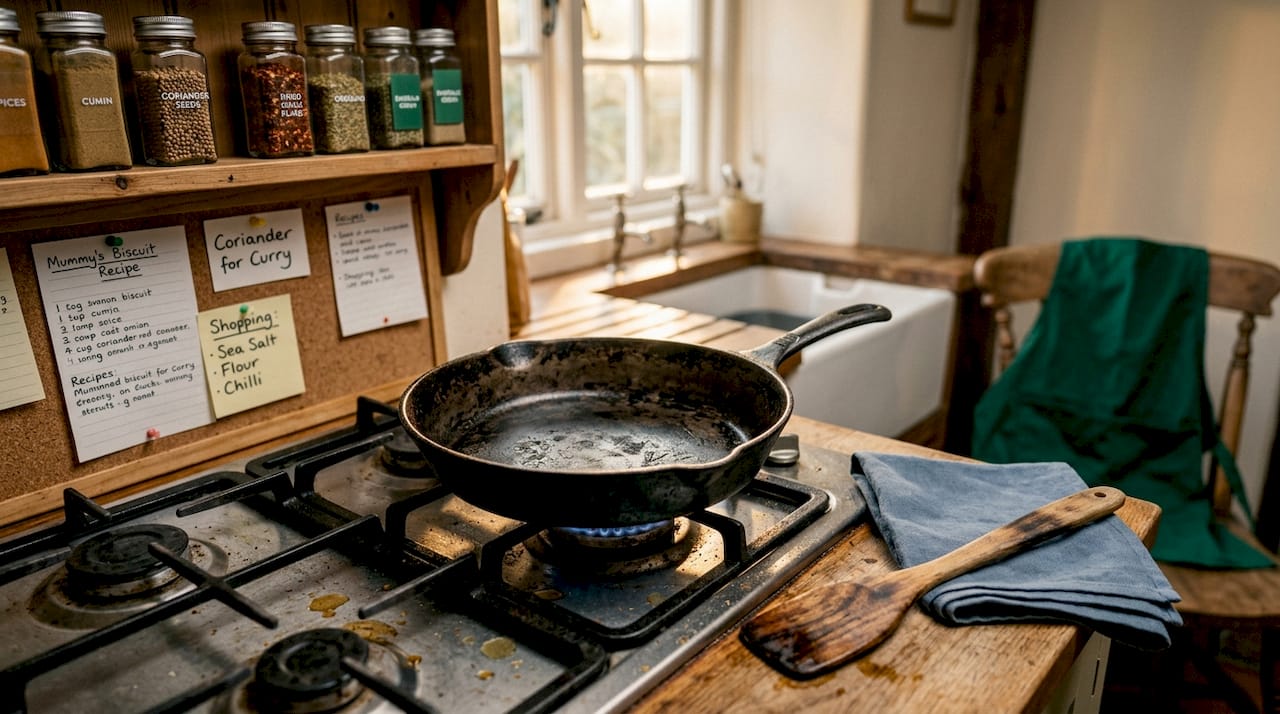
The downside is weight. A 30 cm cast iron skillet can weigh close to five kilograms, which makes tossing vegetables or deglazing uncomfortable for many cooks. Professional chefs tend to use cast iron for specific tasks: initial searing, oven-finishing thick cuts of meat, and baking cornbread or frittatas. It is not an everyday workhorse in most restaurant kitchens the way stainless steel is, but it earns its place.
Maintenance is similar to carbon steel. It needs seasoning, should not be soaked in water, and responds poorly to sudden temperature changes.
5. Nonstick skillets
Here is the honest truth about nonstick pans: professionals use them, but they do not rely on them. Nonstick pans in professional kitchens typically last just 6 to 12 months under daily use. At home, with reasonable care, you can get two to three years out of a decent one.
Chefs reserve nonstick for delicate foods. Eggs, fish fillets, crêpes, and anything else that would stick to stainless steel without careful technique. Nonstick pans are also kept at lower temperatures because overheating degrades the coating faster and raises health concerns.
The key insight here: chefs treat nonstick as disposable, not as a premium investment. Spending a fortune on an expensive nonstick set is not how professionals think. They buy a modest nonstick pan, use it gently for delicate tasks, and replace it when the surface starts to go.
6. Saucepans
When people ask what saucepans do professional chefs use, the answer is almost always stainless steel with a thick base. A good stainless steel saucepan heats evenly, handles acidic ingredients without reacting, and cleans easily.
Professionals typically keep two or three sizes on hand: a small one for reductions and sauces, a medium one for stocks and grains, and a larger one for blanching or boiling. The thick base prevents scorching, which is a common problem with cheaper versions.
Some chefs also use copper-lined saucepans for tasks that require rapid heat control, such as caramel or custard. Copper responds to temperature changes almost instantly, which gives you more precision. These are specialist tools, though, not everyday pots.
7. Dutch ovens and braisers
A Dutch oven is arguably the most versatile piece of cookware a chef owns. It braises, stews, deep-fries, and bakes bread. The heavy lid traps moisture, and the thick walls maintain a steady temperature for hours. Most professional kitchens have at least one enamelled cast iron Dutch oven or a stainless steel equivalent.
Braisers are shallower and wider, designed specifically for braising large cuts of meat or reducing sauces. They sit between a sauté pan and a Dutch oven in terms of function, and they are excellent for dishes that start on the stovetop and finish in the oven.
8. Woks
A wok is non-negotiable in any kitchen that handles stir-frying. The sloped sides allow you to toss ingredients continuously without them spilling, and the concentrated heat at the base creates the high-temperature char that defines good stir-fry cooking.
Carbon steel is the standard material for professional woks. It heats up fast, responds to temperature changes immediately, and seasons well over time. Cast iron woks exist but are too heavy for the kind of fast, constant motion that wok cooking demands.
9. Sheet pans and hotel pans
These often get overlooked in conversations about what type of cookware do professional chefs use, but they are everywhere in restaurant kitchens. Hotel pans are versatile stainless steel trays used for steaming, roasting, smoking, and storing prepped ingredients. They stack easily, are indestructible, and serve multiple functions without any fuss.
Sheet pans (also called baking trays) are equally indispensable. Roasting vegetables, finishing proteins in the oven, baking, cooling. A heavy-gauge aluminium or stainless steel sheet pan will outlast almost anything in a busy kitchen.
10. Pan comparison: what suits which cook
Here is a quick summary of how the main pan types stack up:
| Pan type | Heat performance | Weight | Maintenance | Best for |
|---|---|---|---|---|
| Stainless steel | Excellent, even | Medium | Low, dishwasher safe | Searing, sauces, all-round use |
| Carbon steel | Excellent, responsive | Light to medium | Moderate, needs seasoning | Searing, sautéing, eggs |
| Cast iron | Outstanding retention | Heavy | Moderate, needs seasoning | Searing, braising, baking |
| Nonstick | Good at low to medium heat | Light | High, avoid metal utensils | Eggs, fish, crêpes |
| Dutch oven | Excellent retention | Heavy | Low | Braising, stewing, baking |
For beginners, stainless steel and a single nonstick pan cover most situations. For serious home cooks ready to go further, carbon steel adds real capability without the weight penalty of cast iron.
11. How to build a professional-style pan collection at home
You do not need twenty pieces of cookware. Professionals agree: a small, thoughtful set beats a cluttered cabinet every time. A core set of five pans is what most professional chefs recommend for efficiency: a large skillet, a sauté pan, a stainless steel saucepan, a Dutch oven, and a stockpot.
Here is how to approach building yours:
- Start with a large stainless steel skillet. It handles more tasks than any other single pan.
- Add a carbon steel sauté pan. Once seasoned, it becomes your go-to for high-heat cooking and delicate sautéing.
- Get one decent nonstick. Keep it for eggs and fish, protect the surface, and replace it when it shows wear.
- Buy a Dutch oven. Cast iron or stainless, it transforms your ability to braise and slow-cook.
- Add a stockpot last. You need it less often but cannot do without it for stocks, pasta, and large batches.
Balance quality and budget by investing most heavily in your stainless steel and carbon steel pieces. These will outlast everything else in your kitchen. For the full professional cookware list including what to look for in each category, it pays to read up before you spend.
Pro Tip: Avoid buying pan sets. Sets are designed for display, not function. Buy each pan individually and choose it for what it does, not how it looks alongside the others.
My honest take on pan choices
I have been around serious home cooks and professional kitchens long enough to see the same mistake repeated constantly. People spend a fortune on fancy nonstick sets thinking that is what the pros use. It is not.
What I have found is that the cooks who improve fastest are the ones who commit to learning stainless steel and carbon steel properly. These materials give you instant feedback. Food sticks when the pan is not hot enough or you added oil too early. That feedback teaches you more in a month than a nonstick pan would in a year.
Carbon steel, in particular, surprises people. It feels demanding at first, but once the seasoning builds, it performs beautifully and gets better with every use. I have also seen how much of a difference a well-balanced pan makes when you are cooking for an extended period. A pan that feels right in your hand reduces fatigue and improves control. That balance matters far more than the logo on the handle.
My advice: own fewer pans, choose them for performance, and learn each one properly. A cluttered kitchen full of mediocre pans is genuinely worse than three great ones.
— Davide
Ready to cook like a professional?
If this article has convinced you that carbon steel belongs in your kitchen, Brass-steel makes it easy to start well. Their carbon steel sauté pans are forged from a single piece of steel with no rivets, no welds, and no coatings. The 27 cm pan at €99 is ideal for everyday searing and sautéing. The 30 cm version at €119 handles larger meals and delivers the kind of heat performance that professional kitchens demand.
Both pans work on all cooktops including induction, are free from PTFE and PFOA, and build a natural nonstick patina over time. You can explore the full range and find what suits your cooking at brass-steel.com. For more background on why professional cookware is built the way it is, Brass-steel’s guides are worth a read before you buy.
FAQ
What pans do professional chefs use most often?
Stainless steel is the primary choice, handling roughly 90% of tasks in professional kitchens. Carbon steel and cast iron are also widely used for high-heat cooking.
Is carbon steel better than stainless steel for home chefs?
Carbon steel develops a natural nonstick surface and heats up faster, making it excellent for searing and sautéing. Stainless steel is more versatile overall and requires less initial care.
How long do nonstick pans last in professional kitchens?
In professional kitchens, nonstick pans typically last just 6 to 12 months due to heavy daily use. At home with careful handling, they last around two to three years.
What cookware do professional chefs use at home?
At home, most professional chefs keep a small core set: a stainless steel skillet, a carbon steel or cast iron pan, a saucepan, a Dutch oven, and a stockpot.
Do chefs recommend buying pan sets?
Most professional chefs do not recommend pre-made sets. Buying individual pans chosen for specific tasks gives better performance and avoids paying for pieces you will rarely use.