Professional Cookware Defined: A Complete Guide
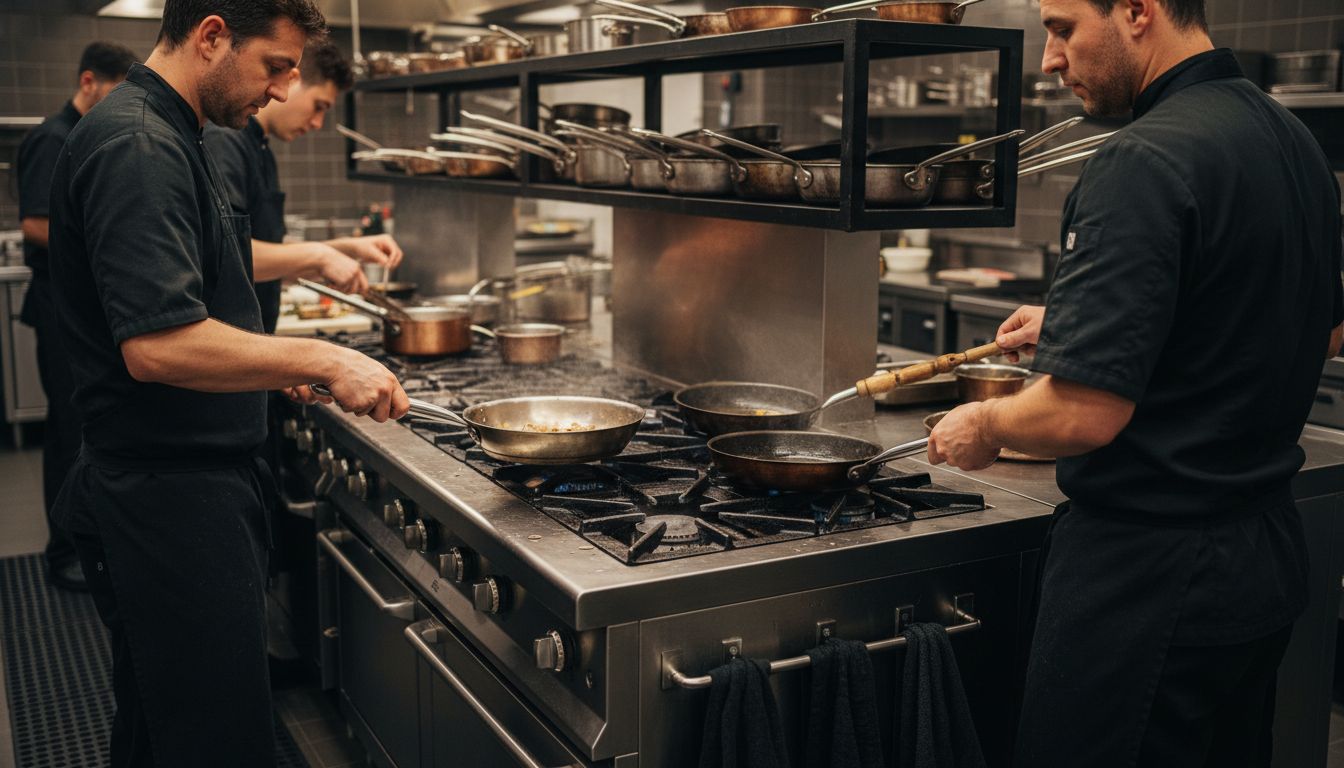
Professional cookware can endure years of high heat and daily use, yet over 80 percent of home cooks still rely on consumer-grade pans that wear out much faster. The right tools set the stage for better results whether you cook for family or for guests. Learning what truly separates professional-grade equipment from ordinary kitchen gear will help you achieve consistent, restaurant-quality dishes and make cooking feel like second nature.
Table of Contents
- Defining Professional Cookware In Modern Kitchens
- Core Materials And Construction Methods
- Key Performance Features And User Benefits
- Professional Vs. Home Cookware: Key Differences
- Care, Maintenance, And Longevity Essentials
Key Takeaways
| Point | Details |
|---|---|
| Professional Cookware Quality | Professional cookware is designed for durability and exceptional performance, suitable for high-pressure cooking environments. |
| Material Advantage | High-quality materials like stainless steel, cast iron, and copper provide specific benefits, such as heat retention and conductivity. |
| User Benefits | Precise engineering allows for superior temperature control and consistent cooking results, elevating the culinary experience. |
| Maintenance Importance | Proper care and maintenance are crucial for prolonging the lifespan of professional cookware, requiring immediate cleaning and correct storage. |
Defining Professional Cookware in Modern Kitchens
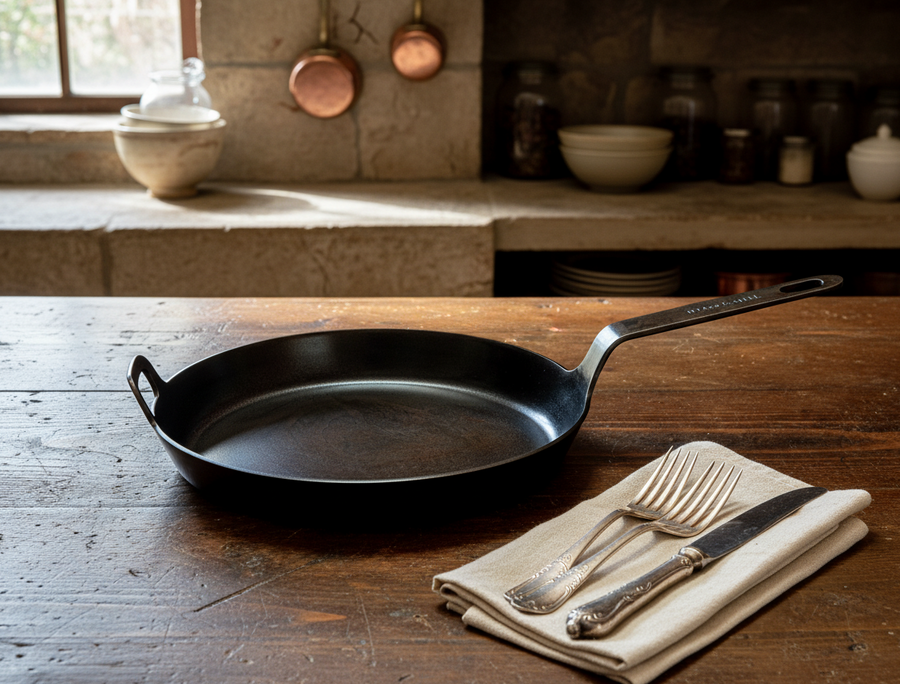
Professional cookware represents the gold standard of kitchen equipment, designed for durability and exceptional performance. According to carawayhome, these kitchen tools are engineered to withstand frequent use and high temperatures, delivering consistent cooking results that meet the demanding standards of professional chefs.
Professional-grade cookware distinguishes itself through several critical characteristics. greenpan highlights that these tools are constructed from premium materials like hard anodized aluminum and commercial stainless steel, ensuring reliable performance under rigorous kitchen conditions.
Key features that define professional cookware include:
- Superior heat distribution and retention
- Exceptional durability and long-lasting construction
- Ability to withstand high-temperature cooking techniques
- Precision engineering for consistent culinary results
For professional chefs and serious home cooks, investing in high-quality cookware means selecting pieces that can handle intense cooking environments while maintaining superior performance. By understanding these fundamental qualities, you can elevate your cooking experience and achieve restaurant-quality results in your own kitchen. Learn more in our Complete Guide to Professional Cookware for deeper insights into selecting the right tools.
Core Materials and Construction Methods
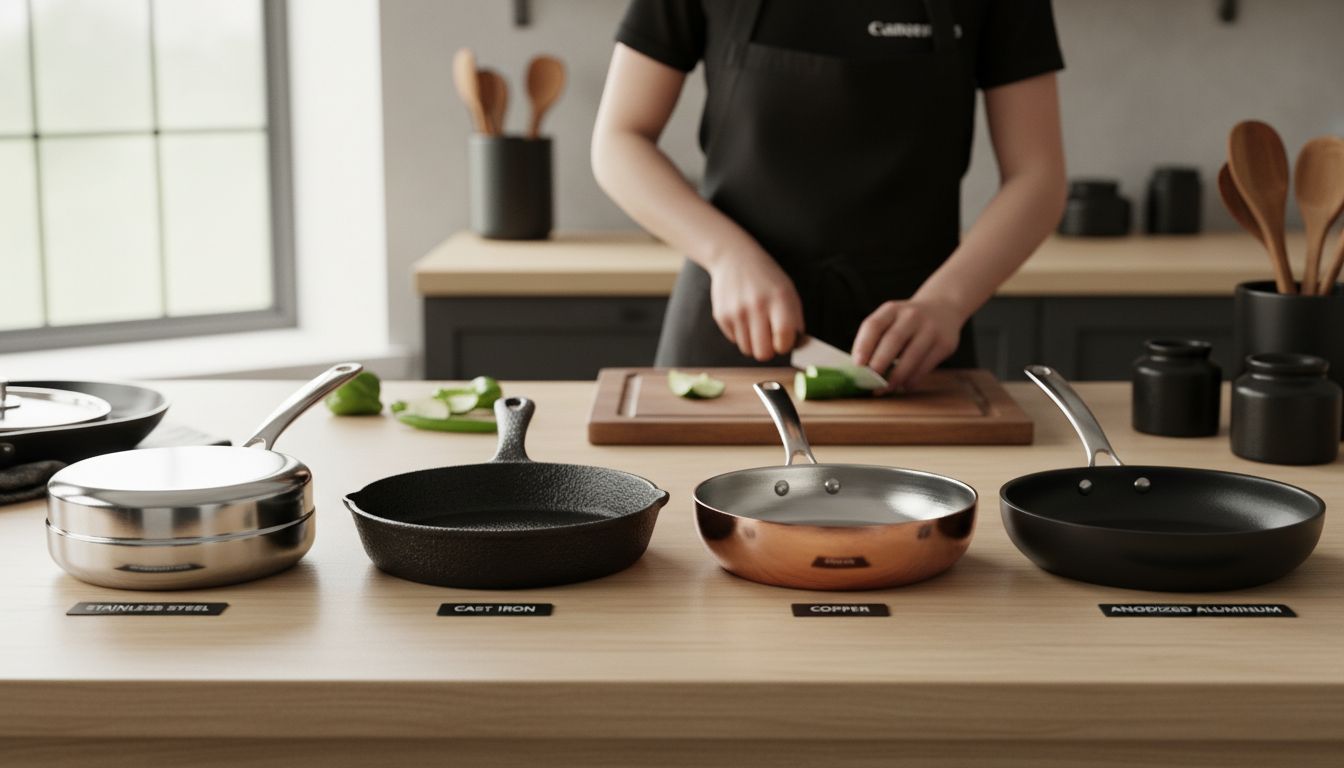
Professional cookware materials are the foundation of exceptional kitchen performance. According to restaurantstore, these materials are carefully selected to provide specific cooking advantages: stainless steel for durability, cast iron for heat retention, copper for precise temperature control, and aluminum for lightweight heat efficiency.
Stainless steel stands out as a premier material in professional kitchens. Typically constructed with an aluminum or copper core, these pans offer superior heat distribution while maintaining a non-reactive surface that prevents flavor contamination. The multi-layered construction ensures even heating and long-lasting durability, making it a top choice for professional chefs.
Each material brings unique characteristics to professional cookware:
- Stainless Steel: Non-reactive, durable, excellent heat distribution
- Cast Iron: Exceptional heat retention, ideal for high-temperature cooking
- Copper: Unparalleled heat conductivity, precise temperature control
- Aluminum: Lightweight, efficient heat conduction, especially when anodized
Understanding these material nuances helps cooks select the right tools for specific cooking techniques. For a deeper exploration of cookware materials and their properties, check out our 7 Essential Insights on Different Cookware Materials guide to make informed kitchen equipment choices.
Key Performance Features and User Benefits
Professional cookware transcends ordinary kitchen tools by delivering exceptional performance under demanding conditions. According to greenpan, these high-end tools excel through their rapid response to temperature changes, consistent heat distribution, and ability to perform reliably under high-pressure cooking environments.
The most significant user benefits emerge from carefully engineered design features. Professional-grade cookware provides unparalleled precision, allowing chefs and home cooks to control cooking techniques with remarkable accuracy. This means achieving perfect sears, maintaining consistent temperatures, and creating restaurant-quality results that elevate everyday cooking experiences.
Key performance features that distinguish professional cookware include:
- Thermal Responsiveness: Quick heating and temperature adjustment
- Heat Retention: Maintaining stable cooking temperatures
- Durability: Withstanding intensive cooking conditions
- Versatility: Performing across multiple cooking methods
- Precision Engineering: Ensuring consistent cooking outcomes
For those serious about culinary excellence, understanding these performance features is crucial. Explore how professional cookware can transform your cooking approach in our 10 Essential Items for Your Professional Kitchen Cookware List, which provides deeper insights into selecting top-tier kitchen tools.
Professional vs. Home Cookware: Key Differences
The world of cookware is dramatically different between professional and home kitchen environments. According to talkcookware, professional cookware is engineered to withstand the extreme demands of commercial kitchens, utilizing robust materials like stainless steel, cast iron, and copper to ensure superior durability and performance.
Construction quality represents the most significant distinguishing factor between professional and home cookware. Professional tools are built to endure constant use, high temperatures, and rapid temperature changes, whereas home cookware typically prioritizes affordability and basic functionality. This fundamental difference means professional cookware offers exceptional heat control, more uniform cooking surfaces, and dramatically improved longevity.
Key differences between professional and home cookware include:
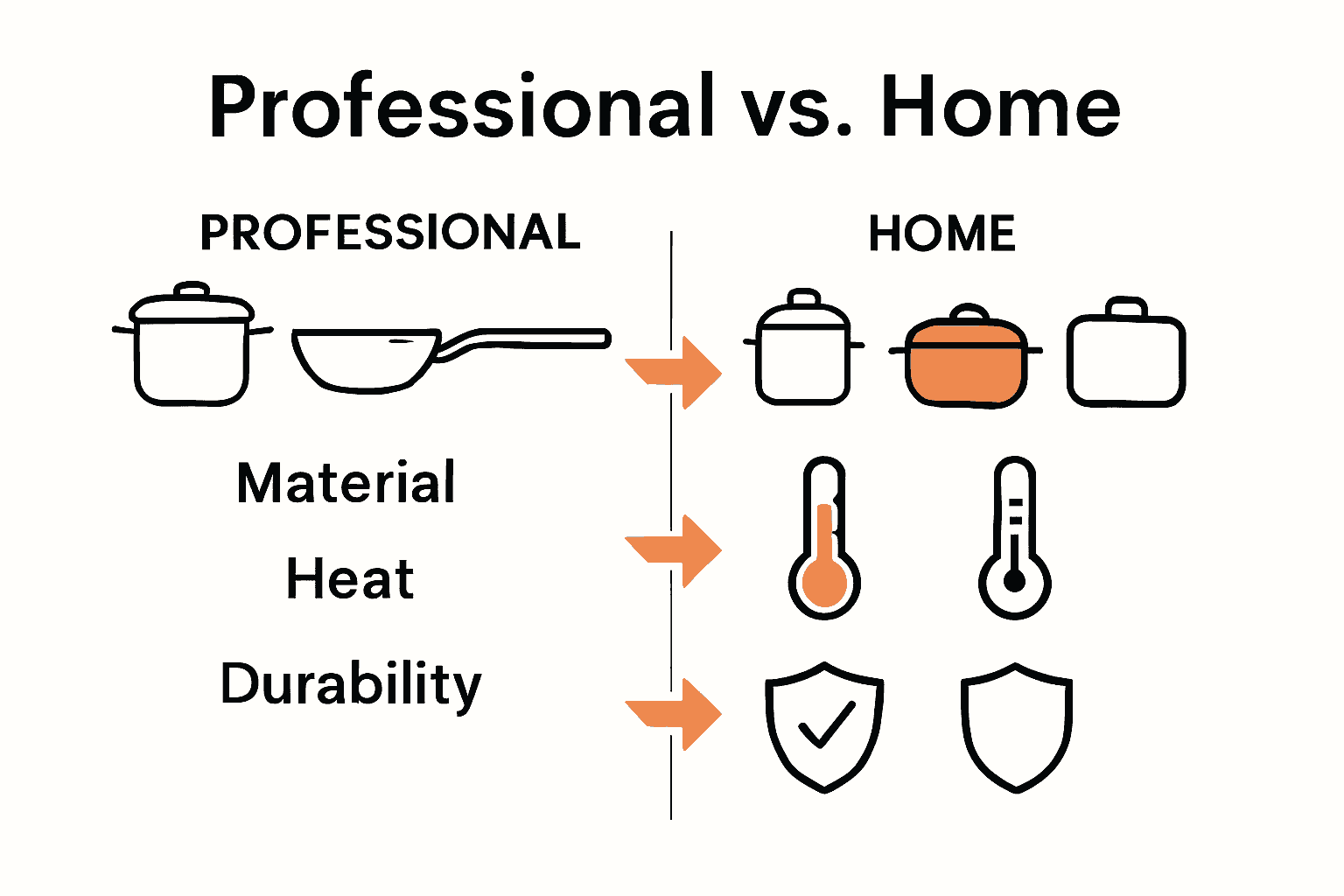
- Material Durability: Professional-grade materials vs. consumer-grade construction
- Heat Performance: Precise temperature management vs. basic heating
- Longevity: Designed for thousands of cooking hours vs. occasional home use
- Weight and Balance: Engineered for professional handling vs. lightweight consumer design
- Cost: Significant investment vs. budget-friendly options
For culinary enthusiasts looking to understand the nuanced world of professional cookware, our 7 Essential Professional Cookware Types for Every Chef guide offers comprehensive insights into selecting top-tier kitchen equipment.
Care, Maintenance, and Longevity Essentials
Maintaining professional cookware requires a nuanced approach that varies depending on the specific material. According to restaurantstore, different materials demand unique care strategies: stainless steel needs regular cleaning to prevent staining, cast iron requires consistent seasoning to maintain its non-stick surface, and copper cookware must be polished to preserve its distinctive luster.
Cleaning practices play a critical role in extending the lifespan of professional cookware. talkcookware emphasizes the importance of prompt cleaning for each material type, noting that stainless steel can discolor if left unwashed, cast iron needs careful maintenance to preserve its seasoning, and copper requires regular attention to prevent oxidation.
Key maintenance principles for professional cookware include:
- Immediate Cleaning: Wash after each use to prevent residue buildup
- Proper Drying: Eliminate moisture to prevent rust and corrosion
- Gentle Handling: Avoid metal utensils that can scratch surfaces
- Regular Seasoning: Maintain non-stick properties and prevent wear
- Appropriate Storage: Use protective covers or hang to prevent damage
For chefs and cooking enthusiasts looking to master the art of cookware maintenance, our How to Maintain a Carbon Steel Pan: Preventing Rust & Warping guide offers comprehensive insights into protecting your most valuable kitchen investments.
Elevate Your Culinary Craft with Professional Carbon Steel Cookware
Understanding what sets professional cookware apart reveals a clear challenge for serious cooks: finding tools that combine durability, precise heat control and natural nonstick performance. This article highlights key demands such as superior thermal responsiveness and long-lasting materials. If you crave cookware designed for intense use without sacrificing cooking quality, that meets the standards of chefs and enthusiasts alike, you will appreciate how carbon steel pans answer these exact needs.
Experience the unmatched benefits of cookware forged from a single sheet of carbon steel featuring a natural, health-conscious nonstick surface free from harmful coatings. Our Carbon Steel Collection | Brass&Steel offers heirloom-quality pans perfectly embodying professional-grade construction and care principles detailed above.
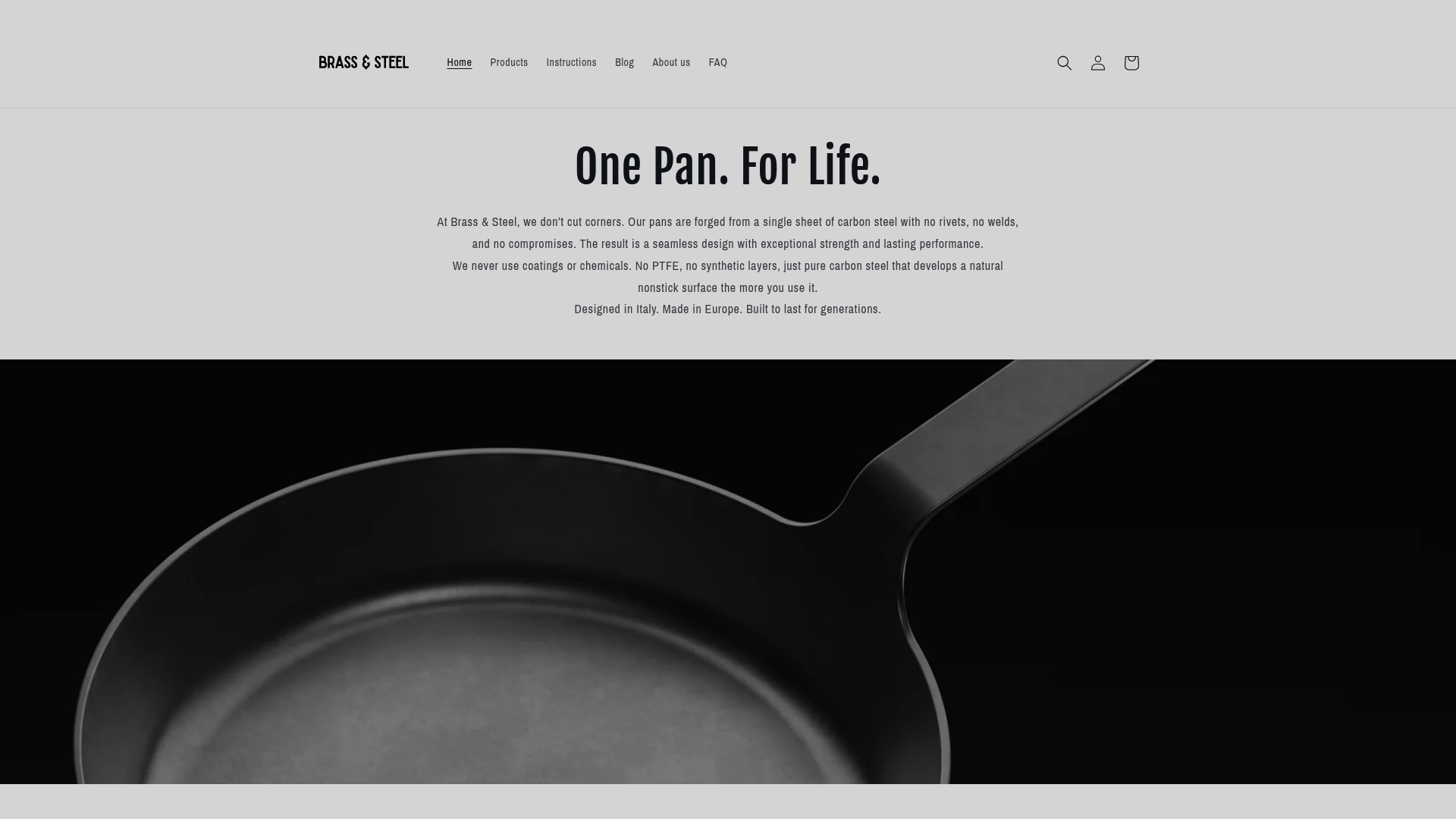
Take the next step towards kitchen mastery by exploring the craftsmanship behind each piece and how it enhances everyday cooking. Visit Brass & Steel today for premium carbon steel pans designed for lasting performance. Discover new arrivals and upgrade your cookware essentials now in our New arrivals – Brass & Steel collection. Invest in cookware that evolves with your passion and delivers excellence every time you cook.
Frequently Asked Questions
What are the key characteristics of professional cookware?
Professional cookware is characterized by superior heat distribution, exceptional durability, the ability to withstand high temperatures, and precision engineering for consistent cooking results.
What materials are commonly used in professional cookware?
Common materials for professional cookware include stainless steel for durability, cast iron for heat retention, copper for precise temperature control, and aluminum for lightweight heat efficiency.
How do professional cookware and home cookware differ?
The primary differences between professional and home cookware include material durability, heat performance, longevity, weight and balance, and cost. Professional cookware is built to withstand rigorous use and provides superior heat control compared to consumer-grade options.
What maintenance is required for professional cookware?
Maintenance for professional cookware varies by material. Stainless steel should be cleaned promptly to prevent stains, cast iron requires regular seasoning, and copper needs polishing to maintain its luster. Proper care extends the lifespan and performance of cookware.
Recommended
- 10 Essential Items for Your Professional Kitchen Cookware List – Brass & Steel
- Complete Guide to Professional Cookware – Brass & Steel
- 7 Essential Professional Cookware Types for Serious Cooks – Brass & Steel
- 7 Essential Professional Cookware Types Every Chef Needs – Brass & Steel
- Job Hazards for Cooks: Complete Safety Guide Canada - Probe IT