What fry pans do chefs use: the 2026 guide
TL;DR:
- Carbon steel pans are the preferred choice among professional chefs for their heat responsiveness, durability, and natural nonstick surface development over time. They excel at searing, making them versatile for various cooking techniques, while stainless steel and cast iron pans serve specific tasks like sauce-making or high-heat searing, respectively. Proper seasoning and selecting the right pan for particular tasks are essential for optimal cooking performance, whether at home or in a professional kitchen.
Carbon steel is the fry pan material professional chefs reach for most, prized for its heat responsiveness, durability, and ability to develop a natural nonstick surface over time. Whether you are a home cook trying to replicate restaurant results or a culinary professional reviewing your kit, understanding what fry pans chefs use helps you spend money wisely and cook better every day. Gordon Ramsay’s preference for the Mauviel M’Steel carbon steel skillet is a well-known example of how seriously top chefs take their pan choice. This guide breaks down every material, explains the trade-offs, and tells you exactly which pan suits which task.
1. Why carbon steel pans are the chef’s top choice
Carbon steel pans are the most used pan type in professional kitchens, valued for heat retention and quick temperature response. Unlike cast iron, carbon steel heats up fast and cools down almost as quickly, giving chefs precise control during a busy service. That responsiveness is why you will find carbon steel on virtually every professional stove, from Michelin-starred restaurants in Paris to neighbourhood bistros in London.
The key advantages carbon steel holds over other materials include:
- Heat retention and searing: Carbon steel reaches high temperatures quickly and holds them long enough to produce a proper crust on meat or fish.
- Natural nonstick surface: With regular seasoning, carbon steel develops a polymerised oil layer that provides genuine nonstick properties without any synthetic coating.
- Durability: A well-made carbon steel pan lasts decades in a commercial kitchen, far outlasting coated nonstick alternatives.
- Versatility: The same pan moves from stovetop to oven without issue, handles searing, sautéing, and even baking.
- Weight advantage over cast iron: Carbon steel offers superior thermal responsiveness and lighter weight than cast iron, making it practical for fast-paced kitchens requiring quick temperature adjustments.
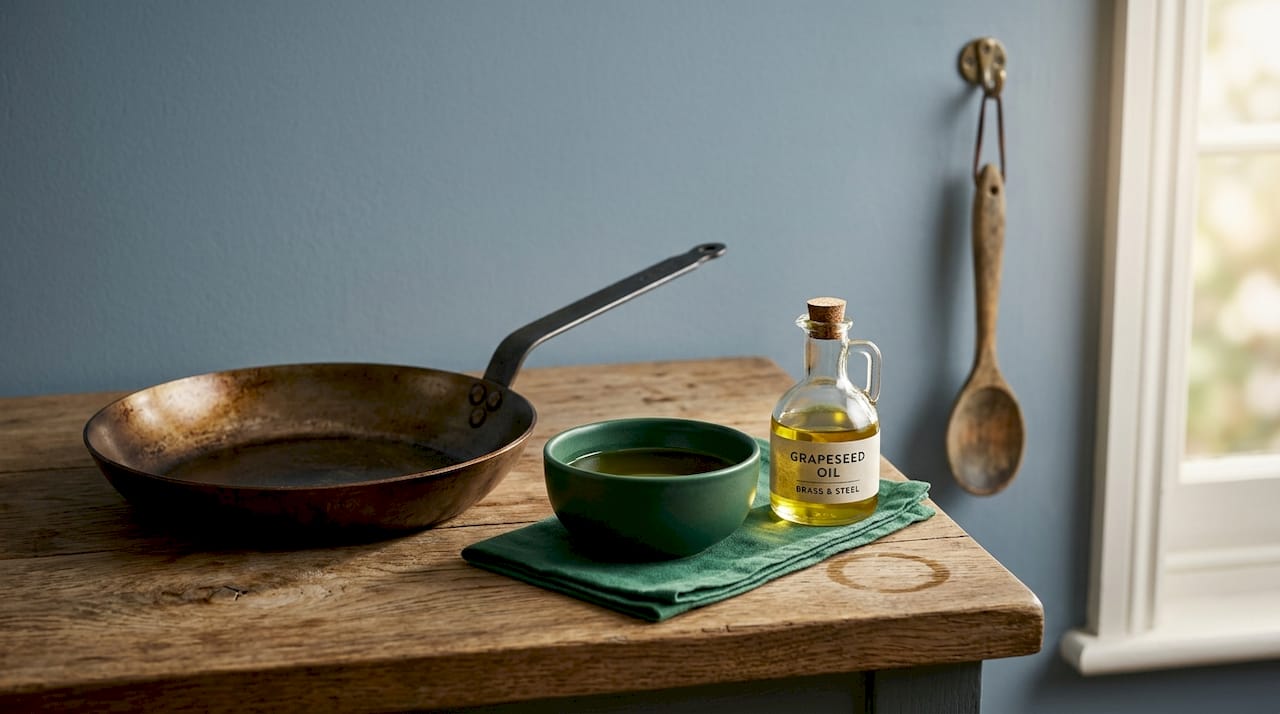
Pro Tip: Season your carbon steel pan with grapeseed or avocado oil rather than olive oil. Both have high smoke points and polymerise cleanly, building a stronger, more even patina.
2. Stainless steel and multi-ply pans in professional kitchens
Stainless steel frying pans are a staple in commercial kitchens for their durability and resistance to warping under intense heat. Tri-ply and 5-ply designs sandwich conductive cores of aluminium or copper between stainless steel layers, balancing heat conduction with surface toughness. This construction means heat spreads evenly across the base, eliminating the hot spots that cause uneven browning.
Professional kitchens rely on stainless steel pans for tasks that carbon steel handles less elegantly, particularly deglazing. When you deglaze a stainless steel pan with wine or stock, the fond lifts cleanly and the pan tolerates the acidity without any risk of stripping a seasoned surface. That makes stainless steel the go-to for pan sauces, reductions, and anything involving tomatoes or citrus.
| Feature | Carbon steel | Stainless steel (tri-ply) |
|---|---|---|
| Heat responsiveness | Very high | Moderate |
| Nonstick surface | Develops with seasoning | Requires fat or technique |
| Acid tolerance | Low (strips seasoning) | High |
| Weight | Light to medium | Medium to heavy |
| Maintenance | Requires seasoning | Dishwasher-safe options |
| Best use | Searing, sautéing | Sauces, deglazing, everyday cooking |
Brands like All-Clad, Demeyere, and Hestan are common in professional kitchens for their multi-ply stainless construction. Construction quality and material layering matter far more than brand recognition when it comes to durability under intense professional use.
3. Cast iron pans and high-heat cooking
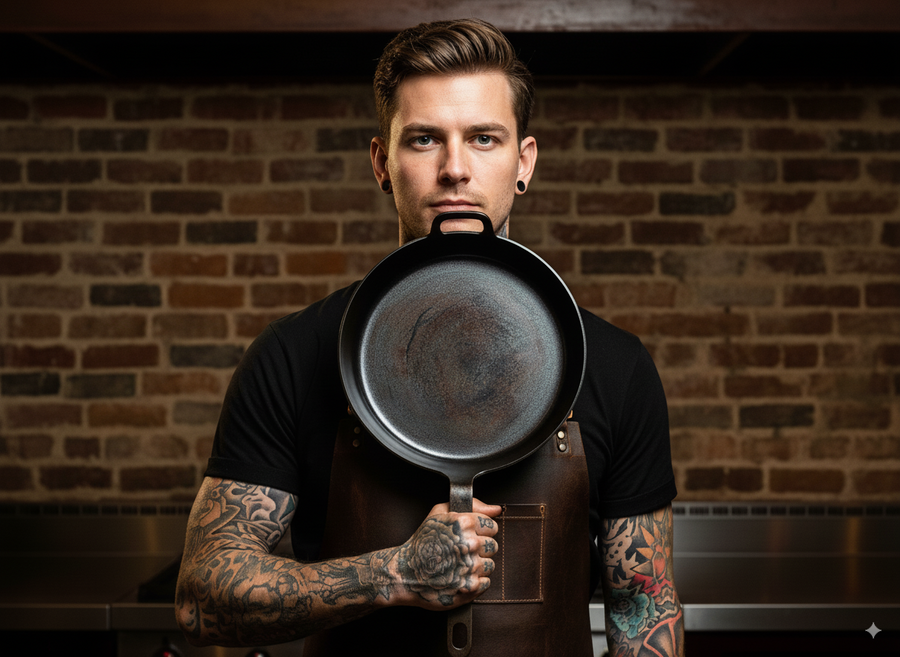
Cast iron pans are chosen by chefs for high-temperature searing and exceptional heat retention, particularly when cooking large cuts of meat or finishing dishes in the oven. Once a cast iron pan reaches temperature, it holds that heat with remarkable consistency, making it ideal for steakhouses and any kitchen where a deep, even crust is non-negotiable. The Lodge and Le Creuset ranges are two of the most recognised names in professional cast iron.
Cast iron does come with trade-offs. It is significantly heavier than carbon steel, which matters during a long service when a chef is moving pans constantly. It also takes longer to heat up and responds slowly to temperature changes, which limits its usefulness for tasks requiring quick adjustments. Cast iron excels in oven and stove-to-table applications but is less practical as an all-purpose pan.
Seasoning and care for cast iron follow the same principles as carbon steel. Chefs avoid harsh scrubbing, dry the pan immediately after washing, and apply a light coat of oil after each use. The result is a surface that improves with every cook.
Pro Tip: If you want the heat retention of cast iron with less weight, a 4mm carbon steel pan is the closest practical alternative. It sears just as well and is far easier to handle during service.
4. Nonstick pans for delicate cooking tasks
Professional chefs use nonstick pans for a specific and limited set of tasks: eggs, delicate fish fillets, crêpes, and anything that would stick or break apart in a carbon steel or stainless pan. Chefs favour nonstick pans with durable coatings and oven-safe designs, particularly for finishing dishes under a grill or in a hot oven.
The nonstick pans found in professional kitchens are not the thin, cheap versions sold in supermarkets. Chefs look for:
- Thick bases: Thicker pan construction improves heat distribution and reduces hot spots. Thin pans heat unevenly, leading to over-browning or sticking even on a nonstick surface.
- Oven-safe construction: Metal handles and oven-rated coatings allow a pan to move from hob to oven without changing vessels.
- Hybrid technologies: Nonstick pans are increasingly hybrid designs combining stainless or aluminium cores with ceramic coatings for durability and performance.
- Trusted brands: HexClad, GreenPan, and Zwilling are examples of nonstick brands trusted by professional chefs for their build quality and coating longevity.
“A nonstick pan in a professional kitchen is a specialist tool, not a default. You reach for it when the food demands it, not because it is easier.” This is the mindset that separates chefs who get years out of their nonstick pans from those who replace them every few months.
The key to nonstick longevity in any kitchen is avoiding metal utensils, never overheating an empty pan, and hand-washing rather than using a dishwasher. Even the best nonstick coating degrades faster under high heat without food or fat in the pan.
5. Choosing the right fry pan for your cooking needs
Chefs choose fry pans based on cooking technique, not a single pan for everything. A layered material strategy is standard in restaurants: stainless steel or aluminium for daily use, nonstick for delicate items, and cast iron or carbon steel for heat-intensive cooking. Replicating this approach at home gives you the same flexibility without needing a full professional kit.
Here is a practical framework for choosing the right pan:
- Searing steaks, chops, or fish with a crust: Carbon steel or cast iron. Both reach the temperatures needed for a proper Maillard reaction and hold heat through the cook.
- Making pan sauces, reductions, or cooking with acidic ingredients: Stainless steel tri-ply. It tolerates acidity and lifts fond cleanly for deglazing.
- Cooking eggs, crêpes, or delicate fish: Nonstick, preferably with a thick base and a ceramic or hybrid coating.
- Oven finishing or stove-to-table presentation: Cast iron for its heat retention, or carbon steel for a lighter option that still handles oven temperatures well.
- Everyday sautéing and general cooking: Carbon steel covers most tasks once it is properly seasoned, making it the most practical single investment.
Pan size matters too. A 27 cm pan handles everyday portions for two to three people, while a 30 cm pan suits larger family meals or batch cooking. For most home cooks, owning a 27 cm carbon steel pan, a 24 cm stainless tri-ply, and a small nonstick covers every realistic cooking scenario.
For care and longevity across all pan types, the principle is consistent. Proper seasoning and avoiding harsh scrubbing protect the cooking surface and extend the life of both carbon steel and cast iron pans significantly. Stainless steel requires less maintenance but benefits from bar keepers friend or similar cleaners to remove discolouration from high heat.
Key takeaways
The best fry pans for professional cooking combine the right material with the right technique, and carbon steel delivers the broadest range of performance for both chefs and serious home cooks.
| Point | Details |
|---|---|
| Carbon steel is the chef’s default | It combines heat responsiveness, durability, and natural nonstick properties in one pan. |
| Stainless steel handles acids and sauces | Tri-ply or 5-ply construction makes it the best choice for deglazing and pan sauces. |
| Cast iron suits high-heat and oven use | Superior heat retention makes it ideal for searing large cuts and stove-to-table cooking. |
| Nonstick is a specialist tool | Use it for eggs, fish, and delicate foods. Invest in thick-base, oven-safe designs. |
| Pan selection follows technique | Match the pan to the task rather than relying on one material for everything. |
My honest view on what pans actually matter
I have cooked with and tested a lot of pans, and the single most common mistake I see home cooks make is buying a nonstick pan as their primary workhorse. Nonstick pans are genuinely useful for a narrow set of tasks, but they degrade, they limit your cooking temperature, and they will never give you the crust or the fond that makes restaurant food taste the way it does.
Carbon steel changed how I cook. The first few weeks feel awkward because you have to build the seasoning and learn how the pan behaves, but once that patina develops, you have a pan that does almost everything well. It is lighter than cast iron, more responsive than stainless, and far more durable than any coated nonstick pan I have used. The carbon steel versus cast iron comparison is genuinely close, but for most cooks the weight advantage of carbon steel makes it the more practical daily driver.
My recommendation is simple. Start with one good carbon steel pan in a size that suits your household. Learn to season it, cook with it daily, and let the patina build. Then add a stainless tri-ply for sauces and a small nonstick for eggs. That combination covers everything a professional kitchen handles, at a fraction of the cost of buying every material at once.
Do not be put off by the maintenance. Seasoning a carbon steel pan takes twenty minutes and a bit of oil. The reward is a pan that gets better every time you use it, rather than worse.
— Davide
Cook like a chef with Brass-steel carbon steel pans
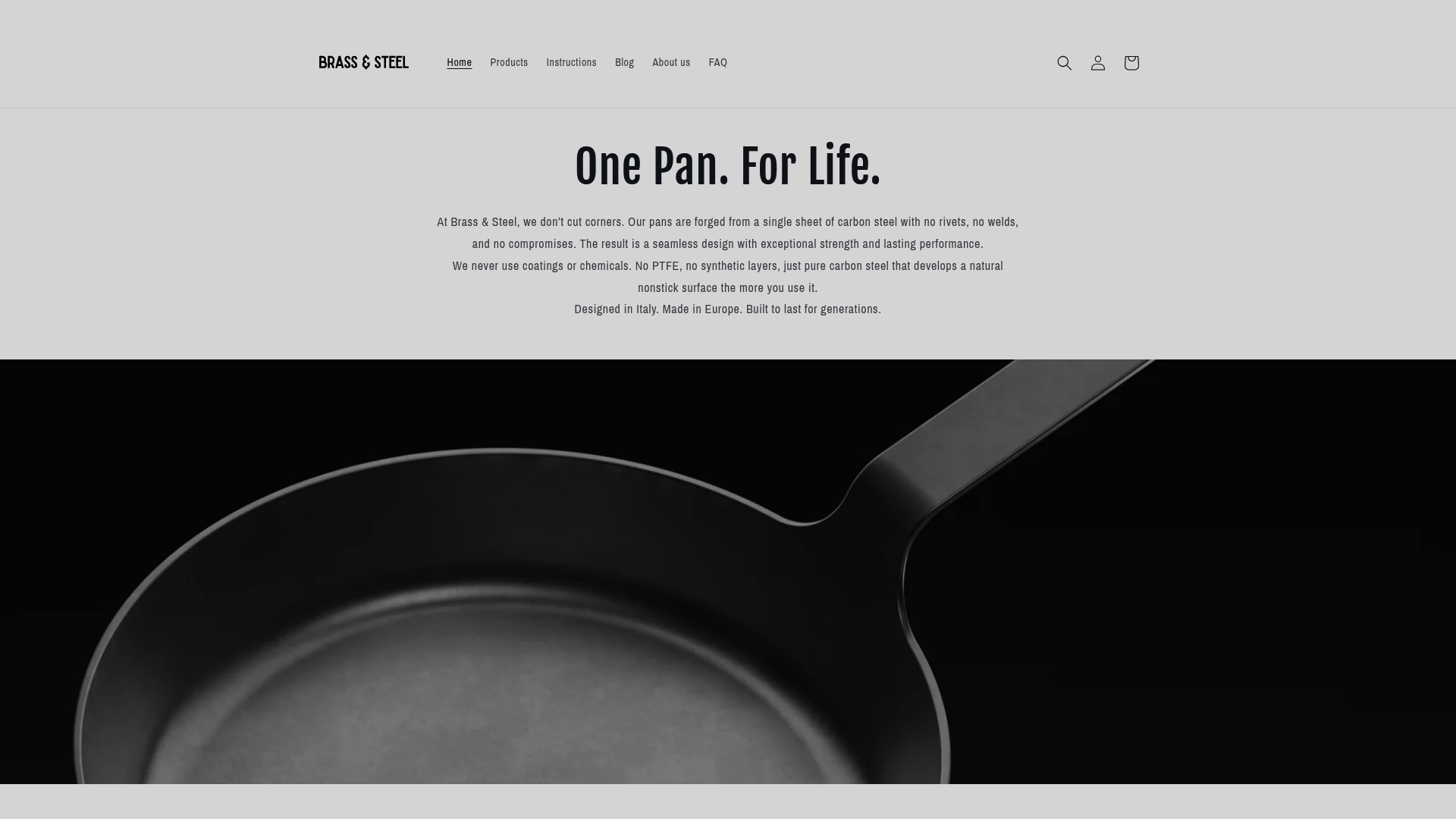
Brass-steel makes carbon steel sauté pans forged from a single sheet of steel, with no rivets, no welds, and no synthetic coatings. The 27 cm pan at 3mm thickness handles everyday searing and sautéing with ease, while the 30 cm, 4mm version suits larger meals and professional-level cooking. Both are induction-compatible, oven-safe, and designed to build a natural nonstick patina with use. If you want to cook the way chefs actually cook, explore the Brass-steel carbon steel collection and find the pan that fits your kitchen.
FAQ
What type of pan do most professional chefs use?
Carbon steel is the most common fry pan in professional kitchens, valued for heat responsiveness, durability, and the ability to develop a natural nonstick surface through seasoning.
Is carbon steel better than cast iron for everyday cooking?
Carbon steel heats up faster and is significantly lighter than cast iron, making it more practical for everyday use. Cast iron edges ahead only for very high-heat searing of large cuts or stove-to-table presentation.
Do chefs use nonstick pans?
Yes, but for specific tasks only. Professional chefs use nonstick pans for eggs, delicate fish, and crêpes, favouring thick-base, oven-safe designs from brands like HexClad, GreenPan, and Zwilling.
What size fry pan do chefs recommend for home cooking?
A 27 cm pan suits most everyday cooking for two to three people. A 30 cm pan is better for larger portions or when cooking for a family, and is the size most commonly used in professional kitchens.
How do chefs keep their pans nonstick without a coating?
Chefs season carbon steel and cast iron pans regularly with high-smoke-point oils such as grapeseed or avocado oil. This builds a polymerised layer that provides natural nonstick properties and protects against rust.