Healthy nonstick alternatives: durable cookware for home cooks

Many home cooks believe all nonstick pans are essentially the same, but this assumption overlooks significant differences in health, durability, and performance. Traditional nonstick coatings may contain chemicals that raise health concerns, whilst several alternatives offer superior longevity and natural nonstick properties. Carbon steel pans stand out as prominent alternatives, developing a naturally nonstick surface through seasoning without synthetic coatings. This guide explores how carbon steel achieves its nonstick qualities, compares it with ceramic and traditional options, and provides practical care tips to help you transition to healthier, more durable cookware that performs brilliantly in your kitchen.
Table of Contents
- How Carbon Steel Pans Achieve Natural Nonstick Properties
- Comparing Carbon Steel With Ceramic And Traditional Nonstick Coatings
- Essential Care, Maintenance And Cooking Tips For Carbon Steel Pans
- Explore Professional Carbon Steel Pans At Brass & Steel
- Frequently Asked Questions About Nonstick Alternatives
Key takeaways
| Point | Details |
|---|---|
| Natural nonstick surface | Carbon steel pans become naturally nonstick through seasoning, building a durable polymerised oil layer over time |
| Superior longevity | Seasoned carbon steel lasts decades whilst ceramic coatings typically degrade within 1 to 3 years |
| PFAS-free cooking | Carbon steel pans contain no synthetic chemicals, offering healthier alternatives to traditional coatings |
| Performance optimisation | Proper preheating and care enhance nonstick effectiveness and extend pan lifespan significantly |
| Renewable protection | Seasoning layers can be restored and maintained through simple re-seasoning procedures |
How carbon steel pans achieve natural nonstick properties
Carbon steel pans develop their nonstick qualities through a process called seasoning, which transforms ordinary cooking oil into a durable, slick surface. This method relies on polymerisation, where heating oil at high temperatures causes its molecules to bond and form a hard, carbonised layer on the pan’s surface. Unlike synthetic coatings applied in factories, this natural patina builds gradually through repeated heating and oiling cycles.
The seasoning process begins by heating your carbon steel pan and applying a thin coat of high smoke point oil such as grapeseed, avocado, or sunflower oil. As the pan reaches temperatures above 200°C, the oil molecules break down and reorganise into polymer chains that bond directly to the metal surface. Each seasoning session adds another microscopic layer, creating an increasingly smooth and nonstick finish. Proper seasoning creates a durable and naturally nonstick cooking surface, providing a healthy alternative to traditional nonstick coatings.
This carbonised layer serves multiple functions beyond preventing food from sticking. The seasoning acts as a protective barrier against moisture, preventing rust formation on the bare steel underneath. As you continue cooking with your pan, particularly with fatty foods like bacon or seared meats, the seasoning strengthens and becomes more effective. The surface actually improves with regular use, developing a deep black patina that rivals any synthetic coating.
Carbon steel pans contain no synthetic chemicals like PFAS, PTFE, or PFOA commonly found in traditional nonstick cookware. These carbon steel pan health benefits make them ideal for health-conscious cooks concerned about chemical exposure during cooking. The seasoning consists entirely of polymerised plant oils, creating a completely natural and safe cooking surface.
Pro Tip: For optimal initial seasoning, repeat the heating and oiling process three to five times before your first cook. This builds a strong foundation that resists scratching and provides immediate nonstick performance.
Building effective seasoning requires patience and proper technique:
- Wash your new pan with warm soapy water to remove factory protective coatings
- Dry the pan completely using a towel and brief stovetop heating
- Apply an extremely thin layer of high smoke point oil across all cooking surfaces
- Heat the pan in a 250°C oven for 30 minutes, placed upside down
- Allow cooling, then repeat the process two to four additional times
- Continue building seasoning naturally through regular cooking with fats
Maintaining your seasoning carbon steel pan nonstick surface becomes easier as the patina develops. Each cooking session with oil or fat contributes to the layer, whilst proper cleaning preserves what you’ve built. The result is a renewable, chemical-free nonstick surface that lasts for generations with appropriate care.
Comparing carbon steel with ceramic and traditional nonstick coatings
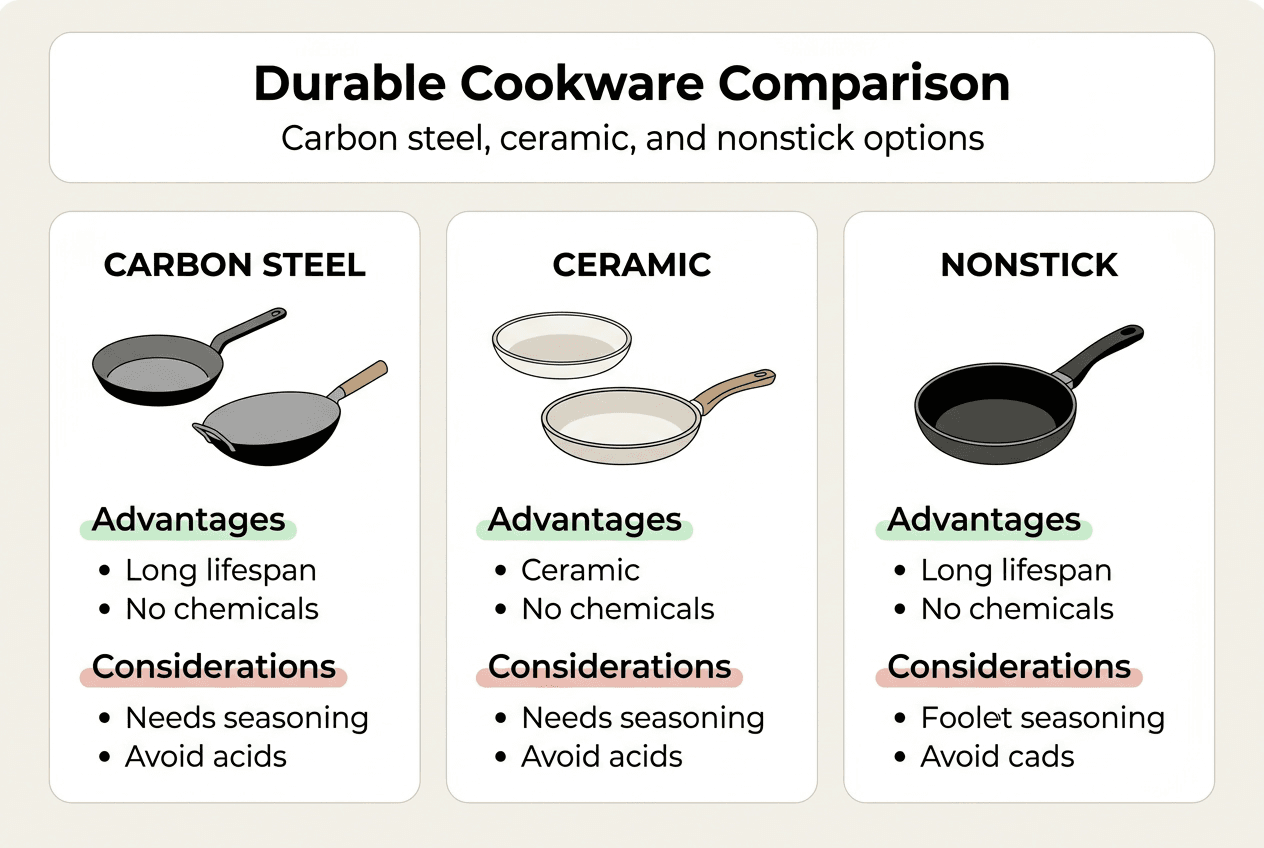
Understanding the differences between carbon steel, ceramic, and traditional nonstick cookware helps you make informed decisions about which option best suits your cooking style and health priorities. Each type offers distinct advantages and limitations regarding durability, performance, and maintenance requirements.
Ceramic nonstick pans use a silica-based sol-gel coating applied to an aluminium or stainless steel base. Manufacturers market these as healthier alternatives to traditional nonstick because they contain no PFAS compounds. However, ceramic coatings typically last for 1 to 3 years with regular use, whilst carbon steel and cast iron can last for decades with proper care. The ceramic surface degrades relatively quickly under high heat and abrasive cleaning, losing its nonstick properties as microscopic cracks develop in the coating.
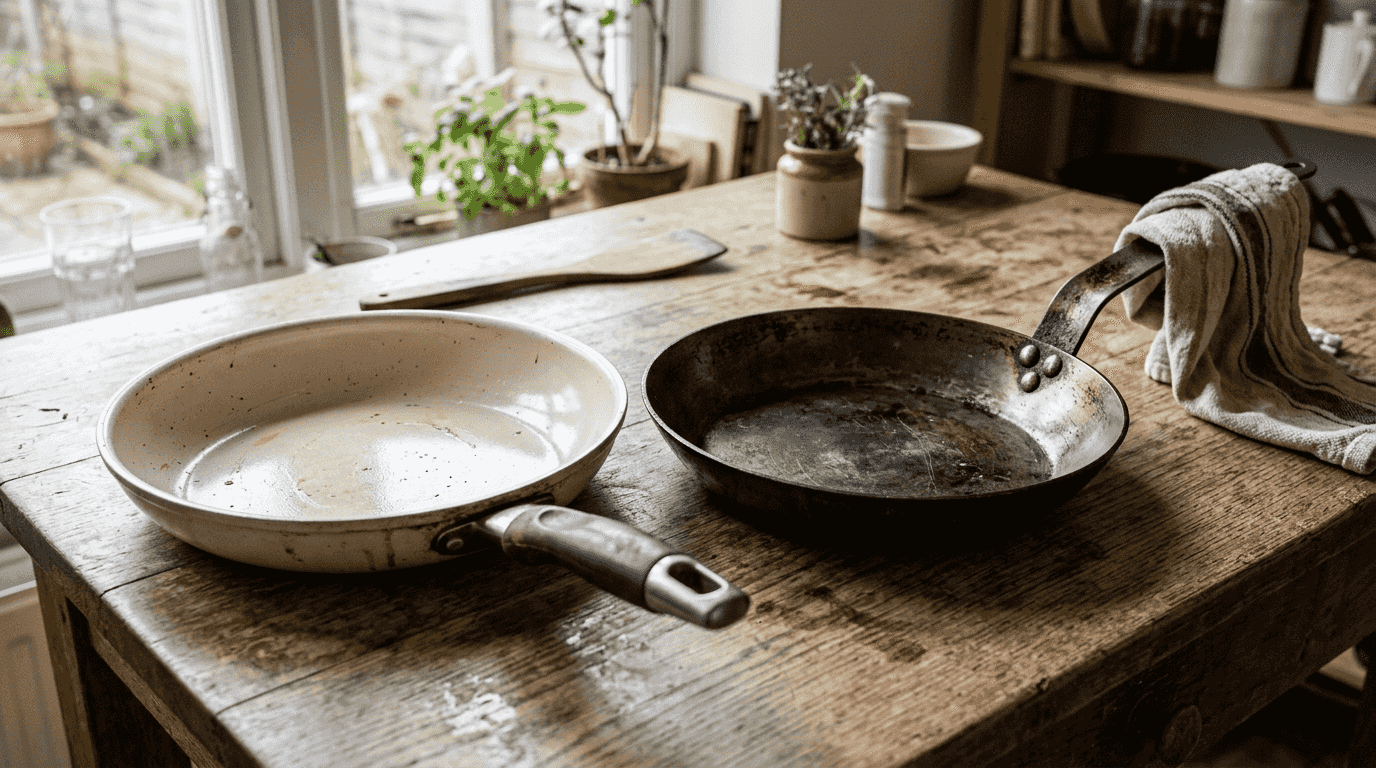
Traditional nonstick pans typically feature PTFE-based coatings, commonly known by the brand name Teflon. These coatings provide excellent initial nonstick performance but raise health concerns when heated above 260°C, as they can release toxic fumes. Many traditional nonstick pans also contain PFAS, persistent chemicals that accumulate in the environment and human bodies. The coatings scratch easily and deteriorate over time, requiring replacement every few years.
| Feature | Carbon steel | Ceramic nonstick | Traditional nonstick | | — | — | — | | Lifespan | Decades with care | 1 to 3 years | 2 to 5 years | | Heat tolerance | Excellent, oven-safe | Moderate, degrades above 230°C | Poor, toxic above 260°C | | Chemical content | None, natural seasoning | PFAS-free silica coating | Often contains PFAS | | Maintenance | Regular seasoning required | Minimal until coating fails | Gentle cleaning only | | Nonstick renewal | Fully renewable | Irreversible degradation | Irreversible degradation | | Metal utensil safe | Yes, with care | No, scratches easily | No, damages coating |
Carbon steel pans offer significant advantages over both ceramic and traditional options. They’re lighter and more responsive to temperature changes than cast iron, yet provide similar durability and heat retention. The seasoning on carbon steel is completely renewable through simple re-seasoning procedures, unlike synthetic coatings that permanently degrade. You can use metal utensils carefully on seasoned carbon steel without destroying the surface, whilst ceramic and traditional nonstick require only silicone or wooden tools.
The performance characteristics of carbon steel shine particularly in high-heat cooking applications. You can safely heat carbon steel to temperatures that would destroy ceramic or traditional nonstick coatings, making it ideal for searing steaks or achieving restaurant-quality browning on vegetables. The pan transitions seamlessly from stovetop to oven, withstanding temperatures that would damage coated alternatives.
Carbon steel does require more active maintenance than disposable nonstick options. You must dry the pan thoroughly after washing and apply a light oil coating to prevent rust. Acidic foods like tomato sauce can strip seasoning if cooked for extended periods. However, these carbon steel pans upkeep guide requirements become second nature quickly and ensure your pan improves rather than deteriorates over time.
Key advantages of carbon steel over alternatives include:
- Complete absence of synthetic chemicals or coatings
- Renewable nonstick surface that strengthens with use
- Superior heat tolerance for high-temperature cooking
- Lightweight design compared to cast iron
- Compatibility with all cooktops including induction
- Heirloom quality that lasts generations
- Lower environmental impact through extended lifespan
Essential care, maintenance and cooking tips for carbon steel pans
Mastering carbon steel care ensures your pan develops excellent nonstick properties and serves you reliably for decades. The maintenance routines differ significantly from synthetic nonstick cookware but become intuitive with practice.
Drying your pan thoroughly after every wash prevents rust formation on the bare steel surface. Carbon steel pans require more maintenance than traditional nonstick which must be dried thoroughly after washing and re-seasoned periodically. After rinsing, place the pan on a warm burner for one to two minutes to evaporate any remaining moisture. This simple step protects your seasoning and prevents the orange rust spots that indicate water exposure.
Re-seasoning maintains and restores your pan’s nonstick performance over time. If your pan develops sticky patches, appears dull, or food begins sticking more than usual, a fresh seasoning layer solves these issues. Strip any damaged seasoning by scrubbing with coarse salt and oil, then follow the initial seasoning process. Most cooks find they need to fully re-season their pans only once or twice yearly with regular use.
Proper preheating dramatically improves nonstick performance and cooking results. Heat your carbon steel pan over medium heat for two to three minutes before adding oil or food. Preheating carbon steel pans properly ensures even heat distribution and creates the ideal surface for searing. Add a thin layer of cooking oil once the pan is hot, swirl to coat, then add your ingredients. This technique prevents sticking and produces superior browning.
Avoiding acidic foods during the initial months protects developing seasoning layers. Tomatoes, citrus, vinegar, and wine can strip seasoning if cooked for extended periods in a newly seasoned pan. Once your patina is well established after several months of regular use, occasional acidic cooking won’t cause significant damage. If you do cook acidic foods, simply re-oil the pan afterwards to protect the surface.
Gentle cleaning methods preserve your carefully built seasoning. Wash your pan with hot water and a soft sponge or brush whilst it’s still warm. Avoid harsh detergents and abrasive scrubbers that strip seasoning. For stuck-on food, add water to the warm pan and simmer briefly to loosen residue, then scrub gently. Following these carbon steel care routines protects your investment.
Pro Tip: Keep a dedicated cloth near your stove for applying a thin oil layer after each use. This habit takes seconds and dramatically extends the time between full re-seasoning sessions.
Additional maintenance practices that optimise performance:
- Store pans in dry locations with good air circulation
- Place paper towels between stacked pans to protect seasoning
- Cook fatty foods regularly to naturally strengthen seasoning
- Address rust immediately by scrubbing and re-seasoning affected areas
- Avoid thermal shock by heating and cooling pans gradually
- Use appropriate heat levels, starting medium and adjusting as needed
- Apply oil whilst pan is still slightly warm for better absorption
Understanding how to deep clean carbon steel pan surfaces helps when you need to restore heavily damaged or neglected cookware. Strip all seasoning using oven cleaner or electrolysis, scrub down to bare metal, then rebuild seasoning from scratch. This process revives even severely rusted pans.
Preventing common issues requires attention to a few key details. Never leave water sitting in your pan or allow it to air dry after washing. Don’t use extremely high heat unnecessarily, as this can warp thinner pans or burn off seasoning. Avoid cooking delicate fish or eggs until your seasoning is well developed. Following guidelines for avoiding rust on carbon steel pans ensures your cookware remains in excellent condition.
Seasoning quality improves naturally through regular cooking. Each time you sauté vegetables in oil, pan-fry chicken, or cook bacon, you’re adding microscopic layers to your patina. Within months of consistent use, your carbon steel pan develops a jet-black finish that performs as well as any synthetic nonstick surface. The difference is your natural coating gets better with age rather than deteriorating.
Cooking technique adjustments maximise your carbon steel pan’s potential. Use slightly more fat than you would with synthetic nonstick until seasoning fully develops. Allow proteins to develop a proper sear before attempting to flip them, as they’ll naturally release when ready. Embrace the fond that develops during cooking, as these browned bits add flavour and don’t indicate poor nonstick performance. Your seasoning carbon steel pan nonstick surface rewards patience and proper technique with exceptional results.
Explore professional carbon steel pans at Brass & Steel
Transitioning to healthier, more durable cookware becomes effortless when you choose quality carbon steel pans designed for serious home cooks and culinary professionals. Brass & Steel manufactures premium carbon steel cookware in Poland, combining traditional forging techniques with modern engineering precision.
Our single-piece construction eliminates rivets and welds, creating seamless pans that clean easily and distribute heat evenly. Each pan is forged from a single sheet of carbon steel, ensuring structural integrity that lasts generations. The naturally developing nonstick surface provides a PFAS-free alternative to synthetic coatings, whilst exceptional heat retention and responsiveness give you precise temperature control for perfect results every time.
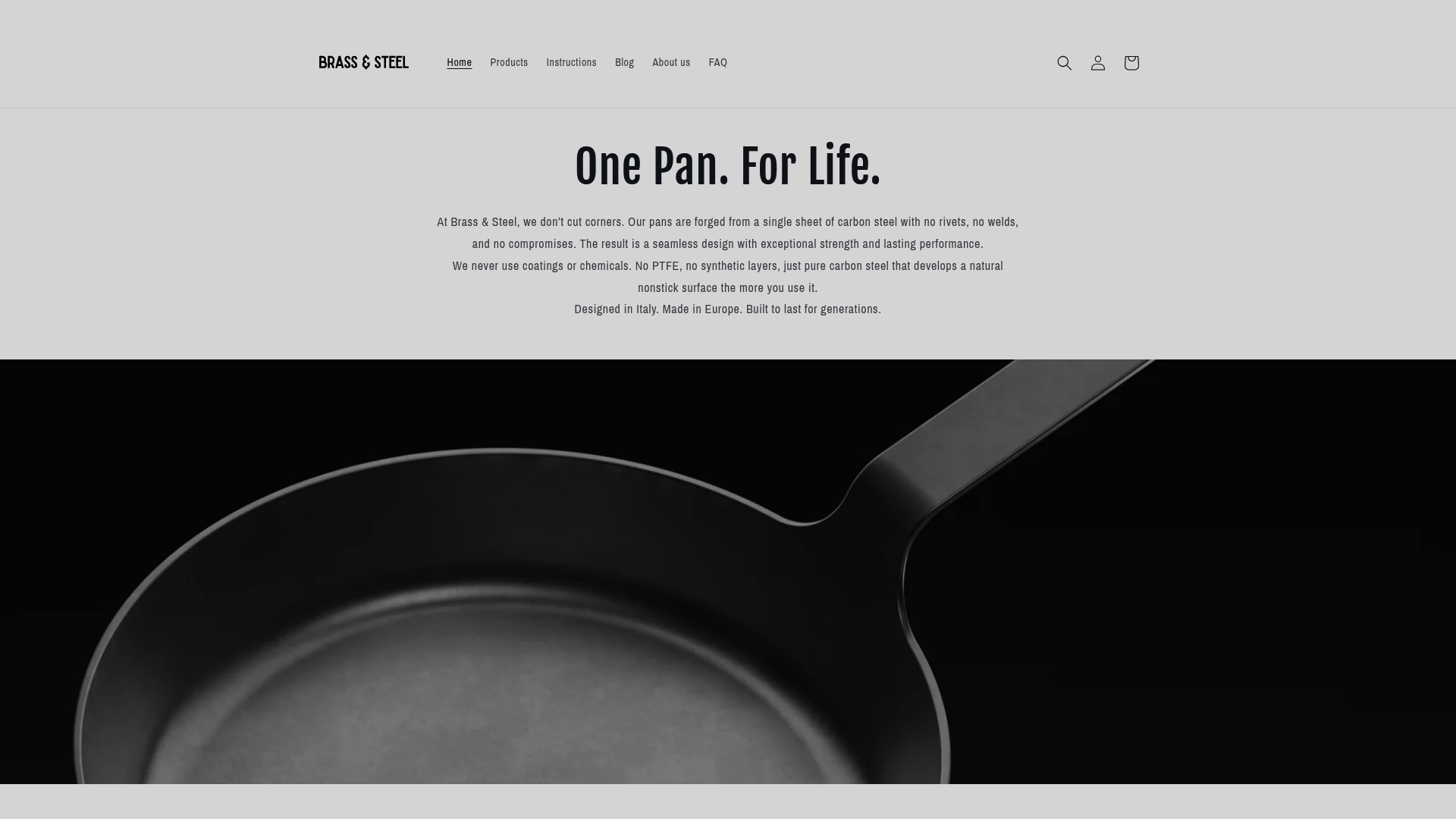
Whether you’re searing steaks, sautéing vegetables, or perfecting French omelettes, Brass & Steel carbon steel pans deliver professional performance in home kitchens. Our 27 cm and 30 cm sauté pans work on all cooktops including induction, transition seamlessly from stovetop to oven, and improve with every use. We provide comprehensive care guides and seasoning instructions to help you maximise your pan’s potential from day one, supporting your journey towards healthier, more sustainable cooking.
Frequently asked questions about nonstick alternatives
Do carbon steel pans require seasoning before first use?
Yes, carbon steel pans need initial seasoning to develop their nonstick surface. Wash your new pan, dry thoroughly, then apply thin oil layers and heat in a 250°C oven for 30 minutes, repeating three to five times for optimal results.
Can I use carbon steel pans on induction cooktops?
Carbon steel works excellently on induction cooktops due to its magnetic properties. Start with moderate power settings when the pan is empty or cold to prevent warping, then adjust heat as needed for cooking.
How long do ceramic nonstick coatings last compared to carbon steel?
Ceramic coatings typically degrade within one to three years of regular use, losing their nonstick properties permanently. Carbon steel seasoning lasts decades and can be renewed indefinitely through simple re-seasoning procedures.
What maintenance extends carbon steel pan lifespan?
Dry your pan immediately after washing, apply a light oil coating after each use, avoid prolonged cooking of acidic foods, and re-season when the surface appears dull. These habits ensure your pan improves rather than deteriorates over time.
Are carbon steel pans healthier than traditional nonstick cookware?
Carbon steel offers significant health advantages as a PFAS-free option with no synthetic coatings. The natural seasoning consists entirely of polymerised plant oils, eliminating concerns about chemical exposure during cooking that exist with traditional nonstick pans.
Recommended
- Defining Nonstick Alternatives: Safer Choices for Cooks – Brass & Steel
- Nonstick vs Stainless Steel vs Ceramic – Which Pan Lasts Longer? – Brass & Steel
- Nonstick Alternatives Explained: Understanding Safe Options – Brass & Steel
- 7 Top Examples of Non-Toxic Pans for Pro Cooks – Brass & Steel
- Cozee Bay - How to Organize Kitchen Sustainably for Lasting Impact