What Does a Sauté Pan Look Like? Key Traits for Cooks
Most kitchen enthusiasts are surprised to learn that over 60 percent of british home cooks misidentify the classic sauté pan due to its unique structure. Understanding the specific characteristics that set a sauté pan apart is essential for anyone aiming for professional results at home. This guide explains why the distinct straight sides, thoughtful construction, and exceptional versatility make a sauté pan a staple in both british and global kitchens.
Table of Contents
- Defining A Sauté Pan’s Unique Shape
- Essential Features Of Carbon Steel Sauté Pans
- Comparing Sauté Pans And Frying Pans
- Visual Markers Of Professional Cookware
- Common Mistakes When Identifying Sauté Pans
Key Takeaways
| Point | Details |
|---|---|
| Sauté Pan Design | Sauté pans feature tall, straight sides allowing for vertical cooking space and minimising spillage during vigorous stirring. |
| Carbon Steel Advantages | Carbon steel sauté pans offer exceptional heat distribution, durability, and develop a natural nonstick surface with use. |
| Sauté vs Frying Pans | Sauté pans have deeper bodies and straight walls, making them better suited for braising and reductions, while frying pans excel in quick, high-heat cooking. |
| Identifying Mistakes | Many misidentify sauté pans by overlooking critical features such as wall angle, depth, and material properties, which are essential for optimal cooking performance. |
Defining A Sauté Pan’s Unique Shape
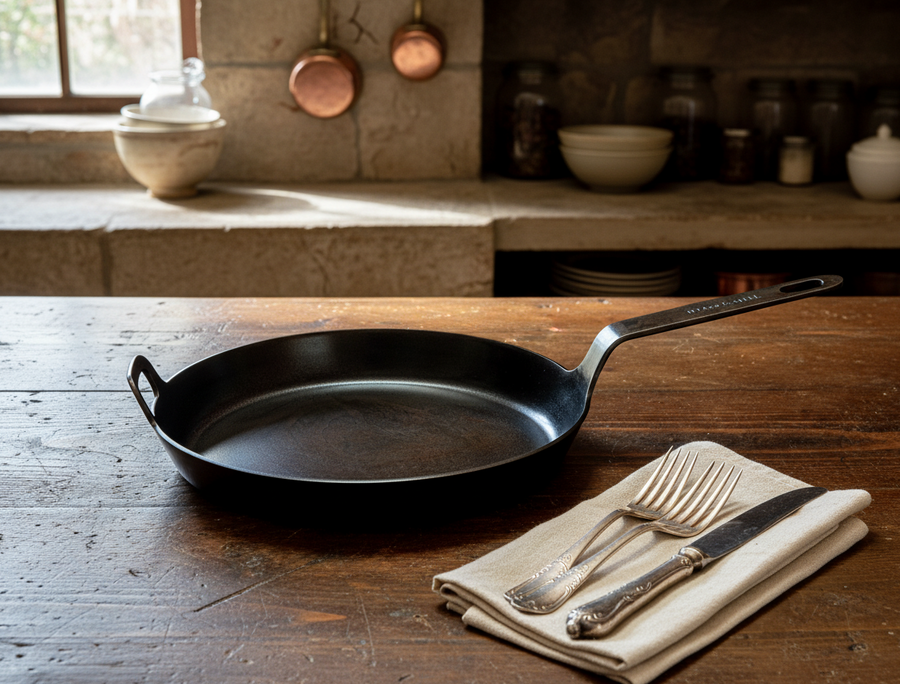
A sauté pan represents a distinctive cooking vessel with very specific architectural characteristics designed for professional and home kitchen performance. Unlike standard frying pans, sauté pans feature tall, straight perpendicular sides that create more vertical cooking space and prevent ingredient spillage during vigorous movement.
These versatile cookware pieces typically measure between 24 to 32 centimetres in diameter, with sides ranging from 5 to 7.5 centimetres high. The unique shape of sauté pans enables remarkable culinary flexibility, allowing cooks to perform multiple techniques like searing, braising, reduction and shallow frying with exceptional control.
Key distinguishing design elements include:
- Perfectly vertical walls
- Wide, flat base for maximum heat distribution
- Single long handle for balanced manoeuvrability
- Often slightly heavier construction compared to traditional frying pans
The sophisticated engineering behind sauté pans transforms them from simple cookware into precision cooking instruments. Their carefully considered geometry supports professional cooking techniques while offering home chefs professional-grade performance in every meal preparation.
Essential Features of Carbon Steel Sauté Pans
Carbon steel sauté pans represent a pinnacle of culinary engineering, offering professional chefs and home cooks an exceptional cooking instrument with remarkable performance characteristics. These precision-crafted cookware pieces combine strength, thermal conductivity, and versatility in a single kitchen tool that transforms cooking experiences.

When exploring carbon steel pan types, one discovers several distinguishing features unique to these extraordinary cooking vessels. Carbon steel sauté pans typically boast superior heat distribution, rapid temperature responsiveness, and an ability to develop a natural nonstick seasoning over time that enhances cooking performance.
Key essential features of carbon steel sauté pans include:
- High thermal conductivity for precise temperature control
- Seamless single-piece construction eliminating potential weak points
- Naturally developing nonstick surface through proper seasoning
- Incredible durability with proper maintenance
- Versatility across stovetop and oven cooking environments
The exceptional design of carbon steel sauté pans transforms them from mere cookware into professional-grade culinary instruments. Their carefully engineered construction supports complex cooking techniques while providing home cooks with restaurant-quality performance in every preparation.
Comparing Sauté Pans and Frying Pans
Understanding the nuanced differences between sauté pans and frying pans requires a keen appreciation of their distinct architectural designs and culinary purposes. While these cookware pieces might appear similar at first glance, they possess fundamental structural variations that significantly impact cooking performance and technique.
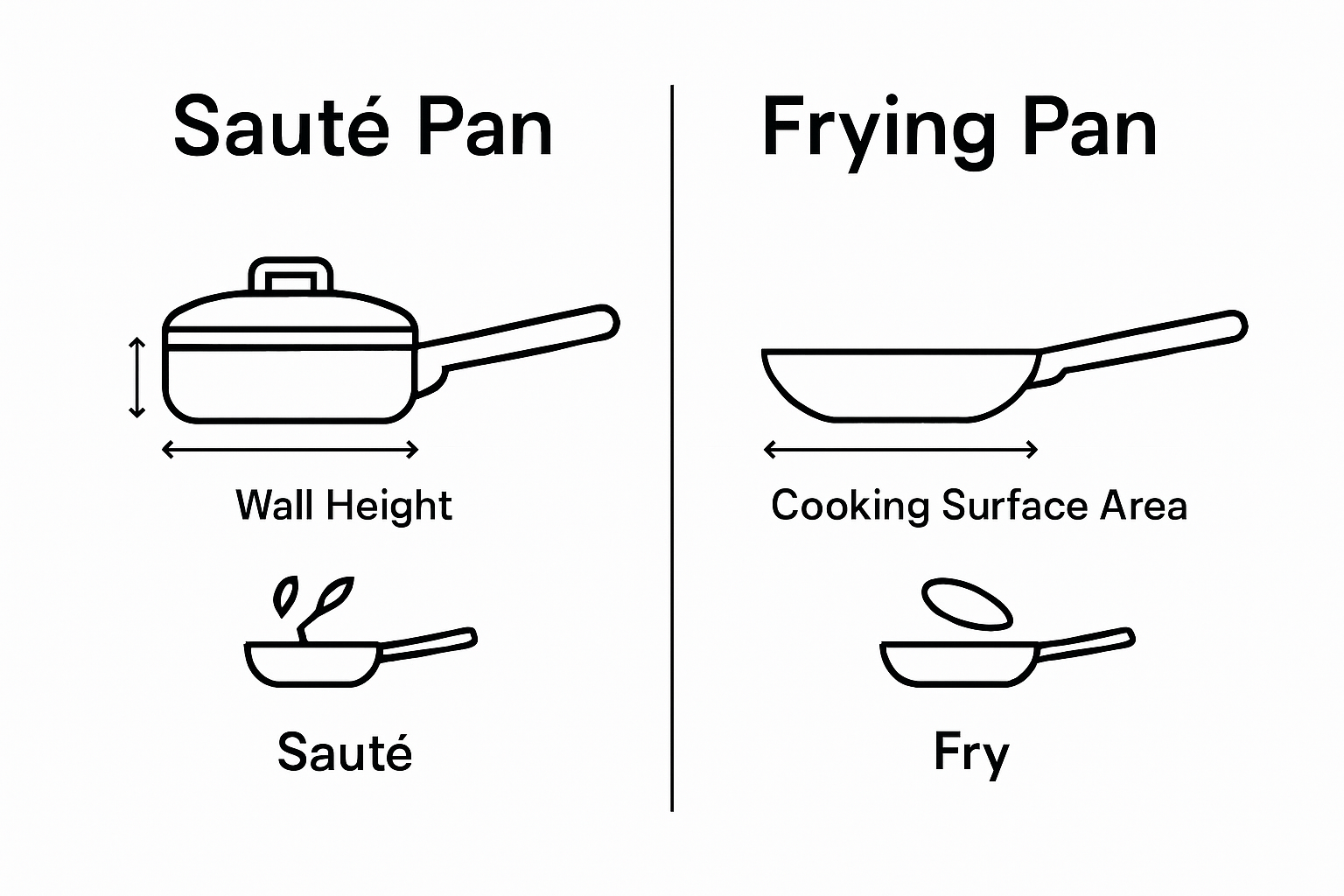
When exploring pan types used in professional kitchens, chefs recognise that sauté pans feature substantially taller, straighter sides compared to traditional frying pans. These perpendicular walls create additional vertical cooking space, allowing more ingredients to be contained during vigorous cooking movements and preventing spillage during complex culinary preparations.
Key comparative characteristics include:
-
Sauté Pan Features:
- Tall, straight perpendicular walls
- Larger interior volume
- Typically deeper construction
- Better suited for braising and reduction techniques
-
Frying Pan Features:
- Lower, sloping sides
- Wider base for maximum surface contact
- Designed for quick, high-heat cooking
- Ideal for searing and rapid ingredient movement
The sophisticated design differences mean sauté pans offer superior versatility for complex cooking techniques, while frying pans excel at quick, high-temperature cooking methods. Professional chefs carefully select their cookware based on these intricate design nuances to achieve optimal culinary results.
Visual Markers of Professional Cookware
Professional cookware represents more than mere kitchen equipment—it embodies a sophisticated language of culinary craftsmanship that distinguishes serious cooking instruments from ordinary kitchenware. Each design element communicates precision, durability, and performance potential through subtle yet deliberate visual characteristics that experienced chefs immediately recognise.
When exploring professional cookware standards, discerning cooks understand that superior cookware exhibits specific visual markers that signify quality construction and engineering excellence. These markers include seamless construction, balanced weight distribution, robust materials, and meticulously designed ergonomic features that enhance cooking performance.
Key visual markers of professional cookware include:
- Seamless, single-piece construction
- Substantial metal thickness
- Precision-engineered handle attachments
- Minimal decorative elements
- Uniform metallic finish
- Ergonomic handle design
- Evidence of high-quality metal processing
The visual language of professional cookware speaks volumes about its intended performance. Experienced chefs can often assess a pan’s quality through careful observation, understanding that true professional-grade instruments are distinguished by their thoughtful design, superior materials, and uncompromising attention to functional details.
Common Mistakes When Identifying Sauté Pans
Many home cooks and culinary enthusiasts inadvertently misidentify sauté pans by confusing them with other similar cookware pieces, leading to suboptimal cooking experiences and potential kitchen frustrations. Understanding the nuanced differences requires careful observation and technical knowledge about cookware design and functionality.
When examining characteristics of professional sauté pans, individuals often overlook critical structural elements that distinguish these specialised cooking vessels from standard frying pans or skillets. The most prevalent misconception involves mistaking pan depth, wall angle, and overall geometric configuration as interchangeable across different cookware types.
Common identification mistakes include:
- Assuming all pans with straight sides are sauté pans
- Misinterpreting handle length and angle
- Overlooking interior volume requirements
- Neglecting to consider wall thickness
- Confusing pan weight as an irrelevant characteristic
- Failing to recognise material-specific performance indicators
Professional chefs recognise that accurate pan identification requires more than casual observation. Precise understanding of architectural nuances, material composition, and intended cooking techniques separates experienced culinarians from amateur enthusiasts. Mastering these distinctions ensures selecting the right tool for specific culinary tasks.
Discover the Perfect Carbon Steel Sauté Pan for Your Kitchen
If you have ever struggled to find a sauté pan that truly fits the specialised needs of professional or home cooking then Brass & Steel offers the ultimate solution. This article highlights the importance of pans with tall straight sides, optimal volume and seamless construction—key features that define our meticulously forged carbon steel sauté pans. Our pans deliver precision heat control and develop a natural nonstick surface through seasoning to elevate your cooking performance.
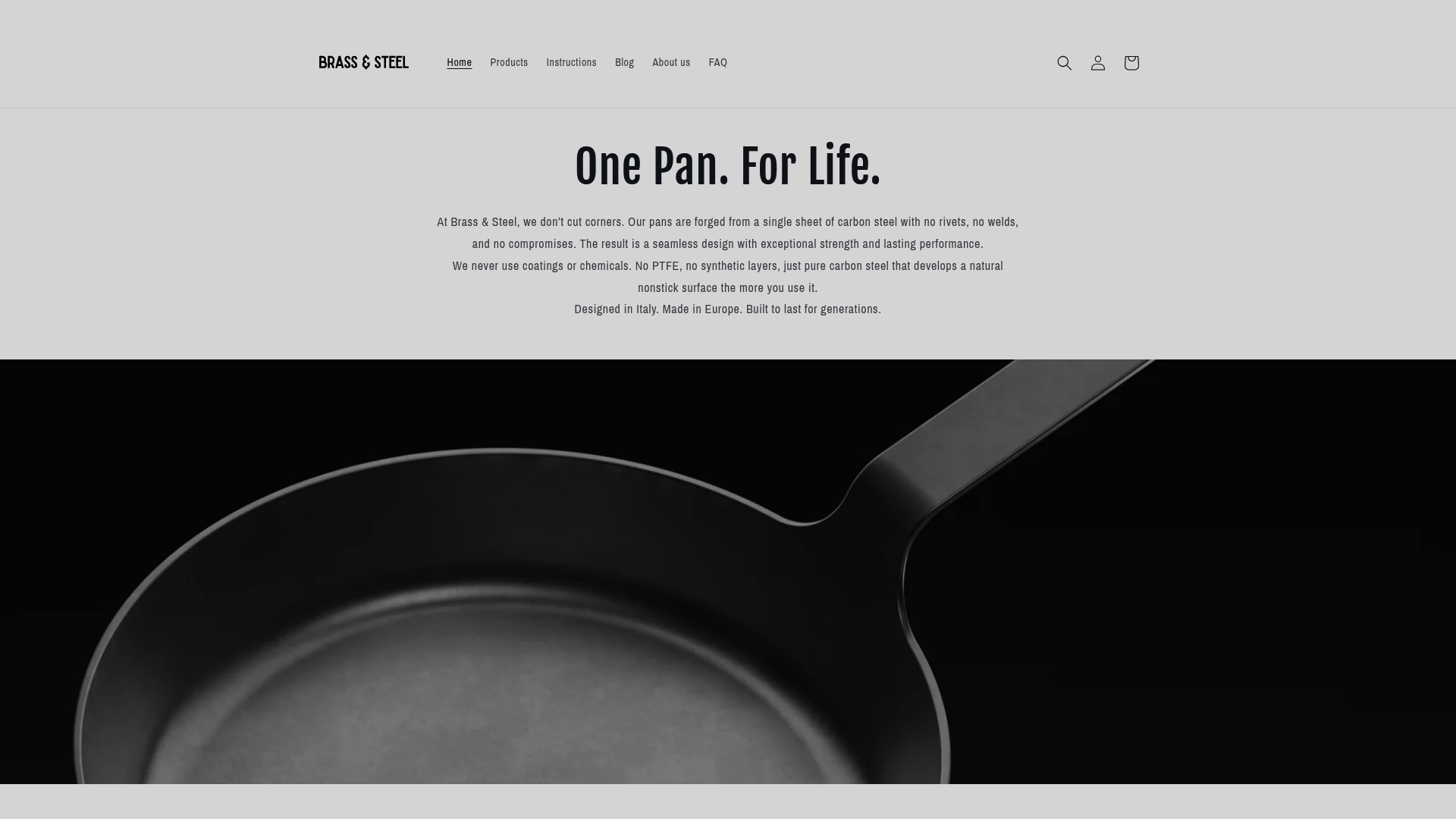
Experience the difference a true professional-grade pan can make. Browse our Carbon Steel Collection | Brass&Steel where every pan is crafted from a single piece of steel so you avoid weak points or rivets. Designed for durability and versatility these sauté pans meet all your cooking challenges head on. Visit https://brass-steel.com now to select your heirloom-quality carbon steel cookware and transform your cooking today.
Frequently Asked Questions
What are the key features of a sauté pan?
A sauté pan typically has tall, straight sides, a wide, flat base, a single long handle, and is often heavier in construction compared to frying pans. These aspects make it suitable for various cooking techniques such as searing, braising, and reduction.
How does a sauté pan differ from a frying pan?
A sauté pan has taller, straighter walls that create more vertical cooking space, allowing more ingredients to be contained. In contrast, frying pans have lower, sloping sides and are designed primarily for quick, high-heat cooking methods like searing.
Why should I choose a carbon steel sauté pan?
Carbon steel sauté pans offer high thermal conductivity for precise temperature control, develop a natural nonstick surface over time, and are extremely durable. They are versatile for both stovetop and oven use, making them an excellent choice for serious cooks.
What common mistakes do people make when identifying sauté pans?
Common mistakes include confusing sauté pans with other cookware types due to similar appearances, misinterpreting the significance of handle length and pan depth, and overlooking important factors like wall angle and material composition.
Recommended
- What Is a Sauté Pan? Complete Breakdown for Cooks – Brass & Steel
- Complete Guide to What Makes a Good Sauté Pan – Brass & Steel
- 7 Types of Sauté Pans Every Cook Should Know – Brass & Steel
- Complete Guide to Sauté Pan Differences – Brass & Steel
- Elevate Your Cooking Game with This Kitchen Must-Have – Wispa Luxury
- 7 Essential Tips for Organizing Small Kitchens