6 Types of Carbon Steel Pans Every Chef Should Know
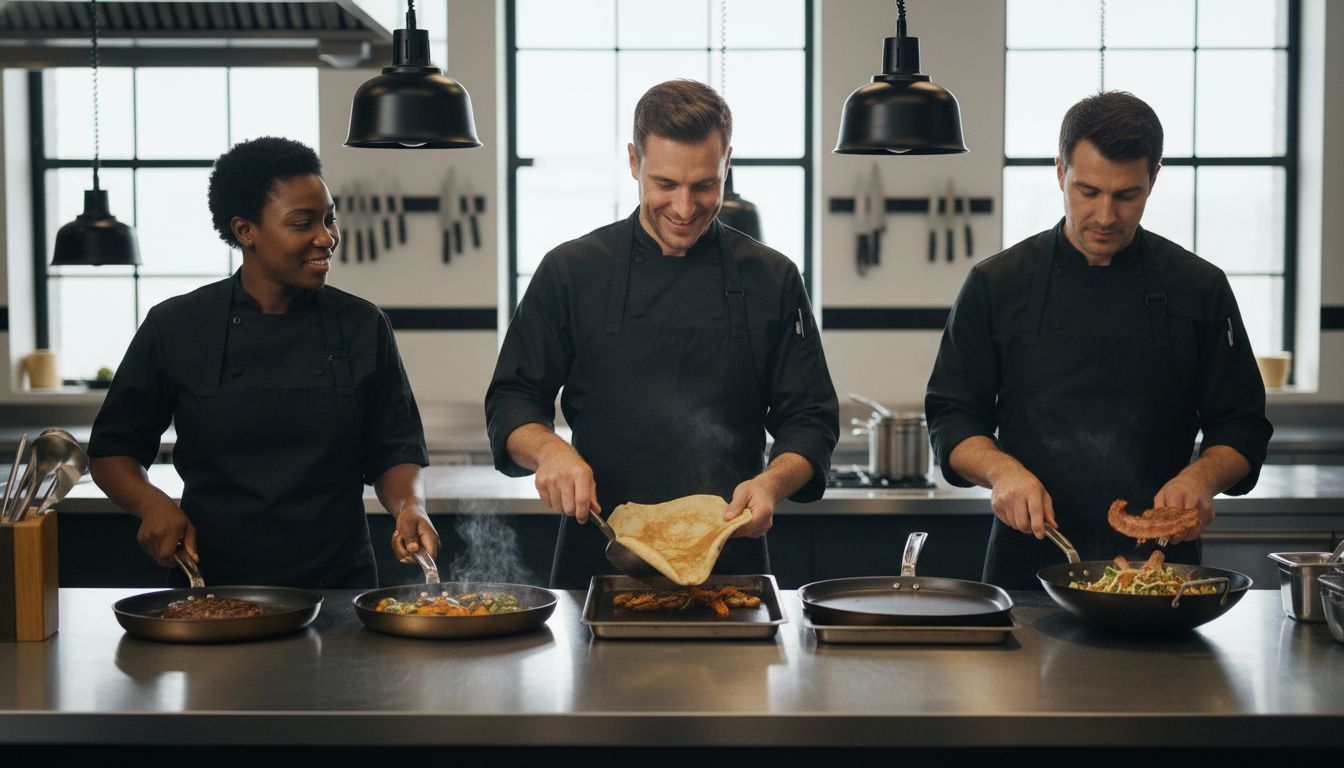
Every serious cook knows the right pan makes all the difference in the kitchen. Over 85 percent of professional chefs rely on carbon steel cookware for its heat control and lasting performance. Whether you are aiming for a crispy sear or silky crepes, the right pan shape matters. This guide brings clarity on which carbon steel pans suit every culinary task, helping you achieve reliable, restaurant-level results at home.
Table of Contents
- 1. Classic Frying Pan For Everyday Searing
- 2. Sauté Pan For Versatile Cooking
- 3. Deep Skillet For Stews And Braising
- 4. Crepe Pan For Even, Delicate Crepes
- 5. Griddle Pan For Perfect Grilling Marks
- 6. Wok For Fast And Even Stir-Frying
Quick Summary
| Takeaway | Explanation |
|---|---|
| 1. Choose carbon steel for versatility | Carbon steel frying pans are perfect for searing, sautéing, and braising due to their heat responsiveness and lightweight design. |
| 2. Look for single piece construction | Opt for cookware that has no welded seams to ensure durability and consistent heat distribution, enhancing cooking performance. |
| 3. Consider thickness for heat retention | Select pans with appropriate thickness, like 3-4 mm for sauté pans and 4 mm for deep skillets, to manage heat effectively during cooking. |
| 4. Prioritize ergonomic designs | A comfortable handle that stays cool allows for better control and safety while cooking on the stovetop. |
| 5. Select the right size for your needs | Aim for pans around 25 to 30 cm for frying and sautéing, while deeper pans are better for stews and braises, ensuring efficiency. |
1. Classic Frying Pan for Everyday Searing
Every professional kitchen needs a reliable classic frying pan, and carbon steel delivers exceptional performance for daily cooking tasks. These versatile pans excel at creating perfect sears and golden crusts on everything from steaks to fish fillets.
A classic carbon steel frying pan typically ranges between 25 to 30 centimetres, providing ample cooking surface for most home and professional cooking needs. Its thin profile allows for rapid heat transfer and precise temperature control, which means you can achieve restaurant quality results right in your own kitchen.
What sets carbon steel frying pans apart is their natural nonstick surface that develops over time. As you cook fatty foods and season the pan, a protective patina forms that actually improves cooking performance. This means your pan gets better with every meal you prepare.
Key advantages include incredible heat responsiveness, lightweight design compared to cast iron, and compatibility with all cooking surfaces including induction. Professional chefs appreciate how these pans transition seamlessly from stovetop to oven, making them perfect for techniques like searing and finishing meats.
When selecting a classic carbon steel frying pan, look for:
- Single piece construction without welded seams
- 3 to 4 millimetre thickness for optimal heat retention
- Smooth interior surface for easy seasoning
- Ergonomic handle design for comfortable handling
Learn more about choosing the right cookware in our guide on different types of frying pans.
2. Sauté Pan for Versatile Cooking
A sauté pan represents the ultimate workhorse in professional and home kitchens, bridging the gap between frying and braising with remarkable versatility. Unlike traditional frying pans, these carbon steel marvels feature higher straight sides that prevent ingredient spillage and allow for more complex cooking techniques.
Carbon steel sauté pans excel at multiple cooking methods from quick searing to slow simmering. Their superior heat conductivity means you can start a dish on the stovetop by browning meats or vegetables, then seamlessly transfer the entire pan to the oven for finishing. This versatility makes them indispensable for recipes that require multiple cooking stages.
Professional chefs appreciate sauté pans for their ability to manage liquid volumes while maintaining precise temperature control. The wide flat bottom provides maximum surface contact with heat sources, ensuring even cooking and beautiful caramelisation. A good carbon steel sauté pan can go from creating delicate pan sauces to roasting whole chicken breasts without missing a beat.
When selecting a carbon steel sauté pan, consider these critical features:
- Minimum 3 millimetre thickness for optimal heat retention
- Single piece construction without welded seams
- Comfortable handle that remains cool during stovetop cooking
- Sufficient depth (around 5 to 7 centimetres) for versatile cooking
For more insights into choosing the right cookware, explore our guide on understanding sauté and fry pans.
3. Deep Skillet for Stews and Braising
A deep skillet represents the ultimate solution for home cooks and professional chefs who love preparing hearty one pot meals. Carbon steel deep skillets transform slow cooking techniques by providing exceptional heat retention and even temperature distribution that elevates traditional stews and braising methods.
According to research, carbon steel cookware offers remarkable performance for extended cooking processes. Its ability to develop a natural non stick surface through consistent seasoning means your dishes will not only taste better but also require less added fat during preparation. The deep walls allow for substantial ingredient volumes while maintaining perfect heat control from stovetop to oven.
Professional chefs appreciate deep skillets for their versatility in handling multiple cooking techniques. You can start by searing meat at high temperatures to develop a rich golden crust, then lower the heat to simmer vegetables and create complex flavour profiles. The pan transitions seamlessly between cooking stages without losing thermal consistency.
When selecting a carbon steel deep skillet, consider these essential characteristics:
- Minimum 4 millimetre thickness for superior heat management
- Depth around 7 to 9 centimetres to accommodate substantial recipes
- Single piece forged construction without welded seams
- Ergonomic handle design for comfortable manoeuvrability
To explore more about selecting professional cookware, check out our guide to cooking pans by shape and usage.
4. Crepe Pan for Even, Delicate Crepes
A carbon steel crepe pan represents the pinnacle of precision cooking for anyone passionate about creating perfect thin pancakes and delicate French style crepes. Unlike standard pans, these specialised tools are engineered to deliver extraordinary heat distribution and consistent cooking performance.
Research confirms that carbon steel pans heat quickly and distribute temperature remarkably evenly. This characteristic is crucial for crafting crepes that are uniformly golden and paper thin. Professional chefs appreciate how the natural non stick surface develops with each use, creating a seasoned pan that becomes more effective over time.
The unique design of a carbon steel crepe pan typically features an incredibly shallow profile and extremely wide cooking surface. This allows you to spread batter with a specialised wooden spreader creating gossamer thin layers that cook instantly. The pan transfers heat so efficiently that you can achieve restaurant quality results in your own kitchen with minimal practice.
When selecting a carbon steel crepe pan, focus on these essential characteristics:
- Ultra thin profile between 1 to 2 millimetres thick
- Diameter around 25 to 28 centimetres for ideal crepe size
- Single piece construction without seams
- Lightweight design for easy manipulation
For additional inspiration on creative cooking techniques, explore our guide to creative pan uses.
5. Griddle Pan for Perfect Grilling Marks
A carbon steel griddle pan transforms home cooking by delivering professional quality grill marks and exceptional heat performance. These specialised pans feature distinctive raised ridges that create those coveted restaurant style sear lines while allowing excess fat to drain away from your food.
Research confirms that carbon steel griddle pans heat rapidly and maintain high temperatures exceptionally well. This characteristic allows you to achieve restaurant grade results right in your kitchen. The natural non stick surface that develops through consistent seasoning means your meats and vegetables will cook evenly without sticking.
Professional chefs appreciate griddle pans for their remarkable versatility. You can seamlessly transition between cooking different ingredients without losing thermal consistency. Whether you are preparing tender chicken breasts, crisp vegetables or perfectly seared steaks, the pan delivers consistent results across multiple cooking styles.
When selecting a carbon steel griddle pan, focus on these essential characteristics:
- Raised ridges approximately 1 centimetre high
- Rectangular shape around 40 centimetres long
- Single piece forged construction
- Minimal surface texture for easy cleaning
For additional guidance on preparing perfect meals, explore our tutorial on cooking steak in a carbon steel pan.
6. Wok for Fast and Even Stir-Frying
A carbon steel wok represents the ultimate tool for home cooks who want to master authentic Asian cooking techniques. These remarkable pans combine centuries of culinary engineering with modern metallurgy to deliver exceptional heat performance and incredible versatility.
Research confirms that carbon steel woks excel at heating quickly and distributing temperature evenly. Their lightweight construction allows for rapid ingredient manipulation during cooking. Professional chefs appreciate how the curved shape creates multiple temperature zones enabling simultaneous searing and gentle cooking within the same pan.
The unique design of a carbon steel wok allows you to achieve restaurant quality results right in your kitchen. By creating high heat zones near the bottom and cooler areas along the sides, you can simultaneously sear meats at high temperatures while gently cooking delicate vegetables. This dynamic cooking surface transforms simple ingredients into complex flavour combinations with minimal effort.
When selecting a carbon steel wok, focus on these essential characteristics:
- Minimum depth of 8 centimetres for optimal ingredient movement
- Round bottom or flat bottom compatible with your cooktop
- Single piece construction without welded seams
- Weight around 2 to 3 kilograms for easy handling
For more insights into professional cookware selection, explore our guide to essential professional cookware types.
Below is a comprehensive table summarising the main points and features of different carbon steel cookware discussed in the article.
| Cookware Type | Key Features | Benefits |
|---|---|---|
| Classic Frying Pan | Single piece construction, 3-4mm thickness, smooth interior, ergonomic handle | Rapid heat transfer, versatile, develops natural nonstick surface |
| Sauté Pan | 3mm thickness, high straight sides, wide flat bottom, cool handling handle | Versatile for multiple cooking methods, transfers seamlessly from stovetop to oven |
| Deep Skillet | Minimum 4mm thickness, 7-9cm depth, single piece construction, ergonomic handle | Superior for stews and braising, excellent heat retention |
| Crepe Pan | Ultra thin (1-2mm), 25-28cm diameter, lightweight, single piece construction | Even heat distribution, perfect for delicate crepes |
| Griddle Pan | Raised ridges, approximately 40cm long, single piece construction | Creates perfect grill marks, drains excess fat |
| Wok | Minimum 8cm depth, round/flat bottom, lightweight | Fast heating, allows for diverse cooking techniques |
Discover Your Perfect Carbon Steel Pan to Elevate Every Dish
Every chef understands that choosing the right pan is crucial for achieving exceptional culinary results. Whether you are searing, sautéing, braising or stir-frying, the article “6 Types of Carbon Steel Pans Every Chef Should Know” highlights the unique strengths of each pan style. The challenge lies in mastering heat control, durability and ease of seasoning to unlock the full potential of carbon steel cookware.
At Brass & Steel, we understand these needs thoroughly. Our Carbon Steel Collection | Brass&Steel is expertly forged from a single piece of high-quality carbon steel to give you:
- Unmatched heat retention and fast responsiveness
- A natural nonstick patina that improves with every use
- Seamless design ensuring effortless cleaning and superior strength
Why wait to transform your kitchen experience with heirloom-quality pans that serious cooks trust? Visit Brass & Steel today to explore our 27 and 30 cm carbon steel sauté pans, designed for both professional and home cooking. Master the art of cooking with confidence and discover why no chef’s collection is complete without a pan from Brass & Steel.
Frequently Asked Questions
What are the unique benefits of using carbon steel pans?
Carbon steel pans offer excellent heat conductivity, lightweight design, and a natural nonstick surface that improves with use. To fully appreciate these advantages, start cooking with different types of carbon steel pans to see how they enhance your culinary techniques.
How do I season a carbon steel pan properly?
To season a carbon steel pan, wash it with soap and water, then dry it thoroughly. Coat the interior with a thin layer of cooking oil and heat it on the stovetop until it starts to smoke. Repeat this process several times to build up a durable nonstick layer.
What cooking techniques work best with carbon steel skillets?
Carbon steel skillets excel in techniques like searing, sautéing, and stir-frying due to their quick heating and temperature responsiveness. Experiment with cooking different dishes, such as steaks or vegetables, to discover how well they perform in these methods.
How should I care for and maintain my carbon steel pans?
To maintain your carbon steel pans, avoid using soap and instead clean them with hot water and a soft sponge. After cleaning, dry the pan immediately and apply a thin layer of oil to prevent rust. Follow this routine after each use to preserve the pan’s nonstick properties and longevity.
What is the best thickness for a carbon steel frying pan?
A carbon steel frying pan should ideally have a thickness of 3 to 4 millimeters for optimal heat retention and performance. When selecting a pan, prioritize thickness to ensure even cooking and durability during high-heat applications.
Can I use metal utensils on carbon steel pans?
Yes, you can use metal utensils on carbon steel pans, as they are more resistant to scratching than traditional nonstick pans. However, to extend the life of the seasoned surface, consider switching to silicone or wooden utensils whenever possible.