7 Different Pan Names Every Cook Should Know
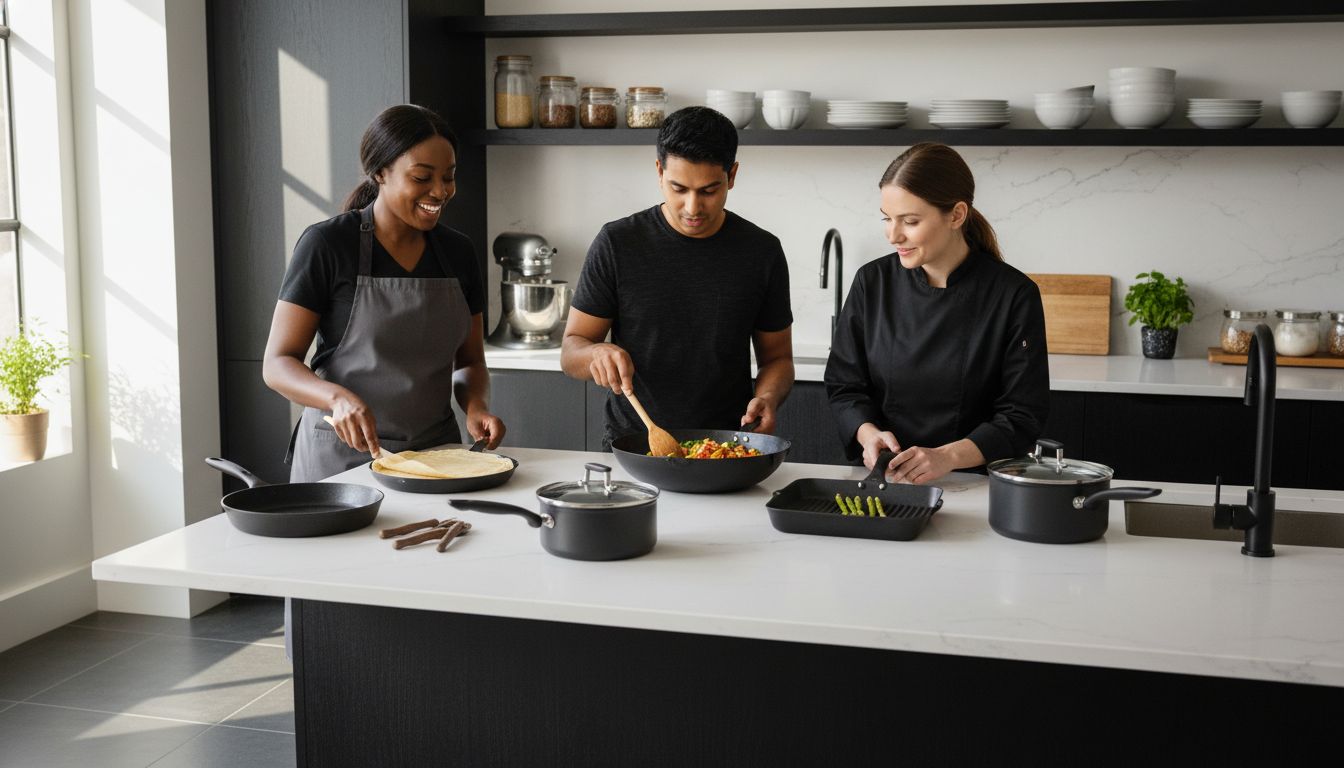
Choosing the right pan can feel like a maze, yet over 80 percent of home cooks say their cookware limits what they can make. The kind of pan you use shapes the flavor, texture, and success of every meal you create. Whether you love searing steaks, simmering sauces, or flipping delicate crepes, understanding which pan to grab makes all the difference. Find out how each essential kitchen pan works its magic and discover which one fits your cooking style best.
Table of Contents
- 1. Sauté Pan: Versatile Workhorse For Every Kitchen
- 2. Skillet: Classic Choice For Everyday Cooking
- 3. Frying Pan: Fast Searing And Shallow Frying Uses
- 4. Grill Pan: Achieve Perfect Sear Marks Indoors
- 5. Saucepan: Ideal For Simmering And Sauces
- 6. Wok: Essential Tool For Stir-Frying And High Heat
- 7. Crepe Pan: Flat Surface For Perfect Thin Crepes
Quick Summary
| Takeaway | Explanation |
|---|---|
| 1. Use a sauté pan for versatility | The sauté pan excels in multiple cooking techniques like searing and braising, making it ideal for various meals. |
| 2. Invest in a quality skillet | A well-crafted skillet retains heat effectively, providing consistent cooking results and a natural non-stick surface when seasoned. |
| 3. Choose a frying pan for quick cooking | The frying pan is designed for rapid cooking techniques, perfect for fast meals like eggs and seared meats. |
| 4. Grill pans create perfect sear marks indoors | With raised ridges that allow fat to drain, grill pans deliver restaurant-quality grilling results right on your stovetop. |
| 5. Explore the wok for high heat cooking | The wok’s curved design enables even cooking and quick meals, making it perfect for stir-fries and complex dishes. |
1. Sauté Pan: Versatile Workhorse for Every Kitchen
A sauté pan is the Swiss Army knife of kitchen cookware, designed to handle nearly every cooking technique with remarkable efficiency. Unlike other pans that specialise in one task, this versatile tool excels at searing, shallow frying, braising, and simmering.
The distinctive design of a sauté pan sets it apart from standard frying pans. With its wide flat bottom and straight high sides, it provides exceptional heat distribution and control. The tight-fitting lid transforms this pan into a multi-functional cooking powerhouse, allowing you to seamlessly transition between dry and moist heat cooking methods.
When choosing a sauté pan, look for features that enhance its versatility. A heavy bottom ensures even heat spreading, while straight sides prevent food from sliding around during cooking. Opt for materials like carbon steel that offer excellent heat responsiveness and durability.
Practically speaking, your sauté pan will become your go to kitchen companion. Perfect for:
- Searing meats with a beautiful golden crust
- Creating one pan meals with multiple ingredients
- Preparing delicate sauces that require precise temperature control
- Braising tough cuts of meat until they become tender
Learn more about selecting the perfect pan in our guide on sauté pan types. Each cooking technique reveals another layer of this cookware’s incredible potential.
2. Skillet: Classic Choice for Everyday Cooking
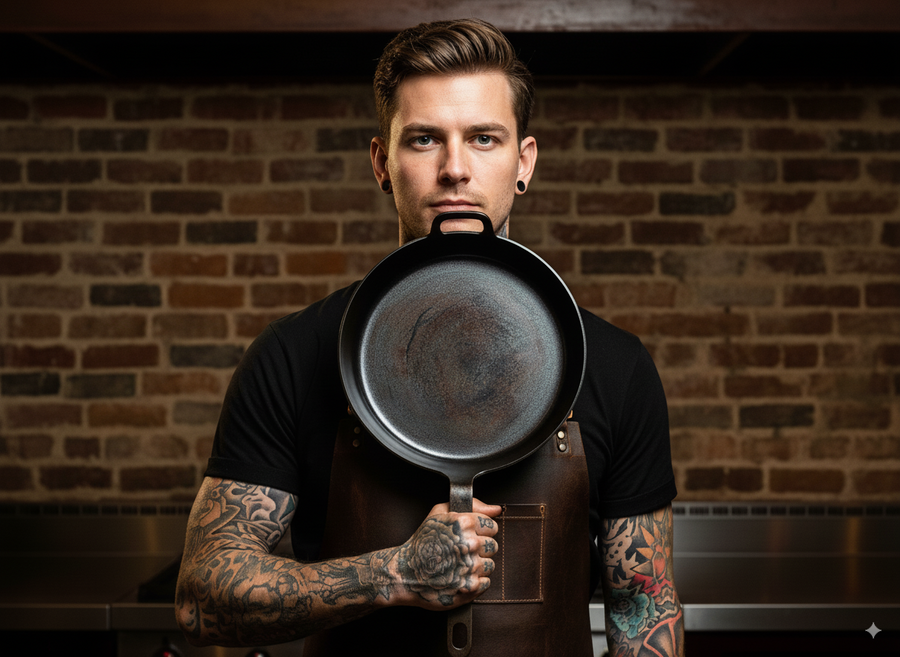
The humble skillet is the superhero of kitchen cookware. Its remarkable versatility transforms it from a simple cooking vessel into a culinary powerhouse that can handle virtually any cooking technique with grace and precision.
According to Utopia, cast iron skillets offer extraordinary benefits beyond basic cooking. Heat retention and distribution are their superpowers. Unlike other pans that create hot and cold spots, a well-crafted skillet ensures consistent cooking results every single time.
When properly seasoned, skillets develop a natural non-stick surface that reduces the need for excessive cooking oils. This means healthier meals with less added fat. From searing steaks to baking cornbread, a good skillet seamlessly transitions between cooking methods.
As Nino Salvaggio notes, these kitchen companions are virtually indestructible when maintained correctly. They can handle:
- High temperature cooking
- Stovetop to oven transitions
- Versatile recipe requirements
- Generations of family cooking
Pro tip: Look for a skillet with smooth casting and a balanced weight. Learn more about choosing the right cookware in our guide to professional kitchen tools. Your future meals will thank you.
3. Frying Pan: Fast Searing and Shallow Frying Uses
The frying pan is the rockstar of quick cooking techniques, designed for those moments when you want delicious food fast. Perfectly engineered for high heat and rapid cooking, this kitchen essential transforms ordinary ingredients into golden brown masterpieces.
According to Wikipedia, a classic frying pan typically ranges between 20 to 30 cm in diameter with distinctive low sides that flare outwards. Design matters when it comes to cooking performance. The wide base allows maximum food contact with heat, while the flared sides make tossing and turning ingredients effortless.
The long handle provides excellent control and keeps your hands safely away from intense heat. Some larger pans even feature a small grab handle on the opposite side for added stability when moving heavy loads of sizzling ingredients.
Your frying pan excels at multiple cooking techniques:
- Quickly searing meats to lock in flavours
- Creating crispy vegetables with minimal oil
- Preparing fast breakfast items like eggs and pancakes
- Shallow frying delicate proteins
For those wanting to dive deeper into pan selection, check out our guide to different types of frying pans. Understanding your cookware is the first step to culinary mastery.
4. Grill Pan: Achieve Perfect Sear Marks Indoors
The grill pan is your secret weapon for enjoying perfectly seared foods without stepping outside. When outdoor grilling is impossible, this kitchen marvel delivers restaurant quality results right on your stovetop.
Designed with distinctive raised ridges, a grill pan creates those coveted charred lines that transform ordinary meals into culinary masterpieces. Heat distribution is key to achieving those beautiful sear marks. The raised ridges elevate food slightly, allowing fat to drip away and creating intense caramelisation.
As Nino Salvaggio suggests, versatile cookware can transition between multiple cooking methods. Your grill pan epitomises this flexibility by working across various heat sources and cooking techniques.
Perfect for preparing:
- Steaks with professional restaurant style grill marks
- Vegetables with beautiful char lines
- Seafood that requires precise heat control
- Sandwiches with crispy exterior
Want to master the art of indoor grilling? Check out our guide to perfect steak searing and unlock your inner chef.
5. Saucepan: Ideal for Simmering and Sauces
The saucepan is the unsung hero of precision cooking. With its tall straight sides and relatively narrow base, this versatile pot transforms liquid based recipes from ordinary to extraordinary.
Heat control is the magic of a great saucepan. Its deep design allows ingredients to simmer evenly without rapid evaporation, making it perfect for delicate sauces, warming soups, cooking grains, and preparing creamy reductions. The tall sides prevent splashing and help maintain consistent temperature throughout cooking.
Whether you are a home cook or aspiring chef, a quality saucepan belongs in every kitchen. It handles tasks that other pans simply cannot manage.
Perfect for preparing:
- Smooth tomato sauces
- Creamy pasta bases
- Delicate custards and puddings
- Quick cooking grains like rice and quinoa
- Warming soups and broths
For more insights into selecting the right cookware for your kitchen, explore our guide to cooking pans by shape and usage. Every pan tells a culinary story waiting to be discovered.
6. Wok: Essential Tool for Stir-Frying and High Heat
The wok is the culinary acrobat of cookware. Its unique curved design transforms ordinary cooking into a dynamic dance of high heat and rapid movement, turning ingredients into flavour packed masterpieces in mere minutes.
According to Wikipedia, cooking techniques like sautéing involve heating fat over medium to high heat with frequent stirring. The wok takes this principle to extraordinary heights. Heat distribution is its superpower. The deep curved shape allows ingredients to tumble and cook evenly while preventing burning.
Originally designed for Asian cuisine, the wok has become a global kitchen essential. Its sloped sides create multiple heat zones. The bottom provides intense direct heat while the sides offer gentler cooking temperatures perfect for complex recipes.
Perfect for preparing:
- Quick vegetable stir fries
- Flash seared meats
- One pan mixed cuisine meals
- Crispy rice dishes
- Complex layered flavour combinations
Want to master high heat cooking techniques? Check out our guide to understanding carbon steel wok induction and unlock your inner chef.
7. Crepe Pan: Flat Surface for Perfect Thin Crepes
The crepe pan is the ballerina of cookware. Delicate, precise, and purpose built for creating paper thin culinary canvases that transform simple ingredients into elegant dishes.
Surface design is the secret to crepe pan magic. Its ultra flat surface and low rim allow you to spread batter with a smooth swirling motion, ensuring uniform thickness across every delicate pancake. The pan conducts heat evenly preventing those frustrating uneven or burnt spots that plague home cooks.
Unlike standard pans, a crepe pan demands technique. Its shallow depth and wide diameter create the perfect environment for spreading thin layers of batter quickly and smoothly. The result? Restaurant quality crepes that look like they were crafted by a French professional.
Perfect for creating:
- Sweet dessert crepes with chocolate and fruit
- Savoury dinner crepes with ham and cheese
- Delicate French style pancakes
- Thin wraps and quick flatbreads
- Crispy edged breakfast treats
Want to explore more creative cooking techniques? Discover how versatile cookware can transform your kitchen in our guide to creative pan uses.
Below is a comprehensive table summarising the types of cookware discussed in the article, highlighting their features and best uses.
| Cookware Type | Features | Best For |
|---|---|---|
| Sauté Pan | Wide flat bottom, straight high sides, tight-fitting lid | Searing, braising, simmering, one pan meals |
| Skillet | Heat retention, non-stick when seasoned, balanced weight | High temperature cooking, stovetop to oven use, versatile recipes |
| Frying Pan | Low flared sides, long handle | Quick searing, shallow frying, breakfast dishes |
| Grill Pan | Raised ridges for sear marks | Indoor grilling, steak, vegetables |
| Saucepan | Tall sides, narrow base | Simmering sauces, soups, grains |
| Wok | Curved design, multiple heat zones | Stir-frying, high heat cooking, complex flavours |
| Crepe Pan | Ultra flat surface, low rim | Thin crepes, savoury pancakes |
Elevate Your Kitchen with Expertly Crafted Carbon Steel Pans
Understanding the unique roles that different pans play in your kitchen is the first step to mastering cooking techniques and elevating your meals. From the versatility of a sauté pan to the precision of a crepe pan, selecting the right cookware directly influences your cooking success and enjoyment. Common challenges like uneven heat distribution, sticking food, and durability issues can hold your culinary skills back.
At Brass & Steel, we specialise in premium carbon steel cookware designed to address these very pain points. Our pans are forged from a single piece of carbon steel, ensuring superior heat retention and an effortless natural nonstick surface after seasoning. Whether you seek a reliable 27 cm carbon steel sauté pan or a larger 30 cm model for family meals, our collection offers heirloom-quality pieces crafted for serious cooks who value performance and durability. Discover how a seamless, boilerplate pan can transform cooking tasks such as searing, sautéing, and braising with precision and confidence.
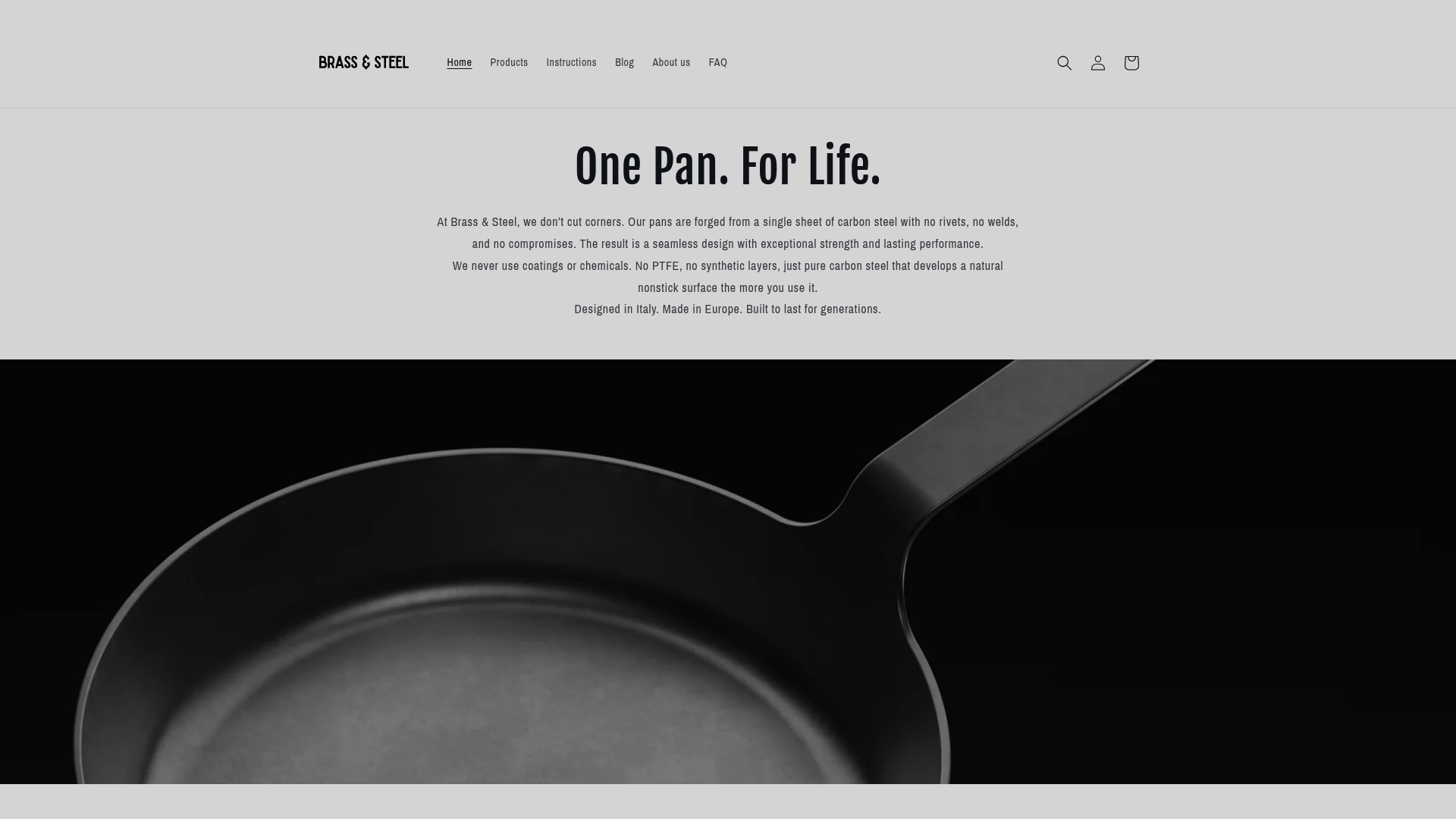
Ready to upgrade your kitchen essentials with cookware that matches your passion and skill? Explore the full Carbon Steel Collection | Brass&Steel and find your perfect pan today. Don’t wait to bring restaurant-quality performance into your home kitchen. Visit Brass & Steel now and experience cookware engineered for chefs who demand the best.
Frequently Asked Questions
What cooking techniques can I use with a sauté pan?
A sauté pan is ideal for searing, shallow frying, braising, and simmering. To maximize its versatility, practice transitioning between dry and moist heat cooking methods.
How does a skillet differ from a frying pan?
While both are versatile cooking tools, skillets typically have thicker, heavier bottoms and better heat retention. To decide which to use, consider the type of food you’ll be cooking—opt for a skillet for long-cooking or high-heat tasks, and a frying pan for quick, high-heat cooking.
What should I look for when choosing a frying pan?
When selecting a frying pan, look for a wide base, low flared sides, and a long handle for comfortable control. Choose a pan with a heavy bottom to ensure even heat distribution and reduce cooking times by about 20%.
Why is a wok essential for stir-frying?
A wok’s unique curved shape and deep design let you cook ingredients quickly at high heat while retaining flavor and texture. To make the most of your wok, practice using rapid stirring movements to ensure even cooking throughout.
How can I achieve the perfect crepe using a crepe pan?
To make perfect crepes, ensure the batter is evenly spread across the ultra-flat surface of your crepe pan. Practicing swirling while pouring the batter can help you achieve uniform thickness without any burnt spots, making culinary creations feel restaurant-quality.
What features should I consider in a saucepan?
The ideal saucepan features tall straight sides and a narrow base for effective simmering and heat control. Aim for a saucepan that can handle delicate sauces and soups, as well as quick-cooking grains like rice, for enhanced cooking versatility.