Master your cooking with durable stainless pans in 2026

Many home cooks believe non-stick pans are the only hassle-free option, but stainless steel offers superior heat control and longevity. With proper technique, stainless steel pans deliver restaurant-quality searing whilst lasting decades. This guide reveals why professional chefs favour stainless steel and how you can unlock its full potential in your kitchen.
Table of Contents
- Understanding Stainless Steel Pans: Material And Properties
- Performance And Versatility: Cooking With Stainless Steel Pans
- Comparing Stainless Steel To Carbon Steel And Cast Iron Pans
- Care And Maintenance Tips For Lasting Stainless Steel Pans
- Explore Our Premium Stainless And Carbon Steel Pans
- Frequently Asked Questions About Stainless Steel Pans
Key takeaways
| Point | Details |
|---|---|
| Heat performance | Stainless steel pans deliver steady heat distribution and excellent searing for meats and vegetables. |
| Durability | These pans resist corrosion and can last a lifetime with proper care, outlasting non-stick alternatives. |
| Versatility | Oven-safe up to 260°C and induction-ready, suitable for all cooking methods. |
| Maintenance | Proper preheating prevents sticking, and simple cleaning techniques keep pans looking new. |
| Safety | Non-reactive surface means acidic foods won’t alter taste or damage the pan. |
Understanding stainless steel pans: material and properties
Stainless steel cookware combines science and practicality. Stainless steel is an alloy of iron, chromium, and sometimes nickel, making it anti-corrosion and resistant to high temperatures. The chromium creates an invisible protective layer that shields the iron beneath from rust and oxidation. This clever chemistry means your pan maintains its integrity through years of daily cooking.
The material properties translate directly to cooking benefits:
- Temperature resilience: Stainless steel withstands extreme heat without warping or degrading, perfect for high-temperature searing
- Chemical stability: The non-reactive surface ensures acidic ingredients like tomatoes or wine won’t leach metallic flavours
- Structural integrity: Unlike coated pans, stainless steel maintains its performance indefinitely when cared for properly
- Hygiene: The smooth, non-porous surface resists bacterial growth and cleans thoroughly
These characteristics make stainless steel particularly valuable for serious cooking. The pan responds predictably to temperature changes whilst providing a stable cooking surface. Understanding the difference between carbon steel vs stainless steel pans helps you select the right tool for specific dishes.
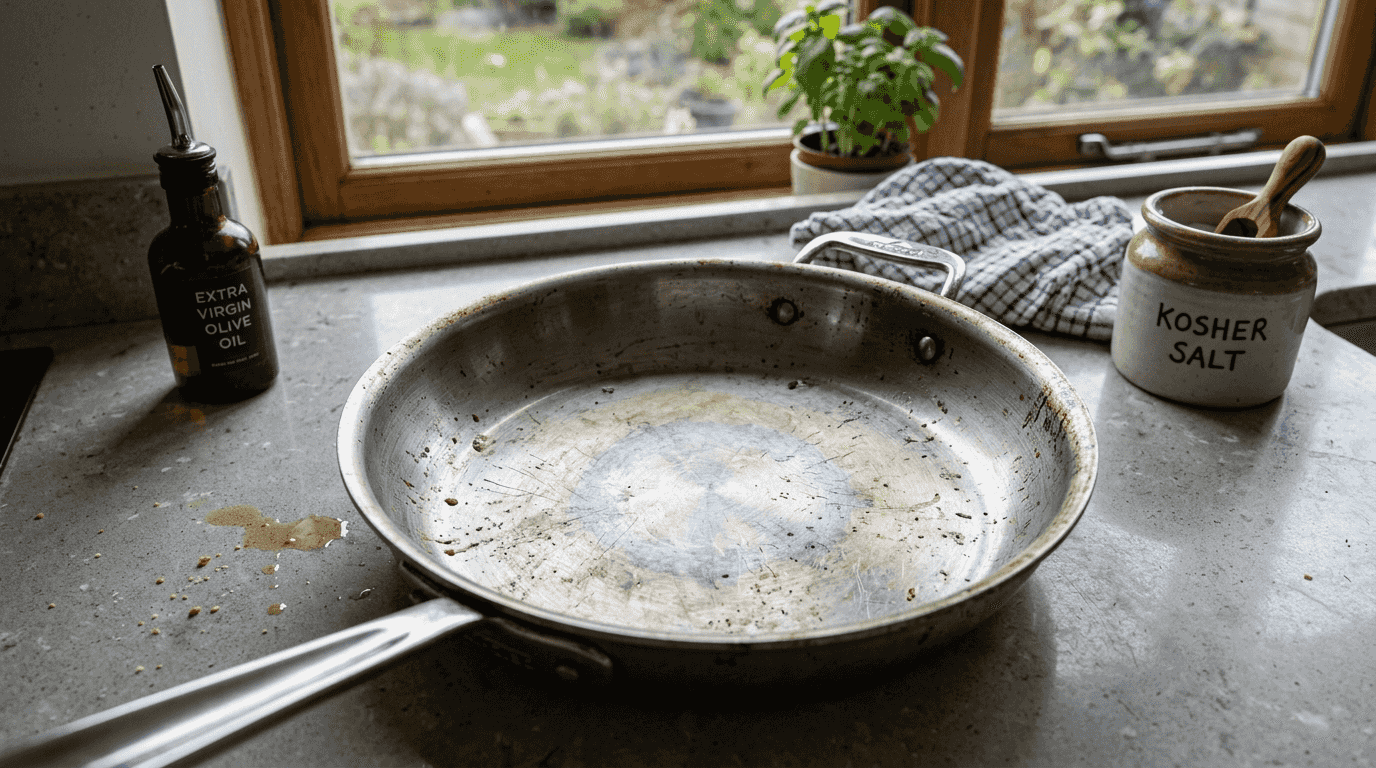
The alloy’s stability means you needn’t worry about damaging the surface through normal cooking. High heat, acidic sauces, and metal utensils won’t compromise performance. This durability transforms stainless steel pans from kitchen tools into culinary investments. Many chefs use the same stainless pans for decades, developing intimate familiarity with their heat patterns and quirks. Following proper carbon steel pans upkeep guide principles also applies to maintaining quality cookware long-term.
Performance and versatility: cooking with stainless steel pans
Cooking performance separates good pans from exceptional ones. Stainless steel pans provide steady heat, a great sear, and control that elevates everyday dishes. The material conducts heat efficiently whilst distributing it evenly across the cooking surface. This consistency prevents hot spots that burn food whilst leaving other areas undercooked.
The magic happens when you understand preheating. Proper preheating is crucial for stainless steel frying pans to prevent food from sticking. Heat the pan over medium heat for two to three minutes. Test readiness by flicking water droplets onto the surface. If they dance and skitter, your pan has reached optimal temperature. Add oil only after this point, swirling to coat the surface thinly.
Key performance advantages include:
- Superior browning: The sticky surface creates fond, those flavourful browned bits that become pan sauces
- Oven versatility: Most stainless pans handle oven temperatures up to 260°C, allowing stovetop-to-oven techniques
- Induction compatibility: Magnetic properties work efficiently on induction cooktops whilst performing equally well on gas or electric
- Metal utensil friendly: No fragile coating means you can use metal spatulas and whisks without worry
Pro Tip: When searing proteins, resist the urge to move them immediately. Let meat sit undisturbed for two to three minutes. It will release naturally when a proper crust forms, making flipping effortless.
The control stainless steel offers matters most for techniques requiring precision. Deglazing pans creates spectacular sauces, and the material’s stability means you can add wine or stock without temperature shock. This versatility makes stainless steel ideal for top pans for searing steak, where crust development determines success.
Unlike non-stick pans that restrict cooking temperature, stainless steel thrives at high heat. You can achieve restaurant-quality caramelisation on vegetables, crispy-skinned fish, and perfectly seared steaks. The pan becomes an extension of your technique rather than a limitation.
Comparing stainless steel to carbon steel and cast iron pans
Choosing between pan types depends on cooking style and priorities. Each material excels in specific situations. Carbon steel pans are more responsive, great for delicate herb-butter bastes, and are suitable for weeknight dishes like Steak Au Poivre. Meanwhile, stainless steel pans are more durable than non-stick, aluminium, and ceramic pans due to their robustness and resistance to high temperatures.
Cast iron holds heat longest, making it perfect for thick steaks requiring reverse searing or extended oven finishing. The mass stores thermal energy, maintaining consistent temperature even when cold ingredients hit the surface. However, this same property makes cast iron slower to respond to heat adjustments.
| Feature | Stainless Steel | Carbon Steel | Cast Iron |
|---|---|---|---|
| Heat response | Moderate | Very quick | Slow |
| Weight | Light to medium | Light | Very heavy |
| Maintenance | Low | Moderate (seasoning) | Moderate (seasoning) |
| Corrosion resistance | Excellent | Requires care | Requires care |
| Best for | Sauces, versatile cooking | Quick sautés, delicate proteins | Heavy searing, oven dishes |
Carbon steel bridges the gap between stainless and cast iron. It heats rapidly like stainless but develops a natural non-stick patina through seasoning. The lighter weight makes flipping and tossing easier than cast iron. For comparing these materials directly, carbon steel vs cast iron showdown offers detailed analysis.
Pro Tip: Own multiple pan types to match different cooking tasks. Use stainless for acidic sauces and delicate temperature control, carbon steel for daily sautéing, and cast iron for heavy searing.
The choice often comes down to maintenance preferences. Stainless steel requires no seasoning and tolerates neglect better than seasoned pans. Understanding cast iron vs stainless steel pan differences helps you build a balanced cookware collection. Each material brings unique strengths, and serious cooks benefit from having options.
Stainless steel’s corrosion resistance particularly shines in humid climates or for cooks who struggle with seasoning maintenance. The pan performs identically whether used daily or stored for months. This reliability makes stainless steel the workhorse in professional kitchens worldwide.
Care and maintenance tips for lasting stainless steel pans
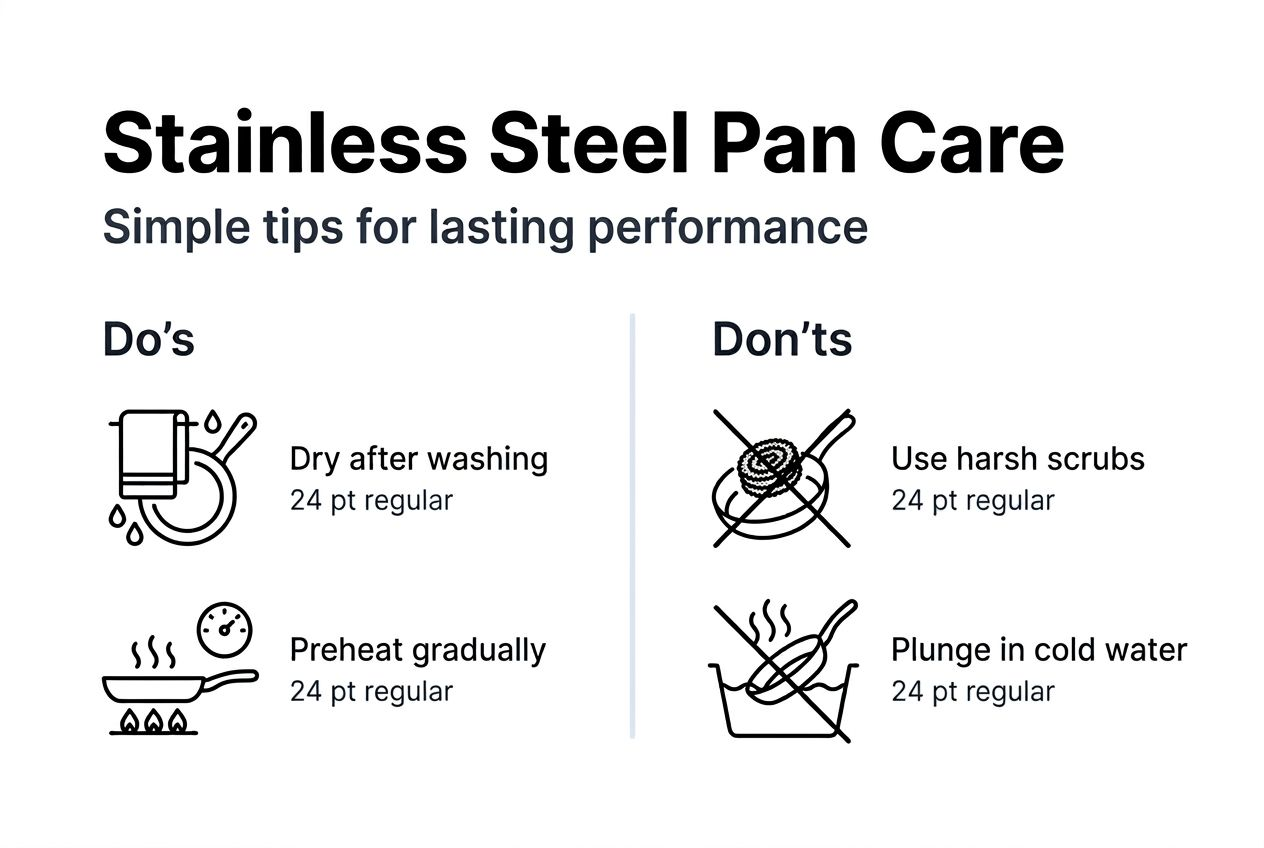
Proper care extends pan life from years to decades. To optimise the lifespan of a stainless steel pan, dry it immediately after washing, clean with baking soda or vinegar, use appropriate utensils, and preheat properly before cooking. These simple habits prevent common problems like water spots, discolouration, and reduced performance.
Daily cleaning requires only warm water and washing-up liquid. For stubborn residue, make a paste from baking soda and water. Apply it to affected areas, let sit for ten minutes, then scrub gently with a non-abrasive sponge. Vinegar removes water spots and restores shine. Heat a mixture of equal parts water and white vinegar in the pan, let cool, then wash normally.
Essential maintenance practices:
- Immediate drying: Water spots form when minerals in tap water dry on the surface. Towel dry immediately after washing
- Gentle abrasives: Baking soda, Bar Keeper’s Friend, or specialised stainless steel cleaners remove stains without scratching
- Proper storage: Nest pans with protective layers between them or hang individually to prevent scratches
- Temperature awareness: Avoid thermal shock by never plunging hot pans into cold water
Pro Tip: Rainbow discolouration from high heat isn’t damage. Remove it by rubbing with vinegar on a soft cloth, then wash and dry thoroughly.
Preheating technique impacts both cooking results and pan longevity. Heat empty pans gradually over medium heat rather than blasting them on high. This prevents warping and ensures even heat distribution. The patience pays off with better cooking performance and extended pan life.
Compare these relatively simple care requirements to the detailed carbon steel pans upkeep guide needed for seasoned cookware. Stainless steel forgives occasional neglect whilst maintaining performance. This resilience makes it ideal for busy cooks who want professional results without fussy maintenance routines.
Explore our premium stainless and carbon steel pans
Now that you understand what makes quality pans exceptional, consider exploring cookware designed for discerning home cooks. Whilst this guide focused on stainless steel, our range at Brass & Steel specialises in carbon steel pans that share many professional cooking benefits. Forged in one piece from premium carbon steel, our pans eliminate weak points whilst delivering superior heat response.
Our 27 cm and 30 cm sauté pans combine European craftsmanship with practical design. Each pan develops a natural non-stick surface through seasoning, offering an alternative to both traditional stainless steel and synthetic coatings. Visit our collection to discover cookware built to last generations, not years.
Frequently asked questions about stainless steel pans
Are stainless steel pans safe for acidic foods?
Yes, stainless steel is non-reactive, meaning acidic foods won’t alter taste or pan integrity. This makes stainless steel the preferred choice for tomato-based sauces, wine reductions, and citrus preparations. Unlike reactive metals such as aluminium or unseasoned cast iron, stainless steel maintains its protective chromium layer even when cooking highly acidic ingredients.
How do I prevent food from sticking to a stainless steel pan?
Proper preheating is crucial for stainless steel frying pans to prevent food from sticking. Heat the pan over medium heat for two to three minutes until water droplets dance across the surface. Add oil only after reaching this temperature, allowing it to shimmer before adding ingredients. Proteins will release naturally when properly seared, so resist moving them prematurely.
Can I use metal utensils with stainless steel pans?
Yes, stainless steel doesn’t have a fragile coating and allows safe use of metal utensils. This durability surpasses non-stick pans requiring plastic or wooden tools. Metal spatulas, whisks, and tongs won’t damage the cooking surface, giving you complete freedom in technique and tool selection.
How long do stainless steel pans typically last?
With proper care, stainless steel pans can last a lifetime, unlike non-stick pans which lose effectiveness within two to five years. The absence of coatings that degrade means performance remains consistent over decades. Many professional chefs use the same stainless pans throughout entire careers, making them exceptional long-term investments.