7 Top Pans for Searing Steak: Expert Choices Explained
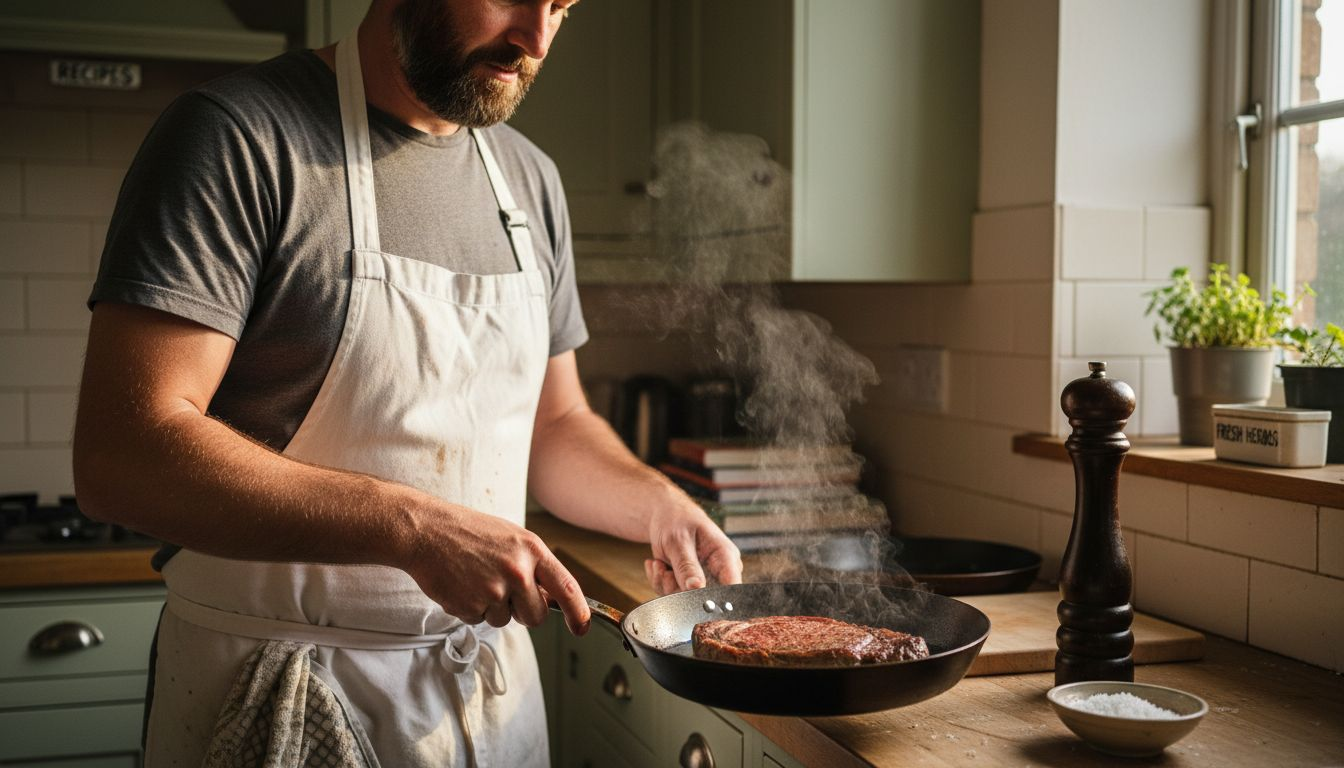
Achieving a perfectly seared steak at home can feel frustrating when your pans stick, burn, or never quite give that restaurant-quality crust. You know the taste and texture you want, but finding the right kind of pan makes all the difference. If you’re tired of disappointing results or lack the confidence to try high-heat searing, you’re not alone.
This guide will show you why carbon steel pans are the secret weapon for steak nights that actually impress. You’ll discover the practical reasons these pans stand out, from their unmatched heat control to the natural nonstick surface that only gets better with each use.
Get ready to uncover which pan design features matter, how to care for your pan so it keeps improving, and the steps you can take for flawless steaks every time. Each section is packed with insights you can use right away for better results in your kitchen.
Table of Contents
- Why Carbon Steel Is Best For Searing Steak
- Single-Piece Construction: Seamless Strength
- Natural Nonstick Surface For Perfect Sear
- High Heat Performance And Even Cooking
- Choosing The Right Pan Size For Your Needs
- Induction Compatibility For Modern Kitchens
- Caring For Your Pan: Maintenance And Seasoning
Quick Summary
| Key Insight | Explanation |
|---|---|
| 1. Carbon steel pans excel at searing steak | Their rapid heat distribution and high tolerance achieve a perfect crust, enhancing flavour and moisture retention. |
| 2. Single-piece construction ensures even cooking | This design prevents weak points, offering uniform heat distribution and easier cleaning, which is crucial for consistent results. |
| 3. Natural nonstick surface improves with use | Carbon steel develops a patina over time, enhancing nonstick properties and flavour development, making each cooking experience better. |
| 4. Choose the right pan size for optimal results | A suitable size prevents overcrowding, allowing for better browning and effective heat management, crucial for perfect steak searing. |
| 5. Proper maintenance prolongs pan life | Regular seasoning and careful cleaning keep the nonstick surface functional and prevent rust, ensuring longevity and performance. |
1. Why Carbon Steel is Best for Searing Steak
Carbon steel pans represent the ultimate solution for home chefs seeking professional-grade steak searing results. Unlike other cookware materials, carbon steel combines exceptional heat retention with rapid thermal responsiveness, creating the perfect environment for achieving a stunning, flavourful crust.
The magic of carbon steel lies in its unique performance characteristics:
- Rapid and even heat distribution ensures consistent searing across the entire steak surface
- Natural nonstick properties develop over time through seasoning
- Lightweight design allows greater control compared to heavy cast iron pans
- High heat tolerance supports professional-level cooking techniques
Professional chefs have long preferred carbon steel precisely because of its extraordinary heat management. The thin walls heat up quickly and respond immediately to temperature changes, giving you unprecedented control during the cooking process.
When you sear a steak in a carbon steel pan, you’re essentially creating a flavour-sealing mechanism. The pan’s surface develops a natural patina that not only prevents sticking but also enhances the meat’s caramelisation. This means deeper, more complex flavours with less effort.
Carbon steel transforms home cooking from basic to professional-grade performance.
Versatility is another significant advantage. These pans seamlessly transition from stovetop to oven, allowing you to start the sear on high heat and finish cooking at a precise temperature. This flexibility means restaurant-quality results are achievable in your own kitchen.
Expert tip: Preheat your carbon steel pan gradually and ensure it’s thoroughly dry to achieve the most spectacular sear.
2. Single-Piece Construction: Seamless Strength
Not all cooking pans are created equal. The construction of your pan plays a crucial role in its performance particularly when searing steaks at high temperatures. Single-piece construction offers remarkable advantages that elevate your cooking experience.
A seamless pan represents engineering excellence in cookware design. By eliminating rivets joints and welds manufacturers create a pan with extraordinary structural integrity. This approach provides several critical benefits:
- Uniform heat distribution across the entire cooking surface
- Reduced food trap zones where debris might accumulate
- Enhanced structural durability that withstands high cooking temperatures
- Simplified cleaning process without hard-to-reach crevices
Traditional pans with multiple components create weak points that compromise cooking performance. Rivets and welded joints can become stress concentration areas prone to warping or heat inconsistency. A single-piece pan eliminates these potential failure points.
Seamless construction transforms a simple cooking tool into a precision cooking instrument.
For steak enthusiasts this means achieving that perfect golden brown crust becomes significantly more predictable. Consistent surface contact allows for more controlled caramelisation and improved flavour development.
The manufacturing process of single-piece pans requires advanced metalworking techniques. Typically forged from a single sheet of high-quality metal these pans undergo precise shaping to create a robust cooking surface that performs exceptionally under intense heat.
Expert tip: Inspect your pan’s construction before purchasing. A true single-piece pan will have no visible joints or rivets that could compromise its cooking performance.
3. Natural Nonstick Surface for Perfect Sear
Cooking the perfect steak requires more than just skill. It demands a pan that develops its own self-improving cooking surface. Carbon steel pans offer something truly remarkable: a naturally developing nonstick coating that enhances with every use.
Unlike synthetic nonstick surfaces that degrade over time carbon steel creates a unique polymerised patina through a process called seasoning. This natural layer forms when cooking oils are heated and bond permanently to the pan’s surface creating a slick protective barrier.
The benefits of this natural nonstick surface are substantial:
- Chemical-free cooking surface
- Improved browning capabilities
- Enhanced flavour development
- Increasing nonstick properties over time
- Zero synthetic coating degradation
When you cook a steak the seasoned surface prevents sticking while promoting beautiful caramelisation. Proper maintenance becomes key to preserving and improving this incredible cooking surface.
A well-seasoned carbon steel pan transforms from mere cookware into a culinary masterpiece.
Unlike traditional nonstick pans that require replacement carbon steel actually improves with consistent use. The more you cook the more refined and effective your pan’s natural nonstick layer becomes. This means your first steak might stick slightly but subsequent meals will release with incredible ease.
Expert tip: Always use high smoke-point oils like grapeseed or avocado when initially seasoning your pan to create the most robust nonstick surface.
4. High Heat Performance and Even Cooking
Cooking the perfect steak demands more than just skill. It requires a pan that can deliver consistent intense heat across its entire surface. High heat performance becomes crucial for achieving that restaurant-quality golden brown crust.
Carbon steel pans excel at managing thermal dynamics in ways other cookware cannot. Their dense metal construction allows rapid heat absorption and remarkably even distribution which prevents problematic hot spots that might burn your steak.
The science behind excellent searing involves several critical factors:
- Rapid temperature retention
- Uniform heat spread across cooking surface
- Quick thermal recovery when cold meat is added
- Minimal temperature fluctuation
- Ability to withstand extremely high temperatures
When you place a cold steak onto a carbon steel pan the surface maintains its temperature remarkably well. This stability triggers the Maillard reaction more effectively creating those deep complex flavours home cooks dream about.
Professional chefs know that heat control separates good cooking from extraordinary cooking.
Thermal responsiveness matters significantly in steak preparation. Unlike aluminium or copper pans that might cool dramatically carbon steel maintains a steady cooking environment. This means your steak gets a consistent sear from edge to centre.
Expert tip: Preheat your carbon steel pan gradually and ensure it reaches an even temperature before adding your steak to guarantee the most spectacular searing results.
5. Choosing the Right Pan Size for Your Needs
Selecting the perfect pan size transforms your steak cooking from average to exceptional. Precise pan dimensions can make the difference between a perfectly seared steak and a disappointing meal.
Your pan size directly influences cooking performance. A pan that’s too small creates overcrowding which prevents proper browning and interrupts the essential Maillard reaction. Conversely a pan that’s too large wastes energy and reduces heat concentration.
Consider these critical factors when selecting your pan size:
- Steak quantity and thickness
- Cooking surface requirements
- Heat distribution capabilities
- Kitchen storage constraints
- Typical serving sizes
For most home cooks a 27 to 30 centimetre pan provides optimal versatility. This size accommodates one to two average steaks without compromising heat dynamics or causing unwanted steaming instead of searing.
The right pan size balances thermal performance with practical cooking needs.
Thickness matters as much as diameter. A substantial pan bottom ensures more consistent heat retention which translates directly into better caramelisation and more flavourful results.
Expert tip: Measure your typical steak size and add two to three centimetres of extra space to determine your ideal pan dimensions.
6. Induction Compatibility for Modern Kitchens
Modern cooking demands versatility and efficiency. Carbon steel pans represent the perfect solution for contemporary induction cooktop technology that seamlessly blends performance with convenience.
Induction cooking requires specific magnetic properties in cookware. Carbon steel pans naturally meet these requirements due to their ferromagnetic composition which enables direct heat transfer through electromagnetic interactions.
Key advantages of induction-compatible carbon steel pans include:
- Instant heat responsiveness
- Energy efficient cooking
- Precise temperature control
- Safe cooking surface
- Compatible with multiple cooktop types
Unlike traditional electric or gas stoves induction technology heats the pan directly rather than the surrounding surface. This means faster cooking times and dramatically reduced energy consumption.
Induction compatibility transforms your cooking from traditional to technologically advanced.
Magnetic properties make carbon steel unique. The pan’s ability to interact with electromagnetic fields ensures rapid heating and exceptional thermal management that professional chefs demand.
Expert tip: Always ensure your carbon steel pan has a completely flat bottom for optimal induction performance and maximum heat transfer.
7. Caring for Your Pan: Maintenance and Seasoning
A carbon steel pan is not just a cooking tool it is an investment that improves with proper care. Proper maintenance ensures lasting performance and transforms your pan into a cherished kitchen companion.
Seasoning is the magical process that creates a natural nonstick surface and protects your pan from rust. Unlike other cookware carbon steel develops a protective patina that actually enhances its performance over time.
Key maintenance practices include:
- Gentle cleaning after each use
- Thorough drying to prevent rust
- Light oil application
- Avoiding harsh detergents
- Storing in dry conditions
Initial seasoning involves heating the pan and applying a thin layer of high smoke-point oil. This creates a polymerised surface that becomes increasingly nonstick with repeated cooking.
A well-maintained carbon steel pan becomes better with every meal you prepare.
Proper storage matters significantly. Hanging your pan or storing it in a dry place prevents moisture accumulation and potential rust development.
Expert tip: After cooking fatty foods like bacon or steak avoid washing with soap. Simply wipe clean and apply a light coating of oil to maintain and strengthen your pan’s seasoning.
Below is a comprehensive table summarising the advantages, usage strategies, and unique features of carbon steel pans for steak preparation as detailed in the article.
| Topic | Description | Key Benefits |
|---|---|---|
| Carbon Steel Characteristics | Combines excellent heat retention with quick responsiveness for professional steak searing. | Rapid heat-up, precise temperature control, enhanced meat caramelisation. |
| Seamless Construction | Single-piece pans eliminate rivets and joints, ensuring even performance and durability. | Consistent heat, easy cleaning, and precision cooking. |
| Natural Nonstick Surface | Forms through seasoning, enhancing over time. | Chemical-free surface, improved flavour, and browning success. |
| High Heat Performance | Manages thermal dynamics effectively, sustaining high temperatures. | Stable cooking conditions, superior crust formation. |
| Appropriate Pan Size | Helps optimise heat dynamics and cooking results. | Prevents overcrowding, ensures even searing. |
| Induction Compatibility | Suitable for modern kitchens using induction technology. | Energy-efficient, quick heat transfer, versatile use. |
| Maintenance and Care | Involves seasoning and proper cleaning to preserve longevity. | Protects against rust, enhances performance with use. |
Elevate Your Steak Searing with Expertly Crafted Carbon Steel Pans
Achieving the perfect sear on your steak requires cookware that excels at heat retention, even cooking, and natural nonstick performance. If you are searching for a pan that solves common challenges like uneven heating, sticking, or durability issues, then Brass & Steel’s collection of forged carbon steel pans is designed with you in mind. Our seamless, single-piece construction combined with professional-grade seasoning creates an ideal surface to master the art of steak searing with confidence and ease.
Discover why home cooks and chefs alike choose Brass & Steel for heirloom-quality cookware that grows better over time. Visit https://brass-steel.com to explore our full range of durable, induction compatible pans with natural nonstick properties that deliver consistent results. Take the first step today to transform your cooking experience and create steaks that impress every time.
Frequently Asked Questions
What type of pan is best for searing steak?
The best pan for searing steak is a carbon steel pan due to its exceptional heat retention and rapid responsiveness. To achieve professional-quality results, choose a pan that is lightweight and compatible with high cooking temperatures.
How do I properly season a carbon steel pan for optimal performance?
To season a carbon steel pan, first heat it gradually, ensuring it is thoroughly dry. Then, apply a thin layer of high smoke-point oil to the surface and heat it until the oil polymerises, forming a natural nonstick coating.
What size carbon steel pan should I choose for cooking steak?
Select a carbon steel pan that is between 27 to 30 centimetres in diameter to accommodate one to two average-sized steaks without overcrowding. This size ensures proper heat distribution and optimal browning for a delicious sear.
How do I maintain my carbon steel pan after cooking?
After each use, gently clean your carbon steel pan without harsh detergents and thoroughly dry it to prevent rust. Apply a light coat of oil to maintain the seasoning and enhance its nonstick properties.
Can I use a carbon steel pan on an induction cooktop?
Yes, carbon steel pans are suitable for induction cooktops as they possess the necessary magnetic properties for effective heat transfer. Ensure that your pan has a completely flat bottom to maximise heat efficiency and cooking performance.
Why is single-piece construction important in a pan for searing steak?
Single-piece construction eliminates weak points such as rivets and joints, providing uniform heat distribution and enhanced durability. This construction allows for more controlled caramelisation and consistent searing, making it a better choice for steak enthusiasts.
Recommended
- Best Carbon Steel Pan for Steak – Achieve the Perfect Sear – Brass & Steel
- Master the Carbon Steel Pan for Perfect Steak Searing – Brass & Steel
- How to Cook Steak in a Carbon Steel Pan: Perfect Every Time – Brass & Steel
- Carbon Steel vs Cast Iron Showdown: The Best Pan for a Mighty Steak – Brass & Steel