Cast Iron Pan vs Stainless Steel: The Truth for European Kitchens

Every European cook knows the challenge of achieving perfect searing and reliable heat control in the kitchen. Selecting the right cookware material can transform your daily cooking experience, from steak crispness to cleaning simplicity. Comparing carbon steel and cast iron pans reveals why carbon steel often offers superior heat performance and easier maintenance, making it a smart choice for demanding home cooks and professional chefs alike.
Table of Contents
- Defining Cast Iron And Stainless Steel Pans
- Comparing Types And Constructions
- Cooking Performance And Heat Control
- Maintenance, Safety, And Longevity
- Cost, Health, And Use Case Comparison
Key Takeaways
| Point | Details |
|---|---|
| Material Distinction | Cast iron excels in heat retention and versatility, while stainless steel is valued for corrosion resistance and modern aesthetics. |
| Cooking Performance | Each material serves specific cooking needs; cast iron is ideal for high-heat searing and slow cooking, while stainless steel allows for rapid temperature adjustments and precision. |
| Maintenance Considerations | Cast iron requires regular seasoning and careful drying to prevent rust, whereas stainless steel offers low-maintenance, dishwasher-safe convenience. |
| Cost and Health Impact | Cast iron typically involves lower initial costs and can enhance dietary iron intake, while stainless steel is more expensive but provides chemical inertness during cooking. |
Defining Cast Iron and Stainless Steel Pans
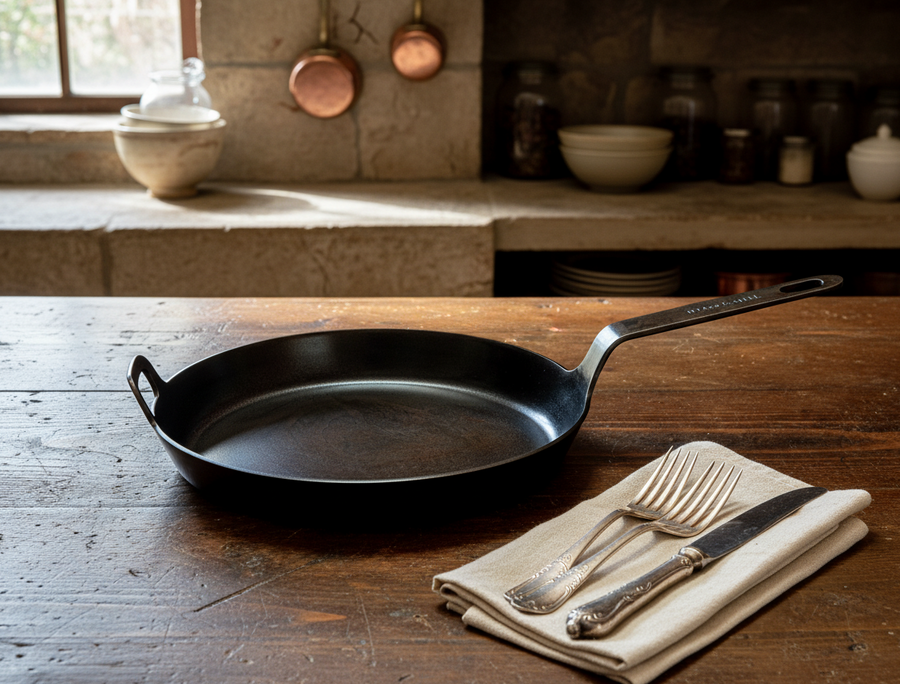
Cast iron and stainless steel represent two fundamentally different types of cookware that European home chefs use regularly. These materials have distinct properties that significantly influence cooking performance, durability, and maintenance requirements. Understanding their core characteristics helps home cooks make informed kitchen equipment decisions.
At its core, cast iron is an iron-carbon alloy characterised by high carbon content and exceptional thermal properties. This unique composition provides several distinctive features:
- Excellent heat retention capabilities
- Natural non-stick surface when properly seasoned
- Extremely durable construction
- Versatile cooking performance across stovetop and oven environments
- Relatively low manufacturing cost
Stainless steel, by contrast, represents a more modern cookware material engineered for professional and home kitchen environments. Its defining characteristic is the inclusion of chromium, which creates a protective oxide layer preventing corrosion and enhancing durability.
The manufacturing processes for these materials differ substantially. Cast iron is traditionally produced through casting techniques, where molten metal is poured into moulds and allowed to solidify. Stainless steel undergoes more complex metallurgical processing, involving precise alloy combinations and controlled cooling sequences to achieve its distinctive properties.
European kitchens increasingly appreciate both materials for their unique strengths. Cast iron offers remarkable heat retention and natural seasoning potential, while stainless steel provides superior corrosion resistance and a more contemporary aesthetic.
Here’s a side-by-side overview of core differences between cast iron and stainless steel cookware:
| Aspect | Cast Iron | Stainless Steel |
|---|---|---|
| Typical Appearance | Matte, dark, rustic | Shiny, polished, modern |
| Weight | Usually heavy | Typically lighter |
| Reactivity with Food | May react with acids | Non-reactive in all cases |
| Induction Compatible | Always, due to iron content | Only with magnetic base |
| Oven Safety | Suitable for very high heat | Limited by handle/material |
Pro tip: Before investing in cookware, consider your specific cooking styles and maintenance preferences to select the most suitable material for your kitchen.
Comparing Types and Constructions
Cast iron and stainless steel cookware exhibit remarkable variations in their types and manufacturing processes, each offering unique advantages for European kitchen environments. Cast iron microstructures demonstrate fascinating metallurgical diversity that directly impacts cooking performance and durability.
Cast iron encompasses several distinctive structural variants:
- Gray iron: Features flaky graphite, offering superior machinability
- Ductile iron: Contains nodular graphite, providing enhanced strength and flexibility
- White iron: Extremely hard and brittle, with cementite structure
- Compacted graphite iron: Balances strength and thermal conductivity
Stainless steel cookware, by contrast, relies on sophisticated multi-layered construction techniques that dramatically improve cooking efficiency. Professional-grade stainless steel often incorporates complex layering strategies:
- Aluminum or copper core for optimal heat distribution
- Outer layers of high-grade stainless steel
- Precise chromium and nickel ratios (typically 18/10) for corrosion resistance
Construction differences significantly influence cooking performance. Cast iron pans are typically single-piece constructions with exceptional heat retention, while stainless steel pans use intricate sandwiched metal layers to achieve uniform heating.
Manufacturing complexity varies dramatically between these materials. Cast iron involves traditional casting techniques where molten metal is poured into moulds, whereas stainless steel production requires precise metallurgical engineering to create optimal alloy compositions.
Pro tip: Inspect your cookware’s construction and understand its specific metallurgical characteristics to maximise cooking performance and longevity.
Cooking Performance and Heat Control
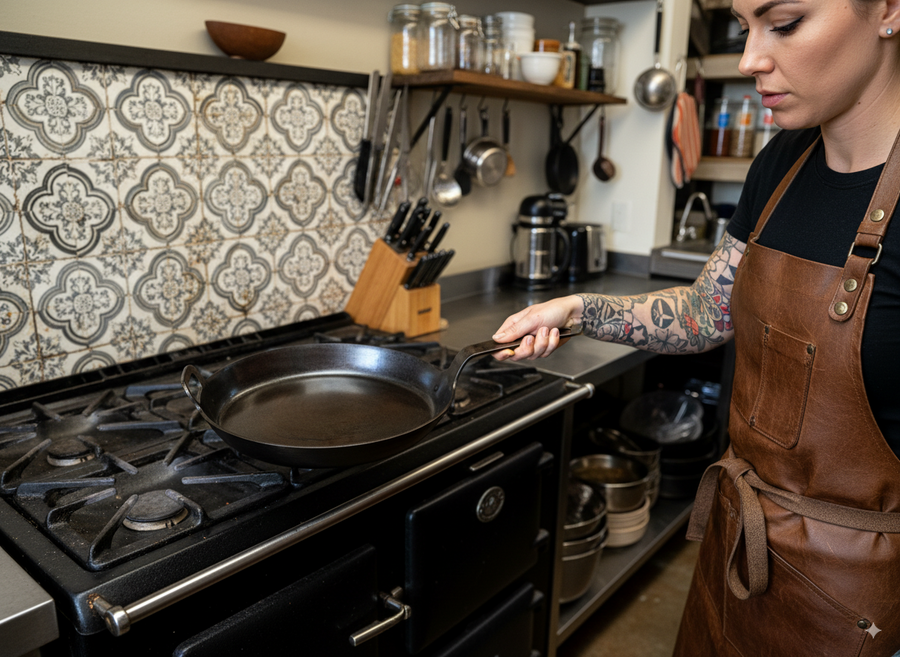
Cooking performance varies dramatically between cast iron and stainless steel, with each material offering unique advantages for European home chefs. Cast iron’s heat retention capabilities make it a powerhouse for specific cooking techniques that demand consistent temperatures.
Key performance characteristics for cast iron include:
- Exceptional thermal mass for steady heat maintenance
- Superb heat retention during long cooking processes
- Ideal for searing meats at high temperatures
- Gradual, even heat distribution
- Natural non-stick surface when properly seasoned
Stainless steel, by contrast, demonstrates remarkable heat responsiveness that allows for more precise cooking control:
- Rapid heating capabilities
- Uniform heat distribution across cooking surface
- Excellent for delicate sauces and precise temperature management
- Works efficiently with acidic ingredients
- Prevents hot spots that might burn food
Professional chefs appreciate these materials for their complementary strengths. Cast iron excels in scenarios requiring sustained heat, such as slow-cooking stews or perfectly seared steaks. Stainless steel shines when quick temperature adjustments and delicate cooking techniques are paramount.
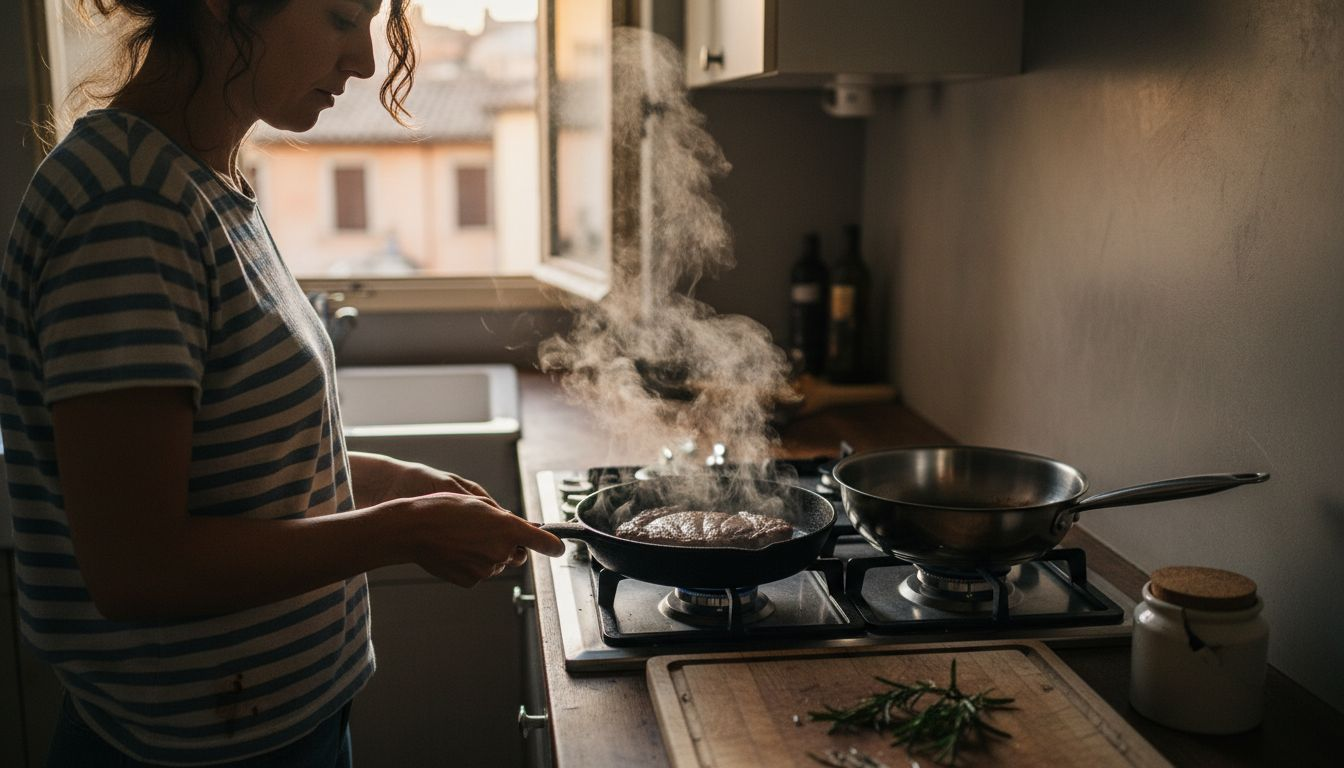
Temperature control represents the most significant differentiator between these materials. Cast iron requires patient preheating but maintains temperature exceptionally well, while stainless steel responds instantly to heat changes, providing greater cooking flexibility.
This summary highlights optimal uses for each material in European kitchens:
| Best For | Cast Iron | Stainless Steel |
|---|---|---|
| Searing & Browning | Steaks, chops, roast vegetables | Chicken fillets, fish, sautéed veg |
| Slow Cooking | Stews, casseroles, braises | Delicate sauces, risottos |
| Acidic Dishes | Less suitable—may leach iron | Ideal—resists acid reactions |
| Quick Adjustments | Not ideal—slow heat shifts | Perfect—very fast response |
Pro tip: Choose your cookware based on the specific cooking technique you’ll be using, understanding each material’s unique heat management properties.
Maintenance, Safety, and Longevity
Maintenance and durability represent critical considerations for European home cooks when selecting cookware. Cast iron’s maintenance requirements demand consistent care to ensure generations of reliable cooking performance.
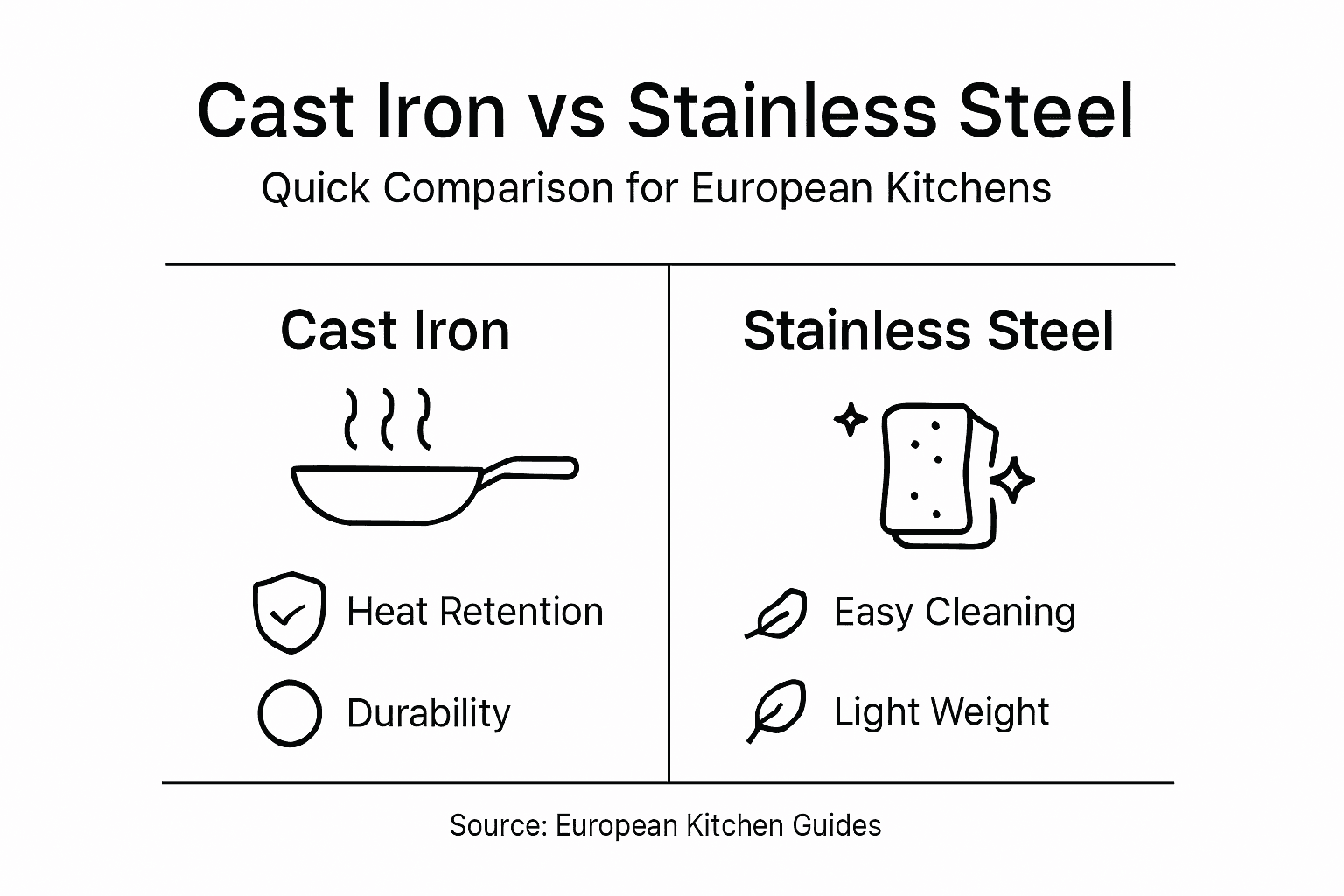
Cast iron maintenance involves several crucial steps:
- Regular seasoning to maintain non-stick surface
- Careful drying after each use to prevent rust
- Avoiding prolonged exposure to moisture
- Gentle cleaning with minimal water
- Occasional re-seasoning to restore protective layer
Stainless steel, by contrast, offers remarkable maintenance convenience with its robust and low-maintenance design:
- Dishwasher-safe construction
- Naturally corrosion-resistant
- No seasoning required
- Tolerant of metal utensils
- Resistant to scratching and wear
Safety considerations differ significantly between these materials. Cast iron’s dense construction makes it nearly indestructible, but it requires careful handling to prevent potential issues with acidic foods. Stainless steel provides superior safety for diverse cooking scenarios, particularly when preparing ingredients with high acid content.
Longevity depends on understanding each material’s unique characteristics. Cast iron can last generations with meticulous maintenance, while stainless steel offers consistent performance with minimal intervention. European kitchens increasingly appreciate both materials for their distinct advantages in durability and cooking performance.
Pro tip: Invest time in understanding your cookware’s specific maintenance requirements to maximise its lifespan and cooking performance.
Cost, Health, and Use Case Comparison
Understanding the nuanced differences between cast iron and stainless steel requires a comprehensive evaluation of cost, health, and functional considerations. European home chefs must navigate these materials’ unique attributes to make informed cookware selections.
Cost considerations reveal interesting contrasts:
- Cast iron typically offers lower upfront investment
- Cast iron can last generations with proper maintenance
- Stainless steel often commands higher initial prices
- Stainless steel provides longer-term cooking versatility
- Investment depends on individual cooking requirements
Health implications vary significantly between these materials:
- Cast iron can naturally supplement dietary iron intake
- Cast iron requires careful maintenance to prevent potential health risks
- Stainless steel remains chemically inert during cooking
- Stainless steel prevents potential mineral leaching
- Both materials offer safe cooking when used correctly
Use cases demonstrate the complementary nature of these cooking surfaces. Cooking style determines ideal material selection, with each material excelling in specific culinary scenarios. Cast iron dominates high-heat, slow-cooking techniques, while stainless steel provides precision for delicate preparations.
Professional European kitchens increasingly recognise that successful cooking requires understanding each material’s strengths. Cast iron’s robust character complements stainless steel’s refined performance, creating a dynamic cooking ecosystem.
Pro tip: Consider building a versatile kitchen arsenal that includes both cast iron and stainless steel cookware to maximise your cooking potential.
Discover the Perfect Balance Between Cast Iron and Stainless Steel with Carbon Steel Cookware
Choosing between cast iron and stainless steel pans can be challenging for European kitchens seeking durability, heat control and easy maintenance. This article highlights key pain points such as seasonal care, reactivity with food and cooking versatility. If you want a cookware material that combines excellent heat retention, natural nonstick capabilities and modern convenience then a high-quality carbon steel pan is your ideal solution. Carbon steel offers the best of both worlds with a single-piece forged construction and a natural patina that improves cooking performance over time.
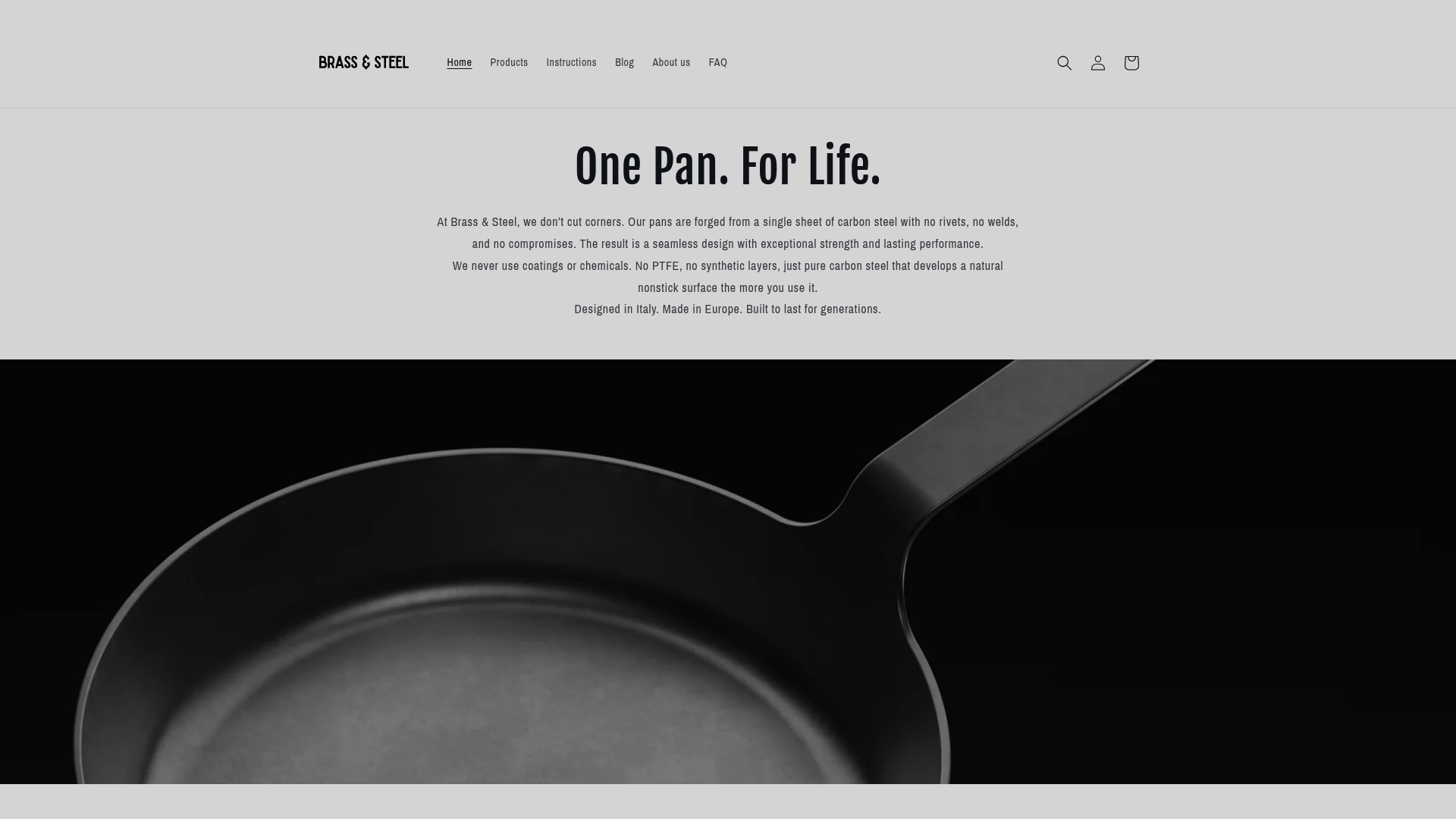
Explore our Carbon Steel Collection | Brass&Steel – Brass & Steel for heirloom-quality pans that respond quickly to heat and develop a safe, natural nonstick surface through seasoning. Designed and forged in Poland with Italian design roots, our pans deliver professional-grade performance without the upkeep headaches common to cast iron. Ready to upgrade your kitchen arsenal? Visit Brass & Steel to discover why carbon steel cookware is the trusted choice for serious cooks. Don’t miss our New arrivals – Brass & Steel for the latest innovations crafted to enhance your cooking experience.
Frequently Asked Questions
What are the main differences between cast iron and stainless steel pans?
Cast iron pans are known for their excellent heat retention, natural non-stick surface when seasoned, and durability. They are heavier and may react with acidic foods. Stainless steel pans, in contrast, offer rapid heating, are non-reactive, and have a shiny, modern appearance. They are typically lighter and use complex layered construction for better heat distribution.
Which type of pan is better for searing meat?
Cast iron pans are ideal for searing meat due to their exceptional thermal mass, allowing them to maintain consistent high temperatures. This makes them perfect for achieving a good browning effect on steaks and other meats.
How do I maintain cast iron cookware?
To maintain cast iron cookware, regularly season the pan to maintain its non-stick surface, carefully dry it after each use to prevent rust, and avoid prolonged exposure to moisture. Use minimal water for cleaning, and occasionally re-season it to restore its protective layer.
Is stainless steel cookware safe for cooking acidic foods?
Yes, stainless steel cookware is safe for cooking acidic foods as it is non-reactive. Unlike cast iron, which may leach iron into food when cooking acidic dishes, stainless steel prevents this interaction, making it suitable for delicate sauces and other acidic ingredients.
Recommended
- Cast Iron vs Stainless – Choosing Your Kitchen Essential – Brass & Steel
- Carbon Steel vs Stainless Steel Pan: Which Cooks Best? – Brass & Steel
- Carbon Steel vs Stainless Steel Cookware – What Every Chef Needs to Kn – Brass & Steel
- Carbon Steel Fry Pan vs Stainless Steel: Essential Differences for Ser – Brass & Steel