Master your deep frying pan choice with expert tips
Choosing the right deep frying pan transforms your kitchen’s frying performance and safety. Professional chefs across Europe face critical decisions about depth, material, and heat responsiveness when selecting pans for high-volume deep frying. This guide examines essential criteria, compares leading carbon steel and cast iron options, and delivers expert-backed recommendations to help you select cookware that delivers consistent results. Whether you’re equipping a professional kitchen or upgrading your home setup, understanding these selection factors ensures you invest in pans that match your cooking style and stove capabilities.
Table of Contents
- Key takeaways
- Essential criteria for choosing a deep frying pan
- Top deep frying pan options for professionals
- Carbon steel vs cast iron: comparative insights for deep frying
- Expert recommendations for selecting your deep frying pan
- Discover premium carbon steel pans at Brass & Steel
- FAQ
Key Takeaways
| Point | Details |
|---|---|
| Carbon steel responsiveness | Carbon steel heats quickly and offers precise temperature control, making it ideal for kitchens with lower BTU outputs. |
| Depth and safety | Deeper pans contain oil splatter and allow proper submersion for consistent frying. |
| French carbon steel preference | European professionals favour French carbon steel pans for durability and performance in high volume kitchens. |
| Spider strainers | Spider strainers complement carbon steel woks for effective deep frying. |
Essential criteria for choosing a deep frying pan
Depth stands as the primary consideration when selecting a deep frying pan. Deeper pans contain oil splatter effectively whilst holding sufficient volume for proper submersion of ingredients. Prioritise deeper pans for deep frying to maintain safety and achieve consistent frying results. European professionals favour French brands that combine depth with robust construction, particularly for high-volume operations.
Material selection directly impacts your frying experience. Carbon steel offers rapid heat conduction and superior responsiveness, allowing precise temperature adjustments during cooking. The manufacturing process for carbon steel pans creates single-piece construction that eliminates weak points and simplifies cleaning. Cast iron retains heat longer but requires more time to reach frying temperature, making it less suitable for kitchens with lower BTU output.
Pan shape and capacity affect both efficiency and safety during deep frying operations. Wider pans accommodate larger batches but demand more oil to maintain proper depth. Straight-sided designs prevent oil from climbing edges during bubbling, whilst flared sides facilitate easier food removal. Weight becomes crucial during extended service periods, as lighter carbon steel pans reduce fatigue compared to cast iron alternatives.
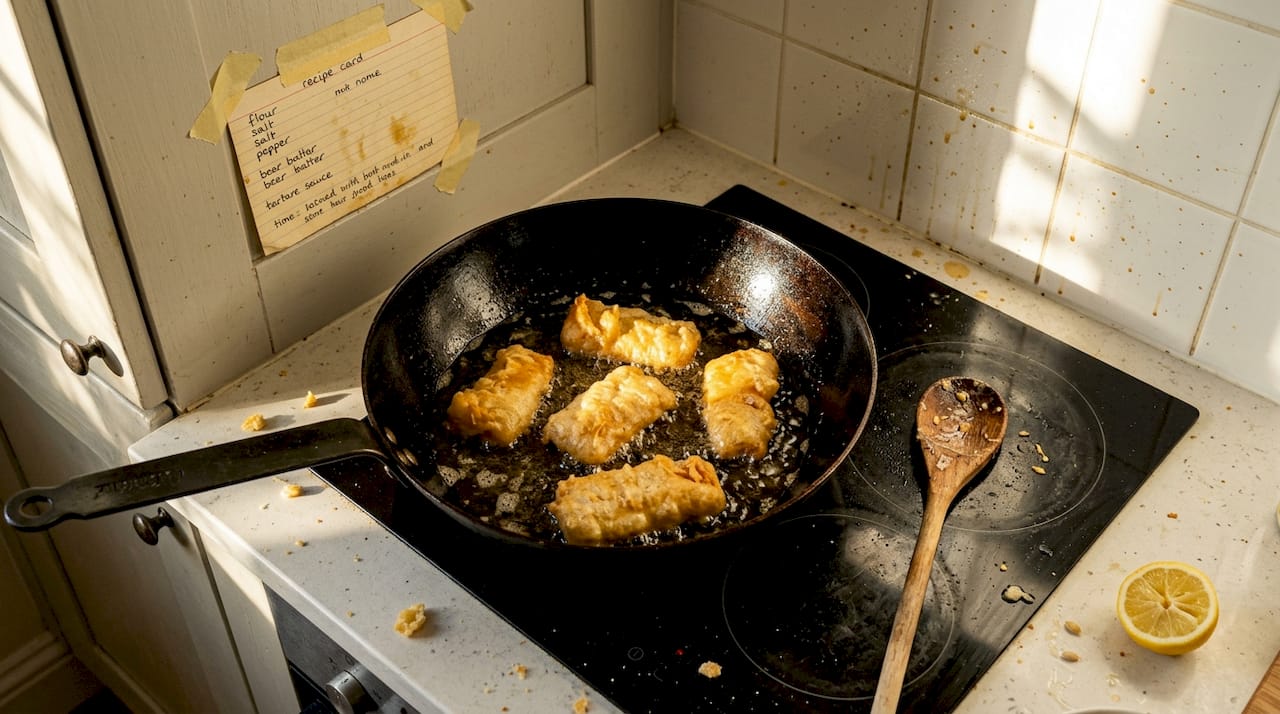
Heat responsiveness matters enormously on home and commercial stoves with moderate BTU ratings. Carbon steel’s quick temperature adjustment prevents the steaming effect that occurs when food sits in insufficiently hot oil. This responsiveness proves essential for maintaining crispy textures and preventing greasiness. Cast iron’s thermal mass works brilliantly for maintaining steady temperatures during batch frying but struggles with rapid adjustments.
Pro Tip: Match your pan material to your stove’s heat output. Carbon steel excels on standard domestic and moderate commercial burners, whilst cast iron shines on high-BTU professional ranges where its heat retention becomes an asset rather than a limitation.
- Depth of 8-12 cm provides optimal oil volume for most frying tasks
- Material thickness affects heat distribution and pan longevity
- Handle design impacts safety during high-temperature operations
- Induction compatibility expands versatility across kitchen setups
Top deep frying pan options for professionals
The Matfer Bourgeat fry pan delivers exceptional depth and heat responsiveness that professional chefs value for consistent frying results. Its 3mm carbon steel construction heats rapidly whilst maintaining structural integrity under daily professional use. The straight sides contain splatter effectively, and the ergonomic handle stays cool enough for safe manoeuvring during service.
De Buyer Lyonnaise pans represent the gold standard in French carbon steel cookware, favoured across European professional kitchens for durability and performance. The beeswax coating protects against rust during storage, whilst the rivetless construction eliminates food traps. Available in multiple depths, these pans suit everything from shallow pan-frying to proper deep frying operations.
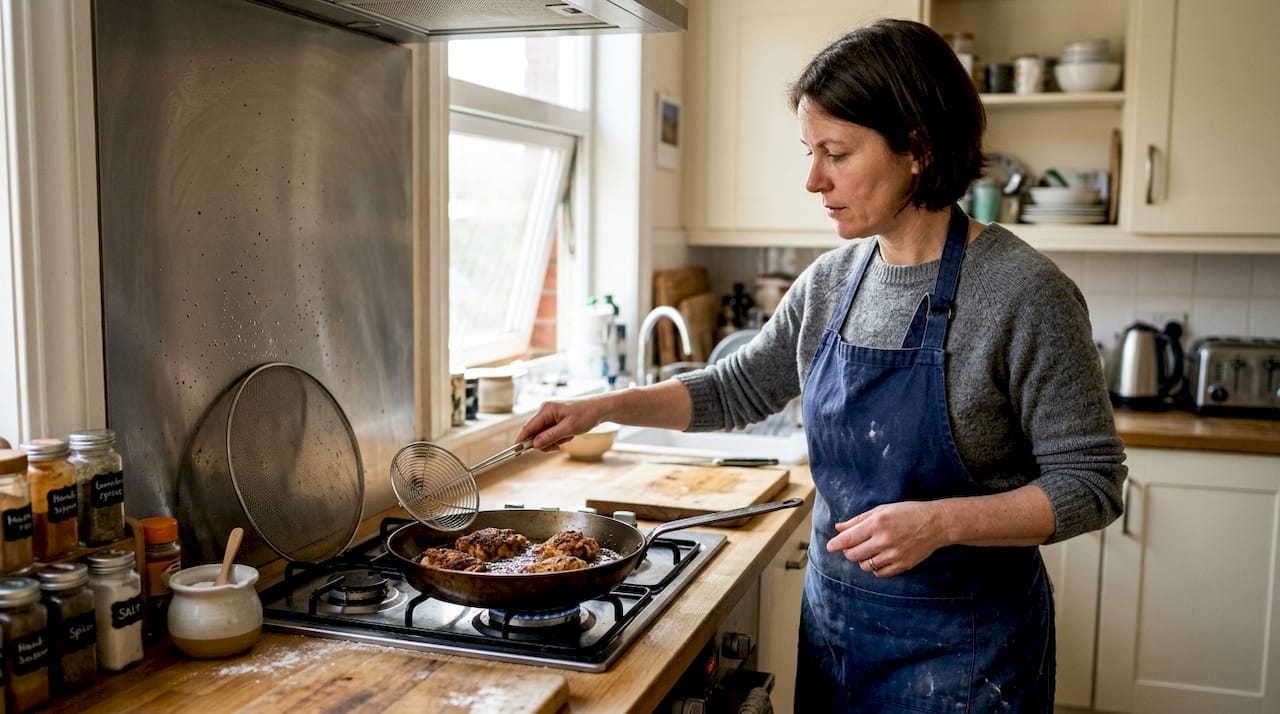
Carbon steel woks provide unmatched volume and heat control for Asian-style deep frying techniques. The rounded bottom concentrates heat whilst the high sides contain oil splatter during vigorous cooking. Professional kitchens pair these with spider strainers for efficient food removal, creating a system that handles high-volume frying with minimal oil usage. The lightweight construction allows for the tossing and tilting essential to proper wok technique.
Brass & Steel sauté pans offer European chefs single-piece forged construction in 27cm and 30cm sizes. The 3mm and 4mm thickness options balance heat responsiveness with durability, whilst the seamless design eliminates weak points common in riveted pans. These pans transition seamlessly from stovetop to oven, expanding their utility beyond deep frying.
- Matfer pans excel in professional kitchens requiring rapid temperature changes
- De Buyer Lyonnaise combines depth with French craftsmanship standards
- Carbon steel woks suit high-volume Asian cooking techniques
- Brass & Steel pans deliver single-piece durability for European chefs
Carbon steel vs cast iron: comparative insights for deep frying
| Feature | Carbon steel | Cast iron |
|---|---|---|
| Heating speed | 3-5 minutes to frying temperature | 8-12 minutes to frying temperature |
| Weight (30cm pan) | 1.5-2.5kg | 3-5kg |
| Temperature adjustment | Immediate response | Gradual change |
| Maintenance | Regular seasoning, quick dry | Regular seasoning, thorough dry |
| Ideal kitchen type | Home, line cooking | Batch production, high-BTU ranges |
Cast iron excels in heat retention but demands patience during heating and cooling phases. The thermal mass that makes cast iron brilliant for maintaining steady frying temperatures also creates challenges on lower-output stoves. Line cooks favour carbon steel for its speed and lighter weight during busy service periods, whilst cast iron finds its place in operations requiring long frying sessions with consistent temperatures.
Heat responsiveness determines how effectively you control frying outcomes. Carbon steel’s quick temperature adjustment prevents the common problem where food steams rather than fries in flat pans. When you add cold ingredients to hot oil, carbon steel recovers temperature faster, maintaining the vigorous bubbling essential for crispy results. Choosing between carbon steel and cast iron ultimately depends on your specific cooking patterns and equipment capabilities.
Weight considerations extend beyond simple handling comfort. During extended service periods, repeatedly lifting a 5kg cast iron pan creates genuine fatigue that affects cooking precision. Carbon steel’s lighter construction allows confident one-handed operation whilst maintaining durability for professional use. The weight difference becomes particularly noticeable when draining oil or transferring pans between stations.
Pro Tip: Test your stove’s heat output before committing to cast iron. If your burner takes longer than 10 minutes to bring a pan to proper frying temperature, carbon steel’s faster heating will deliver better results and more responsive temperature control throughout cooking.
- Carbon steel suits kitchens prioritising speed and manoeuvrability
- Cast iron excels for operations requiring extended heat retention
- Spider strainers complement carbon steel woks for efficient deep frying
- Material choice should align with your stove’s BTU output
Expert recommendations for selecting your deep frying pan
Spider strainers become essential tools when deep frying in carbon steel woks, allowing safe food removal whilst managing oil efficiently. Use spider strainers for wok deep frying to maintain oil temperature and achieve consistent results across batches. This combination delivers the speed and control that professional Asian kitchens demand during high-volume service.
Carbon steel dominates home and line kitchens where speed and lighter weight trump extended heat retention. The material’s responsiveness prevents common frying failures on standard domestic burners, delivering professional results without requiring commercial-grade equipment. Carbon steel’s heat performance particularly shines when cooking techniques demand rapid temperature adjustments between ingredients or cooking stages.
Cast iron serves batch frying operations requiring sustained temperatures over extended periods. The superior heat retention maintains consistent oil temperature when adding multiple portions, reducing temperature fluctuations that cause greasy results. Commercial kitchens with high-BTU ranges maximise cast iron’s strengths whilst minimising its slower heating characteristics.
Stove compatibility determines which material delivers optimal performance in your specific kitchen setup. Match pan material to your equipment’s heat output rather than following generic recommendations. Carbon steel thrives on moderate burners, whilst cast iron requires substantial heat input to reach its potential.
“Carbon steel’s responsiveness beats cast iron for home stoves, avoiding the steaming effect that ruins texture in flat pans. The quick temperature recovery after adding food maintains the vigorous frying action essential for crispy results.”
- Assess your stove’s BTU output before selecting pan material
- Consider weight impact during extended cooking sessions
- Match pan depth to your typical ingredient volumes
- Invest in quality spider strainers for wok-based deep frying
Discover premium carbon steel pans at Brass & Steel
Professional kitchens across Europe trust carbon steel for its combination of responsiveness, durability, and versatility. Brass & Steel crafts single-piece carbon steel pans that eliminate the weak points common in riveted construction, delivering cookware built for demanding professional use. The seamless design simplifies cleaning whilst maintaining structural integrity through years of high-temperature cooking.
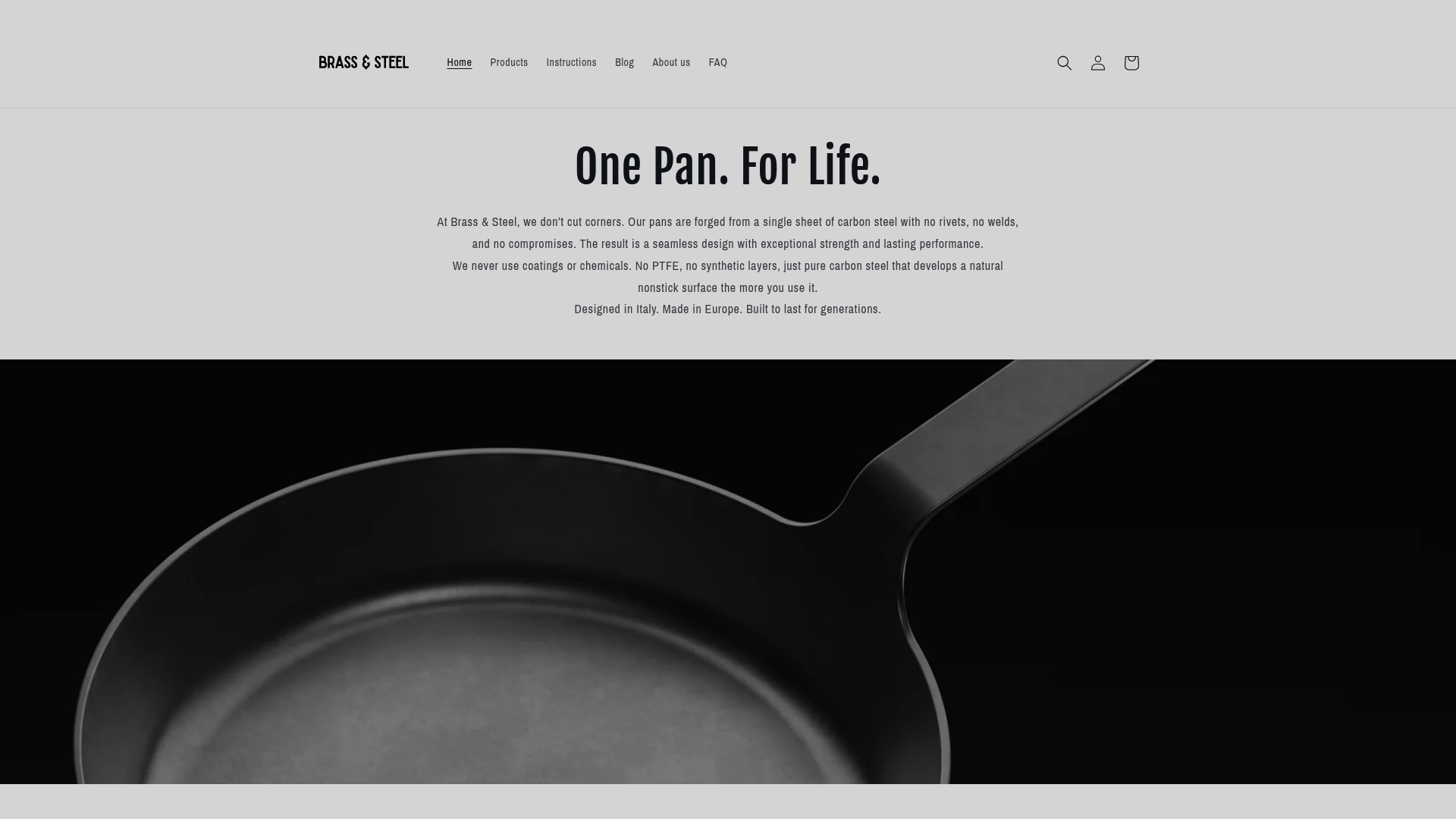
Our 27cm and 30cm sauté pans offer the depth and heat control essential for effective deep frying, whether you’re running a professional kitchen or perfecting techniques at home. The 3mm and 4mm thickness options balance rapid heating with robust construction, whilst the natural seasoning surface develops into a reliable non-stick patina through regular use. Discover how premium carbon steel transforms your frying results with cookware engineered for performance and built to last generations.
FAQ
What is the ideal depth for a deep frying pan?
The ideal depth ranges from 8 to 12 centimetres, allowing sufficient oil volume whilst reducing splatter risk during vigorous frying. French-style carbon steel pans typically offer this depth, combining containment with practical handling. Deeper pans accommodate larger ingredients and higher oil levels essential for proper submersion and even cooking.
Why might carbon steel be preferred over cast iron for deep frying?
Carbon steel’s responsiveness delivers faster heating and better temperature control on lower BTU stoves, avoiding the steaming effect that occurs in flat pans when oil temperature drops. The lighter weight reduces fatigue during extended cooking sessions, whilst the quick heat adjustment maintains optimal frying conditions throughout service. Carbon steel suits kitchens prioritising speed and precise control over extended heat retention.
How can I maintain and season a carbon steel deep frying pan?
Regular seasoning creates a natural non-stick surface and protects against rust between uses. Clean with warm water and minimal soap, dry immediately over gentle heat, then apply a thin oil layer whilst the pan remains warm. This routine maintains the protective patina essential for optimal frying performance and pan longevity.
What tools complement carbon steel pans for deep frying?
Spider strainers safely remove food from hot oil whilst draining excess fat, maintaining crisp texture in deep-fried dishes. These wire mesh tools prove essential when working with carbon steel woks, allowing efficient food handling without disturbing oil temperature. Quality spider strainers withstand high temperatures and simplify batch frying operations in professional kitchens.