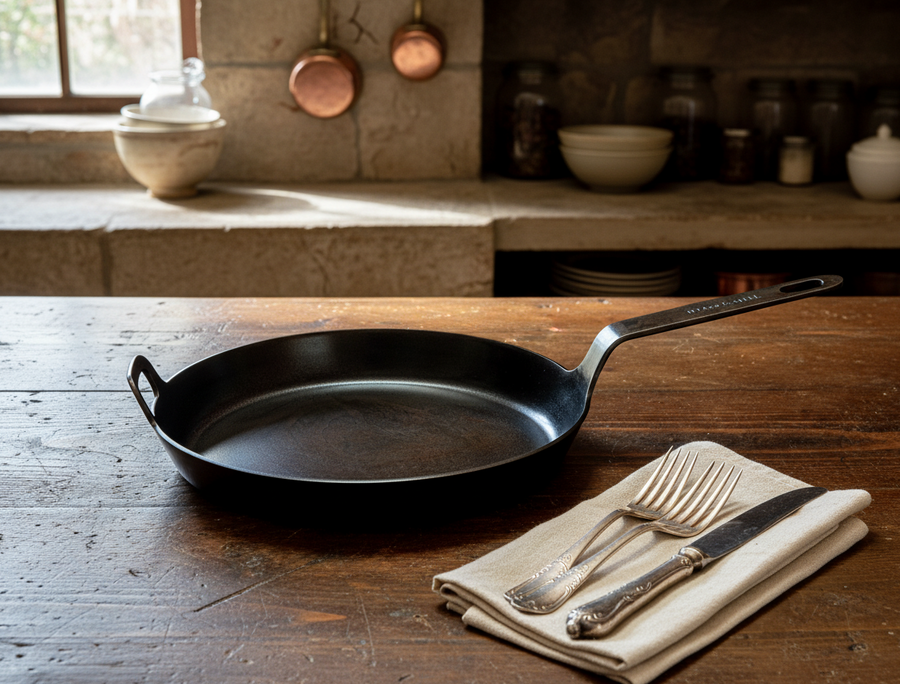
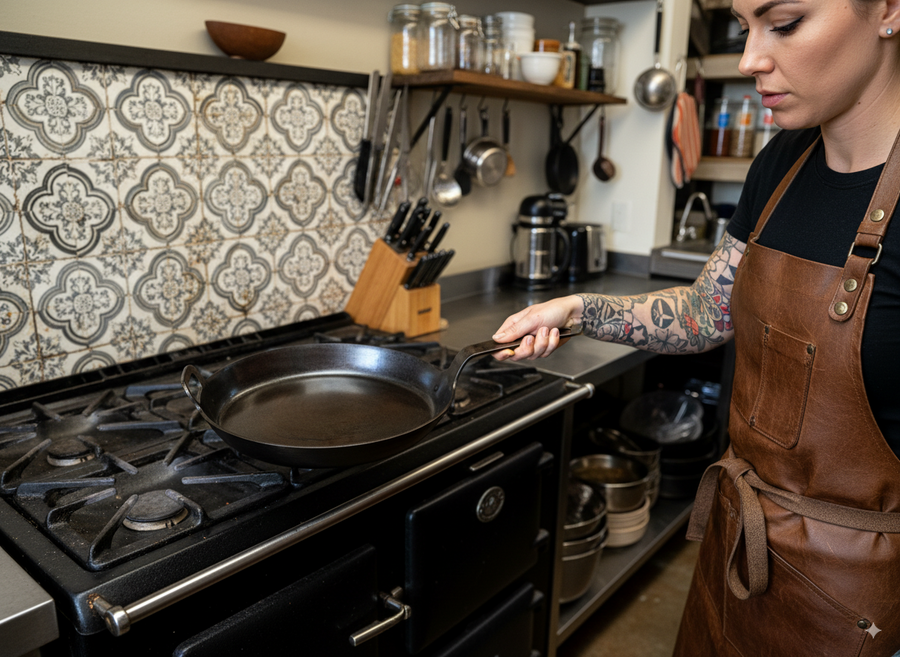
Defining Nonstick Alternatives: Safer Choices for Cooks
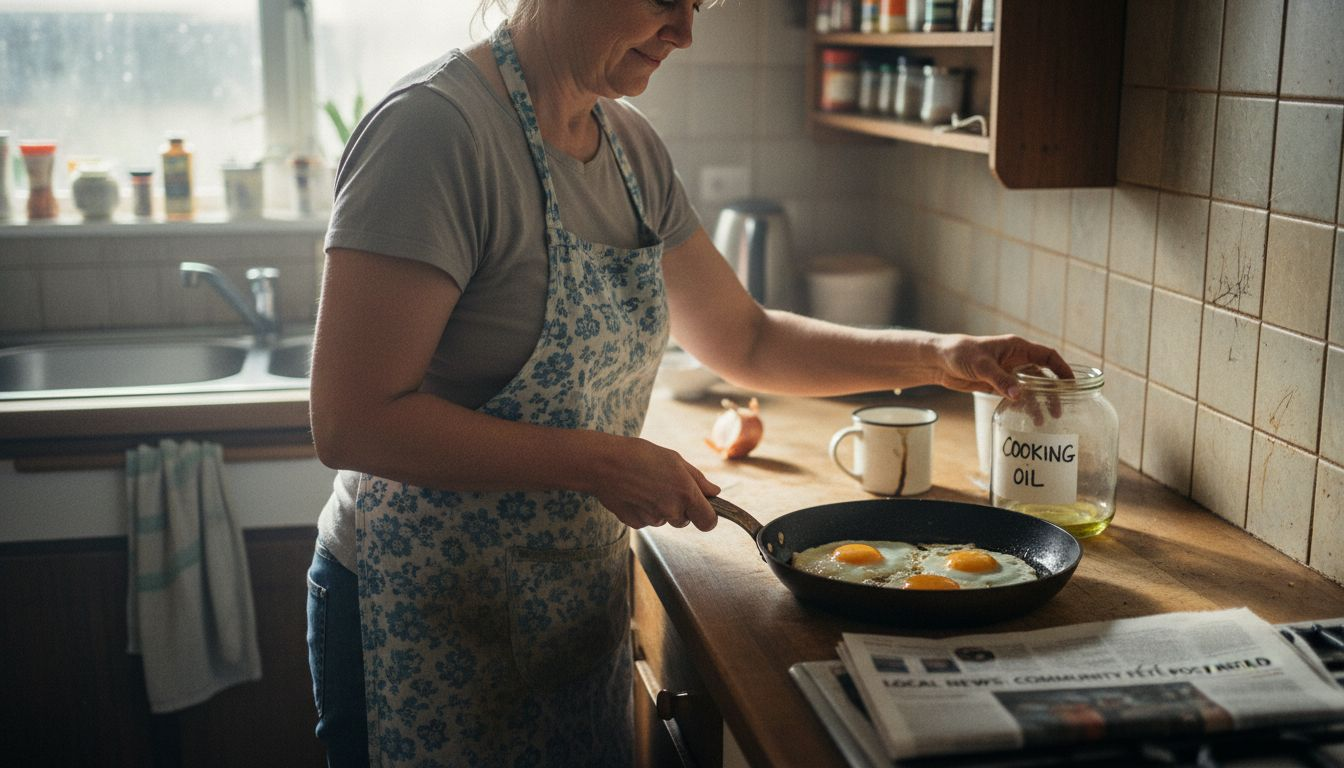
Choosing everyday cookware means weighing health concerns against cooking performance, especially for European kitchens moving away from synthetic coatings. Many home chefs and professionals now seek nonstick alternatives that avoid PTFE, focusing on safer and more robust options like carbon steel. Discover how seasoned carbon steel pans and innovative surface treatments offer chemical-free cooking, reliable results, and benefits that matter for both busy households and demanding restaurant environments.
Table of Contents
- What Is A Nonstick Alternative?
- Types Of Nonstick Alternative Cookware
- How Seasoned Carbon Steel Pans Work
- Health Impact Of Nonstick Coatings
- Comparing Nonstick Alternatives For Performance
Key Takeaways
| Point | Details |
|---|---|
| Nonstick Alternatives | Cookware surfaces such as cast iron, carbon steel, and ceramic offer safer cooking options without harmful coatings. |
| Health Risks of PTFE | Traditional nonstick coatings pose potential health risks, including hormone disruption and immune system issues. |
| Performance Differences | Each material varies significantly in heat conductivity, durability, and maintenance, influencing cooking outcomes. |
| Proper Maintenance | Investing time in seasoning and maintaining cookware enhances its performance and longevity, especially for metals like cast iron and carbon steel. |
What Is a Nonstick Alternative?
A nonstick alternative represents cookware surfaces engineered to minimise food adhesion without relying on traditional synthetic fluoropolymer coatings like PTFE. These alternatives focus on providing cooking surfaces that reduce sticking through alternative material properties and surface treatments.
Traditional nonstick cookware often uses polytetrafluoroethylene (PTFE) coatings, which have raised health and environmental concerns. Cookware alternatives provide safer materials that maintain cooking performance while avoiding potentially harmful chemicals.
Common nonstick alternatives include:
- Seasoned cast iron
- Carbon steel
- Ceramic-coated surfaces
- Stainless steel with proper technique
- Enamelled cookware
Each alternative offers unique benefits. Carbon steel, for instance, develops a natural nonstick patina through seasoning, providing a durable and chemical-free cooking surface. Ceramic coatings offer a smooth surface with minimal sticking, while traditional cast iron provides excellent heat retention and nonstick properties when properly maintained.
Pro tip: Invest time in properly seasoning and maintaining your alternative cookware to maximise its nonstick performance and longevity.
Types of Nonstick Alternative Cookware
Nonstick alternative cookware encompasses several materials designed to provide cooking surfaces with reduced food adhesion while avoiding traditional synthetic coatings. Nonstick cookware technologies have evolved to offer diverse options that prioritise health, performance, and cooking versatility.
The primary types of nonstick alternative cookware include:
- Cast Iron: A classic material that develops natural nonstick properties through seasoning. When properly maintained, cast iron creates a smooth, polymerised fat layer that prevents food from sticking.
- Carbon Steel: Similar to cast iron, carbon steel develops a nonstick patina through careful seasoning. It offers excellent heat conductivity and durability.
- Ceramic-Coated Cookware: Provides a smooth, synthetic surface free from PFAS chemicals. These coatings offer moderate nonstick performance with easier cleaning.
- Stainless Steel: Requires proper technique and oil usage to minimise sticking. Professional chefs often prefer stainless steel for its durability and even heat distribution.
- Silicone-Based Cookware: Offers low-stick properties and is particularly useful for baking and non-high-temperature cooking applications.
Each alternative brings unique characteristics to the kitchen. Seasoned metals like cast iron and carbon steel offer the most traditional nonstick experience, developing a natural protective layer through repeated use. Ceramic and silicone options provide modern alternatives with reduced maintenance requirements.
Here’s a summary comparing popular nonstick alternative cookware materials:
| Material | Natural Nonstick Source | Heat Conductivity | Maintenance Effort |
|---|---|---|---|
| Cast Iron | Seasoned oil patina | Moderate | High, requires regular oiling |
| Carbon Steel | Developed seasoning layer | High | Moderate, needs periodic care |
| Ceramic-Coated | Smooth ceramic finish | Moderate | Low, simple washing |
| Stainless Steel | Cooking technique and oil | High | Moderate, needs proper use |
| Silicone-Based | Inherent material property | Low | Very low, easy to clean |
Pro tip: Experiment with different nonstick alternative cookware to discover which material best suits your specific cooking style and maintenance preferences.
How Seasoned Carbon Steel Pans Work
Carbon steel pans develop a unique nonstick surface through a process called seasoning, which transforms the bare metal into a naturally slick cooking surface. Carbon steel pan seasoning creates a protective layer that prevents rust and enhances cooking performance.
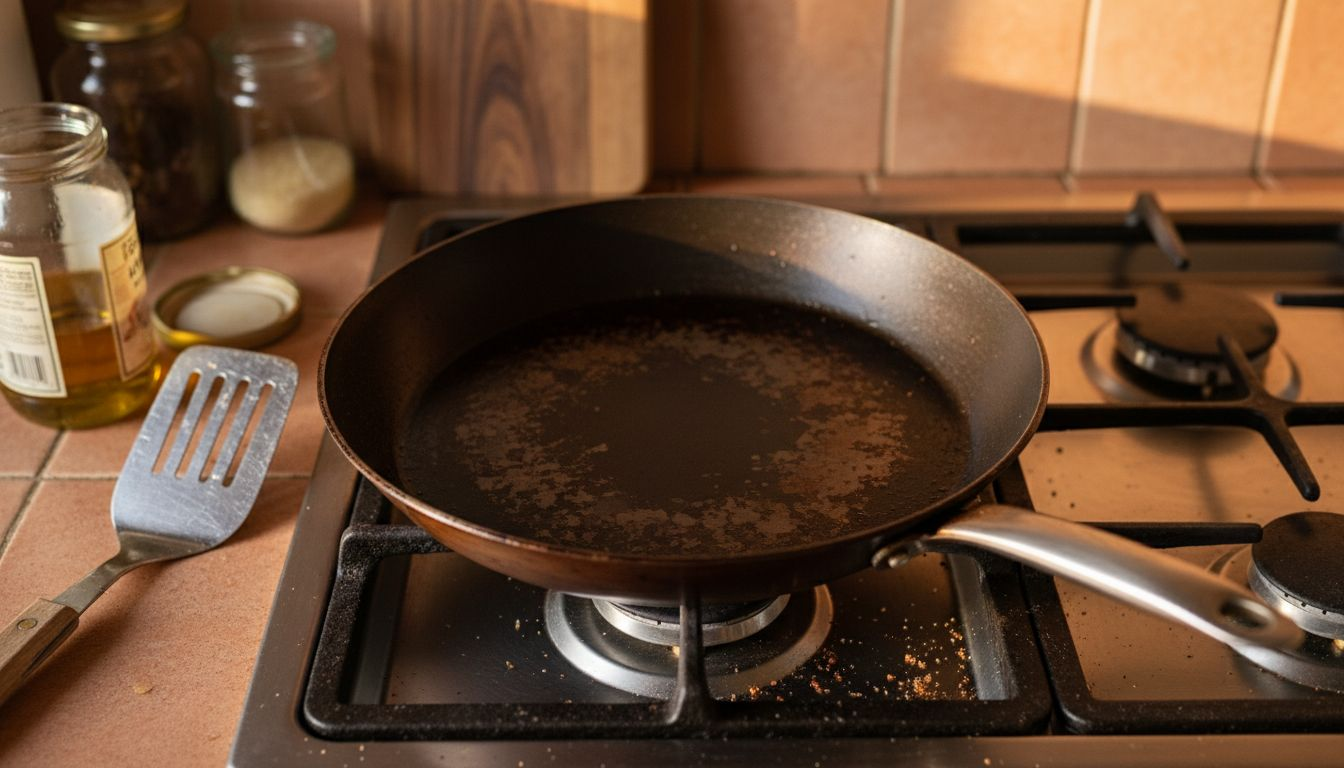
The seasoning process works through polymerisation, where oils and fats are heated to create a hard, plastic-like coating that bonds permanently to the pan’s surface. This molecular transformation occurs when cooking oils are heated beyond their smoke point, causing them to break down and restructure into a smooth, hydrophobic layer that fills the microscopic pores in the metal.
Key characteristics of seasoned carbon steel pans include:
- Naturally developing nonstick properties
- Improved rust resistance
- Enhanced heat conductivity
- Ability to release oils slowly during cooking
- Increased durability with proper maintenance
As you continue to cook with the pan, the seasoning layer becomes more robust. Fatty foods, high-heat cooking, and proper cleaning techniques all contribute to building and maintaining an excellent seasoning. The more you use the pan, the more nonstick and resilient the surface becomes, creating a unique cooking surface that improves with age.
Pro tip: Always use a thin layer of oil when cooking and avoid using harsh scrubbers to preserve and gradually improve your carbon steel pan’s seasoning.
Health Impact of Nonstick Coatings
Traditional nonstick cookware containing polytetrafluoroethylene (PTFE) has raised significant health concerns among medical and environmental researchers. Persistent chemical exposures from these coatings can potentially lead to serious long-term health risks, including hormone disruption and immune system complications.
The primary health risks associated with traditional nonstick coatings stem from perfluoroalkyl substances (PFAS), which can be released when cookware is overheated or damaged. These chemicals are known as ‘forever chemicals’ because they do not break down easily in the human body or environment. When nonstick pans are heated beyond 260°C, they can emit toxic fumes that cause immediate respiratory irritation and potentially more severe health complications.
Key health risks of traditional nonstick coatings include:
- Potential hormone disruption
- Increased cancer risk
- Immune system suppression
- Potential developmental challenges
- Long-term environmental contamination
Research suggests that alternative cookware materials like carbon steel, cast iron, and ceramic provide safer cooking surfaces without the chemical risks associated with traditional nonstick coatings. These alternatives offer natural nonstick properties and do not release harmful substances during normal cooking temperatures.
Pro tip: Replace older nonstick cookware with scratched or worn surfaces to minimise potential chemical exposure during cooking.
Comparing Nonstick Alternatives for Performance
Comparing nonstick alternatives requires understanding the unique performance characteristics of different cookware materials. Cookware performance varies significantly based on heat conductivity, durability, maintenance requirements, and cooking technique.
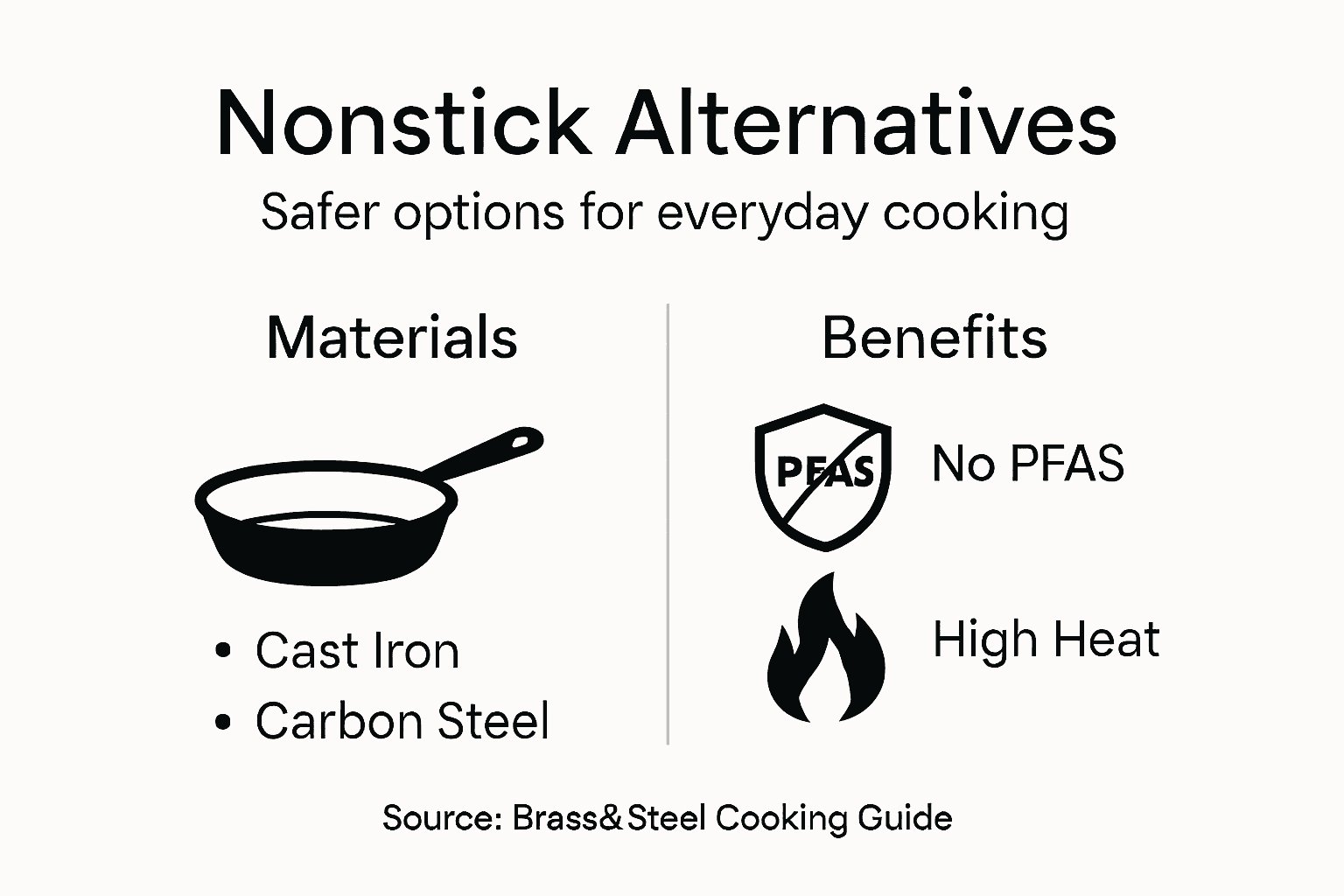
Cast iron and carbon steel represent traditional nonstick alternatives with exceptional heat retention and durability. These materials develop a natural nonstick surface through seasoning, offering superior performance for high-temperature cooking. Carbon steel, in particular, provides rapid and even heat distribution, making it ideal for professional and home kitchens seeking responsive cooking surfaces.
Key performance comparisons include:
- Cast Iron: Excellent heat retention, naturally nonstick when seasoned
- Carbon Steel: Quick heat response, lightweight compared to cast iron
- Ceramic Coatings: Smooth surface, moderate nonstick properties
- Stainless Steel: Durable, requires more cooking technique
- Silicone Coatings: Easy to clean, limited high-temperature performance
Ceramic and silicone coatings offer easier maintenance but typically have shorter functional lifespans compared to seasoned metal surfaces. Stainless steel requires more cooking skill to prevent sticking but provides unparalleled durability and chemical-free cooking.
Pro tip: Match your cookware choice to your specific cooking style, considering heat requirements, maintenance willingness, and preferred cooking techniques.
To help you decide, here is a quick reference to the suitability of each nonstick alternative for different cooking methods:
| Material | Best For | Not Ideal For |
|---|---|---|
| Cast Iron | Searing, baking | Acidic foods, fast boiling |
| Carbon Steel | Stir-fry, sautéing | Cooking sauces, long simmering |
| Ceramic-Coated | Egg dishes, pancakes | High-heat searing |
| Stainless Steel | Browning, deglazing | Delicate, sticky foods |
| Silicone-Based | Baking, moulds | Stovetop frying, grilling |
Embrace Healthier, High-Performance Cooking with Carbon Steel
If you are searching for a reliable, safe, and natural nonstick alternative to traditional cookware this article highlights the importance of cookware free from harmful PTFE coatings. At Brass & Steel, we specialise in high-quality carbon steel pans that develop a durable, chemical-free nonstick patina through seasoning. Our pans are crafted from a single piece of carbon steel ensuring superior strength, excellent heat responsiveness and easy maintenance. Discover the benefits of professional carbon steel cookware that meets your health-conscious and cooking performance goals.
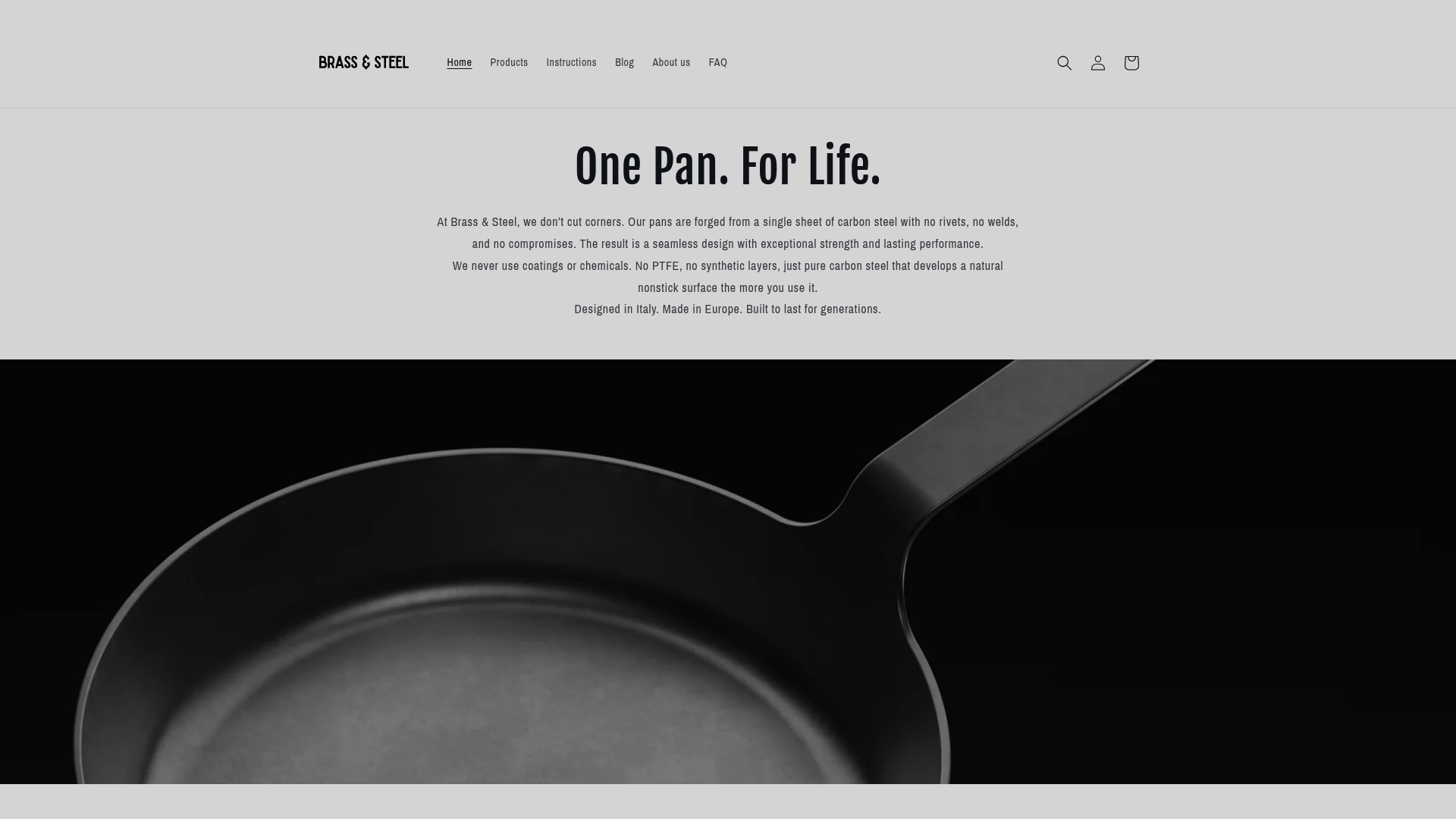
Explore our exclusive Carbon Steel Collection | Brass&Steel to start building your heirloom-quality kitchen arsenal today. Visit https://brass-steel.com to find the perfect 27 cm carbon steel pan or 30 cm carbon steel pan that fits your cooking style. Take control of your health and cooking efficiency by switching to an induction-compatible pan that rewards your care and attention with every meal.
Frequently Asked Questions
What are nonstick alternatives?
Nonstick alternatives are cookware materials designed to minimise food sticking without using traditional synthetic coatings like PTFE. They focus on safety and performance, providing options like seasoned cast iron, carbon steel, ceramic-coated surfaces, stainless steel, and enamelled cookware.
How do I maintain seasoned carbon steel pans for optimal performance?
To maintain seasoned carbon steel pans, always use a thin layer of oil when cooking, avoid harsh scrubbers during cleaning, and regularly season the pan to build up the nonstick patina. Proper maintenance enhances the pan’s longevity and cooking performance.
What are the health risks associated with traditional nonstick coatings?
Traditional nonstick coatings, primarily made from PTFE, raise health concerns due to chemicals known as PFAS, which can emit toxic fumes when overheated or damaged. These chemicals are linked to hormone disruption, increased cancer risk, and long-term environmental impacts.
Which nonstick alternative is best for high-temperature cooking?
Cast iron and carbon steel are excellent choices for high-temperature cooking, as they develop natural nonstick surfaces through seasoning and provide superior heat retention and responsiveness. They are ideal for searing, frying, and other high-heat applications.