Essential kitchen pots and pans: your practical guide
TL;DR:
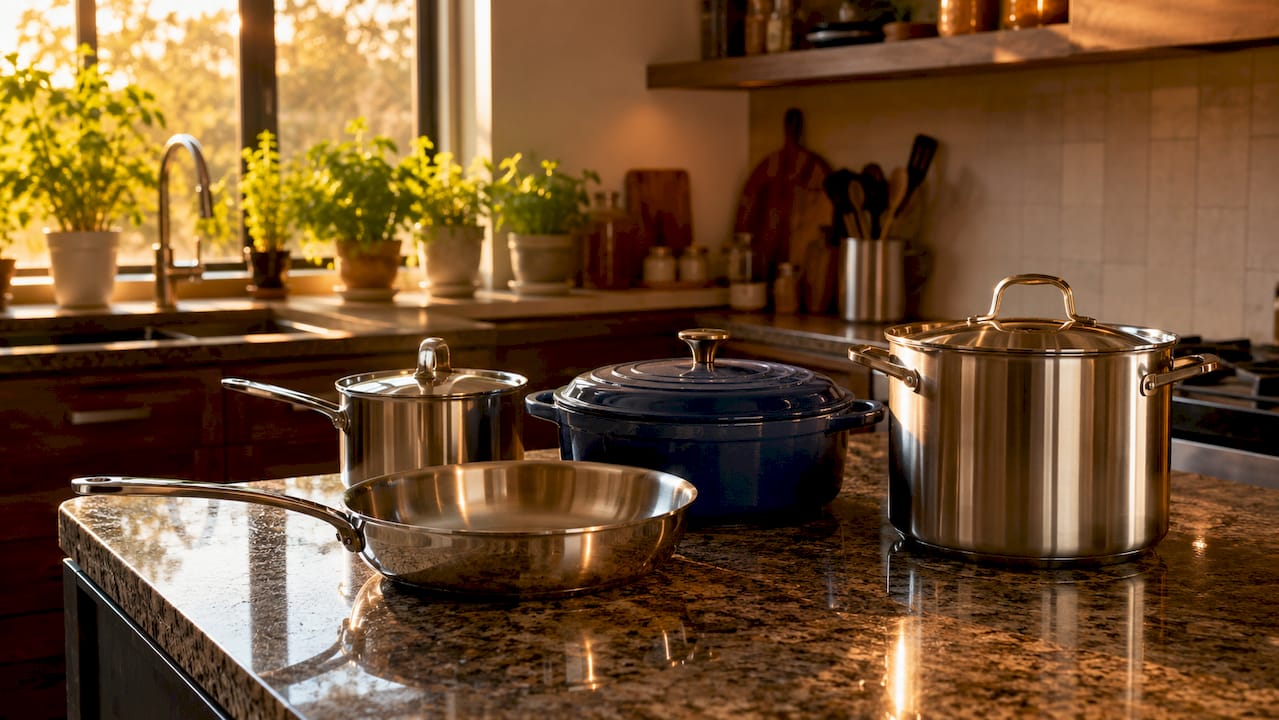
- A focused set of five high-quality cookware pieces, mainly stainless steel and carbon steel, covers most home cooking needs. These include a versatile skillet, saucepan, Dutch oven, stockpot, and non-stick pan for delicate tasks. Properly choosing and caring for these essentials ensures durable, effective cookware that replaces larger, less-used sets.
Essential kitchen pots and pans are a focused set of four to five versatile pieces that cover nearly every cooking technique you will use at home. Brands like All-Clad, Le Creuset, and Brass-steel have long argued that quality over quantity delivers better results than a bulky 10-piece set gathering dust in a cupboard. Stainless steel leads as the primary material for durability and versatility, while carbon steel earns its place for high-heat performance. Get these five pieces right and you will rarely need anything else.
1. What makes a stainless steel skillet the ultimate versatile pan?
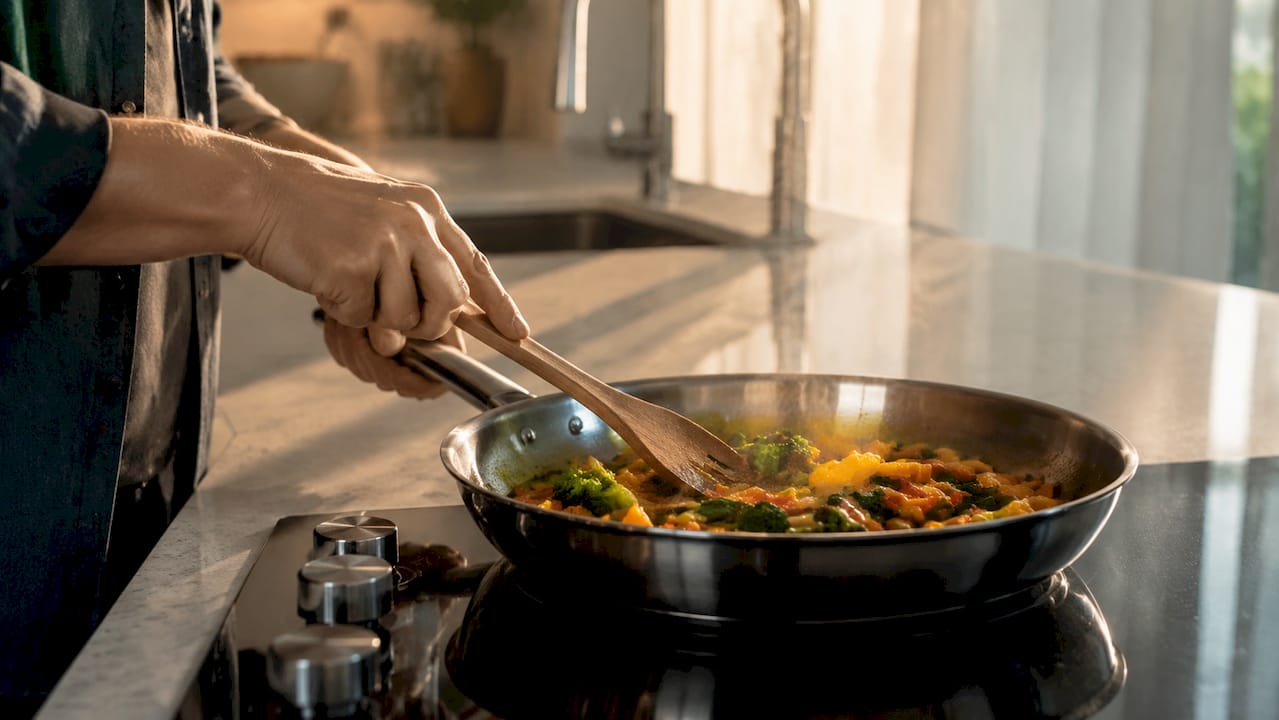
A 10–12 inch stainless steel skillet is the single most useful pan in any kitchen. It handles searing, frying, browning, and building fond, which is the caramelised residue that forms the base of great sauces. Stainless steel tolerates high heat and goes straight from hob to oven without complaint.
The key advantages of a stainless steel skillet are:
- Durability. Stainless steel does not chip, warp easily, or degrade over time.
- Non-reactivity. It will not affect the flavour of acidic ingredients like tomatoes or wine.
- Fond development. Food sticks slightly at first, then releases, leaving flavour-packed residue for pan sauces.
- Oven safety. Most stainless steel skillets are oven-safe to at least 230°C (450°F).
- Lifetime use. Heirloom-quality pans in stainless steel or carbon steel can last decades.
Pro Tip: Choose a tri-ply or three-layer construction, which sandwiches an aluminium core between two layers of stainless steel. This gives you even heat distribution across the whole base and up the sides, eliminating hot spots.
For limited kitchen space, a 12-inch skillet is the smarter buy over a 10-inch. It accommodates small quantities easily, but the reverse is not true. Cleaning is straightforward: deglaze with water while the pan is still warm, scrub with a non-scratch pad, and dry immediately.
2. Why a 2–3 quart saucepan is your daily liquid cooking essential
A 2–3 quart saucepan is the workhorse for everyday liquid cooking. It is the right size for making sauces, cooking rice, simmering oatmeal, boiling eggs, and reheating leftovers without wasting energy on a larger pot.
The benefits of keeping a good saucepan in your collection include:
- Tight-fitting lid. Traps steam and preserves heat, cutting cooking time for grains and pulses.
- Stainless steel construction. Resists staining from tomato-based or acidic sauces.
- Precise temperature control. A smaller pan responds faster to heat adjustments than a large stockpot.
- Easy pouring. Many models include a lip or spout for draining pasta water or pouring sauces cleanly.
Stainless steel wins here over aluminium or non-stick coated saucepans. It handles acidic reductions without discolouring the sauce and cleans up reliably after sticky caramel or jam. Fill it no more than two-thirds full when simmering to avoid boil-overs.
3. The Dutch oven or sauté pan: a multi-tasker for braising and baking
A 4–6 quart Dutch oven or deep sauté pan is the piece that replaces several others. Dutch ovens support stovetop braising, slow cooking, and oven baking in a single vessel. That versatility makes them a favourite among culinary professionals and home cooks alike.
What you can do with a Dutch oven or large sauté pan:
- Braise short ribs or chicken thighs low and slow in the oven.
- Make soups and stews from scratch on the hob.
- Bake a crusty sourdough loaf by trapping steam inside the lid.
- Fry in deeper oil than a skillet allows.
- Cook large batches of pasta sauce or curry for the week ahead.
Enamelled cast iron, as made by Le Creuset, is the classic choice. It retains heat brilliantly and moves from hob to oven to table without a second thought. High-quality stainless steel versions are lighter and easier to handle daily. For small kitchens with limited storage, a Dutch oven genuinely replaces both stockpots and saucepans for many tasks.
4. Stockpots: why a large 6–8 quart pot earns its place
A 6–8 quart stockpot is the piece you reach for when cooking at scale. It is the right tool for making chicken or beef stock, boiling a large batch of pasta, cooking corn on the cob, or preparing soup for a crowd.
Reasons to keep a stockpot in your kitchen:
- Capacity. A Dutch oven cannot comfortably hold 500g of dried pasta plus enough water to cook it properly.
- Tall sides. These reduce evaporation during long simmers, which matters for stocks and broths.
- Batch cooking. One large pot of stock or soup fills several containers for the freezer, saving time across the week.
- Family meals. Feeding four or more people regularly makes a stockpot indispensable.
Stainless steel is the best material choice for a stockpot. It is lighter than cast iron, non-reactive with acidic broths, and easy to clean. Look for a thick base to prevent scorching when reducing sauces. Storage is the main drawback, so choose a model with a lid that doubles as a colander if space is tight.
5. The specialist non-stick pan: when and why you need it
A non-stick pan has one clear job: cooking delicate foods that would stick to stainless steel or carbon steel. Eggs, fish fillets, and thin crêpes all benefit from a surface that releases without effort or added fat.
Key points about non-stick pans:
- Reserve it for delicate tasks. Do not use it for searing meat or building fond. Non-stick coatings prevent fond development, which is exactly what makes stainless steel and carbon steel so useful for sauces.
- Treat it as a consumable. Non-stick pans need replacing every 2–3 years regardless of price, because coatings degrade with heat over time.
- Choose your coating. PTFE-based coatings (commonly known as Teflon) are the most slippery. Ceramic non-stick is PTFE-free but tends to lose its release properties faster.
- Keep heat moderate. High heat accelerates coating breakdown on any non-stick surface.
Pro Tip: Never use metal utensils on a non-stick pan. Silicone or wooden tools protect the coating and extend the pan’s useful life significantly.
A non-stick pan is a supporting player, not a lead. Buy a mid-range model, use it gently, and replace it when the coating shows wear.
6. Comparing essential cookware materials: which to prioritise?
Cooking technique dictates material choice. Stainless steel and carbon steel suit high-heat searing and fond development. Non-stick coatings intentionally prevent these reactions. Cast iron retains heat longer than any other material but takes time to heat up evenly.
| Material | Heat conductivity | Durability | Best use | Care level |
|---|---|---|---|---|
| Stainless steel | Good (tri-ply: excellent) | Lifetime | Searing, sauces, boiling | Low |
| Carbon steel | Excellent | Lifetime | Searing, sautéing, high heat | Medium (seasoning required) |
| Cast iron | Slow but excellent retention | Lifetime | Braising, baking, slow cooking | Medium |
| Non-stick (PTFE/ceramic) | Good | 2–3 years | Eggs, fish, crêpes | Low but fragile |
Carbon steel sits between stainless steel and cast iron. It heats up faster than cast iron, responds to temperature changes quickly, and builds a natural non-stick patina through seasoning. Brass-steel’s carbon steel sauté pans, forged from a single piece of steel without rivets or welds, are a strong example of this category. For a detailed breakdown, the carbon steel vs stainless steel comparison from Brass-steel covers the practical differences clearly.
Key takeaways
A focused set of four to five quality pieces, built around stainless steel and carbon steel, outperforms any large budget cookware set for everyday and gourmet cooking.
| Point | Details |
|---|---|
| Start with four to five pieces | A 10–12 inch skillet, 2–3 quart saucepan, Dutch oven, stockpot, and non-stick pan cover nearly all tasks. |
| Prioritise stainless and carbon steel | Both materials last decades and support searing and sauce-making via fond development. |
| Treat non-stick as disposable | Replace non-stick pans every 2–3 years and reserve them for eggs, fish, and delicate foods only. |
| Size up your skillet | A 12-inch skillet handles small and large quantities; a 10-inch cannot always do the same. |
| Dutch ovens save space | One Dutch oven replaces a stockpot and saucepan for many tasks, ideal for smaller kitchens. |
Why I stopped buying cookware sets years ago
I used to own a 12-piece cookware set. It lived in a deep cupboard, and I used three pieces of it regularly. The rest collected grease and took up space I did not have. The moment I sold the set and replaced it with four carefully chosen pieces, my cooking actually improved. Less clutter means faster decisions at the hob.
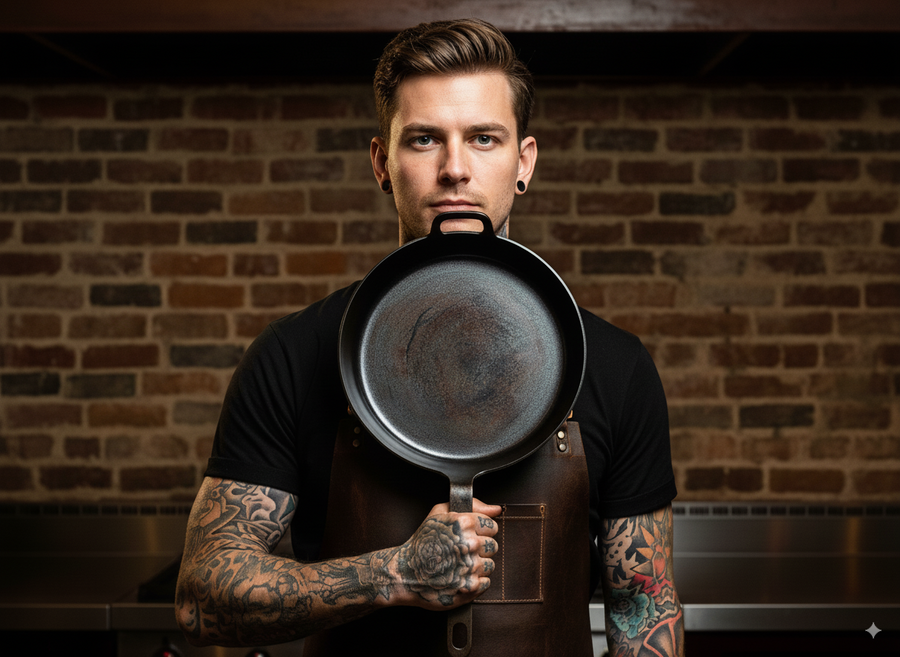
The piece I reach for most is a carbon steel sauté pan. It sears better than stainless steel once it is properly seasoned, responds to heat changes instantly, and goes from hob to oven without a second thought. A sheet pan with a wire rack, often overlooked in these conversations, is another kitchen workhorse I would never give up.
My honest advice: buy fewer pieces and spend more on each one. A good carbon steel or stainless steel pan will outlast you if you treat it well. A cheap 10-piece set will frustrate you within two years. Think about the three or four dishes you cook most often, then buy the pan that does those jobs best.
If you are unsure whether carbon steel or stainless steel suits your cooking style, the stainless steel vs non-stick guide from Brass-steel is a genuinely useful starting point.
— Davide
Build your kitchen collection with Brass-steel
Brass-steel makes carbon steel sauté pans forged from a single piece of steel, free from PTFE, PFOA, and synthetic coatings. The 27 cm pan (€99) suits everyday cooking for one to three people. The 30 cm pan (€119) handles family meals and larger batches with ease. Both work on all cooktops, including induction, and build a natural non-stick patina with use.
If you are ready to move away from coated pans and invest in cookware that genuinely lasts, explore the Brass-steel range and find the right pan for your kitchen.
FAQ
What are the must-have pots and pans for a home kitchen?
The core set is a 10–12 inch stainless steel skillet, a 2–3 quart saucepan, a 4–6 quart Dutch oven or sauté pan, a 6–8 quart stockpot, and a non-stick pan for delicate foods. These four to five pieces cover the vast majority of everyday cooking tasks.
Is carbon steel better than stainless steel for everyday cooking?
Carbon steel heats up faster and develops a natural non-stick surface through seasoning, making it excellent for searing and sautéing. Stainless steel requires no seasoning and handles acidic ingredients without issue, making it more versatile across all cooking tasks.
How long does a non-stick pan last?
Non-stick pans typically need replacing every 2–3 years because coatings degrade with heat over time. Stainless steel and carbon steel pans, by contrast, are considered heirloom-quality pieces that last decades with proper care.
Do I need a Dutch oven if I already have a stockpot?
Not necessarily. A Dutch oven handles braising, baking, and slow cooking that a stockpot cannot, and it replaces a stockpot for many tasks in smaller kitchens. If you cook large batches of pasta or stock regularly, keeping both is worthwhile.
What is the best material for essential kitchen cookware?
Stainless steel is the most versatile choice for daily cooking, handling high heat, acidic ingredients, and oven use without degrading. Carbon steel is the preferred choice for searing and high-heat cooking, building a natural non-stick surface that improves with every use.