Cooking pots explained: types, materials, and how to choose
TL;DR:
- Most home cooks require fewer pots than they imagine, focusing on matching their cookware to their cooking style.
- Choosing the right size, material, lid fit, and cooktop compatibility ensures cookware performs well and lasts longer.
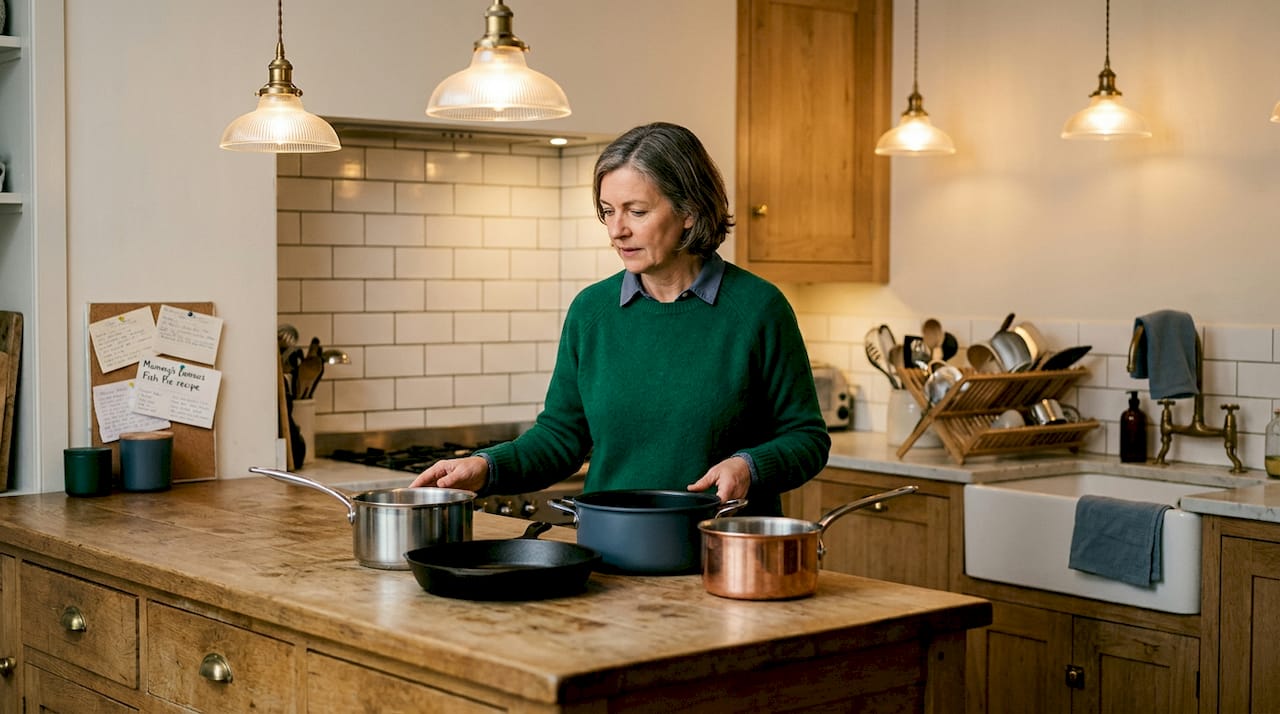
- A small, well-chosen set—such as a saucepan, stockpot, skillet, and Dutch oven—can meet most daily cooking needs effectively.
Walk into any kitchen shop and the sheer number of cooking pots on display can stop you in your tracks. Stockpots, saucepans, Dutch ovens, woks, names for kitchen pans stacked floor to ceiling, each promising to be the one you cannot live without. The truth is, most home cooks need far fewer pots than they think. What matters is choosing the right ones for how you actually cook. This guide breaks down every major type, explains what each does well, and helps you buy cookware that earns its place on your hob every single week.
Table of Contents
- Key takeaways
- 1. How to choose cooking pots: the criteria that actually matter
- 2. Stainless steel cooking pots
- 3. Nonstick cooking pots and pans
- 4. Cast iron cooking pots
- 5. Enameled cast iron cooking pots
- 6. Carbon steel cooking pots and pans
- 7. Aluminium and copper cooking pots
- 8. Specialty pots: Dutch ovens, stockpots, and woks
- 9. Comparing cooking pot materials at a glance
- 10. Practical tips for building your pot collection
- My honest take on buying cooking pots
- Find the right cooking pots for your kitchen
- FAQ
Key takeaways
| Point | Details |
|---|---|
| Match pots to your cooking style | Choosing by technique and household size beats buying by brand or price alone. |
| Material shapes every result | Heat conductivity, reactivity, and maintenance needs vary significantly between materials. |
| A small, focused set wins | A carefully chosen small set outperforms a large collection of rarely used pieces. |
| Avoid common misuse mistakes | Overheating, wrong utensils, and skipping seasoning shorten the life of any pot or pan. |
| Induction compatibility matters | Not all materials work on induction hobs, so check before you buy. |
1. How to choose cooking pots: the criteria that actually matter
Before you look at any specific pot, get clear on four things: size, material, lid type, and cooktop compatibility. Get these right and almost everything else falls into place.
Size depends on your household and the dishes you cook most often. A 6 to 12 quart stockpot works for soups and batch cooking, while a 3 to 4 quart saucepan handles sides and sauces for two to four people. Buying oversized pots because they seem more versatile is one of the most common mistakes new cooks make.
Material is where most of the real differences live. Stainless steel, cast iron, carbon steel, aluminium, copper, and ceramic all behave differently on the hob, in the oven, and on your washing-up rack.
Lid fit matters more than people realise. A tight lid traps steam and speeds up braising and simmering. A loose or glass lid lets you monitor without lifting, which suits different techniques.
Cooktop compatibility is non-negotiable if you cook on induction. Not all materials respond to an induction hob. Cast iron, carbon steel, and most stainless steel pots work fine. Copper and plain aluminium generally do not unless they have a magnetic base added.
- Does it sit flat on your hob?
- Will it go in the oven if needed?
- Is it dishwasher safe, or does it need hand washing?
- Does the handle stay cool on the stovetop?
Pro Tip: When assessing a cooking pots set, count only the pieces you will genuinely use. Lids and spare utensils are often included in the piece count, which can make a 15-piece set look more impressive than it actually is.
2. Stainless steel cooking pots
Stainless steel is the workhorse of most home kitchens, and for good reason. It is durable, corrosion resistant, and handles acidic foods like tomatoes and citrus without any reaction. A good tri-ply stainless pot, with an aluminium or copper core sandwiched in the middle, distributes heat evenly and responds well across gas, electric, and induction hobs.
The one technique mistake people make with stainless is not preheating properly. A cold stainless pot will stick. Give it a minute on medium heat before you add oil, and food releases cleanly. One more tip worth knowing: never add salt to cold water in a stainless pot. Salt on a cold stainless surface causes pitting corrosion over time. Add it once the water is boiling.
Stainless steel is also one of the easier materials to learn with. You can read the pan clearly, deglaze easily, and build fond without worrying about stripping a seasoning or chipping a coating.
3. Nonstick cooking pots and pans
Nonstick is beloved for a reason. Eggs slide off, fish does not tear, and clean-up takes thirty seconds. For delicate foods and low-fat cooking, it genuinely makes life easier.
The critical rule with nonstick: keep the heat moderate. Nonstick coatings should never exceed 500°F (around 260°C). Above that temperature, PTFE-based coatings begin to break down and can release fumes that are harmless to most humans in small amounts but genuinely dangerous to pet birds. Most nonstick failures come down to user technique rather than coating quality. Overheating, metal utensils, and commercial cooking sprays are the three most common culprits.
If you want a nonstick option without synthetic coatings, ceramic nonstick is worth exploring. You can read more about ceramic safety and limits before you commit. No nonstick coating, ceramic or PTFE-based, is permanent. Expect to replace nonstick pots every few years.
4. Cast iron cooking pots
Cast iron is one of the oldest materials in the kitchen, and it earns its reputation. Heat retention is exceptional. Once a cast iron pot is up to temperature, it holds that heat steadily, which makes it ideal for searing, frying, and slow braises. With proper seasoning, it develops a natural nonstick surface over time.
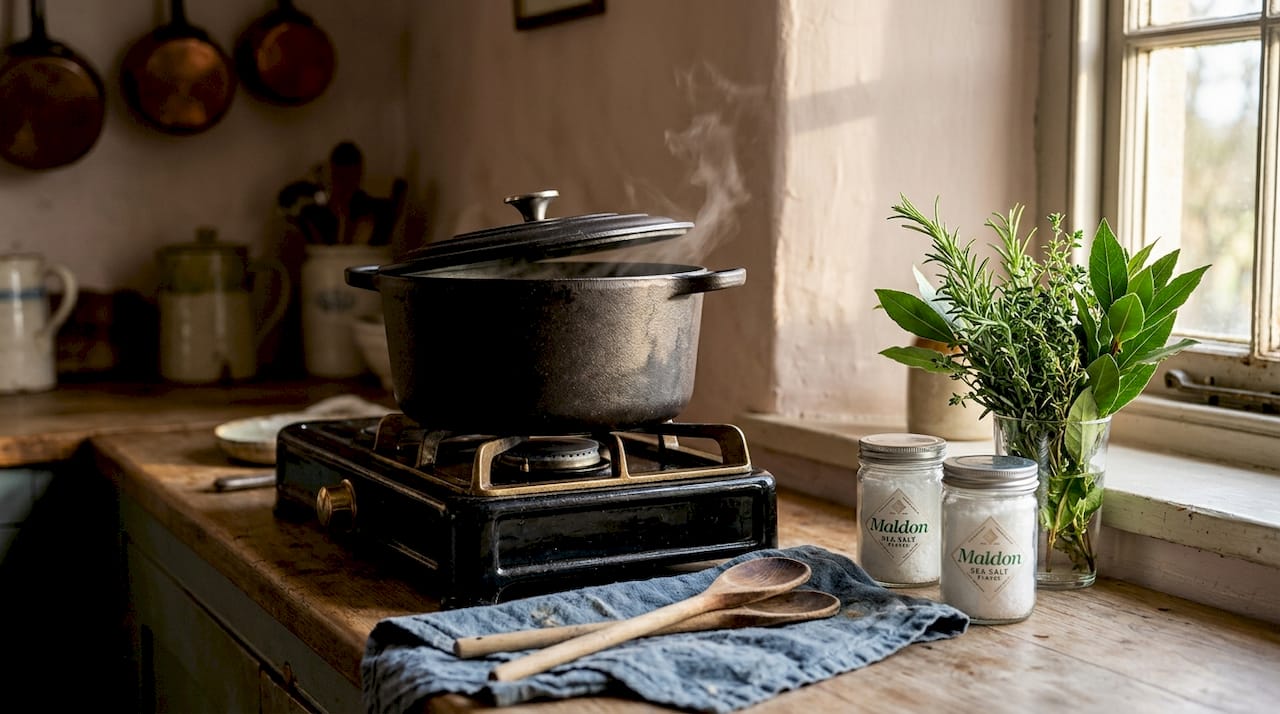
The trade-off is weight. Large cast iron cooking pots can be genuinely heavy, which puts some people off. They also require thorough preheating to avoid sticking, and the sheer mass of the material means they are slow to heat up and slow to cool down. On induction, be cautious about overheating an empty cast iron pot, as the rapid temperature spike can warp or crack the base.
Cast iron rewards patience and care. Season it regularly, dry it immediately after washing, and it will outlast you.
5. Enameled cast iron cooking pots
Enameled cast iron offers most of the benefits of raw cast iron without the need for seasoning. The enamel coating protects the iron from rust and creates a smooth surface that is easy to clean. These pots handle everything from long braises to acidic tomato sauces without any issue.
The caution with enameled cast iron is temperature management. Avoid overheating an empty enameled pot, as extreme heat can crack the coating. Rapid temperature changes, such as putting a hot pot under cold water, carry the same risk. Skip metal utensils to prevent chipping.
Small chips in enamel are not a safety concern, but they do expose the iron beneath and can lead to rust if left untreated. These are genuinely beautiful pots built for long, slow cooking techniques like cassoulet, ragu, and braised meats.
6. Carbon steel cooking pots and pans
Carbon steel sits between cast iron and stainless steel in character. It is lighter than cast iron but shares the same ability to build a natural nonstick patina through seasoning. It heats up faster, responds to temperature changes more quickly, and handles high-heat cooking with confidence.
For a thorough look at how the materials compare across contexts, the cookware materials guide from Brass-steel covers the full picture well. Carbon steel is the material of choice in many professional kitchens, and it is increasingly popular with home cooks who want to buy cookware that lasts for decades without synthetic coatings.
Carbon steel works on every cooktop type, including induction, and goes from hob to oven without any issue. It does require the same commitment to seasoning and drying as cast iron, but the payoff in cooking performance is real.
7. Aluminium and copper cooking pots
Aluminium is lightweight and heats up very quickly. The downside is that bare aluminium reacts with acidic foods, which can affect flavour and slowly degrade the surface. Hard-anodised aluminium solves this by creating a harder, non-reactive surface layer, making it a more practical choice for everyday kitchen pans.
Copper is the most thermally responsive material available for cooking. It heats and cools almost instantly, which gives you extremely precise control. Professional pastry kitchens favour copper for exactly this reason. The cost is high, the maintenance is demanding (copper tarnishes and needs polishing), and most copper pots are lined with stainless steel or tin to prevent reactivity.
For most home cooks, copper is a speciality purchase rather than a daily driver. If precise temperature control matters to you and budget is not a concern, it is genuinely impressive to cook with.
8. Specialty pots: Dutch ovens, stockpots, and woks
Every kitchen benefits from at least one large cooking pot. A stockpot in the 6 to 12 quart range covers soup, stock, pasta, and batch cooking. A Dutch oven (essentially a heavy, lidded pot suited for braising and slow cooking) is arguably the single most versatile pot you can own. A wok brings rapid high-heat cooking, stir-frying, and steaming into the picture.
Different cooking tasks need different vessel sizes and shapes. A wok is not a stockpot substitute, and a Dutch oven will not give you the same result as a proper stockpot when making stock. Matching the vessel to the technique is not about being fussy. It simply gives you better food.
9. Comparing cooking pot materials at a glance
| Material | Heat conductivity | Maintenance level | Induction compatible | Relative cost |
|---|---|---|---|---|
| Stainless steel | Medium (better with core) | Low | Yes (check base) | Medium |
| Nonstick | Medium | Low (handle with care) | Some models | Low to medium |
| Cast iron | Low (high retention) | Medium | Yes | Low to medium |
| Enameled cast iron | Low (high retention) | Low | Yes | Medium to high |
| Carbon steel | Medium to high | Medium (requires seasoning) | Yes | Medium |
| Aluminium | High | Low (anodised) | No (unless bonded) | Low |
| Copper | Very high | High | No (unless bonded) | High |
10. Practical tips for building your pot collection
The best cooking pots set is not the biggest one. Matching your pots to your actual cooking style is what produces results. A beginner getting started at home needs fewer pieces than they think.
A solid starter set for most households:
- One medium saucepan (2 to 3 litres) for sauces, grains, and reheating
- One large pot or stockpot (6 to 8 litres) for pasta, soups, and batch cooking
- One versatile sauté pan or frying pan for everyday cooking
- One lidded braising pot or Dutch oven for slow dishes
Pro Tip: Budget-friendly cookware can perform just as well as expensive sets in lab testing. Spend more where technique demands it, such as a heavy Dutch oven for long braises, and save where it does not matter as much.
For maintenance, the golden rules are simple. Dry every pot immediately after washing. Never leave water sitting in a seasoned or cast iron pot. Store pots with lids slightly ajar to allow air circulation. And if a surface starts to look dull or sticky, address it early rather than waiting until it becomes a real problem.
Avoid overheating any pot when it is empty. Every material suffers when subjected to extreme dry heat. Stainless warps, nonstick coatings break down, enamel cracks, and carbon steel can discolour unevenly.
My honest take on buying cooking pots
I have tested a lot of cookware over the years, and the one pattern I keep seeing is people overcomplicating their kitchens. They buy a 12-piece cooking pots set, use three pieces regularly, and leave the rest to gather dust.
My view: start with two or three genuinely excellent pots before you add anything else. A good heavy-bottomed saucepan, a large stockpot, and one versatile wide pan will cover ninety percent of what most people cook at home. Get those right, cook with them regularly, and you will very quickly understand what else, if anything, you actually need.
The other thing I keep coming back to is technique. A mediocre pot used well will produce better food than an expensive one used badly. Learn to preheat properly. Learn when to cover and when to leave the lid off. Learn what good fond looks like and how to use it. These skills transfer across every material and every pot type.
On the question of carbon steel specifically, I think it is one of the most underrated choices for home cooks. It is lighter than cast iron, more responsive than stainless, and builds a natural nonstick surface that actually improves over time. The health and safety profile of carbon steel is worth understanding before you choose. Once you season it properly and get a feel for how it behaves, it becomes the pan you reach for every morning.
Cookware is a long-term investment. Buy fewer things, buy them well, and learn to cook with what you have.
— Davide
Find the right cooking pots for your kitchen
If you are ready to move beyond guesswork and buy cookware that genuinely suits the way you cook, Brass-steel makes it straightforward.
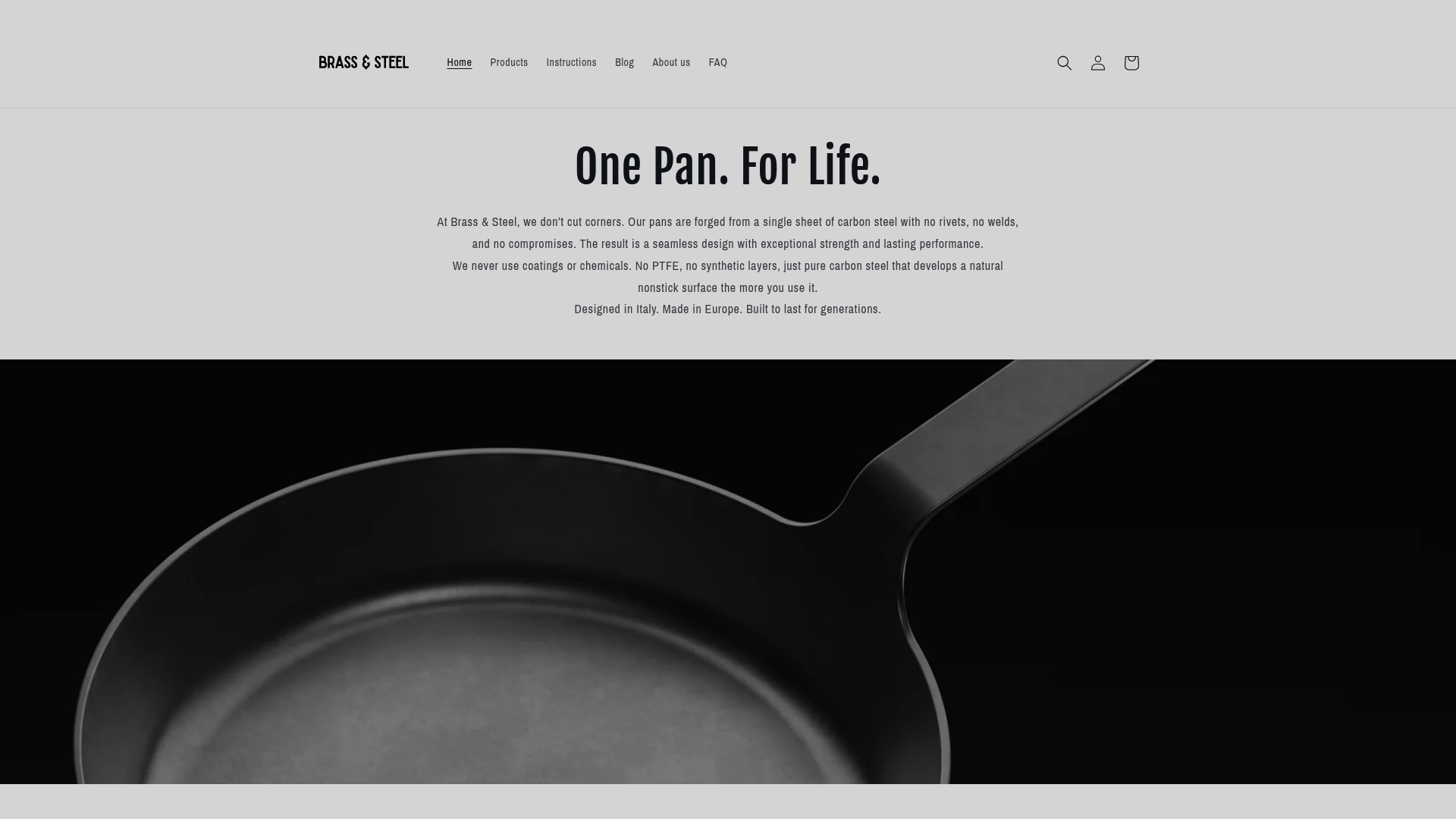
At Brass-steel, we specialise in carbon steel sauté pans forged from a single piece of steel, with no rivets, no synthetic coatings, and no compromises. Our 27 cm and 30 cm carbon steel pans are designed for home cooks and culinary enthusiasts who want cookware that performs on every cooktop, including induction, and only gets better with use. Whether you are building your first serious kitchen collection or replacing a nonstick pan that has seen better days, we have the guidance and the pans to help you get there. Browse the full range at Brass-steel and cook with something built to last.
FAQ
What are the best cooking pots for everyday home use?
Stainless steel and carbon steel are the most versatile choices for everyday cooking. Both handle a wide range of techniques, work on induction hobs, and are built to last for years.
Are nonstick cooking pots safe to use?
Yes, when used correctly. Keep heat below 260°C, use wooden or silicone utensils, and avoid commercial cooking sprays. Replace nonstick pots when the coating shows signs of significant wear.
Can I use cast iron cooking pots on an induction hob?
Yes. Cast iron is magnetic and works well on induction. Use moderate heat settings when the pot is cold or empty to avoid thermal stress on the base.
How many cooking pots does a home kitchen actually need?
Most home cooks need three to four pots to cover all regular cooking tasks. A saucepan, a large stockpot, a sauté or frying pan, and a lidded braising pot will handle the vast majority of recipes.
What is the difference between a sauté pan and a frying pan?
A sauté pan has straight, higher sides and a flat base, which makes it better for cooking with liquid or moving ingredients around. A frying pan has sloped sides, which suits quick, dry cooking and tossing food in the pan.