7 Essential Types of Cookware Materials Explained
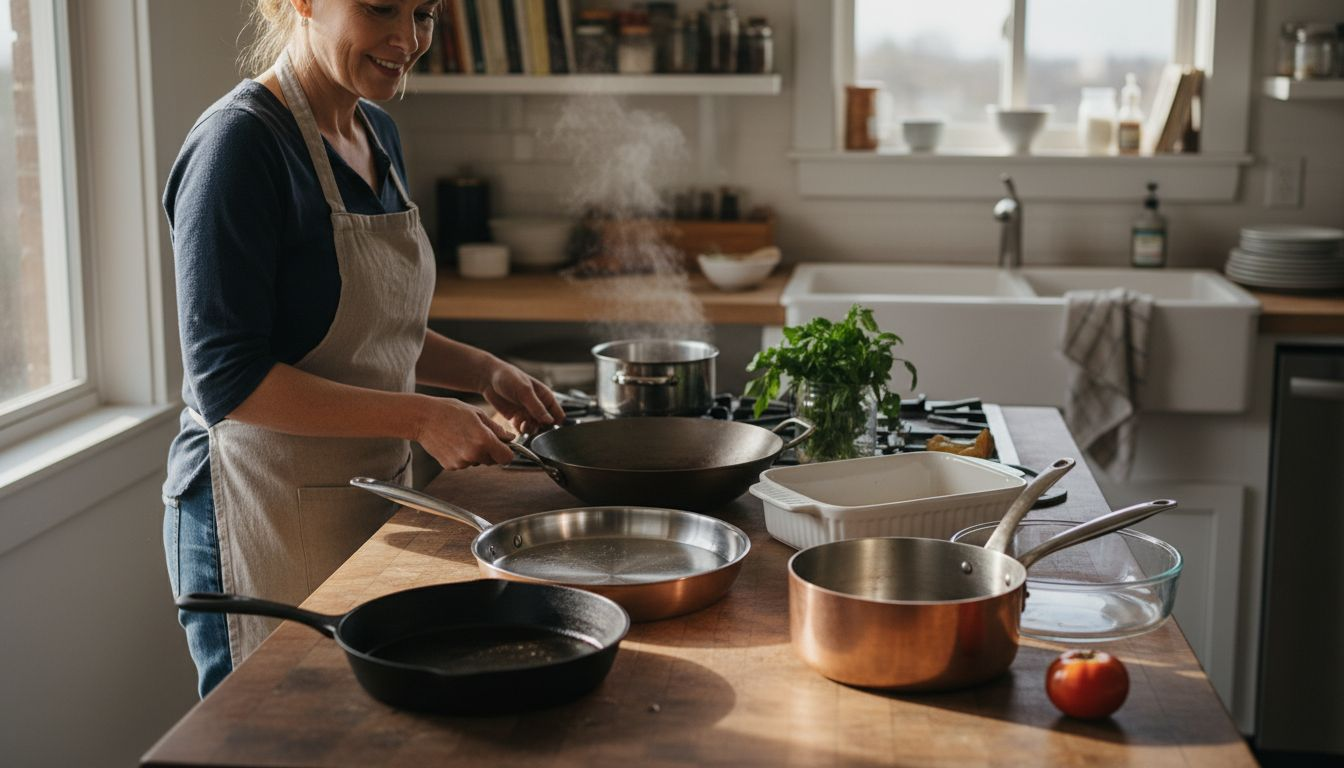
Choosing the right cookware can be overwhelming when you want meals that taste great and a kitchen that stays safe and easy to manage. With so many materials to pick from, each promising unique benefits, how do you know which pan or pot truly fits your needs? Whether you care about durability, heat control, or health concerns, understanding what sets each option apart will save you time and trouble. This list shows you the real differences between popular cookware materials, from how fast aluminium heats to the unrivalled heat retention of cast iron. You’ll discover clear advice and practical tips that simplify your buying decisions and help you cook better every day.
Table of Contents
- Carbon Steel: Durable And Health-Conscious Choice
- Cast Iron: Classic For Heat Retention And Searing
- Stainless Steel: Versatile And Easy To Maintain
- Aluminium: Lightweight With Fast Heat Response
- Copper: Superior Heat Control, But Requires Care
- Nonstick Coatings: Convenience Vs. Health Factors
- Ceramic And Glass: Specialty Options For Baking
Quick Summary
| Key Insight | Explanation |
|---|---|
| 1. Carbon steel offers natural nonstick properties | Unlike synthetic pans, carbon steel develops a safe seasoning over time, creating a naturally nonstick surface ideal for health-conscious cooking. |
| 2. Cast iron excels in heat retention | Its superior thermal mass allows for even heat distribution, making it perfect for consistent cooking and maintaining temperatures after removing from heat. |
| 3. Stainless steel requires no seasoning | This cookware is easy to maintain and resists corrosion, ensuring that it can handle acidic foods without affecting flavors. |
| 4. Aluminium provides quick heat responsiveness | Its lightweight nature and excellent conductivity allow for immediate temperature adjustments, crucial for precision cooking techniques. |
| 5. Copper allows for unparalleled heat control | Professional chefs value copper’s impressive thermal responsiveness, making it perfect for delicate cooking processes requiring precision. |
1. Carbon Steel: Durable and Health-Conscious Choice
Carbon steel cookware represents a robust and versatile cooking material that bridges the gap between traditional cast iron and modern culinary needs. Carbon steel offers remarkable durability and health benefits that make it a top choice for serious home cooks and professional chefs alike.
Unlike traditional nonstick pans, carbon steel provides a natural cooking surface that develops a protective seasoning over time. This seasoning creates a near nonstick surface without using synthetic chemicals, making it an excellent health-conscious alternative. The material heats incredibly quickly and evenly, allowing for precise temperature control during searing, sautéing, and other cooking techniques.
One of carbon steel’s most compelling attributes is its remarkable heat tolerance. Professional chefs appreciate its ability to withstand high temperatures, making it perfect for techniques like restaurant-style searing and achieving beautiful caramelisation on meats and vegetables. Its lightweight nature compared to cast iron also means less strain during cooking, while maintaining exceptional heat retention.
Maintaining carbon steel requires some specific care. Regular seasoning creates a protective layer that prevents rust and improves the pan’s nonstick properties. Proper maintenance involves gentle cleaning, immediate drying, and occasional re-seasoning to keep the cooking surface in optimal condition.
Top tip: Always dry your carbon steel pan thoroughly after washing and apply a light coat of oil to maintain its protective seasoning and prevent rust formation.
2. Cast Iron: Classic for Heat Retention and Searing
Cast iron cookware represents a timeless kitchen staple cherished by home cooks and professional chefs for generations. Extraordinary heat retention capabilities make cast iron an unparalleled choice for consistent cooking performance.
The remarkable thermal properties of cast iron stem from its dense metallic structure. Unlike lighter materials, cast iron can absorb and store substantial heat energy, which translates into superior cooking experiences. This means when you place a cast iron pan on a heat source, it gradually and uniformly heats up, creating an ideal environment for perfect searing, browning, and even cooking.
Professional chefs particularly appreciate cast iron for its ability to maintain consistent temperatures. Whether you are preparing a delicate fish fillet or searing a robust steak, the pan’s steady heat distribution ensures each morsel cooks evenly. The material’s thermal mass allows it to retain heat even after being removed from the cooking source, which helps keep your food warm and continues gentle cooking.
Maintaining cast iron requires specific care techniques. Seasoning the pan with oil creates a natural nonstick surface and prevents rust. Regular maintenance involves gentle cleaning, avoiding harsh detergents, and applying a thin layer of oil after each use to preserve its protective coating.
Top tip: Preheat your cast iron pan slowly and thoroughly to maximise its exceptional heat retention and ensure perfectly cooked meals every time.
3. Stainless Steel: Versatile and Easy to Maintain
Stainless steel cookware represents the workhorse of professional and home kitchens worldwide. Exceptional durability and versatility make this material a go to choice for countless cooking applications.
Unlike reactive metals such as aluminium or copper, stainless steel offers remarkable resistance to corrosion and chemical interactions. This means you can confidently cook acidic foods like tomato sauces or wine reductions without worrying about metallic flavours or surface degradation. The material’s non reactive nature ensures your culinary creations taste exactly as intended.
Professional chefs appreciate stainless steel for its superior heat distribution and robust construction. Most high quality stainless steel pans feature an aluminium or copper core sandwiched between stainless steel layers, creating a cooking surface that heats rapidly and uniformly. This multilayered design allows precise temperature control and prevents hot spots that could potentially burn your food.
Maintenance of stainless steel cookware is remarkably straightforward. Unlike cast iron or carbon steel, these pans do not require seasoning and can be cleaned using standard dishwashing methods. A quick scrub with warm soapy water and a soft sponge is typically sufficient to restore the pan to pristine condition. For stubborn food residues, a gentle soak or using a specialised stainless steel cleaner can help.
Top tip: To prevent food from sticking, always preheat your stainless steel pan and add a small amount of oil just before cooking.
4. Aluminium: Lightweight with Fast Heat Response
Aluminium cookware represents a remarkable engineering achievement in kitchen technology. Exceptional heat conductivity properties make aluminium a favourite among professional and home cooks seeking precision and efficiency.
The remarkable thermal characteristics of aluminium stem from its atomic structure. As an incredibly responsive metal, aluminium heats up rapidly and distributes temperature evenly across its surface. This means when you adjust your cooktop settings, your pan responds almost instantaneously, allowing for nuanced cooking techniques that demand split second temperature control.
Professional chefs appreciate aluminium for its lightweight nature combined with superior heat management. Unlike heavier metals such as cast iron, aluminium pans can be manoeuvred easily while providing consistent cooking performance. Most modern aluminium cookware features an anodized or nonstick coating to prevent reactivity with acidic foods and enhance durability.
The material’s malleability allows manufacturers to create cookware with complex shapes and designs, from delicate saucepans to robust stockpots. Its low cost and excellent thermal properties make aluminium an accessible option for cooks seeking high performance without significant investment.
Top tip: Select aluminium cookware with a multilayered base to maximise heat distribution and prevent potential warping during high temperature cooking.
5. Copper: Superior Heat Control, but Requires Care
Copper cookware represents the pinnacle of thermal precision for serious culinary enthusiasts. Advanced heat management techniques make copper an unparalleled choice for professional and discerning home chefs.
The extraordinary thermal conductivity of copper allows for remarkable temperature responsiveness that no other cookware material can match. Professional chefs prize copper pans for their ability to heat rapidly and respond instantly to temperature adjustments, providing unprecedented control during delicate cooking processes such as making sauces, melting chocolate, or preparing temperamental dishes that require precise heat management.
Copper cookware typically features a tin or stainless steel interior lining to prevent potential reactivity with food. This multilayered construction combines the exceptional heat distribution properties of copper with a food safe cooking surface. While copper pans represent a significant investment, they offer unmatched performance for those willing to invest in proper maintenance and care.
Maintaining copper cookware requires specific attention. Regular polishing helps preserve the distinctive metallic lustre, while gentle cleaning prevents surface degradation. Hand washing with mild detergents and avoiding abrasive scrubbers will ensure your copper cookware remains a treasured kitchen companion for years.
Top tip: Invest in specialised copper cleaning cloths and avoid dishwashers to maintain your copper cookware’s pristine condition and exceptional cooking performance.
6. Nonstick Coatings: Convenience vs. Health Factors
Nonstick cookware represents a modern kitchen solution promising effortless cooking and easy cleaning. Understanding nonstick coating risks has become increasingly important for health conscious home cooks.
Traditional nonstick coatings like polytetrafluoroethylene (PTFE) offer remarkable food release properties but raise significant health concerns. When heated to high temperatures, these synthetic coatings can release potentially harmful chemicals including perfluorooctanoic acid (PFOA), which has been linked to various health risks.
Modern cookware manufacturers have responded by developing alternative nonstick technologies. Ceramic and silicone based coatings provide more natural nonstick surfaces that do not release toxic compounds when heated. Professional chefs and nutritionists increasingly recommend these healthier alternatives that maintain excellent cooking performance without compromising potential long term health.
For home cooks seeking convenience without chemical concerns, seasoned cast iron and carbon steel pans offer natural nonstick properties. These traditional materials develop a protective layer through proper seasoning, providing a safe and effective cooking surface that improves with repeated use.
Top tip: Choose cookware with ceramic or silicone based nonstick coatings and avoid overheating your pans to minimise potential chemical release.
7. Ceramic and Glass: Specialty Options for Baking
Ceramic and glass cookware offer unique properties that make them exceptional choices for specific culinary techniques. Specialised baking performance characteristics distinguish these materials from traditional metal cookware.
Ceramic cookware provides extraordinary heat distribution and retention, making it ideal for slow cooking, baking, and preparing delicate dishes. Unlike metal pans, ceramic distributes heat evenly across its surface, preventing hot spots that could potentially burn your baked goods. This uniform heat transfer ensures consistent cooking results whether you are preparing a delicate soufflé or a robust casserole.
Glass bakeware offers remarkable transparency, allowing you to monitor your dish during cooking without disrupting the baking process. Pyrex and similar borosilicate glass materials can withstand dramatic temperature changes, making them perfect for recipes that transition from refrigerator to oven. Professional bakers appreciate glass for its ability to conduct heat gently and predictably.
Both ceramic and glass cookware are naturally nonstick and do not react with acidic ingredients. This makes them excellent choices for preparing tomato based dishes, fruit pies, and other recipes that might interact negatively with metal cookware. Their non reactive nature ensures your food maintains its authentic flavour profile.
Top tip: Always allow ceramic and glass dishes to come to room temperature before placing them in a hot oven to prevent potential thermal shock and cracking.
Below is a comprehensive table summarising the key features, benefits, and considerations of cookware materials discussed throughout the article.
| Cookware Material | Key Features | Usage Recommendations |
|---|---|---|
| Carbon Steel | Durable with natural seasoning; lightweight yet retains heat well. | Perfect for high-temperature cooking, searing, and sautéing; requires seasoning maintenance. |
| Cast Iron | Offers exceptional heat retention; develops natural nonstick properties. | Ideal for consistent long-duration cooking; requires careful cleaning and seasoning upkeep. |
| Stainless Steel | Versatile and non-reactive; multi-layer constructions provide even heat distribution. | Suited for a wide range of cooking tasks; straightforward cleaning. |
| Aluminium | Lightweight with rapid heat responsiveness; often anodised to enhance durability. | Great for fast precise cooking; select high-quality designs to avoid warping. |
| Copper | Superior heat control; often lined to prevent food reactivity. | Best for delicate cooking requiring precise temperature adjustment; needs careful maintenance. |
| Nonstick Coated | Provides easy food release; modern coatings reduce health concerns. | Use for low-fat cooking and easy clean-up; avoid overheating. |
| Ceramic and Glass | Natural nonstick; excellent for even heat baking and delicate techniques. | Ideal for slow cooking and baking recipes; manage thermal transitions carefully. |
Discover the Power of Carbon Steel Cookware for Your Kitchen
Navigating through various cookware materials can be overwhelming, especially when seeking durability, health-conscious design, and professional performance. This article highlights the strengths and challenges of popular materials like cast iron, stainless steel, aluminium, and copper, as well as the health concerns around traditional nonstick coatings. If you are searching for a natural nonstick alternative that offers outstanding heat retention and responds quickly to temperature changes, carbon steel cookware could be the perfect solution.
Explore our Carbon Steel Collection | Brass&Steel crafted from a single forged piece for maximum strength and seamless maintenance. At Brass & Steel, each pan is designed for serious cooks who demand heirloom quality, PTFE-free options compatible with all cooktops including induction. Equip your kitchen with pans that develop a natural seasoning for a safe, toxin-free cooking surface that improves every time you use it. Don’t wait to elevate your cooking experience with durable, high-performance carbon steel cookware available now. Visit our New arrivals – Brass & Steel page to see the latest additions and start cooking with confidence today.
Frequently Asked Questions
What are the health benefits of using carbon steel cookware?
Carbon steel cookware is a health-conscious choice because it develops a natural nonstick surface through seasoning, avoiding synthetic chemicals found in traditional nonstick pans. To benefit from these health advantages, regularly season your carbon steel pan to enhance its properties and maintain its safety for cooking.
How do I properly maintain cast iron cookware?
To maintain cast iron cookware, you should clean it gently without harsh detergents and season it regularly with a thin layer of oil after each use. Ensure to preheat your pan slowly, and to keep it in excellent condition, apply oil to prevent rust over time.
What should I consider when choosing stainless steel cookware?
When selecting stainless steel cookware, prioritise options with an aluminium or copper core for better heat distribution. Always remember to preheat your pan and add oil before cooking to enhance its performance and prevent food from sticking.
How can I ensure my nonstick cookware is safe to use?
To ensure the safety of nonstick cookware, opt for products with ceramic or silicone-based coatings. Avoid overheating your pans to minimise any potential chemical release, ensuring a safe cooking environment for you and your family.
Why is copper cookware considered superior?
Copper cookware is deemed superior for its exceptional thermal conductivity, allowing for precise temperature control. To maximise its benefits, invest in high-quality pieces and commit to regular maintenance, such as polishing, to keep them in optimal condition.
What are the advantages of using ceramic and glass cookware for baking?
Ceramic and glass cookware offers excellent heat distribution and retention, making them ideal for baking delicate dishes. Always allow these materials to reach room temperature before placing them in a hot oven to prevent thermal shock and potential cracking.