Ceramic Nonstick Cookware Safety – What Every Cook Needs

Replacing worn nonstick pans often leaves European chefs and discerning home cooks weighing convenience against health and durability. Growing concerns around PFAS chemicals in traditional Teflon cookware have driven interest in safer, high-performance alternatives. This guide breaks down ceramic nonstick cookware technologies, separating marketing myths from engineering reality, and highlights strict European safety standards and healthier long-term options for those committed to professional-grade kitchen results.
Table of Contents
- Ceramic Nonstick Cookware Defined and Debunked
- Types of Ceramic Nonstick Coatings Explained
- Key Safety Certifications and 2026 Regulations
- Risks, Maintenance, and Longevity Issues
- Carbon Steel Pans as a Non-Toxic Alternative
Key Takeaways
| Point | Details |
|---|---|
| Ceramic Nonstick Cookware Benefits | Offers a PFOA and PTFE-free alternative with enhanced thermal stability and durability. |
| Safety Regulations | Upcoming 2026 European standards mandate rigorous testing for safety and performance in ceramic cookware. |
| Maintenance Best Practices | Proper care, such as using non-metal utensils and monitoring temperatures, is crucial for longevity and safety. |
| Carbon Steel as an Alternative | Provides a chemical-free cooking surface with natural nonstick properties developed through seasoning. |
Ceramic Nonstick Cookware Defined and Debunked
Ceramic nonstick cookware represents a modern alternative to traditional Teflon-based pans, offering unique properties that have captured the attention of health-conscious home cooks. Nonstick coating technologies have evolved significantly, moving beyond conventional PTFE surfaces towards more innovative solutions.
At its core, ceramic nonstick cookware differs substantially from traditional nonstick pans. These modern cooking surfaces are typically created by applying a ceramic-based sol-gel coating onto metal substrates, producing a smooth, low-adhesion cooking surface. Unlike classic Teflon pans, ceramic coatings are often marketed as PFOA and PTFE-free, targeting consumers concerned about potential chemical exposures.
Key characteristics of ceramic nonstick cookware include:
- Siloxane-based network composition
- Enamel-like surface properties
- Enhanced thermal shock resistance
- Corrosion-protective layer
- Generally lighter weight compared to cast iron
The manufacturing process involves sophisticated techniques where inorganic silica-based layers are precisely applied to metal cookware. While the term “ceramic” might suggest traditional fired ceramics, these coatings are actually advanced engineered surfaces designed for optimal cooking performance.
Pro tip: Always inspect your ceramic nonstick cookware for wear and replace when the coating shows significant scratching or degradation to maintain safety and performance.
Types of Ceramic Nonstick Coatings Explained
Ceramic nonstick coatings represent a sophisticated technological advancement in cookware manufacturing. Sol-gel coating processes transform traditional cooking surfaces by creating innovative, high-performance layers that resist food adhesion and enhance cooking experiences.
These advanced coatings are fundamentally different from traditional nonstick technologies. Ceramic nonstick coatings are engineered using complex inorganic silica-based materials combined with strategic organic components, resulting in a hard, glassy surface with remarkable performance characteristics. The unique composition allows manufacturers to create cooking surfaces with exceptional thermal stability and durability.
Key variations in ceramic nonstick coating technologies include:
- PDMS (silicone-based) polymer content
- Metal oxide additives like aluminum or titanium
- Coating thickness ranges
- Surface energy manipulation techniques
- Thermal resistance levels
The intricate manufacturing process involves carefully controlling the silicone polymer concentration and incorporating specific metal oxide additives to achieve optimal nonstick properties. These engineered surfaces work by minimising surface tension, allowing food to slide effortlessly during cooking without requiring excessive oil or fat.
Pro tip: Regularly inspect your ceramic nonstick cookware for microscopic surface changes and avoid using metal utensils to preserve the coating’s integrity.
Key Safety Certifications and 2026 Regulations
Cookware safety has become an increasingly sophisticated field of regulation, with European authorities implementing stringent standards to protect consumers. European Food Contact Materials Regulation establishes comprehensive guidelines that manufacturers must follow to ensure ceramic nonstick cookware meets the highest safety standards.
The upcoming 2026 regulations represent a significant milestone in cookware safety assessment. European safety standards now require manufacturers to conduct more rigorous testing, specifically focusing on three critical areas: material durability, potential substance migration, and long-term coating stability. These enhanced regulations aim to provide consumers with greater transparency and confidence in their cookware choices.
Key safety certification requirements include:
- Comprehensive migration testing for chemical substances
- Durability assessments for nonstick coating integrity
- Corrosion resistance evaluations
- Thermal stability performance checks
- Detailed manufacturing practice documentation
Manufacturers must now comply with updated EN 12983 standards, which specify precise testing protocols for nonstick cookware. These regulations mandate detailed documentation of manufacturing processes, material compositions, and potential chemical interactions that could compromise food safety.
For an at-a-glance summary, here is how the key regulatory factors impact safety from 2026:
| Safety Focus | Why It Matters | Example Regulation Impact |
|---|---|---|
| Migration Testing | Prevent harmful leaching | Lower limits on substances |
| Coating Durability | Ensures long-term safety | Mandatory stress tests |
| Corrosion Resistance | Extends product lifespan | Certification of materials |
| Manufacturing Records | Consumer traceability | Must document all processes |
Pro tip: When purchasing ceramic nonstick cookware, always request certification documentation to verify compliance with the latest European safety standards.
Risks, Maintenance, and Longevity Issues
Ceramic nonstick cookware presents a complex landscape of potential risks and maintenance challenges. Ceramic coating toxicity risks primarily emerge from potential nanoparticle release and thermal degradation when the cookware is improperly used or damaged.
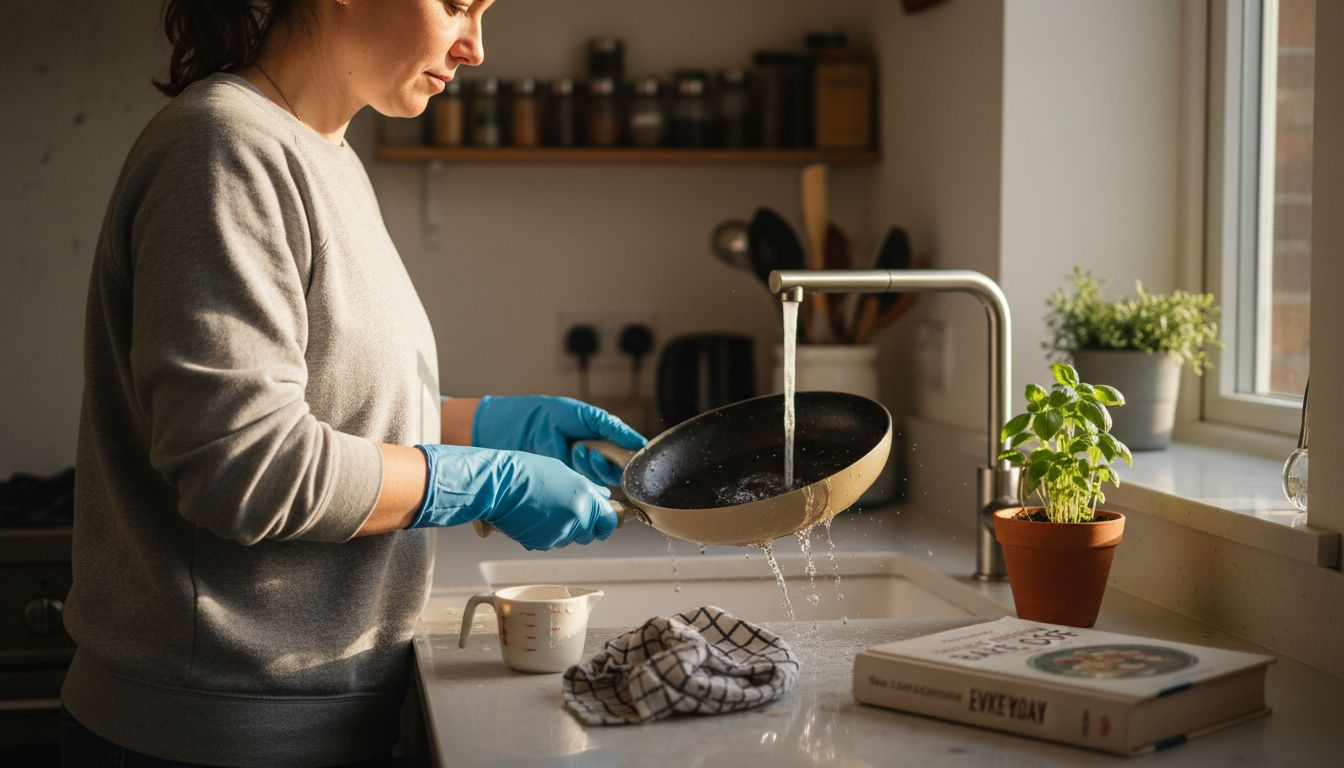
Understanding the intricate nature of ceramic nonstick surfaces requires recognising their inherent vulnerabilities. These advanced cooking surfaces are less durable compared to traditional nonstick technologies, with coating integrity depending critically on careful usage, temperature management, and maintenance practices. The organic components in sol-gel coatings can potentially degrade when exposed to temperatures exceeding 450-500°F, potentially compromising the cookware’s safety and performance.
Key risks and maintenance considerations include:
- Nanoparticle release during surface damage
- Potential thermal degradation above recommended temperatures
- Susceptibility to scratching and surface wear
- Reduced coating durability compared to PTFE surfaces
- Importance of using non-metal utensils
- Avoiding sudden temperature changes
The longevity of ceramic nonstick cookware depends heavily on meticulous care and understanding its performance limitations. Proper maintenance involves using soft utensils, avoiding high heat, and conducting regular inspections for microscopic surface damages that could compromise the coating’s integrity.
Pro tip: Replace your ceramic nonstick cookware immediately if you notice significant scratching, discolouration, or surface irregularities to prevent potential health risks.
Carbon Steel Pans as a Non-Toxic Alternative
Home cooks seeking a truly non-toxic cookware solution are increasingly turning to carbon steel as a superior alternative to ceramic and traditional nonstick surfaces. Non-toxic cookware options highlight carbon steel’s remarkable ability to provide a safe, chemical-free cooking experience without compromising performance.
Carbon steel cookware represents a revolutionary approach to kitchen safety, offering a natural cooking surface that develops nonstick properties through careful seasoning. Unlike ceramic or Teflon pans, these versatile cooking tools create a polymerised surface layer through repeated use, which prevents sticking and provides exceptional heat distribution without introducing harmful chemicals into your meals.
Key advantages of carbon steel pans include:
- Natural nonstick surface development
- No chemical coatings or synthetic materials
- Exceptional heat conductivity
- Lightweight compared to cast iron
- Potential lifetime durability
- Compatible with multiple cooking surfaces
The seasoning process transforms the pan’s surface into a naturally protective layer, creating a cooking environment that actually improves with use. This unique characteristic means that each meal cooked enhances the pan’s nonstick properties, unlike ceramic or Teflon surfaces that gradually degrade.
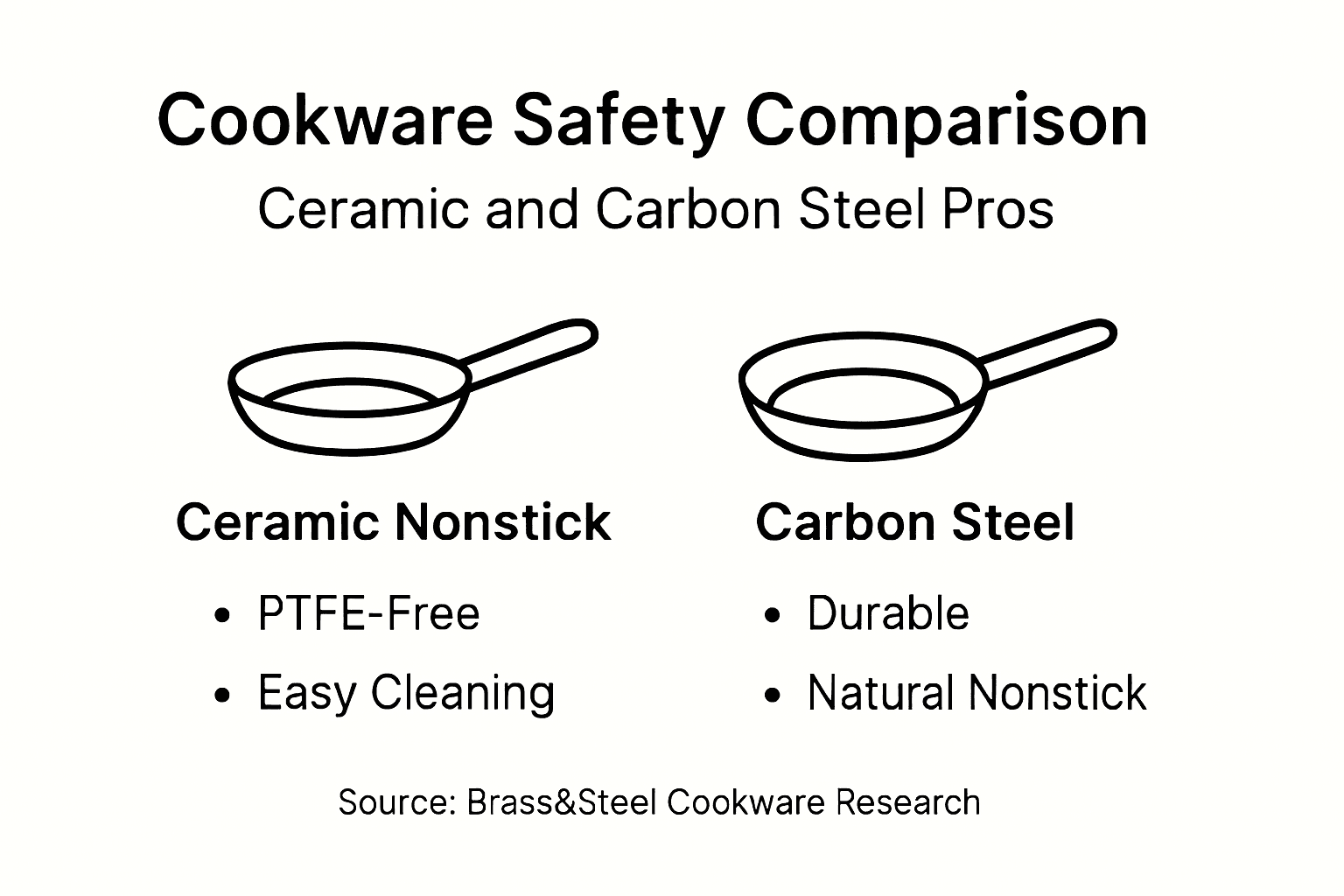
To better illustrate how ceramic nonstick and carbon steel pans compare, review the table below:
| Aspect | Ceramic Nonstick Cookware | Carbon Steel Pans |
|---|---|---|
| Coating Composition | Inorganic silica-based layer | 100% iron, no coatings |
| Nonstick Mechanism | Applied glassy surface | Built through seasoning |
| Lifespan | Few years with care | Decades if maintained |
| Sensitivity to Utensils | Scratches from metal tools | Withstands most utensils |
| Reactivity with Food | Non-reactive | Slight reactivity to acids |
| Weight | Generally lightweight | Even lighter than cast iron |
| Environmental Impact | Energy-intensive coatings | Minimal, fully recyclable |
Pro tip: Invest time in properly seasoning your carbon steel pan, as this creates a robust, naturally nonstick surface that becomes more effective with each cooking session.
Discover a Safer Cooking Experience with Carbon Steel Cookware
If ceramic nonstick cookware safety concerns have you seeking a truly non-toxic, durable alternative, explore the exceptional benefits of carbon steel pans. Unlike ceramic coatings that can degrade or release nanoparticles, carbon steel offers a natural nonstick surface that develops and improves with seasoning. This makes it an ideal choice for health-conscious cooks who want long-lasting performance without compromising safety.
Visit our Carbon Steel Collection | Brass&Steel to find heirloom-quality, single-piece forged pans engineered for everyday use. Crafted for superior heat retention and free from PTFE and PFOA, our pans deliver professional-grade cooking while aligning with your safety and durability priorities. Take control of your kitchen now by choosing cookware that puts your wellbeing first. Learn more and shop our range at https://brass-steel.com and discover why switching to carbon steel is the smart, health-conscious decision today.
Frequently Asked Questions
What are the main differences between ceramic nonstick cookware and traditional nonstick pans?
Ceramic nonstick cookware typically features a ceramic-based sol-gel coating, while traditional nonstick pans often use Teflon (PTFE). Ceramic cookware is marketed as PFOA and PTFE-free, making it appealing for health-conscious consumers.
How should I maintain ceramic nonstick cookware to ensure its longevity?
To maintain ceramic nonstick cookware, avoid using metal utensils which can scratch the surface. Use soft utensils and limit cooking temperatures to prevent thermal degradation. Regular inspections for surface damage will help preserve the cookware’s integrity.
What precautions should I take when using ceramic nonstick cookware?
Avoid heating ceramic nonstick cookware above recommended temperatures (typically 450-500°F) to prevent thermal degradation. Additionally, avoid sudden temperature changes and inspect for scratches or discolouration, replacing the cookware if necessary.
Are there any health risks associated with ceramic nonstick cookware?
Potential health risks may arise from nanoparticle release during surface damage or degradation from excessive heat. It is important to use ceramic cookware carefully and replace it when significant wear occurs to mitigate these risks.
Recommended
- Ceramic vs Nonstick Cookware: Safety, Longevity, and Performance – Brass & Steel
- Stainless Steel vs Ceramic Cookware – Which Suits Serious Cooks? – Brass & Steel
- Aluminium vs Stainless Steel vs Ceramic – Choosing Cookware Wisely – Brass & Steel
- Ceramic vs Aluminium Cookware – Performance and Safety Explained – Brass & Steel