Ceramic coated pans pros and cons for healthier cooking
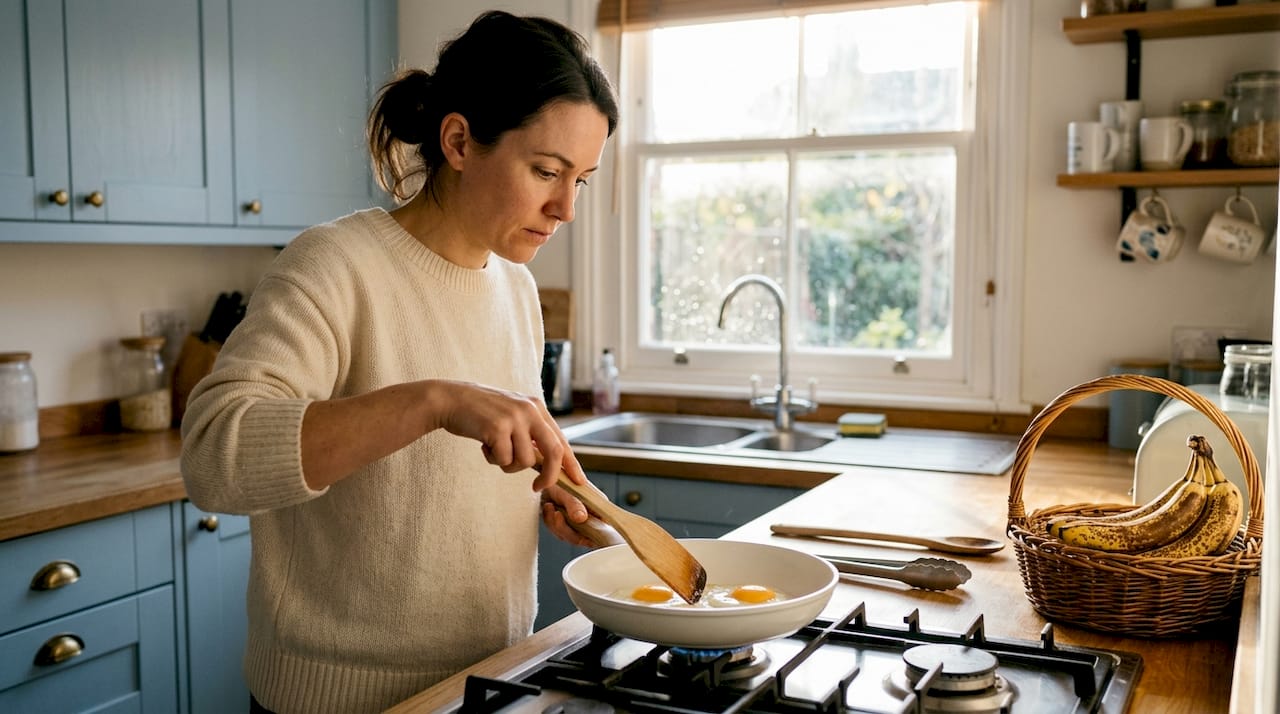
Nonstick cookware has dominated home kitchens for decades, but growing awareness of PFAS chemicals in traditional coatings has sent health-conscious cooks searching for safer alternatives. Ceramic coated pans emerged as the clean, toxin-free answer, promising effortless food release without the chemical baggage. Yet these pans carry their own trade-offs that many buyers discover only after the honeymoon period ends. Understanding both the genuine advantages and real-world limitations of ceramic cookware helps you decide whether these colourful pans deserve a permanent spot in your kitchen arsenal.
Table of Contents
- How Ceramic Coated Pans Work And Their Health Benefits
- Performance Characteristics: Cooking, Heating, And Durability
- Limitations And Environmental Considerations Of Ceramic Coated Pans
- Choosing And Caring For Ceramic Coated Pans To Maximise Benefits
- Explore Professional-Grade Cookware Options At Brass & Steel
- Frequently Asked Questions
Key takeaways
| Point | Details |
|---|---|
| Chemical-free nonstick | Ceramic coatings deliver excellent initial release without PFAS, PTFE, or toxic metals |
| Rapid heating | These pans reach cooking temperature faster than stainless steel, ideal for quick tasks |
| Limited durability | Performance degrades significantly within 6 months to 5 years depending on care |
| Temperature sensitivity | Coating wears faster under high heat, making them unsuitable for searing |
| Maintenance critical | Proper utensil choice and hand washing extend lifespan dramatically |
How ceramic coated pans work and their health benefits
Ceramic coatings consist of silica-based materials derived from sand and applied to aluminium or stainless steel bases through sol-gel technology. Unlike traditional nonstick surfaces that rely on polytetrafluoroethylene polymers, ceramic coated pans provide excellent initial nonstick performance without PFAS, PTFE, or toxic metals. This fundamental difference makes them attractive to cooks worried about chemical exposure during everyday meal preparation.
The health advantages extend beyond what the coating excludes. They are marketed as a healthier alternative safe up to 450-550°F, well above typical stovetop temperatures for gentle cooking. When you heat a ceramic pan to normal cooking ranges, it releases no harmful fumes or particles, making it suitable for households with children, pets, or anyone managing respiratory sensitivities. The inorganic nature of silica means the surface remains chemically stable during routine use.
Initial nonstick performance rivals conventional coatings for low-fat cooking techniques. Eggs slide across a fresh ceramic surface with minimal oil, vegetables release cleanly, and delicate fish fillets lift without tearing. This performance stems from the ultra-smooth glass-like finish that repels moisture and prevents food adhesion at the molecular level.
“Ceramic nonstick cookware offers a non-toxic cooking surface free from PFOA and PTFE, approved by independent safety studies for everyday home use.”
The safe temperature ceiling matters more than marketing suggests. While ceramic can withstand brief exposure to higher heat, sustained cooking above 500°F accelerates coating breakdown and diminishes nonstick properties. Most home cooks rarely exceed 400°F for sautéing or pan-frying, keeping ceramic pans well within their functional sweet spot. Understanding these ceramic nonstick cookware safety parameters helps you use them appropriately.
Pro Tip: Always use wooden, silicone, or nylon utensils with ceramic pans and hand wash with soft sponges to preserve the coating’s integrity. Dishwasher detergents and metal spatulas create microscopic scratches that compound over time, rapidly degrading nonstick performance.
Key health benefits include:
- Complete absence of PFAS chemicals linked to endocrine disruption
- No release of toxic fumes when accidentally overheated
- Naturally derived coating materials with minimal environmental processing
- Safe for metal sensitivity sufferers who react to nickel or chromium exposure
For detailed comparisons with other nonstick technologies, best ceramic cookware review resources provide independent testing data on safety profiles and performance benchmarks across leading brands.
Performance characteristics: cooking, heating, and durability
Ceramic pans reach cooking temperature faster than stainless steel alternatives, making them efficient for quick breakfast preparation or weeknight dinners. The aluminium base commonly used beneath ceramic coatings conducts heat rapidly and distributes it evenly across the cooking surface. Ceramic pans heat faster than stainless steel and suit low to medium heat cooking, where their nonstick properties shine brightest.
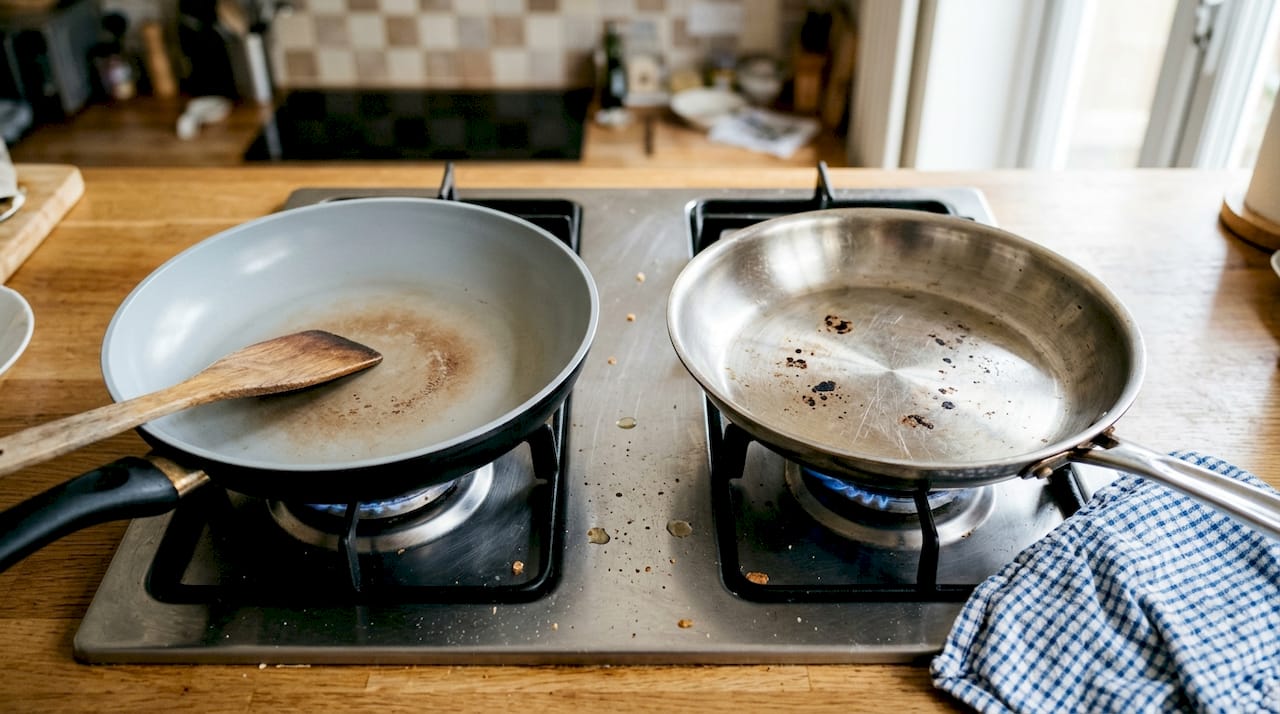
Maintaining moderate temperatures proves essential for coating longevity. High heat accelerates the breakdown of silica bonds, creating rough patches where food begins to stick. Medium heat settings deliver sufficient energy for browning vegetables, cooking proteins, and reducing sauces without stressing the coating. This temperature discipline extends functional lifespan and preserves the smooth release that makes ceramic appealing.
Durability remains the Achilles heel of ceramic cookware. Independent testing reveals that coating degrades 50-70% in performance within 1-6 months under daily use, though premium brands with thicker coatings can maintain effectiveness for several years with meticulous care. The nonstick effect doesn’t disappear overnight but gradually diminishes as microscopic surface damage accumulates from thermal cycling, utensil contact, and cleaning.
| Feature | Ceramic Coated | PTFE Nonstick | Stainless Steel | | — | — | — | | Heating speed | Fast (2-3 min) | Fast (2-3 min) | Moderate (4-5 min) | | Nonstick lifespan | 6 months to 5 years | 2 to 7 years | N/A (no coating) | | Heat tolerance | Low to medium | Low to medium | High | | Maintenance needs | Hand wash, soft tools | Hand wash, soft tools | Dishwasher safe, metal OK | | Scratch resistance | Low | Moderate | High |
Common durability issues stem from user behaviour rather than inherent coating flaws. Metal utensils create visible scratches that penetrate the silica layer, exposing the metal substrate and creating stick points. Thermal shock from placing hot pans under cold water causes the coating to contract unevenly, forming microcracks invisible to the naked eye. Stacking pans without protective layers allows rim contact to abrade the cooking surface.
The centre of the pan typically shows wear first because it receives the most direct heat and utensil contact. You’ll notice eggs beginning to stick in the middle whilst still releasing cleanly near the edges. This pattern indicates coating thinning rather than complete failure, but it signals declining performance that only worsens with continued use. Comparing pan lifespan across materials helps set realistic expectations.
Pro Tip: Never stack ceramic pans directly on top of each other. Place a soft cloth, paper towel, or pan protector between each piece to prevent rim damage that accelerates coating wear in the centre of the cooking surface.
Quality variations between budget and premium ceramic pans significantly impact longevity:
- Budget models (under £30) often use thin single-layer coatings that fail within months
- Mid-range options (£30-70) feature reinforced multi-layer ceramics lasting 1-2 years
- Premium brands (£70+) apply thicker coatings with enhanced scratch resistance for 3-5 year lifespans
- Handle construction and base thickness affect heat distribution and warp resistance
For technical comparisons between coating technologies, PTFE vs ceramic nonstick analyses reveal performance trade-offs that influence purchasing decisions based on cooking habits and replacement tolerance.
Limitations and environmental considerations of ceramic coated pans
High-heat searing remains beyond ceramic’s capabilities. The coating cannot withstand the sustained 500-600°F temperatures required for proper Maillard reaction browning on steaks, chops, or crusty chicken skin. Ceramic coatings wear out faster under high heat and are prone to scratches, making them poor choices for techniques demanding aggressive heat and metal utensil manipulation.
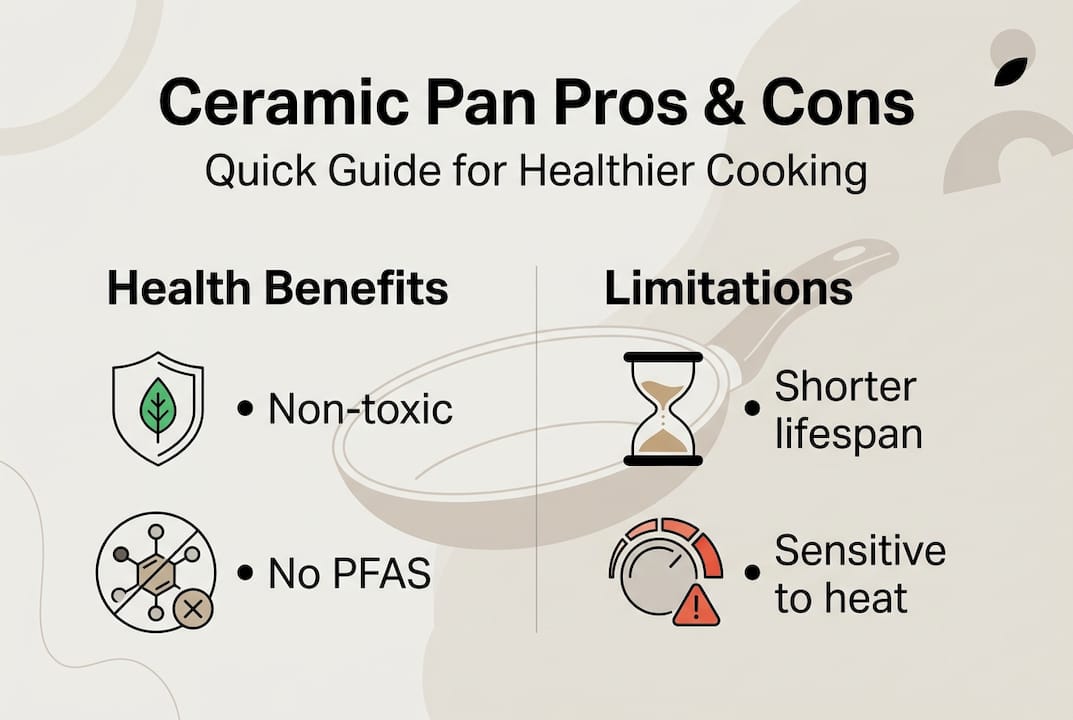
Fragility extends beyond temperature sensitivity. The glass-like coating chips when struck against hard surfaces or subjected to sharp impacts during washing or storage. Thermal shock proves particularly damaging because ceramic expands and contracts at different rates than the underlying metal base. Running a hot pan under cold water creates stress fractures that propagate through the coating over subsequent heating cycles.
Rough patches developing in the pan centre signal advanced coating degradation. These areas feel gritty to the touch and cause food to anchor firmly during cooking. Once roughness appears, no amount of careful use restores the original smoothness. The silica structure has permanently altered, and the pan enters its final functional phase before becoming essentially a standard aluminium or steel pan without nonstick properties.
Emerging research raises questions about microplastic release from ceramic coatings. Studies indicate potential microplastic release under heat and mechanical stress is under study, though ceramic releases significantly fewer particles than plastic-based cookware. The long-term health implications remain unclear, but the findings suggest ceramic coatings aren’t entirely inert under cooking conditions.
“Proper utensil selection and temperature control represent the difference between a ceramic pan lasting six months versus five years in regular home use.”
Main limitations include:
- Incompatibility with high-heat searing and browning techniques
- Rapid performance decline compared to PTFE or uncoated alternatives
- Susceptibility to chipping from impacts or thermal shock
- Potential microplastic particle release during stressed cooking
- Limited repairability once coating degrades or damages
- Higher replacement frequency increasing long-term costs
The environmental calculus proves complex. Whilst ceramic coatings avoid fluoropolymer production and PFAS contamination, their shorter lifespan means more frequent replacement. Manufacturing new pans consumes energy and resources, potentially offsetting the cleaner coating chemistry. A ceramic pan replaced every two years may generate more environmental impact than a single PTFE pan lasting seven years, depending on production methods and disposal practices.
For detailed performance comparisons addressing these trade-offs, ceramic vs teflon cookware guides help match cookware to cooking styles. Understanding nonstick vs ceramic skillets differences prevents disappointment when pans underperform in unsuitable applications.
Choosing and caring for ceramic coated pans to maximise benefits
Selecting quality ceramic cookware requires evaluating several factors beyond attractive colours and marketing claims. Start by examining the base material, as heavy-gauge aluminium provides better heat distribution than thin stamped steel. Check coating thickness specifications when available, with multi-layer ceramics offering superior durability to single-coat applications. Brand reputation matters because premium ceramic pans outperform cheap options and last longer with proper care.
Handle construction affects both safety and longevity. Riveted handles create crevices that trap food particles and cleaning residue, whilst welded or moulded handles provide seamless surfaces easier to maintain. Oven-safe ratings indicate handle materials that withstand higher temperatures without degrading, expanding cooking versatility for dishes requiring stovetop-to-oven transfers.
| Feature | Budget Ceramic Pans | Premium Ceramic Pans |
|---|---|---|
| Coating layers | Single thin layer | Multiple reinforced layers |
| Base thickness | 2-3mm stamped aluminium | 4-5mm forged aluminium |
| Expected lifespan | 6-18 months | 3-5 years |
| Oven safe rating | 300-350°F | 400-500°F |
| Warranty coverage | 30-90 days | 1-5 years |
| Handle quality | Hollow, heat-conducting | Solid, stay-cool design |
Proper care dramatically extends ceramic pan lifespan and preserves nonstick performance:
- Always preheat pans on low to medium heat settings, never high
- Use wooden, silicone, or nylon utensils exclusively to prevent scratching
- Hand wash with soft sponges and mild dish soap after every use
- Dry completely before storing to prevent water spot mineral deposits
- Avoid dishwashers, as harsh detergents and high heat degrade coatings
- Never stack pans without protective barriers between cooking surfaces
- Allow pans to cool naturally before washing to prevent thermal shock
- Store in dedicated spaces where they won’t contact harder cookware
Pro Tip: Pair ceramic pans with stainless steel or carbon steel cookware for a versatile kitchen setup. Use ceramic for delicate tasks requiring minimal fat, and switch to more robust materials for high-heat searing and browning.
Regularly assess your ceramic pans for performance decline. When eggs begin sticking in the centre or you need significantly more oil than when new, the coating has degraded beyond effective use. Continuing to use failing pans creates frustration and produces inferior cooking results. Replacing them at the right time maintains kitchen efficiency and meal quality.
Comparing carbon steel vs ceramic cookware reveals complementary strengths that suit different cooking scenarios. Ceramic excels at gentle, low-fat preparation whilst carbon steel handles aggressive heat and develops natural nonstick properties through seasoning. Understanding these distinctions helps build a cookware collection that covers all techniques without compromise.
For comprehensive buying guidance, consult best ceramic cookware reviews that test products across multiple performance criteria including nonstick effectiveness, durability, heat distribution, and ease of maintenance. Independent testing removes marketing hype and reveals which brands deliver genuine value.
Explore professional-grade cookware options at Brass & Steel
Whilst ceramic pans serve specific needs, serious home cooks often require more robust tools for high-heat techniques and long-term reliability. Brass & Steel manufactures professional carbon steel pans forged from single sheets without rivets or welds, creating heirloom-quality cookware that improves with age rather than degrading over time.
Carbon steel develops a natural nonstick patina through proper seasoning, eliminating chemical coatings entirely whilst delivering superior heat retention for perfect sears and browning. The 27 cm and 30 cm sauté pans handle everything from delicate fish to crusty steaks, working across all cooktops including induction. Unlike ceramic coatings that wear out, seasoned carbon steel becomes more nonstick and easier to use as you cook.
Key advantages include:
- Single-piece forged construction for maximum durability
- Natural nonstick surface free from PTFE, PFOA, and ceramic coatings
- Exceptional heat retention and responsiveness for professional results
- Oven-safe design supporting stovetop-to-oven cooking techniques
- Lifetime functionality with simple maintenance and re-seasoning
Explore our complete range and discover how carbon steel complements your ceramic cookware for a truly versatile kitchen. Visit our ceramic vs teflon cookware guide to understand how different materials suit various cooking styles and techniques.
Frequently asked questions
Are ceramic coated pans safe for healthy cooking?
Ceramic coatings contain no PFAS, PTFE, or toxic metals, making them safe for everyday cooking. They release no harmful fumes at normal cooking temperatures below 450°F. The silica-based coating remains chemically stable during routine use, posing no health risks to users or household members.
How long do ceramic coated pans typically last with regular use?
Average lifespan ranges from 6 months to 5 years depending on coating quality and care practices. Daily high-heat use and metal utensils accelerate degradation, whilst gentle handling and hand washing extend functionality. Premium brands with reinforced coatings outlast budget options by several years under identical conditions.
Can I use metal utensils on ceramic coated pans?
Avoid metal utensils entirely, as they create scratches that penetrate the silica coating and create stick points. Use wooden, silicone, or nylon tools to preserve the nonstick surface. Proper utensil choice represents the single most important factor in extending ceramic pan lifespan beyond the first year.
Are ceramic coated pans suitable for high-heat searing?
Ceramic coatings degrade rapidly under sustained high heat above 500°F required for proper searing. They work best for low to medium temperature cooking where nonstick properties remain effective. For browning steaks, chicken skin, or achieving restaurant-quality crusts, choose uncoated stainless steel or carbon steel instead.
Recommended
- Non-Toxic Cookware Choices: Carbon Steel vs Ceramic Pans – Brass & Steel
- Ceramic vs Nonstick Cookware: Safety, Longevity, and Performance – Brass & Steel
- Ceramic vs Teflon: Safety, Performance and Longevity – Brass & Steel
- 7 Best Alternatives to Teflon Pans for Healthier Cooking – Brass & Steel
- Cozee Bay - Bamboo Kitchenware: Complete Guide to Its Advantages