Ceramic vs Teflon: Safety, Performance and Longevity
Finding reliable cookware that is truly free from synthetic chemicals can feel like a challenge for many European families. The rise in health concerns around PTFE-based coatings such as Teflon has made home cooks search for safer alternatives that still perform well in daily use. This guide breaks down the differences between Teflon, ceramic, and carbon steel cookware, highlighting how carbon steel delivers natural, chemical-free nonstick performance and lasting durability for healthier European kitchens.
Table of Contents
- Ceramic and Teflon Defined and Debunked
- Key Differences in Coatings and Use
- Performance, Durability and Heat Handling
- Health, Safety and Environmental Concerns
- Comparing Costs and Long-Term Value
- Alternatives: Carbon Steel and Natural Nonstick
Key Takeaways
| Point | Details |
|---|---|
| Teflon vs. Ceramic | Teflon is a synthetic polymer, while ceramic is made from natural minerals, impacting heat resistance and safety. |
| Heat Tolerance | Ceramic coatings withstand temperatures up to 450°C, whereas Teflon begins to degrade around 260°C. |
| Health Considerations | Ceramic cookware is non-toxic and avoids the risks associated with synthetic chemicals found in Teflon. |
| Cost and Longevity | Teflon pans are generally cheaper with a longer lifespan, while ceramic pans may require more frequent replacement but offer added health benefits. |
Ceramic and Teflon Defined and Debunked
Cooking surfaces have evolved dramatically, with Teflon and ceramic representing two distinct technologies in non-stick cookware. Understanding their fundamental differences is crucial for home cooks seeking safe, high-performance kitchen tools.
Teflon, scientifically known as polytetrafluoroethylene (PTFE), is a synthetic polymer originally developed by DuPont. Synthetic chemical composition creates unique challenges for this material, particularly regarding heat stability and potential health risks. Traditional Teflon coatings historically contained perfluorooctanoic acid (PFOA), a chemical linked to several health concerns.
In contrast, ceramic coatings represent a more natural approach to non-stick surfaces. Key characteristics include:
- Silica-based mineral composition
- Free from synthetic fluoropolymers
- Derived from natural oxide materials
- Higher heat tolerance compared to Teflon
- Lower risk of chemical degradation
The fundamental manufacturing difference emerges clearly: while Teflon is a synthetic polymer applied through industrial processes, ceramic coatings are crafted from natural mineral compounds. Ceramic coatings offer a greener alternative with significantly reduced chemical complexity.
To clarify differences in material origins, consider the following manufacturing and composition summary table:
| Aspect | Teflon | Ceramic |
|---|---|---|
| Base Material | Synthetic polymer | Natural minerals |
| Production Process | Multi-step chemical | High-temperature curing |
| Key Component | PTFE (fluoropolymer) | Silica-based compounds |
| Environmental Impact | High (industrial chemicals) | Low (natural sources) |
Performance Differences
Ceramic and Teflon surfaces differ dramatically in practical kitchen performance. Teflon begins to degrade when heated above 260°C, potentially releasing toxic fumes. Ceramic coatings, by comparison, maintain structural integrity at much higher temperatures, providing more consistent cooking experiences.
Pro tip: When selecting cookware, prioritise ceramic options for superior heat resistance and reduced chemical interactions.
Key Differences in Coatings and Use
Cooking surface technologies reveal fascinating variations between Teflon and ceramic coatings, each presenting unique characteristics that dramatically impact kitchen performance and safety. Advanced coating technologies demonstrate remarkable differences in material composition and functional properties.
Manufacturing processes distinguish these two non-stick surfaces fundamentally. Teflon employs multiple layers of synthetic fluoropolymer polymers applied through industrial techniques, whereas ceramic coatings utilise silica-based mineral compounds cured at high temperatures. This structural difference translates directly into varied cooking experiences and durability.
Key performance characteristics include:
- Teflon: Superior food release properties
- Ceramic: Higher heat resistance
- Teflon: Enhanced durability and longevity
- Ceramic: Chemical-free surface composition
- Teflon: Smoother initial non-stick performance
The intended cooking style significantly influences which coating proves most suitable. Teflon excels in environments requiring consistent, slick surfaces, while ceramic coatings offer more robust heat tolerance and reduced chemical interaction. Home cooks must balance their specific cooking needs against these technological trade-offs.
Heat and Durability Considerations
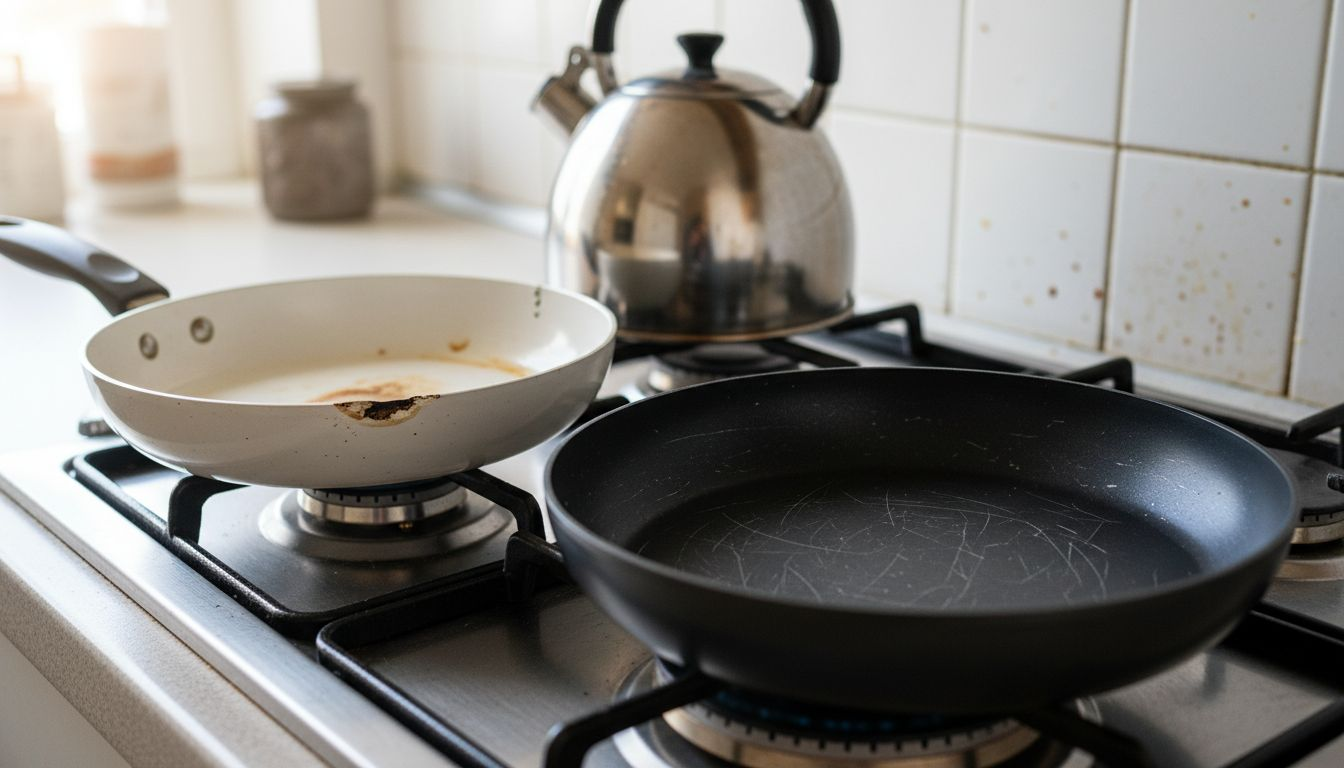
Temperature tolerance represents a critical differentiator between these coating technologies. Ceramic surfaces can withstand substantially higher temperatures compared to Teflon, which begins degrading around 260°C. This heat resistance makes ceramic an attractive option for high-temperature cooking techniques.
Pro tip: Select cookware coatings based on your primary cooking methods and temperature requirements, prioritising safety and performance.
Performance, Durability and Heat Handling
Cookware performance hinges critically on material resilience and heat management capabilities. Scientific testing reveals remarkable differences between ceramic and Teflon coatings in withstanding extreme cooking conditions.
Heat tolerance stands as a primary differentiator between these non-stick technologies. Ceramic coatings demonstrate extraordinary temperature resistance, maintaining structural integrity up to 450°C without significant degradation. Teflon, by contrast, begins to break down around 260°C, creating potential performance limitations and safety concerns for high-temperature cooking techniques.
Key durability characteristics include:
- Ceramic: Superior heat resistance
- Teflon: Smoother initial non-stick surface
- Ceramic: Better chemical stability
- Teflon: Longer consistent non-stick performance
- Ceramic: Reduced risk of toxic fume release
Longevity and Performance Metrics
Typical lifespan expectations vary dramatically between coating technologies. Teflon pans typically maintain optimal performance for 3-5 years with moderate use, while ceramic surfaces may experience faster wear from daily cooking and cleaning routines. However, ceramic’s enhanced heat tolerance and reduced chemical breakdown provide significant advantages for serious home cooks seeking reliable, health-conscious cookware.
Ceramic coatings excel in high-temperature environments, offering superior heat management compared to traditional non-stick surfaces.
Pro tip: Rotate your cookware and avoid metal utensils to extend the functional lifespan of both ceramic and Teflon surfaces.
Health, Safety and Environmental Concerns
Cookware safety extends far beyond simple cooking performance, encompassing critical health and environmental considerations. Chemical composition reveals significant differences between Teflon and ceramic coatings that directly impact user wellbeing and ecological impact.
Modern consumers increasingly prioritise understanding the potential health risks associated with cooking surfaces. Traditional Teflon, historically manufactured using perfluorooctanoic acid (PFOA), raised substantial concerns about toxic chemical exposure. While contemporary Teflon products have eliminated PFOA, ceramic coatings emerge as a fundamentally safer alternative, completely free from synthetic fluoropolymers.
Key health and environmental considerations include:
- Ceramic: Non-toxic mineral-based composition
- Teflon: No current PFOA, but synthetic chemical base
- Ceramic: Zero toxic fume release at high temperatures
- Teflon: Potential chemical emissions above 500°F
- Ceramic: Environmentally sustainable manufacturing
- Teflon: Complex industrial production processes
Chemical Safety Profiles
Environmental impact represents another crucial dimension of cookware selection. Ceramic coatings demonstrate significantly lower ecological footprints, utilising natural minerals and avoiding persistent fluorochemicals throughout their production and lifecycle. Teflon manufacturing processes continue to raise concerns about industrial chemical waste and long-term environmental sustainability.
Ceramic cookware represents a healthier, more environmentally conscious choice for conscientious consumers seeking reduced chemical interaction.
Pro tip: Always ventilate your kitchen when cooking at high temperatures and inspect non-stick surfaces regularly for signs of coating degradation.
Comparing Costs and Long-Term Value
Cookware investment requires careful consideration of both upfront expenses and long-term performance. Cost analysis reveals nuanced differences between ceramic and Teflon coatings that extend beyond initial purchase price.
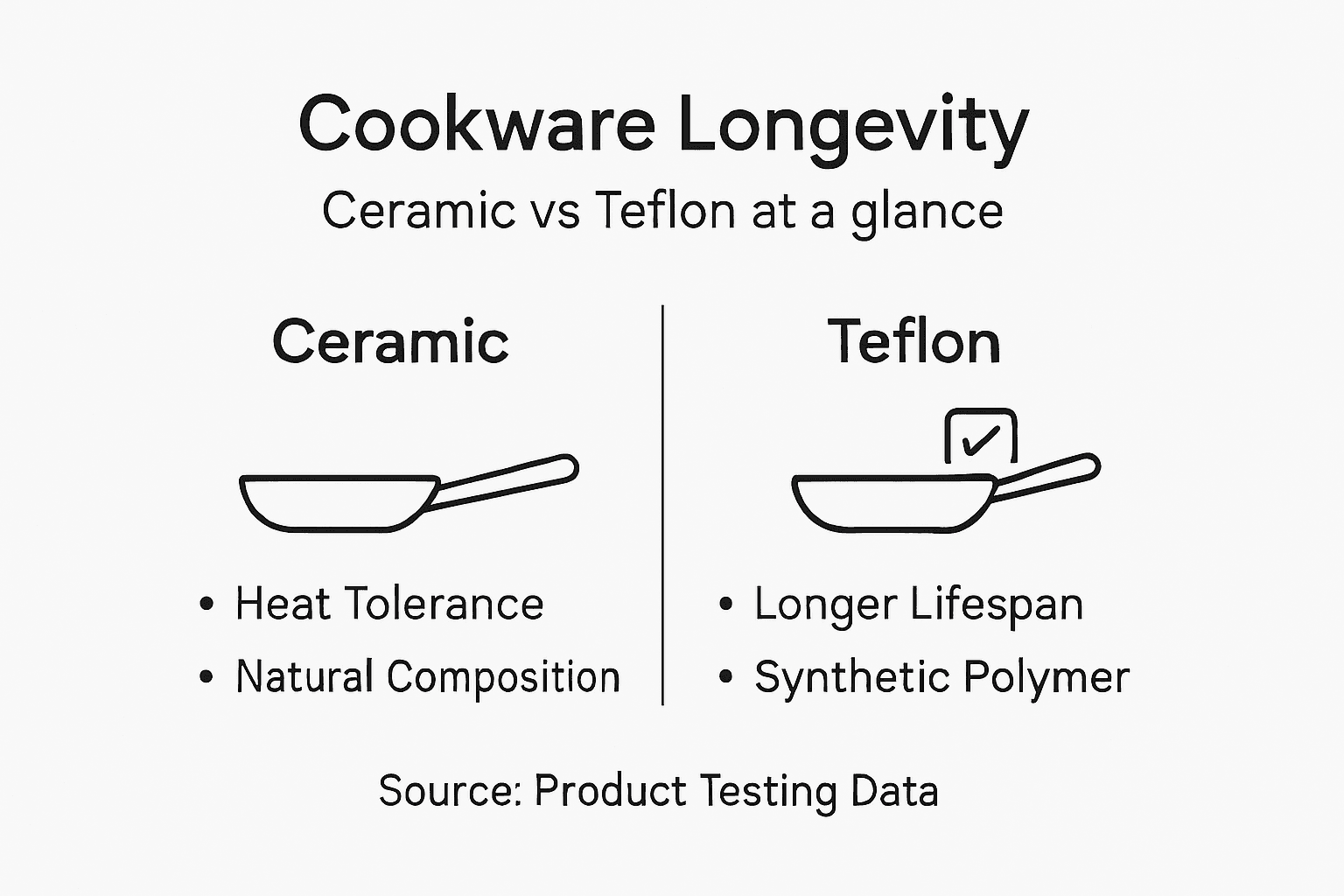
Initial purchase costs demonstrate clear variations. Teflon pans typically represent a more budget-friendly option, with lower upfront investment compared to ceramic alternatives. However, total cost of ownership involves more complex calculations, including durability, replacement frequency, and potential health considerations.
Key cost and value considerations include:
- Teflon: Lower initial purchase price
- Ceramic: Higher upfront investment
- Teflon: Longer consistent performance
- Ceramic: More frequent replacement potential
- Teflon: Economical for moderate cooking
- Ceramic: Premium option for health-conscious consumers
Long-Term Investment Analysis
Durability plays a crucial role in determining true economic value. Teflon pans often maintain performance longer under moderate cooking conditions, potentially offering better long-term value for budget-conscious households. Ceramic cookware, while initially more expensive, appeals to consumers prioritising health and chemical-free cooking environments.
For a quick comparison of long-term value and suitability, examine this high-level assessment:
| Factor | Teflon Pans | Ceramic Pans |
|---|---|---|
| Upfront Price | Lower | Moderate to high |
| Average Lifespan | 3–5 years | 1–3 years |
| Replacement Rate | Less frequent | More frequent |
| Best For | Budget-friendly cooks | Health-conscious cooks |
The most economical cookware balances initial cost, performance longevity, and potential health impacts.
Pro tip: Calculate your cookware’s total cost of ownership by considering replacement frequency, cooking habits, and potential health-related expenses.
Alternatives: Carbon Steel and Natural Nonstick
Home cooks increasingly seek healthier, more sustainable cookware solutions beyond traditional nonstick surfaces. Carbon steel emerges as a compelling alternative that combines natural performance with exceptional durability.
Unlike synthetic coatings, carbon steel offers a unique nonstick experience that develops naturally through seasoning. This process creates a protective layer that improves with each use, generating a slick surface without artificial chemicals. The pan’s performance actually enhances over time, contrasting sharply with ceramic or Teflon coatings that gradually degrade.
Key advantages of carbon steel include:
- Natural nonstick properties
- Zero synthetic chemical coatings
- Excellent heat conductivity
- Highly durable construction
- Versatile cooking performance
- Improved seasoning with repeated use
Natural Seasoning Process
Carbon steel requires an initial investment of time and technique to develop its nonstick capabilities. Seasoning involves carefully applying thin layers of oil, which polymerise and create a naturally protective surface. This process not only prevents rust but also generates a smooth cooking surface that becomes increasingly nonstick with proper maintenance.
Carbon steel represents a time-honoured cooking technology that combines traditional craftsmanship with modern performance requirements.
Pro tip: Invest time in properly seasoning your carbon steel cookware to create a naturally nonstick surface that improves with each meal.
Discover a Safer and More Durable Alternative to Ceramic and Teflon Cookware
If you are concerned about the chemical risks of Teflon and the shorter lifespan of ceramic coatings highlighted in this article Ceramic vs Teflon Safety, Performance and Longevity our high-quality carbon steel pans offer a compelling solution. Crafted from a single piece of carbon steel without any synthetic coatings our pans develop a natural nonstick surface through seasoning This means no PTFE no PFOA and no toxic fumes even at high temperatures
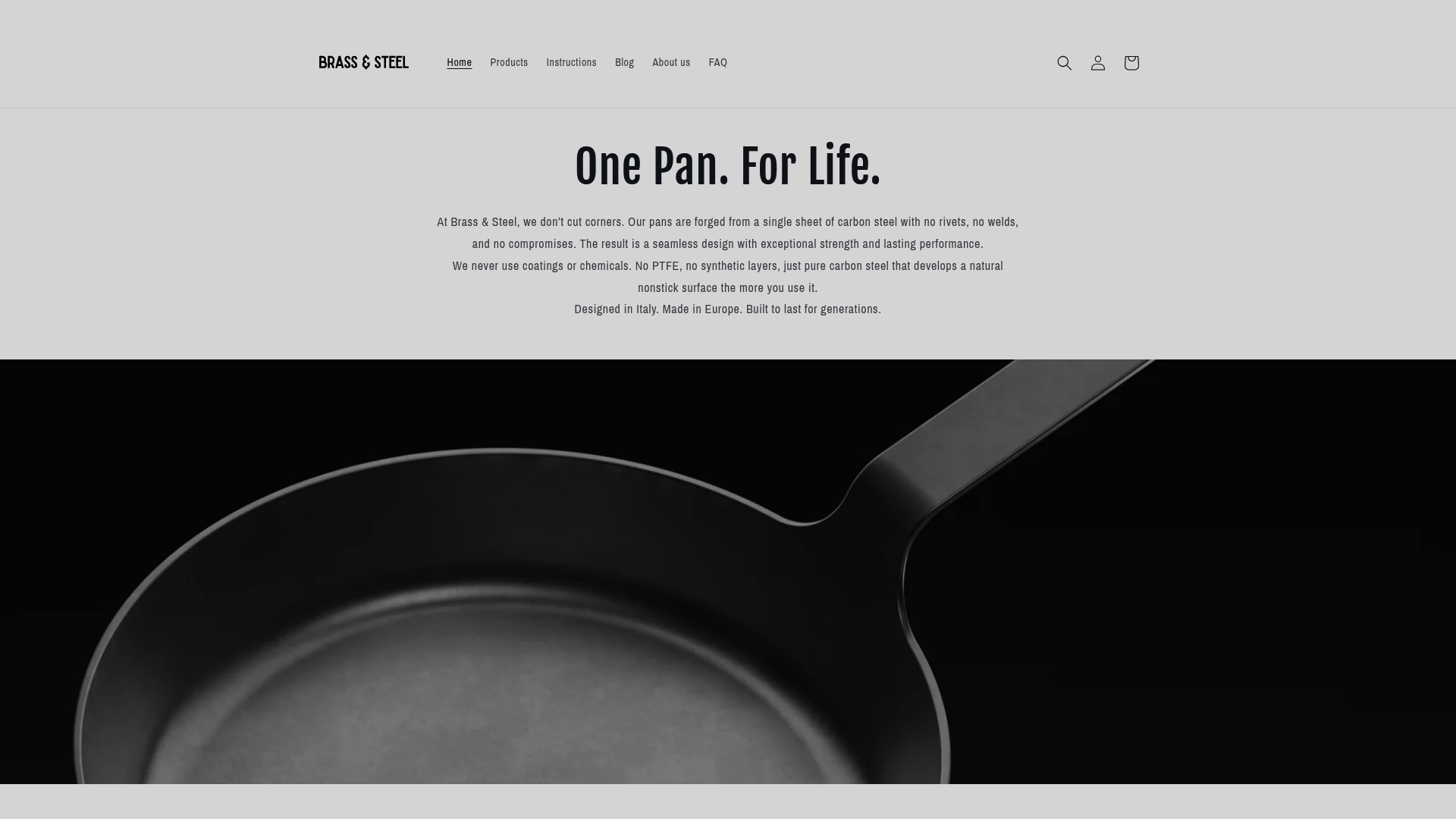
Explore the Carbon Steel Collection | Brass&Steel to experience cookware designed for health-conscious cooks who demand durability and exceptional heat performance. Each pan is forged in Poland with Italian design precision ensuring heirloom quality and induction compatibility Ready to ditch synthetic coatings and upgrade your kitchen Visit Brass & Steel now and take the next step toward cookware that grows better with every meal
Frequently Asked Questions
What are the main differences between ceramic and Teflon cookware?
Ceramic cookware is made from natural minerals and has a higher heat tolerance than Teflon, which is a synthetic polymer. Teflon begins to degrade at 260°C, whereas ceramic can withstand temperatures up to 450°C without breakdown.
Is ceramic cookware safer than Teflon?
Yes, ceramic cookware is generally considered safer as it is free from synthetic fluoropolymers and does not release toxic fumes at high temperatures, unlike Teflon which may emit harmful chemicals if overheated.
How long do ceramic and Teflon cookware last?
Teflon cookware typically lasts 3-5 years with moderate use, while ceramic cookware may wear out more quickly, often within 1-3 years, depending on usage and care.
Can I use metal utensils on ceramic and Teflon cookware?
It’s advisable to avoid metal utensils on both ceramic and Teflon cookware. Using utensils made of wood or silicone can help extend the lifespan of both types of coatings.
Recommended
- Ceramic vs Nonstick Cookware: Safety, Longevity, and Performance – Brass & Steel
- Non-Toxic Cookware Choices: Carbon Steel vs Ceramic Pans – Brass & Steel
- Nonstick vs Stainless Steel vs Ceramic – Which Pan Lasts Longer? – Brass & Steel
- Ceramic vs Aluminium Cookware – Performance and Safety Explained – Brass & Steel
- bell