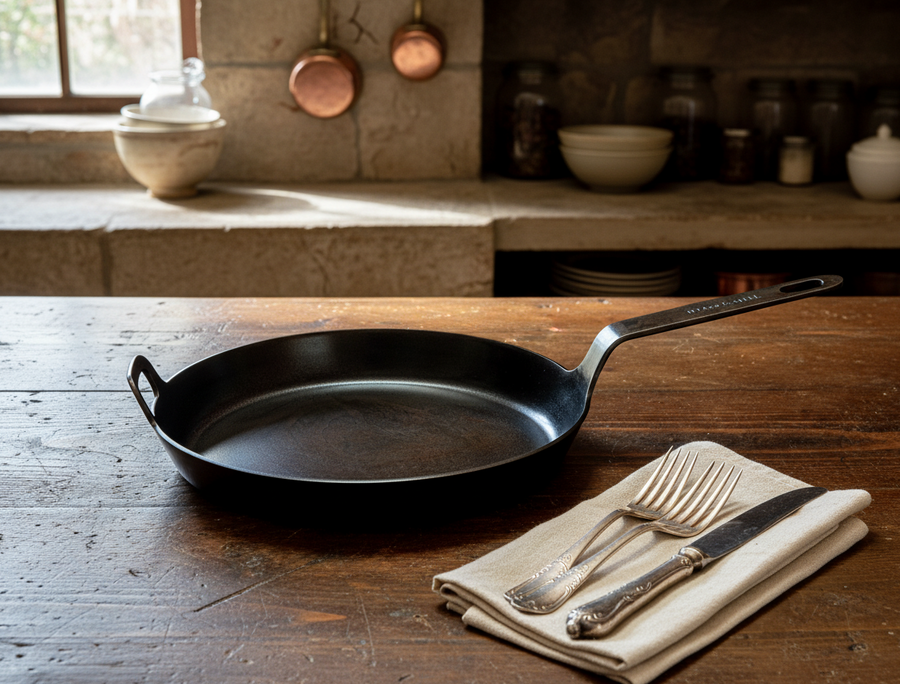
Carbon Steel Fry Pan vs Stainless Steel: Essential Differences for Serious Cooks
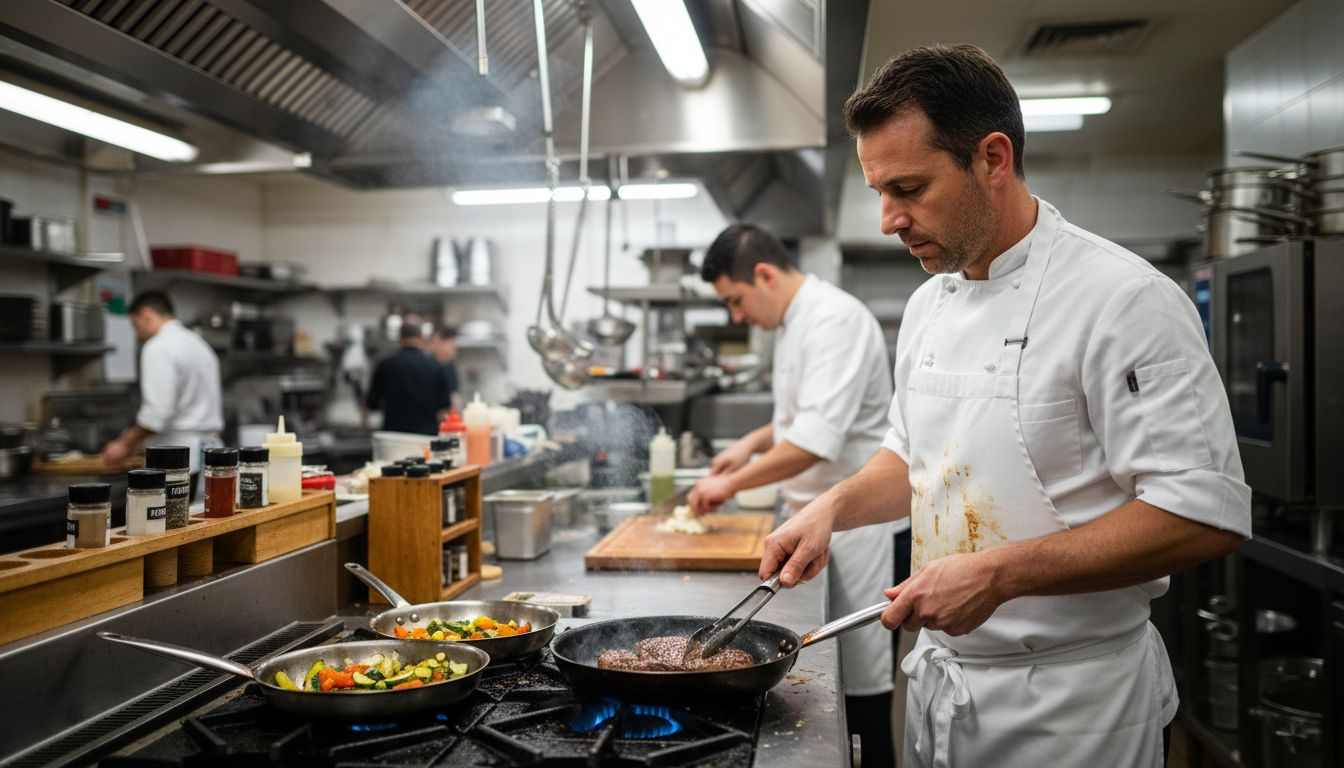
Many British kitchens are seeing a resurgence in traditional cookware as more chefs seek out the best tools for healthy, reliable cooking. Choosing between carbon steel and stainless steel fry pans shapes everyday results, from searing steaks to crafting delicate sauces. With over 60 percent of British professional kitchens relying on specialty pans for superior heat control, understanding their unique advantages helps dedicated cooks make smarter, long-term investments.
Table of Contents
- Comparing Carbon Steel And Stainless Steel Fry Pans
- Material Composition And Pan Construction
- Heat Performance And Cooking Results
- Seasoning, Maintenance, And Longevity
- Suitability For Health-Conscious Cooking
Key Takeaways
| Point | Details |
|---|---|
| Material Characteristics | Carbon steel is lightweight and responsive, ideal for high-heat cooking, while stainless steel offers durability and corrosion resistance for consistent performance. |
| Maintenance Requirements | Carbon steel requires regular seasoning and careful cleaning to maintain its non-stick surface, whereas stainless steel is easy to clean and highly resistant to rust. |
| Cooking Performance | Choose carbon steel for precise heat control in searing and stir-frying, and stainless steel for even cooking and delicate sauces. |
| Health Considerations | Stainless steel is safe for acidic foods without leaching metallic ions, while carbon steel suits low-fat cooking but is less ideal for acidic dishes. |
Comparing Carbon Steel and Stainless Steel Fry Pans
Choosing between carbon steel and stainless steel fry pans requires understanding their distinct material characteristics and cooking performance. Comprehensive pan comparisons reveal significant differences that impact cooking quality, maintenance, and long-term kitchen utility.
Carbon steel pans offer exceptional heat conductivity and responsiveness, developing a natural non-stick surface through seasoning. Their lightweight design allows rapid temperature changes, making them ideal for high-heat searing and precise cooking techniques. Stainless steel pans, conversely, provide superior durability and corrosion resistance, maintaining a consistent cooking surface without requiring complex seasoning processes.
The core distinctions emerge in material composition and performance characteristics. Carbon steel develops a black patina over time, creating a progressively non-stick surface through repeated cooking. Stainless steel remains consistent in appearance, offering a more neutral cooking environment that works well across diverse recipes. Professional chefs often maintain both types, leveraging their unique strengths for different culinary applications.
Expert tip: Select a carbon steel pan for high-heat searing and quick temperature adjustments, and a stainless steel pan for consistent, even cooking with minimal maintenance requirements.
Material Composition and Pan Construction
Understanding the precise material composition is crucial for selecting the right cookware. Technical metallurgical analysis reveals significant differences between carbon steel and stainless steel pan construction that directly impact cooking performance and durability.
Carbon steel pans primarily consist of iron with a small carbon content (typically 0.05-2.1%), creating a lightweight and responsive cooking surface. Their composition allows exceptional heat conductivity and rapid temperature adjustments. In contrast, stainless steel pans incorporate chromium (minimum 10.5%) and nickel, forming an alloy with superior corrosion resistance and a more stable cooking surface.
Manufacturing techniques also distinguish these materials. Carbon steel pans are often forged or stamped from a single sheet of metal, creating a seamless construction that enhances structural integrity. Stainless steel pans frequently utilise multi-layer constructions, sometimes incorporating aluminium or copper cores to improve heat distribution and create more even cooking environments.
Pro tip: Inspect the pan’s construction carefully, looking for seamless design in carbon steel and multi-layered cores in stainless steel to ensure optimal cooking performance and longevity.
Heat Performance and Cooking Results
Understanding heat performance is critical for serious cooks seeking optimal culinary results. Heat conductivity and cooking techniques reveal profound differences between carbon steel and stainless steel fry pans that dramatically impact cooking performance.
Carbon steel demonstrates remarkable heat responsiveness, rapidly reaching high temperatures and allowing precise temperature control. This characteristic makes it exceptional for techniques requiring quick heat changes, such as searing meats or stir-frying vegetables. The pan’s thin metal construction enables instant temperature adjustments, giving chefs unprecedented control over cooking processes. Stainless steel, by contrast, provides more gradual and consistent heating, which benefits dishes requiring steady temperature maintenance.
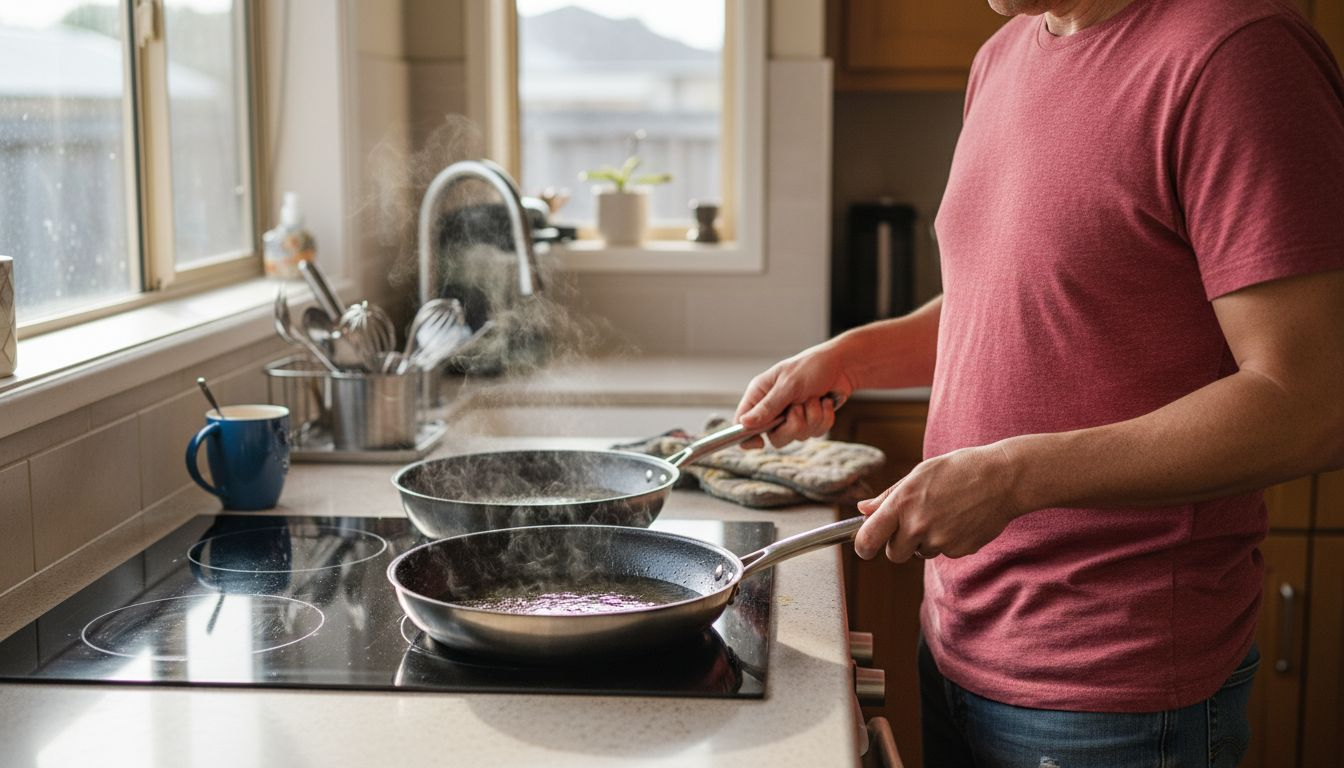
The browning and fond development also differ significantly between these materials. Carbon steel’s quick heat absorption creates superior caramelisation and fond formation, producing deeper flavour profiles in seared meats and vegetables. Stainless steel pans, especially those with aluminum or copper cores, offer more even heat distribution, making them ideal for delicate sauces and recipes demanding uniform cooking temperatures.
Pro tip: Choose carbon steel for high-heat searing and stir-frying, and select stainless steel for recipes requiring consistent, gentle heat distribution.
Seasoning, Maintenance, and Longevity
Comprehensive cookware maintenance practices reveal significant differences in care requirements between carbon steel and stainless steel pans, dramatically impacting their long-term performance and durability.
Carbon steel pans demand a more nuanced maintenance approach, centring on consistent seasoning and careful cleaning. The seasoning process creates a natural non-stick surface that improves with each cooking session, developing a rich, dark patina that enhances flavour and protects the pan. Chefs must meticulously dry the pan after washing, apply a thin oil layer, and avoid harsh scrubbing to preserve the developing seasoning. This ongoing ritual transforms the pan from a raw cooking surface into a highly prized culinary tool.
Stainless steel pans offer contrasting maintenance advantages, providing a more straightforward care routine. These pans resist rust, tolerate dishwasher cleaning, and maintain their appearance with minimal intervention. While they do not develop a natural non-stick surface like carbon steel, stainless steel pans offer consistent performance and remarkable durability. Professional kitchens often prefer stainless steel for its resilience and ease of maintenance, particularly in high-volume cooking environments.
Pro tip: Invest time in properly seasoning your carbon steel pan and follow manufacturer guidelines to ensure maximum longevity and optimal cooking performance.
The table below summarises key differences in construction and maintenance for quick decision-making:
| Aspect | Carbon Steel | Stainless Steel |
|---|---|---|
| Core Composition | Iron + carbon | Iron + chromium, nickel |
| Surface Changes | Develops black patina | Remains unchanged |
| Needed Maintenance | Regular seasoning | Minimal, easy cleaning |
| Rust Resistance | Prone if unseasoned | Highly resistant |
Suitability for Health-Conscious Cooking
Health considerations in cookware selection reveal nuanced differences between carbon steel and stainless steel that impact nutritional safety and cooking performance for health-conscious individuals.
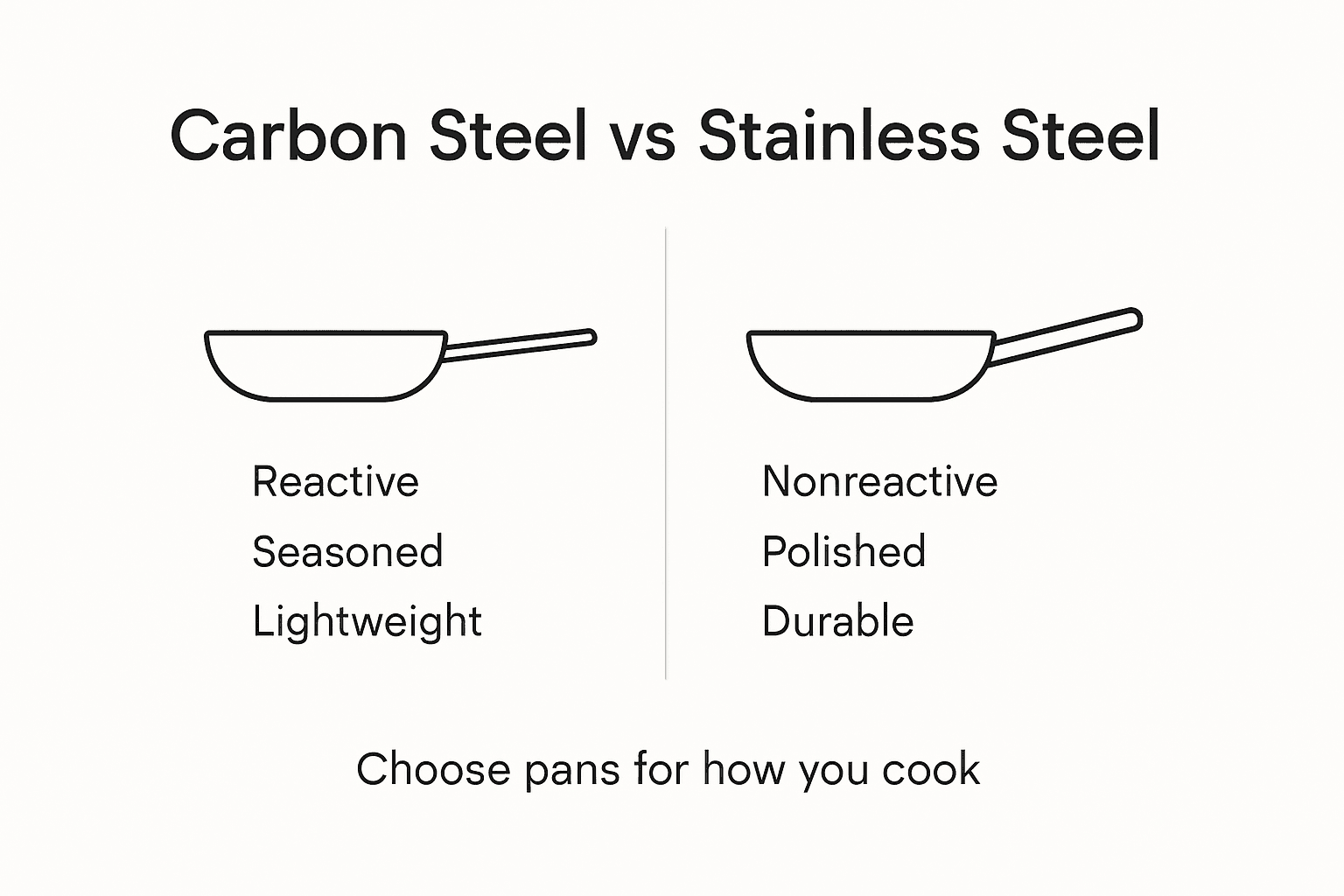
Carbon steel presents unique health advantages by offering a natural non-stick surface without synthetic chemical coatings. Its seasoning process creates a protective layer that reduces required cooking oil, potentially supporting lower-fat cooking techniques. However, carbon steel requires careful maintenance and becomes less suitable when preparing acidic dishes, which can strip away the protective seasoning and potentially interact with the pan’s surface.
Stainless steel emerges as the more versatile option for health-conscious cooking. Its non-reactive composition ensures no metallic ion leaching, making it safe for preparing a wide range of ingredients, including highly acidic foods like tomato-based sauces or citrus-infused dishes. Professional nutritionists often recommend stainless steel for its consistent performance, ease of cleaning, and ability to maintain food’s nutritional integrity without introducing unwanted chemical interactions.
Pro tip: Choose stainless steel for acidic recipes and versatile cooking, while reserving carbon steel for high-heat, low-acid dishes that benefit from its unique seasoning properties.
Here’s a concise reference comparing the suitability of carbon steel and stainless steel pans for common cooking needs:
| Cooking Task | Carbon Steel | Stainless Steel |
|---|---|---|
| Searing steaks | Outstanding heat response | Good but less intense sear |
| Stir-frying vegetables | Rapid temperature changes | Suitable for gentler stir-fry |
| Making sauces | Seasoning can impact flavour | Excellent for delicate sauces |
| Cooking acidic foods | Not recommended, reacts | Safe with all ingredients |
| Dishwasher cleaning | Not suitable | Often dishwasher safe |
| Low-fat cooking | Requires seasoning, less oil | Consistent with little oil |
Discover the Perfect Carbon Steel Pan for Serious Cooks
Choosing between carbon steel and stainless steel pans can be challenging for serious cooks who value durability, heat responsiveness, and natural non-stick performance. The key issues highlighted in the article include managing seasoning for a natural non-stick surface, achieving high-heat cooking precision, and maintaining cookware that improves with use. If you are looking to elevate your culinary craft with cookware designed for these exact needs, Brass & Steel offers an exceptional range of high-quality carbon steel pans crafted with one-piece forged construction for ultimate durability and performance.
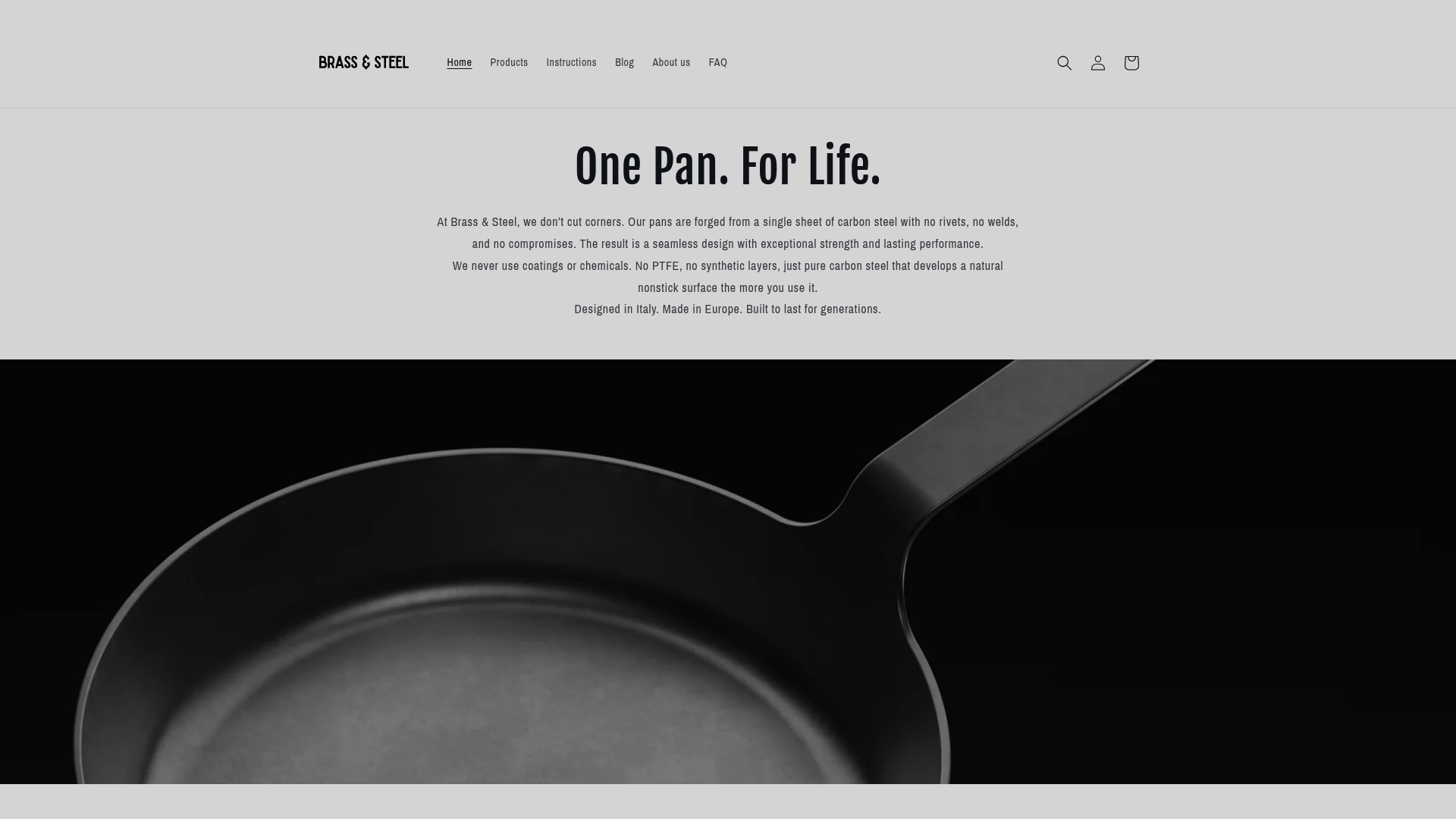
Explore our Carbon Steel Collection | Brass&Steel to find heirloom-quality pans that combine professional heat control with health-conscious design. Whether you need a responsive 27 cm pan for everyday searing or a 30 cm pan built for larger meals, our cookware supports the seasoning process that builds a safe, non-toxic patina enhancing flavour and cooking efficiency. Act now to experience cookware that stands the test of time and kitchen challenges. Visit Brass & Steel to upgrade your kitchen today and check our New arrivals – Brass & Steel for the latest innovations in carbon steel cookware.
Frequently Asked Questions
What are the main differences between carbon steel and stainless steel fry pans?
Carbon steel pans offer exceptional heat conductivity and responsive cooking, developing a natural non-stick surface through seasoning. Stainless steel pans are more durable, resistant to corrosion, and maintain a consistent cooking surface without needing seasoning.
How do I maintain a carbon steel fry pan compared to stainless steel?
Carbon steel requires regular seasoning and careful cleaning to develop and preserve its non-stick patina, while stainless steel requires minimal maintenance and can often be cleaned with a dishwasher, maintaining its appearance with less effort.
Can I use acidic foods in a carbon steel fry pan?
It is not recommended to cook acidic foods in a carbon steel fry pan, as the acid can strip away the seasoning and affect the pan’s surface. Conversely, stainless steel pans are safe for cooking with acidic ingredients, ensuring no unwanted interactions.
For high-heat cooking, which type of pan should I choose?
Choose a carbon steel pan for high-heat searing and quick temperature adjustments, as it offers excellent heat responsiveness. Stainless steel pans are better suited for even cooking and techniques requiring consistent temperatures.
Recommended
- Carbon Steel vs Stainless Steel Cookware – What Every Chef Needs to Kn – Brass & Steel
- 7 Different Types of Frying Pans Every Chef Should Know – Brass & Steel
- Carbon Steel vs Stainless Steel Pans, which one is best? – Brass & Steel
- 7 Essential Types of Frying Pan Every Chef Should Know – Brass & Steel