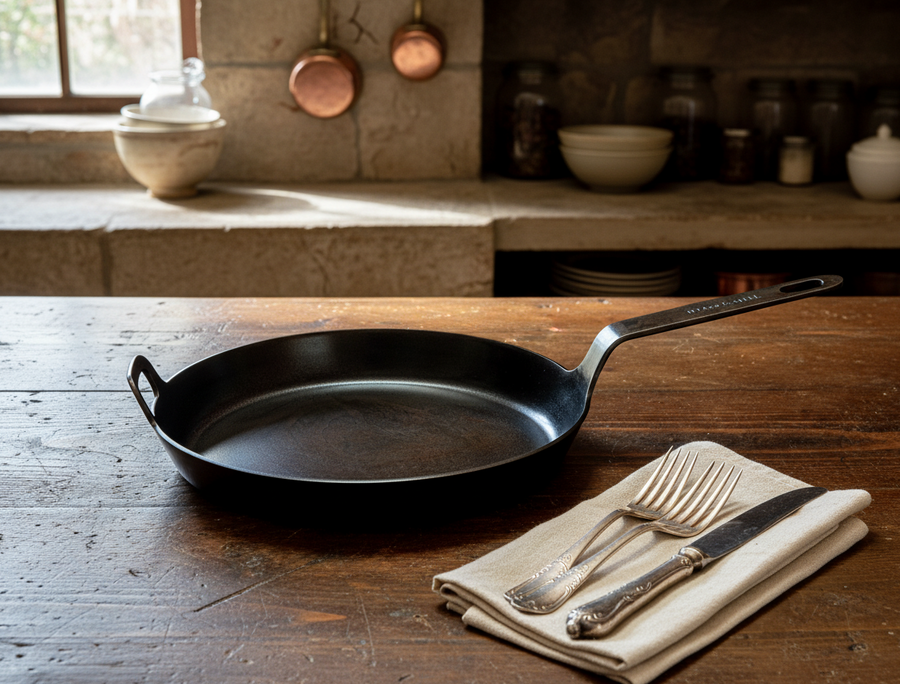
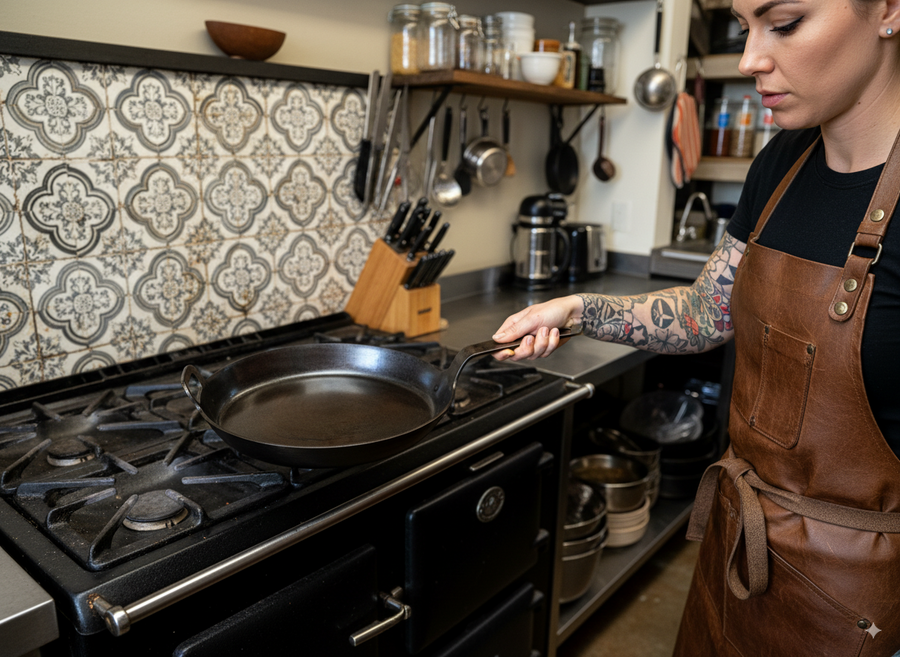
Why carbon steel cookware is non-toxic and safe in 2026
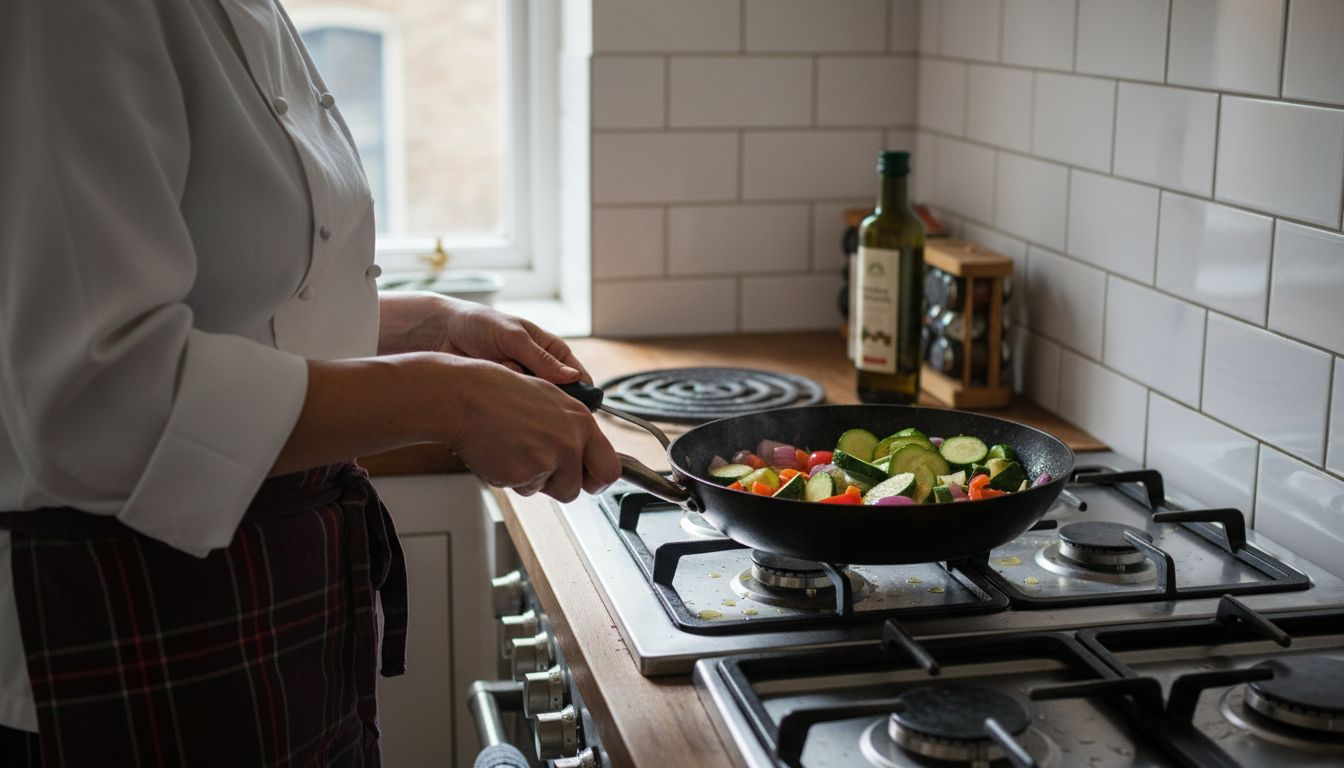
Many health-conscious cooks worry about toxic substances leaching from their cookware into food, particularly when switching from synthetic nonstick pans. Carbon steel often sits in a grey area of understanding, with confusion about whether this traditional metal poses health risks. The truth is that carbon steel cookware is generally non-toxic when properly manufactured and seasoned, thanks to its simple composition of naturally occurring elements. This article clarifies why carbon steel remains one of the safest cookware choices available, backed by expert evidence and practical guidance for maintaining its non-toxic properties throughout years of use.
Table of Contents
- What Makes Carbon Steel Cookware Non-Toxic?
- How Seasoning Protects Your Food And Reduces Element Transfer
- Iron Leaching: What It Means For Your Health And Cooking
- Comparing Carbon Steel To Other Cookware: Health And Safety Insights
- Explore Our Premium Carbon Steel Cookware Collection
Key takeaways
| Point | Details |
|---|---|
| Simple composition | Carbon steel contains mainly iron and carbon, both natural and non-toxic elements essential to human health. |
| Protective seasoning | Proper seasoning creates a polymerised, non-reactive layer that prevents direct food contact with metal. |
| Safe iron transfer | Iron leaching occurs but typically falls within safe dietary limits for most individuals. |
| Chemical-free surface | Carbon steel lacks PFAS, PFOA, and synthetic coatings found in conventional nonstick cookware. |
| Maintenance matters | Proper care and seasoning directly affect safety, performance, and cookware longevity. |
What makes carbon steel cookware non-toxic?
The fundamental safety of carbon steel lies in its remarkably simple chemical composition. Unlike complex alloys or synthetic coatings, carbon steel cookware consists of approximately 99% iron and 0.05% to 2.1% carbon. Both elements occur naturally and pose no inherent toxicity risks to humans. Iron serves as an essential nutrient that your body requires for oxygen transport and cellular function, whilst carbon forms the structural basis of all organic life.
This simplicity contrasts sharply with other cookware materials. Stainless steel contains chromium and nickel, aluminium cookware raises questions about metal accumulation, and synthetic nonstick pans incorporate fluoropolymer coatings. Carbon steel’s minimal ingredient list means fewer opportunities for harmful substances to migrate into your food. The carbon content strengthens the iron matrix without introducing toxic compounds, creating a durable cooking surface from elements your body already recognises.
The manufacturing process for quality carbon steel pans involves forging or stamping iron sheets without adding chemical treatments or artificial coatings. This straightforward production method preserves the material’s natural properties. When you cook with carbon steel, you’re using cookware that humans have trusted for centuries, refined through modern engineering but fundamentally unchanged in its core composition.
Key safety features of carbon steel include:
- No synthetic nonstick coatings that can degrade at high temperatures
- Minimal chromium content compared to stainless steel alloys
- Absence of PFAS chemicals linked to health concerns
- Natural iron that provides nutritional benefits rather than toxic exposure
- Simple elemental structure that resists chemical breakdown during cooking
Pro Tip: When purchasing carbon steel cookware, verify that the manufacturer uses food-grade materials and avoids applying chemical treatments or low-quality protective coatings that could compromise the pan’s non-toxic nature.
How seasoning protects your food and reduces element transfer
Seasoning transforms carbon steel from a reactive metal surface into a virtually non-stick, protective cooking platform. This process involves heating oil on the pan’s surface until it polymerises, creating a hard, glass-like layer chemically bonded to the iron beneath. The seasoning creates a non-toxic barrier that prevents direct contact between your food and the metal base, significantly reducing any potential element transfer.
The polymerised oil layer functions as a molecular shield. When properly developed, this coating fills the microscopic pores in the carbon steel surface, creating a smooth, non-reactive interface. Acidic ingredients like tomatoes or vinegar, which would normally interact with bare iron, instead encounter this stable carbon-based layer. The seasoning doesn’t just improve cooking performance; it fundamentally changes how your food interacts with the cookware.
Building and maintaining this protective layer requires attention to technique and oil selection. High smoke-point oils such as grapeseed, avocado, or sunflower oil polymerise most effectively, forming durable bonds that withstand repeated cooking cycles. The quality of your initial seasoning directly influences long-term safety and performance.
Follow these steps to establish proper seasoning:
- Wash your new pan with warm, soapy water to remove any manufacturing residue
- Dry the pan completely using heat if necessary to eliminate all moisture
- Apply an extremely thin layer of high smoke-point oil across all surfaces
- Wipe away excess oil until the pan appears almost dry
- Heat the pan in a 250°C oven for 30 minutes, placed upside down
- Repeat this process two to three times for optimal protection
- Maintain the seasoning by cooking fatty foods and avoiding harsh detergents
The thickness and integrity of your seasoning layer directly correlate with how much iron might transfer to food. A well-seasoned pan releases virtually no detectable iron during normal cooking, whilst a poorly maintained or stripped surface allows greater metal contact. Regular use actually improves this protection, as each cooking session with fats and oils reinforces the polymerised coating.
Pro Tip: Never use harsh chemical cleansers or abrasive scrubbers on seasoned carbon steel, as these strip away the protective layer and expose bare metal that can react with food and transfer more iron.
Iron leaching: what it means for your health and cooking
Iron migration from carbon steel pans into food represents the primary safety consideration for this cookware type. Research confirms that iron leaching occurs, especially with acidic ingredients, but the amounts typically fall within safe dietary ranges for most individuals. Understanding this phenomenon helps you make informed decisions about when and how to use your carbon steel cookware.
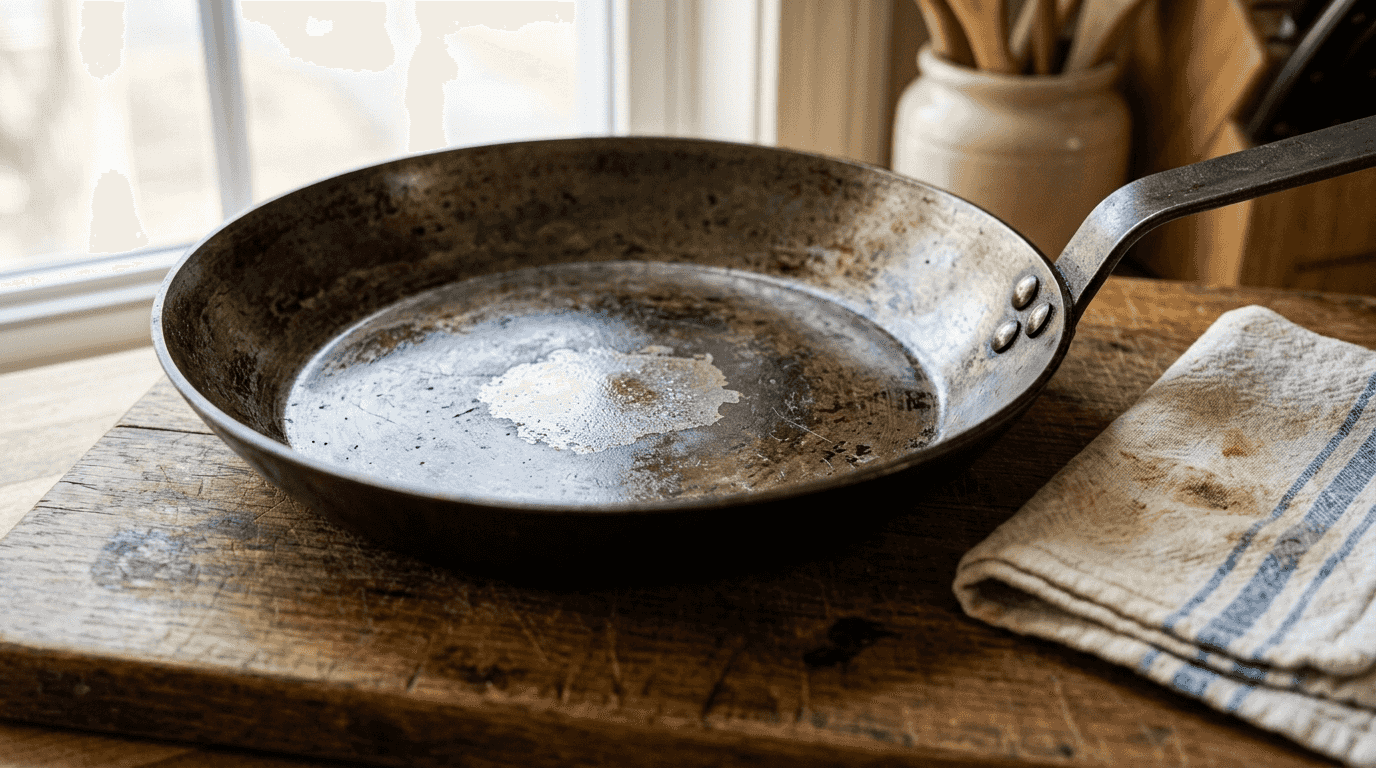
The extent of iron transfer depends on several factors. Cooking acidic foods like tomato sauce, citrus-based dishes, or vinegar marinades increases leaching significantly compared to neutral or alkaline preparations. Longer cooking times allow more opportunity for iron to dissolve into your food. A poorly seasoned or newly stripped pan transfers substantially more iron than a well-maintained surface with multiple seasoning layers.
For most people, this additional dietary iron poses no health risk and may actually provide nutritional benefits. Iron deficiency remains surprisingly common, particularly among women of childbearing age, vegetarians, and individuals with certain medical conditions. The iron from cookware contributes to your overall intake, potentially helping meet daily requirements. One study found that cooking acidic tomato sauce in iron cookware increased the iron content significantly, turning a potential concern into a dietary advantage.
However, certain individuals should exercise caution:
- People with hemochromatosis or iron overload disorders must carefully monitor iron intake from all sources
- Those with genetic conditions affecting iron metabolism should consult healthcare providers before regular carbon steel use
- Individuals already taking iron supplements might want to limit acidic cooking in carbon steel
- Anyone concerned about their iron levels should discuss cookware choices with their doctor
The table below compares iron content from various sources to contextualise cookware contributions:
| Iron source | Approximate iron content | Notes |
|---|---|---|
| Beef liver (100g) | 6.5mg | Single serving provides significant iron |
| Spinach (100g cooked) | 3.6mg | Plant-based iron with lower absorption |
| Tomato sauce (carbon steel, 100g) | 1-5mg variable | Depends on acidity, cooking time, seasoning |
| Fortified breakfast cereal (serving) | 4-18mg | Varies widely by brand |
| Red meat (100g) | 2-3mg | Highly bioavailable heme iron |
Proper seasoning and maintenance dramatically reduce iron transfer whilst preserving the cookware’s natural non-toxic properties. A well-cared-for carbon steel pan releases minimal iron during everyday cooking tasks like searing vegetables, cooking eggs, or preparing stir-fries with neutral ingredients.
Comparing carbon steel to other cookware: health and safety insights
Evaluating carbon steel against alternative cookware materials reveals its strong safety profile. Each cookware type presents distinct advantages and potential concerns regarding element leaching, chemical exposure, and long-term health effects. Understanding these differences helps you make informed choices for your kitchen.
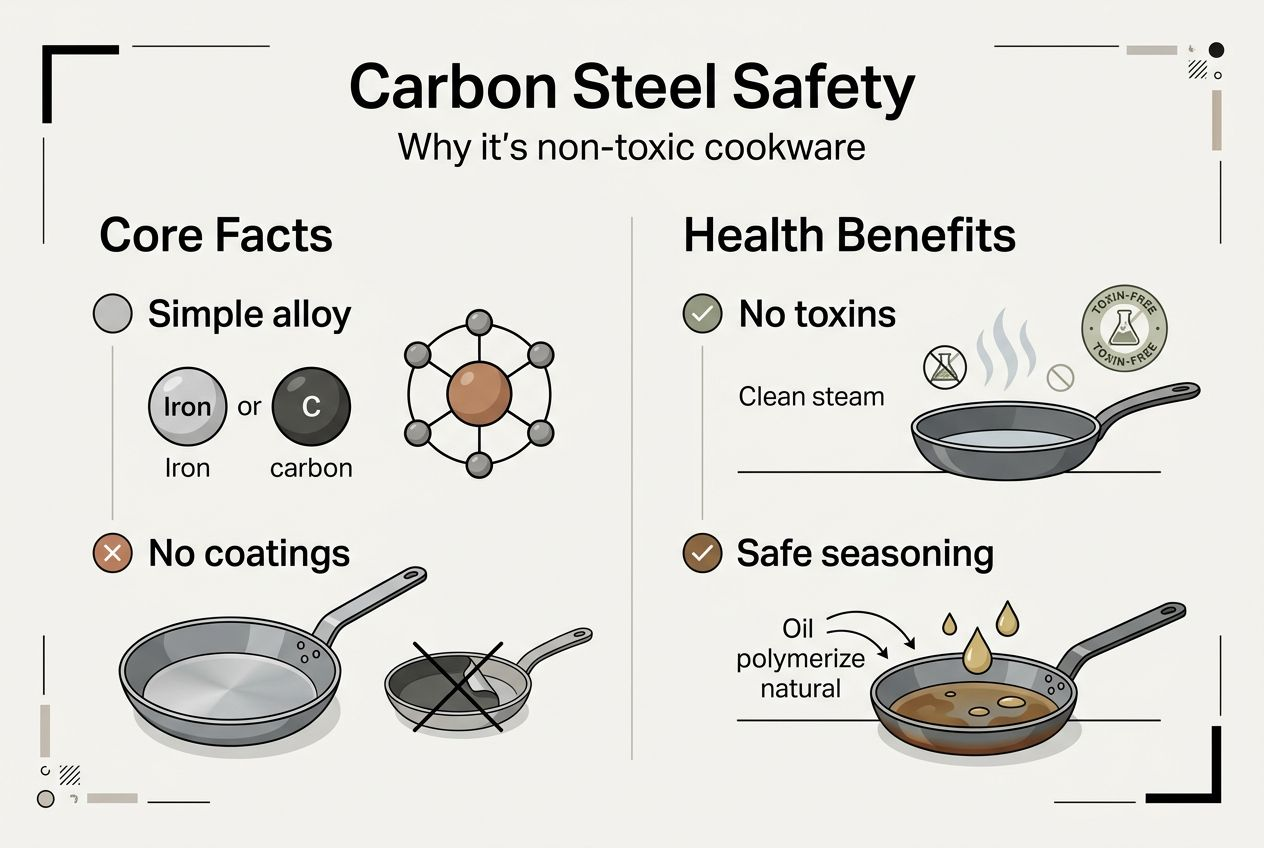
Synthetic nonstick cookware historically raised the most significant health concerns. Traditional nonstick pans contain PFAS chemicals, including PFOA and PTFE, which can release toxic fumes when overheated above 260°C. Whilst newer formulations claim to eliminate some problematic compounds, questions remain about the safety of alternative fluoropolymers. Carbon steel offers nonstick properties through natural seasoning without any synthetic chemicals, eliminating this entire category of risk.
Stainless steel cookware contains higher chromium content, typically 18% or more, which provides excellent corrosion resistance. However, metal kitchen utensils can transfer elements into food, though most release only very small amounts. Stainless steel can leach nickel and chromium, particularly when cooking acidic foods. For individuals with nickel sensitivities, this presents a genuine concern that carbon steel avoids entirely.
Aluminium cookware, whether anodised or bare, raises questions about aluminium accumulation in the body. Whilst research hasn’t definitively linked cookware aluminium to health problems, some studies suggest limiting exposure. Anodising creates a protective layer that reduces leaching, but this coating can wear over time. Carbon steel’s iron leaching, by contrast, typically benefits rather than harms health.
Cast iron shares carbon steel’s composition but differs in carbon content and manufacturing. Both materials leach iron and require seasoning, offering similar safety profiles. Cast iron tends to be heavier and retain heat longer, whilst carbon steel heats faster and offers better manoeuvrability. From a toxicity standpoint, they’re essentially equivalent.
The following table compares key safety factors across cookware types:
| Cookware type | Toxicity risk | Element leaching | Maintenance needs | Chemical coatings | | — | — | — | — | | Carbon steel | Very low | Iron (beneficial for most) | Moderate (seasoning required) | None | | Stainless steel | Low | Chromium, nickel (minimal) | Low (dishwasher safe) | None | | Traditional nonstick | Moderate to high | None | Low (avoid high heat) | PFAS/PTFE present | | Aluminium | Low to moderate | Aluminium (debated risk) | Low to moderate | Sometimes anodised | | Cast iron | Very low | Iron (beneficial for most) | Moderate (seasoning required) | None | | Ceramic nonstick | Low | Minimal | Moderate (coating degrades) | Silica-based (safer) |
Carbon steel’s safety advantages include:
- Complete absence of PFAS, PFOA, and fluoropolymer chemicals
- Lower chromium content than stainless steel alloys
- Iron leaching that provides nutritional benefits for most users
- No synthetic coatings that can chip, flake, or degrade
- Natural seasoning that improves rather than deteriorates with proper use
The primary maintenance consideration involves preventing rust, which requires diligent drying and occasional re-seasoning. This extra care ensures the cookware maintains its non-toxic properties and performance characteristics. Unlike stainless steel’s chromium protection, carbon steel relies on your maintenance habits to prevent oxidation.
Modern non-toxic cookware options increasingly focus on eliminating synthetic chemicals and problematic metals. Carbon steel stands out as a time-tested solution that requires no compromises between performance and safety. Its natural composition and simple care requirements make it an excellent choice for health-conscious cooks seeking to minimise chemical exposure in their kitchens.
Explore our premium carbon steel cookware collection
Now that you understand why carbon steel offers exceptional safety and non-toxic cooking, it’s time to experience these benefits firsthand. Brass & Steel crafts professional-grade carbon steel cookware in Jarocin, Poland, using single-piece forging that eliminates rivets and welds. Our pans arrive ready to season, with detailed guidance to help you build and maintain the protective layer that keeps your cooking safe and healthy.
Each pan in our collection combines engineering precision with culinary performance, offering the natural nonstick properties and high heat tolerance that serious cooks demand. We use only food-grade carbon steel, free from PTFE, PFOA, and synthetic coatings. Our 27cm and 30cm sauté pans work beautifully on all cooktops, including induction, giving you versatile, trustworthy cookware that lasts generations. Choose carbon steel that’s crafted with care, backed by expertise, and designed to protect both your health and your cooking.
FAQ
Is carbon steel safe to cook acidic foods?
Cooking acidic ingredients like tomatoes, citrus, or vinegar in carbon steel increases iron leaching and can affect your seasoning layer. The iron transfer remains nutritionally safe for most people, though it may impart a metallic taste to highly acidic dishes. For best results, use well-seasoned pans sparingly with acidic foods, or reserve stainless steel for recipes with significant acid content.
Can iron leaching from carbon steel cause health issues?
For the vast majority of people, iron from carbon steel cookware is completely safe and may provide nutritional benefits, particularly for those with iron deficiency. The amounts transferred during normal cooking fall well within safe dietary limits. However, individuals with hemochromatosis, iron overload disorders, or specific genetic conditions affecting iron metabolism should consult their healthcare provider before using carbon steel regularly.
How often should I season my carbon steel pan?
Season your carbon steel pan whenever food begins sticking, the surface appears dull or patchy, or you notice rust spots developing. Well-maintained pans used regularly may only need complete re-seasoning once or twice yearly, whilst occasional-use pans benefit from more frequent attention. Each cooking session with fats naturally maintains the seasoning, so frequent users often find their pans improve continuously without formal re-seasoning. Follow our detailed seasoning guide for best results.
Is carbon steel more prone to rust than stainless steel?
Yes, carbon steel rusts more easily than stainless steel because it lacks the chromium content that provides corrosion resistance. Proper care prevents rust effectively through immediate drying after washing, light oiling between uses, and maintaining good seasoning coverage. Stainless steel offers convenience in this regard, but carbon steel’s superior cooking performance and non-toxic simplicity make the extra maintenance worthwhile. Learn our proven techniques to prevent rust naturally and keep your pans in excellent condition.