Best carbon steel induction cookware for 2026

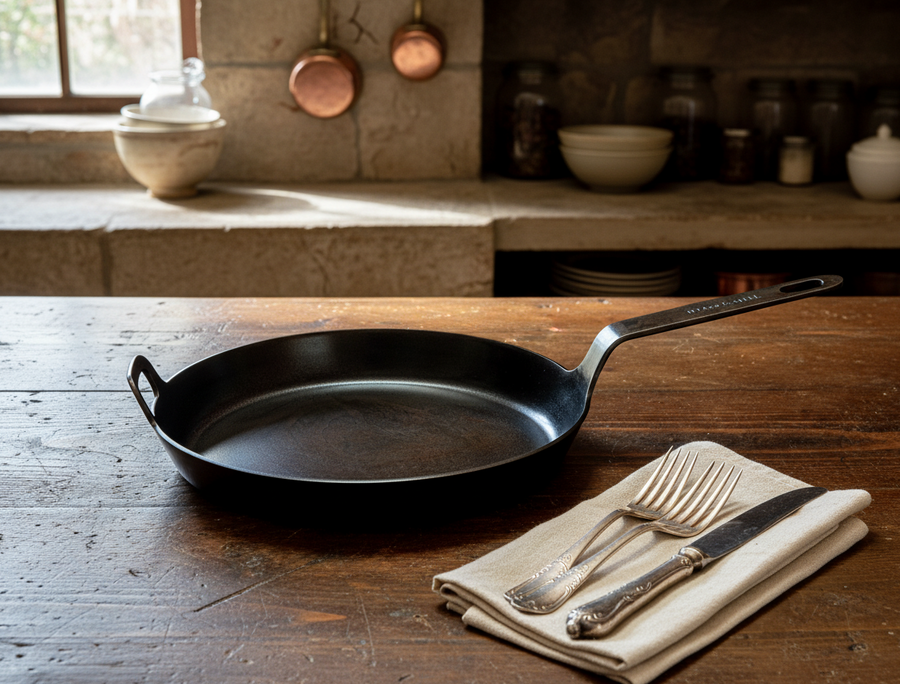
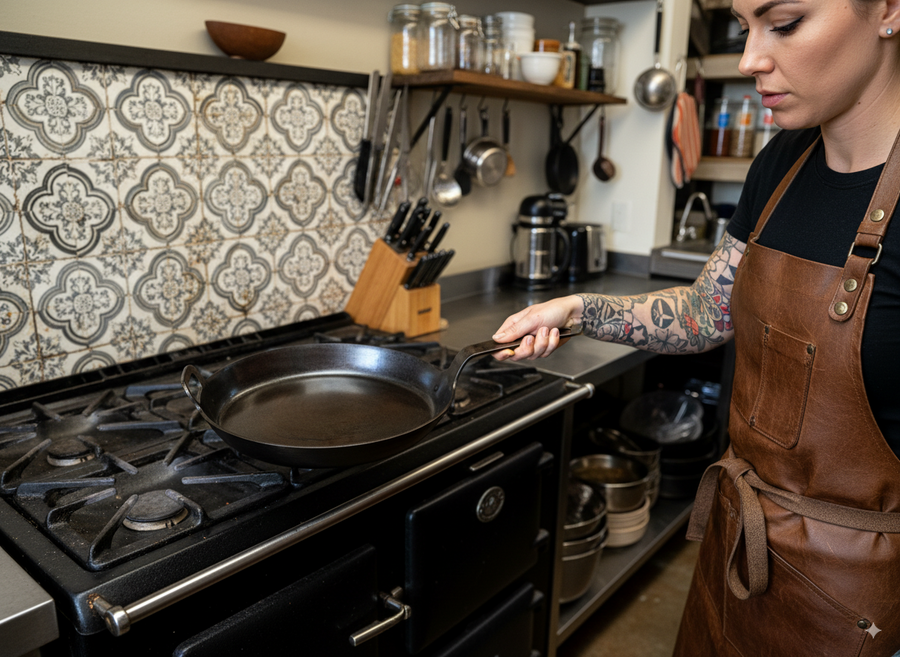
Many home cooks believe only specific cookware types work on induction cooktops, yet carbon steel remains surprisingly underappreciated. This magnetic, iron-rich material excels at induction cooking, offering heat retention rivalling cast iron and responsiveness surpassing stainless steel. Understanding carbon steel’s compatibility transforms your kitchen capabilities, whether searing steaks or sautéing vegetables.
Table of Contents
- Understanding Induction Compatibility And Carbon Steel
- Benefits Of Carbon Steel Cookware For Induction Cooking
- Seasoning And Care Essentials For Longevity And Performance
- Choosing The Right Carbon Steel Cookware For Your Induction Kitchen
- Explore High-Quality Carbon Steel Cookware At Brass & Steel
- Frequently Asked Questions About Induction Cookware And Carbon Steel
Key takeaways
| Point | Details |
|---|---|
| Magnetic properties essential | Induction cooktops require ferromagnetic cookware, making carbon steel naturally compatible. |
| Superior heat performance | Seasoned carbon steel offers excellent retention with 20% faster responsiveness than cast iron. |
| Seasoning creates protection | Proper seasoning builds natural non-stick surfaces whilst preventing rust and corrosion. |
| Acidic foods require caution | Prolonged cooking of acidic ingredients damages seasoning and pan integrity. |
| Versatile cooking platform | Carbon steel works across all heat sources including induction, oven, and open flame. |
Understanding induction compatibility and carbon steel
Induction cooktops generate electromagnetic fields that require ferromagnetic cookware materials to function. Carbon steel, an iron-carbon alloy containing 99% iron, possesses strong magnetic properties making it ideal for induction cooking. This composition ensures efficient energy transfer from cooktop to pan.
Testing compatibility takes seconds. Hold a magnet against your pan’s base; strong attraction confirms induction suitability. Carbon steel passes this test effortlessly thanks to its high iron content, unlike aluminium or pure copper alternatives.
The advantages extend beyond simple compatibility:
- Efficient heat transfer converts electromagnetic energy directly into cooking heat
- Magnetic properties remain stable across temperature ranges
- Works seamlessly on gas, electric, and induction surfaces
- No special induction disc or adapter layer needed
- Responds instantly to power adjustments
This versatility matters for serious home cooks. You’re not locked into one cooktop type, and using carbon steel pans on induction delivers professional results without compromising future kitchen upgrades. The material’s inherent magnetic nature, rather than added features, ensures reliable performance.
Benefits of carbon steel cookware for induction cooking
Carbon steel’s thermal properties create exceptional cooking experiences on induction surfaces. Properly seasoned pans distribute heat evenly across the cooking surface, eliminating hot spots that plague cheaper cookware. Heat retention rivals cast iron whilst maintaining superior temperature control.
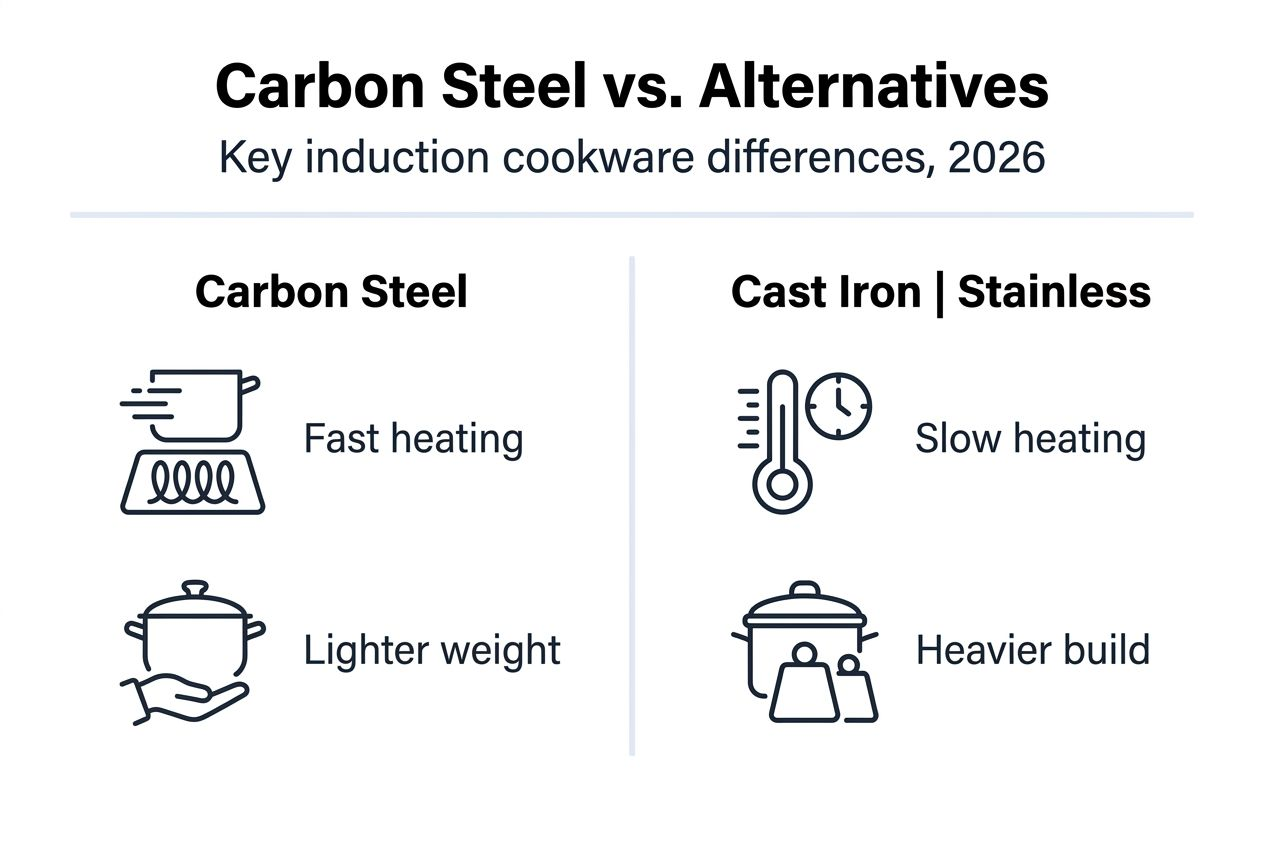
Responsiveness sets carbon steel apart from heavier alternatives. The material heats 20% faster than cast iron, allowing precise adjustments when searing proteins or reducing sauces. Lowering induction power cools the pan quickly, preventing overcooking delicate ingredients.
Seasoning transforms carbon steel into a naturally non-stick surface. Multiple oil layers polymerise during heating, creating a smooth cooking platform that releases food effortlessly. This develops over time, improving with each use rather than degrading like synthetic coatings.
| Feature | Carbon Steel | Cast Iron | Stainless Steel |
|---|---|---|---|
| Heat responsiveness | Excellent | Moderate | Very good |
| Weight | Light to medium | Heavy | Medium |
| Seasoning required | Yes | Yes | No |
| Non-stick capability | Develops naturally | Develops naturally | Minimal |
| Induction compatibility | Excellent | Excellent | Variable |
| Price range | Moderate | Low to moderate | Moderate to high |
The carbon steel induction cooking benefits extend to everyday practicality. Lighter weight reduces wrist strain during cooking and cleaning. The smooth surface requires less oil than bare stainless steel, supporting healthier cooking methods.
Pro Tip: Always preheat carbon steel pans on medium power for 2 minutes before adding ingredients. Induction’s rapid heating can cause warping if you start at maximum power with an empty pan.
Seasoning and care essentials for longevity and performance
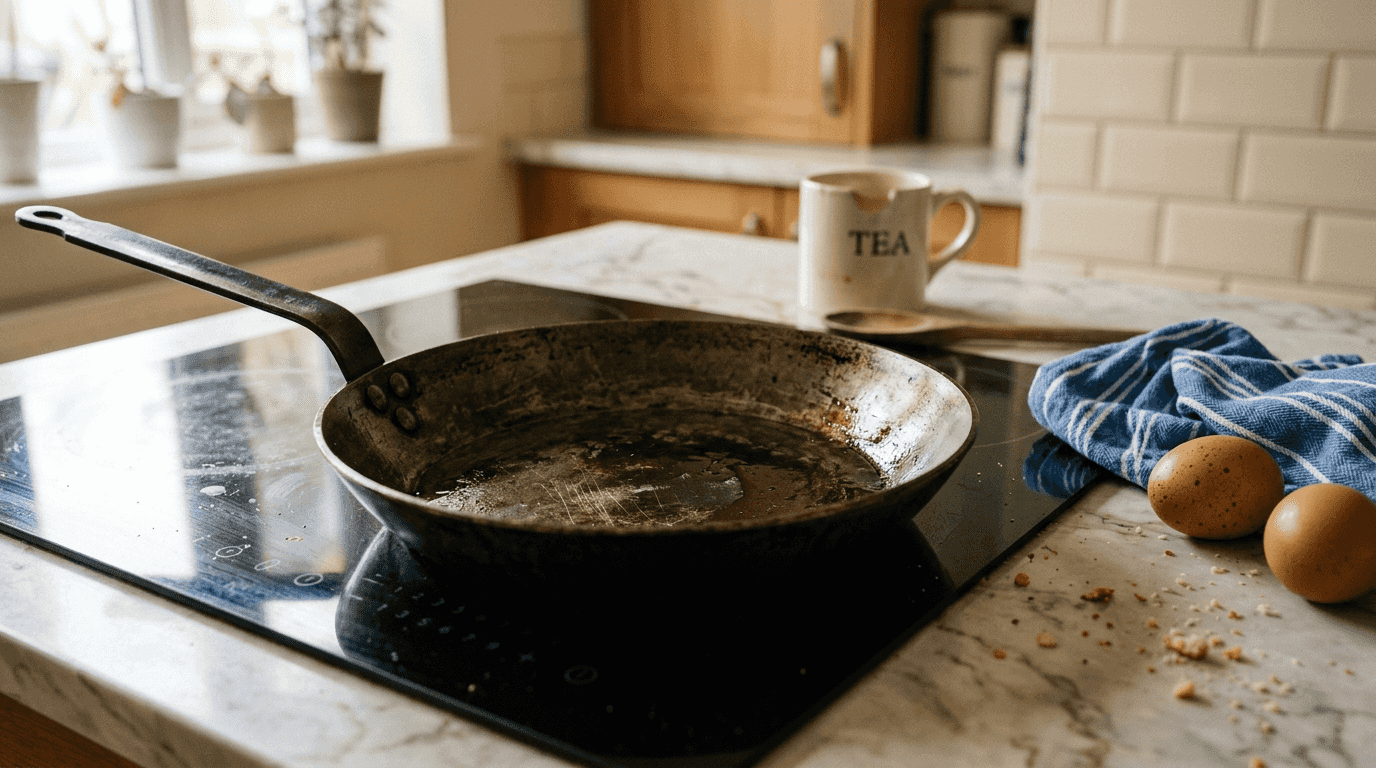
Seasoning creates the protective layer that defines carbon steel’s performance. Polymerised oil forms a non-stick surface whilst preventing rust, transforming raw steel into reliable cookware. Master this process to unlock your pan’s full potential.
Follow these steps for initial seasoning:
- Wash the new pan with warm soapy water to remove factory oils
- Dry completely using a towel and low stovetop heat
- Preheat your oven to 250°C
- Apply a thin layer of grapeseed, avocado, or sunflower oil
- Wipe away excess until the surface appears almost dry
- Place the pan upside down in the oven for 30 minutes
- Repeat this process 2 to 3 times for durable base seasoning
Maintaining seasoning requires consistent care. Clean with warm water only, avoiding soap that strips protective layers. Dry immediately after washing, then apply a light oil coating. Cook fatty foods regularly to strengthen the patina naturally.
Acidic ingredients demand caution. Extended cooking of tomatoes or citrus damages seasoning and exposes bare steel to corrosion. Brief contact poses no problems, but lengthy simmering in acidic sauces strips the protective layer you’ve built.
Pro Tip: Your pan needs re-seasoning when food begins sticking or the surface appears dull grey rather than glossy black. Scrub away damaged seasoning with coarse salt, then restart the seasoning process from step one.
Common mistakes shorten pan lifespan. Never leave water sitting in carbon steel, as rust forms within hours. Avoid sudden temperature changes that cause warping, especially on induction where heat intensity varies dramatically. Store in dry locations with light oil protection.
Detailed guidance on carbon steel pan seasoning and avoiding common seasoning mistakes ensures your investment lasts decades. Properly maintained carbon steel becomes family heirloom cookware, improving rather than deteriorating over time.
Choosing the right carbon steel cookware for your induction kitchen
Pan thickness directly impacts induction performance. Thicker carbon steel distributes heat more evenly, though thinner pans may develop hot spots over induction coils. A 3mm pan suits everyday cooking, whilst 4mm thickness handles professional-level heat demands.
Size selection depends on your cooking patterns. A 27cm pan serves two to three people for most recipes, whilst 30cm accommodates family meals and batch cooking. Consider your induction zone dimensions; oversized pans extend beyond heating elements, creating uneven temperatures.
| Consideration | What to Look For | Why It Matters |
|---|---|---|
| Base thickness | 3mm to 4mm | Even heat distribution prevents hot spots |
| Handle design | Riveted or welded steel | Stays cooler on stovetop, tolerates oven heat |
| Surface finish | Smooth interior | Easier seasoning, better non-stick development |
| Weight balance | 2kg to 3kg | Light enough for tossing, heavy enough for stability |
| Edge design | Rolled or tapered | Comfortable pouring, reduced chipping risk |
Quality indicators separate excellent carbon steel from mediocre alternatives:
- Single-piece construction eliminates rivet gaps that trap food
- Uniform thickness across the cooking surface
- Smooth interior finish without rough patches
- Comfortable handle angle for extended cooking sessions
- Clear manufacturer guidance on seasoning and care
Specialised shapes serve specific needs. Traditional round pans excel at sautéing and searing, whilst a carbon steel wok for induction handles stir-frying and deep-frying efficiently. Evaluate your most frequent cooking methods before committing to one style.
Brand reputation matters for carbon steel durability. Established manufacturers understand heat treatment processes that prevent warping under induction’s intense, focused heat. Research construction methods and warranty terms; quality producers stand behind their products for years.
Budget considerations balance initial cost against lifetime value. Carbon steel prices range from £70 to £150 depending on size and construction quality. Higher investment typically yields better heat distribution and longer lifespan. A carbon steel seasoning checklist helps protect any investment through proper care.
Explore high-quality carbon steel cookware at Brass & Steel
Finding reliable carbon steel cookware matching induction requirements becomes straightforward with specialist manufacturers. Brass & Steel crafts single-piece pans from premium carbon steel, forged for durability and optimal heat performance. Each pan arrives with comprehensive seasoning guidance, eliminating guesswork for newcomers.
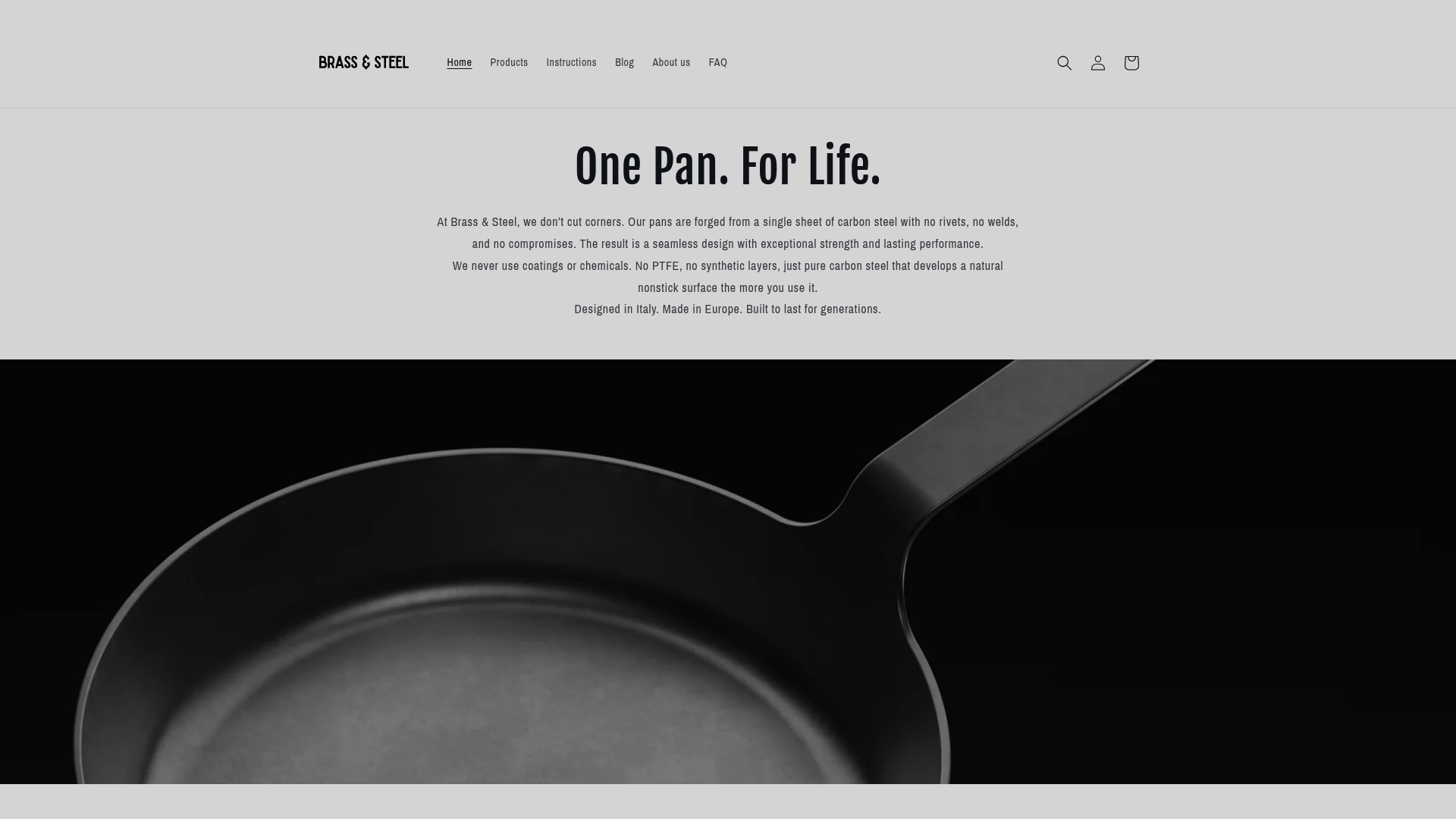
Our 27cm and 30cm sauté pans suit different cooking scales whilst maintaining induction compatibility across all models. Expert craftsmanship from our Jarocin facility ensures consistent thickness and magnetic properties. Visit Brass & Steel to explore the complete collection and discover why serious home cooks throughout Europe trust our heirloom-quality cookware for their induction kitchens.
Frequently asked questions about induction cookware and carbon steel
How can I check if my cookware is induction compatible?
Hold a magnet against the pan’s base. Strong attraction confirms induction compatibility, as electromagnetic cooktops require ferromagnetic materials. Carbon steel’s high iron content ensures it passes this test consistently.
What is the best method to season a carbon steel pan?
Preheat your oven to 250°C, apply a thin oil layer, wipe away excess, then bake upside down for 30 minutes. Repeat this seasoning process two to three times for durable protection. Use high-smoke-point oils like grapeseed or avocado.
Can I cook acidic foods in a carbon steel pan?
Brief contact with tomatoes or citrus poses no problems, but prolonged cooking strips seasoning and risks corrosion. Reserve carbon steel for quick acidic preparations, using enamelled or stainless cookware for lengthy simmering.
How often should I re-season my carbon steel cookware?
Re-season when food begins sticking or the surface appears dull rather than glossy. Heavy use may require monthly attention, whilst careful maintenance extends intervals to several months. Visual inspection guides timing better than fixed schedules.
Is carbon steel better than cast iron for induction?
Carbon steel heats faster and responds more quickly to temperature changes, offering superior control. Cast iron retains heat longer but weighs significantly more. Choose carbon steel for versatility and precision, cast iron for steady, prolonged heat retention.